Questions
Answers
Our trusted network of 1stDibs sellers answer common questions
How can you tell if a ceramic is handmade?
1 Answer
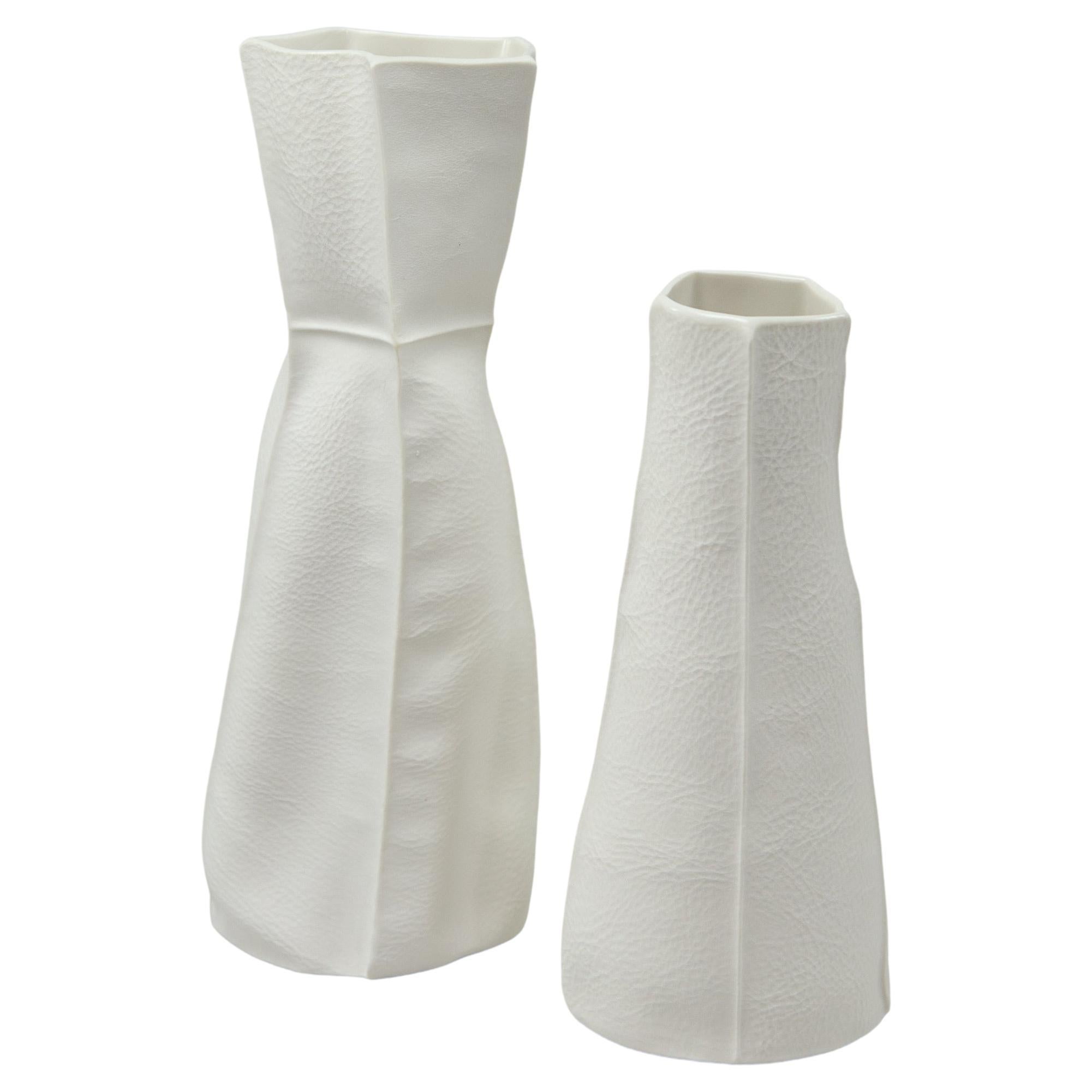
To tell if a ceramic is handmade, grab a magnifying glass and examine its surface up close. Handmade pieces will usually show signs of the maker. You may be able to detect brushstrokes in the glaze or variations in it that suggest a person finished it by hand. Other visible signs that ceramics are handcrafted include fingerprints and tool marks. On 1stDibs, find a wide range of ceramics.
1stDibs ExpertOctober 15, 2024
Related Questions
- How can you tell if ceramics are antique?1 Answer
- How can I tell if a figurine is ceramic or porcelain?1 Answer
- How can I tell the difference between a ceramic and a porcelain sink?1 Answer
- How can you tell Wedgwood?1 Answer
- How can you tell Belleek?1 Answer
Shop for Ceramics on 1stDibs
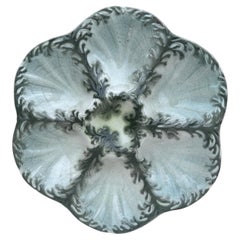
Majolica Seaweeds Oyster Plate Keller
Guerin Saint Clement
Located in Austin, TX
Majolica oyster plate Keller et Guerin Saint Clement, circa 1900.
Usually in pink.
Reference / Page 98 "Collecting oyster plates" of Jeffrey B. Snyder.
Category
Antique Early 1900s French Art Nouveau Dinner Plates
Materials
Majolica
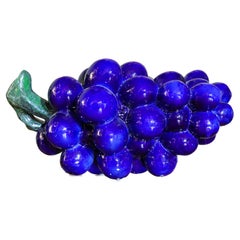
Bunch of Blue Grapes, Ceramics by Hans Hedberg, Biot, France
By Hans Hedberg
Located in Stockholm, SE
A Large bunch of grapes designed by Hans Hedberg (1917-2007) Swedish ceramist who had his studio in Biot, near nice in France. The grapes comes with a stand in acrylic glass that is ...
Category
Vintage 1980s French Scandinavian Modern Ceramics
Materials
Ceramic
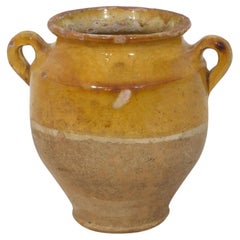
Small French 19th Century Yellow Glazed Ceramic Confit Jar
Located in Buisson, FR
Beautiful small confit jar with its characteristic yellow glaze.
Confit jars were used primarily in the South of France for the preservation of meats such as duck or goose for dishe...
Category
Antique 19th Century French French Provincial Ceramics
Materials
Ceramic
$307 Sale Price
51% Off
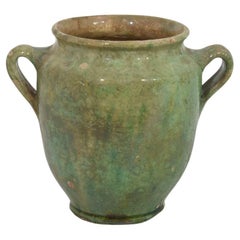
French 19th Century Faded Green Glazed Ceramic Confit Jar
Located in Buisson, FR
Beautiful confit jar with very rare faded green glaze.
Confit jars were used primarily in the South of France for the preservation of meats such as duck or goose for dishes such as ...
Category
Antique 19th Century French French Provincial Ceramics
Materials
Ceramic
$353 Sale Price
50% Off
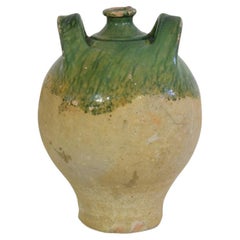
19th Century French Green Glazed Earthenware Jug or Water Cruche
Located in Buisson, FR
Great authentic and rare piece of pottery from the Provence. Beautiful weathered and an amazing color. Imperfections help authenticate this water cruche as it was a utilitarian type...
Category
Antique 19th Century French French Provincial Ceramics
Materials
Earthenware
$353 Sale Price
45% Off
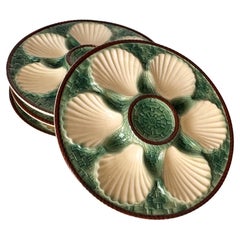
Set of 4 Oyster Plates – Majolica, 19th Century – Green, White
Brown Glaze
By Longchamp
Located in Auribeau sur Siagne, FR
Set of 4 Oyster Plates – Majolica, 19th Century – Green, White & Brown Glaze
Description:
This is a set of four 19th-century majolica oyster plates, a classic example of luxury Fren...
Category
Antique 19th Century French Art Nouveau Dinner Plates
Materials
Ceramic