Questions
Answers
Our trusted network of 1stDibs sellers answer common questions
How do I know if my Satsuma is real?
1 Answer
Satsuma porcelain or pottery includes a maker’s mark with the name of the person who made the item. Japanese numbers may also indicate that a Satsuma piece was part of a collection. Genuine Satsuma pieces will not have a “Made in Japan” label and should only include Japanese characters. When in doubt, work with a certified appraiser to determine the authenticity of your Satsuma piece. Find a variety of expertly vetted Satsuma porcelain and pottery collectibles on 1stDibs.
1stDibs ExpertApril 5, 2022
Related Questions
- What is a Japanese Satsuma vase?1 Answer
- Is Satsuma pottery valuable?1 Answer
- How do I date a Satsuma vase?1 Answer
- What is the difference between Satsuma and moriage?1 Answer
- How do you identify Satsuma pottery marks?1 Answer
Shop for Kinkozan Furniture on 1stDibs
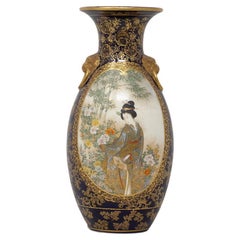
Japanese Antique Earthenware Satsuma Vase by Kinkozan Meiji Period
By Kinkozan
Located in Newark, England
FREE WORLDWIDE SHIPPING
MEIJI PERIOD (1868-1912)
From our Japanese Satsuma collection, we are delighted to present this exceptional Meiji period Satsuma vase by Kinkozan
This tal...
Category
Antique Late 19th Century Japanese Meiji Ceramics
Materials
Ceramic, Earthenware, Pottery
Japanese Antique Meiji Period Satsuma Vase by Kinkozan
By Kinkozan
Located in Newark, England
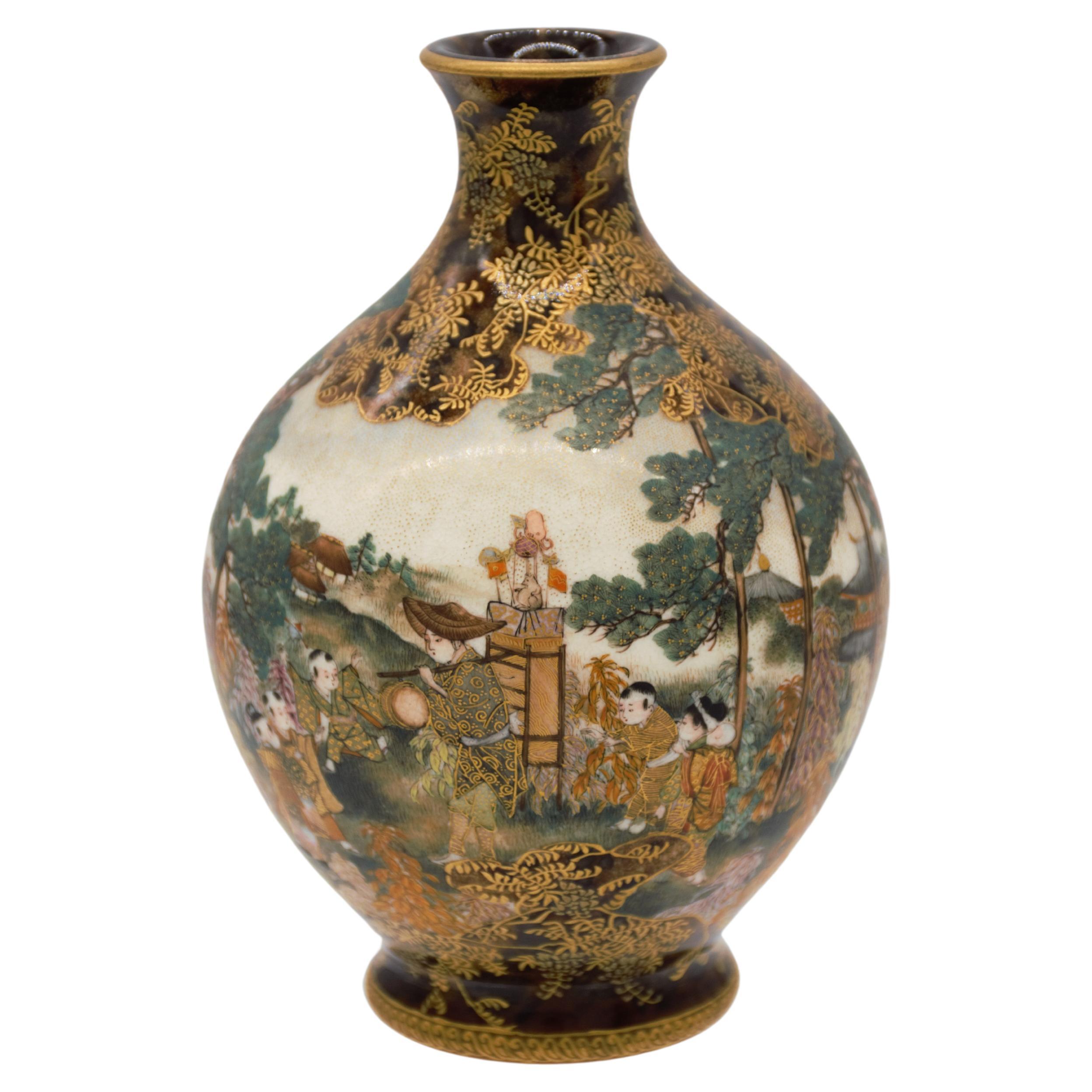
GLOBULAR FORM MINIATURE VASE
From our Japanese collection, we are delighted to offer this Japanese Satsuma Vase by Kinkozan. The Satsuma Vase made from earthenware pottery is potted...
Category
Antique Early 1900s Japanese Meiji Ceramics
Materials
Ceramic, Earthenware, Pottery

Japanese Meiji Period (1868-1912) Satsuma Vase by Kinkozan
By Kinkozan
Located in Newark, England
JAPANESE SATSUMA PROCESSIONAL VASE
From our Japanese collection, we are delighted to introduce to the market this Japanese Satsuma Vase by Kinkozan. The vase with a compressed body ...
Category
Antique Late 19th Century Japanese Meiji Ceramics
Materials
Ceramic, Earthenware, Pottery

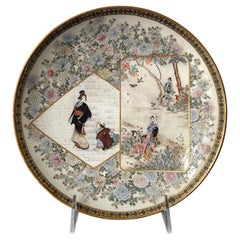
Japanese Satsuma Ceramic Dish with Fine Decoration by Kinkozan
By Kinkozan
Located in Atlanta, GA
A satsuma ceramic dish made by Kinkozan studio circa 1980-1900s in the late Meiji Period. The dish with a thick robust wall is supported by a large ring base and features finely deta...
Category
Antique Late 19th Century Japanese Meiji Ceramics
Materials
Ceramic
Japanese Meiji Period Satsuma Vase by Kinkozan
By Kinkozan
Located in Newark, England
FREE WORLDWIDE SHIPPING
FROM KYOTO’S FAMED KINKOZAN WORKSHOP, A MEIJI-PERIOD SATSUMA VASE OF EXCEPTIONAL ENAMEL AND GILT.
From our Japanese Satsuma collection, we are delighted to ...
Category
Antique Late 19th Century Meiji Ceramics
Materials
Ceramic, Earthenware, Pottery
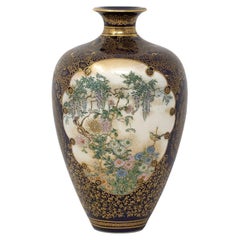
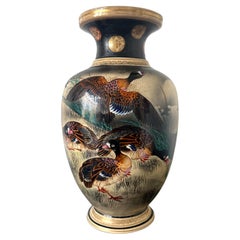
Large Japanese Ceramic Vase with Flying Autunm Geese by Kinkozan Studio
By Kinkozan
Located in Atlanta, GA
A large Japanese ceramic vase from the end of Meiji period circa 1890-1910s by Kinkozan (1645-1927). One of the largest studio manufacturers of the export ceramics at the time based ...
Category
Antique 1880s Japanese Meiji Ceramics
Materials
Ceramic