Questions
Answers
Our trusted network of 1stDibs sellers answer common questions
Was Frank Stella related to Joseph Stella?
1 Answer
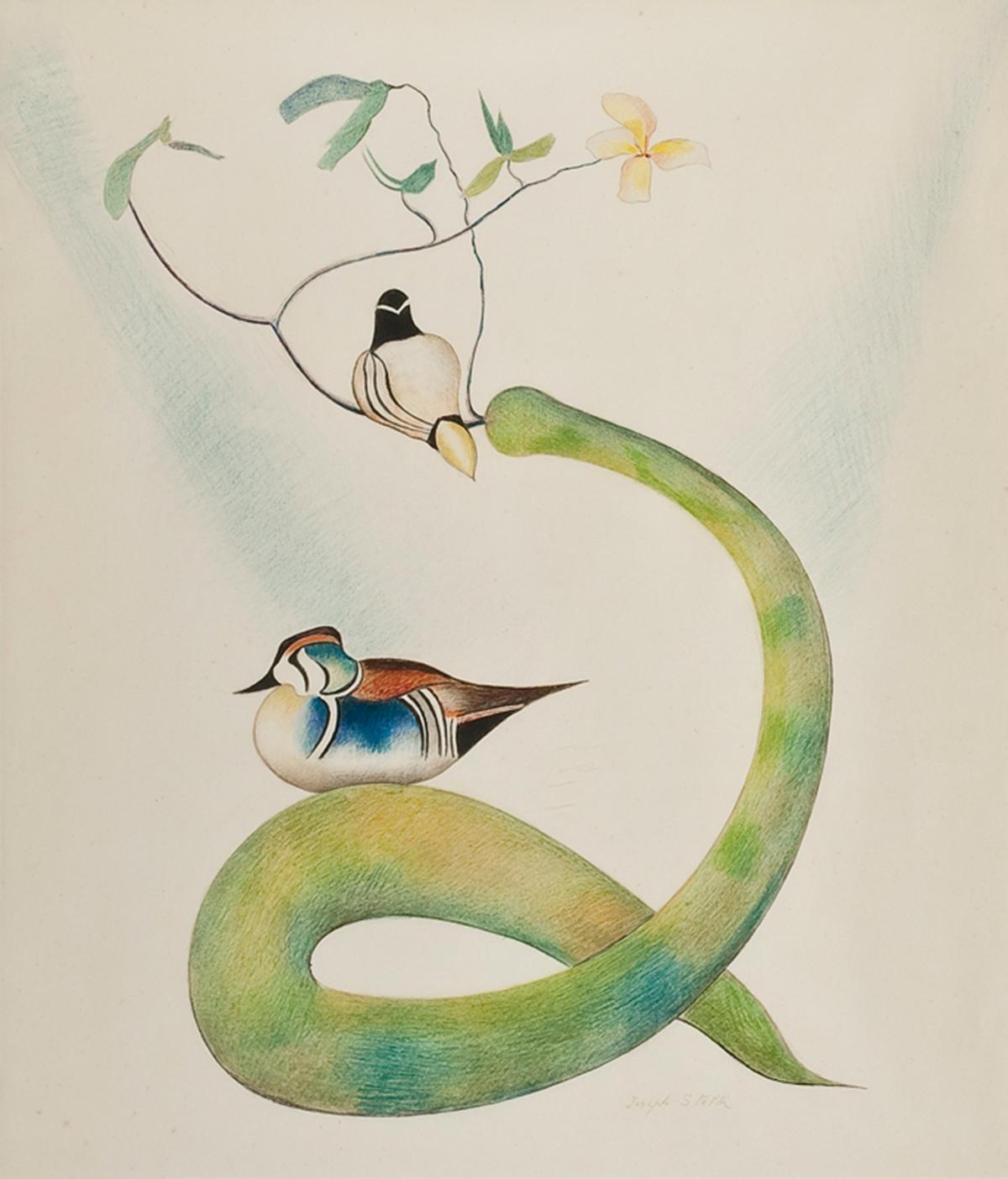
No, Frank Stella was not related to Joseph Stella. While it's possible that in-depth genealogical research may uncover a shared ancestor many generations ago, the two artists are not currently believed to be related. Joseph Stella was born in 1877 in Muro Lucano, Italy, while Frank Stella was born in 1936 in Malden, Massachusetts. On 1stDibs, shop a diverse assortment of Frank Stella and Joseph Stella art.
1stDibs ExpertAugust 29, 2024
Related Questions
- What is Joseph Stella known for?1 Answer
- Why is Frank Stella famous?1 Answer
- What was Frank Stella famous for?1 Answer
- Why is Frank Stella important?1 Answer
- Who was Frank Stella s father?1 Answer
Shop for Joseph Stella Art on 1stDibs
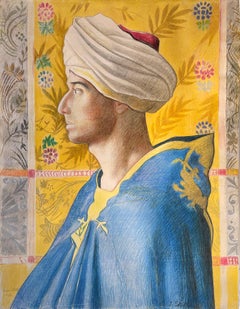
Middle Eastern Man with Turban and Blue Cloak in Profile against Yellow
By Joseph Stella
Located in Miami, FL
Portrait in primary blues and yellow of perhaps a Persian man. He is in profile set against a decorative yellow background with floral elements. The work...
Category
1940s Modern Portrait Drawings and Watercolors
Materials
Paper, Pencil, Color Pencil
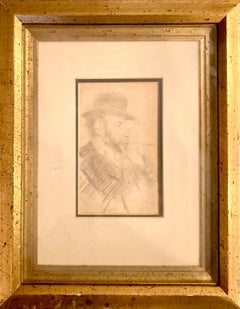
"Man with Beard"
By Joseph Stella
Located in Warren, NJ
This is an Joseph Stella original pencil drawing “man with beard” . In good condition comes from joseph Stella’s estate. In good condition measu...
Category
Early 20th Century Drawings and Watercolor Paintings
Materials
Paper
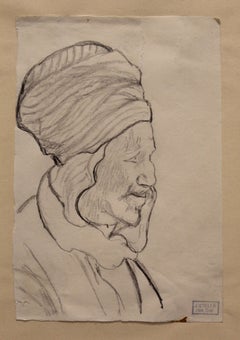
"Original Joseph Stella Drawing" - 20th Century Portrait Pencil Drawing
By Joseph Stella
Located in New Orleans, LA
A pencil sketch by famed American Modernist Joseph Stella, who burst on to the American scene at the epochal Armory Show of 1913 and whose work is today in the collections of every m...
Category
Early 20th Century Modern Portrait Drawings and Watercolors
Materials
Graphite
$540 Sale Price
20% Off
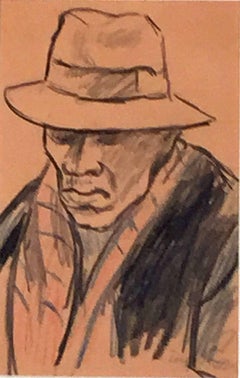
STUDY OF A MAN WITH A HAT AND OVERCOAT
By Joseph Stella
Located in Portland, ME
Stella, Joseph. STUDY OF A MAN WITH A HAT AND OVERCOAT. Blue, red and black crayon on tan wove paper, c. 1920. 6 7/8 x 4 3/4 inches; 173 x 120 mm. Signe...
Category
1920s American Realist Portrait Drawings and Watercolors
Materials
Crayon
Study for "Golden Fall"
By Joseph Stella
Located in Bryn Mawr, PA
Study for "Golden Fall", 1940
Pastel on paper, 26 x 20 inches (66 x 50.8 cm)
Framed dimensions 33 1/2 x 27 1/2 inches
Joseph Stella’s artistic career defies easy categorization. He ...
Category
20th Century American Modern Figurative Drawings and Watercolors
Materials
Paper, Pastel

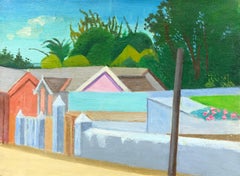
A Corner of Barbados
By Joseph Stella
Located in Bryn Mawr, PA
Joseph Stella(1877-1946)
A Corner of Barbados, 1937
Oil on canvas, 11 x 15 inches (27.9 x 38.1 cm)
Inscribed on verso: A corner of / Barbados / O:P by / Joseph Stella
Provenance
The artist;
By bequest to his nephew, Sergio Stella, 1946;
By descent in the family, until the present
Joseph Stella’s artistic career defies easy categorization. He was simultaneously a modernist and traditionalist, a dual citizen of the Old and New World, a bold experimenter and masterful practitioner of time-honored artistic techniques. His iconic paintings of New York City, such as the Brooklyn Bridge and Coney Island, celebrate modernity and the Machine Age, while his exuberant paintings of the natural world speak to the spiritual revelation that guided and grounded him throughout his life. Until recently, the divergent aspects of Stella’s career “confounded his legacy.” But in Joseph Stella: Visionary Nature, the multi-venue museum exhibition that focuses on the artist’s lifelong engagement with nature, a more complete and nuanced understanding of his career has emerged.
Stella’s work of flora and fauna demonstrate his deep connection to and close observational study of nature to invigorate his creativity and sustain his human spirit. Indeed, nature was a salve to his woes about life and the modern age. He made countless drawings and paintings of flowers, many of which were done at the New York Botanical Garden – a favorite place for the artist. In these works, Stella explored new styles and pressed the limits of his imagination. Like nature itself, he was always changing, always growing.
Stella found himself in Barbados in 1937, when then health of his wife had declined and she asked him to bring her home. He loved the island paradise, as it reawakened his creativity and love the natural world, much as his returns to Italy did. Although he remained in Barbados for only five months, the landscape he absorbed and the motifs he developed fueled his art for the next three years. The Barbados paintings...
Category
1930s American Modern Landscape Paintings
Materials
Canvas, Oil