Questions
Answers
Our trusted network of 1stDibs sellers answer common questions
What was Raphael s style of art?
1 Answer
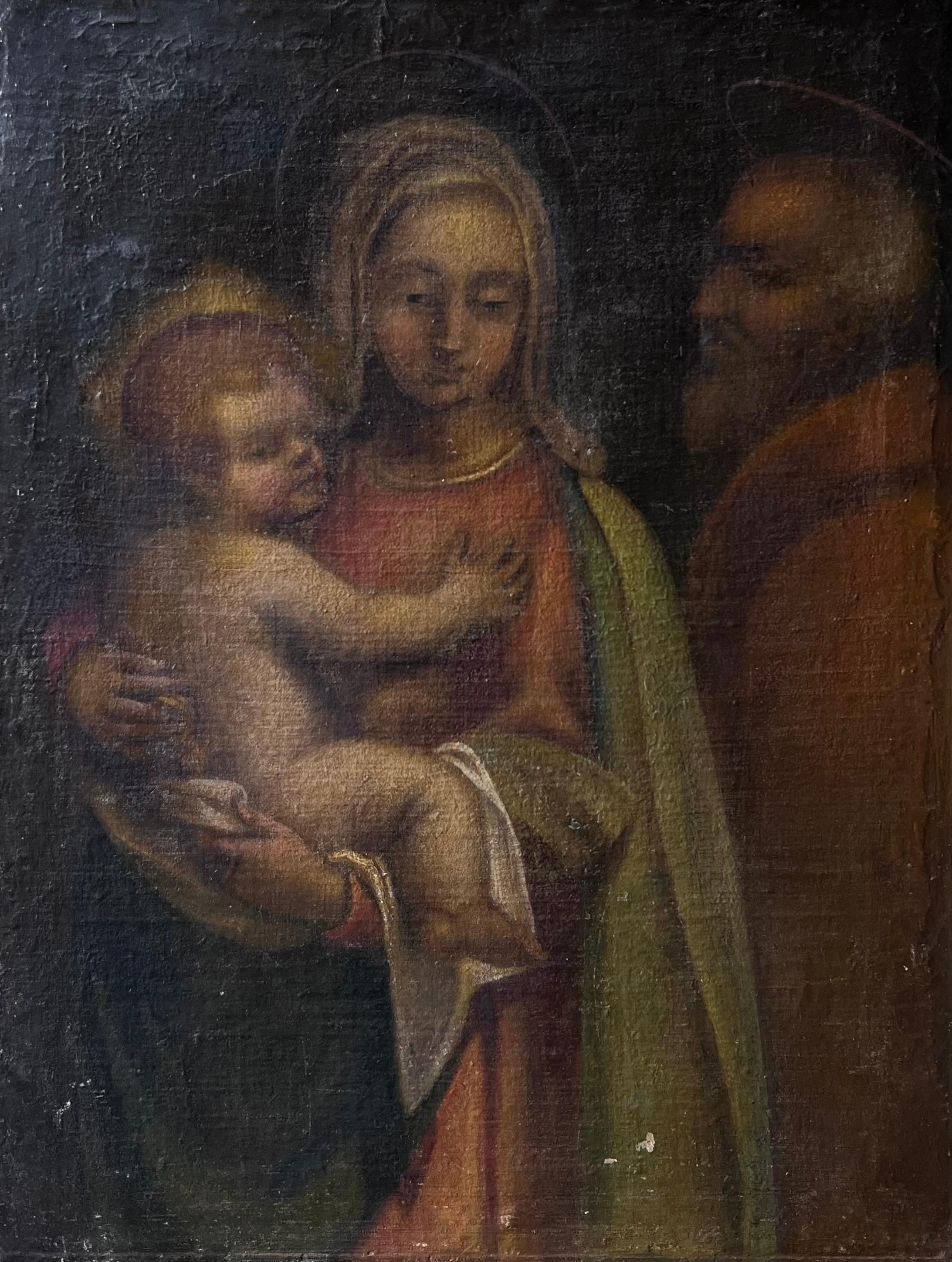
Raphael's style of art is associated with a period known as the Italian Renaissance, sometimes referred to as the High Renaissance. During this era, paintings were characterized by an extraordinary depiction of light and darkness, scientifically accurate depictions of the human body, and the use of rich colors. Many of Raphael's works, such as The Marriage of the Virgin, The School of Athens and The Transfiguration, are admired by art lovers all over the world today. Find a large collection of Renaissance art on 1stDibs.
1stDibs ExpertMay 30, 2024
Related Questions
- What did Raphael invent?1 Answer
- How many paintings did Raphael do?1 Answer
- What is the Inuit art style?1 Answer
- What style of art is Fornasetti?1 Answer
- What is Kandinsky’s style of art?1 Answer
Shop for Renaissance Art on 1stDibs
18th Century French Oil Painting on Copper Portrait of Noble Lady
Located in Cirencester, Gloucestershire
Portrait of a Noble Lady
French School, early 1700's period
oil painting on copper, unframed
copper: 5 x 3 inches
condition: very good, minor paint fading and deteriation.
provenanc...
Category
Early 18th Century Renaissance Figurative Paintings
Materials
Copper
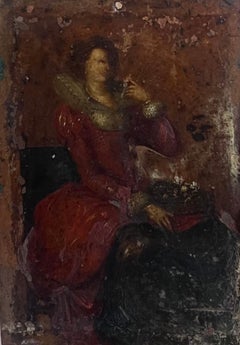
$844 Sale Price
20% Off
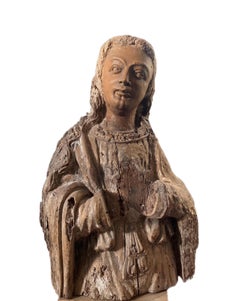
Gothic Renaissance wooden sculpture: bust of a young Saint or Angel
Located in Norwich, GB
This remarkable, deeply evocative fragment is a hand-carved piece of religious statuary from 16th Century France. It depicts the torso of a serene figure, likely a Saint or Archangel...
Category
16th Century Renaissance Figurative Sculptures
Materials
Wood
The Adoration Of The Christ Child Fine Renaissance Old Master Painting Large
Located in Cirencester, Gloucestershire
Artist/School: After Filippo Lippi, Italian 1406-1469. The work is most likely by an English hand, late 19th century
Title: The Adoration of the Christ ...
Category
19th Century Renaissance Figurative Paintings
Materials
Watercolor
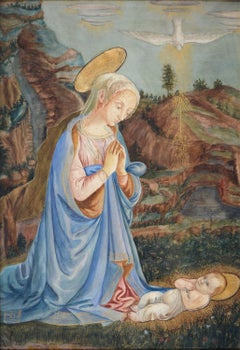
$2,412 Sale Price
20% Off
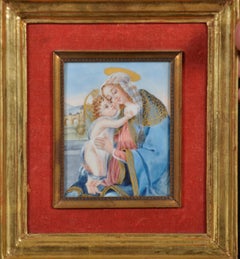
19th Century Italian Miniature Painting The Madonna
Child, Signed original
By J. Canava
Located in Cirencester, Gloucestershire
The Madonna & Child
by J. Canava, Italian late 19th century
miniature painting on ceramic, framed within velvet inset and frame
image measures 3.2...
Category
Late 19th Century Renaissance Figurative Paintings
Materials
Gouache
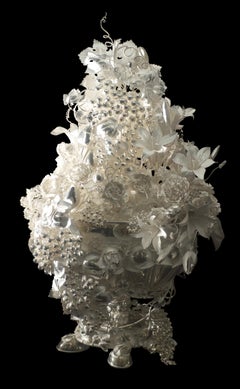
Silver cup Renaissanse of 21th Century. 2010. Silver proof 925. Weight 35 370 g.
Located in Riga, LV
Oleg Auzers was born in Latvia, Riga into an old family of artists. He created his first toy ship at preschool age while visiting his grandfather Vilis Liepins in Limbazi. As a teena...
Category
2010s Northern Renaissance Still-life Sculptures
Materials
Silver, Gold
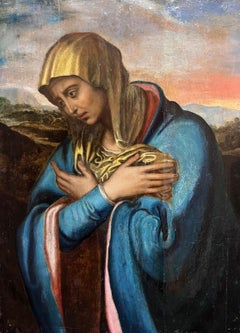
Very Rare Renaissance Old Master Oil Painting c. 1600 Oil on Panel The Madonna
Located in Cirencester, Gloucestershire
The Virgin Madonna
Spanish Renaissance artist, circle of El Greco (1541-1614)
circa 1600
oil on wood panel, unframed
panel: 20 x 14.5 inches
Provenance: private collection, northern ...
Category
Early 17th Century Renaissance Figurative Paintings
Materials
Oil
$15,118 Sale Price
20% Off