Questions
Answers
Our trusted network of 1stDibs sellers answer common questions
Why is it called a ginger jar?
1 Answer
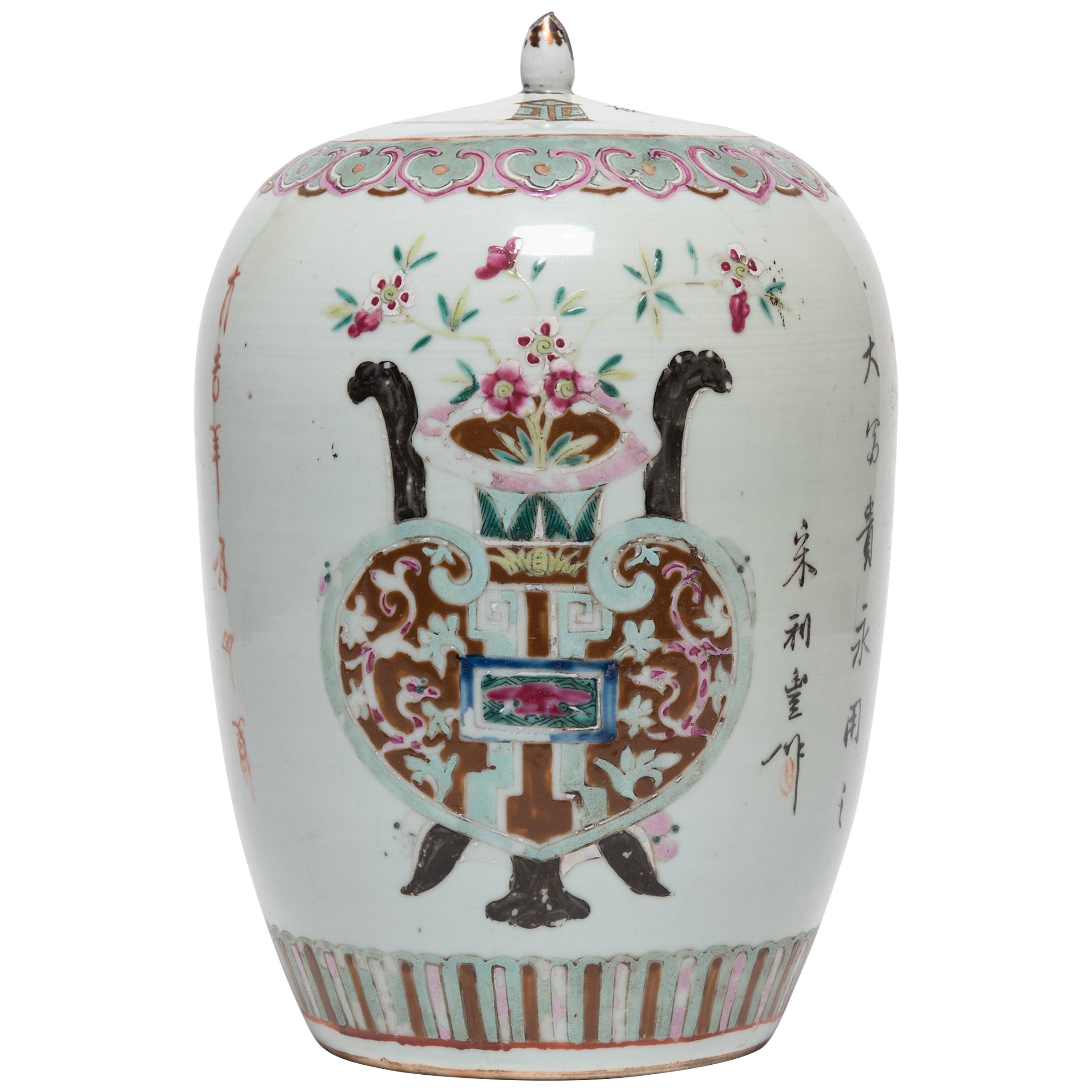
With a similar shape to the baluster jar, Chinese porcelain ginger jars have a rounded form, with broad shoulders tapering to the base and a narrowed neck topped by a domed lid. The unusual name comes from the export market, wherein salt and spices such as ground ginger travelled West in lidded storage vessels.

PAGODA REDOctober 7, 2020
Related Questions
- What are ginger jars?1 Answer
- What were Chinese ginger jars used for?1 Answer
- What are the defining factors of a Chinese ginger jar?1 Answer
- What does a Chinese ginger jar look like?1 Answer
- What is an apothecary jar?1 Answer
Shop for Chinese Ginger Jars on 1stDibs
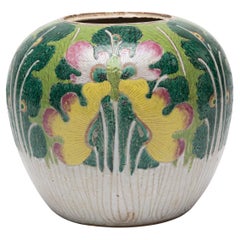
Chinese Famille Verte Cabbage Jar, c. 1900
Located in Chicago, IL
This whimsical Chinese ginger jar is decorated with famille verte enamels for an allover design of
Category
Early 20th Century Chinese Qing Ceramics
Materials
Porcelain
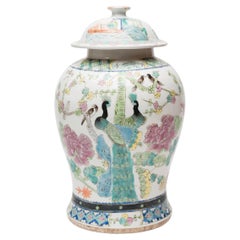
Chinese Famille Rose Ginger Jar with Peacocks
Peonies
Located in Chicago, IL
During the 18th century, Europeans provided an eager market for Chinese export porcelain
Category
Early 20th Century Chinese Chinese Export Jars
Materials
Porcelain
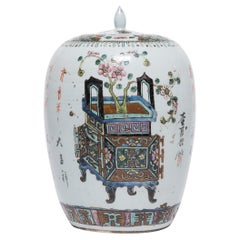
Chinese Famille Rose Ginger Jar with Ancient Censers, c. 1900
Located in Chicago, IL
Beautifully commemorated on this oval ginger jar, censers have been used for thousands of years in
Category
Early 20th Century Chinese Chinese Export Jars
Materials
Porcelain
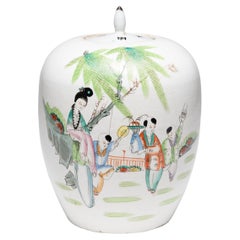
Chinese Enameled Ginger Jar with Children at Play, c. 1900
Located in Chicago, IL
depicts a popular theme in Chinese decorative arts, conveying a wish for many successful sons. The jar is
Category
Early 20th Century Chinese Chinese Export Jars
Materials
Enamel
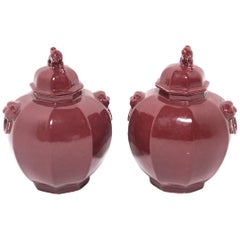
Pair of Chinese Shizi Hong Ginger Jars
Located in Chicago, IL
A rich, monochrome red glaze coats this ginger jar shaped contemporary vase, drawing attention to
Category
21st Century and Contemporary Chinese Ceramics
Materials
Porcelain
$1,280 / set
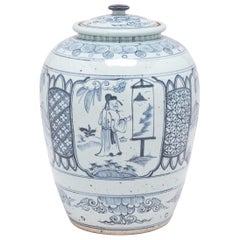
Chinese Blue and White Scholars
Scene Ginger Jar
Located in Chicago, IL
Working within the time-honored tradition of Chinese blue-and-white ceramics, this lidded ginger
Category
21st Century and Contemporary Chinese Ceramics
Materials
Ceramic
Shop More furniture from PAGODA RED on 1stDibs
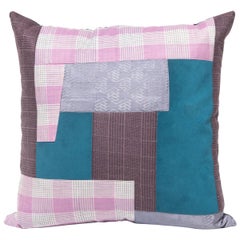
Japanese Suiting Patchwork Pillow
Located in Chicago, IL
This hand-crafted throw pillow was designed by a local Chicago artist and textile historian who lovingly repurposes the vintage fabrics, garments and embroidery fragments she collect...
Category
21st Century and Contemporary American Modern Pillows and Throws
Materials
Wool, Cotton, Linen, Silk, Down
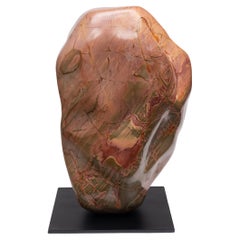
Fugui Meditation Stone Sculpture
Located in Chicago, IL
A well-chosen stone is a focal point of both a traditional Chinese garden and a scholar's studio - evoking the complexities of nature and inspiring creative thought. This meditation ...
Category
21st Century and Contemporary Chinese Organic Modern Natural Specimens
Materials
Stone
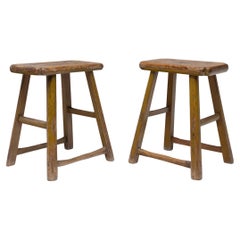
Pair of Chinese Splayed Leg Courtyard Stools, c. 1900
Located in Chicago, IL
These provincial Chinese stools date to the turn of the century and would have been used throughout a courtyard home as versatile everyday seating. Crafted of elm using mortise-and-t...
Category
Early 20th Century Chinese Qing Furniture
Materials
Elm
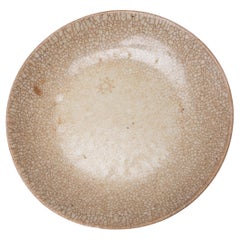
Chinese Pale Crackle Glaze Plate, c. 1800
Located in Chicago, IL
Humble yet refined, this Chinese porcelain plate from the early 19th century is cloaked in a pale crème glaze and decorated only by an allover crackle. The network of fine lines is b...
Category
Antique Early 19th Century Chinese Qing Ceramics
Materials
Porcelain
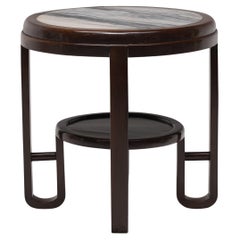
Shanghai Art Deco Side Table with Marble Top, c. 1930s
Located in Chicago, IL
When the Art Deco movement reached major Chinese cities like Tianjin and Shanghai, the design aesthetic that emerged was the perfect intersection of European modernism and Ming-dynas...
Category
Early 20th Century Chinese Art Deco End Tables
Materials
Marble
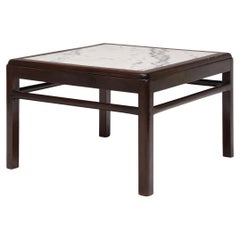
Shanghai Art Deco Coffee Table with Marble Top, c. 1930s
Located in Chicago, IL
When the Art Deco movement reached major Chinese cities like Tianjin and Shanghai, the design aesthetic that emerged was the perfect intersection of European modernism and Ming-dynas...
Category
Early 20th Century Chinese Art Deco Coffee and Cocktail Tables
Materials
Marble
Petite Chinese Burl Top Stool, c. 1850
Located in Chicago, IL
With rustic texture and simplicity of form, this petite 19th-century stool is a timeless example of casual seating in rural China. Crafted of northern elm (yumu) with mortise-and-ten...
Category
Antique Early 19th Century Chinese Qing Furniture
Materials
Elm