1 of 8
Andrea CarlsonO Cursed Lust Of Gold 6/82014
2014
$1,200List Price
About the Item
- Creator:Andrea Carlson (1979, American)
- Creation Year:2014
- Dimensions:Height: 16 in (40.64 cm)Width: 34.5 in (87.63 cm)
- Medium:
- Period:
- Condition:
- Gallery Location:Santa Fe, NM
- Reference Number:1stDibs: LU9121256653
Authenticity Guarantee
In the unlikely event there’s an issue with an item’s authenticity, contact us within 1 year for a full refund. DetailsMoney-Back Guarantee
If your item is not as described, is damaged in transit, or does not arrive, contact us within 7 days for a full refund. Details24-Hour Cancellation
You have a 24-hour grace period in which to reconsider your purchase, with no questions asked.Vetted Professional Sellers
Our world-class sellers must adhere to strict standards for service and quality, maintaining the integrity of our listings.Price-Match Guarantee
If you find that a seller listed the same item for a lower price elsewhere, we’ll match it.Trusted Global Delivery
Our best-in-class carrier network provides specialized shipping options worldwide, including custom delivery.You May Also Like
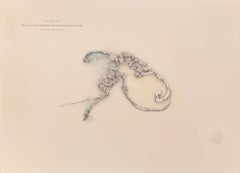
Leftist Hemisphere Disintegration Study Gerrymandered Version
By Patricia Smith
Located in New York, NY
Ink and watercolor on paper, signed on reverse.
Presented floated in a finely crafted hardwood frame.
Titled as: "Plot Plan No. 178521 Leftist Hemisphere Disintegration Study Gerry...
Category
2010s Conceptual Landscape Drawings and Watercolors
Materials
Archival Ink, Watercolor, Archival Paper
$3,950
H 22.25 in W 30 in
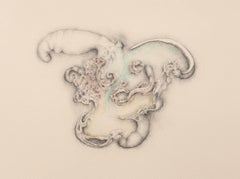
Rigged Opulence Compartment
By Patricia Smith
Located in New York, NY
"Rigged Opulence Compartment With Temporal Resonance Modules"
framed, with signature on reverse
This ink and watercolor, work on paper is from Patricia Smith's newly released series...
Category
2010s Conceptual Landscape Drawings and Watercolors
Materials
Archival Ink, Watercolor, Archival Paper
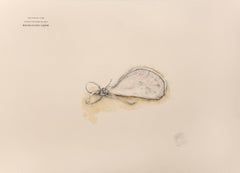
Relocation Lasso
By Patricia Smith
Located in New York, NY
Designated Problem Area Relocation Lasso (Plot Plan No. 170520 )
framed, with signature on reverse
This ink and watercolor, work on paper is from Patricia Smith's newly released ser...
Category
2010s Conceptual Landscape Drawings and Watercolors
Materials
Archival Ink, Watercolor, Archival Paper
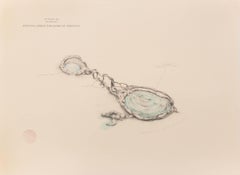
Plot Plan No. 13821
By Patricia Smith
Located in New York, NY
Plot Plan No. 13821 For Proposed Positive Aspect Containment Strategy, watercolor and ink on paper, signed on reverse by the artist and presentd framed in a high quality shadowbox fr...
Category
2010s Conceptual Landscape Drawings and Watercolors
Materials
Archival Ink, Watercolor, Archival Paper
Plot Plan No. 170518
By Patricia Smith
Located in New York, NY
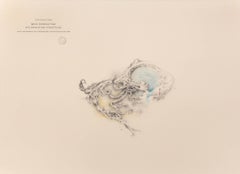
Plot Plan No. 170518 Self-Generating Polarization Structure With Pronounced Left Hemisphere Compartmentalization
This ink and watercolor, work on paper is from Patricia Smith's newl...
Category
2010s Conceptual Landscape Drawings and Watercolors
Materials
Archival Ink, Watercolor, Archival Paper
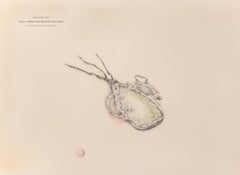
Plot Plan No. 170519
By Patricia Smith
Located in New York, NY
Plot Plan No. 170519 Full-Dress Protectionist Pad With Knotted Entrance Strategy
This ink and watercolor, work on paper is from Patricia Smith's newly released series: "Shelter in P...
Category
2010s Conceptual Landscape Drawings and Watercolors
Materials
Archival Ink, Watercolor, Archival Paper
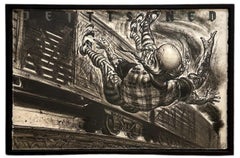
Jettisoned, Hand Colored Lithograph, Framed
Located in Chicago, IL
Donald Owen Colley
Jettisoned, 2016
hand colored lithograph
15h x 22.50w in
38.10h x 57.15w cm
DOC002
Photography is the frozen look… whereas art is the sustained look. One of the m...
Category
2010s Contemporary Figurative Drawings and Watercolors
Materials
Paper, Archival Ink, Lithograph
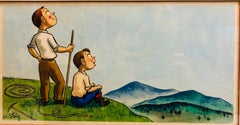
Whimsical Illustration Hiking Cartoon, 1938 Mt Tremblant Ski Lodge William Steig
By William Steig (b.1907)
Located in Surfside, FL
Lighthearted Illustration of Outdoor Pursuits This one being cross country hiking signed "W. Steig"
Provenance: from Mrs. Joseph B. Ryan, Commissioned by Joe Ryan for the bar at his ski resort, Mount Tremblant Lodge, in 1938.
Mont Tremblant, P.Q., Canada
Watercolor and ink on illustration board, sights sizes 8 1/2 x 16 1/2 in., framed.
In 1938 Joe Ryan, described as a millionaire from Philadelphia, bushwhacked his way to the summit of Mont Tremblant and was inspired to create a world class ski resort at the site. In 1939 he opened the Mont Tremblant Lodge, which remains part of the Pedestrian Village today. This original illustration is on Whatman Illustration board. the board measures 14 X 22 inches. label from McClees Galleries, Philadelphia, on the frame backing paper.
William Steig, 1907 – 2003 was an American cartoonist, sculptor, and, in his later life, an illustrator and writer of children's books. Best known for the picture books Sylvester and the Magic Pebble, Abel's Island, and Doctor De Soto, he was also the creator of Shrek!, which inspired the film series of the same name. He was the U.S. nominee for both of the biennial, international Hans Christian Andersen Awards, as a children's book illustrator in 1982 and a writer in 1988.
Steig was born in Brooklyn, New York in 1907, and grew up in the Bronx. His parents were Polish-Jewish immigrants from Austria, both socialists. His father, Joseph Steig, was a house painter, and his mother, Laura Ebel Steig, was a seamstress who encouraged his artistic leanings. As a child, he dabbled in painting and was an avid reader of literature. Among other works, he was said to have been especially fascinated by Pinocchio.He graduated from Townsend Harris High School at 15 but never completed college, though he attended three, spending two years at City College of New York, three years at the National Academy of Design and a mere five days at the Yale School of Fine Arts before dropping out of each.
Hailed as the "King of Cartoons" Steig began drawing illustrations and cartoons for The New Yorker in 1930, producing more than 2,600 drawings and 117 covers for the magazine. Steig, later, when he was 61, began writing children's books. In 1968, he wrote his first children's book. He excelled here as well, and his third book, Sylvester and the Magic Pebble (1969), won the Caldecott Medal. He went on to write more than 30 children's books, including the Doctor DeSoto series, and he continued to write into his nineties. Among his other well-known works, the picture book Shrek! (1990) formed the basis for the DreamWorks Animation film Shrek (2001). After the release of Shrek 2 in 2004, Steig became the first sole-creator of an animated movie franchise that went on to generate over $1 billion from theatrical and ancillary markets after only one sequel. Along with Maurice Sendak, Saul Steinberg, Ludwig Bemelmans and Laurent de Brunhofff his is one of those rare cartoonist whose works form part of our collective cultural heritage.
In 1984, Steig's film adaptation of Doctor DeSoto directed by Michael Sporn was nominated for the Academy Award for Best Animated Short Film. As one of the most admired cartoonists of all time, Steig spent seven decades drawing for the New Yorker magazine. He touched generations of readers with his tongue–in–cheek pen–and–ink drawings, which often expressed states of mind like shame, embarrassment or anger. Later in life, Steig turned to children's books, working as both a writer and illustrator.
Steig's children's books were also wildly popular because of the crazy, complicated language he used—words like lunatic, palsied, sequestration, and cleave. Kids love the sound of those words even if they do not quite understand the meaning. Steig's descriptions were also clever. He once described a beached whale as "breaded with sand."
Throughout the course of his career, Steig compiled his cartoons and drawings into books. Some of them were published first in the New Yorker. Others were deemed too dark to be printed there. Most of these collections centered on the cold, dark psychoanalytical truth about relationships. They featured husbands and wives fighting and parents snapping at their kids. His first adult book, Man About Town, was published in 1932, followed by About People, published in 1939, which focused on social outsiders. Sick of Each Other, published in 2000, included a drawing depicting a wife holding her husband at gunpoint, saying, "Say you adore me."
According to the Los Angeles Times, fellow New Yorker artist Edward Sorel...
Category
1930s Naturalistic Figurative Drawings and Watercolors
Materials
Archival Ink, Watercolor, Illustration Board
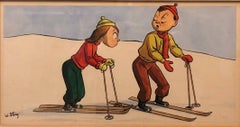
Whimsical Illustration Skiing Cartoon, 1938 Mt Tremblant Ski Lodge William Steig
By William Steig (b.1907)
Located in Surfside, FL
Lighthearted Illustration of Outdoor Pursuits This one being a Skiing scene, a boy and a girl on skis. signed W. Steig
Provenance: from Mrs. Joseph B. Ryan, Commissioned by Joe Ryan for the bar at his ski resort, Mount Tremblant Lodge, in 1938.
Mont Tremblant, P.Q., Canada
Watercolor and ink on illustration board, sights sizes 8 1/2 x 16 1/2 in., framed.
In 1938 Joe Ryan, described as a millionaire from Philadelphia, bushwhacked his way to the summit of Mont Tremblant and was inspired to create a world class ski resort at the site. In 1939 he opened the Mont Tremblant Lodge, which remains part of the Pedestrian Village today. This original illustration is on Whatman Illustration board. the board measures 14 X 22 inches. label from McClees Galleries, Philadelphia, on the frame backing paper.
William Steig, 1907 – 2003 was an American cartoonist, sculptor, and, in his later life, an illustrator and writer of children's books. Best known for the picture books Sylvester and the Magic Pebble, Abel's Island, and Doctor De Soto, he was also the creator of Shrek!, which inspired the film series of the same name. He was the U.S. nominee for both of the biennial, international Hans Christian Andersen Awards, as a children's book illustrator in 1982 and a writer in 1988.
Steig was born in Brooklyn, New York in 1907, and grew up in the Bronx. His parents were Polish-Jewish immigrants from Austria, both socialists. His father, Joseph Steig, was a house painter, and his mother, Laura Ebel Steig, was a seamstress who encouraged his artistic leanings. As a child, he dabbled in painting and was an avid reader of literature. Among other works, he was said to have been especially fascinated by Pinocchio.He graduated from Townsend Harris High School at 15 but never completed college, though he attended three, spending two years at City College of New York, three years at the National Academy of Design and a mere five days at the Yale School of Fine Arts before dropping out of each.
Hailed as the "King of Cartoons" Steig began drawing illustrations and cartoons for The New Yorker in 1930, producing more than 2,600 drawings and 117 covers for the magazine. Steig, later, when he was 61, began writing children's books. In 1968, he wrote his first children's book. He excelled here as well, and his third book, Sylvester and the Magic Pebble (1969), won the Caldecott Medal. He went on to write more than 30 children's books, including the Doctor DeSoto series, and he continued to write into his nineties. Among his other well-known works, the picture book Shrek! (1990) formed the basis for the DreamWorks Animation film Shrek (2001). After the release of Shrek 2 in 2004, Steig became the first sole-creator of an animated movie franchise that went on to generate over $1 billion from theatrical and ancillary markets after only one sequel. Along with Maurice Sendak, Saul Steinberg, Ludwig Bemelmans and Laurent de Brunhofff his is one of those rare cartoonist whose works form part of our collective cultural heritage.
In 1984, Steig's film adaptation of Doctor DeSoto directed by Michael Sporn was nominated for the Academy Award for Best Animated Short Film. As one of the most admired cartoonists of all time, Steig spent seven decades drawing for the New Yorker magazine. He touched generations of readers with his tongue–in–cheek pen–and–ink drawings, which often expressed states of mind like shame, embarrassment or anger. Later in life, Steig turned to children's books, working as both a writer and illustrator.
Steig's children's books were also wildly popular because of the crazy, complicated language he used—words like lunatic, palsied, sequestration, and cleave. Kids love the sound of those words even if they do not quite understand the meaning. Steig's descriptions were also clever. He once described a beached whale as "breaded with sand."
Throughout the course of his career, Steig compiled his cartoons and drawings into books. Some of them were published first in the New Yorker. Others were deemed too dark to be printed there. Most of these collections centered on the cold, dark psychoanalytical truth about relationships. They featured husbands and wives fighting and parents snapping at their kids. His first adult book, Man About Town, was published in 1932, followed by About People, published in 1939, which focused on social outsiders. Sick of Each Other, published in 2000, included a drawing depicting a wife holding her husband at gunpoint, saying, "Say you adore me."
According to the Los Angeles Times, fellow New Yorker artist Edward Sorel...
Category
1930s Naturalistic Figurative Drawings and Watercolors
Materials
Archival Ink, Watercolor, Illustration Board
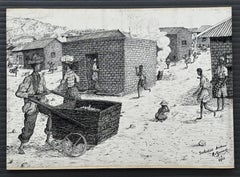
Bottle Bag (Lady Selborne, Pretoria, South Africa)
Located in Wilton Manors, FL
Tshidiso Andrew Motjuoadi (1935-1968) Bottle Bag (A Penny for a Bottle). 1963. Ink on handmade paper laid down on plywood board, panel measures 20.5 x 28.75 inches. Signed and dated ...
Category
Mid-20th Century Realist Landscape Drawings and Watercolors
Materials
Ink, Archival Paper
$4,000
H 20.5 in W 28.75 in D 0.5 in
Still Thinking About These?
All Recently ViewedMore Ways To Browse
Robert Avery
Watercolor Death
Henry Miller Watercolor
African American Art Watercolors
Amate Paper
Anais Nin
Vintage Cabaret Dancers
Drawings Of Couples
Jean Paul Le Verrier
Skull Drawing
Charles Guerin
Rabbi Drawing
Utamaro Woodblock Prints
Dog Pencil Drawing
Painting Chinese Man
Paintings Of Broadway
Polish Jewish Artist
Vintage Sketch Drawing