Items Similar to Salzburger Berge
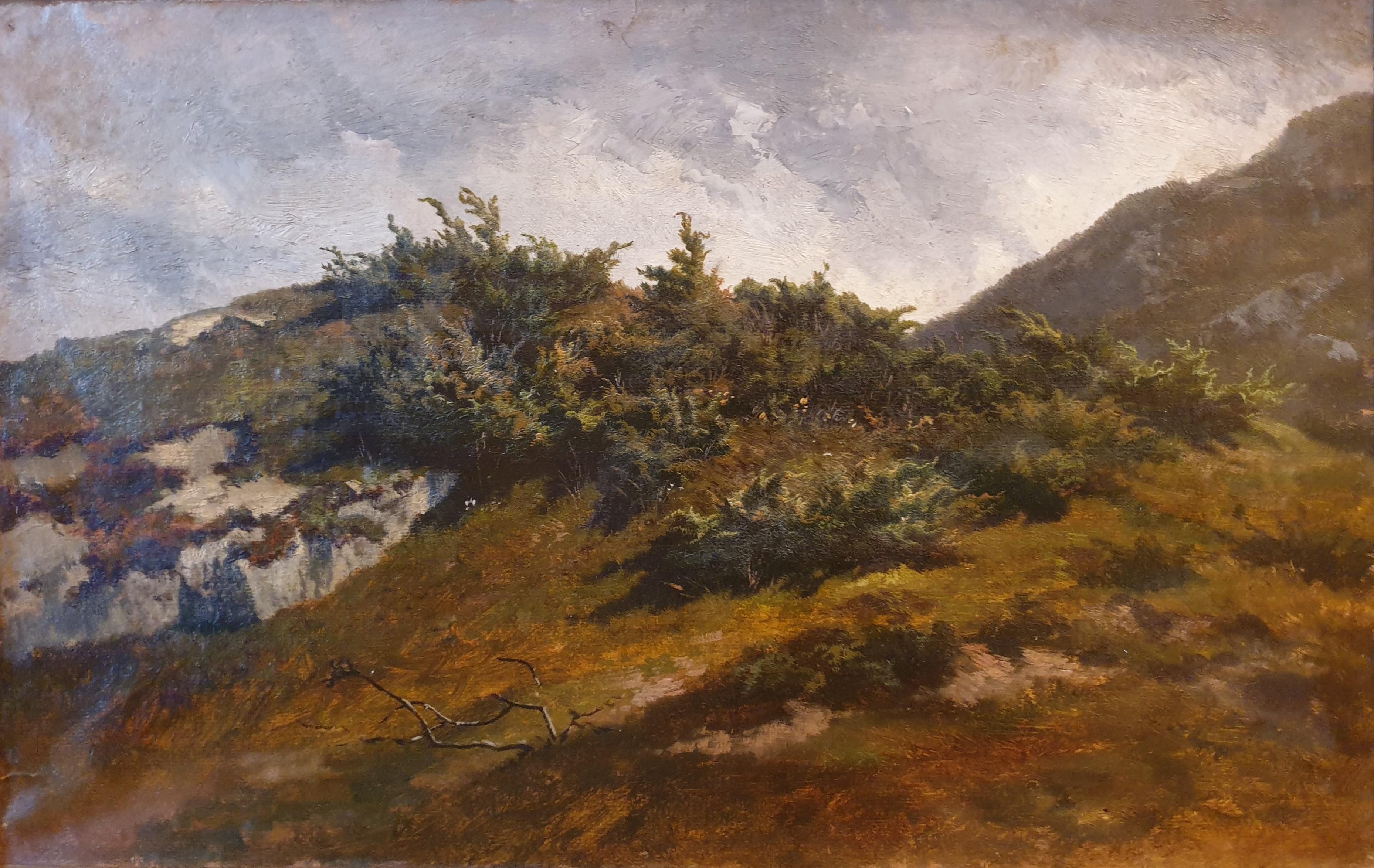
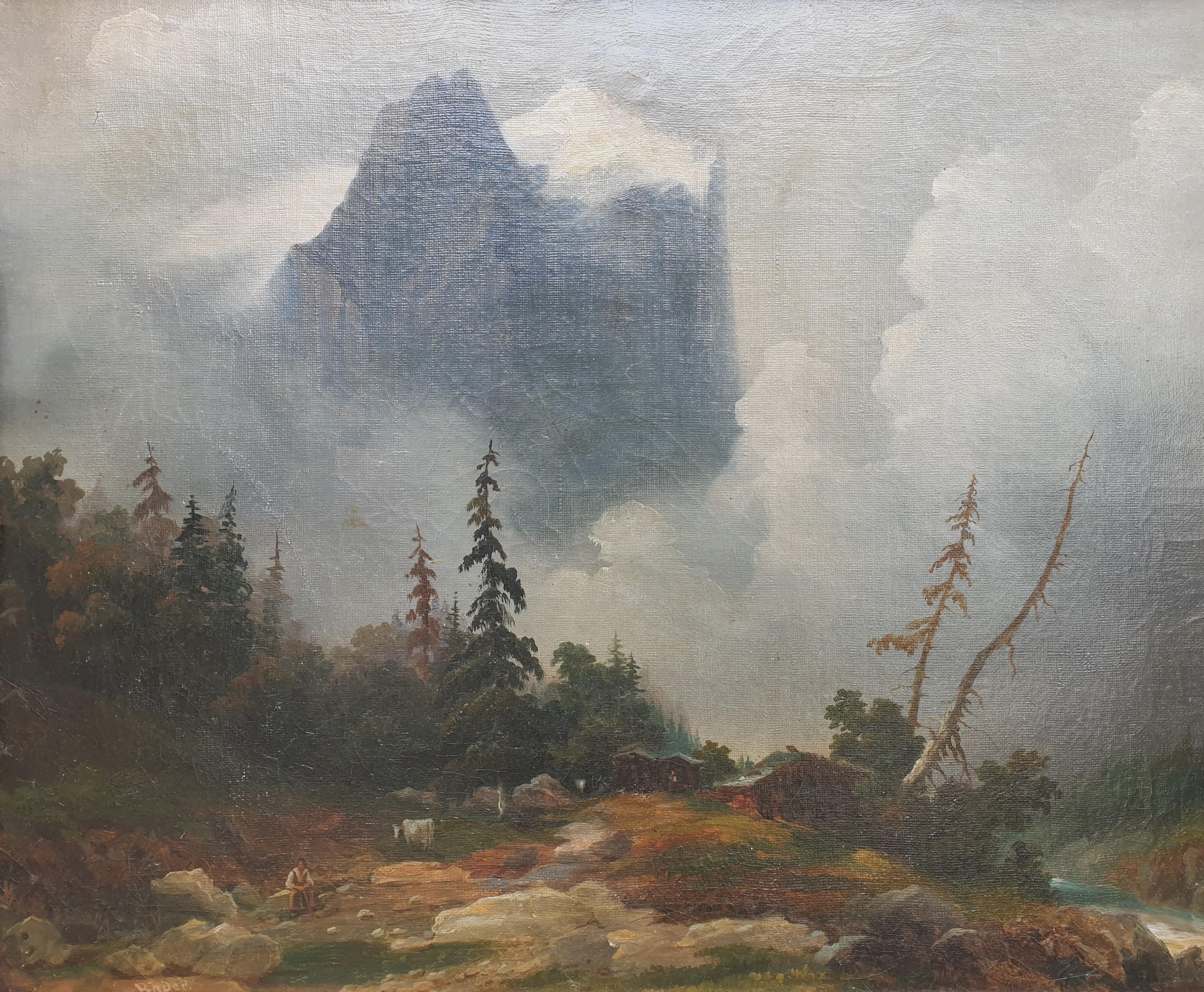
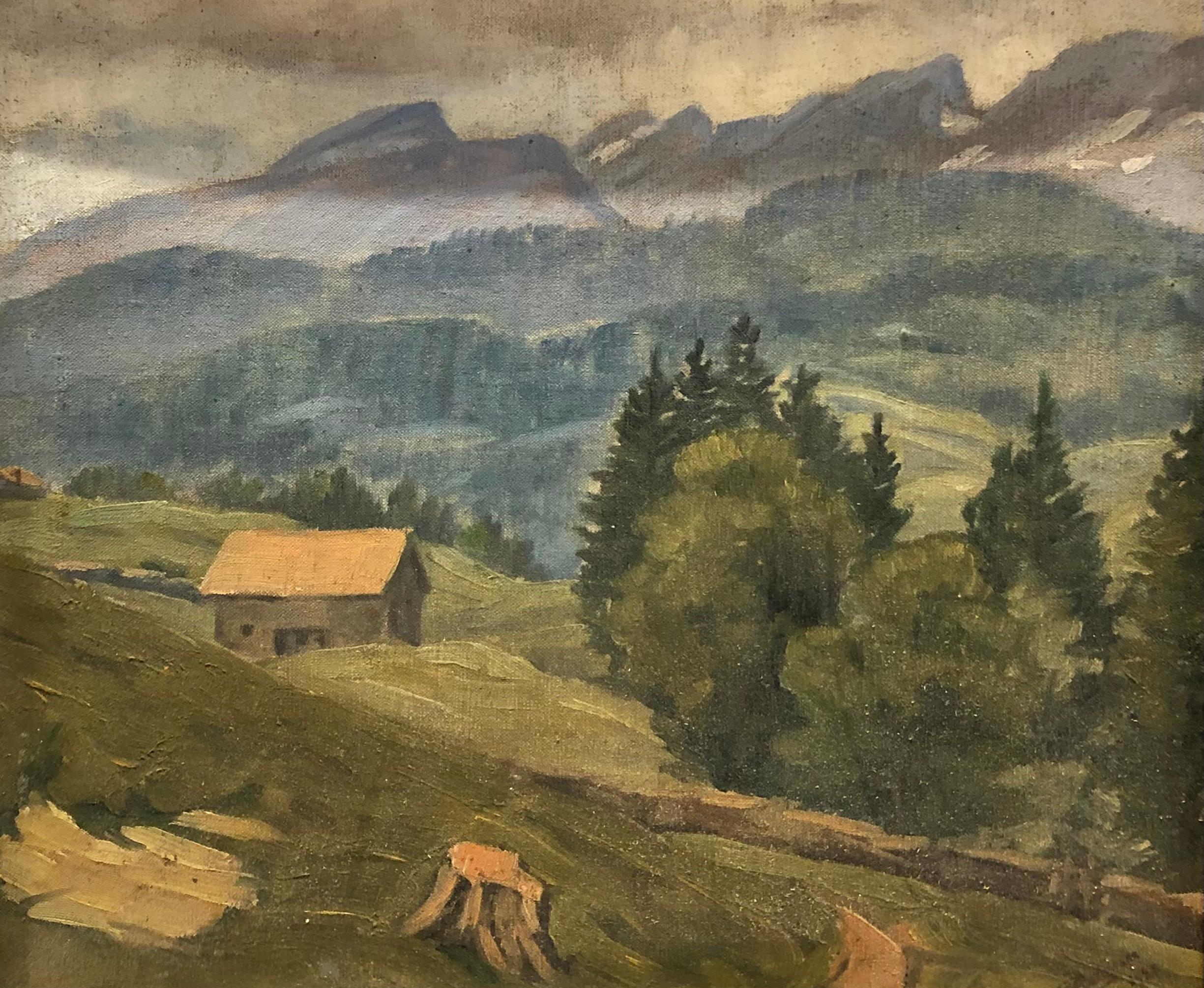
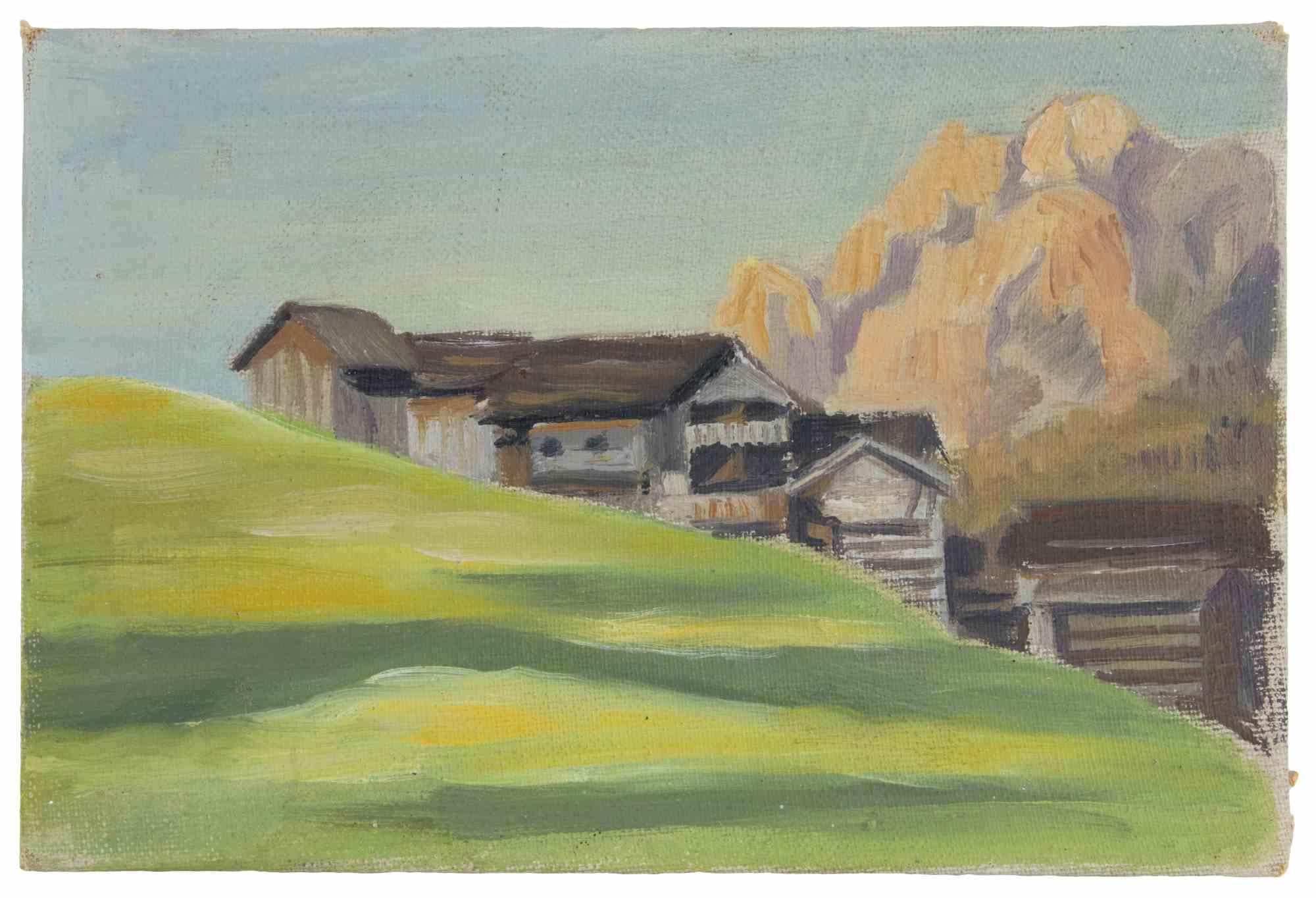
Want more images or videos?
Request additional images or videos from the seller
1 of 7
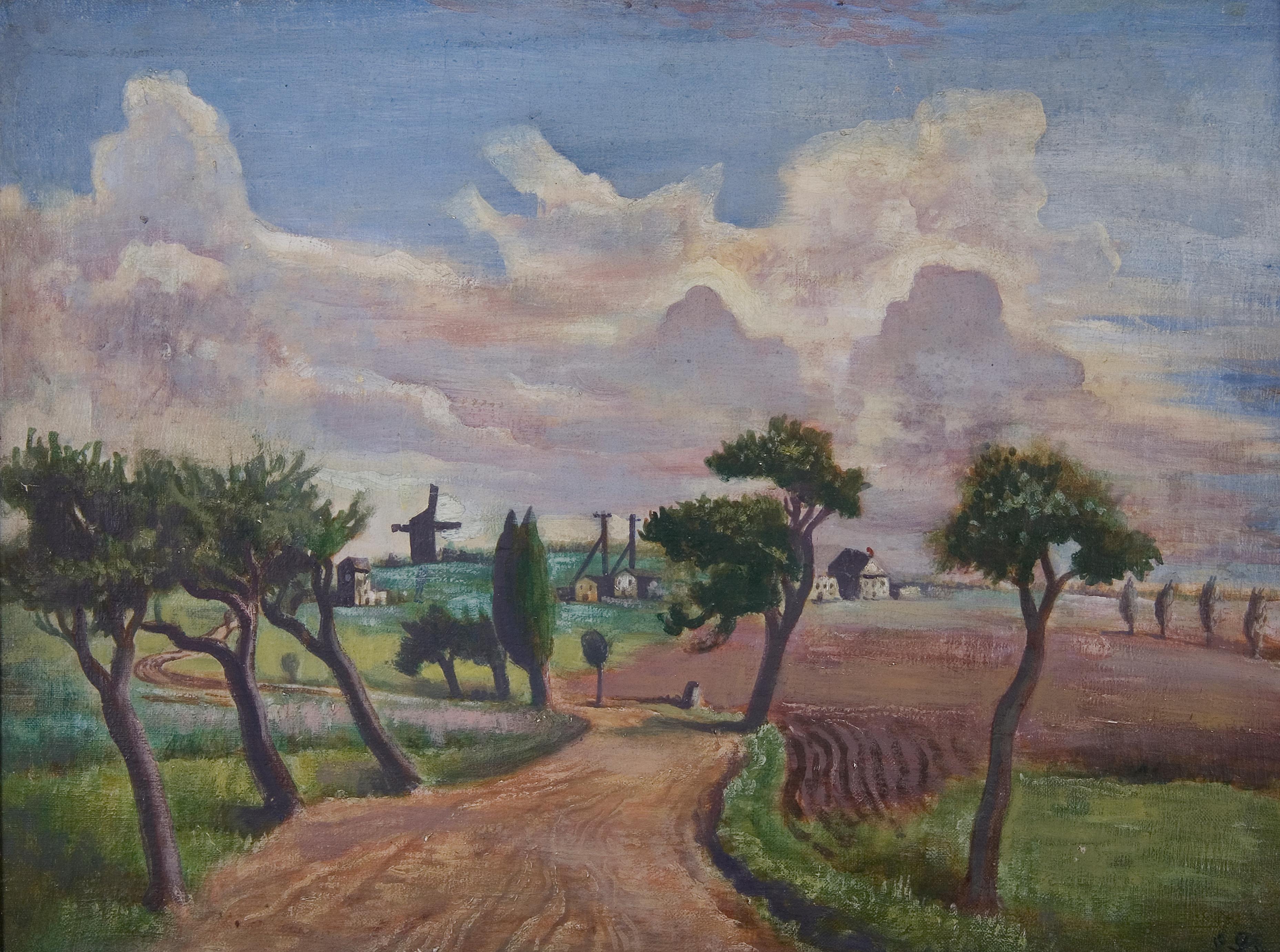
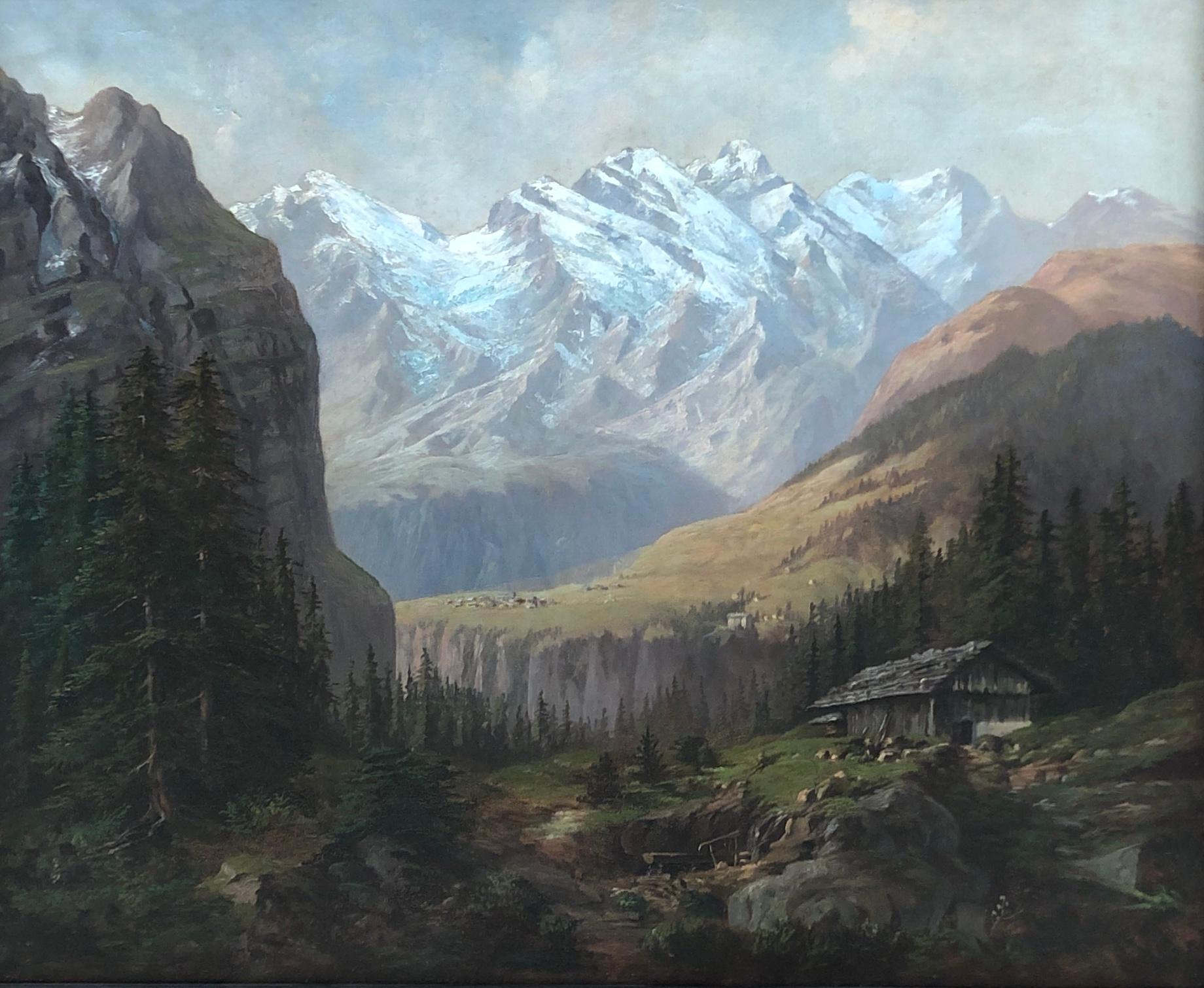
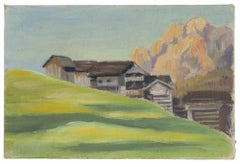
August Wilhelm DresslerSalzburger Berge
$4,770.01
£3,531.99
€4,000
CA$6,588.50
A$7,056.28
CHF 3,793.41
MX$85,702.66
NOK 47,931.56
SEK 43,884.91
DKK 30,485.06
About the Item
August Dressler is one of the painters of the New Objectivity. He is one of the lesser-known artists of the Weimar era, but he too, like his famous contemporaries Georg Grosz, John Heartfield, and Otto Dix, was committed to social and political issues.
The Berliner-of-choice defied stubbornly the summary classification. Dressler acted truthfully to his origin, temperament and insight as an individual who presents his bond as obligation, who takes his program as template and his slogan as abomination. Only few painters of his generation restrain so inconspicuously from the revolutionary storm and new trends that found its most effective expression in Expressionism of ” the Bridge” group and in the mystical works of the ‘Blue Rider’. Dressler’s self-imposed isolation is based neither on his capriciousness nor is it intentional – it is simply one of the inner necessities of his artistic existence.
One does not do justice to his work, if one tries to interpret only the visible facts, the artistic or the technical qualities in Dressler’s works. This painter lived his destiny with a stubbornly determined consequence of his fate: the pictures are nothing else than the graphic metaphors of the ‘introverted gaze’. He experienced grief and loneliness already during his youth. Dressler learns early about the shadow side of human existence – it becomes the basis of the way he perceived the world. ” I cannot separate myself from what has established me ” – there was a very immediate connection and solidarity between the painter and his personal experiences (l’art pour l’art attitude). Thus Dressler identifies himself with those embodiments of petty-bourgeois narrowness, with those disappointed and abandoned, with those who appreciate simple joys of life and those with quiet hopes.
In his works the figurative language wins through its ability to depict and objectify feelings without words. Dressler does not paint to be modern or original. His way of perception is essential in a solid sense; he focuses on things, elements, and events that reflect a piece of life.
The closeness to the object and the attachment to the figure remain unchanged in Dressler’s oeuvre. One is tempted, looking at his works of five decades, to speak rather than about development but more of unfolding. The thematic inventory is from the beginning artist’s credo and basic motive: the form is added as the answer of the painter. It is Dressler’s personal preference not to correct reality nor to imitate it – his realism brings form and content, sensation and insight to life in a forceless manner.
Dressler feels, thinks and arguments his works on a more general level; his work is not an illustration of social misery or individual depravity. This “realist of the sharper tone” painterly transcends the limitations of genre and folklore; his “petty-bourgeois everyday life” is neither enclosed in the poor man’s pathos nor in the oh-human ecstasy. “Who controls the keyboard of nature”, proclaims Dressler, “can play in their own ways”.
Source: Delp’sche Verlagsbuchhandlung München (Ed.), August Willhelm Dressler, Munich 1970.
The artist´s signature is located in the lower right corner of the painting.
- Creator:August Wilhelm Dressler (1886 - 1970, German)
- Dimensions:Height: 14.93 in (37.9 cm)Width: 19.53 in (49.6 cm)
- Medium:
- Movement Style:
- Period:
- Framing:Framing Options Available
- Condition:
- Gallery Location:Wien, AT
- Reference Number:1stDibs: LU1782212787502
August Wilhelm Dressler
Wilhelm August Dressler is one of the painters of the New Objectivity (...) and was committed to social and political issues. The Berliner-of-choice defied stubbornly the summary classification. Dressler acted truthfully to his origin, temperament and insight as an individual who presents his bond as obligation, who takes his program as template and his slogan as abomination. Only few painters of his generation restrain so inconspicuously from the revolutionary storm and new trends that found its most effective expression in Expressionism of ” the Bridge” group and in the mystical works of the ‘Blue Rider’. Dressler’s self-imposed isolation is based neither on his capriciousness nor is it intentional – it is simply one of the inner necessities of his artistic existence. One does not do justice to his work, if one tries to interpret only the visible facts, the artistic or the technical qualities in Dressler’s works. This painter lived his destiny with a stubbornly determined consequence of his fate: the pictures are nothing else than the graphic metaphors of the ‘introverted gaze’. He experienced grief and loneliness already during his youth. Dressler learns early about the shadow side of human existence – it becomes the basis of the way he perceived the world. ” I cannot separate myself from what has established me ” – there was a very immediate connection and solidarity between the painter and his personal experiences (l’art pour l’art attitude). Thus Dressler identifies himself with those embodiments of petty-bourgeois narrowness, with those disappointed and abandoned, with those who appreciate simple joys of life and those with quiet hopes. In his works the figurative language wins through its ability to depict and objectify feelings without words. Dressler does not paint to be modern or original. His way of perception is essential in a solid sense; he focuses on things, elements, and events that reflect a piece of life.
The closeness to the object and the attachment to the figure remain unchanged in Dressler’s oeuvre. One is tempted, looking at his works of five decades, to speak rather than about development but more of unfolding. The thematic inventory is from the beginning artist’s credo and basic motive: the form is added as the answer of the painter. It is Dressler’s personal preference not to correct reality nor to imitate it – his realism brings form and content, sensation and insight to life in a forceless manner.
Dressler feels, thinks and arguments his works on a more general level; his work is not an illustration of social misery or individual depravity. This “realist of the sharper tone” painterly transcends the limitations of genre and folklore; his “petty-bourgeois everyday life” is neither enclosed in the poor man’s pathos nor in the oh-human ecstasy. “Who controls the keyboard of nature”, proclaims Dressler, “can play in their own ways”. Source: Delp’sche Verlagsbuchhandlung München, August Willhelm Dressler, Munich 1970.
About the Seller
5.0
Vetted Professional Seller
Every seller passes strict standards for authenticity and reliability
Established in 1973
1stDibs seller since 2022
15 sales on 1stDibs
Typical response time: 13 hours
- ShippingRetrieving quote...Shipping from: Wien, Austria
- Return Policy
More From This Seller
View AllLandschaft bei Naunhof
By August Wilhelm Dressler
Located in Wien, 9
August Dressler is one of the painters of the New Objectivity. He is one of the lesser-known artists of the Weimar era, but he too, like his famous contemporaries Georg Grosz, John H...
Category
20th Century Modern Landscape Paintings
Materials
Canvas, Paint, Oil
Berglandschaft mit Weidvieh
Located in Wien, 9
In seinen Bildern können ungreifbare Geistwesen aufsteigen. Verkantungen und Brechungen enthalten symbolhaft angedeutete Figuren, Schemen, Gesichter. Angeschnittene, ins Bild ragende...
Category
1930s Landscape Paintings
Materials
Oil
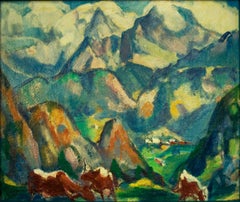
Weite Landschaft
By Willy Eisenschitz
Located in Wien, 9
Willy Eisenschitz zählt zu den wichtigsten österreichischen Künstlern des 20. Jahrhunderts, der lange Zeit in seiner Heimat viel zu wenig Beachtung f...
Category
20th Century Expressionist Landscape Paintings
Materials
Watercolor
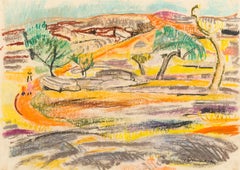
Rapottenstein
By Heinrich Krause
Located in Wien, 9
Die Landschaftsbilder von Heinrich Krause zeigen neben Einflüssen des französischen Impressionismus und dessen Rezeption in Österreich vor allem eine klare Prägung durch Cezanne. Sei...
Category
20th Century Landscape Paintings
Materials
Oil
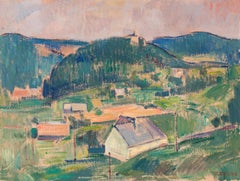
Donau
By Heinrich Krause
Located in Wien, 9
Die Landschaftsbilder von Heinrich Krause zeigen neben Einflüssen des französischen Impressionismus und dessen Rezeption in Österreich vor allem eine klare Prägung durch Cezanne. Sei...
Category
20th Century Landscape Paintings
Materials
Oil
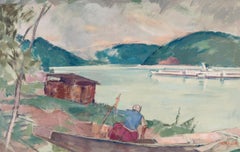
$9,540
Häuser in einer Landschaft
Located in Wien, 9
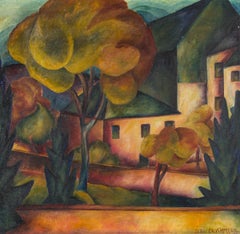
In expressionist style, a house surrounded by trees and bushes is shown. The reduction to the essential reinforces the impression of the anonymous village. Henri Schäfer...
Category
20th Century Abstract Expressionist Landscape Paintings
Materials
Canvas, Oil
You May Also Like
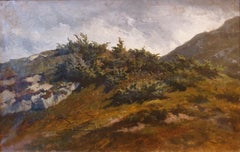
Mountain landscape 19th ODIER Swiss realist painting sketch
Located in PARIS, FR
Jacques Louis ODIER
Geneva, 1853 - Vevey, 1930
Oil on paper on canvas
34 x 54 cm (47 x 66.5 cm with frame)
Countersigned on the verso "Odier"
Exhibition number on the verso “249”
Bea...
Category
19th Century Realist Landscape Paintings
Materials
Oil
$1,402 Sale Price
34% Off
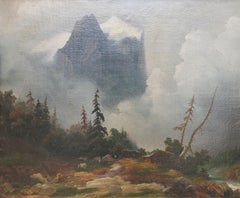
BADER valley CHARMEY Switzerland landscape mountain Swiss painter 19th
Located in PARIS, FR
Augustin BADER (active between 1830 and 1860)
Oil on canvas 38 x 46 cm (51.5 x 59.5 cm with the frame)
Signed lower left "Bader"
Old stamp on the verso "Par Augustin Bader / à Fribur...
Category
Mid-19th Century Romantic Landscape Paintings
Materials
Oil
$1,431 Sale Price
20% Off
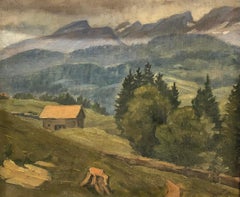
Landscape of the Swiss Alps
Located in Genève, GE
Work on canvas mounted on cardboard
Silver wooden frame
45 x 50 x 4 cm
Wildhaus (Toggenburg) mit den Kurfirsten
Category
1920s Landscape Paintings
Materials
Oil
Mountain Landscape - Painting by Francesco Settimj - 1930s
Located in Roma, IT
Oil on canvas mounted on cardboard realized by Fausta Settimj in 1930s.
Good condition.
Category
1930s Modern Figurative Paintings
Materials
Oil
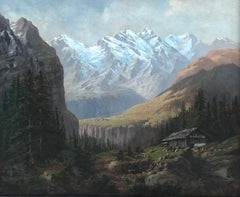
Engslen-Alp mit Wengernalp, German Switzerland
Located in Genève, GE
Illegible signature
Work on canvas
Black wooden frame
53.5 x 64.5 x 4 cm
Category
1890s Contemporary Landscape Paintings
Materials
Oil
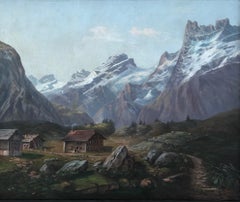
Engslen-Alp mit Wendenstock, German Switzerland
Located in Genève, GE
Illegible signature
Work on canvas
Black wooden frame
53.5 x 64.5 x 4 cm
Category
1890s Contemporary Landscape Paintings
Materials
Oil
More Ways To Browse
New Objectivity
Castle Chillon
Charles Culver Paintings
Charles De Wolf Brownell
Crashing Waves Watercolor
Groups Of Women Paintings
Helen Allingham
Henry Charles Fox
Hugh Ferriss
Joseph Southall
Museum Bee
Museum Bees
Old California Watercolors
Paul Emile Pissarro Pastel
Pencil Drawings Canadian
Susan Van Campen
Thomas Knight
Thomas Schaller