Items Similar to View of Ariccia, a preparatory drawing by Achille Bénouville (1815 - 1891)
Want more images or videos?
Request additional images or videos from the seller
1 of 8
Jean-Achille BenouvilleView of Ariccia, a preparatory drawing by Achille Bénouville (1815 - 1891)1851
1851
$5,366.26
£3,973.49
€4,500
CA$7,412.06
A$7,938.32
CHF 4,267.58
MX$96,415.50
NOK 53,923.01
SEK 49,370.52
DKK 34,295.69
About the Item
This very modern drawing presents a view of Ariccia, a small town 25 kilometres south-east of Rome. The Palazzo Chigi (in which the film-maker Luchino Visconti would film a large part of The Leopard a century later) and the adjoining church are seen from the bottom of the ravine that surrounds the town. This drawing is a moving testimony to the attraction of the city for artists of the Romantic period, who established in Ariccia a vivid artists' colony.
1. Achille Bénouville, a French landscape painter in Italy
Achille Bénouville is probably the main representative of what could be defined as the third (and, so to speak, last) generation of neo-classical and/or historical landscape painters. Born in the 1810s and 1820s, Félix Lanoue, Paul Flandrin, Eugène Ferdinand Buttura or Alfred de Curzon are Bénouville’s contemporaries.
A pupil of François-Edouard Picot (1786 - 1868) and then of Léon Cogniet (1794 - 1880), Bénouville quickly specialised in landscape painting, starting with views of the Paris basin, which he exhibited at the 1834 Salon. He visited Italy three times, in 1838, 1840 and 1843. During his last trip in 1843, he became friends with Jean-Baptiste Corot (1796 - 1875) and shared his Roman studio.
After winning the historical landscape prize in 1845 (the same year his brother Léon won the Grand Prix de Rome for painting), he returned to Italy to spend three years at the Villa Medici. He then settled in Italy for 25 years, until the death of his wife in 1870, an event that led to his return to France.
2. Description of the artwork
From a viewpoint located below the town, the artist depicts the main monuments of Ariccia: the Chigi Palace and the adjoining church, the monumental access bridge.
The Chigi Palace was built between 1664 and 1672 by the Chigi family, which was at the height of its power thanks to the pontificate of Alexander VII (1655 - 1667). Carlo Fontana was the architect who supervised the transformation of an earlier fortress, based on a project by Giovan Lorenzo Bernini, who also designed the Maria Assunta Church opposite.
The small town, which stands on a hilltop, is surrounded by deep ravines, which explains the construction in the mid-19th century of the monumental access bridge one can see on the left.
This view taken from below shows the city in a backlight which the artist has rendered with great economy of means. The city stands out against a bluish sky suggested by a thin highlight of gouache. Only the shadows are drawn with a grey wash, while the rest of the ochre-coloured paper remains unpainted.
3. Related artworks
While some older drawings demonstrate that Bénouville visited Ariccia well before 1851, it seems to us that our drawing can be regarded as a preparatory drawing, probably executed in the open air, for the much more accomplished drawing from the Metropolitan Museum in New York (last image in the gallery). The latter was done in brown ink wash with watercolour highlights and bears the signature "Ach. Bénouville Roma 53", which clearly indicates that it was made at a later stage in the artist's Roman studio.
4. Ariccia, an artists' colony at the gates of Rome
The fame of Ariccia in the Romantic period was largely based on the attractiveness of the Locanda Martorelli, the inn located in the square in front of the palace, which was a popular stop on the road to Naples during the Grand Tour. This inn later became a holiday resort attracting the entire Romantic generation, both writers and painters. Artists as diverse as J.M. William Turner (1775 - 1851), Jean-Baptiste Corot (1796 - 1875) and Henrik Ibsen (1826 - 1906), who wrote his play Brand here in 1865, stayed there.
It is interesting in this respect to compare this drawing to the view of Ariccia painted in 1826-1827 by Jean-Baptiste Corot (with whom Bénouville shared a studio in Rome in 1843). In this painting Corot presents a viewpoint quite similar to that of our drawing, also in a backlight, at a time when the monumental access bridge had not yet been built.
5. Framing
The drawing has been given new margins and is presented in a 19th century natural wood frame with light fillets. The blue of the marie-louise has been chosen to match the thin gouache highlights of the sky.
Main bibliographical references :
Marie-Madeleine Aubrun Achille Benouville 1851-1891. Paris, 1986
- Creator:Jean-Achille Benouville (1815 - 1891, French)
- Creation Year:1851
- Dimensions:Height: 8.44 in (21.44 cm)Width: 11 in (27.94 cm)
- Medium:
- Movement Style:
- Period:
- Condition:Grey ink wash and gouache over pencil lines Signed and dated lower left "Bénouville Ariccia 51” 8 7/16’’ x 11” (215 x 280 mm) – Framed : 14 5/16”x 16 7/8” (36.4 cm x 42.8 cm) Provenance: Ullmann collection (stamp) 19th century dark wood frame.
- Gallery Location:PARIS, FR
- Reference Number:1stDibs: LU1568210961182
About the Seller
5.0
Vetted Professional Seller
Every seller passes strict standards for authenticity and reliability
Established in 2020
1stDibs seller since 2021
11 sales on 1stDibs
Typical response time: 1 hour
- ShippingRetrieving quote...Shipping from: PARIS, France
- Return Policy
More From This Seller
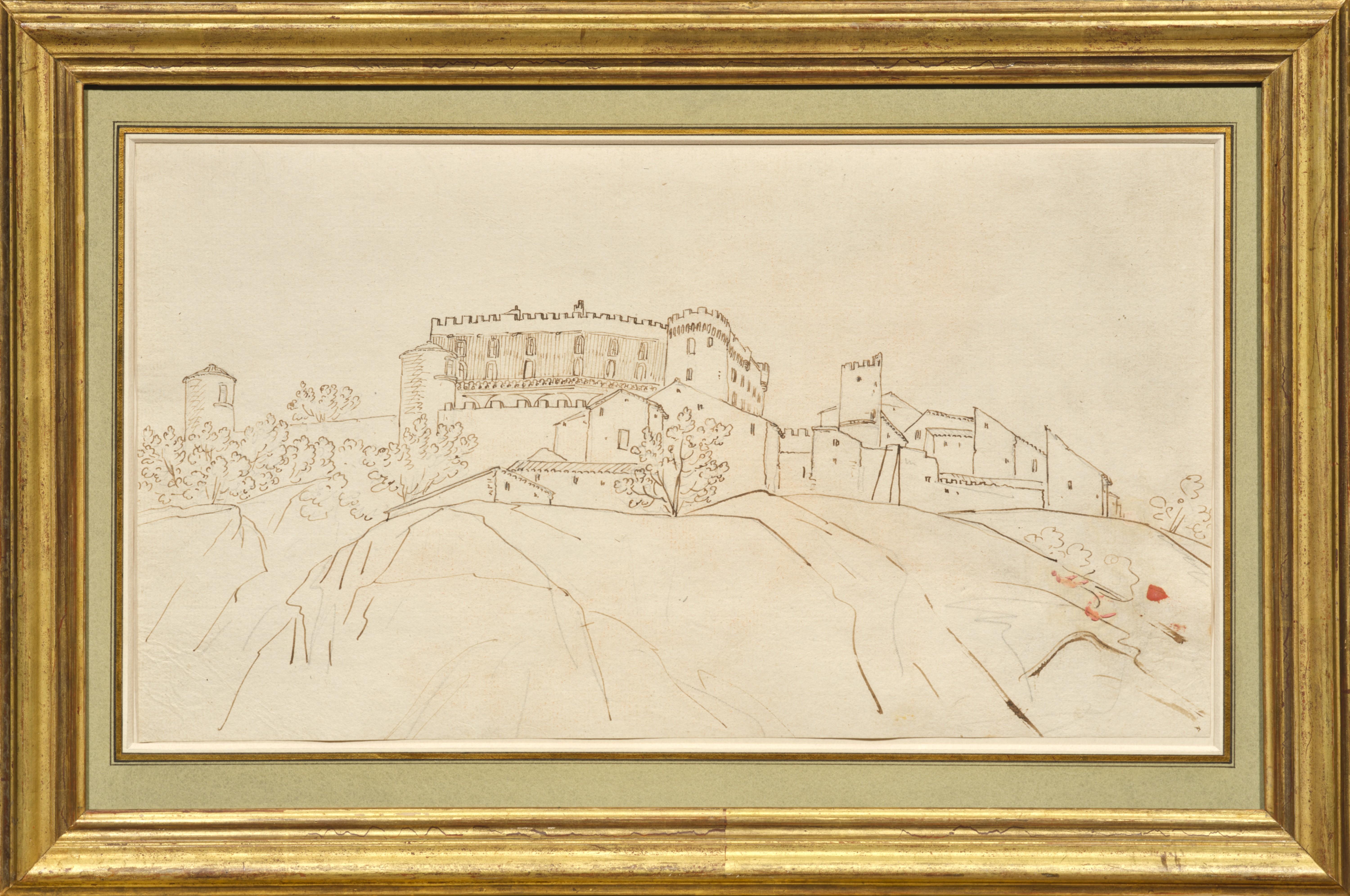
View AllView of a Mansion in the South of France, a drawing by Claude-Joseph Vernet
By Claude-Joseph Vernet
Located in PARIS, FR
We would like to thank Madame Beck-Saiello for confirming the autograph nature of this drawing after an in-person examination.
It was probably during an excursion in the countryside near Avignon that Claude-Joseph Vernet executed this drawing, enhanced with pen and brown ink, depicting a mansion on a hilltop overlooking a small village with geometric shapes.
1. Joseph Vernet, a painter influenced by Italy
Claude-Joseph Vernet was born in Avignon in 1714, the son of Antoine Vernet (1689-1753), an artisan painter of architectural decorations, coach panels, and the like. He moved to the studio of Philippe Sauvan (1697-1792), a leading history painter in Avignon, and then worked with Jacques Viali (active 1681-1745), a decorative, landscape, and marine painter in Aix-en-Provence. Vernet's first recorded paintings were decorative overdoors executed in 1731 in the Aix townhouse of the marquise de Simiane. In 1734, Joseph de Seytres, marquis de Caumont, a leading amateur in Avignon, sponsored Vernet to make a study trip to Italy to complete his artistic education and to draw antiquities for his patron.
As Avignon was a papal territory in Vernet's day, he also had a number of useful introductions among influential churchmen when he arrived in Rome. Vernet was soon at home in the French community there, and he was encouraged by Nicolas Vleughels (1668-1737), director of the Académie de France in Rome, even though the young painter had no official affiliation with the royal institution. He likely entered the studio of the French marine painter Adrien Manglard...
Category
1730s Old Masters Landscape Drawings and Watercolors
Materials
Ink, Laid Paper, Pen, Carbon Pencil
View of an Antique City, a wash landscape by Jan de Bisschop (1628 - 1671)
Located in PARIS, FR
The attribution to Jan de Bisschop has been confirmed by the RKD with the following comment: "We base this attribution on the dark washes, the subject represented and the monogram".
...
Category
17th Century Old Masters Landscape Drawings and Watercolors
Materials
Ink, Pen
View of the Posillipo coastline near Naples by William Marlow (1740 - 1813)
By William Marlow
Located in PARIS, FR
In this drawing, inspired by his stay in Naples in 1765, William Marlow presents us with a view of Cape Posillipo, to the west of Naples, an essential stage during the Grand Tour. Th...
Category
1760s Old Masters Landscape Drawings and Watercolors
Materials
Ink
View of the Ovo Castle in the Moonlight, a 19th century Neapolitan gouache
Located in PARIS, FR
Neapolitan gouaches appeared in the eighteenth century when tourism in the Naples area was developing: the discoveries of Herculaneum and Pompeii made this city a mandatory stop on the Grand Tour, the journey made by wealthy Europeans to complete their education.
Generally small in size for ease of transport and affordable in price, these gouaches were the ideal travel souvenir that these tourists of the early days were bringing back to capture the idyllic landscapes they had discovered during their journey and to share them with family and friends upon their return at home.
The Bay of Naples and the eruptions of Vesuvius are the favourite themes of these views. Here we have a view of the Ovo Castle, which was rebuilt on the island of Partenope, in the middle of the Bay of Naples and about a hundred metres from the shore by the Normans in the 12th century on antique ruins...
Category
Early 19th Century Romantic Landscape Drawings and Watercolors
Materials
Paper, Gouache
Rocky Landscape with Trees and Temple Ruins a drawing by Giulio Parigi (ca 1615)
Located in PARIS, FR
This Rocky Landscape with Trees and the Ruins of a Temple is a drawing by Giulio Parigi, an eclectic and prolific artist of the Medici court. An engraver, architect, furniture and je...
Category
1610s Old Masters Landscape Drawings and Watercolors
Materials
Ink, Laid Paper, Pen
Landscape with Trees and a Fisherman walking, a drawing by Jan Van Goyen
By Jan Josefsz Van Goyen
Located in PARIS, FR
No Dutch draughtsman ever captured the atmosphere of the rural countryside of Holland with the same atmospheric and engaging simplicity that Van Goyen achieved in drawings such as this. Indeed, his landscapes were seminal in the development of the genre. The present sketch conveys a striking sense of movement within the natural landscape, conveyed by the deftly applied strokes of chalk, from which the artist’s hand can be sensed. The composition is characteristic of his work, with the low horizon affording significance to the broad sky and the soaring birds within. This feeling of windswept motion powerfully evokes the expansive Dutch farmland with which he was evidently preoccupied.
1. Jan van Goyen...
Category
1650s Old Masters Landscape Drawings and Watercolors
Materials
Chalk, Ink, Laid Paper
You May Also Like
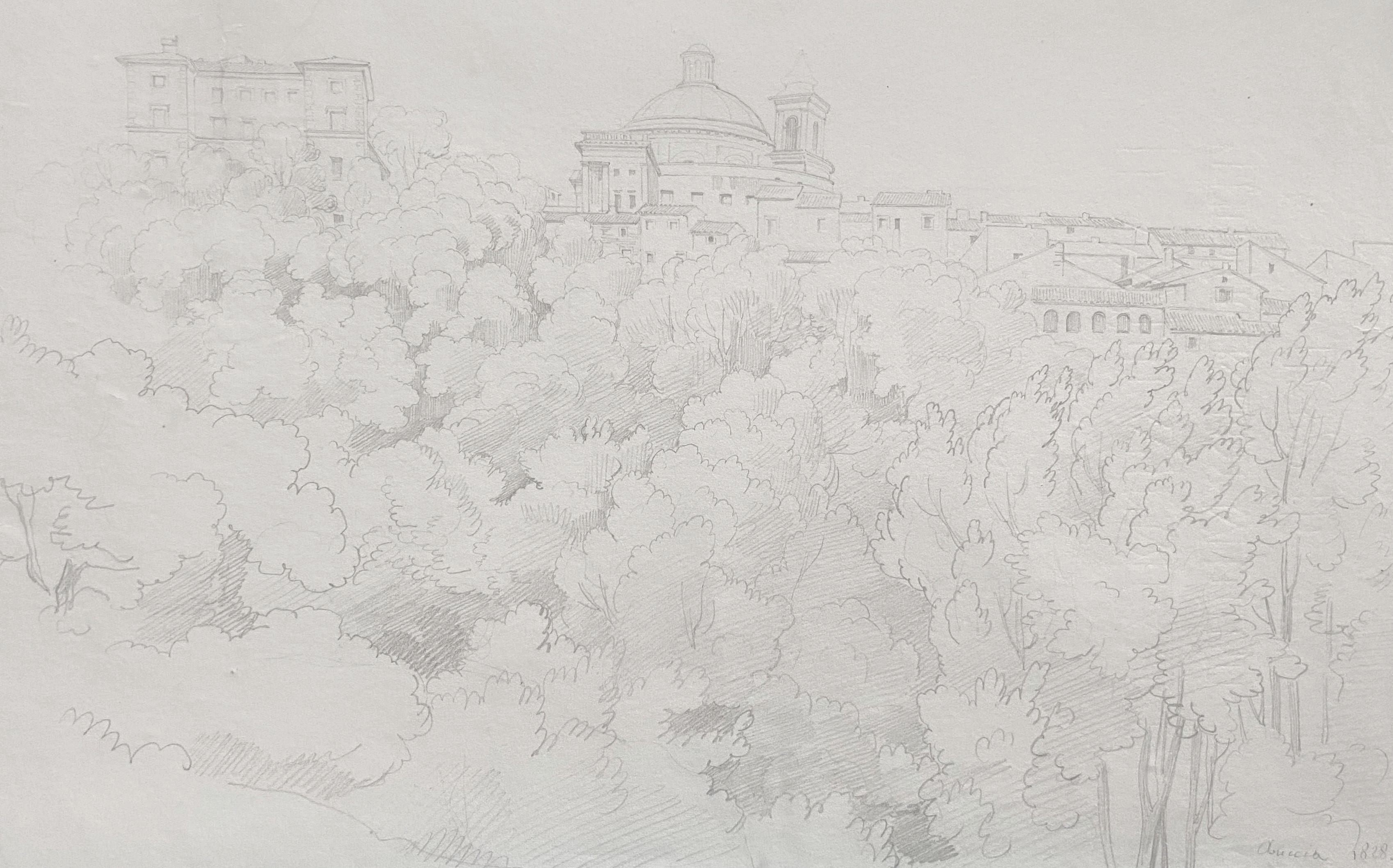
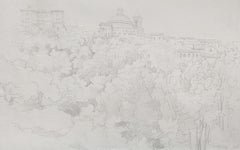
French Romantic School, View of Arriccia, 1828, drawing
Located in Paris, FR
French Romantic School beginning of the 19th Century
View of Arriccia, 1828
located and dated, "Arriccia 1828" on the lower right
Pencil on paper
23 x ...
Category
1820s Romantic Landscape Drawings and Watercolors
Materials
Pencil
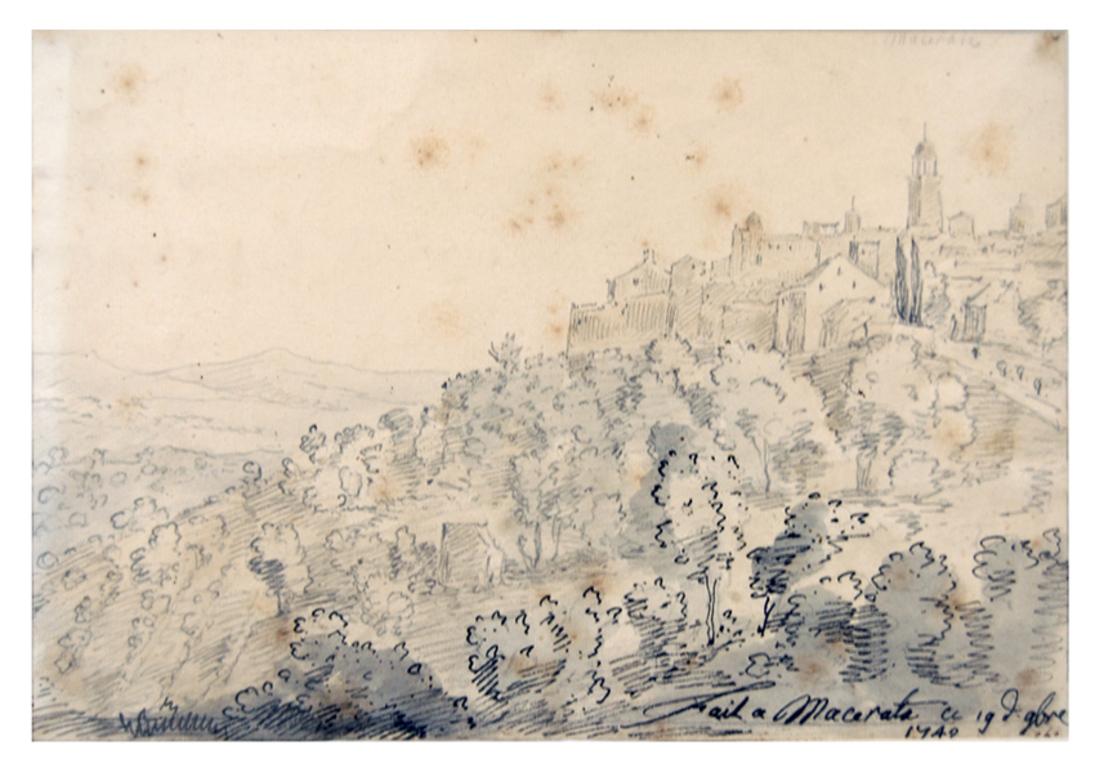
Vue de Macerata et de sa Campagne - drawing by J. P. Verdussen - 1742
By Jan Peeter Verdussen
Located in Roma, IT
China ink and watercolour on paper.
Some foxing, otherwise very good condition.
Titled and dated.
Includes passepartout.
Category
1740s Figurative Drawings and Watercolors
Materials
Ink, Watercolor
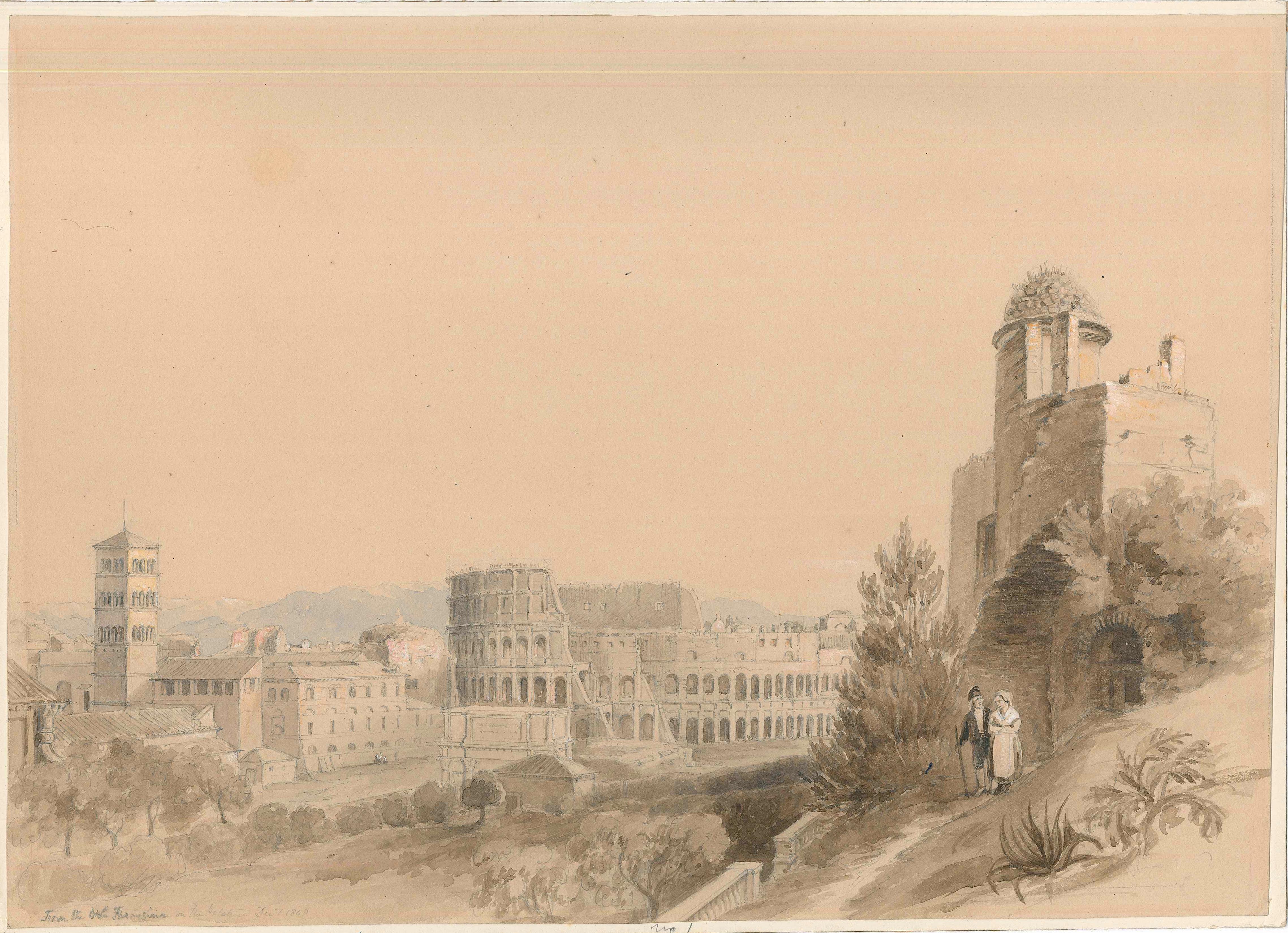
View Of Rome - Watercolor on Paper by C.R. Cockerell - Mid 19th Century
By Charles Robert Cockerell
Located in Roma, IT
View Of Rome is a beautiful artwork realized by Charles Robert Cockerell in the XIX century.
Watercolor on paper. Inscribed in pencil on lower left and verso.
This charming artwork...
Category
Mid-19th Century Modern Landscape Drawings and Watercolors
Materials
Watercolor
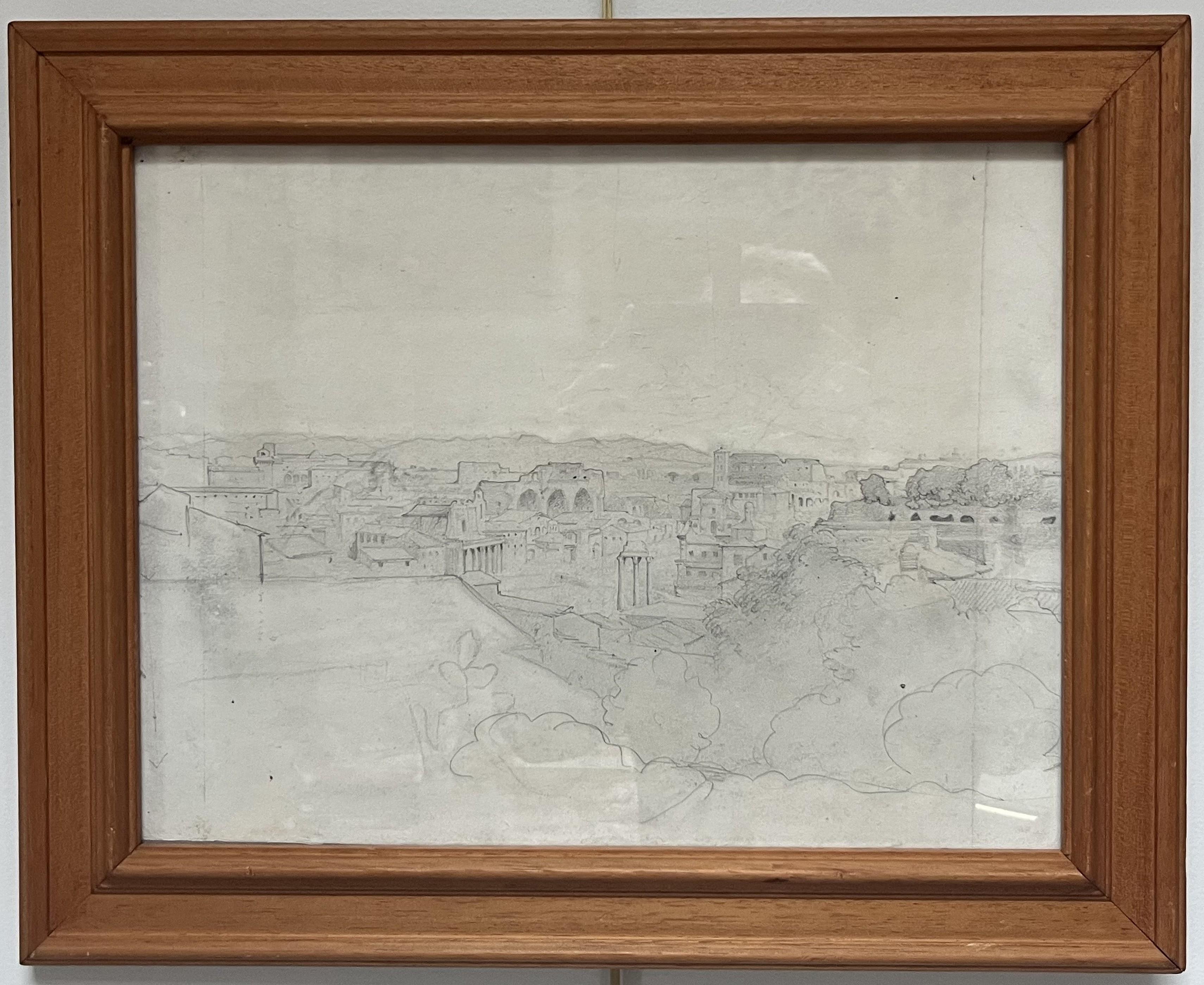
Jean-Achille Benouville (1815-1891) Rome, View of the Forum, drawing
Located in Paris, FR
Jean-Achille Benouville (1815-1891)
Rome, View of the Forum,
pencil on paper
28.5 x 37.5 cm
framed 38.5 x 47.5 cm
This drawing is characteristic of Romantic artists who, like Coro...
Category
1860s Romantic Landscape Drawings and Watercolors
Materials
Carbon Pencil
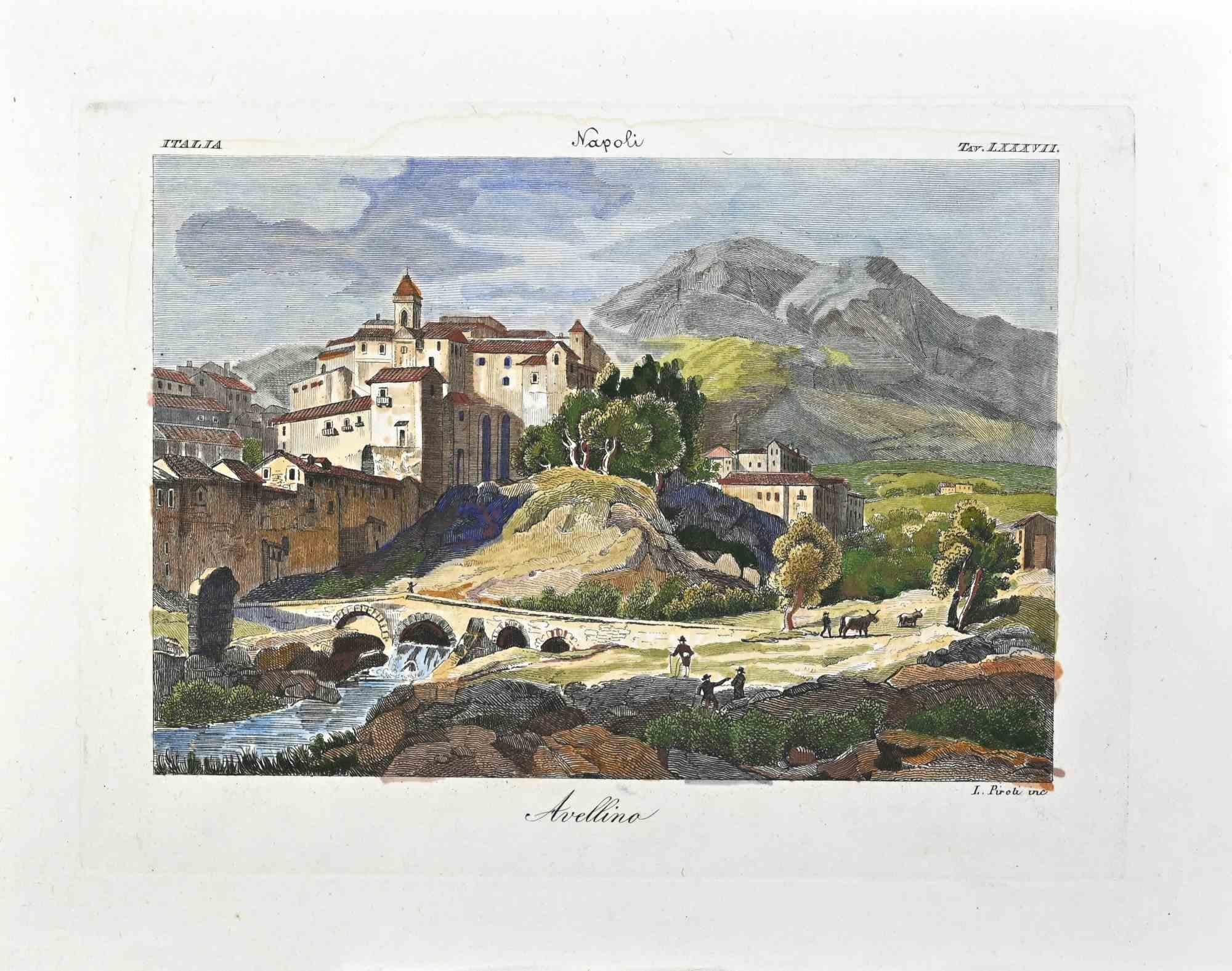
View of Avellino - Etching by Tommaso Piroli - Mid-19th century
Located in Roma, IT
View of Avellino is a print realized by Tommaso Piroli in the mid-19th century.
Etching Hand-watercolored on paper.
Signed and titled on the plate.
Good conditions with foxing
Category
Mid-19th Century Contemporary Figurative Prints
Materials
Etching
Landscape - Drawing by Camille Adrien Paris - Late 19th Century
Located in Roma, IT
Landscape is a modern artwork realized by Camille Adrien Paris.
Pencil drawing.
Includes frame.
Camille Adrien Paris (1834-1901) Born in Paris, died in Barbizon. Student of Ary S...
Category
Late 19th Century Modern Figurative Drawings and Watercolors
Materials
Paper, Pencil
More Ways To Browse
Framed Drawings
Preparatory Drawing
The Antique Inn
French Landscape Painter
1891 Painting
Luchino Visconti
Leon Cogniet
Artist J M
Francois Picot
19th Century Italian Grand Tour Gouache Painting
Leon Benouville
Janusz Kokot
Watercolor Of Harbour
Zigmunds Snore
Robert Strati
Russell Sharon
Watercolor Painting Gloucester
Watercolor Winter Scenes