Framed Still-life Drawings and Watercolors

to
148
305
160
151
67
41
Overall Width
to
Overall Height
to
6
86
313
319
7
6
10
20
8
14
11
19
37
20
6
146
59
52
46
26
14
14
13
9
7
3
1
402
283
35
205
196
119
80
79
70
66
54
46
46
37
33
32
30
30
25
24
18
18
17
461
428
360
117
104
39
24
20
14
9
17
454
244
Frame Included
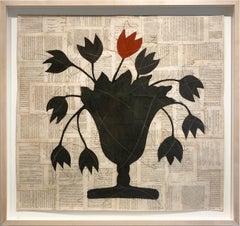
One Red One (Abstract Still Life Drawing of Black Red Flowers in a Vase)
Located in Hudson, NY
Figurative, still life chalk drawing of flowers in a vase against collaged vintage book pages 'One Red One' by Louise Laplante in 2024 pastel on collaged vintage book pages 27.5 x 29...
Category

2010s Modern Still-life Drawings and Watercolors

Materials

Paper, Chalk

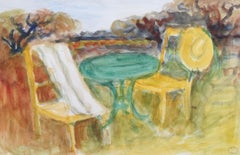
The Terrace
Located in London, GB
'The Terrace', watercolour on art paper, by Maurice Savin (circa 1950s). An inviting scene from the South of France depicts a quiet sun terrace on a balmy day with azure skies. The v...
Category

1950s Modern Landscape Drawings and Watercolors

Materials

Paper, Watercolor

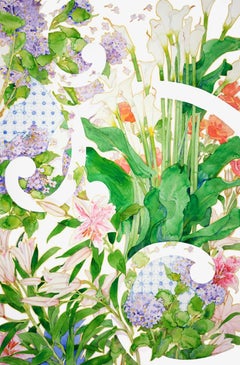
Composition with Tumbling Vases - Screen II
Located in Burlingame, CA
'Composition with Tumbling Vases - Screen II', by Gary Bukovnik. Watercolor on mulberry, 28 1/2 x 68 inches, 2019. Hand painted folding screen created with watercolor on mulberry pap...
Category

21st Century and Contemporary Contemporary Still-life Drawings and Water...

Materials

Paper, Watercolor

Talavera Composition 1
Located in Burlingame, CA
'Talavera Composition 1' by master watercolorist Gary Bukovnik, who fuses sensual vitality with fluid yet powerful colorations to create floral images of great depth, intensity, and ...
Category

21st Century and Contemporary Contemporary Still-life Drawings and Water...

Materials

Paper, Watercolor

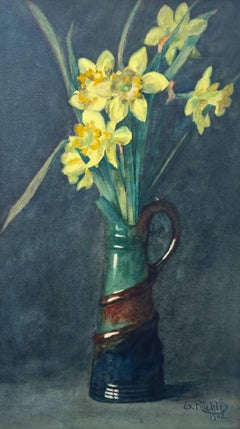
"Daffodils in Ceramic Pitcher"
Located in Southampton, NY
Here for your consideration is a beautiful watercolor still life on heavy paper by the German artist, E. Riehle. Signed and dated lower right, 1903. In good condition with it's orig...
Category

Early 1900s Academic Still-life Drawings and Watercolors

Materials

Paper, Watercolor

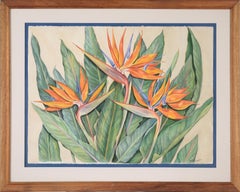
Birds of Paradise
Located in Soquel, CA
Vibrant and detailed depiction of three bird of paradise flowers by unknown artist "Albright" (20th Century). Three flowers are shown with seve...
Category

1950s Post-Modern Still-life Drawings and Watercolors

Materials

Watercolor, Laid Paper

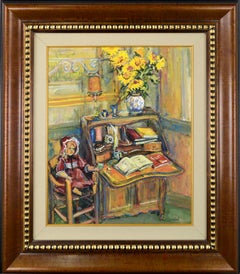
French Impressionist Interior Scene with Desk, Doll, Sunflowers
Located in Soquel, CA
Charming and brightly colored French Impressionist watercolor, depicting an interior scene in great detail with an antique desk full of books, a bouquet of sunflowers, and a doll by ...
Category

Late 20th Century American Realist Interior Drawings and Watercolors

Materials

Paper, Gouache

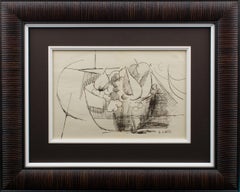
André Lhote Cubist Composition Pen Drawing Painting, circa 1910
Located in Atlanta, GA
This cubist black ink pen drawing by André Lhote (1885 - 1962), circa 1910, features a still-life composition, a bowl with fruits on a table with a cubist geometric design. We added ...
Category

1910s Cubist Still-life Drawings and Watercolors

Materials

Paper, Pen

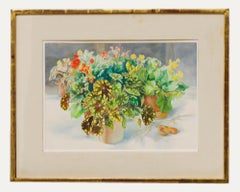
Catherine Dean (1905-1983) - Framed 20th Century Watercolour, Potted Begonia
Located in Corsham, GB
Potted Begonia, Watercolour on paper. Signed and dated '82. Well presented in a large gilt-effect frame with linen mount.
Category

20th Century Still-life Drawings and Watercolors

Materials

Watercolor

Study for the Chairlift (Anacapri) - Drawing by Ennio Calabria - 1965
Located in Roma, IT
Study for the chairlift (Anacapri) is a contemporary artwork realized by Ennio Calabria in 1965. Mixed colored watercolor on paper. Hand signed, dated and titled on the lower margi...
Category

1970s Contemporary Still-life Drawings and Watercolors

Materials

Watercolor

1920 s Historical Fashion Illustration of Lady in 17th Century Dress
Located in Soquel, CA
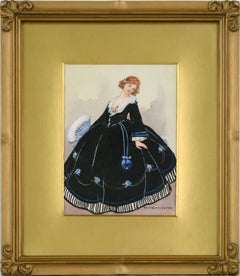
Finely detailed historical figurative fashion illustration painted in watercolor in 1921, of a lady in 17th century dress; complete with a full blac...
Category

1920s Realist Figurative Drawings and Watercolors

Materials

Paper, Watercolor

Lily Study III
Located in Burlingame, CA
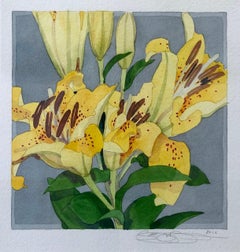
'Lily Study III' by master watercolorist Gary Bukovnik, who fuses sensual vitality with fluid yet powerful colorations to create floral images of great depth, intensity, and size. I...
Category

21st Century and Contemporary Contemporary Still-life Drawings and Water...

Materials

Paper, Watercolor

Untitled Floral Still Life
Located in Wilton Manors, FL
Beautiful floral still life by American artist Jane Piper (1916-1991) . Pastel, oil crayon and pencil on tracing paper. Image measuring 13 x 15.5 inches in ...
Category

1980s Abstract Still-life Drawings and Watercolors

Materials

Parchment Paper, Crayon, Pastel, Pencil
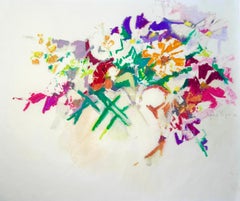
Still Life - Watercolor by Sirio Pellegrini - 1970s
Located in Roma, IT
Watercolor on paper realized by Sirio Pellegrini in 1970s. Hand signed. Includes a wooden frame realized by the Artist cm. 60x45 Sirio Pellegrini, born in Rome on March 1, 1922, o...
Category

1970s Contemporary Figurative Drawings and Watercolors

Materials

Paper, Watercolor

Secret Garden 13 - Contemporary Art, Flower, Black, White, Organic, 21st Century
Located in Baden-Baden, DE
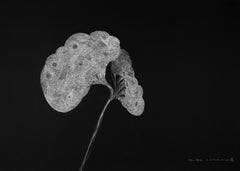
Secret Garden 13, 2020 white ink on black cardboard 27 9/16 H x 39 3/8 W in. 70 H x 100 W cm The drawings signed by Alina Aldea show the meticulousness and perfection of microscopic...
Category

2010s Contemporary Figurative Drawings and Watercolors

Materials

Ink, Cardboard

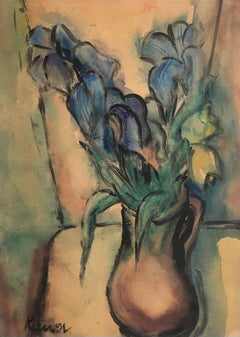
Mid Century Modern British What s the Time? by British German Kapp, 1975
Located in Petworth, West Sussex
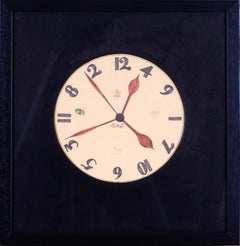
Eduard Xavier Kapp (British, 1890 – 1978) What’s the Time? Pen and crayon, tondo Signed and dated ‘Kapp 75’ (in the centre) 8.1/2 x 8.1/2 in. (21.6 x 21.6 cm.) Edmond Kapp was born in Islington, London, on 5 November 1890, of American and German Jewish parentage. He gave himself the middle initial ‘X’ – sometimes said to stand for Xavier – to distinguish himself from his father Emil Kapp, who was a wine merchant. However, his parents called him ‘Eddie’ while his wife and friends knew him as ‘Peter’. During his early years, Kapp was continually ill and, while convalescing, entertained himself by drawing at home. As his health improved, he attended Dame Alice Owen’s School, Islington (1903-10), with periods at Berlin University (1909) and L’Institut Français pour les Etrangers, Paris (1909). He then read Languages at Christ’s College, Cambridge (1910-13), though spent most of his time writing and drawing. Kapp took a studio in London, and worked intensively until the outbreak of the First World War, contributing to the Daily News, the Onlooker and other periodicals. During the war, he served as a 2nd Lieutenant in the Royal Sussex Regiment on the Western Front, and then in Intelligence, rising to the position of Staff Captain on Haig’s Staff. Finally, he founded and directed the Neutral Press Counter-propaganda Section. In 1919, Kapp returned to London and, after abortive periods at three art schools, worked alone. In that year, he made his name with an exhibition of caricatures, held at Furst’s Gallery, London, and accompanied by a catalogue introduced by Max Beerbohm. This soon led to contracts with three London periodicals and a book of caricatures, Personalities, published by Martin Secker. Through the 1920s and 30s, his drawings of musicians and other personalities appeared in a wide variety of periodicals, most notably Time & Tide; were collected in further volumes; and were exhibited at the Leicester Galleries. He considered himself to be a ‘character-portraitist’, producing images of psychological not satirical power, and disliking the term ‘caricature’. Between the wars, Kapp developed other aspects of his artistic talents, the desire to study and the search for subject matter often taking him abroad. For instance, work at the British Academy, Rome, under Antonio Sciortino...
Category

Mid-20th Century Modern Still-life Drawings and Watercolors

Materials

Pen

Tangerines
Located in Burlingame, CA
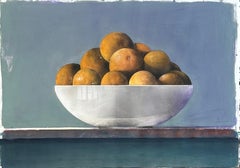
Tangerines - sill life composition - exquisite highly contemporary still life drawing / mixed media work, created with watercolor and dry pigment and conte crayon on paper that is 30...
Category

21st Century and Contemporary Contemporary Still-life Drawings and Water...

Materials

Mixed Media, Watercolor, Pigment

Snapshot Series No. 2 (Iris), photorealist colored pencil still life drawing
Located in New York, NY
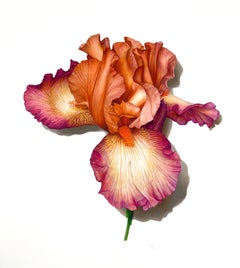
David Morrison's freshly bloomed Magnolia and Iris drawings further his play with artifice and hyperrealism. Cream and rose-colored blossoms seem to jump boldly from their branches. ...
Category

2010s Photorealist Still-life Drawings and Watercolors

Materials

Paper, Color Pencil

Yellow Bouqet, Impressionist Watercolor by Wayne Ensrud
Located in Long Island City, NY
Wayne Ensrud, American (1934 - ) - Yellow Bouqet, Year: circa 1980, Medium: Watercolor on Paper, signed, Size: 32 x 22.5 in. (81.28 x 57.15 cm), Frame Size: 41.5 x 32 inches
Category

1980s Impressionist Still-life Drawings and Watercolors

Materials

Watercolor

Flower Bouquet
Located in Los Angeles, CA
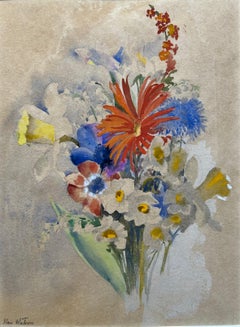
(Note: This work is part of our exhibition Connected by Creativity: WPA Era Works from the Collection of Leata and Edward Beatty Rowan) Watercolor on paper, 12 x 9 ½ inches unframed sheet, 15 x 12 ½ inches framed, signed lower left About the Artist: Nan Watson...
Category

1930s American Modern Still-life Drawings and Watercolors

Materials

Watercolor

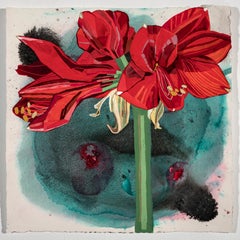
Amaryllis, Flower Painting, Bold Red Botanical Artwork, 16 x 16 Inches, Framed
Located in New York, NY
Elisabeth Condon’s Memorial Flowers series reimagines the still life as a meditation on memory, impermanence, and renewal. Using gouache and ink, she stages vibrant floral arrangemen...
Category

2010s Contemporary Still-life Paintings

Materials

Ink, Gouache, Handmade Paper

Projet de Tissus - Fauvist Flowers Watercolor Gouache by Raoul Dufy
Located in Marlow, Buckinghamshire
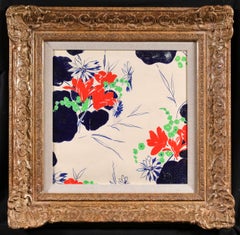
Botanical watercolour and gouache on paper circa 1920 by French fauvist painter Raoul Dufy. The work depicts flowers in red, blue and green. This work was executed by Dufy as a fabric design. Dimensions: Framed: 19.5"x19.5" Unframed: 12"x12" Provenance: Private collection of works by Raoul Dufy for Bianchini Ferier Bianchini Ferrier Collection - Christie's London - July 2001 SF Fall Show Raoul Dufy was one of a family of nine children, including five sisters and a younger brother, Jean Dufy, also destined to become a painter. Their father was an accountant in the employ of a major company in Le Havre. The Dufy family was musically gifted: his father was an organist, as was his brother Léon, and his youngest brother Gaston was an accomplished flautist who later worked as a music critic in Paris. Raoul Dufy's studies were interrupted at the age of 14, when he had to contribute to the family income. He took a job with an importer of Brazilian coffee, but still found time from 1892 to attend evening courses in drawing and composition at the local college of fine arts under Charles Marie Lhullier, former teacher of Othon Friesz and Georges Braque. He spent his free time in museums, admiring the paintings of Eugène Boudin in Le Havre and The Justice of Trajan in Rouen. A municipal scholarship enabled him to leave for Paris in 1900, where he lodged initially with Othon Friesz. He was accepted by the École des Beaux-Arts, where he studied under Léon Bonnat, whose innate conservatism prompted Dufy to remark later that it was 'good to be at the Beaux-Arts providing one knew one could leave'. And leave he did, four years later, embarking with friends and fellow students on the rounds of the major Paris galleries - Ambroise Vollard, Durand-Ruel, Eugène Blot and Berheim-Jeune. For Dufy and his contemporaries, Impressionism represented a rejection of sterile academism in favour of the open-air canvases of Manet, the light and bright colours of the Impressionists, and, beyond them, the daringly innovative work of Gauguin and Van Gogh, Seurat, Cézanne, Toulouse-Lautrec and others. Dufy was an out-and-out individualist, however, and was not tempted to imitate any of these artists. He produced, between 1935 and 1937, Fée Electricité (Spirit of Electricity), the emblem for the French utilities company Electricité de France (EDF). Dufy visited the USA for the first time in 1937, as a member of the Carnegie Prize jury. In 1940, the outbreak of war (and his increasingly rheumatic condition) persuaded him to settle in Nice. When he eventually returned to Paris 10 years later, his rheumatism had become so debilitating that he immediately left for Boston to follow a course of pioneering anti-cortisone treatment. He continued working, however, spending time first in Harvard and then in New York City before moving to the drier climate of Tucson, Arizona. The cortisone treatment was by and large unsuccessful, although he did recover the use of his fingers. He returned to Paris in 1951 and decided to settle in Forcalquier, where the climate was more clement. Within a short time, however, he was wheelchair-bound. He died in Forcalquier in March 1953 and was buried in Cimiez. Between 1895 and 1898, Raoul Dufy painted watercolours of landscapes near his native Le Havre and around Honfleur and Falaise. By the turn of the century, however, he was already painting certain subjects that were to become hallmarks of his work - flag-decked Parisian cityscapes, Normandy beaches teeming with visitors, regattas and the like, including one of his better-known early works, Landing Stage at Ste-Adresse. By 1905-1906 Friesz, Braque, Matisse, Derain, Vlaminck, Van Dongen and Rouault were described collectively as Fauves (the wild beasts). What they had in common was a desire to innovate, but they felt constrained nonetheless to meet formally to set out the guiding principles of what promised to be a new 'movement'. Dufy quickly established that those principles were acceptable; moreover, he was most impressed by one particular painting by Henri Matisse ( Luxury, Calm and Voluptuousness) which, to Dufy, embodied both novelty and a sense of artistic freedom. Dufy promptly aligned himself with the Fauves. Together with Albert Marquet in particular, he spent his time travelling the Normandy coast and painting views similar...
Category

1920s Fauvist Still-life Drawings and Watercolors

Materials

Paper, Watercolor, Gouache

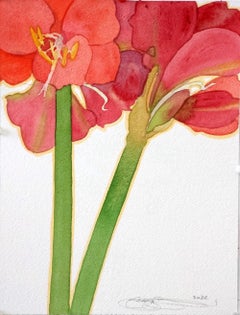
Amaryllis Study no. 1
Located in Burlingame, CA
'Amaryllis Study no. 1' by master watercolorist Gary Bukovnik, who fuses sensual vitality with fluid yet powerful colorations to create floral images of great depth, intensity, and s...
Category

21st Century and Contemporary Contemporary Still-life Drawings and Water...

Materials

Watercolor

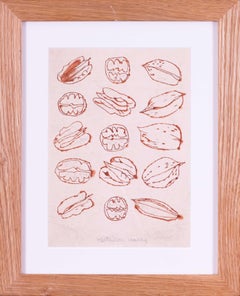
Andy Warhol original offset drawing inscribed Pecan Varieties (in reverse)
Located in Petworth, West Sussex
Andy Warhol (American, 1928 – 1987) Pecans, circa 1956 Ink offset drawing with some pencil detail Inscribed in the reverse ‘Pecan varieties’ (mirror image) Unsigned. Estate of Andy ...
Category

20th Century Pop Art Still-life Drawings and Watercolors

Materials

Paper, Pencil

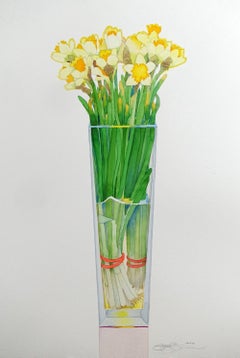
Daffodils in a Tall Vase
Located in Burlingame, CA
'Daffodils in a Tall Vase' by master watercolorist Gary Bukovnik, who fuses sensual vitality with fluid yet powerful colorations to create floral images of great depth, intensity, a...
Category

21st Century and Contemporary Contemporary Still-life Drawings and Water...

Materials

Watercolor

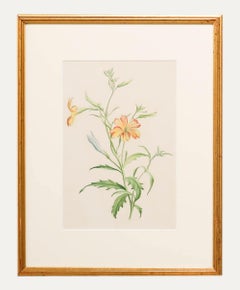
Madame F.C. Byrne (1789-1876) - 20th Century Watercolour, Wild Flower
Located in Corsham, GB
Unsigned. Presented in a gilt frame. On paper.
Category

20th Century Still-life Drawings and Watercolors

Materials

Watercolor

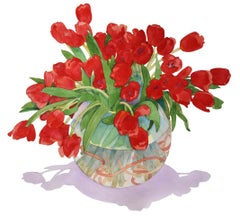
Tulips in a Bowl
Located in Burlingame, CA
'Tulips in a Bowl'. Watercolor on paper. Original artwork measuring 31 1/2 x 24 3/4 inches. Professionally framed., 38 x 41 inches. Gary Bukovnik fuses sensual vitality with fluid y...
Category

21st Century and Contemporary Contemporary Still-life Drawings and Water...

Materials

Paper, Watercolor

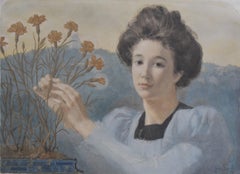
Gustave Riquet (1866-1938) Les Œillets de la vie, 1898 watercolor signed
Located in Paris, FR
Gustave Riquet (1866-1938) Les Œillets de la vie, 1898 (Carnations of life) Signed and dated on the lower right, The text on the lower left is the following "Cueille dès aujourd'hui les oeillets de la vie" , which can be translated as "Pick today the carnations of life" watercolor on paper 37.5 x 51.5 cm In good condition In a modern frame : 53 x 67 cm The text clearly gives the meaning of this allegorical portrait...
Category

1890s Symbolist Portrait Drawings and Watercolors

Materials

Watercolor

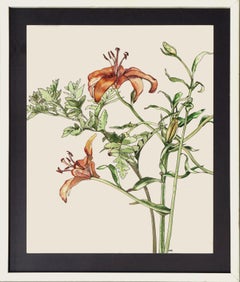
Tiger Lily - Botanical Study
Located in Soquel, CA
Beautiful watercolor, pen and ink floral study of tiger lilies, with brilliant attention to detail and a signature delicate style, by California artist De...
Category

1980s American Realist Still-life Drawings and Watercolors

Materials

Paper, Ink, Watercolor

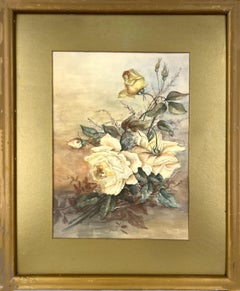
Roses Still Life Watercolor by M Boyer Cooper 1915
Located in Soquel, CA
Roses Still Life Watercolor by M Boyer Cooper 1915 Water of bouquet of Roses by California artist M Boyer Cooper circa 1915. (aunt of Opal Nelson Dean). Signed lower right "M. Cooper...
Category

1910s American Impressionist Still-life Drawings and Watercolors

Materials

Watercolor, Laid Paper

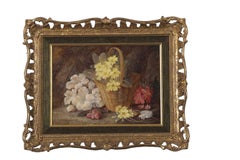
Vintage painting by Vincent Clare - dead nature art composition- oil on canvas.
Located in PARIS, FR
Conditions: Very good overall condition. Edge right, visible under UV Light, minor retouching (5mm). The frame is period frame original baring stickers from Galleries in London. Low...
Category

Late 19th Century Victorian Still-life Paintings

Materials

Oil

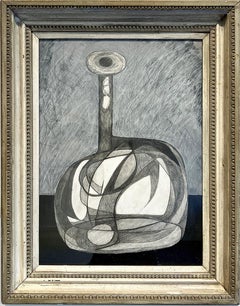
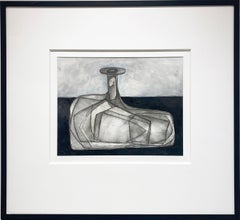
Morandi Bottle (Abstract, Cubist Still Life Graphite Drawing with Antique Frame)
Located in Hudson, NY
Abstract modernist style still life graphite and acrylic painting inspired by Giorgio Morandi's bottle still life paintings "Morandi II” by Hudson Valley artist, David Dew Bruner, m...
Category

2010s Abstract Still-life Drawings and Watercolors

Materials

Paper, Graphite

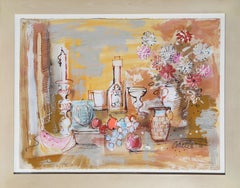
Still Life with Wine and Fruit 4, Impressionist Painting by Charles Cobelle
Located in Long Island City, NY
A still-life painting of wine and fruit by Charles Cobelle. This piece features more muted and neutral colors than his other works and bears his signature in the lower right front co...
Category

1950s Still-life Drawings and Watercolors

Materials

Acrylic, Watercolor

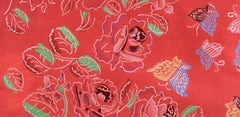
Fleurs et Papillons - Fauvist Flowers Watercolor Gouache by Raoul Dufy
Located in Marlow, Buckinghamshire
Botanical watercolour and gouache on paper circa 1920 by French fauvist painter Raoul Dufy. The work depicts flowers in red and butterflies in blues, yellows, black and white. This work was executed by Dufy as a fabric design. Dimensions: Framed: 17"x27" Unframed: 10"x20" Provenance: Private collection of works by Raoul Dufy for Bianchini Ferier Bianchini Ferrier Collection - Christie's London - July 2001 SF Fall Show Raoul Dufy was one of a family of nine children, including five sisters and a younger brother, Jean Dufy, also destined to become a painter. Their father was an accountant in the employ of a major company in Le Havre. The Dufy family was musically gifted: his father was an organist, as was his brother Léon, and his youngest brother Gaston was an accomplished flautist who later worked as a music critic in Paris. Raoul Dufy's studies were interrupted at the age of 14, when he had to contribute to the family income. He took a job with an importer of Brazilian coffee, but still found time from 1892 to attend evening courses in drawing and composition at the local college of fine arts under Charles Marie Lhullier, former teacher of Othon Friesz and Georges Braque. He spent his free time in museums, admiring the paintings of Eugène Boudin in Le Havre and The Justice of Trajan in Rouen. A municipal scholarship enabled him to leave for Paris in 1900, where he lodged initially with Othon Friesz. He was accepted by the École des Beaux-Arts, where he studied under Léon Bonnat, whose innate conservatism prompted Dufy to remark later that it was 'good to be at the Beaux-Arts providing one knew one could leave'. And leave he did, four years later, embarking with friends and fellow students on the rounds of the major Paris galleries - Ambroise Vollard, Durand-Ruel, Eugène Blot and Berheim-Jeune. For Dufy and his contemporaries, Impressionism represented a rejection of sterile academism in favour of the open-air canvases of Manet, the light and bright colours of the Impressionists, and, beyond them, the daringly innovative work of Gauguin and Van Gogh, Seurat, Cézanne, Toulouse-Lautrec and others. Dufy was an out-and-out individualist, however, and was not tempted to imitate any of these artists. He produced, between 1935 and 1937, Fée Electricité (Spirit of Electricity), the emblem for the French utilities company Electricité de France (EDF). Dufy visited the USA for the first time in 1937, as a member of the Carnegie Prize jury. In 1940, the outbreak of war (and his increasingly rheumatic condition) persuaded him to settle in Nice. When he eventually returned to Paris 10 years later, his rheumatism had become so debilitating that he immediately left for Boston to follow a course of pioneering anti-cortisone treatment. He continued working, however, spending time first in Harvard and then in New York City before moving to the drier climate of Tucson, Arizona. The cortisone treatment was by and large unsuccessful, although he did recover the use of his fingers. He returned to Paris in 1951 and decided to settle in Forcalquier, where the climate was more clement. Within a short time, however, he was wheelchair-bound. He died in Forcalquier in March 1953 and was buried in Cimiez. Between 1895 and 1898, Raoul Dufy painted watercolours of landscapes near his native Le Havre and around Honfleur and Falaise. By the turn of the century, however, he was already painting certain subjects that were to become hallmarks of his work - flag-decked Parisian cityscapes, Normandy beaches teeming with visitors, regattas and the like, including one of his better-known early works, Landing Stage at Ste-Adresse. By 1905-1906 Friesz, Braque, Matisse, Derain, Vlaminck, Van Dongen and Rouault were described collectively as Fauves (the wild beasts). What they had in common was a desire to innovate, but they felt constrained nonetheless to meet formally to set out the guiding principles of what promised to be a new 'movement'. Dufy quickly established that those principles were acceptable; moreover, he was most impressed by one particular painting by Henri Matisse ( Luxury, Calm and Voluptuousness) which, to Dufy, embodied both novelty and a sense of artistic freedom. Dufy promptly aligned himself with the Fauves. Together with Albert Marquet in particular, he spent his time travelling the Normandy coast and painting views similar...
Category

1920s Fauvist Still-life Drawings and Watercolors

Materials

Paper, Watercolor, Gouache

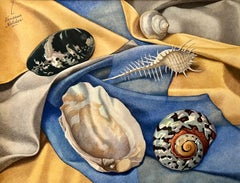
Sea Shells – Blue Gold
Located in Los Angeles, CA
Sea Shells – Blue & Gold, c. 1940s, watercolor on paper, signed upper left, 15 x 19 ¼ inches (image); title and artist’s name and address inscribed verso, presented in a newer glazed...
Category

1940s American Modern Still-life Drawings and Watercolors

Materials

Paper, Watercolor

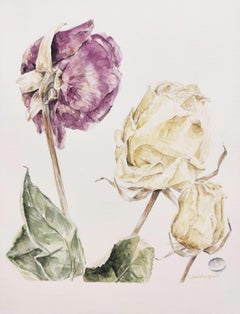
Futile, Original Contemporary Watercolor Painting, Roses, Flowers
Located in AIX-EN-PROVENCE, FR
Work : Original Watercolor Painting, Unique Work. Handmade artwork. Ready to Hang. Medium : Watercolor on Archival paper Artist : Deniz Bayav Subject : Futile (Title) Signature : T...
Category

21st Century and Contemporary Realist Still-life Drawings and Watercolors

Materials

Watercolor

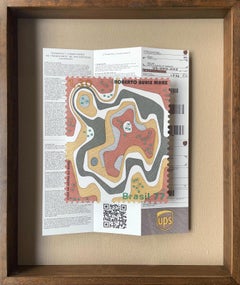
Roberto Burle Marx, Stamp. Drawing From The Series Terms And Conditions
Located in Miami Beach, FL
The project is based in the contrast of the two images, the air waybill and the postage stamp, from different times but similar in their function. The artist seeks to enlighten the c...
Category

2010s Abstract Abstract Drawings and Watercolors

Materials

Paper, India Ink

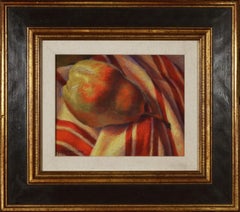
Pear Solo by Marie Kash Weltzheimer, Pastel on Paper
Located in Oklahoma City, OK
This 15" x 17" pastel on paper framed drawing was created by contemporary artist, Marie Kash Weltzheimer. This still-life presents a vibrant depiction of a single pear resting atop a...
Category

2010s Realist Still-life Drawings and Watercolors

Materials

Paper, Pastel

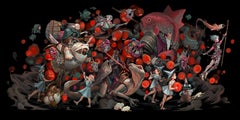
"Cursed March" (2024) By Dustin Panzino, Procreate Illustration on Metal
Located in Denver, CO
"Cursed March" (2024) by Dustin Panzino is a beautiful digital painting created in Procreate, which details a renaissance style depiction of a parade of spirits, marching forward in ...
Category

2010s Contemporary Figurative Drawings and Watercolors

Materials

Metal

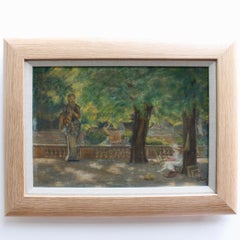
Painter in the Jardin de Luxembourg, Paris
Located in London, GB
'Painter in the Jardin de Luxembourg, Paris', pastel on fine art paper, French School (1919). An intriguing depiction of a hatted-woman dressed in white at her easel in the park. A b...
Category

1910s Landscape Drawings and Watercolors

Materials

Paper, Pastel

Untitled Floral Still Life
Located in Wilton Manors, FL
Beautiful floral still life by American artist Jane Piper (1916-1991) . Untitled. 1980. Pastel, oil crayon and pencil on tracing paper. Image measuring 9 x 12 inches in original ...
Category

1980s Abstract Still-life Drawings and Watercolors

Materials

Parchment Paper, Crayon, Pastel, Pencil
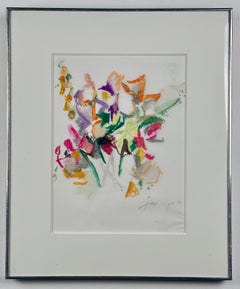
Orange Envelope, Watercolor and pencil realist still life, 2016
Located in New York, NY
Margot Glass explores the fragility of communication, and people’s natural drive to find narrative in even the most ordinary of objects. In her Envelopes series, Glass works in water...
Category

2010s Contemporary Still-life Drawings and Watercolors

Materials

Watercolor, Illustration Board, Pencil
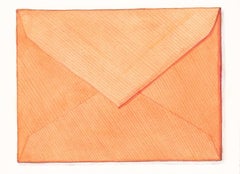
Bouquet in vase
Located in Genève, GE
Work on cardboard Golden wooden frame 72 x 57.5 x 2.5 cm
Category

Mid-20th Century Still-life Drawings and Watercolors

Materials

Watercolor

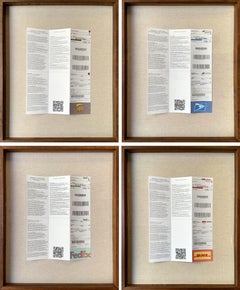
Set of 4 Drawings. From the series Terms and Conditions
Located in Miami Beach, FL
The project is based in the contrast of the two images, the air waybill and the postage stamp, from different times but similar in their function. The artist seeks to enlighten the c...
Category

2010s Abstract Abstract Drawings and Watercolors

Materials

Paper, India Ink

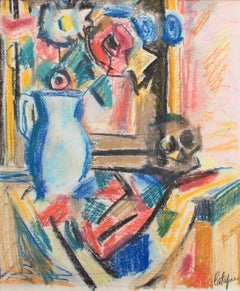
Bouquet of Flowers with Vanitas
Located in London, GB
'Bouquet of Flowers with Vanitas', wax crayon on paper, by French artist, Louis Latapie (circa 1930s). A vanitas painting contains collections of objects symbolic of the inevitabilit...
Category

1930s Still-life Paintings

Materials

Paper, Wax Crayon

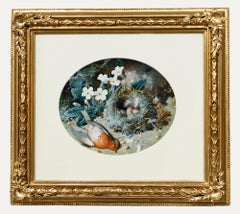
William Cruikshank (1848-1922) - Framed Watercolour, The Robin s Nest
Located in Corsham, GB
This delicate oval composition captures a poignant moment in nature, featuring a robin's nest with eggs nestled among blossoming primroses and woodland foliage. The artist's attentio...
Category

19th Century Still-life Drawings and Watercolors

Materials

Watercolor

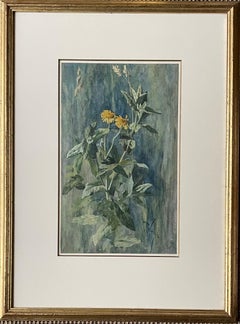
Arthur Wardle - British c. 1900 botanical watercolour of Wild Flowers
Located in London, GB
ARTHUR WARDLE (1864-1949) Common Fleabane Signed Watercolour and bodycolour on linen 29 by 17.5 cm., 11 ½ by 7 in. (frame size 49 by 36.5 cm., 19 ¼ by 14 ¼ in.) Arthur Wardle was...
Category

Early 20th Century Realist Still-life Drawings and Watercolors

Materials

Watercolor

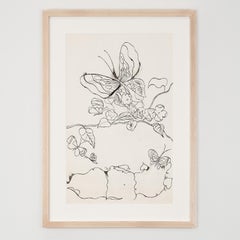
Butterflies and Flowers
Located in Toronto, Ontario
Andy Warhol (1928-1987) is arguably the most important American artist of the 20th century. He not only defined Pop Art, but has had an unrivalled and lasting influence on artists an...
Category

1950s Pop Art Still-life Drawings and Watercolors

Materials

Paper, Ballpoint Pen

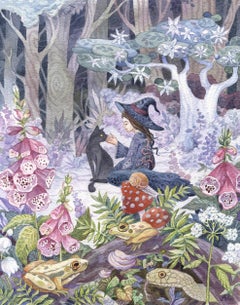
"Foxglove" (2024) By Ania Mohrbacher, Original Fantasy Watercolor Painting
Located in Denver, CO
"Foxglove" (2024) Is an original watercolor fantasy painting, which depicts a young witch and her black cat in the center of a clearing in a forest, rife with magical flora and fauna...
Category

2010s Surrealist Figurative Drawings and Watercolors

Materials

Watercolor, Archival Paper

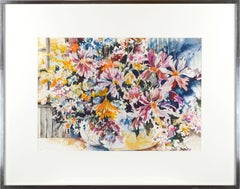
Spring Bouquet, Large-Scale Floral Watercolor Still Life
Located in Soquel, CA
Colorful flowers fill the foreground in this large-scale watercolor still-life of a spring bouquet bursting with blossoms by California artist Royce Thyberg Gordon...
Category

Late 20th Century American Impressionist Still-life Drawings and Waterco...

Materials

Paper, Watercolor

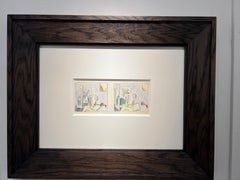
Still Life with Windmill
Located in Beverly Hills, CA
Roy Lichtenstein Still Life with Windmill, 1973 Colored pencil on paper 5 x 8 ¾ inches (12.7 x 22.2 cm) NB: The work is included in the Roy Lichtenstein catalogue raisonné. Provena...
Category

1970s Pop Art Still-life Drawings and Watercolors

Materials

Paper, Color Pencil

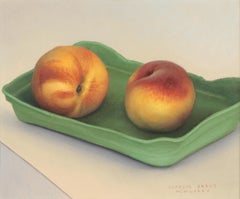
Claudio Bravo Melocotones Drawing
Located in Miami, FL
Claudio Bravo Melocotones, 1985 Pastel on paper 11 x 12 in
Category

1980s Realist Still-life Drawings and Watercolors

Materials

Pastel

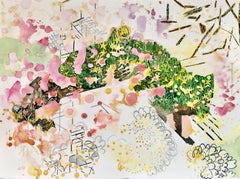
"SECRET GARDEN 2", watercolor, flowers, foliage, sky, sparkling, patterns, stars
Located in Toronto, Ontario
SECRET GARDEN 2 is a new watercolor on Fabriano paper by Fleur Thesmar. The artwork measures 22x30". It is custom framed with anti-UV and anti-glare glas...
Category

21st Century and Contemporary Contemporary Landscape Drawings and Waterc...

Materials

Watercolor, Archival Paper

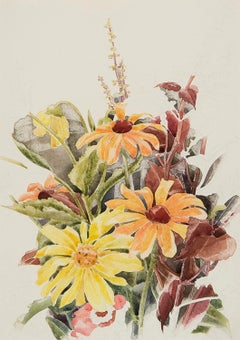
Garden Flowers
Located in New York, NY
Charles Demuth was one of the most complex, talented, and deeply sensitive artists of the American modern period. Whether he was painting floral still lifes, industrial landscapes, or Turkish bathhouses, art was, for Demuth, fraught with personal meaning. A fixture of the vanguard art scene in New York, Demuth navigated the currents of Modernism, producing some of the most exquisite watercolors and original oil paintings in twentieth-century American art. Demuth was born in Lancaster, Pennsylvania, the only child of a well-to-do family. He had an awkward and introverted childhood shaped by a childhood illness, Perthes, a disease of the hip that not only left him permanently lame, but, as part of the “cure,” bedridden for two years in the care of his mother. This long period of incapacitation had a deep impact on Demuth, who came to see himself as an invalid, an outsider who was different from everyone else. It was perhaps during this period of indoor confinement that his keen interest in art developed. Several relatives on his father’s side had been amateur artists, and, following his convalescence, his mother encouraged his artistic pursuits by sending him to a local painter for instruction. The majority of his early pictures are of flowers, a subject for which Demuth maintained a lifelong passion. Following high school, Demuth enrolled at the Drexel Institute of Art in Philadelphia, a school renowned for its commercial arts program. He advanced through the program rapidly, and, in 1905, at the encouragement of his instructors, he began taking courses at the Pennsylvania Academy of the Fine Arts. The two leading teachers then at the Academy were William Merritt Chase and Thomas Anshutz. Anshutz, himself a former student of Thomas Eakins, was well liked by his students, and is best known as the teacher of Robert Henri, John Sloan, and several of the other artists of the Ashcan School. Demuth, too, adopted a similar idiom, working in a controlled, realistic manner while at the Academy, where he remained until 1910. In 1907, Demuth made his first trip to Europe, staying in Paris. He spent time on the periphery of the art scene composed of the numerous American artists there, including John Marin and Edward Steichen. He returned to Philadelphia five months later, and immediately resumed courses at the Academy. Despite his introduction to advanced modern styles in Europe, Demuth’s work of this period retains the academic style he practiced before the trip. It wasn’t until he had summered at New Hope, Pennsylvania, in 1908 and 1911, that his style began to evolve. New Hope was a prominent American Impressionist art colony whose members were largely affiliated with the Pennsylvania Academy. Demuth dropped the conservative tone of his style and adopted a freer and more colorful palette. Although he remained based in Philadelphia, Demuth frequently went to New York during this period. Many of the same American artists of the Parisian art scene Demuth had encountered on his earlier European trip now formed the nucleus of New York’s avant-garde, which centered around Alfred Stieglitz’s 291 gallery. It wasn’t long before Demuth began to apply modernist-inspired strategies to his work. He was particularly influenced by the watercolor work of John Marin, also a former student of Anshutz, whose bold use of color in the medium Demuth freely adapted into looser washes of color. In 1912, Demuth again left for Paris, this time studying in the Académie Moderne, Académie Colorossi, and Académie Julian. In Paris Demuth met the American modernist Marsden Hartley. Hartley, a principal figure in the expatriate art circle, acted as a mentor to Demuth, and introduced him to the wide array of modern styles currently practiced in Europe. Hartley also introduced Demuth to many of the members of the Parisian avant-garde, including Gertrude Stein. Demuth was an aspiring writer, and he spent many hours in conversation with Stein. He wrote extensively during this period, and published two works shortly after his return to America. He also developed an interest in illustrating scenes from literary texts. From 1914 to 1919, Demuth produced a series of watercolors of scenes from books such as Emile Zola’s Nana and Henry James’s The Turn of the Screw. Upon his return to America, Demuth settled in New York. In 1914, Demuth had his first one-man show at Charles Daniel’s gallery, which promoted emerging modern American artists, including Man Ray, Rockwell Kent, Yasuo Kuniyoshi, Stuart Davis, and Max Weber. Demuth drew closer to the artistic vanguard in New York, becoming friends with many in the Stieglitz and Daniel circles, including Georgia O’Keeffe, Marcel Duchamp, Carl Van Vechten, and Edward Fiske. New York’s cosmopolitan atmosphere and active nightlife appealed greatly to Demuth. In a sketchy style well suited to watercolor, he painted many vaudeville and circus themes, as well as nightclub, café, and bathhouse scenes. Often with Duchamp, Demuth took part in an urban subculture replete with nightclubs, bars, drugs, and sexual permissiveness, which, for a homosexual artist like himself, allowed room for previously unattainable personal expression. Demuth’s pictures of sailors, bathhouses, and circus performers embody a sensual and sexual undercurrent, expressing the artist’s sense of comfort and belonging in the bohemian subculture of New York. Simultaneously, Demuth deepened his interest in floral pictures, painting these almost exclusively in watercolor. His style evolved from the broad color washes of his earlier pictures to more spare, flattened, and sinuous compositions, inspired by the drawings of Aubrey Beardsley and other artists of the Aesthetic Movement. Demuth’s flower watercolors are moody and atmospheric, sensuous and elegant, introspective and yet full of expressive power. Moreover they are beautiful, and are unequivocally among the finest still lifes in American art. Despite numerous subsequent artistic undertakings that led him in a variety of directions, Demuth never stopped painting flower pictures, ultimately adding fruits and other still-life objects to his repertoire. In 1916, Demuth began to develop a style later known as Precisionism, a form of landscape painting infused with Cubism, in which space is divided into precisely drawn geometric regions of color. Demuth first began to paint the landscape in an appropriated Cubist mode while on a trip with Hartley to Bermuda. In these early landscapes, in which the curvilinear forms of trees intersect the geometrically articulated architectural forms, Demuth explored ideas that shaped the future development of modernism in America. The full realization of Demuth’s explorations came after his return to America in 1917, when he turned his attention to industrial subjects. These works derive from a “machine aesthetic,” espoused by New York artists such as Francis Picabia, Joseph Stella, Albert Gleizes, and Duchamp, by which artists viewed machines as embodying mystical, almost religious significance as symbols of the modern world. Rather than painting the skyscrapers and bridges of New York as did most of his like-minded contemporaries, Demuth returned to his home town of Lancaster, where he painted factories and warehouses in a Precisionist idiom. The titles for these pictures are often contain literary references, which serve as clues for the viewer to aid in the decoding of the artist’s meaning. In 1923, Demuth planned a series of abstract “poster portraits” of his friends and contemporaries in the New York art and literary scene. In these “portraits,” Demuth combined text and symbolic elements to evoke the essential nature of his sitters’ distinguishing characteristics. In this fashion, he painted portraits of such artists as Georgia O’Keeffe, John Marin, and Arthur Dove. His most famous poster portrait, I Saw the Figure 5 in Gold...
Category

20th Century American Modern Still-life Drawings and Watercolors

Materials

Paper, Watercolor

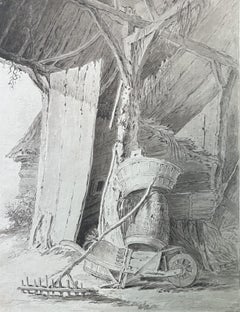
French School 18th century, Interior of a barn, drawing
Located in Paris, FR
French School 18th century, Interior of a barn Black chalk and black ink wash on paper 30.8 x 23.6 cm Bears a mention " Le Prince" on the back of the sheet (see photograph) In good ...
Category

1750s Old Masters Still-life Drawings and Watercolors

Materials

Chalk, Ink

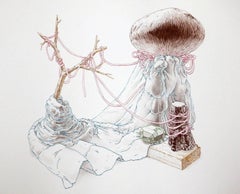
"Some far away speech" Still life, Ink and watercolor
By Brian Spolans
Located in Philadelphia, PA
"Some far away speech" is an original ink and watercolor work on paper by Brian Spolans. The piece ships framed as pictured and measures 20.5in x 28.5in. Alternative custom framing...
Category

2010s Contemporary Still-life Drawings and Watercolors

Materials

Ink, Watercolor, Archival Paper

Morandi 12 (Abstract Cubist Still Life Painting Inspired by Morandi Bottles)
Located in Hudson, NY
Abstract cubist style still life graphite and acrylic painting inspired by Giorgio Morandi's bottle still life paintings "Morandi 12” by Hudson Valley artist, David Dew Bruner, made...
Category

2010s Abstract Still-life Drawings and Watercolors

Materials

Paper, Graphite

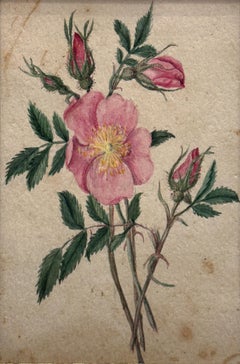
"Moss Rose" Emily Cole, Early American Female Artist, Light Pink Flower, Floral
Located in New York, NY
Emily Cole Moss Rose, circa 1890 Watercolor on paper Sight 5 1/2 x 3 3/4 inches Provenance The artist Edith Cole Silberstein, the artist's granddaughter, by descent Dr. Clark S. Mar...
Category

1890s Academic Still-life Drawings and Watercolors

Materials

Paper, Watercolor

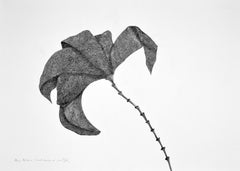
Secret Garden 18 - Contemporary, Drawing, Flower, White, Black, Figurative
Located in Baden-Baden, DE
Secret Garden 18, 2021 black ink on paper 27 9/16 H x 39 3/8 W in. 70 H x 100 W cm The drawings signed by Alina Aldea show the meticulousness and perfection of microscopic observati...
Category

2010s Post-Modern Landscape Drawings and Watercolors

Materials

Paper, Ink

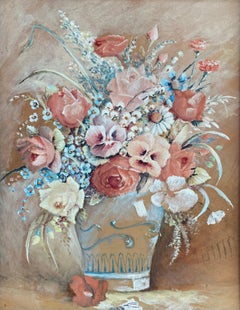
“Roses and Pansies”
Located in Southampton, NY
Very well executed watercolor and gouache on heavy card stock of a spring bouquet composed of mainly roses and pansies. Unsigned. Circa 1915. Original gold painted wood frame. Under...
Category

1910s Post-Impressionist Still-life Drawings and Watercolors

Materials

Watercolor, Gouache, Cardboard

Still Thinking About These?

All Recently Viewed