Art by Medium: Monotype

to
174
318
303
318
207
173
Overall Width
to
Overall Height
to
1
420
897
1
4
7
6
2
28
33
17
118
111
459
395
66
36
30
20
13
12
12
7
3
3
1
754
448
115
196
136
111
96
90
79
65
46
41
39
37
36
36
30
27
23
22
22
21
20
1,319
184,499
97,095
78,766
77,812
102
47
36
35
29
203
160
1,029
257
Medium: Monotype
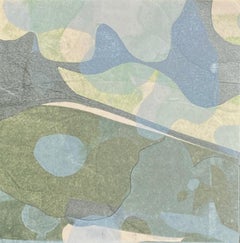
ShiftingHorizons (water, organic, silver leaf, blue, texture, monotype)
Located in New York, NY
Oil Monotype Chine Collé on white BFK Rives Printmaking Paper Hand pulled By Artist on Etching Press Hand finished with Metal Leaf 15 x 25 inches framed This piece is featured in Br...
Category

2010s Contemporary Art by Medium: Monotype

Materials

Paper, Monotype

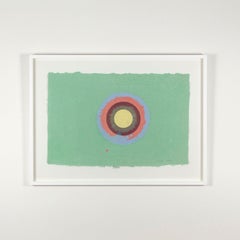
Sea Foam Circle II
Located in Toronto, Ontario
Kenneth Noland (1924 – 2010) is one of the most important artists and contributors to the evolution of American abstraction. He is one of the most beloved figures in the Color-Field ...
Category

1970s Color-Field Art by Medium: Monotype

Materials

Handmade Paper, Lithograph, Monotype

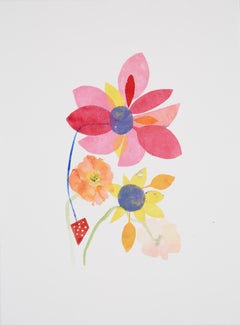
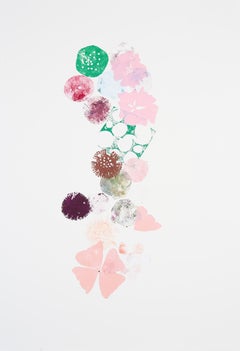
Pink Blossom Started (floral, still life, watercolor, bright colors, flowers)
Located in New York, NY
Monotype 44 x 30.5 inches unframed 47 x 34 inches framed
Category

2010s Contemporary Art by Medium: Monotype

Materials

Monotype

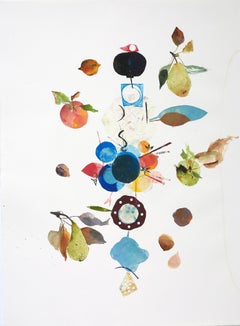
Pears and Apples 1 (fruit, still life, watercolor, bright colors, flowers)
Located in New York, NY
Monotype and watercolor on paper 30 x 22 inches 33 x 26 inches Framed About the Artist: Eunju Kang was born and raised in Daegu, Korea, and moved to California as a teenager with her mom and two sisters in the 70s. Eunju was always an avid doodler, often in her textbooks, which became a helpful communication tool as she adjusted to her new life. Since the early 90s, Eunju has lived and worked in NYC, painting, printmaking, and turning her doodles into a successful business with her sisters. Eunju earned fine art degrees at UC Santa Barbara and Pasadena Art Center College of Design where she graduated with distinction. She has been awarded residencies at The Fine Arts Work Center in Provincetown (FAWC), the Virginia Center for the Creative Arts, and the Vermont Studio Center. She has taught at the L.A. County High School for the Arts, the ArtCenter College of Design, and the School of Visual Art in NYC. Her fine art is in private collections around the world, and her illustration work has been used in packaging and ad campaigns by Godiva Chocolate...
Category

2010s Art by Medium: Monotype

Materials

Paper, Watercolor, Monotype

Burst and Poppy (floral, still life, watercolor, bright colors, flowers)
Located in New York, NY
Watercolor on paper 32 x 25 inches framed
Category

2010s Contemporary Art by Medium: Monotype

Materials

Paper, Watercolor, Monotype

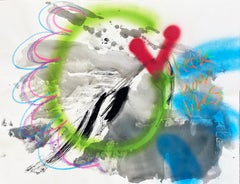
Check Your Likes - Gestural Contemporary Abstract Work on Paper Green, Red, Blue
Located in Gilroy, CA
"Check Your Likes," is a contemporary work on paper by artist Vivian Liddell. This gestural conceptual piece creates room for the conversation of the current social media based world...
Category

2010s Contemporary Art by Medium: Monotype

Materials

Spray Paint, Monotype, Oil Pastel

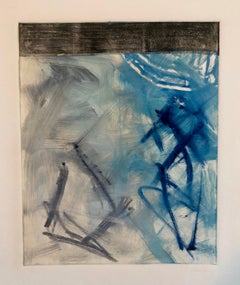
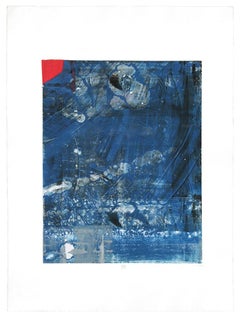
Abstract Expressionist Modernist Blue Grey Monoprint Monotype Painting Print
Located in Surfside, FL
Pierre Andre Obando creates process oriented abstract paintings. He was born in Belize City, Belize and grew up in the Caribbean, the U.S. Virgin Islands, Miami, Fl and Jackson, MS. ...
Category

1990s Abstract Expressionist Art by Medium: Monotype

Materials

Monoprint, Monotype

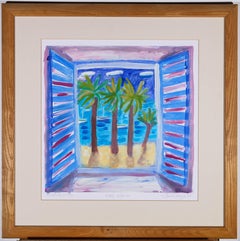
Louise Waugh - 1999 Monotype, Cool Interior
Located in Corsham, GB
A fun and eye catching artwork, this interior scene is a monoprint base with bright, gestural gouache on top. The artist has signed, dated and inscribed to the lower edge and the art...
Category

1990s Art by Medium: Monotype

Materials

Monotype

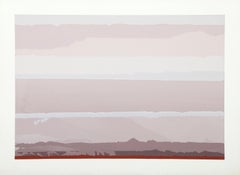
Gray, Tan, Red Landscape - Abstract Monotype Screenprint by Joseph Grippi
Located in Long Island City, NY
Gray, Tan, Red Landscape Joseph Grippi, American (1924–2001) Monotype Screenprint, signed in pencil lower right Edition of AP Image Size: 18 x 26 inches Size: 22 x 30 in. (55.88 x 76...
Category

1970s Art by Medium: Monotype

Materials

Monotype, Screen

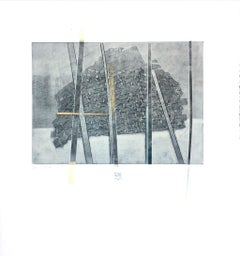
Three Trees, landscape monotype
Located in New York, NY
Monotype print.
Category

2010s Contemporary Art by Medium: Monotype

Materials

Archival Paper, Monotype

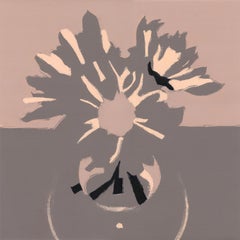
Bud Vase VI (Wedding Present) (abstract, still life, monotype, flowers, neutral)
Located in New York, NY
Flowers / Bouquet / Flora 29.75 x 29.75 inches framed Artist Statement Rachel Burgess makes autobiographical works on paper of landscapes and domestic scenes. Window-like in scale...
Category

2010s Pop Art Art by Medium: Monotype

Materials

Monotype

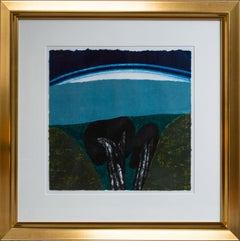
"Arroyo, " Woodcut and Monotype Landscape signed by Carol Summers
Located in Milwaukee, WI
"Arroyo" is a woodcut and monotype signed by Carol Summers. The print is a break from the usual bright coloring of Summers' images, though is rendered in his typical style and fields of unmodeled color. A pair of trees stand front and center before an arroyo, a Spanish term for an intermittently dry creek, running out to the ocean. A white sunrise glows in the distance beyond the sea. The playfulness of the image is enhanced by Summers' signature printmaking technique, which allows the ink from the woodblock to seep through the paper, blurring the edges of each form. 14.25 x 14 inches, artwork Numbered from the edition of 120 This print was commissioned by the Madison Print Club, Madison, WI Carol Summers (1925-2016) worked as an artist throughout the second half of the 20th century and into the first years of the next, outliving most of his mid-century modernist peers. Initially trained as a painter, Summers was drawn to color woodcuts around 1950 and it became his specialty thereafter. Over the years he has developed a process and style that is both innovative and readily recognizable. His art is known for its large scale, saturated fields of bold color, semi-abstract treatment of landscapes from around the world, and a luminescent quality achieved through a printmaking process he invented. In a career that has extended over half a century, Summers has hand-pulled approximately 245 woodcuts in editions that have typically run from 25 to 100 in number. His talent was both inherited and learned. Born in 1925 in Kingston, a small town in upstate New York, Summers was raised in nearby Woodstock with his older sister, Mary. His parents were both artists who had met in art school in St. Louis. During the Great Depression, when Carol was growing up, his father supported the family as a medical illustrator until he could return to painting. His mother was a watercolorist and also quite knowledgeable about the different kinds of papers used for various kinds of painting. Many years later, Summers would paint or print on thinly textured paper originally collected by his mother. From 1948 to 1951, Carol Summers trained in the classical fine and studio arts at Bard College and at the Art Students League of New York. He studied painting with Steven Hirsh and printmaking with Louis Schanker. He admired the shapes and colors favored by early modernists Paul Klee (Sw: 1879-1940) and Matt Phillips (Am: b.1927- ). After graduating, Summers quit working as a part-time carpenter and cabinetmaker (which had supported his schooling and living expenses) to focus fulltime on art. That same year, an early abstract, Bridge No. 1 was selected for a Purchase Prize in a competition sponsored by the Brooklyn Museum. In 1952, his work (Cathedral, Construction, and Icarus) was shown for the first time at the Museum of Modern Art in New York City in an exhibition of American woodcuts. In 1954, Summers received a grant from the Italian government to study for a year in Italy. Woodcuts completed soon after his arrival there were almost all editions of only 8 to 25 prints, small in size, architectural in content, and black and white in color. The most well-known are Siennese Landscape and Little Landscape, which depicted the area near where he resided. Summers extended this trip three more years, a decision that would have a significant impact on choices of subject matter and color in the coming decade. After returning from Europe, Summers’ images continued to feature historical landmarks and events from Italy as well as from France, Spain, and Greece. However, as evidenced in Aetna’s Dream, Worldwind, and Arch of Triumph...
Category

1980s Contemporary Art by Medium: Monotype

Materials

Monotype, Woodcut

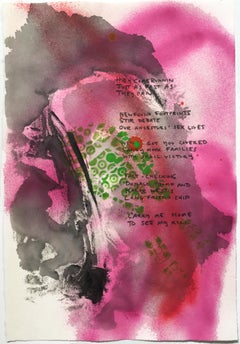
Friend Ship Carry Me - Contemporary Conceptual Abstraction on Paper, Purple
Located in Gilroy, CA
"Friend Ship Carry Me" is a text-based conceptual contemporary work by artist Vivian Liddell. This piece has intricate deliberate details scattered throughout. Liddell often walks th...
Category

2010s Contemporary Art by Medium: Monotype

Materials

Spray Paint, Monotype

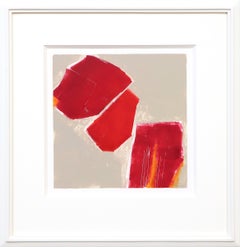
Mid Century Modern Abstract Monotype Print in Vibrant Red Beige Composition
Located in Denver, CO
Discover the elegance of mid-century abstraction with this captivating original monotype print by acclaimed American artist Wilma Fiori (1929–2019). Showcasing a sophisticated interp...
Category

Late 20th Century Abstract Art by Medium: Monotype

Materials

Monotype

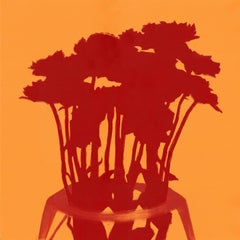
Mums II (abstract, still life, monotype, flowers, red, orange, bright colors)
Located in New York, NY
Flowers / Bouquet / Flora 40 x 40 inches framed Artist Statement Rachel Burgess makes autobiographical works on paper of landscapes and domestic scenes. Window-like in scale, her ...
Category

2010s Pop Art Art by Medium: Monotype

Materials

Monotype

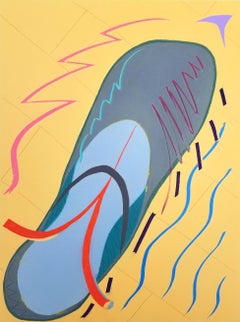
Ballet Shoe /// Kazuhide Yamazaki Monotype Contemporary Pop Art Dance Yellow
Located in Saint Augustine, FL
Artist: Kazuhide Yamazaki (Japanese-American, 1951-2023) Title: "Ballet Shoe" *Signed and dated by Yamazaki in pencil lower right Year: 1981 Medium: Original Monotype on Arches paper...
Category

1980s Pop Art Art by Medium: Monotype

Materials

Paint, Acrylic, Monotype

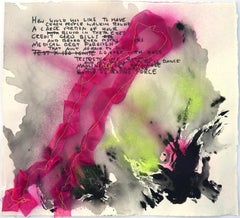
How Would You Like To Have- Mixed Media Text Based Abstract Work on Paper
Located in Gilroy, CA
"How Would You Like To Have," is a text based mixed media contemporary abstraction by artist Vivian Liddell. This piece is very gestural with the application of the mediums cohesivel...
Category

2010s Contemporary Art by Medium: Monotype

Materials

Spray Paint, Monotype, Thread, Ink

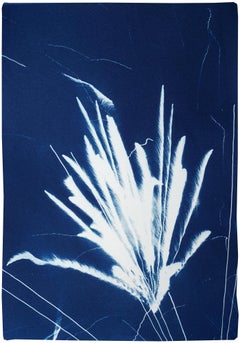
Gestual Silhouette of Sparkling Firework Burst, Nocturnal Deep Blue Cyanotype
Located in Barcelona, ES
This is an exclusive handprinted limited edition cyanotype. "Sparkling Firework Burst" is a beautiful cyanotype of the New Years Eve Fireworks Lights. Details: + Title: Sparkling Fi...
Category

2010s Abstract Art by Medium: Monotype

Materials

Emulsion, Mixed Media, Watercolor, Photographic Paper, Lithograph, Monop...

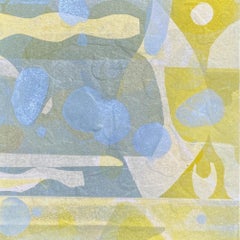
GroundSwell (geometric, abstract, neutrals, texture, chine colle, monotype)
Located in New York, NY
Oil Monotype Chine Collé on white BFK Rives Printmaking Paper Hand pulled By Artist on Etching Press 13 x 25 inches framed This piece is featured in Bruckner’s 2024 solo exhibition ...
Category

2010s Contemporary Art by Medium: Monotype

Materials

Paper, Monotype

Pink Blossom Memory (floral, still life, watercolor, bright colors, flowers)
Located in New York, NY
Monotype 47 x 34 inches framed
Category

2010s Contemporary Art by Medium: Monotype

Materials

Monotype

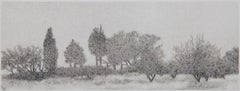
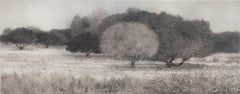
Trees in the Mist - Black and White Greek Landscape with Cypress and Olive Trees
Located in New York, NY
George Tzannes's Trees in the Mist is a 4 x 10 inches black and white monotype representing a Greek landscape. Olive and cypress trees populate the landscape. Tzannes is an American ...
Category

21st Century and Contemporary Realist Art by Medium: Monotype

Materials

Monotype, Archival Paper

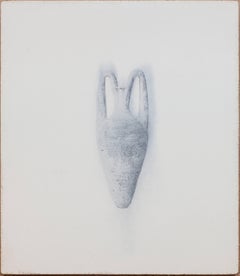
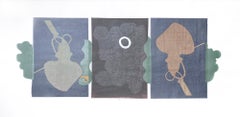
Amphora
Located in New York, NY
This still-life fresco painting is part of a series depicting ancient Greek amphoras and pottery vases from the archaeological site of Paliopol...
Category

1990s Realist Art by Medium: Monotype

Materials

Concrete

Olive Grove
Located in New York, NY
Olive trees and olive groves are often the main subject of Tzannes paintings. An American painter of Greek origins, Tzannes visited the Greek island of K...
Category

21st Century and Contemporary Realist Art by Medium: Monotype

Materials

Archival Paper, Monotype

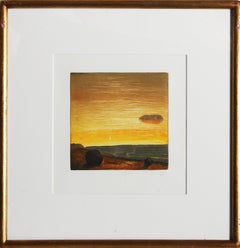
Two Stones, Framed Abstract Monotype by John Beerman
Located in Long Island City, NY
A bright golden sunset illuminates the sky and landscape in this signed and numbered monotype by John Beerman. In the foreground, two stones sit on a cliff t...
Category

1980s Art by Medium: Monotype

Materials

Monotype

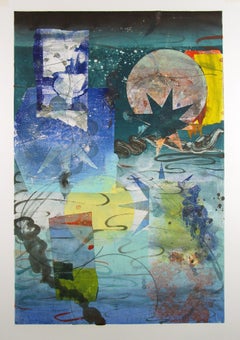
Pilot s Notion Six, Vertical Geometric Abstract Monotype in Yellow, Teal, Blue
Located in Kent, CT
This is a monotype print, a unique print with no other editions. This geometric abstract monotype on paper layers shapes on a blue background that transitions from bright perwinkle o...
Category

Early 2000s Contemporary Art by Medium: Monotype

Materials

Archival Paper, Monotype

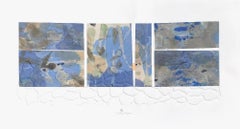
Tenuousness1 (blue, organic, patterned, water chine colle, monoprint)
Located in New York, NY
This piece is featured in Bruckner’s 2024 solo exhibition at Susan Eley Fine Art titled, “Keeping Memories”. Artist Biography: Karin Bruckner was born in Zurich, Switzerland and...
Category

2010s Contemporary Art by Medium: Monotype

Materials

Paper, Monotype, Wood Panel

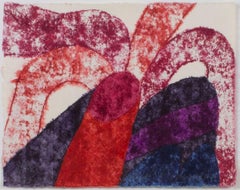
RedHerring, mixed media monotype on paper, abstract blue and red
Located in New York, NY
Monotype with chine collé on white BFK Rives Printmaking Paper. Approx image size: 20" x 15.75" Paper: 30" x 22" At the core of the dialogue between the artist and the work is an ...
Category

2010s Contemporary Art by Medium: Monotype

Materials

Paper, Mixed Media, Monotype

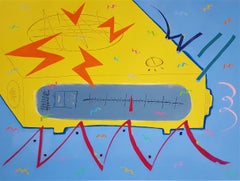
Yellow Alarm Clock Radio /// Contemporary Pop Art Abstract The Rolling Stones
Located in Saint Augustine, FL
Artist: Kazuhide Yamazaki (Japanese-American, 1951-2023) Title: "Yellow Alarm Clock Radio" *Signed and dated by Yamazaki in pencil lower right Year: 1981 Medium: Original Monotype on...
Category

1980s Abstract Geometric Art by Medium: Monotype

Materials

Paint, Acrylic, Monotype

"Ancient Ruins" Colorful, Abstract Monotype Print
Located in New York, NY
Ancient Ruins Monotype print Natasha Karpinskaia's paintings are characterized by their vibrant colors, bold shapes, and dynamic compositions. She uses a variety of media, including...
Category

2010s Abstract Art by Medium: Monotype

Materials

Monoprint, Monotype, Paint, Paper

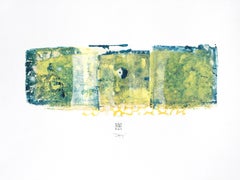
ISpy, abstract mixed media monotype on paper, green and blue
Located in New York, NY
Gelatin monotype with acrylic paint on white BFK Rives Printmaking Paper. Approx. image size: 3" x 9" Paper size: 10" x 14" At the core of the dialogue between the artist and the ...
Category

2010s Contemporary Art by Medium: Monotype

Materials

Paper, Mixed Media, Monotype, Acrylic

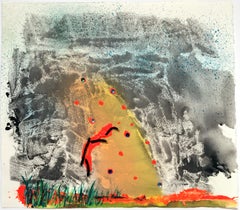
Foot of Mountain - Landscape Contemporary Mixed Media Abstraction, Purple
Located in Gilroy, CA
"Foot of Mountain," is an abstract expressionist landscape painting on paper. This piece is created with mixed media of paint and fabric to create the impression of a landscape. Lidd...
Category

2010s Contemporary Art by Medium: Monotype

Materials

Ink, Spray Paint, Monotype, Fabric

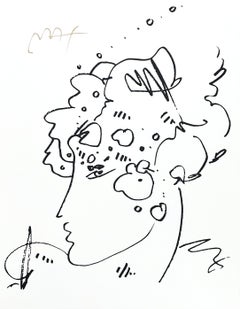
Lady Profile, Peter Max
Located in Fairfield, CT
Artist: Peter Max (1937) Title: Lady Profile Year: 2015 Medium: Monotype silkscreen on Fabriano paper Size: 19.75 x 15.25 inches Inscription: Hand signed in ink PETER MAX (1937- ) P...
Category

2010s Pop Art Art by Medium: Monotype

Materials

Monotype, Screen

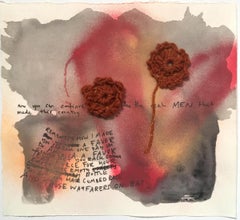
Do America a Favor - Conceptual Abstract Mixed Media Work on Paper Red and Black
Located in Gilroy, CA
"Do America a Favor," Is a highly conceptual mixed media abstraction by artist Vivian Liddell. With impressive yarn work mixed with the paint go cohesively coincide with the text filing the piece with detail and precision. Liddell often walks the line between contemporary art and craft. Working to bring materials that are traditionally labeled as "craft" and lesser into the contemporary conversation. Mixing craft with one of the most respected and oldest forms of fine art, painting, really encourages the viewer to view the two on the same playing field. The idea of craft is settled into these gestural, layered works, constantly critiquing contemporary culture. This piece is currently unframed, but framing options are available. For more works follow our storefront at Gallery 1202. "As a painter, I often work on large, raw canvas. My abstract paintings merge formal painting and “bad” craft to challenge the high-low separation of materials (and related gender hierarchies) that have traditionally been present in the art world. The monotypes are like a calligraphic practice. I use them as a warm up to allow me to feel confident with a gesture before committing it to a larger scale. I work in layers, often sewing or incorporating fabric into the finished piece, and incorporate chance into each stage of my process. The text/titles often come from song lyrics, local radio commercials, and news headlines. I edit these snippets and piece them together to reflect my interpretation of current politics and social norms, especially as they relate to gender. Vivian Liddell is an interdisciplinary artist in Athens, Georgia who works with painting, fiber and craft techniques, sculpture, printmaking, photography, animation and sound. Born in Memphis, Tennessee, she received her BFA from the University of Georgia and her MFA from the Pratt Institute in Brooklyn. Liddell’s work has been featured in solo and curated exhibitions throughout the United States, including at the Wiregrass Museum of Art, the Macon Museum of Arts and Sciences, and Trestle Gallery in Brooklyn. In 2019 she had two solo exhibitions of her “Men” series at the Versa Gallery in Chattanooga and 621 Gallery in Tallahassee, with a review of the Versa exhibition in BURNAWAY and was recently picked by Berlin curator Tina Sauerlaender as a featured artist on Foundwork. Liddell hosts a podcast (Peachy Keen) as an extension of her art practice, interviewing women on art and the South. She is an Assistant Professor of Painting and Drawing at the University of North Georgia...
Category

2010s Contemporary Art by Medium: Monotype

Materials

Spray Paint, Monotype, Thread, Yarn

Moonwalk - Contemporary Abstract Expressionism Work on Paper Purple+Black+White
Located in Gilroy, CA
"Moonwalk," is a mixed media abstract painting on paper by artist Vivian Liddell. This piece has an ink wash of different colors building up layers and yearn and polymer resting on t...
Category

2010s Contemporary Art by Medium: Monotype

Materials

Spray Paint, Monotype, Yarn, Polymer

Sarlacc Rising - Abstract Oil Pastel and Sewn Fabric Painting, Black and Pink
Located in Gilroy, CA
"Sarlacc Rising," is an abstract expressionist mixed media by artist Vivian Liddell. This piece is a representation of a Sarlacc, giving abstract expression to a fictional character....
Category

2010s Contemporary Art by Medium: Monotype

Materials

Fabric, Monotype, Oil Pastel

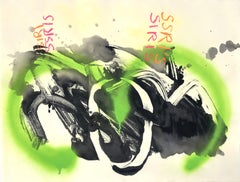
SSRI S SIRIS - Abstract Oil Pastel and Spray Paint on Monotype, Green and Yellow
Located in Gilroy, CA
Liddell often walks the line between contemporary art and craft. Working to bring materials that are traditionally labeled as "craft" and lesser into the contemporary conversation. Mixing craft with one of the most respected and oldest forms of fine art, painting, really encourages the viewer to view the two on the same playing field. The idea of craft is settled into these gestural, layered works, constantly critiquing contemporary culture. This piece is not framed, but we are able to work with a framer local to you in order to have it framed and ready to hang. We can also frame it before shipment. For new listings, more work by Liddell and sales, please follow our storefront at Gallery 1202. "As a painter, I often work on large, raw canvas. My abstract paintings merge formal painting and “bad” craft to challenge the high-low separation of materials (and related gender hierarchies) that have traditionally been present in the art world. The monotypes are like a calligraphic practice. I use them as a warm up to allow me to feel confident with a gesture before committing it to a larger scale. I work in layers, often sewing or incorporating fabric into the finished piece, and incorporate chance into each stage of my process. The text/titles often come from song lyrics, local radio commercials, and news headlines. I edit these snippets and piece them together to reflect my interpretation of current politics and social norms, especially as they relate to gender." Vivian Liddell is an interdisciplinary artist in Athens, Georgia who works with painting, fiber and craft techniques, sculpture, printmaking, photography, animation and sound. Born in Memphis, Tennessee, she received her BFA from the University of Georgia and her MFA from the Pratt Institute in Brooklyn. Liddell’s work has been featured in solo and curated exhibitions throughout the United States, including at the Wiregrass Museum of Art, the Macon Museum of Arts and Sciences, and Trestle Gallery in Brooklyn. In 2019 she had two solo exhibitions of her “Men” series at the Versa Gallery in Chattanooga and 621 Gallery in Tallahassee, with a review of the Versa exhibition in BURNAWAY and was recently picked by Berlin curator Tina Sauerlaender as a featured artist on Foundwork. Liddell hosts a podcast (Peachy Keen) as an extension of her art practice, interviewing women on art and the South. She is an Assistant Professor of Painting and Drawing at the University of North Georgia...
Category

2010s Contemporary Art by Medium: Monotype

Materials

Oil Pastel, Spray Paint, Monotype

Atomic Frown - Contemporary Mixed Media Abstraction With Yellow and Black
Located in Gilroy, CA
"Atomic Frown," is a contemporary abstraction using mixed media by the American artist Vivian Liddell. This work is reminiscent of traditional landscape scene that has been reimagine...
Category

2010s Contemporary Art by Medium: Monotype

Materials

Spray Paint, Monotype, Ink, Mixed Media

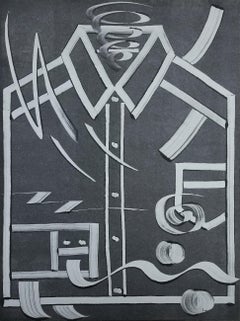
Shirt /// Contemporary Abstract Pop Art The Rolling Stones Monotype Fashion
Located in Saint Augustine, FL
Artist: Kazuhide Yamazaki (Japanese-American, 1951-2023) Title: "Shirt" *Signed and dated by Yamazaki in pencil lower right Year: 1984 Medium: Original Monotype on unbranded wove pap...
Category

1980s Pop Art Art by Medium: Monotype

Materials

Paint, Acrylic, Monotype

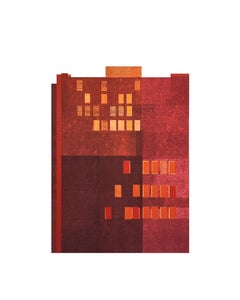
Villa V: modernist urban architectural city collage on monoprint, red, unframed
Located in Bryn Mawr, PA
This is one-of-a-kind, unframed colored pencil & collage on archival pigment print. See image gallery for example of framing possibilities. These pieces work particularly well as a s...
Category

2010s Abstract Art by Medium: Monotype

Materials

Ink, Archival Paper, Handmade Paper, Monoprint, Monotype

Narcissus Braziliana original woodcut monotype signed by Carol Summers
Located in Milwaukee, WI
The present artwork is a vibrant and colorful example of the woodcut prints of Carol Summers. The image is dominated by the form of a red tropical flower, closely cropped around the petals like in the photographs of Imogen Cunningham and the paintings of Georgia O'Keeffe. The playfulness of the image is enhanced by Summers' signature printmaking technique, which allows the ink from the woodblock to seep through the paper, blurring the edges of each form. 9.63 x 11.63 inches, artwork 21 x 23 inches, frame Edition 16/50 in pencil, lower right Titled in pencil, lower right Signed in pencil, lower center Framed to conservation standards using archival materials including 100 percent rag matting, Museum Glass to inhibit fading, and housed in a modern profile gold gilded wood moulding. Carol Summers (1925-2016) has worked as an artist throughout the second half of the 20th century and into the first years of the next, outliving most of his mid-century modernist peers. Initially trained as a painter, Summers was drawn to color woodcuts around 1950 and it became his specialty thereafter. Over the years he has developed a process and style that is both innovative and readily recognizable. His art is known for it’s large scale, saturated fields of bold color, semi-abstract treatment of landscapes from around the world and a luminescent quality achieved through a printmaking process he invented. In a career that has extended over half a century, Summers has hand-pulled approximately 245 woodcuts in editions that have typically run from 25 to 100 in number. His talent was both inherited and learned. Born in 1925 in Kingston, a small town in upstate New York, Summers was raised in nearby Woodstock with his older sister, Mary. His parents were both artists who had met in art school in St. Louis. During the Great Depression, when Carol was growing up, his father supported the family as a medical illustrator until he could return to painting. His mother was a watercolorist and also quite knowledgeable about the different kinds of papers used for various kinds of painting. Many years later, Summers would paint or print on thinly textured paper originally collected by his mother. From 1948 to 1951, Carol Summers trained in the classical fine and studio arts at Bard College and at the Art Students League of New York. He studied painting with Steven Hirsh and printmaking with Louis Schanker. He admired the shapes and colors favored by early modernists Paul Klee (Sw: 1879-1940) and Matt Phillips (Am: b.1927- ). After graduating, Summers quit working as a part-time carpenter and cabinetmaker (which had supported his schooling and living expenses) to focus fulltime on art. That same year, an early abstract, Bridge No. 1 was selected for a Purchase Prize in a competition sponsored by the Brooklyn Museum. In 1952, his work (Cathedral, Construction and Icarus) was shown the first time at the Museum of Modern Art in New York City in an exhibition of American woodcuts. In 1954, Summers received a grant from the Italian government to study for a year in Italy. Woodcuts completed soon after his arrival there were almost all editions of only 8 to 25 prints, small in size, architectural in content and black and white in color. The most well-known are Siennese Landscape and Little Landscape, which depicted the area near where he resided. Summers extended this trip three more years, a decision which would have significant impact on choices of subject matter and color in the coming decade. After returning from Europe, Summers’ images continued to feature historical landmarks and events from Italy as well as from France, Spain and Greece. However, as evidenced in Aetna’s Dream, Worldwind and Arch of Triumph, a new look prevailed. These woodcuts were larger in size and in color. Some incorporated metal leaf in the creation of a collage and Summers even experimented with silkscreening. Editions were now between 20 and 50 prints in number. Most importantly, Summers employed his rubbing technique for the first time in the creation of Fantastic Garden in late 1957. Dark Vision of Xerxes, a benchmark for Summers, was the first woodcut where Summers experimented using mineral spirits as part of his printmaking process. A Fulbright Grant as well as Fellowships from the Louis Comfort Tiffany Foundation and the Guggenheim Foundation followed soon thereafter, as did faculty positions at colleges and universities primarily in New York and Pennsylvania. During this period he married a dancer named Elaine Smithers with whom he had one son, Kyle. Around this same time, along with fellow artist Leonard Baskin, Summers pioneered what is now referred to as the “monumental” woodcut. This term was coined in the early 1960s to denote woodcuts that were dramatically bigger than those previously created in earlier years, ones that were limited in size mostly by the size of small hand-presses. While Baskin chose figurative subject matter, serious in nature and rendered with thick, striated lines, Summers rendered much less somber images preferring to emphasize shape and color; his subject matter approached abstraction but was always firmly rooted in the landscape. In addition to working in this new, larger scale, Summers simultaneously refined a printmaking process which would eventually be called the “Carol Summers Method” or the “ Carol Summers Technique”. Summers produces his woodcuts by hand, usually from one or more blocks of quarter-inch pine, using oil-based printing inks and porous mulberry papers. His woodcuts reveal a sensitivity to wood especially its absorptive qualities and the subtleties of the grain. In several of his woodcuts throughout his career he has used the undulating, grainy patterns of a large wood plank to portray a flowing river or tumbling waterfall. The best examples of this are Dream, done in 1965 and the later Flash Flood Escalante, in 2003. In the majority of his woodcuts, Summers makes the blocks slightly larger than the paper so the image and color will bleed off the edge. Before printing, he centers a dry sheet of paper over the top of the cut wood block or blocks, securing it with giant clips. Then he rolls the ink directly on the front of the sheet of paper and pressing down onto the dry wood block or reassembled group of blocks. Summers is technically very proficient; the inks are thoroughly saturated onto the surface of the paper but they do not run into each other. The precision of the color inking in Constantine’s Dream in 1969 and Rainbow Glacier in 1970 has been referred to in various studio handbooks. Summers refers to his own printing technique as “rubbing”. In traditional woodcut printing, including the Japanese method, the ink is applied directly onto the block. However, by following his own method, Summers has avoided the mirror-reversed image of a conventional print and it has given him the control over the precise amount of ink that he wants on the paper. After the ink is applied to the front of the paper, Summers sprays it with mineral spirits, which act as a thinning agent. The absorptive fibers of the paper draw the thinned ink away from the surface softening the shapes and diffusing and muting the colors. This produces a unique glow that is a hallmark of the Summers printmaking technique. Unlike the works of other color field artists or modernists of the time, this new technique made Summers’ extreme simplification and flat color areas anything but hard-edged or coldly impersonal. By the 1960s, Summers had developed a personal way of coloring and printing and was not afraid of hard work, doing the cutting, inking and pulling himself. In 1964, at the age of 38, Summers’ work was exhibited for a second time at the Museum of Modern Art. This time his work was featured in a one-man show and then as one of MoMA’s two-year traveling exhibitions which toured throughout the United States. In subsequent years, Summers’ works would be exhibited and acquired for the permanent collections of multiple museums throughout the United States, Europe and Asia. Summers’ familiarity with landscapes throughout the world is firsthand. As a navigator-bombardier in the Marines in World War II, he toured the South Pacific and Asia. Following college, travel in Europe and subsequent teaching positions, in 1972, after 47 years on the East Coast, Carol Summers moved permanently to Bonny Doon in the Santa Cruz Mountains in Northern California. There met his second wife, Joan Ward Toth, a textile artist who died in 1998; and it was here his second son, Ethan was born. During the years that followed this relocation, Summers’ choice of subject matter became more diverse although it retained the positive, mostly life-affirming quality that had existed from the beginning. Images now included moons, comets, both sunny and starry skies, hearts and flowers, all of which, in one way or another, remained tied to the landscape. In the 1980s, from his home and studio in the Santa Cruz mountains, Summers continued to work as an artist supplementing his income by conducting classes and workshops at universities in California and Oregon as well as throughout the Mid and Southwest. He also traveled extensively during this period hiking and camping, often for weeks at a time, throughout the western United States and Canada. Throughout the decade it was not unusual for Summers to backpack alone or with a fellow artist into mountains or back country for six weeks or more at a time. Not surprisingly, the artwork created during this period rarely departed from images of the land, sea and sky. Summers rendered these landscapes in a more representational style than before, however he always kept them somewhat abstract by mixing geometric shapes with organic shapes, irregular in outline. Some of his most critically acknowledged work was created during this period including First Rain, 1985 and The Rolling Sea, 1989. Summers received an honorary doctorate from his alma mater, Bard College in 1979 and was selected by the United States Information Agency to spend a year conducting painting and printmaking workshops at universities throughout India. Since that original sabbatical, he has returned every year, spending four to eight weeks traveling throughout that country. In the 1990s, interspersed with these journeys to India have been additional treks to the back roads and high country areas of Mexico, Central America, Nepal, China and Japan. Travel to these exotic and faraway places had a profound influence on Summers’ art. Subject matter became more worldly and non-western as with From Humla to Dolpo, 1991 or A Former Life of Budha, 1996, for example. Architectural images, such as The Pillars of Hercules, 1990 or The Raja’s Aviary, 1992 became more common. Still life images made a reappearance with Jungle Bouquet in 1997. This was also a period when Summers began using odd-sized paper to further the impact of an image. The 1996 Night, a view of the earth and horizon as it might be seen by an astronaut, is over six feet long and only slightly more than a foot-and-a-half high. From 1999, Revuelta A Vida (Spanish for “Return to Life”) is pie-shaped and covers nearly 18 cubic feet. It was also at this juncture that Summers began to experiment with a somewhat different palette although he retained his love of saturated colors. The 2003 Far Side of Time is a superb example of the new direction taken by this colorist. At the turn of the millennium in 1999, “Carol Summers Woodcuts...
Category

Early 2000s Contemporary Art by Medium: Monotype

Materials

Monotype, Woodcut

Sven Berlin, British 20th Century, For sculpture of horse head, monotype
Located in Petworth, West Sussex
Sven Berlin (British, 1911 – 1999) For sculpture of horse’s head Signed and dated ‘Sven Berlin 49’ (lower right) Monotype 5 x 16.1/2 in. (12.7 x 42.7 cm.) Provenance: Porthmeor Galle...
Category

20th Century Modern Art by Medium: Monotype

Materials

Monotype

Factory XI: modernist urban architectural collage on monoprint in red, framed
Located in Bryn Mawr, PA
This framed work is one-of-a-kind colored pencil & collage on archival pigment print. The work itself is 20" x 16", and it is framed to 26" x 20" in a contemporary, simple white wood...
Category

2010s Contemporary Art by Medium: Monotype

Materials

Ink, Archival Paper, Handmade Paper, Monoprint, Monotype

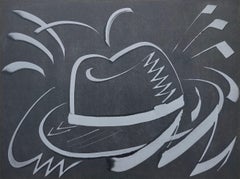
Hat /// Contemporary Abstract Pop Art The Rolling Stones Monotype Print Fashion
Located in Saint Augustine, FL
Artist: Kazuhide Yamazaki (Japanese-American, 1951-2023) Title: "Hat" *Signed and dated by Yamazaki in pencil lower right Year: 1984 Medium: Original Monotype on unbranded wove paper...
Category

1980s Contemporary Art by Medium: Monotype

Materials

Paint, Acrylic, Monotype

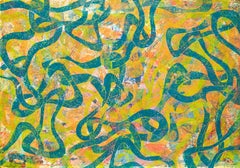
Abstract Ocean Painting, Textured Contemporary Seascape, in Yellow Tones, Paper
Located in Barcelona, ES
“Joyous Sea ” is a contemporary abstract artwork inspired by the fluid motion of ocean currents. Layers of teal, green, and yellow tones intertwine with flowing yellow lines, evoking...
Category

2010s Post-Impressionist Art by Medium: Monotype

Materials

Paper, Acrylic, Monotype

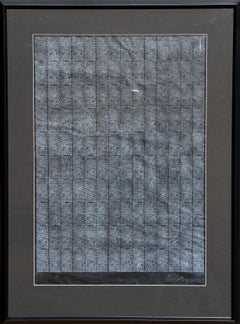
Behind Bars No. 3, abstract mixed media on paper, grey
Located in New York, NY
This unique print is 1 of 3 in the series. Behind Bars No. 3 is a monotype with mixed media on white BFK Rives printmaking paper and hand pulled by the Artist on the etching press. ...
Category

2010s Contemporary Art by Medium: Monotype

Materials

Paper, Mixed Media, Etching, Monotype

"Paricutin (Volcano in Michoacan, Mexico)" Woodcut Monotype signed by Summers
Located in Milwaukee, WI
"Paricutin (Volcano in Michoacan, Mexico)" is a woodcut and monotype signed by Carol Summers. In the image, an abstracted volcano erupts in a joyous burst of purples and oranges. The playfulness of the image is enhanced by Summers' signature printmaking technique, which allows the ink from the woodblock to seep through the paper, blurring the edges of each form. Art: 8 x 11 in Frame: 17 x 19 in Carol Summers (1925-2016) has worked as an artist throughout the second half of the 20th century and into the first years of the next, outliving most of his mid-century modernist peers. Initially trained as a painter, Summers was drawn to color woodcuts around 1950 and it became his specialty thereafter. Over the years he has developed a process and style that is both innovative and readily recognizable. His art is known for it’s large scale, saturated fields of bold color, semi-abstract treatment of landscapes from around the world and a luminescent quality achieved through a printmaking process he invented. In a career that has extended over half a century, Summers has hand-pulled approximately 245 woodcuts in editions that have typically run from 25 to 100 in number. His talent was both inherited and learned. Born in 1925 in Kingston, a small town in upstate New York, Summers was raised in nearby Woodstock with his older sister, Mary. His parents were both artists who had met in art school in St. Louis. During the Great Depression, when Carol was growing up, his father supported the family as a medical illustrator until he could return to painting. His mother was a watercolorist and also quite knowledgeable about the different kinds of papers used for various kinds of painting. Many years later, Summers would paint or print on thinly textured paper originally collected by his mother. From 1948 to 1951, Carol Summers trained in the classical fine and studio arts at Bard College and at the Art Students League of New York. He studied painting with Steven Hirsh and printmaking with Louis Schanker. He admired the shapes and colors favored by early modernists Paul Klee (Sw: 1879-1940) and Matt Phillips (Am: b.1927- ). After graduating, Summers quit working as a part-time carpenter and cabinetmaker (which had supported his schooling and living expenses) to focus fulltime on art. That same year, an early abstract, Bridge No. 1 was selected for a Purchase Prize in a competition sponsored by the Brooklyn Museum. In 1952, his work (Cathedral, Construction and Icarus) was shown the first time at the Museum of Modern Art in New York City in an exhibition of American woodcuts. In 1954, Summers received a grant from the Italian government to study for a year in Italy. Woodcuts completed soon after his arrival there were almost all editions of only 8 to 25 prints, small in size, architectural in content and black and white in color. The most well-known are Siennese Landscape and Little Landscape, which depicted the area near where he resided. Summers extended this trip three more years, a decision which would have significant impact on choices of subject matter and color in the coming decade. After returning from Europe, Summers’ images continued to feature historical landmarks and events from Italy as well as from France, Spain and Greece. However, as evidenced in Aetna’s Dream, Worldwind and Arch of Triumph, a new look prevailed. These woodcuts were larger in size and in color. Some incorporated metal leaf in the creation of a collage and Summers even experimented with silkscreening. Editions were now between 20 and 50 prints in number. Most importantly, Summers employed his rubbing technique for the first time in the creation of Fantastic Garden in late 1957. Dark Vision of Xerxes, a benchmark for Summers, was the first woodcut where Summers experimented using mineral spirits as part of his printmaking process. A Fulbright Grant as well as Fellowships from the Louis Comfort Tiffany Foundation and the Guggenheim Foundation followed soon thereafter, as did faculty positions at colleges and universities primarily in New York and Pennsylvania. During this period he married a dancer named Elaine Smithers with whom he had one son, Kyle. Around this same time, along with fellow artist Leonard Baskin, Summers pioneered what is now referred to as the “monumental” woodcut. This term was coined in the early 1960s to denote woodcuts that were dramatically bigger than those previously created in earlier years, ones that were limited in size mostly by the size of small hand-presses. While Baskin chose figurative subject matter, serious in nature and rendered with thick, striated lines, Summers rendered much less somber images preferring to emphasize shape and color; his subject matter approached abstraction but was always firmly rooted in the landscape. In addition to working in this new, larger scale, Summers simultaneously refined a printmaking process which would eventually be called the “Carol Summers Method” or the “ Carol Summers Technique”. Summers produces his woodcuts by hand, usually from one or more blocks of quarter-inch pine, using oil-based printing inks and porous mulberry papers. His woodcuts reveal a sensitivity to wood especially its absorptive qualities and the subtleties of the grain. In several of his woodcuts throughout his career he has used the undulating, grainy patterns of a large wood plank to portray a flowing river or tumbling waterfall. The best examples of this are Dream, done in 1965 and the later Flash Flood Escalante, in 2003. In the majority of his woodcuts, Summers makes the blocks slightly larger than the paper so the image and color will bleed off the edge. Before printing, he centers a dry sheet of paper over the top of the cut wood block or blocks, securing it with giant clips. Then he rolls the ink directly on the front of the sheet of paper and pressing down onto the dry wood block or reassembled group of blocks. Summers is technically very proficient; the inks are thoroughly saturated onto the surface of the paper but they do not run into each other. The precision of the color inking in Constantine’s Dream in 1969 and Rainbow Glacier in 1970 has been referred to in various studio handbooks. Summers refers to his own printing technique as “rubbing”. In traditional woodcut printing, including the Japanese method, the ink is applied directly onto the block. However, by following his own method, Summers has avoided the mirror-reversed image of a conventional print and it has given him the control over the precise amount of ink that he wants on the paper. After the ink is applied to the front of the paper, Summers sprays it with mineral spirits, which act as a thinning agent. The absorptive fibers of the paper draw the thinned ink away from the surface softening the shapes and diffusing and muting the colors. This produces a unique glow that is a hallmark of the Summers printmaking technique. Unlike the works of other color field artists or modernists of the time, this new technique made Summers’ extreme simplification and flat color areas anything but hard-edged or coldly impersonal. By the 1960s, Summers had developed a personal way of coloring and printing and was not afraid of hard work, doing the cutting, inking and pulling himself. In 1964, at the age of 38, Summers’ work was exhibited for a second time at the Museum of Modern Art. This time his work was featured in a one-man show and then as one of MoMA’s two-year traveling exhibitions which toured throughout the United States. In subsequent years, Summers’ works would be exhibited and acquired for the permanent collections of multiple museums throughout the United States, Europe and Asia. Summers’ familiarity with landscapes throughout the world is firsthand. As a navigator-bombardier in the Marines in World War II, he toured the South Pacific and Asia. Following college, travel in Europe and subsequent teaching positions, in 1972, after 47 years on the East Coast, Carol Summers moved permanently to Bonny Doon in the Santa Cruz Mountains in Northern California. There met his second wife, Joan Ward Toth, a textile artist who died in 1998; and it was here his second son, Ethan was born. During the years that followed this relocation, Summers’ choice of subject matter became more diverse although it retained the positive, mostly life-affirming quality that had existed from the beginning. Images now included moons, comets, both sunny and starry skies, hearts and flowers, all of which, in one way or another, remained tied to the landscape. In the 1980s, from his home and studio in the Santa Cruz mountains, Summers continued to work as an artist supplementing his income by conducting classes and workshops at universities in California and Oregon as well as throughout the Mid and Southwest. He also traveled extensively during this period hiking and camping, often for weeks at a time, throughout the western United States and Canada. Throughout the decade it was not unusual for Summers to backpack alone or with a fellow artist into mountains or back country for six weeks or more at a time. Not surprisingly, the artwork created during this period rarely departed from images of the land, sea and sky. Summers rendered these landscapes in a more representational style than before, however he always kept them somewhat abstract by mixing geometric shapes with organic shapes, irregular in outline. Some of his most critically acknowledged work was created during this period including First Rain, 1985 and The Rolling Sea, 1989. Summers received an honorary doctorate from his alma mater, Bard College in 1979 and was selected by the United States Information Agency to spend a year conducting painting and printmaking workshops at universities throughout India. Since that original sabbatical, he has returned every year, spending four to eight weeks traveling throughout that country. In the 1990s, interspersed with these journeys to India have been additional treks to the back roads and high country areas of Mexico, Central America, Nepal, China and Japan. Travel to these exotic and faraway places had a profound influence on Summers’ art. Subject matter became more worldly and non-western as with From Humla to Dolpo, 1991 or A Former Life of Budha, 1996, for example. Architectural images, such as The Pillars of Hercules, 1990 or The Raja’s Aviary, 1992 became more common. Still life images made a reappearance with Jungle Bouquet in 1997. This was also a period when Summers began using odd-sized paper to further the impact of an image. The 1996 Night, a view of the earth and horizon as it might be seen by an astronaut, is over six feet long and only slightly more than a foot-and-a-half high. From 1999, Revuelta A Vida (Spanish for “Return to Life”) is pie-shaped and covers nearly 18 cubic feet. It was also at this juncture that Summers began to experiment with a somewhat different palette although he retained his love of saturated colors. The 2003 Far Side of Time is a superb example of the new direction taken by this colorist. At the turn of the millennium in 1999, “Carol Summers Woodcuts...
Category

Early 2000s Contemporary Art by Medium: Monotype

Materials

Monotype, Woodcut

Factory XIV: modernist urban architectural collage on monoprint in red, unframed
Located in Bryn Mawr, PA
This is one-of-a-kind, unframed colored pencil & collage on archival pigment print. See image gallery for example of framing possibilities. These pieces work particularly well as a s...
Category

2010s Abstract Art by Medium: Monotype

Materials

Ink, Archival Paper, Handmade Paper, Monoprint, Monotype

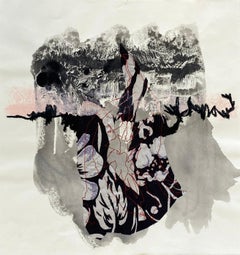
Tenuousness3 (blue, organic, patterned, water chine colle, monoprint)
Located in New York, NY
This piece is featured in Bruckner’s 2024 solo exhibition at Susan Eley Fine Art titled, “Keeping Memories”. Artist Biography: Karin Bruckner was born in Zurich, Switzerland and...
Category

2010s Contemporary Art by Medium: Monotype

Materials

Paper, Monotype, Wood Panel

Pilot s Notion One, Vertical Geometric Abstract Monotype in Red, Yellow on Blue
Located in Kent, CT
Geometric shapes complement a blue background that transitions from deep cobalt on the bottom to pale teal blue and bluish gray at the top. A red orange rectangular shape with yellow...
Category

Early 2000s Contemporary Art by Medium: Monotype

Materials

Archival Paper, Monotype

Wilma Fiori Untitled Geometric Abstract Monotype, 1990s, 1 of 1
Located in Denver, CO
This vibrant abstract monotype by American artist Wilma Fiori (1929–2019) exemplifies her mastery of geometric design and color composition. Created in the 1990s, the piece features ...
Category

1970s Abstract Art by Medium: Monotype

Materials

Monotype

ComingUpRoses (geometric, abstract, vessel, neutrals, chine colle, monotype)
Located in New York, NY
Oil Monotype and Chine Collé on white BFK Rives Printmaking Paper Hand pulled by Artist on Etching Press 23.5 x 33 inches framed This piece is featured in Bruckner’s 2024 solo exhib...
Category

2010s Contemporary Art by Medium: Monotype

Materials

Paper, Monotype

Pilot s Notion Three, Geometric Abstract Monotype, Indigo Blue, Red, Yellow
Located in Kent, CT
Geometric shapes are layered on a blue background that transitions from deep, dark cobalt on the bottom to pale blue in the middle and a soft periwinkle blue at the top. A pointed st...
Category

Early 2000s Contemporary Art by Medium: Monotype

Materials

Archival Paper, Monotype

Silk and Stone 19, Square Abstract Geometric Monotype in Teal Blue, Coral Yellow
Located in Kent, CT
David Collins' 'Silk and Stone 19' is a square monotype, a unique print with no other editions. This geometric abstract print on delicate Asian paper layers blue, teal green, and red...
Category

2010s Contemporary Art by Medium: Monotype

Materials

Archival Ink, Archival Paper, Monotype

Pilot Down Five, Vertical Geometric Abstract Monotype, Violet, Yellow, Red, Blue
Located in Kent, CT
This is a monotype, a unique print with no other editions. This geometric abstract monotype on delicate Asian paper layers shapes on a background that transitions from pale sky blue ...
Category

Early 2000s Contemporary Art by Medium: Monotype

Materials

Archival Paper, Monotype

Tenuousness4 (yellow, blue, organic, patterned, water, chine colle, monoprint)
Located in New York, NY
This piece is featured in Bruckner’s 2024 solo exhibition at Susan Eley Fine Art titled, “Keeping Memories”. Artist Biography: Karin Bruckner was born in Zurich, Switzerland and...
Category

2010s Contemporary Art by Medium: Monotype

Materials

Paper, Monotype, Wood Panel

SpotOn (vessel, flora, organic, silver leaf, dark, chine colle, monoprint)
Located in New York, NY
Oil Monotype Chine Collé on white BFK Rives Printmaking Paper Hand pulled By Artist on Etching Press Hand finished with Metal Leaf 23.5 x 44 inches framed This piece is featured in ...
Category

2010s Contemporary Art by Medium: Monotype

Materials

Paper, Monotype

KamikazeMission, mixed media monotype on paper, earth tones and red
Located in New York, NY
Watercolor monotype with chine collé, coffee and oil stick on white BFK Rives Printmaking Paper. Paper: 15" x 11" Frame: 19" x 15" At the core of the dialogue between the artist ...
Category

2010s Contemporary Art by Medium: Monotype

Materials

Paper, Mixed Media, Oil Crayon, Monotype

Jobs and Employment Classifieds, Monoprint by Chryssa
Located in Long Island City, NY
Artist: Chryssa, Greek (1933 - 2013) Title: Jobs and Employment Classifieds Year: 1982 Medium: Monoprint Silkscreen, signed l.r. Image Size: 29.5 x 21 inches Size: 39 in. x 29.5 in. ...
Category

1980s Conceptual Art by Medium: Monotype

Materials

Monotype

Building IV: modernist city architecture collage on monoprint in red, unframed
Located in Bryn Mawr, PA
This is one-of-a-kind, unframed colored pencil & collage on archival pigment print. See image gallery for example of framing possibilities. These pieces work particularly well as a s...
Category

2010s Abstract Art by Medium: Monotype

Materials

Ink, Archival Paper, Handmade Paper, Monoprint, Monotype

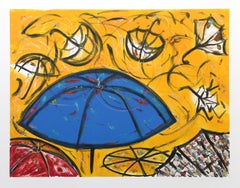
Raining Umbrellas, Pop Art Monotype by Helen Oji
Located in Long Island City, NY
A unique monotype print by New York based artist, Helen Oji. The print is signed and dated in pencil. Image size 22.75 x 30.5 inches.
Category

1980s Pop Art Art by Medium: Monotype

Materials

Monotype

Monotype art for sale on 1stDibs.

Find a wide variety of authentic Monotype art available on 1stDibs. While artists have worked in this medium across a range of time periods, art made with this material during the 21st Century is especially popular. If you’re looking to add art created with this material to introduce a provocative pop of color and texture to an otherwise neutral space in your home, the works available on 1stDibs include elements of blue, orange, purple, yellow and other colors. There are many well-known artists whose body of work includes ceramic sculptures. Popular artists on 1stDibs associated with pieces like this include Kismine Varner, Carol Summers, Laura Moriarty, and Brad Brown. Frequently made by artists working in the Abstract, Contemporary, all of these pieces for sale are unique and many will draw the attention of guests in your home. Not every interior allows for large Monotype art, so small editions measuring 0.01 inches across are also available

Still Thinking About These?

All Recently Viewed