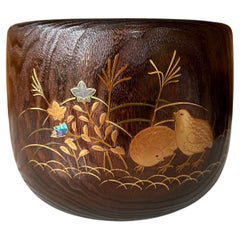
Items Similar to Japanese Lacquer Paulownia and Bamboo Hibachi Fire Bowl
Video Loading
Want more images or videos?
Request additional images or videos from the seller
1 of 16
UnknownJapanese Lacquer Paulownia and Bamboo Hibachi Fire BowlShowa Period (1926 - 1989)
Showa Period (1926 - 1989)
$5,920
£4,517.12
€5,138.56
CA$8,313.60
A$9,098.23
CHF 4,807.62
MX$108,593.42
NOK 61,351.19
SEK 56,110.65
DKK 38,382.40
About the Item
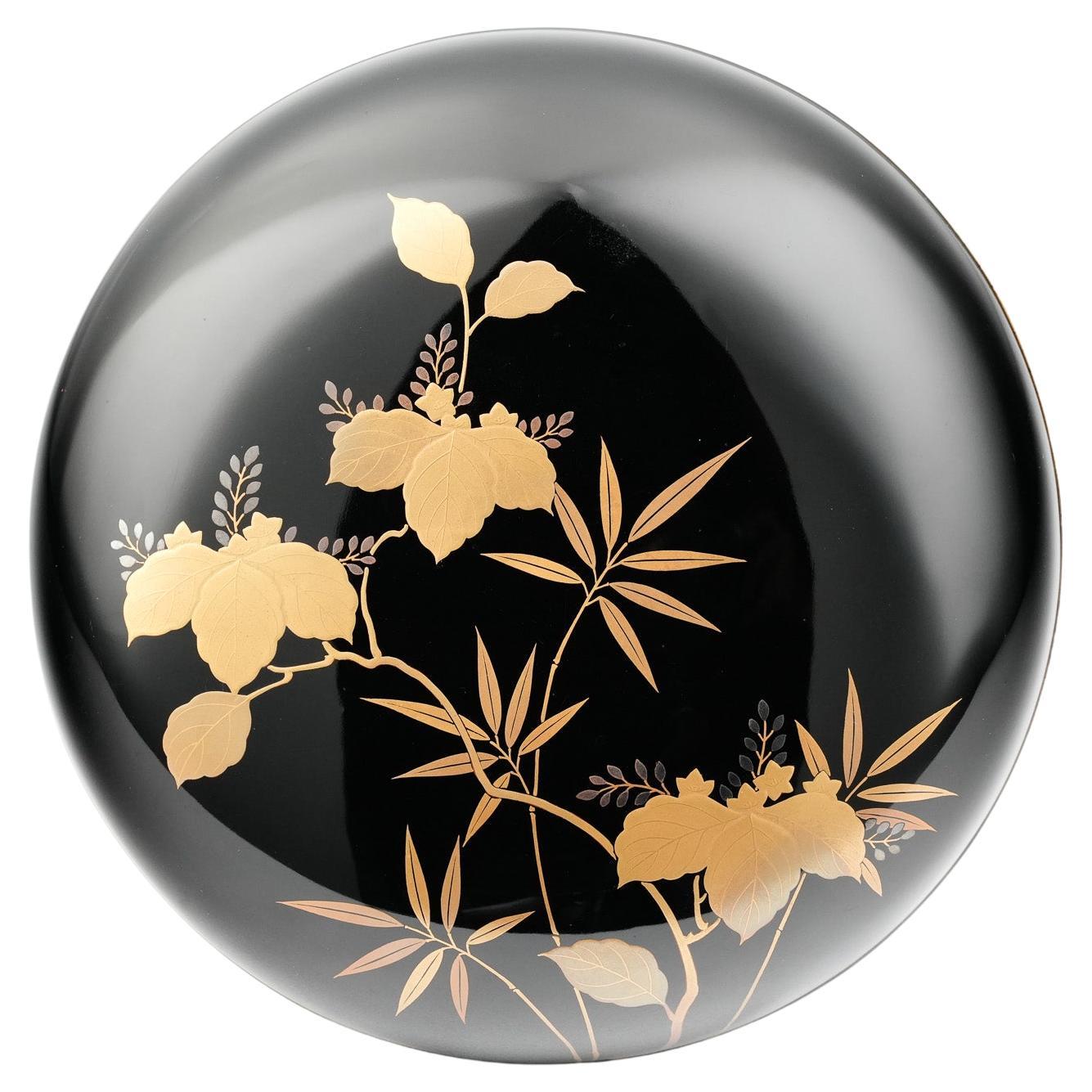
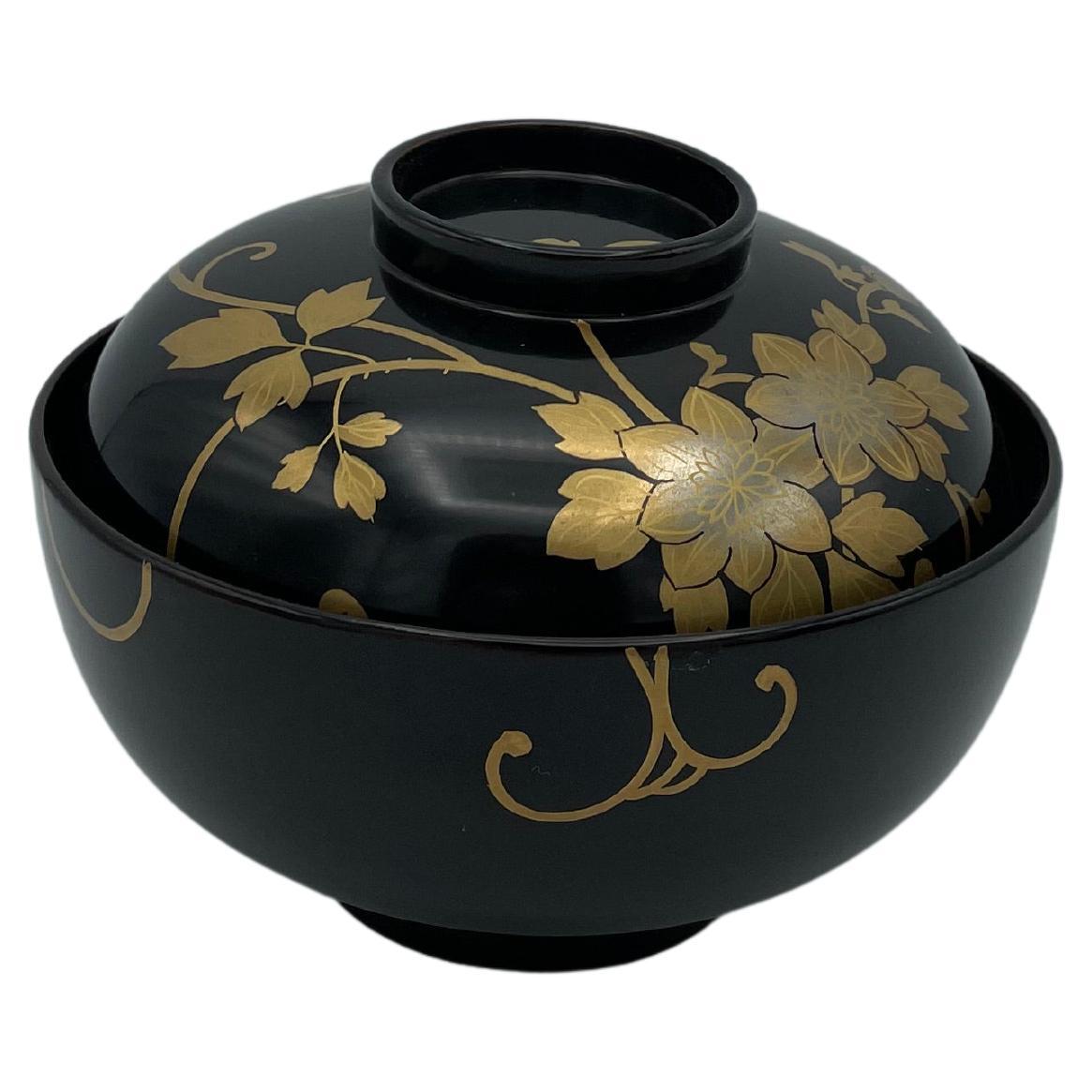
This hand-warming hibachi fire bowl is finished in black lacquer, adorned with gold maki-e depicting paulownia leaves and slender bamboo intertwining in graceful harmony. The flowing lines and layered composition evoke refinement and dignity. Its deep black lacquer surface gleams like a mirror, setting off the brilliance of the gold decoration and embodying the quintessential elegance of Japanese lacquer art.
The hibachi fire bowl, originally a traditional Japanese vessel for heating and tea preparation, balances utility with artistry. Paulownia, a symbol of prosperity, and bamboo, representing longevity and resilience, combine to convey auspicious meaning. Executed in the meticulous Saga maki-e technique, gold powder is delicately applied, with the lacquer polished repeatedly to achieve a soft yet profound luster. Weighing 2.8 kilograms, the piece is solid and well-preserved, accompanied by its original storage box. More than a functional object, it is a work of art that embodies the spirit of craftsmanship and the timeless beauty of lacquer culture.
As an Showa-period piece, signs of use remain. The inside and the bottom of the bronze bowl have visible patina and discoloration as it was made for holding burning charcoals.
Please see the photographs and video for careful consideration.
- Creation Year:Showa Period (1926 - 1989)
- Dimensions:Height: 8.27 in (21 cm)Width: 11.62 in (29.5 cm)Depth: 11.62 in (29.5 cm)
- Medium:
- Period:
- Condition:Comes with original box with maker signature. Signs of use remain. The inside and the bottom of the bronze bowl have visible patina and discoloration as it was made for holding burning charcoals.
- Gallery Location:Taichung, TW
- Reference Number:1stDibs: LU2900217076292
About the Seller
New to 1stDibs
Joined in the past six months.
No Reviews Yet
Vetted Professional Seller
Every seller passes strict standards for authenticity and reliability
Established in 1994
1stDibs seller since 2025
- ShippingRetrieving quote...Shipping from: Taichung, Taiwan
- Return Policy
More From This Seller
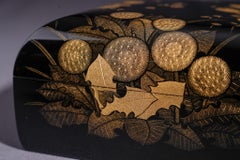
View AllEdo-Period Maki-e Lacquer Drum Box with Phoenix and Paulownia
Located in Taichung, TW
This Edo-period drum box features a black lacquer ground decorated with gold maki-e. A majestic phoenix spreads its wings across the lid, its long tail flowing in elegant arcs while ...
Category
Mid-18th Century Other Art Style Mixed Media
Materials
Wood, Lacquer
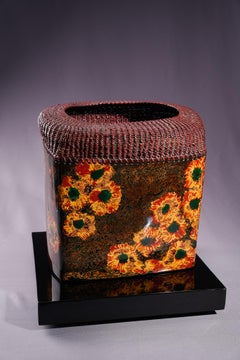
Floral Lacquer Vessel of Southern Summer
Located in Taichung, TW
This work, created using the molded lacquer technique, has a solid and square form coated with natural lacquer. Bright yellow blossoms bloom vividly across the surface, radiating wit...
Category
21st Century and Contemporary Mixed Media
Materials
Lacquer
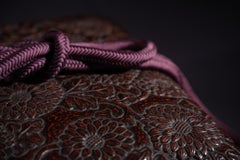
Large Chrysanthemum Carved Lacquer Box
Located in Taichung, TW
This Large Chrysanthemum Carved Lacquer Box by Chen Wu is an Edo-period example of Kamakura-bori lacquerware. Built on a solid wooden core, it is finished with layers of dark lacquer...
Category
Mid-18th Century Other Art Style Mixed Media
Materials
Lacquer, Wood
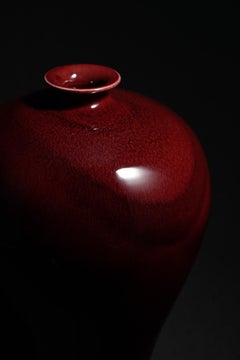
Large Langyao Red Meiping Vase
By Shi Jie Weng
Located in Taichung, TW
Shi Jie Weng’s Large Langyao Red Meiping Vase unites imperial elegance with contemporary ceramic mastery. The meiping form is tall and balanced, with rounded shoulders and a slender ...
Category
21st Century and Contemporary Qing More Art
Materials
Porcelain
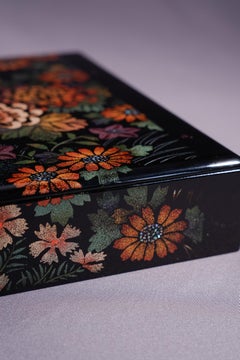
Chrysanthemum Polished Maki-e Lacquer Box
By Hsien Min Wang
Located in Taichung, TW
This lacquer box by Hsien Min Wang features a chrysanthemum motif that captures the serene beauty of autumn. The box is shaped using the molded lacquer technique and finished with la...
Category
21st Century and Contemporary Mixed Media
Materials
Lacquer
Chinkin Dandelion Lacquer Box
Located in Taichung, TW
The Chinkin Lacquer Dandelion Box is a masterpiece by Fumio Mae, recognized as a Living National Treasure of Japan. Using the demanding chinkin technique, Mae engraved delicate dande...
Category
Mid-19th Century Other Art Style Mixed Media
Materials
Lacquer
You May Also Like
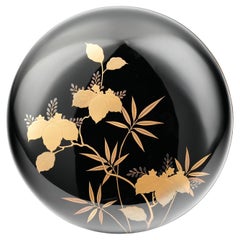
Antique Japanese Maki-e Lacquer Candy Dish with Paulownia and Bamboo Design
Located in Taichung, TW
This antique kashiki candy dish features a refined design of paulownia and bamboo executed in fine gold maki-e over a deep black lacquer ground. The paulownia is associated with puri...
Category
Antique Late 19th Century Japanese Taisho Lacquer
Materials
Lacquer
Beautiful Kanshitsu Bachi Lacquered Worker Bowl – Showa Period (20th Century)
Located in Fukuoka, JP
This unique Kanshitsu Bachi bowl is a remarkable piece of Japanese lacquer artistry from the Showa period (20th century). Traditionally, lacquer craftsmen applied excess lacquer from...
Category
20th Century Japanese Showa Lacquer
Materials
Wood, Lacquer
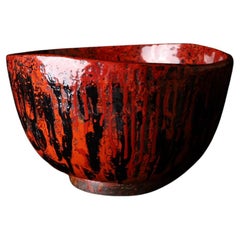
Japanese Lacquerware Bowl — Aizu Lacquer, Dry Lacquer Technique (Early 20th Cent
Located in Fukuoka, JP
Dimensions: W 17.7 × D 17.5 × H 8.3 cm
Weight: 255 g
Origin: Japan (Aizu region)
A refined urushi lacquer bowl crafted in the Aizu region, renowned for its centuries-old lacquer tra...
Category
Early 20th Century Japanese Meiji Lacquer
Materials
Wood, Lacquer
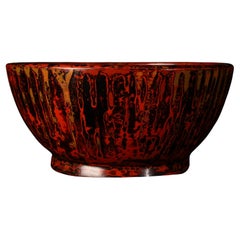
Antique Japanese Wooden Soup-Bowl with Wajima-Nuri, Japanese Lacquerware 1930s
Located in Paris, FR
This is an antique Japanese soup-bowl made around 1930s with wood. This soup-bowl is made with wajima-nuri, a Japanese lacquerware from Wajima, Is...
Category
Vintage 1920s Japanese Showa Tableware
Materials
Wood
Japanese Lacquer Hibachi (Brazier)
Located in Hudson, NY
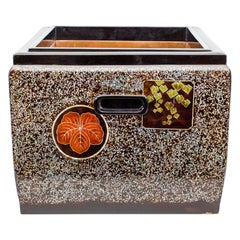
Japanese Lacquer Hibachi (Brazier), Meiji period (1868 - 1912) Box- shaped Japanese hibachi with mother of pearl inlay, handles on two sides, and a cop...
Category
Antique 1880s Japanese Meiji Lacquer
Materials
Copper
Fine Japanese Hibachi Lacquer with Inlays Meiji Period
Located in Atlanta, GA
A fine Japanese wood Hibachi with copper insert circa 1900-30s end of Meiji to Taisho Period. It can be used as a unique planter or to showcase a...
Category
Early 20th Century Japanese Meiji Lacquer
Materials
Copper