Want more images or videos?
Request additional images or videos from the seller
1 of 12
Gabriel Argy-Rousseau"Eagles" footed cup1922
1922
$9,860.33
£7,397.05
€8,300
CA$13,652.34
A$14,837.74
CHF 7,951.68
MX$180,156.58
NOK 99,828.46
SEK 92,575.72
DKK 63,230.60
About the Item
"Eagles" footed cup
by Gabriel ARGY-ROUSSEAU (1885-1953)
Flared glass paste footed cup,
in black, purple, red, and green,
decorated with eagles with spread wings and stylized flowers.
Signed " G. Argy-Rousseau "
Perfect condition
France
circa 1922
height 9,5 cm
diameter 16 cm
Model presented in 1922, reproduced in "Les pâtes de verre, catalogue raisonné G. Argy-Rousseau", Les éditions de l'amateur, p.189.
Biography :
Joseph Gabriel Rousseau called Gabriel Argy-Rousseau (1885-1953) was a French sculptor, ceramist and glassmaker who contributed to the rediscovery of cameo glass as a major glass art of the early twentieth century. If the technique of cameo glass dates back to ancient times, it fell into oblivion for a long time. In the last quarter of the nineteenth century, Henri Cros and a handful of artists, often ceramists of the Art Nouveau movement, such as François Décorchemont or Georges Despret, put it in the spotlight. The last of these precursors was Gabriel Argy-Rousseau. He was considered as the only glassmaker to have developed and used the complex process of cameo glass, the other glassmakers working with crystal paste.
Entering the Ceramics School of Sèvres, he discovered the cameo glass in the workshop of Henri Cros. Gabriel Argy-Rousseau began to produce between 1910 and 1920. His early works were influenced by Art Nouveau style plant motifs and animal themes. He began at the 1914 Salon of the French Artists in Paris. Between 1921 and 1931, established rue Simplon in Paris, he was a shareholder in the Argy-Rousseau cameo Glass Society. With many collaborators, he produced small very colorful Art Nouveau and Art Deco subjects, distributed in small series: pendants, vases, lamps and night lights and, from 1928, sculptures (statuettes or bas-reliefs) in collaboration with Marcel Bouraine. Unlike his fellow ceramicists, he remained belatedly faithful to the polychrome effects and floral motifs of Art Nouveau style. He developed shimmering colors (ruby red, amethyst, gray, deep blue ...) and textures with marbled effects. He invented new processes for the superficial coloring of the paste, by painting oxide powder before second firing at a low temperature. His works were in glass paste, the statuettes usually in crystal paste.
The glass creations of Gabriel Argy-Rousseau remain among the most typical and representative examples of Art Deco production. The production of the workshop ceased in 1931, but Argy-Rousseau continued to create pieces of crystal paste, because of the economic crisis, the opportunity to work the expensive process of the glass paste was no longer possible. He exhibited punctually, especially in 1934, glassware adorned with precious metals. His last exhibition took place a year before his death in 1952. He died forgotten, but left many works in the glass branch, now rediscovered.
Joseph Gabriel Rousseau called Gabriel Argy-Rousseau (1885-1953) was a French sculptor, ceramist and glassmaker who contributed to the rediscovery of cameo glass as a major glass art of the early twentieth century. If the technique of cameo glass dates back to ancient times, it fell into oblivion for a long time. In the last quarter of the nineteenth century, Henri Cros and a handful of artists, often ceramists of the Art Nouveau movement, such as François Décorchemont or Georges Despret, put it in the spotlight. The last of these precursors was Gabriel Argy-Rousseau. He was considered as the only glassmaker to have developed and used the complex process of cameo glass, the other glassmakers working with crystal paste. Entering the Ceramics School of Sèvres, he discovered the cameo glass in the workshop of Henri Cros. Gabriel Argy-Rousseau began to produce between 1910 and 1920. His early works were influenced by Art Nouveau style plant motifs and animal themes. He began at the 1914 Salon of the French Artists in Paris. Between 1921 and 1931, established rue Simplon in Paris, he was a shareholder in the Argy-Rousseau cameo Glass Society. With many collaborators, he produced small very colorful Art Nouveau and Art Deco subjects, distributed in small series: pendants, vases, lamps and night lights and, from 1928, sculptures (statuettes or bas-reliefs) in collaboration with Marcel Bouraine. Unlike his fellow ceramicists, he remained belatedly faithful to the polychrome effects and floral motifs of Art Nouveau style. He developed shimmering colors (ruby red, amethyst, gray, deep blue ...) and textures with marbled effects. He invented new processes for the superficial coloring of the paste, by painting oxide powder before second firing at a low temperature. His works were in glass paste, the statuettes usually in crystal paste. The glass creations of Gabriel Argy-Rousseau remain among the most typical and representative examples of Art Deco production. The production of the workshop ceased in 1931, but Argy-Rousseau continued to create pieces of crystal paste, because of the economic crisis, the opportunity to work the expensive process of the glass paste was no longer possible. He exhibited punctually, especially in 1934, glassware adorned with precious metals. His last exhibition took place a year before his death in 1952. He died forgotten, but left many works in the glass branch, now rediscovered.
About the Seller
5.0
Recognized Seller
These prestigious sellers are industry leaders and represent the highest echelon for item quality and design.
Established in 1992
1stDibs seller since 2023
11 sales on 1stDibs
Typical response time: 6 hours
- ShippingRetrieving quote...Shipping from: PARIS, France
- Return Policy
More From This Seller
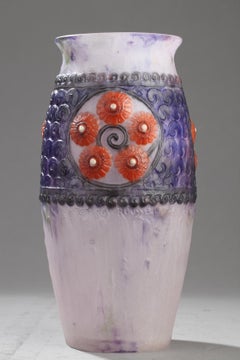
View AllVase with Flowery medallions
Located in PARIS, FR
Vase known as "Flowery medallions"
Gabriel ARGY-ROUSSEAU (1885-1953)
Made in cameo glass (pâte de verre),
ornated with a wide violet-blue wave motif frieze,
adorned with three red-c...
Category
1920s Art Deco More Art
Materials
Glass
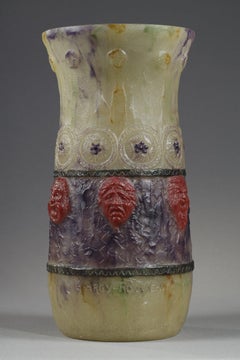
Vase known as "Tragi-comic"
Located in PARIS, FR
Vase known as "Tragi-comic"
by Gabriel ARGY-ROUSSEAU (1885-1953)
A pyriform flaring neck vase made in cameo glass (pâte de verre),
ornated with a frieze of Ancient theater tragic an...
Category
1920s Art Deco More Art
Materials
Glass
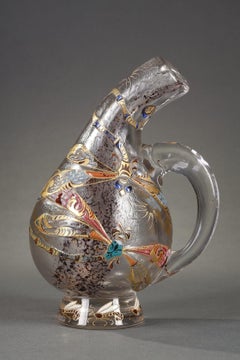
Cristallerie with damselflies
By Émile Gallé
Located in PARIS, FR
Emile GALLE (1846-1904)
Cristallerie with damselflies
Pitcher called "Cristallerie de Gallé",
in form of a gourd made in enamelled hand-blown glass,
decorated with polychrom stains ...
Category
Late 19th Century Art Deco More Art
Materials
Blown Glass
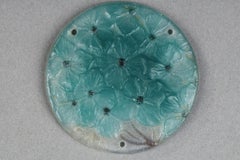
Pendant "Hydrangea"
Located in PARIS, FR
Pendant "Hydrangea"
by Gabriel ARGY-ROUSSEAU (1885-1953)
Beautiful glass paste medallion,
patterned with turquoise hydrangea flowers.
Designed as a pendant with three small holes fo...
Category
1920s Art Deco More Art
Materials
Glass
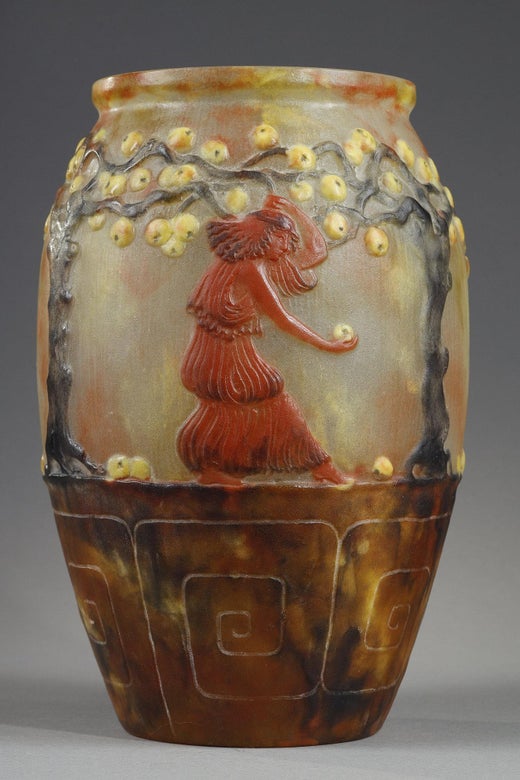
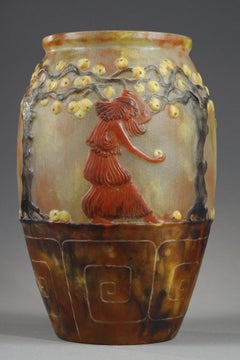
Vase known as "Garden of Hesperides"
Located in PARIS, FR
Vase known as "Garden of Hesperides"
by Gabriel ARGY-ROUSSEAU (1885-1953)
A pyriform vase made in cameo glass (pâte de verre),
ornated with coral-red Hesperides nymphs,
picking the ...
Category
1920s Art Deco More Art
Materials
Glass
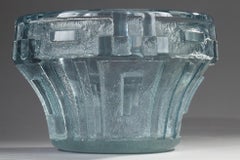
Art Deco Vase
By Daum
Located in PARIS, FR
Art Deco Vase
by DAUM
"Art Deco" vase with geometric decoration
Transparent blue blown-molded glass
Decor deeply etched with acid
Signed "Daum Nancy France" with the Cross of Lorrai...
Category
1930s Art Deco More Art
Materials
Glass
You May Also Like
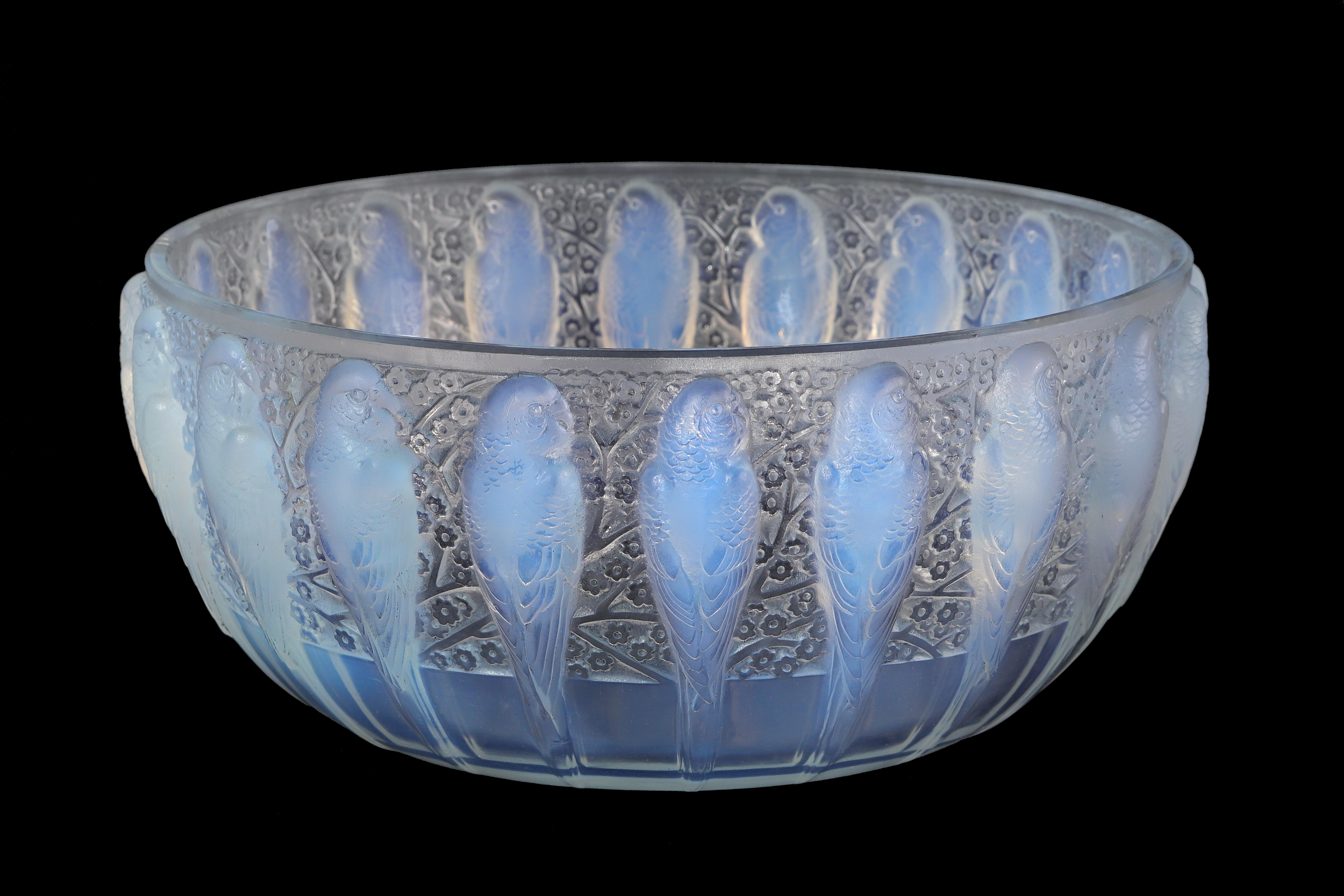
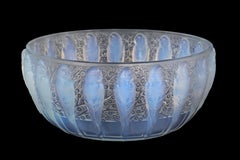
Bowl with frieze of parakeets (Perruches)
By René Lalique
Located in Miami, FL
Rene Lalique (1860-1945)
Bowl with frieze of parakeets (Perruches)
Opalescent Glass
Size: 4 x 10 in
Literature:
Patricia Bayer & Mark Waller. The Art of Rene Lalique. Illustrated on...
Category
1920s Art Deco More Art
Materials
Glass
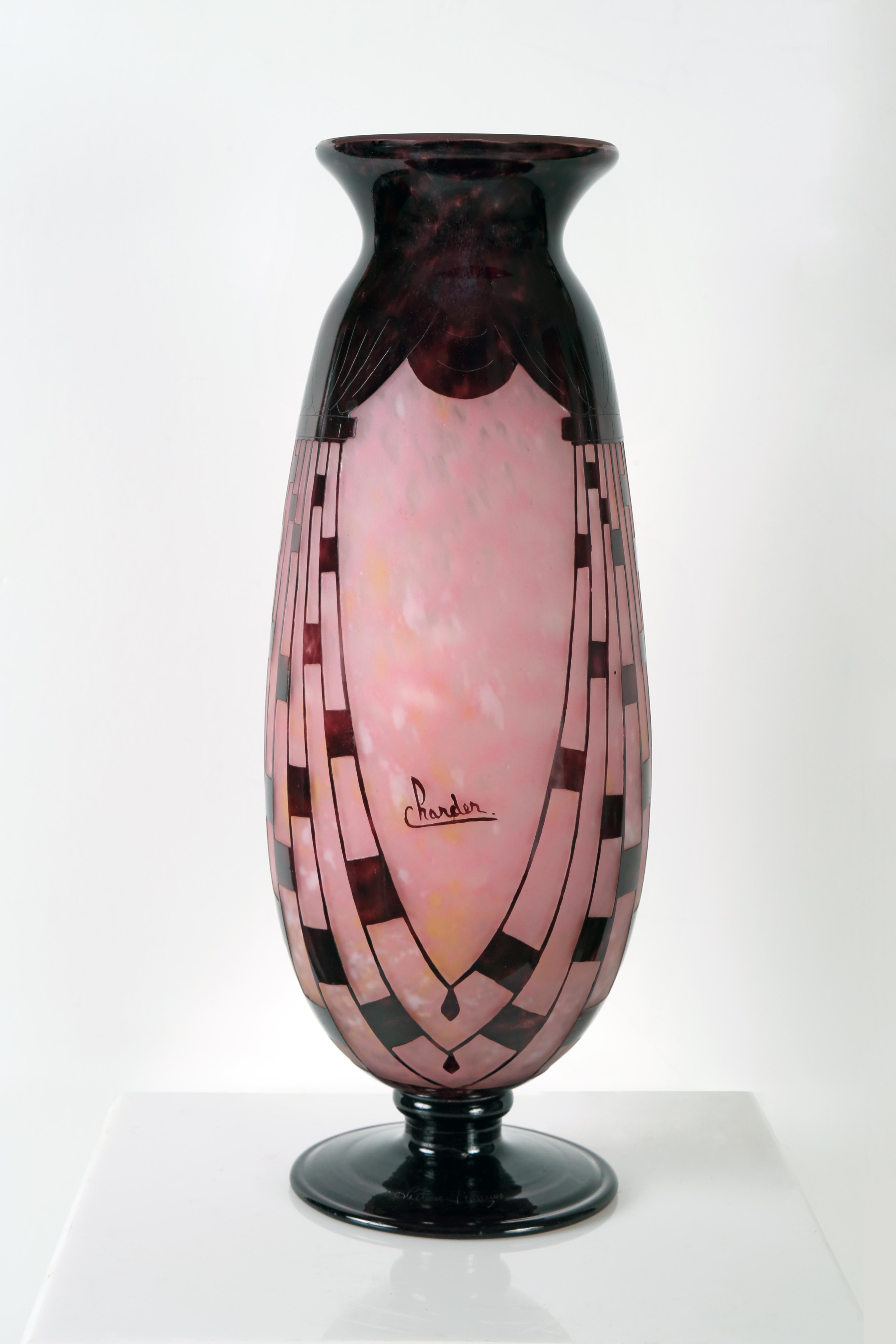
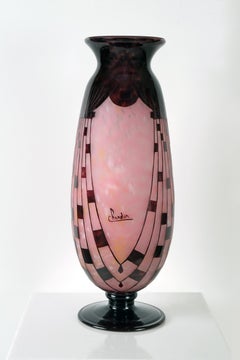
La Verre Francais
By Charles Schneider
Located in Miami, FL
Le Verre Francais
Charder Collection.
Signed "Charder" on one of the sides of the vase and "Le Verre Francais" on the base.
Similar works are published in the book "Charles Schneider: La Verre...
Category
1920s Art Deco More Art
Materials
Glass
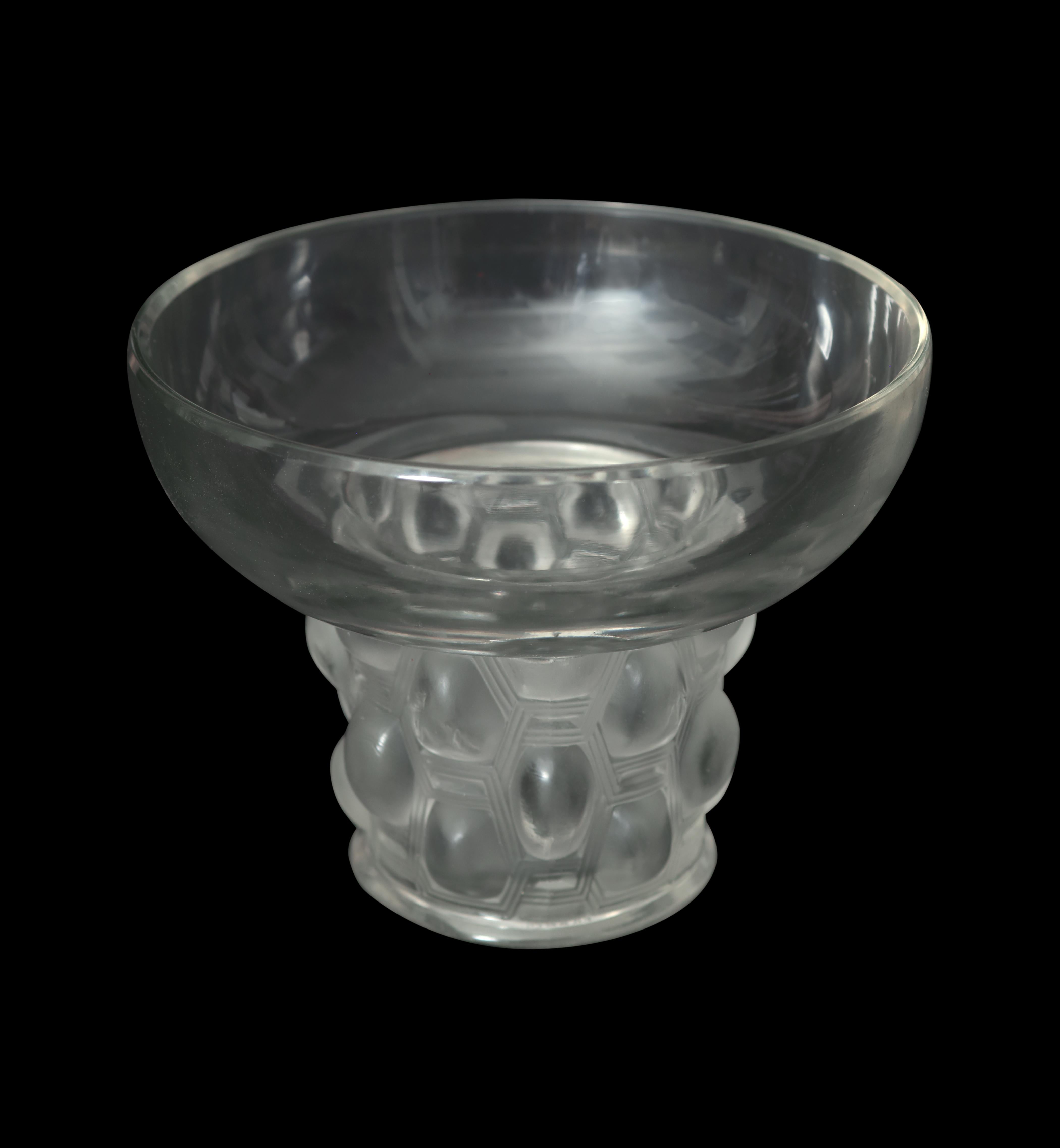
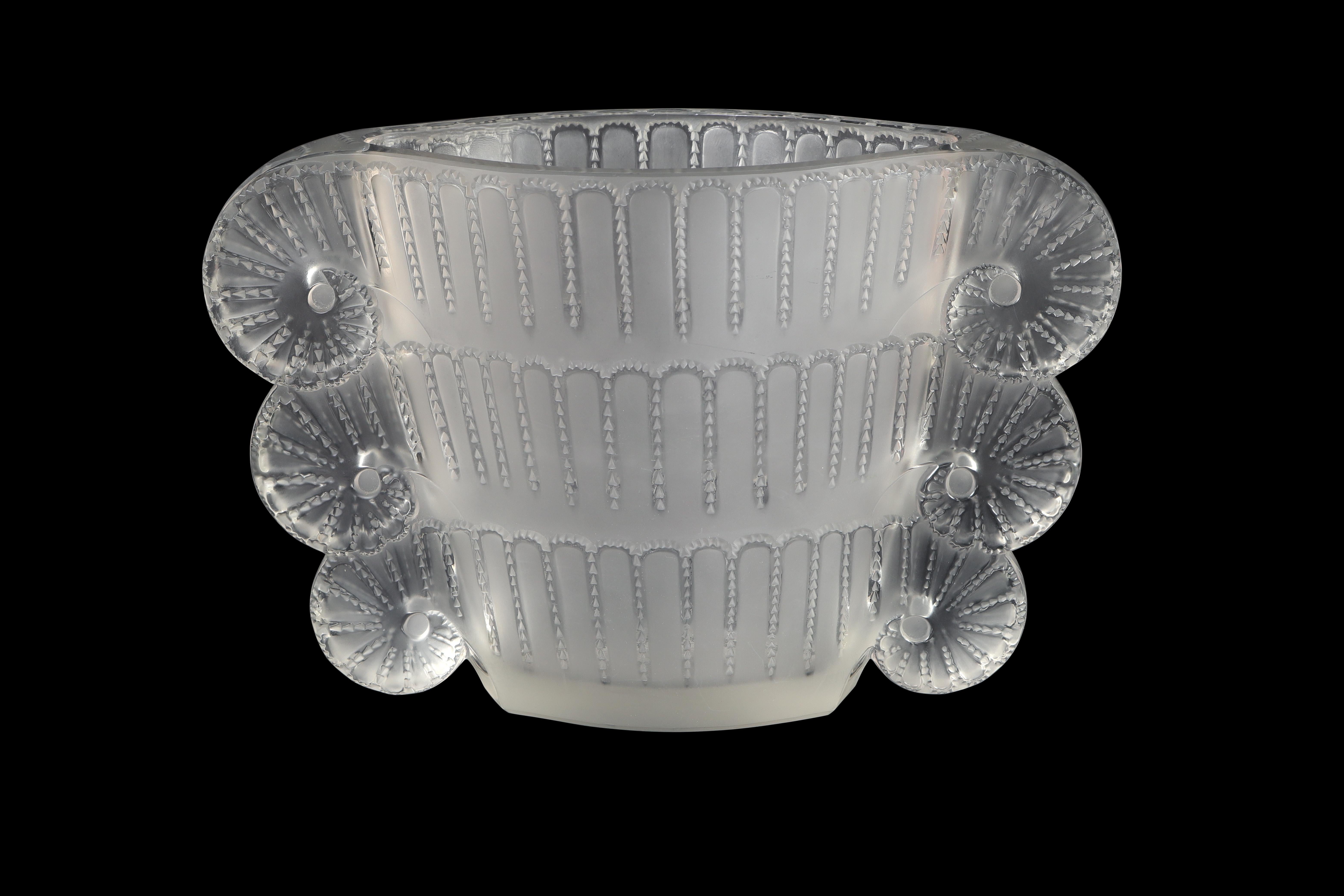
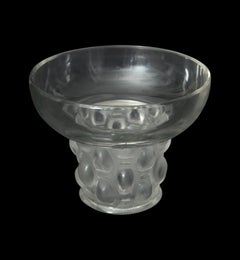
Beautreillis
By René Lalique
Located in Miami, FL
The name Lalique evokes the brilliance of jewelry, the wonder of transparency, and the brilliance of crystal. But, before it became a brand name, it was the name of a man, an artist ...
Category
1920s Art Deco More Art
Materials
Glass
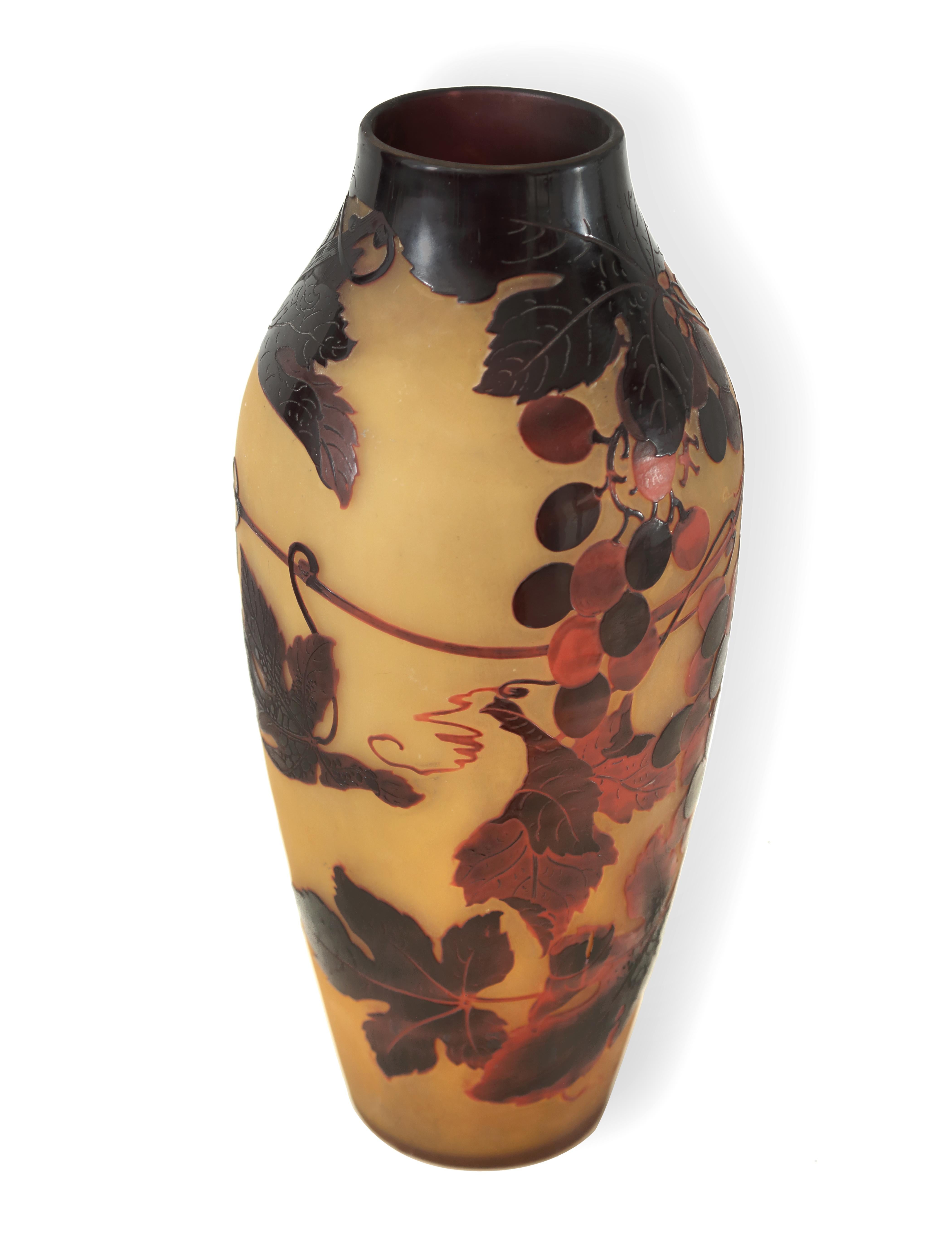
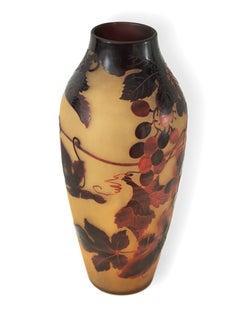
Art Deco D
Argental cameo glass vase
Located in Miami, FL
A monumental acid-etched cameo Art Noveau red and yellow art glass scenic vase. Beautiful Art Deco-Art Nouveau decorative vase. Condition is good, with wear commensurate with age and...
Category
Early 20th Century Art Deco More Art
Materials
Glass
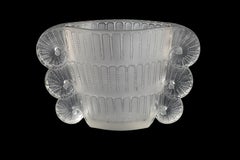
Jaffa Vase
By René Lalique
Located in Miami, FL
Rene Lalique (1860-1945)
Jaffa Vase
Frosted and polished glass
Size: 8 x 12 in
René Lalique was a seminal French glass designer known for his Art Nouveau and Art Deco perfume bottle...
Category
20th Century Art Deco More Art
Materials
Glass
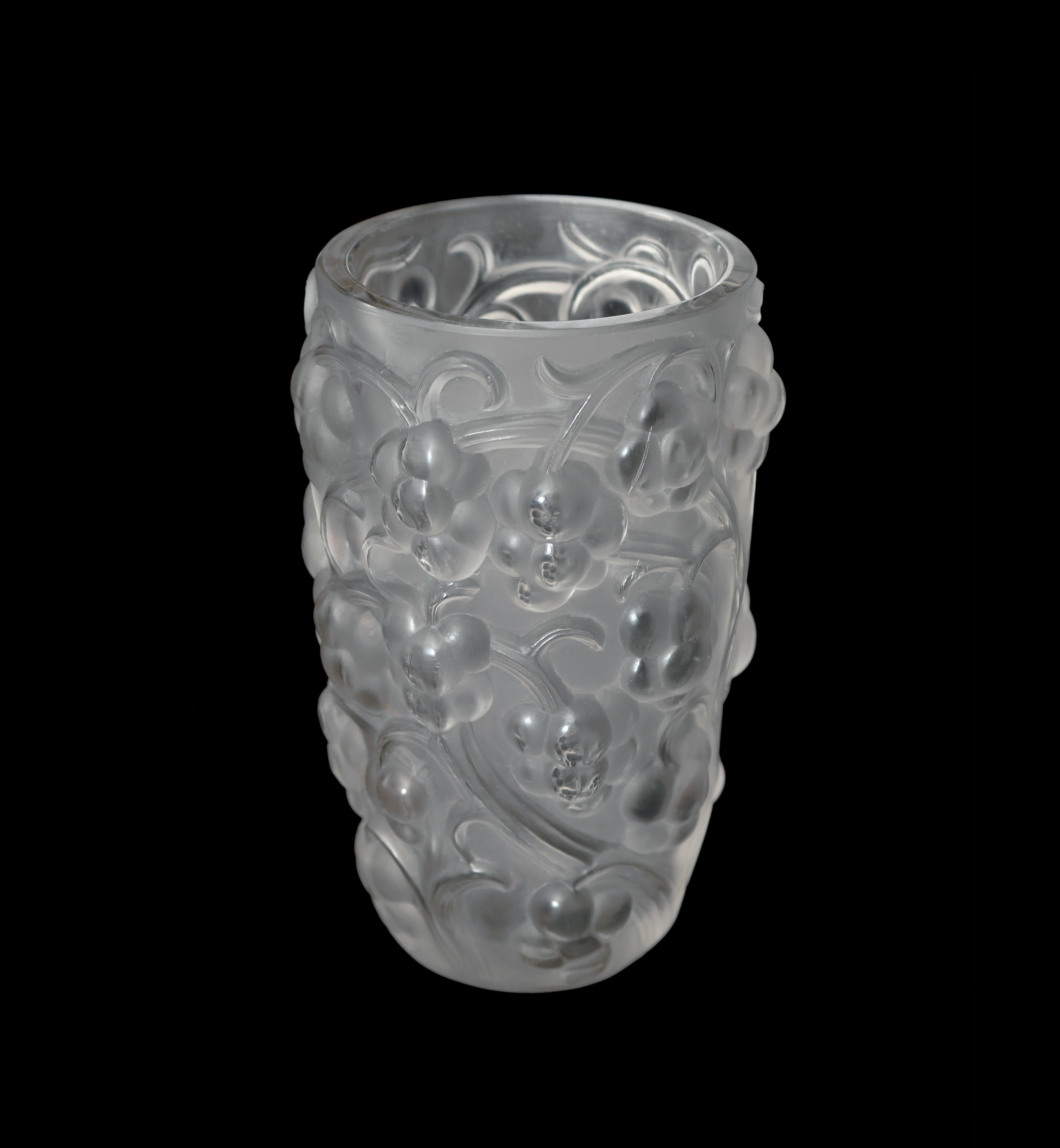
Raisins vase, model 8878
By René Lalique
Located in Miami, FL
René Lalique was a seminal French glass designer known for his Art Nouveau and Art Deco perfume bottles, chandeliers, vases, and jewelry. Widely revered and influential in the decora...
Category
20th Century Art Deco More Art
Materials
Glass