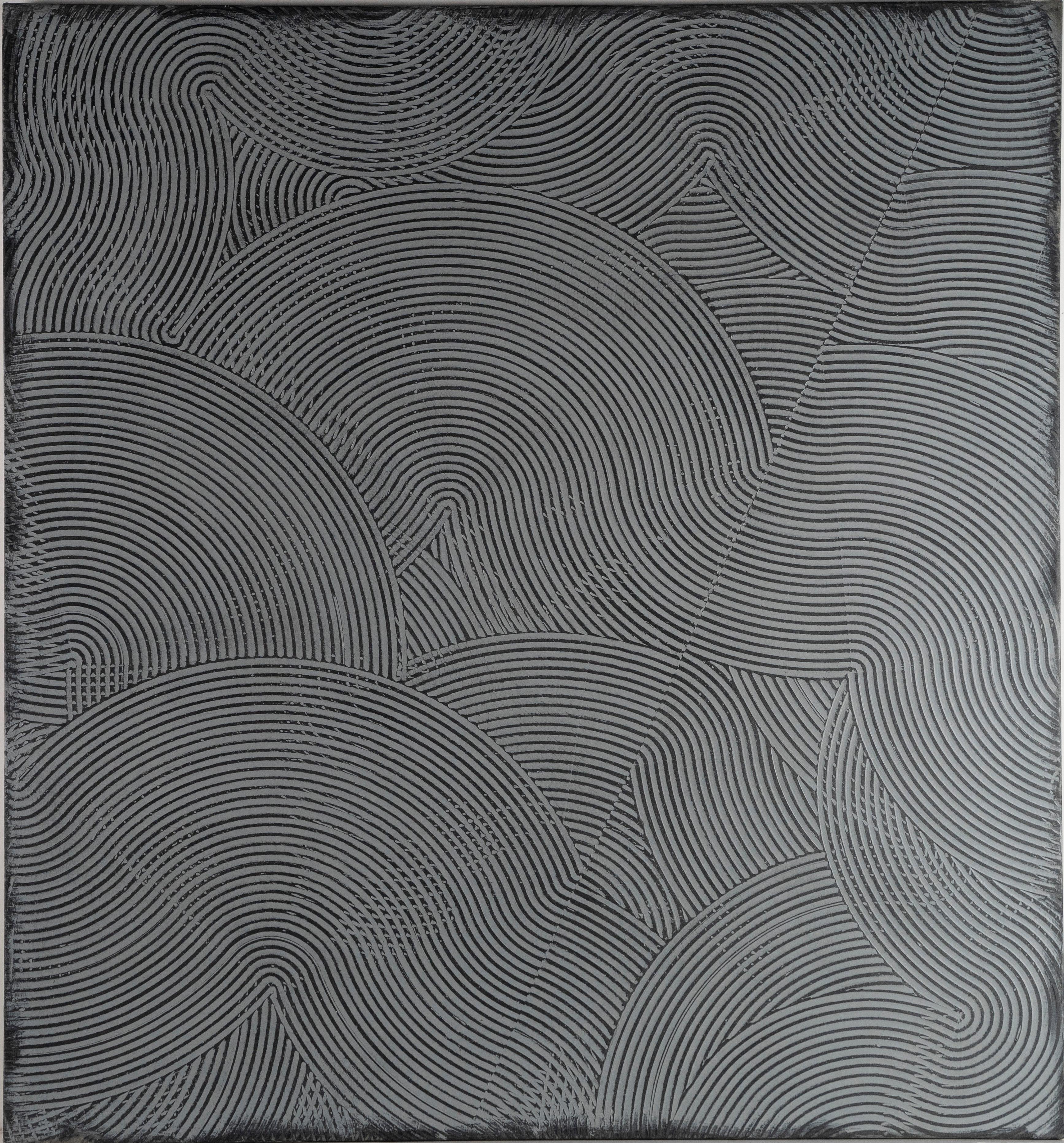
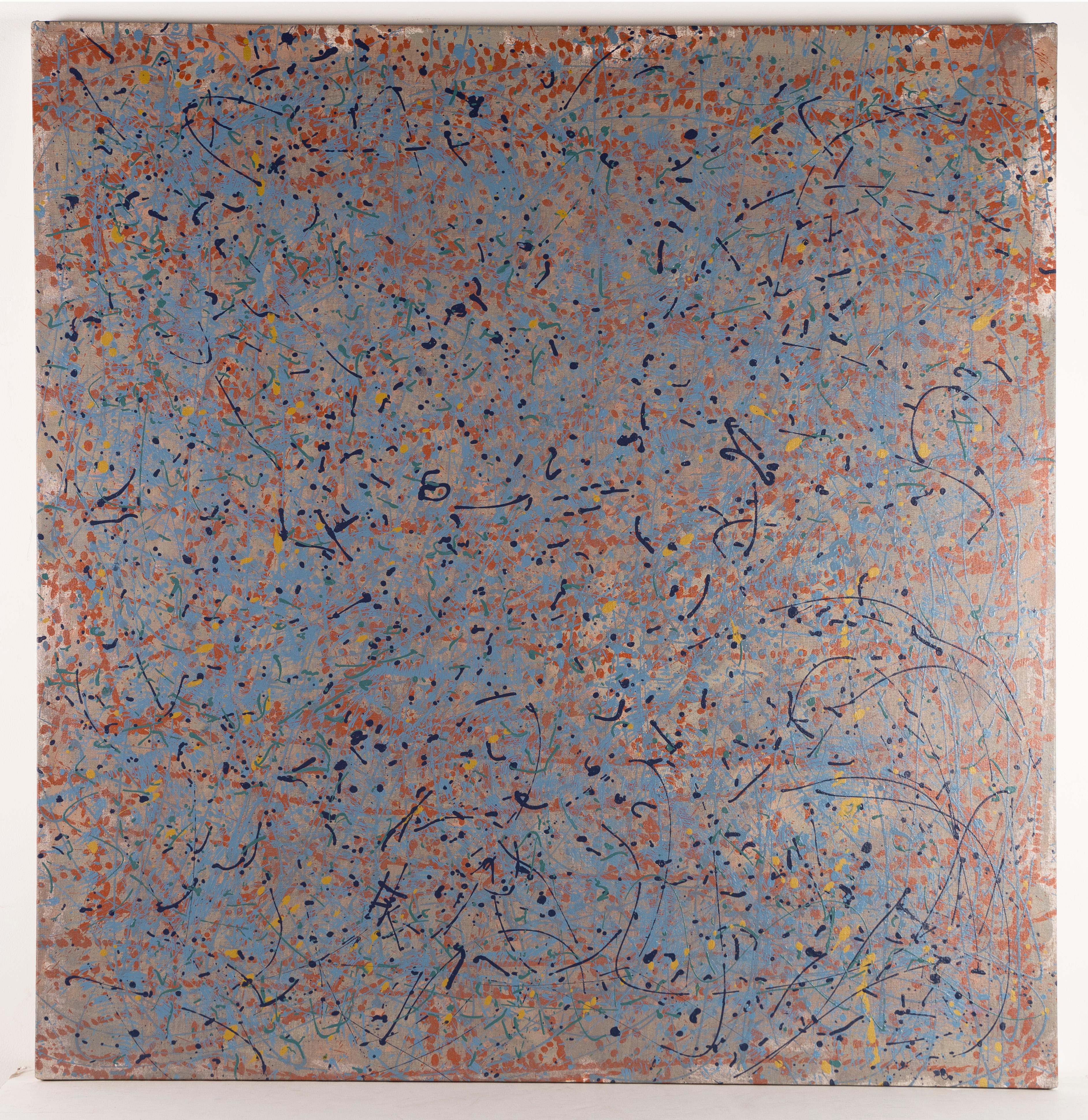
Items Similar to Large Mid Century Modern Texas Artist Abstract Expressionist Action Painting
Want more images or videos?
Request additional images or videos from the seller
1 of 14
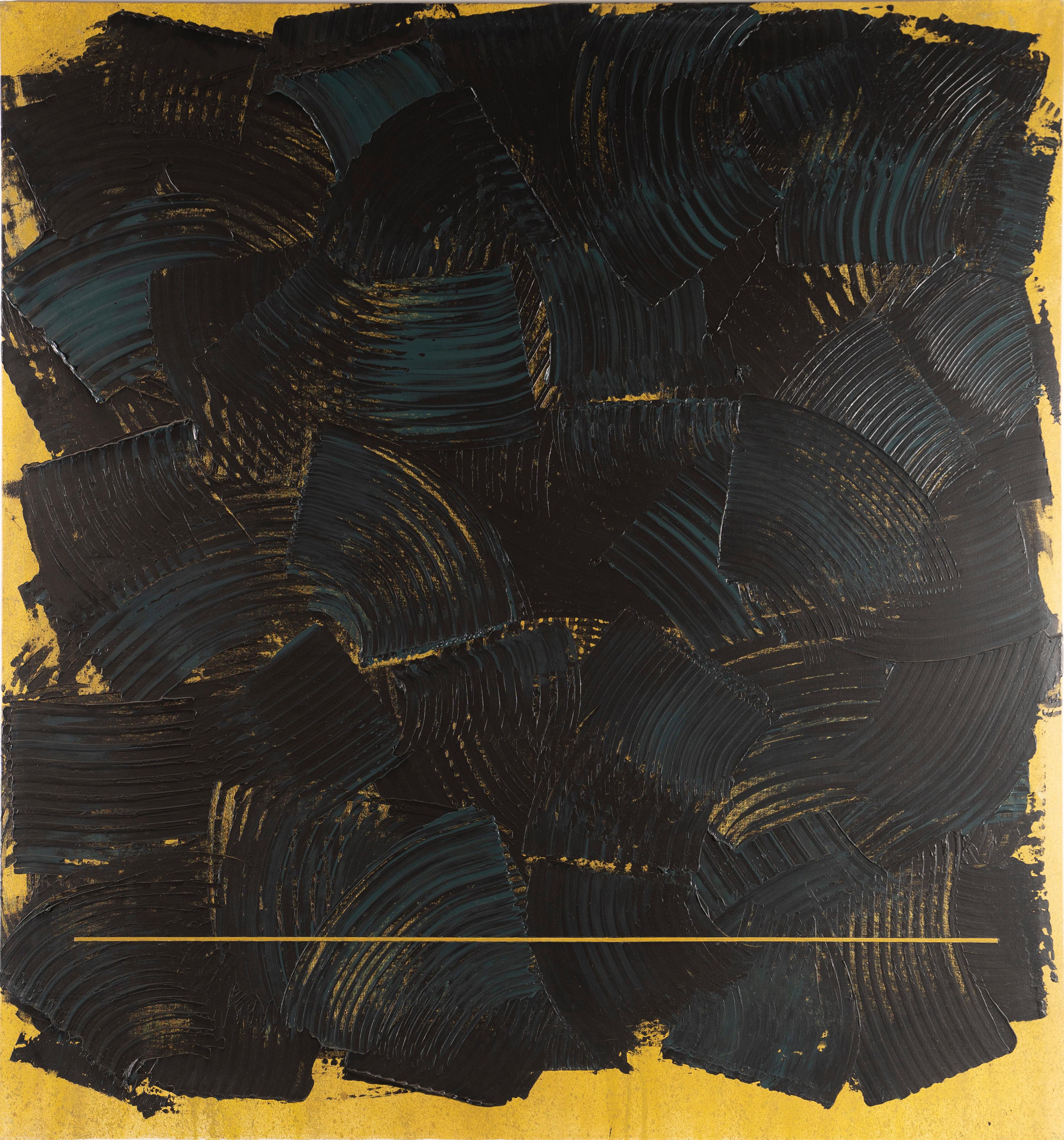
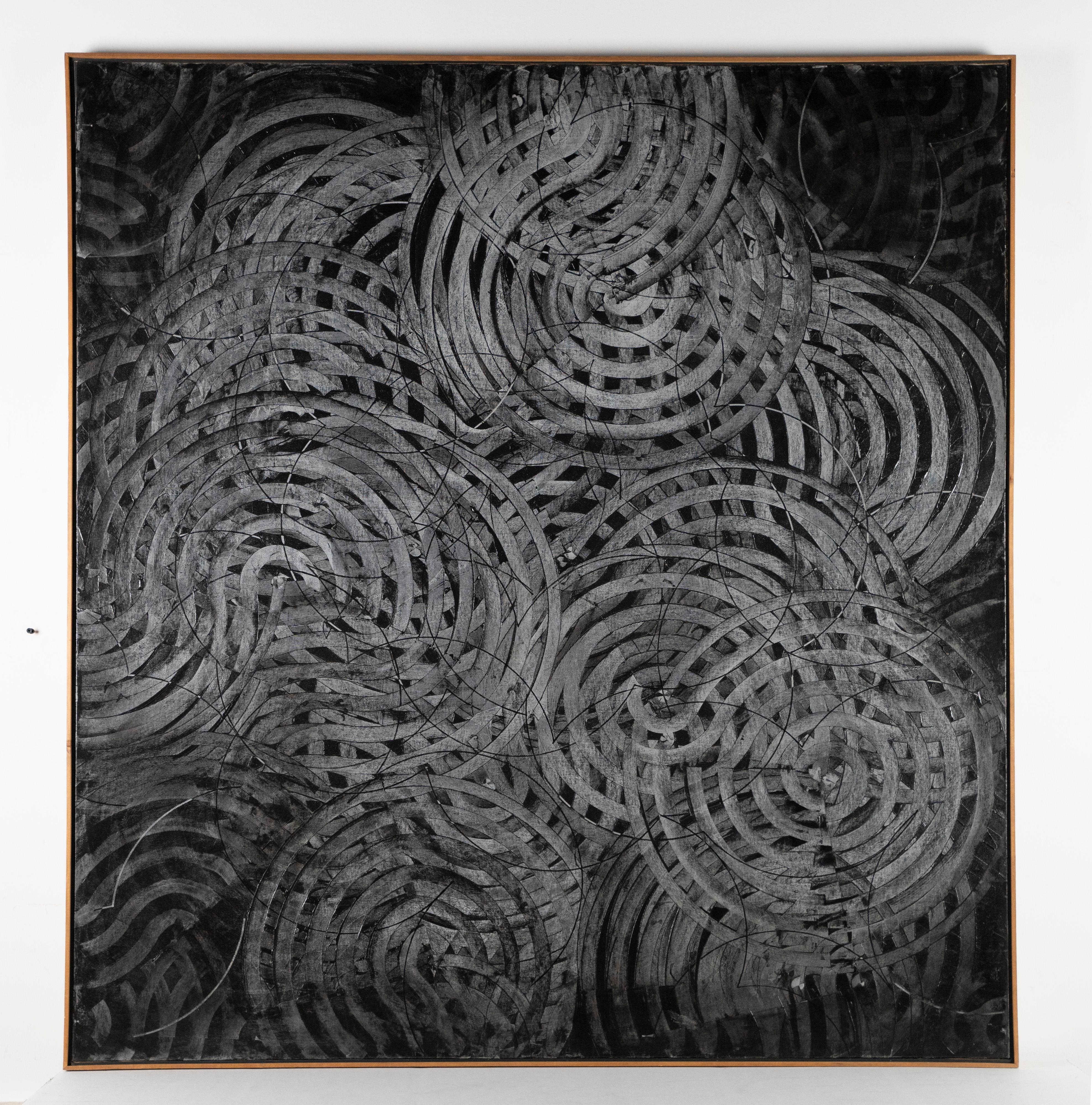
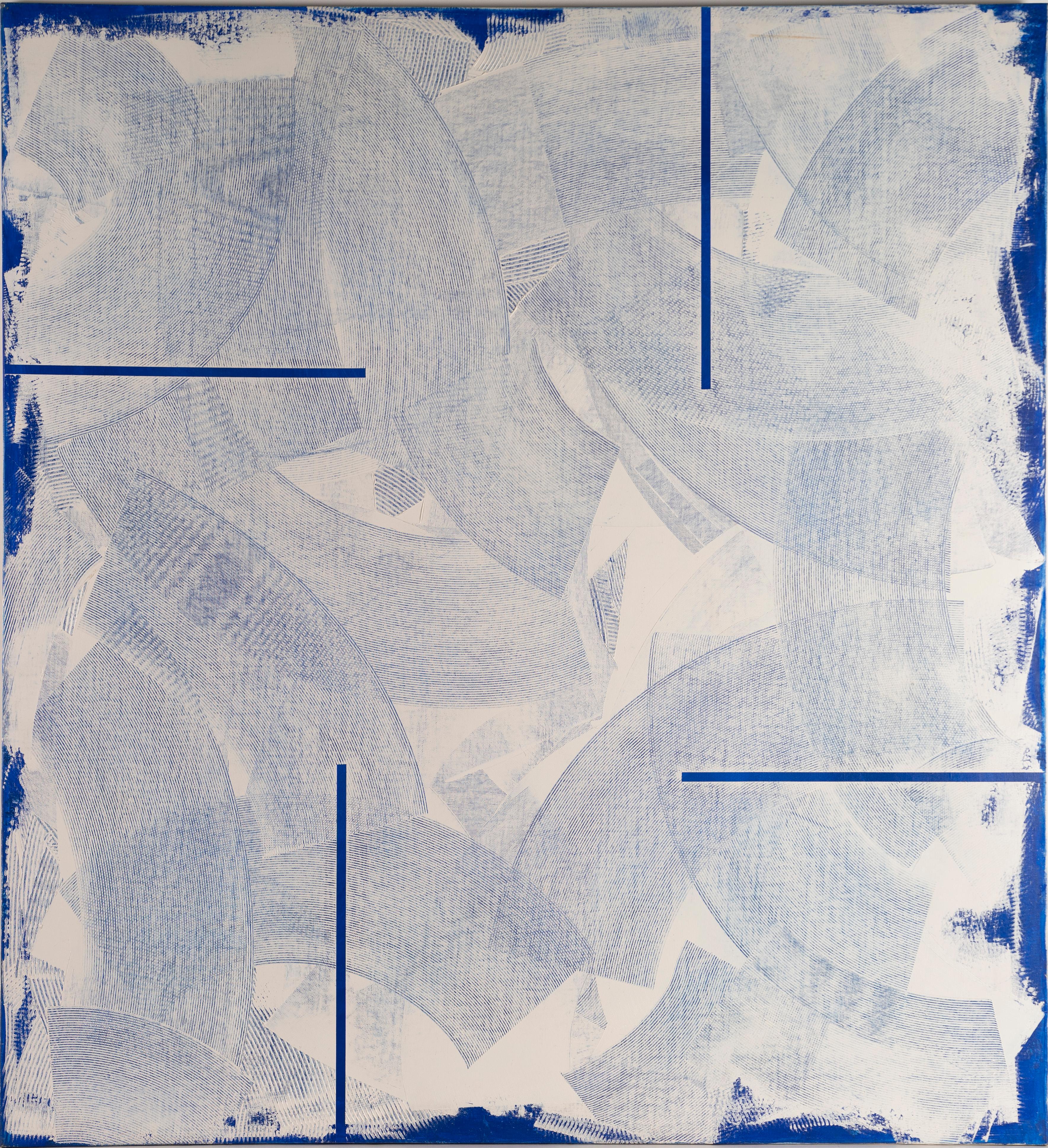
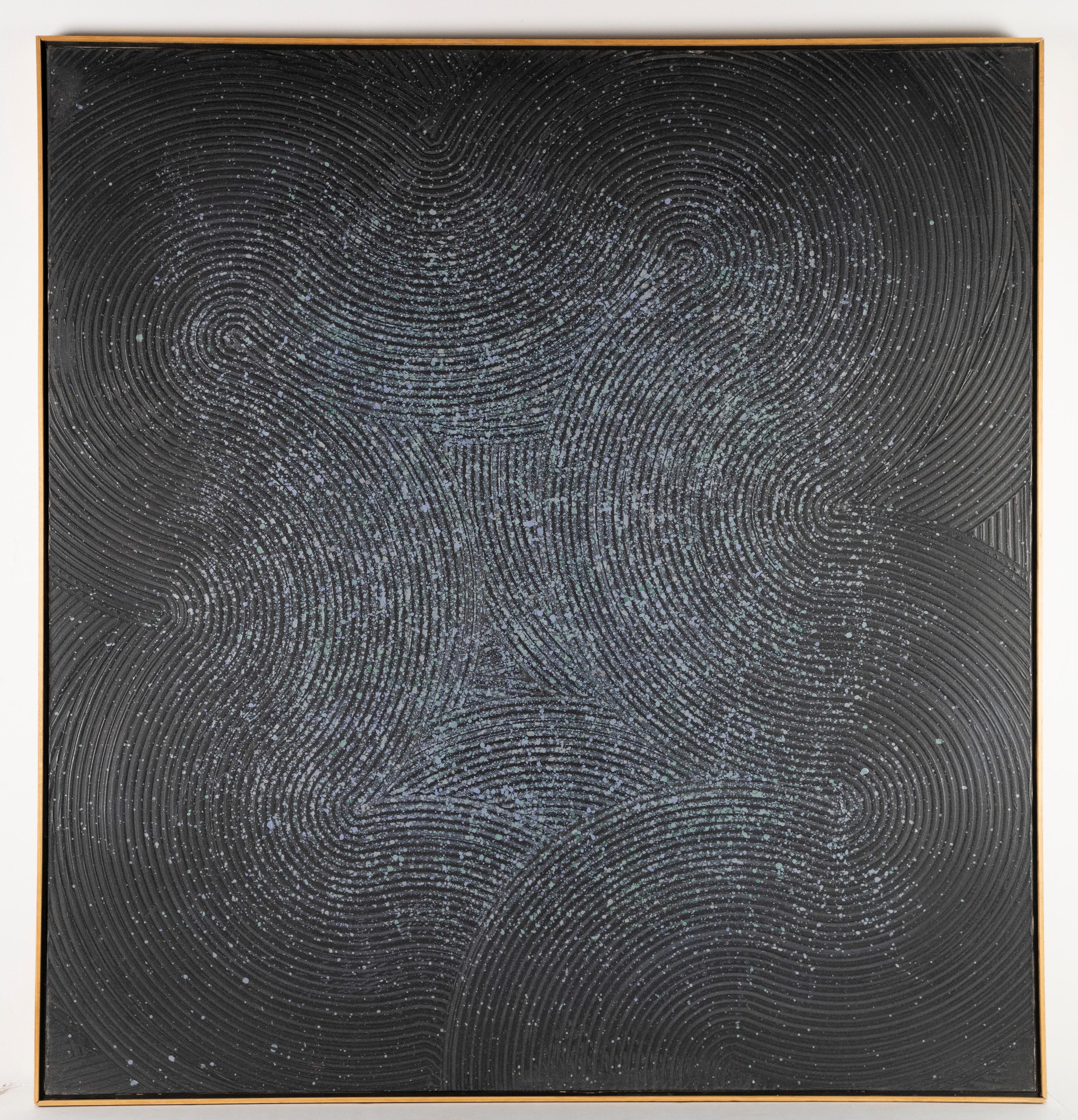
Duanye HatchettLarge Mid Century Modern Texas Artist Abstract Expressionist Action Painting1990
1990
$3,746.25
$4,99525% Off
£2,843.60
£3,791.4625% Off
€3,260.89
€4,347.8625% Off
CA$5,287.81
CA$7,050.4125% Off
A$5,675.97
A$7,567.9625% Off
CHF 3,022.16
CHF 4,029.5525% Off
MX$67,225.50
MX$89,633.9925% Off
NOK 38,191.88
NOK 50,922.5125% Off
SEK 34,879.84
SEK 46,506.4625% Off
DKK 24,360.34
DKK 32,480.4525% Off
About the Item
An abstract expressionist painting by Duayne Hatchett . Oil on canvas, circa 1990. Signed verso. Framed. I
Duayne Hatchett was a visual artist whose work included prints, paintings, sculpture, and found objects. He was born on May 12, 1925 in Shawnee, Oklahoma. He enlisted in the Air Force where he trained to become a fighter pilot. After leaving the militrary he studied design at the University of Oklahoma. His highly technical military training combined a mathematical intelligence with a love for physics and a daring embrace of new experience, all of which would soon be the tools for his evolution through art.
Two major influences interacted on his early development at OU. Emelio Omero, a colleague and close friend of Diego Rivera, introduced him to the revolutionary art ideas of Mexico City, while teaching him a wide range of printing techniques that would culminate in a Masters Degree in Painting in 1952. During this time he met Bruce Goff, a renowned Wright disciple, who was teaching architecture at OU and befriended Hatchett, introducing him to the most avant-garde architecture of that time.
He spent his summers while at OU designing for a small sign shop, which introduced him to new materials used for building neon, plastic, and metal signs. The use of new materials and a keen sense for design would soon become invaluable building blocks for future sculpture. During this time he met and married Mary Ellen Jeffries. They would spend their lives together and raise three children, David (me), my brother Dana, and my sister Jeffri. As children, they were immersed in art from childhood and benefited greatly from this loving art and domestic environment.
Hatchett was always interested in the techniques of construction, often watching different tradesmen working, understanding how materials are put together to create the manmade environment that surrounded him. While teaching printmaking at Oklahoma City University from 1951 through ‘54, he began to build sculpture employing some of the materials and techniques that he saw workers using. He was beginning to draw the attention of architects and he became interested in their work-trade processes, moving from blue prints to construction. He accepted an invitation from Alexander Hogue to teach sculpture at Tulsa University in 1954. He moved his family to Tulsa where he would teach for the next ten years.
While in Tulsa, he became well known as a teacher and a sculptor, often lecturing at various sculpture conferences around the country. He also began to obtain commissions for sculpture as his interaction with architecture continued to evolve. He began to meet and interact with some of the most influential New York artists, including David Smith, Louise Nevelson, Noguchi, and Chicago artist, Richard Hunt.
The 'found object' became important subject matter for many artists including Hatchett and his frequent trips to junkyards yielded the materials for welded sculptures that explored abstract forms suggestive of the world around him. Sources of inspiration ranged from a dead cat smashed on the road to Sputnik orbiting the earth. Alan Stone Gallery in New York City, arranged to show two of these pieces at the Museum of Modern Art in 1963.
He was offered a teaching job at Ohio State University in 1964, where he would teach sculpture for the next three years, and make a leap of imagination that would propel his art into the museums and galleries in New York City and beyond. He began by moving away from combining found objects to using found materials to fabricate objects that he called "Totems." Royal Marks Gallery in New York City began to represent Hatchett in 1964 and arranged for him to be included in the ‘Young American Sculpture East to West’ show representing the United States in the 1964 New York World’s Fair. He would then leave any hint of the found object or junk material behind (until the 90’s) and move into pure abstraction, what can only be described as 'Modern' Art.
Taking his cue from modern architecture, he began to draw simplified volumes and planes, minimally rendered, so as to be easily grasped as a whole. Built with industrial materials, sheet metals and plastics, the images suggested the look of modern technology and architectural accuracy in the environment. These new works resulted in multiple one-person shows, including shows at Royal Marks Gallery in 1965, ’68, ’69, and ’70, and defined a major shift in his work that would be played out for the next two decades. He was featured on the cover of the Whitney Annual and the Whitney Museum acquired a large sculpture in 1967. He was included in the American Sculpture of the Sixties show at the Los Angeles County Museum and the Pittsburgh International, at the Carnegie Institute Museum of Art that same year.
In 1968 he took a teaching position at the University of Buffalo where he would head the sculpture department for the next 24 years and he would move his art in multiple directions. He began a series of paintings to exploit the simple line drawings previously used to define the plate metal sculpture. These paintings explored the optical relativity of two and three-dimensional space depicted on a flat plane. He was also continuing to develop his geometric minimalist sculptures, landing several sculpture commissions around the country. In 1974, the Albright-Knox Art Gallery in Buffalo, NY presented, Duayne Hatchett: Recent Paintings and Sculpture. In the ensuing years his work would be shown in one person and group shows around the country. In the studio, the confluence of construction and the 'Found Object' re-entered his work in a completely unexpected way. Construction itself became the creative engine transforming his new art.
New tools and working processes were adopted or invented to create new art. The trowel would replace the brush for building new paintings. Tools for rolling and burnishing metal would be invented and riveting would be adopted to build new sculptures. He was influenced by the characteristics of materials and objects such as corrugated sheet metals, the optical effects of plastics, metal grates, tin cans, seen in his man made environment, as well as crosscut tree logs and drift wood from his natural environment. He began to build sculptures, in the privacy of his studio, largely unseen by the public.
In the late 90’s, the found object re-emerged in the form of new sculpture created from railroad spikes welded together to form organic conglomerations reminiscent of nature. He also began to build assemblages of found objects and materials that maintained a continuous flat surface, which were simultaneously sculptures as well as being blocks for prints. By utilizing a wide range of printing techniques that he invented, he made mono-prints that record the image of the assembled material constructions, greatly extending his previous uses of the found object, and greatly expanding the imagery in his printmaking.
From printmaking and painting of the late 40’s, influenced by Mexican Art, through the junk metal used from found objects in the 50’s and early 60’s, through the minimalist sculpture and paintings influenced by modern architecture from the 60’s and 70’s, to the paintings, sculpture and printmaking of the last forty years, Duayne Hatchett has developed a personal expression that solicits a universal response. His unique visual language has been created through the invention of tools, the manipulation of various materials and objects, which he presents in a unified form. These expressions reflect our environment, specifically and generally, as objects once in use or patterns at play. Hatchett’s art works are interactive vessels that hold their content as potential energy, waiting to unlock our memories and our senses through the act of observation.
–David Hatchett, March 2009
Duayne passed away on September 7, 2015.
- Creator:Duanye Hatchett (1925 - 2015, American)
- Creation Year:1990
- Dimensions:Height: 51 in (129.54 cm)Width: 49 in (124.46 cm)Depth: 2 in (5.08 cm)
- Medium:
- Movement Style:
- Period:
- Framing:Framing Options Available
- Condition:
- Gallery Location:Buffalo, NY
- Reference Number:1stDibs: LU139213565982
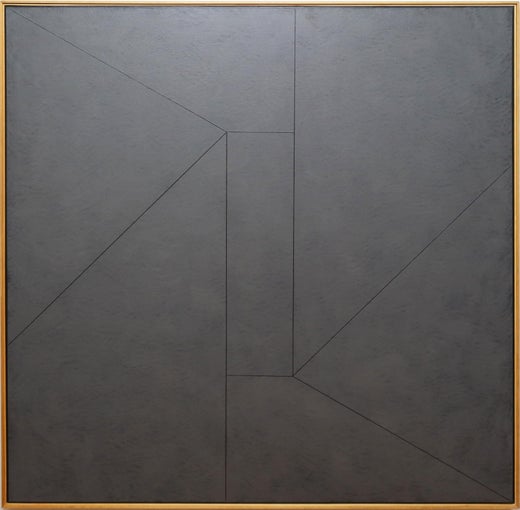
Duanye Hatchett
Duayne Hatchett was a visual artist whose work included prints, paintings, sculpture, and found objects. He was born on May 12, 1925 in Shawnee, Oklahoma. He enlisted in the Air Force where he trained to become a fighter pilot. After leaving the military he studied design at the University of Oklahoma. His highly technical military training combined a mathematical intelligence with a love for physics and a daring embrace of new experience, all of which would soon be the tools for his evolution through art. He accepted an invitation from Alexander Hogue to teach sculpture at Tulsa University in 1954. He moved his family to Tulsa where he would teach for the next ten years. While in Tulsa, he became well known as a teacher and a sculptor, often lecturing at various sculpture conferences around the country. He also began to obtain commissions for sculpture as his interaction with architecture continued to evolve. He began to meet and interact with some of the most influential New York artists, including David Smith, Louise Nevelson, Noguchi, and Chicago artist, Richard Hunt. In 1968 he took a teaching position at the University of Buffalo where he would head the sculpture department for the next 24 years and he would move his art in multiple directions. He began a series of paintings to exploit the simple line drawings previously used to define the plate metal sculpture. These paintings explored the optical relativity of two and three-dimensional space depicted on a flat plane. He was also continuing to develop his geometric minimalist sculptures, landing several sculpture commissions around the country. In 1974, the Albright-Knox Art Gallery in Buffalo, NY presented, Duayne Hatchett: Recent Paintings and Sculpture. In the ensuing years his work would be shown in one person and group shows around the country. In the studio, the confluence of construction and the 'Found Object' re-entered his work in a completely unexpected way. Construction itself became the creative engine transforming his new art. New tools and working processes were adopted or invented to create new art. The trowel would replace the brush for building new paintings. Tools for rolling and burnishing metal would be invented and riveting would be adopted to build new sculptures. He was influenced by the characteristics of materials and objects such as corrugated sheet metals, the optical effects of plastics, metal grates, tin cans, seen in his man made environment, as well as crosscut tree logs and drift wood from his natural environment. He began to build sculptures, in the privacy of his studio, largely unseen by the public. In the late 90’s, the found object re-emerged in the form of new sculpture created from railroad spikes welded together to form organic conglomerations reminiscent of nature. He also began to build assemblages of found objects and materials that maintained a continuous flat surface, which were simultaneously sculptures as well as being blocks for prints.
About the Seller
4.9
Platinum Seller
Premium sellers with a 4.7+ rating and 24-hour response times
Established in 1970
1stDibs seller since 2015
3,193 sales on 1stDibs
Typical response time: 4 hours
- ShippingRetrieving quote...Shipping from: Brooklyn, NY
- Return Policy
More From This Seller
View AllLarge Mid Century Modern Texas Artist Abstract Expressionist Action Painting
By Duanye Hatchett
Located in Buffalo, NY
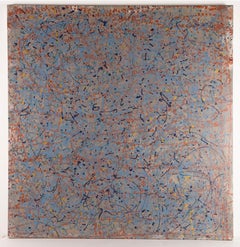
An abstract expressionist painting by Duayne Hatchett . Oil on canvas, circa 1990. Signed verso. Framed. Image size, 60"H x 56"L.
Duayne Hatchett was a visual artist whose work included prints, paintings, sculpture, and found objects. He was born on May 12, 1925 in Shawnee, Oklahoma. He enlisted in the Air Force where he trained to become a fighter pilot. After leaving the militrary he studied design at the University of Oklahoma. His highly technical military training combined a mathematical intelligence with a love for physics and a daring embrace of new experience, all of which would soon be the tools for his evolution through art.
Two major influences interacted on his early development at OU. Emelio Omero, a colleague and close friend of Diego Rivera, introduced him to the revolutionary art ideas of Mexico City, while teaching him a wide range of printing techniques that would culminate in a Masters Degree in Painting in 1952. During this time he met Bruce Goff, a renowned Wright disciple, who was teaching architecture at OU and befriended Hatchett, introducing him to the most avant-garde architecture of that time.
He spent his summers while at OU designing for a small sign shop, which introduced him to new materials used for building neon, plastic, and metal signs. The use of new materials and a keen sense for design would soon become invaluable building blocks for future sculpture. During this time he met and married Mary Ellen Jeffries. They would spend their lives together and raise three children, David (me), my brother Dana, and my sister Jeffri. As children, they were immersed in art from childhood and benefited greatly from this loving art and domestic environment.
Hatchett was always interested in the techniques of construction, often watching different tradesmen working, understanding how materials are put together to create the manmade environment that surrounded him. While teaching printmaking at Oklahoma City University from 1951 through ‘54, he began to build sculpture employing some of the materials and techniques that he saw workers using. He was beginning to draw the attention of architects and he became interested in their work-trade processes, moving from blue prints to construction. He accepted an invitation from Alexander Hogue...
Category
1990s Abstract Abstract Paintings
Materials
Canvas, Oil, Acrylic
$10,000 Sale Price
20% Off
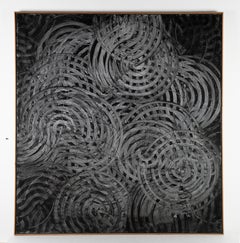
Huge Mid Century Modern Texas Artist Abstract Expressionist Original Painting
By Duanye Hatchett
Located in Buffalo, NY
An abstract expressionist painting by Duayne Hatchett . Oil on canvas, circa 1990. Signed verso. Framed. Image size, 61"H x 57"L.
Duayne Hatchett was a visual artist whose work...
Category
1990s Abstract Abstract Paintings
Materials
Canvas, Acrylic
$11,800 Sale Price
20% Off
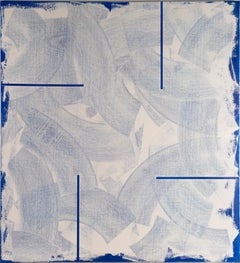
Large Mid Century Modern Texas Artist Abstract Expressionist Action Painting
By Duanye Hatchett
Located in Buffalo, NY
An abstract expressionist painting by Duayne Hatchett . Oil on canvas, circa 1990. Signed verso. Framed. Image size, 60"H x 56"L.
Duayne Hatchett was a visual artist whose work...
Category
1990s Abstract Abstract Paintings
Materials
Canvas, Oil, Acrylic
$10,000 Sale Price
20% Off
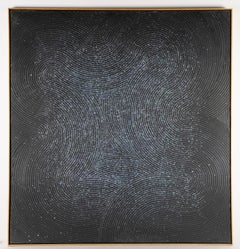
Huge Mid Century Modern Texas Artist Abstract Expressionist Action Painting
By Duanye Hatchett
Located in Buffalo, NY
An abstract expressionist painting by Duayne Hatchett . Oil on canvas, circa 1992. Signed verso. Framed. Image size, 60"H x 55"L.
Duayne Hatchett was a visual artist whose work...
Category
1990s Abstract Abstract Paintings
Materials
Canvas, Acrylic
$10,200 Sale Price
20% Off
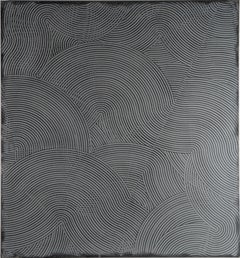
Large Mid Century Modern Texas Artist Abstract Expressionist Action Painting
By Duanye Hatchett
Located in Buffalo, NY
An abstract expressionist painting by Duayne Hatchett . Oil on canvas, circa 1990. Signed verso. Framed. Image size, 60"H x 55"L.
Duayne Hatchett was a visual artist whose work included prints, paintings, sculpture, and found objects. He was born on May 12, 1925 in Shawnee, Oklahoma. He enlisted in the Air Force where he trained to become a fighter pilot. After leaving the militrary he studied design at the University of Oklahoma. His highly technical military training combined a mathematical intelligence with a love for physics and a daring embrace of new experience, all of which would soon be the tools for his evolution through art.
Two major influences interacted on his early development at OU. Emelio Omero, a colleague and close friend of Diego Rivera, introduced him to the revolutionary art ideas of Mexico City, while teaching him a wide range of printing techniques that would culminate in a Masters Degree in Painting in 1952. During this time he met Bruce Goff, a renowned Wright disciple, who was teaching architecture at OU and befriended Hatchett, introducing him to the most avant-garde architecture of that time.
He spent his summers while at OU designing for a small sign shop, which introduced him to new materials used for building neon, plastic, and metal signs. The use of new materials and a keen sense for design would soon become invaluable building blocks for future sculpture. During this time he met and married Mary Ellen Jeffries. They would spend their lives together and raise three children, David (me), my brother Dana, and my sister Jeffri. As children, they were immersed in art from childhood and benefited greatly from this loving art and domestic environment.
Hatchett was always interested in the techniques of construction, often watching different tradesmen working, understanding how materials are put together to create the manmade environment that surrounded him. While teaching printmaking at Oklahoma City University from 1951 through ‘54, he began to build sculpture employing some of the materials and techniques that he saw workers using. He was beginning to draw the attention of architects and he became interested in their work-trade processes, moving from blue prints to construction. He accepted an invitation from Alexander Hogue...
Category
1990s Abstract Abstract Paintings
Materials
Canvas, Acrylic, Oil
Large Mid Century Modern Texas Artist Abstract Expressionist Action Painting
By Duanye Hatchett
Located in Buffalo, NY
An abstract expressionist painting by Duayne Hatchett . Oil on canvas, circa 1990. Signed verso. Framed. Image size, 60"H x 56"L.
Duayne Hatchett was a visual artist whose work...
Category
1990s Abstract Abstract Paintings
Materials
Canvas, Acrylic
$10,200 Sale Price
20% Off
You May Also Like
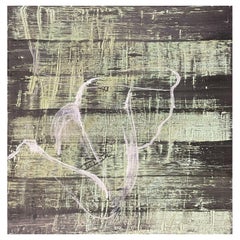
HUGE FRENCH ABSTRACT EXPRESSIONIST PAINTING - 1970
S/80
S PERIOD
Located in Cirencester, Gloucestershire
Artist/ School: French School, circa 1970's-1980's
Title: Abstract/ Expressionist composition
Medium: oil painting on canvas, unframed
Size: painting: 39.25 x 39.25 inches
Prove...
Category
Mid-19th Century Abstract Expressionist Abstract Paintings
Materials
Canvas, Oil
$1,315 Sale Price
20% Off
Not Always Black and White, Oil Painting on Wood Panel
By Kevin Brewerton
Located in Yardley, PA
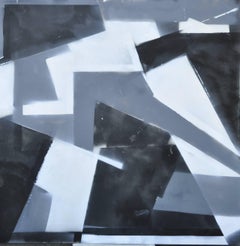
This piece is part of a series entitled, The Road to Enlightenment. Broad geometric shapes and colors merging into a moving composition brings to life a powerful work of art. The wor...
Category
2010s Abstract Abstract Paintings
Materials
Oil
Dynamic Mid-Century Abstract Expressionist Piece
Located in Soquel, CA
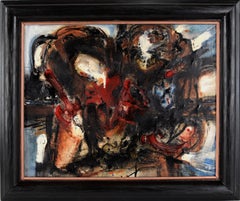
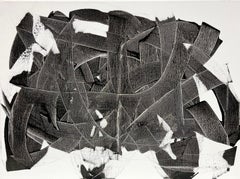
Dynamic Mid-Century Abstract Expressionist Piece by Andres R. Montani (Uruguayan b. 1918 d. 2000)
Bold and beautiful 1960s abstract expressionist oil painting. This painting is cons...
Category
1960s Post-Modern Abstract Paintings
Materials
Oil
Stunning British Expressionist Abstract Original Painting
By Robert Somerton
Located in Cirencester, Gloucestershire
Superb original abstract painting by the contemporary British abstract artist Robert Somerton, born 1972.
Bold and vivid brushwork shapes all make up this highly unique and appeali...
Category
21st Century and Contemporary Abstract Expressionist Abstract Paintings
Materials
House Paint
$1,041 Sale Price
20% Off
Abstract Expressionist Painting (Mid-century Modern action composition)
Located in Wilton Manors, FL
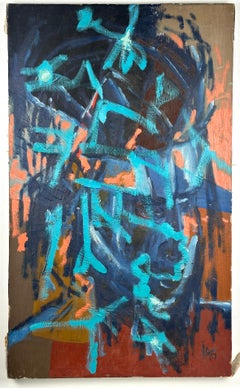
Untitled Abstract Expressionist painting, 1957
Oil on canvas measuring 18 x 30 inches.
Signed with monogram and dated lower right.
Two repair patches on back on painting.
Artist...
Category
1950s Abstract Expressionist Abstract Paintings
Materials
Oil, Canvas
1960
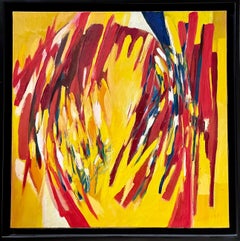
s Large Colorful Abstract Expressionist Swiss Oil Painting Robert Lauro
Located in Surfside, FL
Oil Painting on canvas
Hand signed to lower right Lauro.
Provenance: Eleonore Austerer Gallery, San Francisco, CA
Work Size: 39.5 x 39.5 in. framed 44 X 44 inches.
Roberto Lauro is a British-Swiss Post War & Contemporary artist who was born in 1932.
Roberto Lauro was born in 1932 in Gorey Harbor on the island of Jersey (Great Britain) the son of a Swiss mother, Rosa Ramseier, from Oberdiessbach / Emmental, Switzerland, and and Italian father Innocenzo Roberto Lauro, born in Mondovi, Italy. In 1941 he moved to Switzerland with his mother. 1949-1953 he lived in Gunten (Switzerland) where he did an Apprenticeship as a lithograph and offset printer and graphic designer in Thun. There he was introduced to the color theory of Johannes Itten by Hermann Oberli at the Bern School of Applied Arts. From 1953 to 1955 he worked as a fine art printer in Norway where he was influenced by the color theory of Edvard Munch. These works bears the influence of Russian artist Andre Lanskoy, Tachisme and the Cobra artists Karel Appel, Constant, Corneille, Christian Dotremont, Asger Jorn, and Joseph Noiret.
In 1955-1956 he worked as an offset printer in Amsterdam (Netherlands). Visit to the Instituut voor Kunstnijverheidsonderwijs. In 1957 he returned to Gunten, Switzerland. Where he started working in printmaking and and oil painting. He resumed his studies at the Bern School of Applied Arts. He was greatly impacted and influenced by abstract art on the occasion of a large Paul KIee exhibition. In 1958 he moved to Zurich where he worked part-time work as an offset copyist; fulfilling graphic orders for advertising agencies. In 1962 he took his final examination as graphic designer at the Zurich School of Applied Arts. In 1980 he begins his development of three-dimensional picture objects, Sculpture, detachment from the canvas, using metal as a support and play space for light and color. By 1981 he has turned full time to fine art. He spends the next years growing and developing his considerable talent. Inspired by classical music, the rhythm, mood and lightness of which form the basis for the large swings and loops of his colorfully lacquered metal and blown glass sculptures. These are "pensieri", thought sketches that capture the emotions in countless versions. There is something dance-like about his rotating sculptures. Everything becomes music and the rhythm of colors. In 1988, after exhibitions in Europe, he has his first exhibitions in Atlanta and San Francisco (USA), In 1989 he does his first glass and metal sculptures at the Roberto Niederer glassworks, Hergiswil (Switzerland). In 1992 has a retrospective exhibition in the Tan Gallery, Zurich, and the Eleonore Austerer Gallery, San Francisco. They Publish a catalogue raisonne, Eine Retrospektive, covering a 45 year career. In 1993 he creates A Retrospective, a unique sculpture in a table top form that contains his catalogue raisonne and an original lithograph.
1993–1995 he begins work on a number of large scale public outdoor commissions, including Light Columns for a Bank building, and a commission of a sculpture-fountain in Oetwil am See. In 2001 he creates a wall sculpture entitled "Color Poems of the Yearly Cycle. A linen bound book enclosed in a unique plexi display with a one - of a - kind metal and glass sculpture,containing 12 linocuts each printed in colors and signed.
Roberto Lauro's sculptural work work is spontaneous and loaded with energy. The furrows, rifts, cracks and scars in the metal allow light to enter; it is then reflected back by the glass. His work is a clear statement of our times, uniting the intellect and the heart in search of the spiritual. Like the interplay of light and shadow, his sculpture combines fragile, transparent glass with solid, heavy iron. These colorful and luminous sculptures convey a powerful presence and emit vibrant positive energy. With their jagged exteriors and translucent cores, the spectacular sculptures created by the synergy of metal and glass are powerful - yet fragile. Lauro has created and mastered his own idiom and proven that through the artist sheer will and vision, seemingly incompatible materials such as iron and glass can indeed be combined. In 2004 he has an anniversary exhibition Light and Color, Love of Life on the island of birth, Jersey. Ceramic works (raku with glass inclusions). Roberto Lauro's works have been shown in numerous exhibitions in Europe and the USA around the world, and he has also realized projects such as "KUNST AM BAU" in public spaces and for industry. He lives and works in Switzerland.
Select Exhibitions
Eleonore Austerer Gallery, Palm Desert
ART IN THE FRAME FOUNDATION: The Harbour Gallery, Isle of Jersey
Galerie fur Gegenwartskunst,, Bonstetten, Switzerland
Galerie Annamarie Anderson, Zurich, Switzerland
“Color and Light,” Austerer-Crider Gallery, Palm Springs, CA, USA
“Color and Light: the art of Roberto Lauro,” Eleonore Austerer Gallery, San Francisco, CA, USA
“Flower Power,” with Ed Baynard, Roberto Azank, Siegward Sprotte, and Daniel Phil...
Category
1960s Abstract Expressionist Abstract Paintings
Materials
Canvas, Oil
More Ways To Browse
Texas Revolution Or Alamo Paintings
Mid Century Modern Abstract Art
Vintage Texas Paintings
Large Wood Sculpture And Totems
Vintage Found Object Sculpture
Texas Artist Oil Paintings
Tin Man
Texas Mid Century Modern
Vintage Tin Man
Duayne Hatchett
Bruce Goff
Tin Man
48 X 60 Painting
Cello Art
Claude Lagouche
Mariusz Makula
Mary Scott
Matt Higgins