Items Similar to A Colorful, Dynamic 1930s Modern Boxing Scene by Chicago Artist, Francis Chapin

Want more images or videos?
Request additional images or videos from the seller
1 of 16
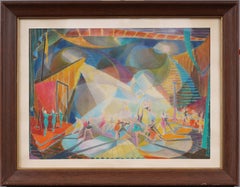
Francis ChapinA Colorful, Dynamic 1930s Modern Boxing Scene by Chicago Artist, Francis Chapinca. 1935
ca. 1935
$950
£720.96
€830.70
CA$1,342.20
A$1,438.14
CHF 771.46
MX$17,035.02
NOK 9,731.58
SEK 8,902.89
DKK 6,205.41
About the Item
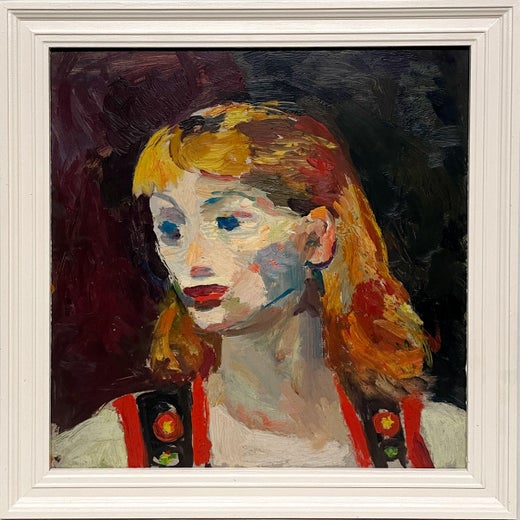
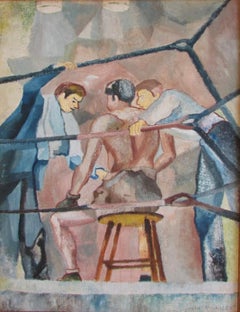
A Colorful, Dynamic 1930s Modern Boxing Scene by Notable Chicago Artist, Francis Chapin. Artwork size: 2 3/4 x 4 inches, oil on Masonite on original mount, framed in striking period, Mid-Century frame (Framed size: 11 x 12 13/4" inches). Estate stamped on reverse; Provenance: Estate of the artist.
Francis Chapin, affectionately called the “Dean of Chicago Painters” by his colleagues, was one of the city’s most popular and celebrated painters in his day. Born at the dawn of the 20th Century in Bristolville, Ohio, Chapin graduated from Washington and Jefferson College near Pittsburgh, Pennsylvania before enrolling at the Art Institute of Chicago in 1922. He would set down deep roots at the Art Institute of Chicago, exhibiting there over 31 times between 1926 and 1951. In 1927 Chapin won the prestigious Bryan Lathrop Fellowship from the Art Institute – a prize that funded the artist’s yearlong study trip to Europe. Upon his return to the United States, Chapin decided to remain in Chicago, noting the freedom Chicago artists have in developing independently of the pressure to conform to pre-existing molds (as was experienced by artists in New York, for example). Chapin became a popular instructor at the Art Institute, teaching there from 1929 to 1947 and at the Art Institute’s summer art school in Saugatuck, Michigan (now called Oxbow) between 1934 – 1938 (he was the director of the school from 1941-1945). Chapin’s contemporaries among Chicago’s artists included such luminaries as Ivan Le Lorraine Albright, Edgar Miller, William S. Schwartz and Aaron Bohrod among others.
A prolific painter, Chapin produced numerous works while traveling in Mexico, France, Spain, Saugatuck and Martha’s Vineyard, where he frequently spent summers and taught at the Old Sculpin Gallery there. Chapin was best recognized for his dynamic and vibrant images of Chicago during the 1930s and 40s. Chapin was a resident of the Old Town neighborhood where he lived and kept his studio on Menomonee Street for many years. Described as a “colorful figure, nearly 6 feet 6 inches tall, and thin, and usually wearing tweeds”, it is easy to imagine Chapin at work observing the busy street life of the city.
In addition to his many exhibitions at the Art Institute of Chicago, Chapin’s work was shown during his lifetime at such institutions as the Pennsylvania Academy of Fine Arts, Philadelphia; the Corcoran Gallery, Washington, D.C.; the National Academy of Design, New York; the Museum of Modern Art, New York; the Whitney Museum of American Art, New York and the Carnegie Institute, Pittsburgh, among others. Francis Chapin’s paintings are represented in the collections the Art Institute of Chicago; the Friedman Collection, Chicago; the Butler Institute of American Art, Youngstown; the Denver Art Museum; the Everson Museum of Art, Syracuse; the Norton Museum of Art, West Palm Beach; the Telfair Museum of Art, Savannah and the Brooklyn Museum of Art, among others.
- Creator:Francis Chapin (1899-1965, American)
- Creation Year:ca. 1935
- Dimensions:Height: 11 in (27.94 cm)Width: 12.75 in (32.39 cm)Depth: 1.25 in (3.18 cm)
- Medium:
- Movement Style:
- Period:
- Condition:Very good, original estate condition. See photos.
- Gallery Location:Chicago, IL
- Reference Number:Seller: #105661stDibs: LU2591216962352
Francis Chapin
Francis Chapin, affectionately called the “Dean of Chicago Painters” by his colleagues, was one of the city’s most popular and celebrated painters in his day. Born at the dawn of the 20th Century in Bristolville, Ohio, Chapin graduated from Washington
Jefferson College near Pittsburgh, Pennsylvania before enrolling at the Art Institute of Chicago in 1922. He would set down deep roots at the Art Institute of Chicago, exhibiting there over 31 times between 1926 and 1951. In 1927 Chapin won the prestigious Bryan Lathrop Fellowship from the Art Institute – a prize that funded the artist’s yearlong study trip to Europe. Upon his return to the United States, Chapin decided to remain in Chicago, noting the freedom Chicago artists have in developing independently of the pressure to conform to pre-existing molds (as was experienced by artists in New York, for example). Chapin became a popular instructor at the Art Institute, teaching there from 1929 to 1947 and at the Art Institute’s summer art school in Saugatuck, Michigan (now called Oxbow) between 1934 – 1938 (he was the director of the school from 1941-1945). A prolific painter, Chapin produced numerous works while traveling in Mexico, France, Spain, Saugatuck and Martha’s Vineyard, where he frequently spent summers and taught at the Old Sculpin Gallery there. Chapin was best recognized for his dynamic and vibrant images of Chicago during the 1930s and 40s. Chapin was a resident of the Old Town neighborhood where he lived and kept his studio on Menomonee Street for many years. Described as a “colorful figure, nearly 6 feet 6 inches tall, and thin, and usually wearing tweeds”, it is easy to imagine Chapin at work observing the busy street life of the city. In addition to his many exhibitions at the Art Institute of Chicago, Chapin’s work was shown during his lifetime at such institutions as the Pennsylvania Academy of Fine Arts, Philadelphia; the Corcoran Gallery, Washington, D.C.; the National Academy of Design, New York; the Museum of Modern Art, New York; the Whitney Museum of American Art, New York and the Carnegie Institute, Pittsburgh, among others. Francis Chapin’s paintings are represented in the collections the Art Institute of Chicago; the Friedman Collection, Chicago; the Butler Institute of American Art, Youngstown; the Denver Art Museum; the Everson Museum of Art, Syracuse; the Norton Museum of Art, West Palm Beach; the Telfair Museum of Art, Savannah and the Brooklyn Museum of Art, among others.
About the Seller
5.0
Recognized Seller
These prestigious sellers are industry leaders and represent the highest echelon for item quality and design.
Established in 2000
1stDibs seller since 2023
133 sales on 1stDibs
Typical response time: 1 hour
- ShippingRetrieving quote...Shipping from: Chicago, IL
- Return Policy
More From This Seller
View AllA Fine 1930
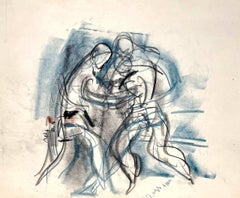
s, Depiction of a Boxing Match by Chicago Artist, Francis Chapin
By Francis Chapin
Located in Chicago, IL
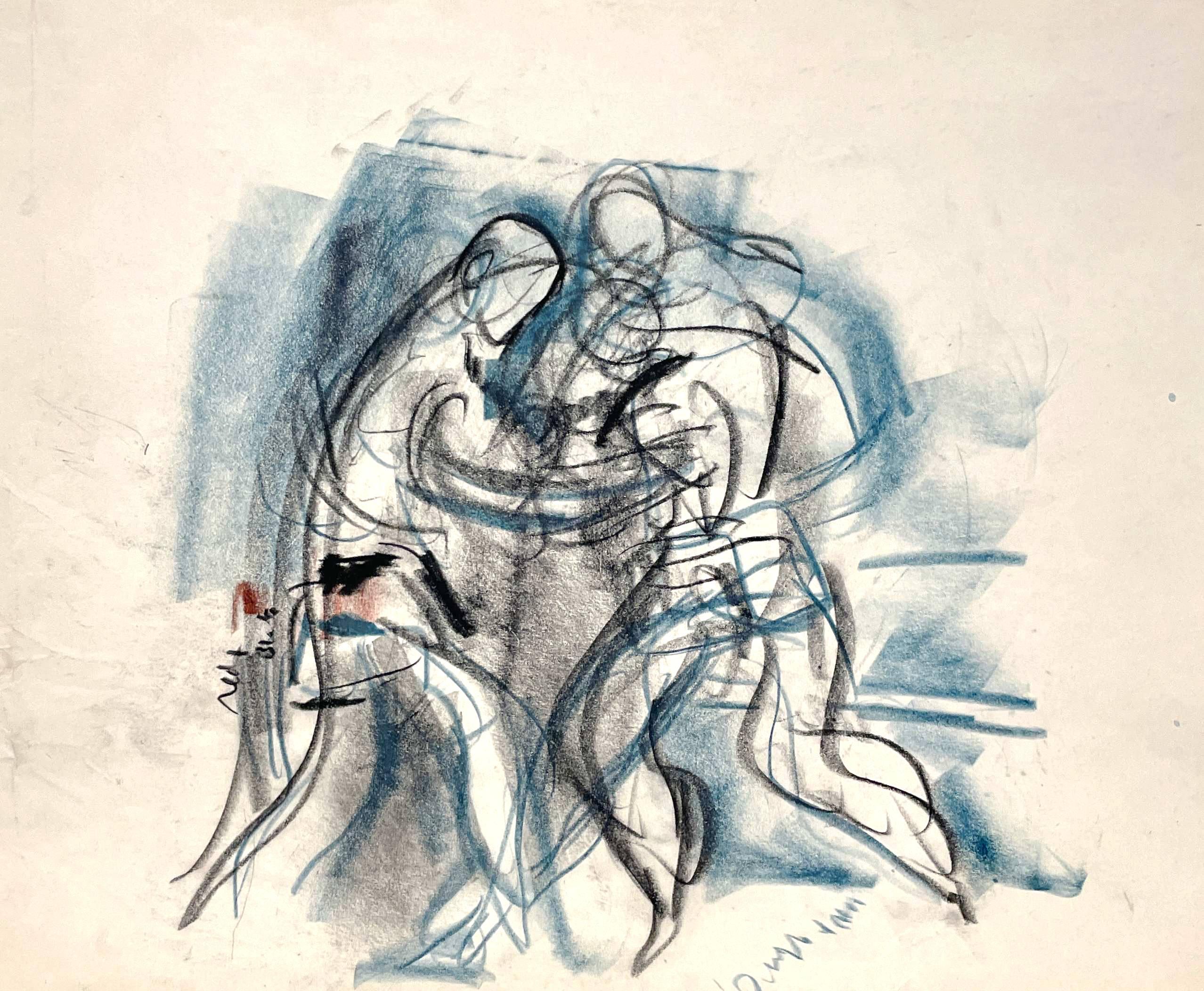
A Fine 1930's, Depiction of a Boxing Match by Notable Chicago Modern Artist, Francis Chapin. This dynamic drawing captures overlapping human forms rendered in expressive, gestural li...
Category
1930s American Modern Figurative Drawings and Watercolors
Materials
Paper, Charcoal, Pastel
A Dynamic 1930s Boxing Match Painting by Famed Chicago Artist, Francis Chapin
By Francis Chapin
Located in Chicago, IL
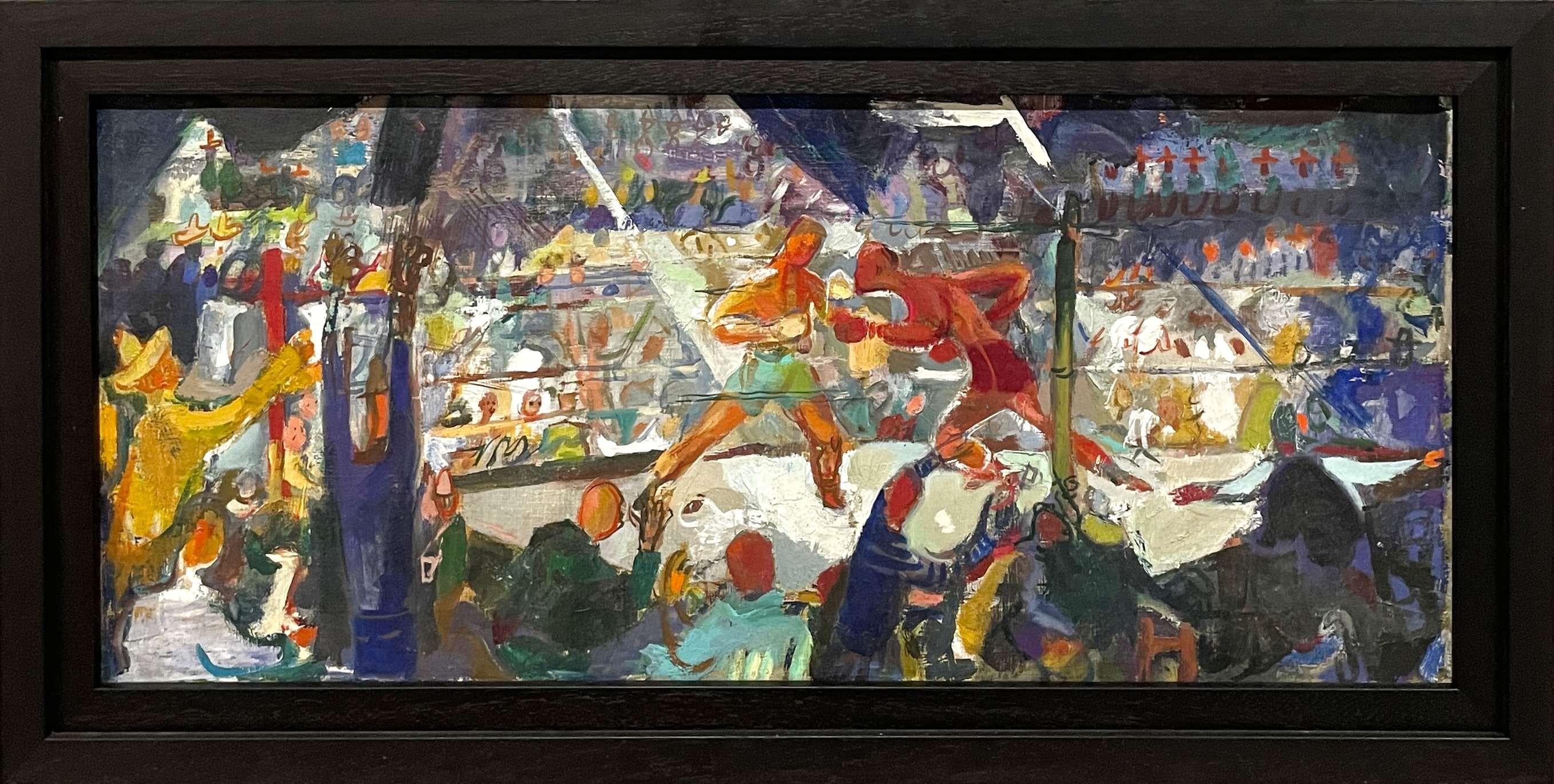
A dynamic, colorful 1930s painting of a boxing match in Mexico by famed Chicago Modern artist Francis Chapin. Painted during one of the artist's early trips to Mexico, an exceptional painting showing Chapin's steadfast interest in sporting scenes, particularly boxing matches. Image size: 12 x 28 inches. Framed size: 15 1/2 x 31 1/2 inches. Estate stamped on reverse. Provenance: Estate of the artist.
Francis Chapin, affectionately called the “Dean of Chicago Painters” by his colleagues, was one of the city’s most popular and celebrated painters in his day. Born at the dawn of the 20th Century in Bristolville, Ohio, Chapin graduated from Washington and Jefferson College near Pittsburgh, Pennsylvania before enrolling at the Art Institute of Chicago in 1922. He would set down deep roots at the Art Institute of Chicago, exhibiting there over 31 times between 1926 and 1951. In 1927 Chapin won the prestigious Bryan Lathrop Fellowship from the Art Institute – a prize that funded the artist’s yearlong study trip to Europe. Upon his return to the United States, Chapin decided to remain in Chicago, noting the freedom Chicago artists have in developing independently of the pressure to conform to pre-existing molds (as was experienced by artists in New York, for example). Chapin became a popular instructor at the Art Institute, teaching there from 1929 to 1947 and at the Art Institute’s summer art school in Saugatuck, Michigan (now called Oxbow) between 1934 – 1938 (he was the director of the school from 1941-1945). Chapin’s contemporaries among Chicago’s artists included such luminaries as Ivan Le Lorraine Albright...
Category
1930s American Modern Figurative Paintings
Materials
Canvas, Oil

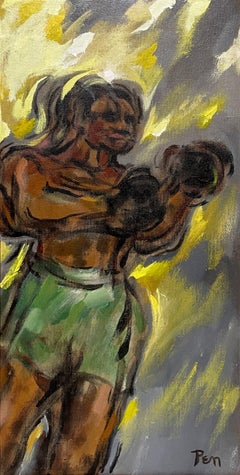
A Wonderful Mid-Century Boxing Scene of a Standing Prize Fighter by Rudolph Pen
Located in Chicago, IL
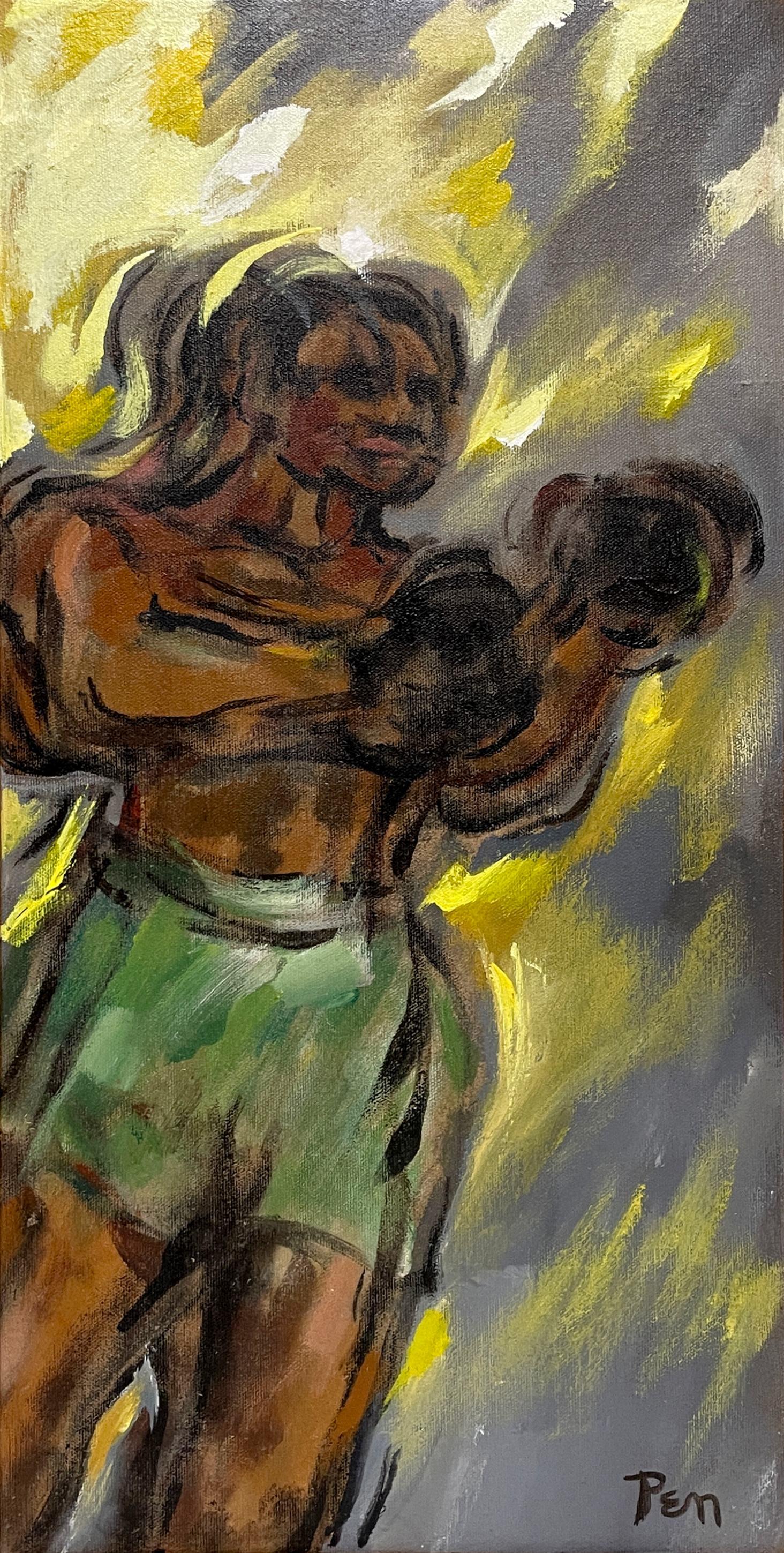
A Wonderful Mid-Century Boxing Scene of a Standing Prize Fighter by Noted Chicago Artist, Rudolph T. Pen. This energetic sporting scene, painted in the 1960s, exemplifies the abstra...
Category
Mid-20th Century American Modern Figurative Paintings
Materials
Canvas, Oil
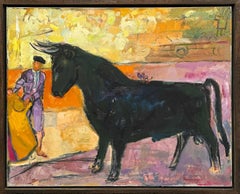
A Vibrant, 1950s Mid-Century Modern Painting of a Bull Fight by Francis Chapin
By Francis Chapin
Located in Chicago, IL
A vibrant, colorful, 1950s Mid-Century Modern painting of a bull fight by notable Chicago artist, Francis Chapin. Oil on canvas, presented in a period, dark walnut brown stained flo...
Category
1950s American Modern Figurative Paintings
Materials
Canvas, Oil
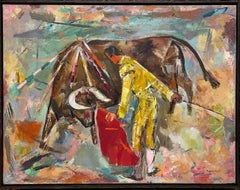
A Colorful 1950s Mid-Century Modern Painting of a Bull Fight by Francis Chapin
By Francis Chapin
Located in Chicago, IL
A colorful, 1950s Mid-Century Modern painting of a bull fight by notable Chicago artist, Francis Chapin. Oil on canvas, in a dark walnut brown stained frame. Painted most likely in...
Category
1950s American Modern Figurative Paintings
Materials
Canvas, Oil
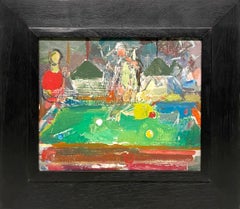
A Colorful, 1950s Mid-Century Modern Pool Hall Scene by Francis Chapin
By Francis Chapin
Located in Chicago, IL
A Vibrant, Colorful, 1950s Mid-Century Modern Pool Hall Scene by Notable Chicago Artist, Francis Chapin. Artwork size: 6 3/4" x 8 1/2", Oil on Masonite, Framed size: 11" x 12 1/2"....
Category
Mid-20th Century American Modern Abstract Paintings
Materials
Masonite, Oil
You May Also Like
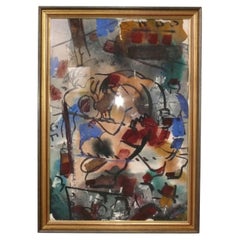
Abstract Boxing Painting circa 1950s Original Mid Century Modern Art 19" x 13.5"
Located in Atlanta, GA
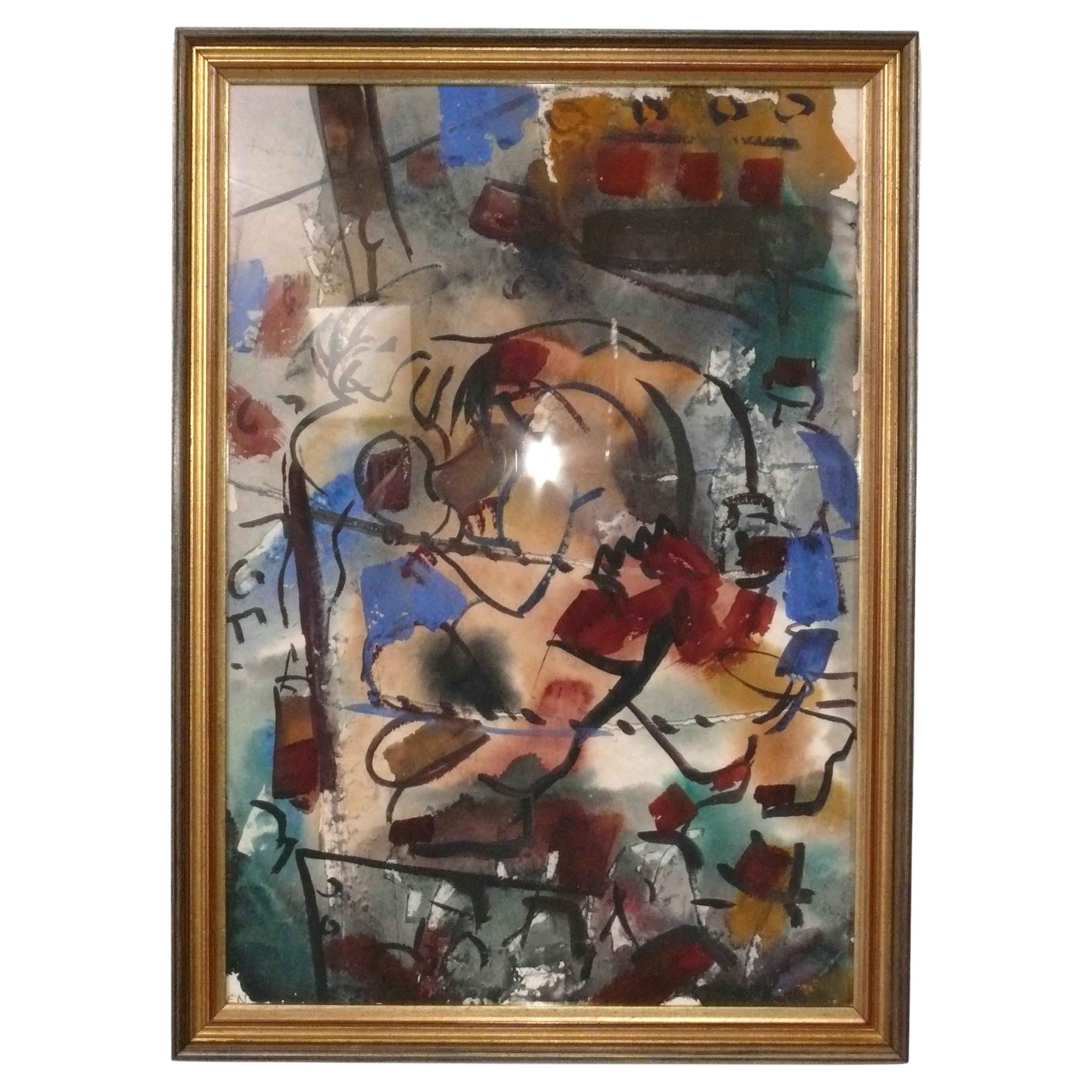
Original Abstract Painting of Two Boxers, artist unknown, initialed E.N., probably American, circa 1950s. It is believed to be executed in gouache on paper and is nicely framed in a ...
Category
Vintage 1950s American Mid-Century Modern Paintings
Materials
Glass, Wood, Paper
Fighter Boxing Woodstock American Scene WPA Era Mid 20th Century Social Realism
Located in New York, NY
Fighter Boxing Woodstock American Scene WPA Era Mid 20th Century Social
John Ruggles (1907-1991)
Sight: 17 1/2 x 13 1/3 inches.
Framed: 22 x 18 inches...
Category
1930s American Realist Figurative Drawings and Watercolors
Materials
Oil, Board
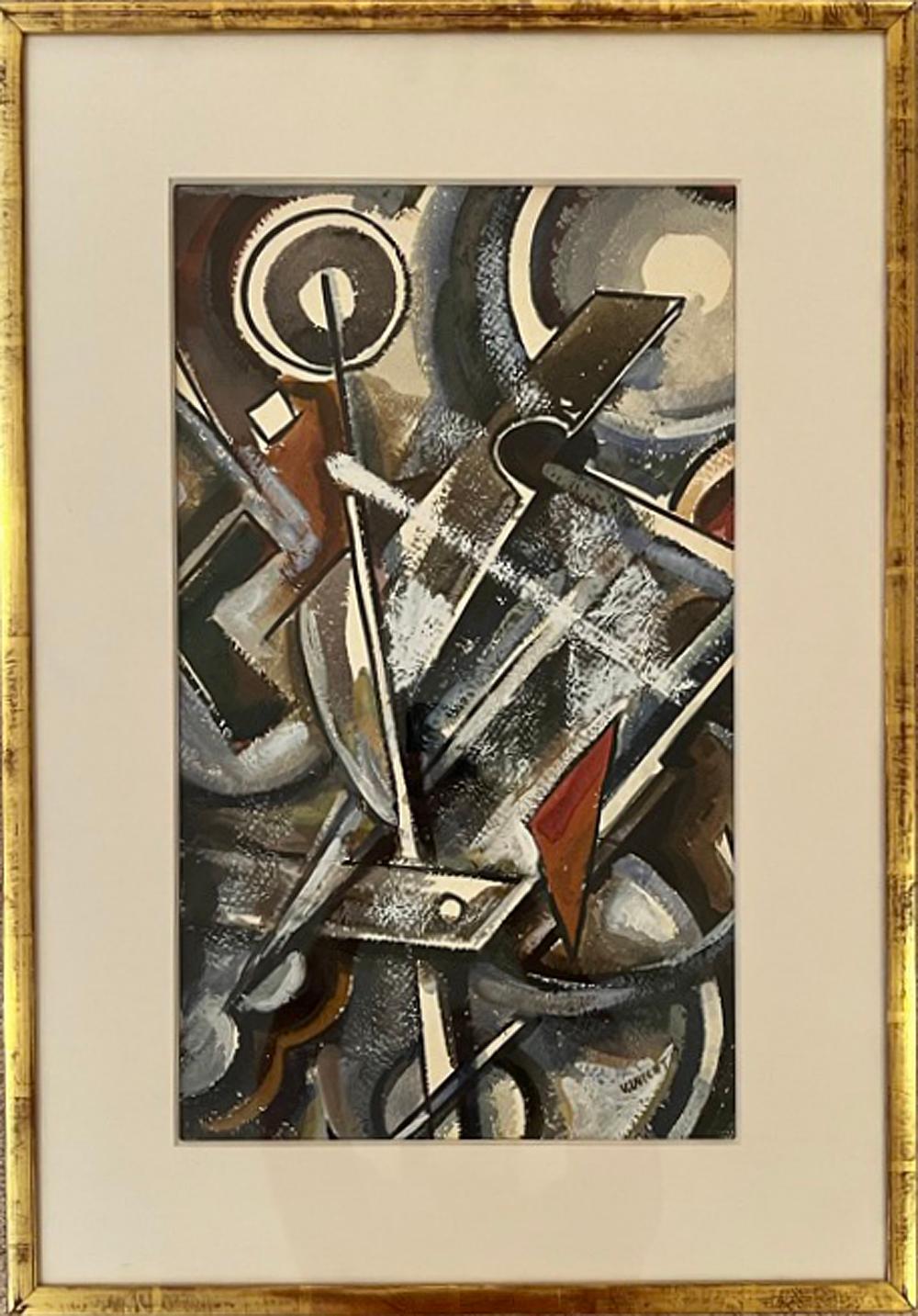
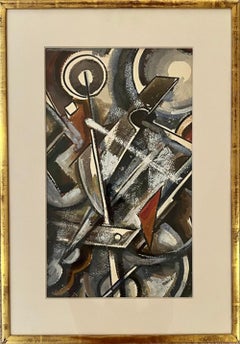
Conflict, 1941 gouache by John Von Wicht
By John von Wicht
Located in Hudson, NY
Conflict (1941)
Gouache on paper
20" x 12"
27 ½" x 19 ¼" x 1 ½" framed
Signed "V. Wicht" lower right.
An important work from the artist's "Force" series, which were executed in hom...
Category
1940s Abstract Abstract Drawings and Watercolors
Materials
Paper, Gouache
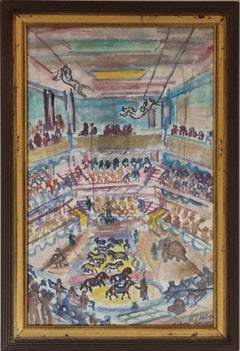
20th Century Impressionist Painting by Emil John Hess Circa 1940
Located in Hoddesdon, GB
Emil John HESS 1913-2003
This vibrant watercolor on canvas by acclaimed American artist Emil John Hess immerses viewers in the lively atmosphere of a bustling circus scene. Painted...
Category
1940s Impressionist Abstract Paintings
Materials
Canvas, Watercolor
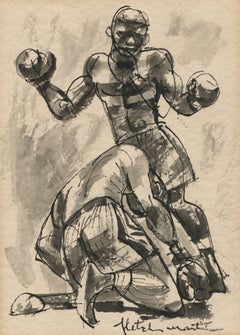
Untitled (Joe Louis knocking out Max Schmeling in 1938 rematch)
By Fletcher Martin
Located in Fairlawn, OH
Untitled
(Joe Louis knocking out Max Schmeling in 1938 rematch)
Pen and ink with wash on heavy wove sketchbook paper, 1938
Signed lower right: Fletcher Martin
Directly related to Martin's famous painting of 1942 entitled "Lullaby", which was also used in the lithograph of the same name. (see photo)
The drawing depicts the third and final knockdown of Max Schmeling in their rematch of 1938.
Condition: Mat staining at the edges of the sketchbook page edges
Toning to verso from previous framing.
Does not affect framed presentation
"It was here that Louis first used sport to bridge America's cavernous racial divide. With Hitler on the march in Europe and using Schmeling's victory over Louis as proof of “Aryan supremacy,” anti-Nazi sentiment ran high in the States. Louis had long grown accustomed to the pressures of representing his race but here the burdens were broader and deeper. Now he was shouldering the hopes of an entire nation.
A few weeks before the match Louis visited the White House and U.S. President Franklin Delano Roosevelt, whose tenure lasted even longer than Louis' would, told him, “Joe, we need muscles like yours to beat Germany.”
Those muscles certainly beat Schmeling on fight night...
Category
1930s American Realist Figurative Drawings and Watercolors
Materials
Ink
Antique American Modernist Cubist Ballet Dancers Framed Original Painting
Located in Buffalo, NY
Very finely executed modernist ballet scene. Pastel and gouache on paper. Handsomely framed. Image size, 12H by 16L.
Category
1940s Cubist Abstract Paintings
Materials
Canvas, Oil
$620 Sale Price
20% Off