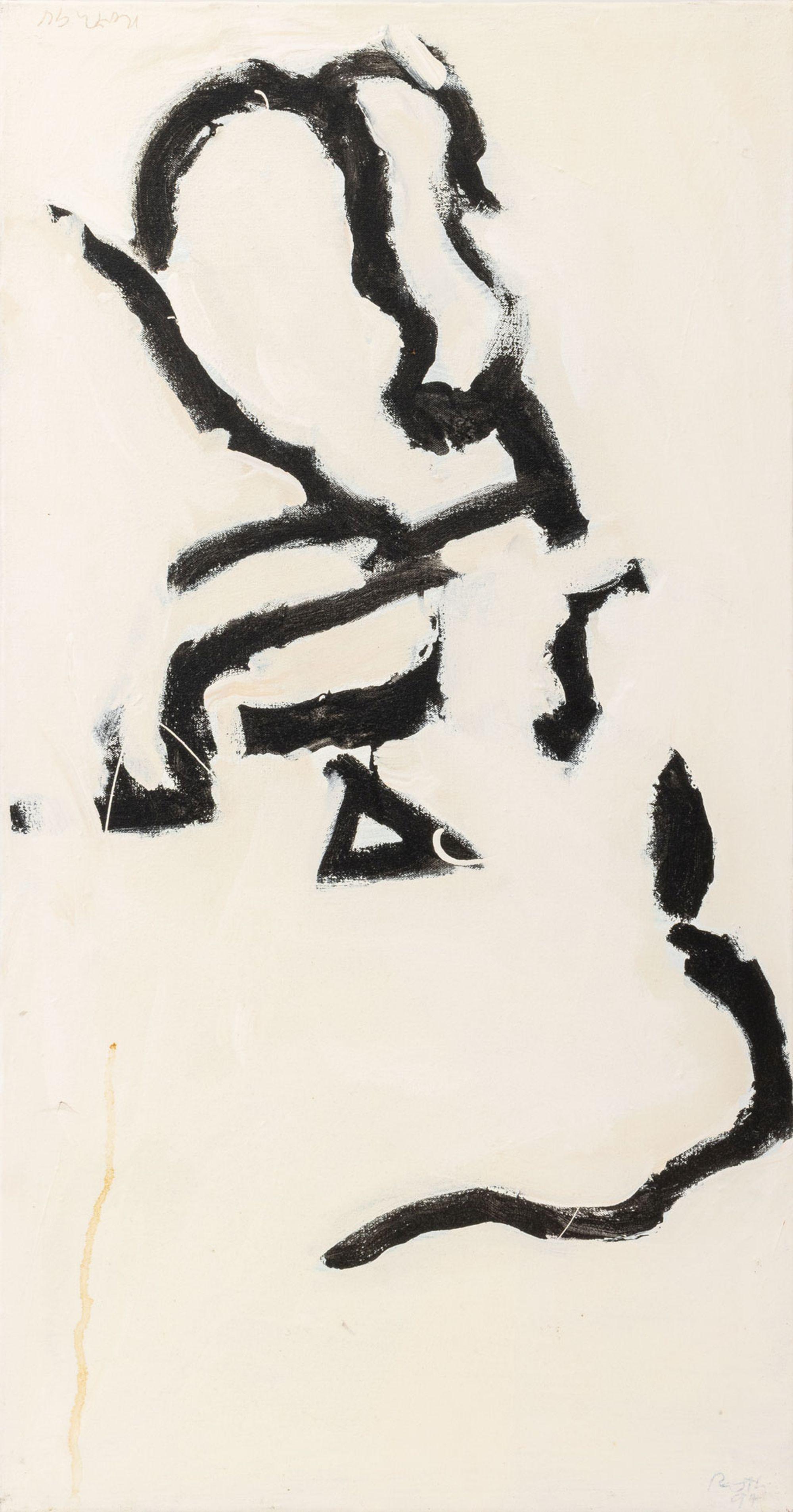
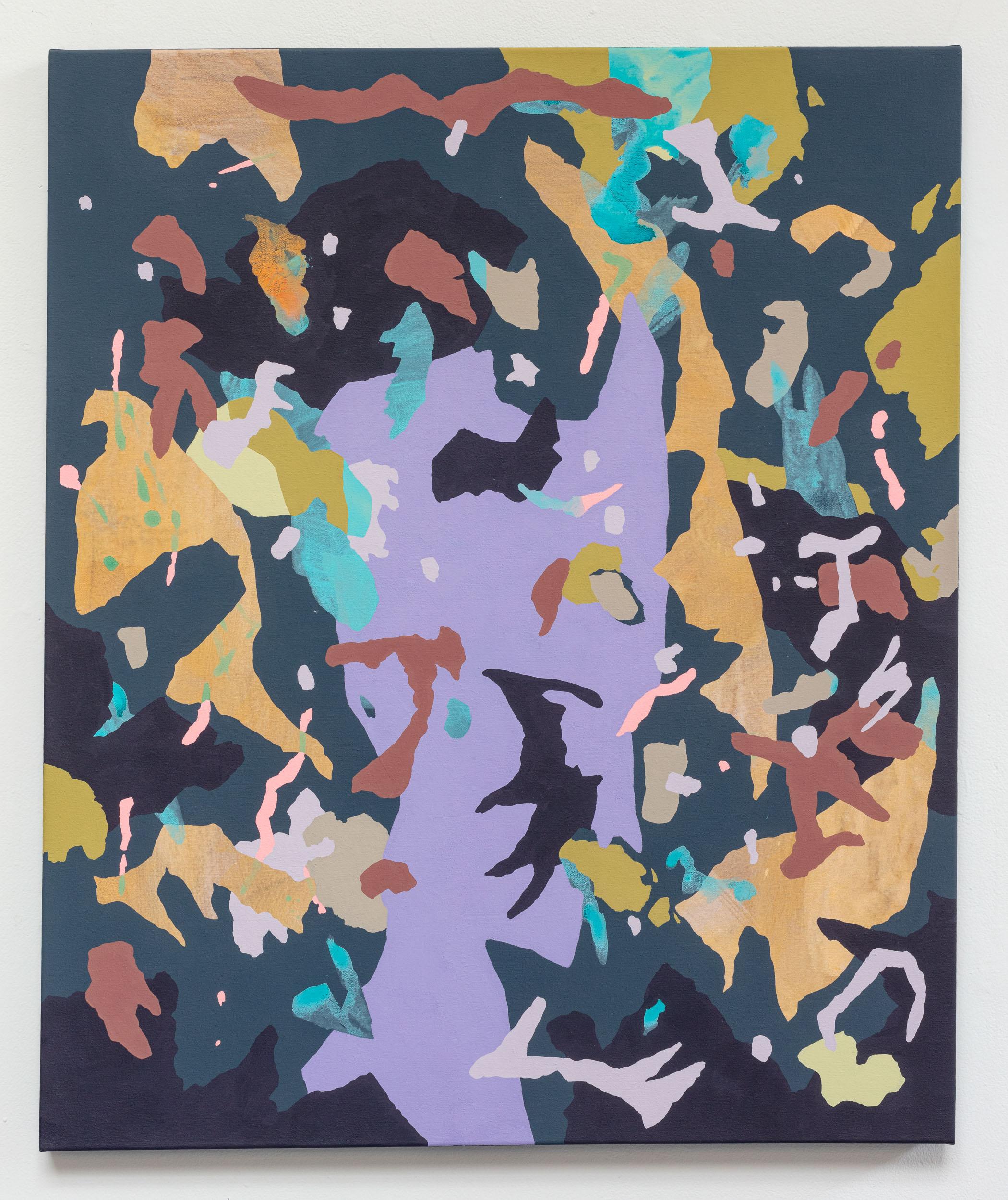
Want more images or videos?
Request additional images or videos from the seller
1 of 6
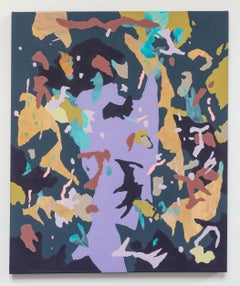
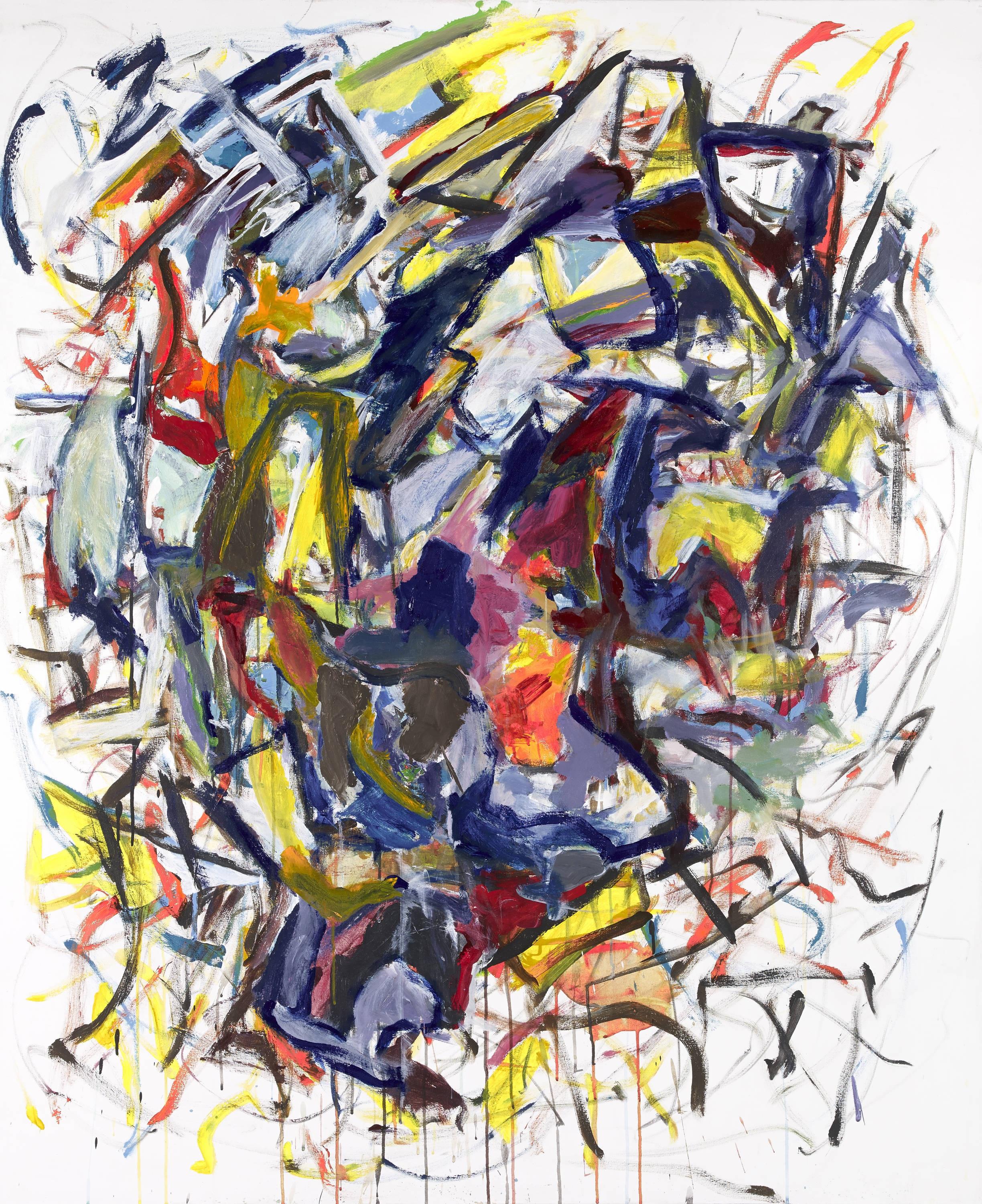
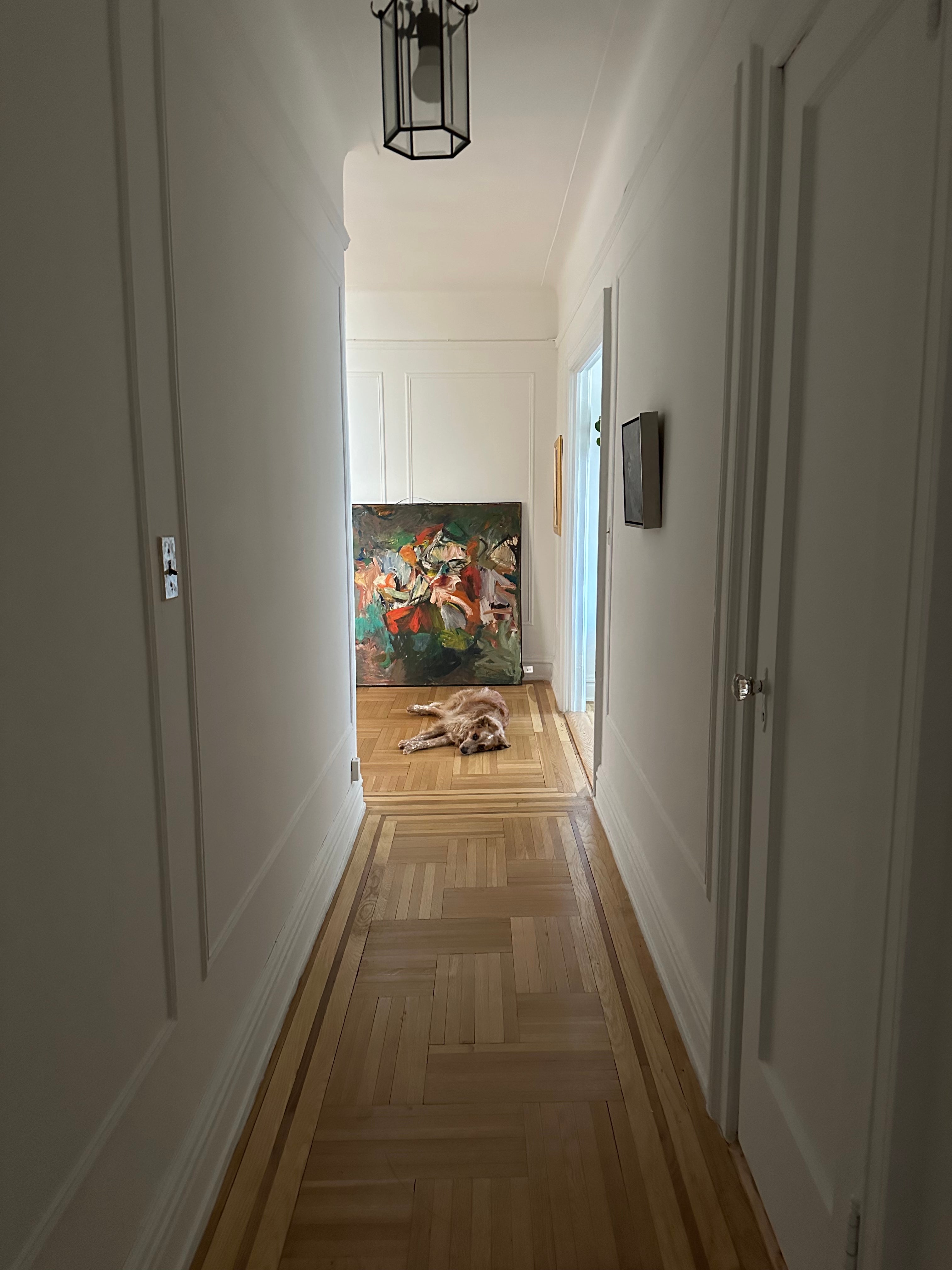
Nancy GravesFracture V1982
1982
$35,000
£26,566.80
€30,465.45
CA$49,402.30
A$53,028.74
CHF 28,235.09
MX$628,066.03
NOK 356,814.40
SEK 325,871.06
DKK 227,590.75
About the Item
This vibrant painting exemplifies Nancy Graves' innovative early-1980s abstract style, characterized by dynamic layering, energetic forms, and vivid Fauvist-inspired colors. Graves masterfully integrates abstract and scientific imagery, reflecting her enduring fascination with nature, maps, and microscopic patterns. The canvas features bold blocks of color, intricate squiggles, rhythmic dashes, and dense patterns that interplay to create depth and visual excitement.
In 1969, at the age of 29, Graves became the youngest artist to be featured in a solo exhibition at the Whitney Museum of American Art, where she debuted her renowned wax, polyurethane, and fur Camels installation. She is a significant figure in post-war American art, renowned for her multidisciplinary approach and pioneering role as a celebrated female artist. Works from this period are critically acclaimed and held in major museum collections worldwide.
Condition: Very Good. Colors remain bright, and the canvas is well-maintained.
- Creator:Nancy Graves (1940-1995, American)
- Creation Year:1982
- Dimensions:Height: 36.5 in (92.71 cm)Width: 20.5 in (52.07 cm)Depth: 2.5 in (6.35 cm)
- Medium:
- Movement Style:
- Period:
- Condition:
- Gallery Location:Brooklyn, NY
- Reference Number:1stDibs: LU2874216367962
Nancy Graves
A sculptor of animals and American Indian shamanistic objects, filmmaker, and painter, Nancy Graves had a highly successful and varied career, primarily in New York City. In her abstract work, she united her interest in anthropology, totemic objects, cartography, and biomorphic shapes. She was born in Pittsfield, Massachusetts, and became a graduate of Vassar College in 1961 and then Yale University's School of Art and Architecture. Graves won a Fulbright-Hayes Fellowship for painting, allowing her to spend a year in Paris in 1964-65. In the next few years, she traveled in North Africa and the Near East and lived and worked in Florence, Italy where she did her first signature work, which was sculptures of life-size Bactrian camels.
In 1966, she moved to New York City and further experimented with ways to produced these sculptures by building wood and steel armatures, covering them with skins of animal embryos, stuffing the skins with polyurethane to form humps, and tinting the skins with oil paints.
In 1968, she had her first New York one-woman show at the Graham Gallery followed by her second one-woman show at the Whitney Museum in 1969. Both exhibitions featured her camels.
In 1972 at the Philadelphia Institute of Contemporary Art, she made sculpture suggestive of Indian objects such as bones, skins, and feathers and added also steel rods to this motif for other exhibitions.
As a filmmaker, she has had showings in film festivals in London, New York, and Boston. Source: Charlotte Rubinstein, "American Women Artists"
About the Seller
No Reviews Yet
Vetted Professional Seller
Every seller passes strict standards for authenticity and reliability
Established in 2023
1stDibs seller since 2025
- ShippingRetrieving quote...Shipping from: Brooklyn, NY
- Return Policy
More From This Seller
View AllUntitled
By John Havens Thornton
Located in Brooklyn, NY
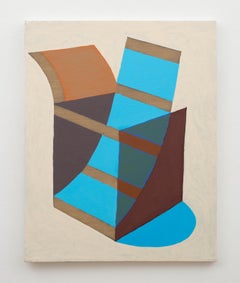
John Havens Thornton, Untitled, 2008 — oil on canvas
A lively, folded structure rises from a pale field, its planes switching between electric turquoise, umber, rust, and slate as c...
Category
Early 2000s Surrealist Interior Paintings
Materials
Canvas, Oil
Untitled
By John Havens Thornton
Located in Brooklyn, NY
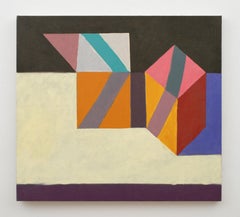
John Havens Thornton, Untitled, 1990 — oil on canvas
A pair of crystalline forms share a stage of cream and midnight, their planes banded with teal, rose, violet, amber, and oxblood...
Category
1990s Surrealist Interior Paintings
Materials
Canvas, Oil
Untitled
By John Havens Thornton
Located in Brooklyn, NY
John Havens Thornton, Untitled, 2008 — oil on canvas
A lively folded structure rises from a pale field, its interlocking planes switching between electric turquoise, rust, umber, an...
Category
Early 2000s Abstract Geometric Interior Paintings
Materials
Canvas, Oil
Abstract Still Life
By John Havens Thornton
Located in Brooklyn, NY
John Havens Thornton, Untitled (1989) — oil on canvas
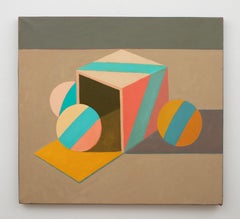
This 1989 painting by John Havens Thornton is a geometric, quietly surreal still life: an open box casts a long shadow as three...
Category
1980s Surrealist Abstract Paintings
Materials
Canvas, Oil
Untitled (Forms)
By John Havens Thornton
Located in Brooklyn, NY
John Havens Thornton, Untitled (Forms) c. 1980s — oil on canvas
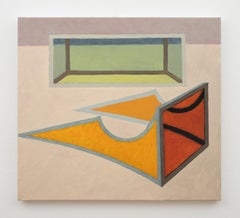
A stage-like space unfolds across a pale ground: a window-box at the top recedes in cool greens while, below, a hinge...
Category
1980s Surrealist Still-life Paintings
Materials
Canvas, Oil
Untitled (Objects)
By John Havens Thornton
Located in Brooklyn, NY
John Havens Thornton, Untitled (Objects), 1977 — oil on canvas
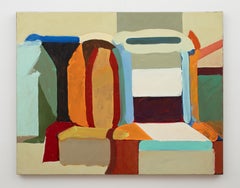
A rhythmic arrangement of simplified vessels and furniture‐like forms builds across the canvas in interlocking bands o...
Category
1970s Abstract Still-life Paintings
Materials
Canvas, Oil
You May Also Like
Crackalackin
By Greg Angus
Located in Toronto, ON
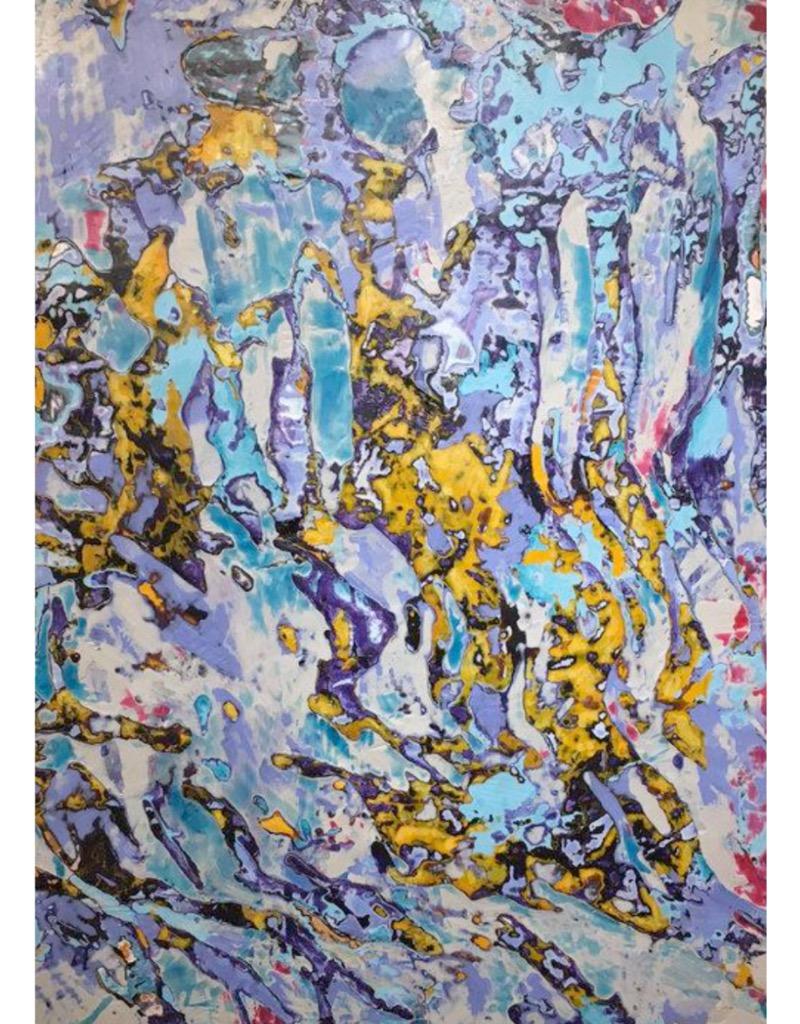
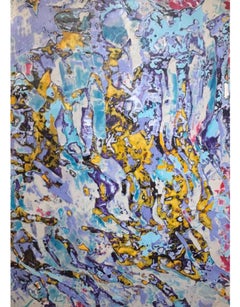
Original Encaustic Oil on Panel
Hand Signed by Greg Angus
Category
21st Century and Contemporary Abstract Paintings
Materials
Encaustic, Oil, Board
$8,950
Untitled
By Roland Ayers
Located in Wilton Manors, FL
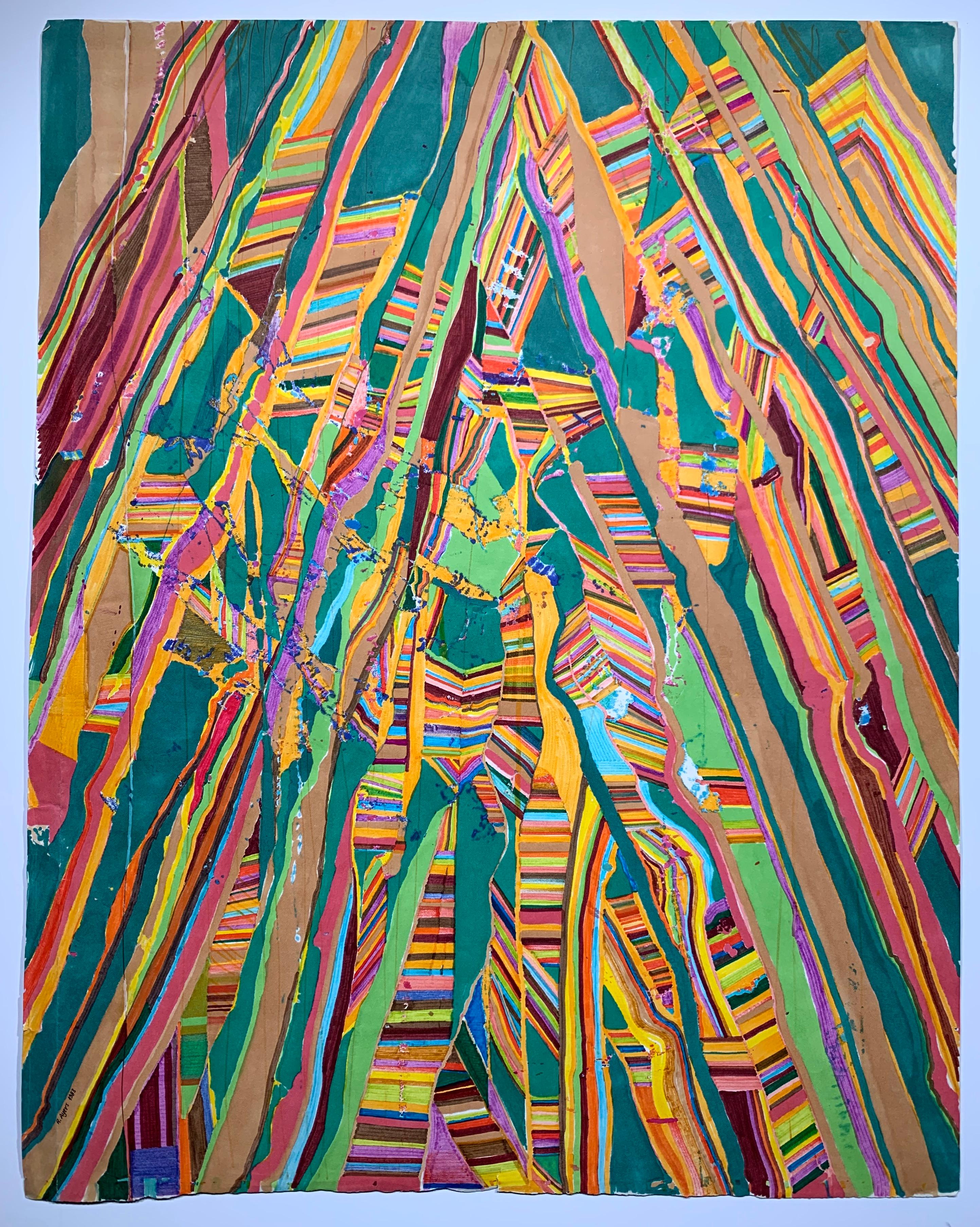
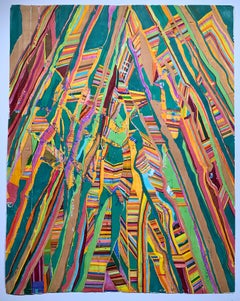
Roland Ayers (1932-2017). Untitled, 1983. Ink on paper, measures 17 x 23 inches. Unframed and unmounted. Signed and dated lower left. Ayers holds the distinction of having participated in the first important survey of African-Americans, Contemporary Black Artists in America, a 1971 show at The Whitney.
Biography:
Artist and art educator, Roland Ayers was born on July 2, 1932, the only child of Alice and Lorenzo Ayers, and grew up in the Germantown district of Philadelphia. Ayers served in the US Army (stationed in Germany) before studying at the Philadelphia College of Art (currently University of the Arts). He graduated with a BFA in Art Education, 1954. He traveled Europe 1966-67, spending time in Amsterdam and Greece in particular. During this period, he drifted away from painting to focus on linear figurative drawings of a surreal nature. His return home inaugurated the artist’s most prolific and inspired period (1968-1975). Shorty before his second major trip abroad in 1971-72 to West Africa, Ayers began to focus on African themes, and African American figures populated his work almost exclusively.
In spite of Ayers’ travel and exploration of the world, he gravitated back to his beloved Germantown, a place he endowed with mythological qualities in his work and literature. His auto-biographical writing focuses on the importance of place during his childhood. Ayers’ journals meticulously document the ethnic and cultural make-up of Germantown, and tell a compelling story of class marginalization that brought together poor families despite racial differences. The distinctive look and design of Germantown inform Ayers’ visual vocabulary. It is a setting with distinctive Gothic Revival architecture and haunting natural beauty. These characteristics are translated and recur in the artist’s imagery.
During his childhood, one of the only books in the Ayers household was an illustrated Bible. The images within had a profound effect on the themes and subjects that would appear in his adult work. Figures in an Ayers’ drawing often seem trapped in a narrative of loss and redemption. Powerful women loom large in the drawings: they suggest the female role models his journals record in early life. The drawings can sometimes convey a strong sense of conflict, and at other times, harmony. Nature and architecture seem to have an antagonistic relationship that is, ironically, symbiotic.
A critical turning point in the artist’s career came in 1971 when he was included in the extremely controversial Whitney Museum show, Contemporary Black Artists in America. The exhibition gave Ayers an international audience and served as a calling card for introductions he would soon make in Europe.
Ayers is a particularly compelling figure in a period when black artists struggled with the idea of authenticity. A questioned often asked was “Is your work too black, or not black enough?” Abstractionists were considered by some peers to be sell-outs, frauds or worse. Figurative* work was accused of being either sentimental or politically radical depending on the critical source. Ayers made the choice early on to be a figurative artist, but considered his work devoid of political content.
Organizations such as Chicago’ s Afri-Cobra in the late 1960‘s asserted that the only true black art of any relevance must depict the black man and woman...
Category
1980s Abstract Abstract Paintings
Materials
Paper, Ink
$960 Sale Price
20% Off
Untitled
By Dennis Ashbaugh
Located in Fairlawn, OH
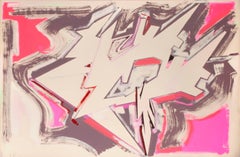
Untitled
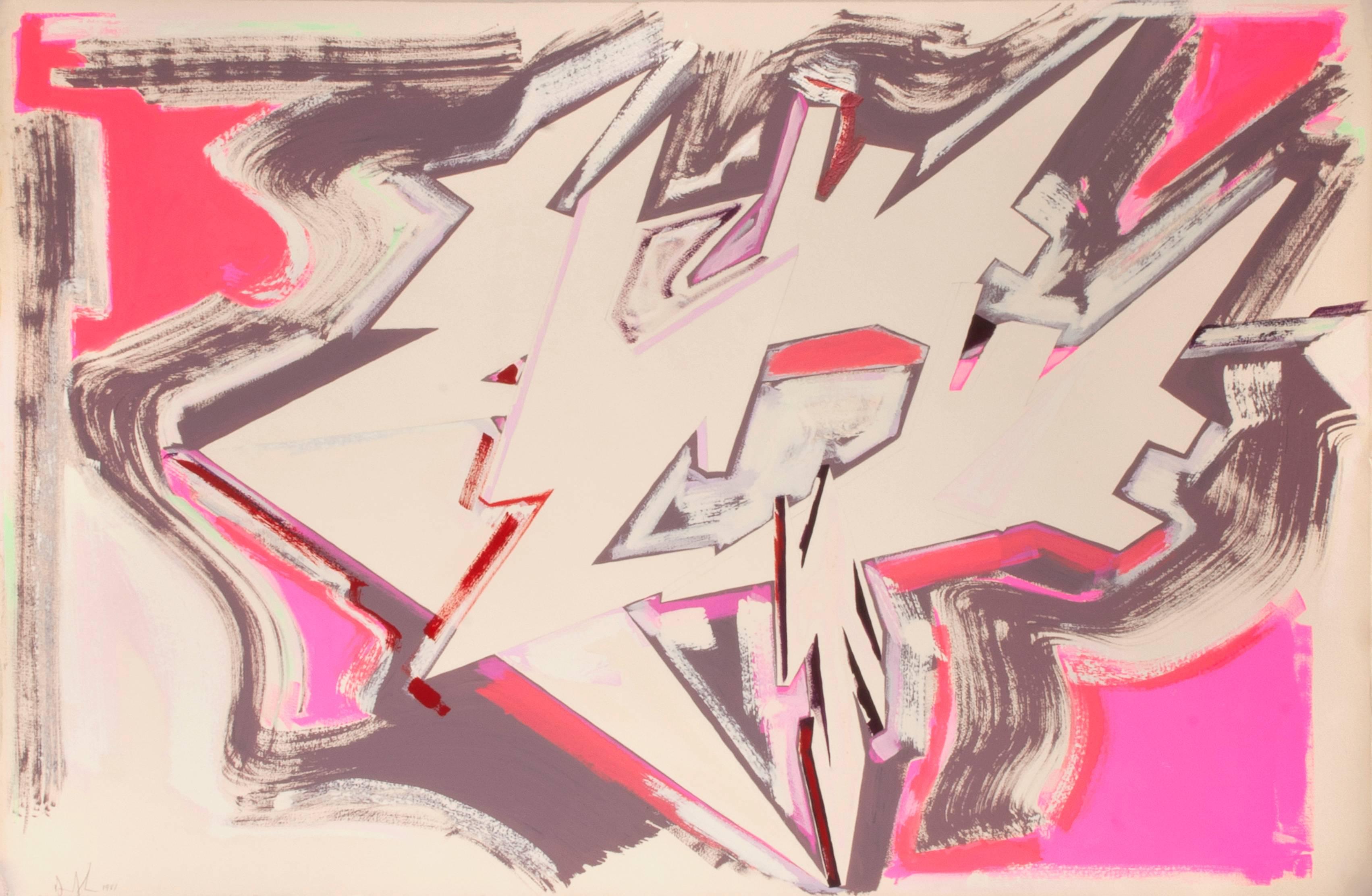
Mixed media on paper, 1981
Signed and dated 1981 lower left (see photo)
Provenance:
Knoedler Gallery, New York (label)
Charles Cowles Gallery, New York
The Collection of Jan...
Category
1980s Abstract Abstract Paintings
Materials
Mixed Media, Gouache
Untitled 11
By Dorothy Krakovsky
Located in Irvine, CA
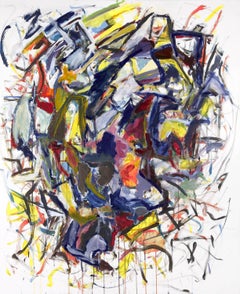
Dorothy Krakovsky’s paintings have been characterized by reviewers as reminiscent of Joan Mitchell, among other artists. The wild variation in her paintings defies labels- or a singl...
Category
2010s Abstract Abstract Paintings
Materials
Canvas, Acrylic
Untitled (Abstraction)
By Jack Roth
Located in Astoria, NY
Jack Roth (American, 1927-2004), Untitled, Acrylic on Canvas, 1994, signed and dated "Roth 94" upper left and lower right, marked "JR-3828" verso with "Jack Roth Estate" stamp, unfr...
Category
1990s Abstract Abstract Paintings
Materials
Canvas, Acrylic
To Disentangle
By Aaron Collier
Located in New Orleans, LA
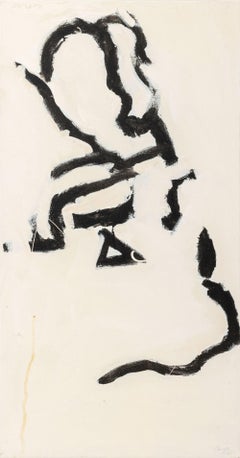
Aaron Collier’s abstract paintings are both suggestive and silent, exploring the possibility of paint to simultaneously reveal and conceal. Since 2017 he has been interested in paral...
Category
2010s Abstract Abstract Paintings
Materials
Canvas, Paint