Items Similar to Francesco Albani Circle Italian Mythological Painting
Want more images or videos?
Request additional images or videos from the seller
1 of 11
Francesco Albani Circle Italian Mythological Painting1650 ca.
1650 ca.
$19,142.95
£14,291.52
€16,000
CA$26,370.80
A$28,933.79
CHF 15,240.93
MX$344,197.95
NOK 195,234.49
SEK 178,275.75
DKK 121,926.11
About the Item
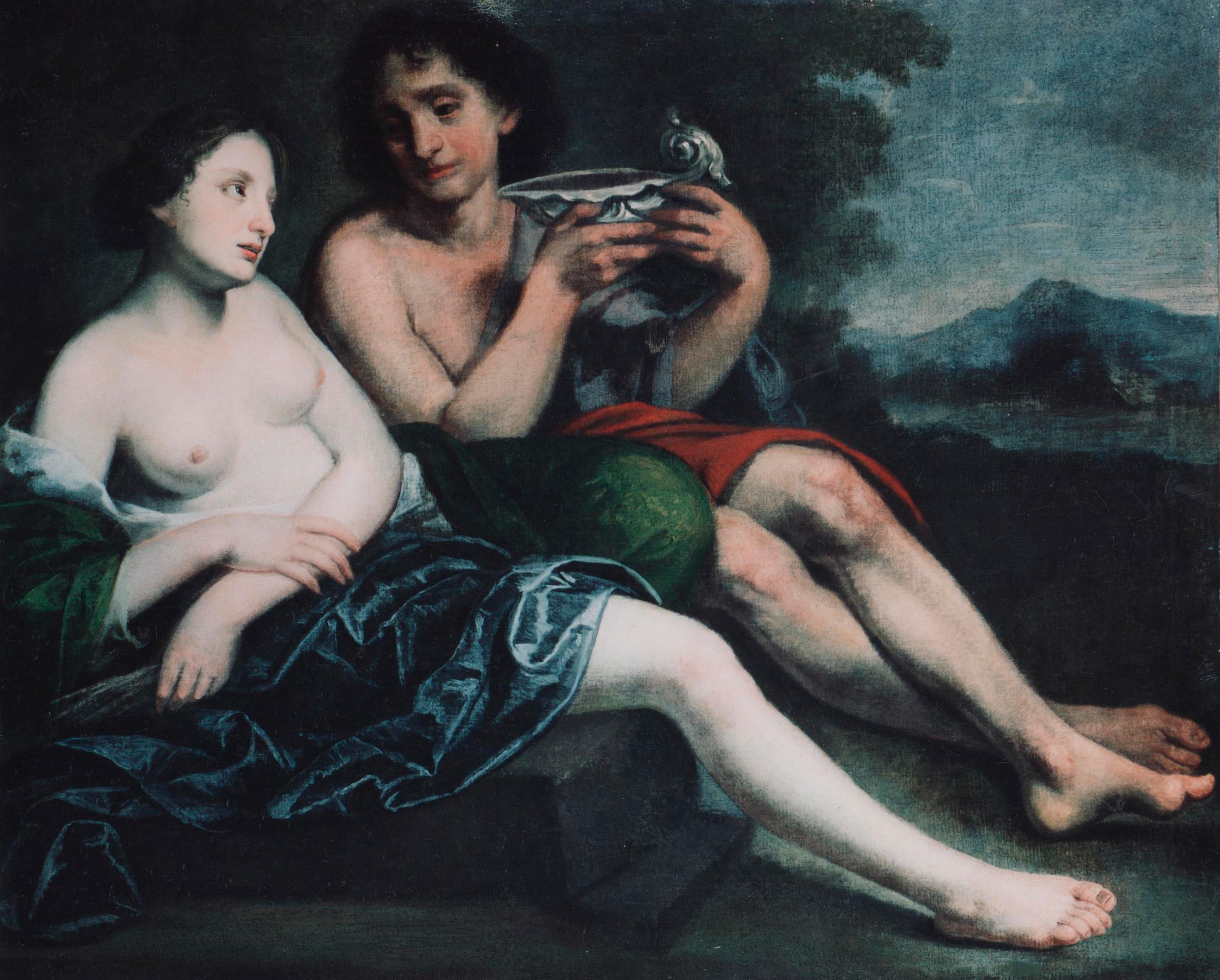
Francesco Albani Circle Italian Mythological Painting
This important oil painting on wood depicts a subject that is very rare in the iconography of ancient mythological paintings: the birth of Erittonio. Erichthonius who succeeded Amphictyon becoming the fourth mythological king of Athens and married the naiad Praxithea who made him the father of Pandion.
The extremely high quality of this very rare painting suggests that it was painted by an artist who frequented Francesco Albani's studio.
The period, the mythological subject, the harmony of the colours and, above all, the sublime quality of the flesh tones all point in this direction.
This artwork, never before on the market, comes from an important Italian private collection
Every item of our Gallery, upon request, is accompanied by a certificate of authenticity issued by Sabrina Egidi official Expert in Italian furniture for the Chamber of Commerce of Rome and for the Rome Civil Courts.
ERYTHTONIOS (᾿Ερυχϑόνιος, Erychthonios)
Born of Hephaestus' love for Athena, from the breast of Ghe, who was impregnated by the god; welcomed by Athena, who placed him in a basket together with one or two snakes, entrusting him to the care of Cecrops' three daughters.
Against the goddess's wishes, they opened the chest, from which emerged, according to different versions of the myth, either the child wrapped in snakes or a snake, which, in some versions, killed the girls, while in others, they threw themselves from the Acropolis in fear. Erittonio, in the form of a snake, is welcomed by Athena into her temple and curls up under the goddess's shield. Alongside this myth, of Ionian origin, are others due to the doubling of the figures of E. and Erechtheus
The scene of the birth appears in figurative tradition: in a Melian terracotta relief from the early 5th century, Ghe, half-emerging, holds out the baby Erittonio. to Athena, who welcomes him in the presence of Cecrops; the same scene appears on various painted vases, such as a red-figure kölix by the Painter of Kodros, from Tarquinia, in the Berlin Museums, dating from around 440 BC, where Hephaestus also appears alongside Cecrops.
A modest red-figure vase from Camiro, in the British Museum, depicts the moment when the fleeing Cecropids discover the cista, from which the infant Erittonio. emerges between two snakes, greeting Athena.
The moment when the chest was opened was depicted by Phidias on the xiii and xiv S metopes of the Parthenon, where Cecrops and Pandrosus appear in the first and Erisichthon and Aglaurus with the chest uncovered in the second.
A kölix in the style of the Brygos Painter in Frankfurt, on the other hand, depicts the large snake E. chasing the fleeing Cecropids towards their father's palace.
Luciano (De dom., 27) recalls a painting depicting the scene of the birth and the representation of the myth in pantomime on the theatre (De salt., 39).
Bibliography: Engelmann, in Roscher, cc. 1303-1308, s. v. Erichthonios; P. Jacobstahl, Die Melischen Reliefs, Berlin 1931, pp. 96-98, plate 75 a; W. Züchner, in Jahrbuch, LXV-LXVI, 1950-51, p. 200 ff., figs. 34-35; J. D. Beazley, Red-fig., p. 720; G. Becatti, Problemi fidiaci, Florence 1951, p. 22.
Questo
Francesco Albani (Bologna, August 17, 1578 – Bologna, October 4, 1660) was an Italian painter.
Albani was born in Bologna, Papal States, in 1578.
His father was a silk merchant who intended his son to go into his own trade. By the age of twelve, however, he had become an apprentice to the competent mannerist painter Denis Calvaert, in whose studio he met Guido Reni. He soon followed Reni to the so-called "Academy" run by Annibale, Agostino, and Ludovico Carracci.
This studio fostered the careers of many painters of the Bolognese school, including Domenichino, Massari, Viola, Lanfranco, Giovanni Francesco Grimaldi, Pietro Faccini, Remigio Cantagallina, and Guido Reni.
In 1600, Albani moved to Rome to work on the fresco decoration of the gallery of the Palazzo Farnese, which was being completed by the studio of Annibale Carracci.
At this time, Rome, under Clement VIII Aldobrandini (1592–1605) was exhibiting some degree of administrative stability and renewed artistic patronage.
While Pope Clement had been born into a Florentine family resident in Urbino, his family was allied by marriage to the Emilia-Romagna and the Farnese, since Ranuccio I Farnese, Duke of Parma had married Margherita Aldobrandini. Parma, like Bologna, being part of the Region of Emilia-Romagna, it was not surprising that Cardinal Odoardo Farnese, Ranuccio's brother, chose to patronise the Carraccis from Bologna, thereby establishing Bolognese dominance of Roman fresco painting for nearly two decades.
Albani became one of Annibale's most prominent apprentices. Using Annibale's designs and assisted by Lanfranco and Sisto Badalocchio, Albani completed frescoes for the San Diego Chapel in San Giacomo degli Spagnoli between 1602 and 1607.
In 1606–7, Albani completed the frescoes in the Palazzo Mattei di Giove in Rome. He later completed two other frescoes in the same palace, also on the theme of Life of Joseph.
In 1609, he completed the ceiling of a large hall with Fall of Phaeton and Council of the Gods for the Palazzo Giustiniani (now Palazzo Odescalchi) at Bassano (di Sutri) Romano.
This work was commissioned by Vincenzo Giustiniani, also famous as a patron of Caravaggio.
During 1612–14, Albani completed the Choir frescoes at the church of Santa Maria della Pace which had just been remodelled by Pietro da Cortona.
In 1616 he painted ceiling frescoes of Apollo and the Seasons at Palazzo Verospi in Via del Corso for the cardinal Fabrizio Verospi.
In his later years, Albani developed a mutual, though respectful, rivalry with the more successful Guido Reni, who was also heavily patronized by the Aldobrandini, and under whom Albani had worked at the chapel of the Palazzo del Quirinale.
Albani's best frescoes are those on mythological subjects.
Among the best of his sacred subjects are a St Sebastian and an Assumption of the Virgin, both in the church of San Sebastiano fuori le Mura in Rome.
He was among the Italian painters to devote himself to painting cabinet pictures.
His mythological subjects include The Sleeping Venus, Diana in the Bath, Danaë Reclining, Galatea on the Sea, and Europa on the Bull.
A rare etching, the Death of Dido, is attributed to him. Carlo Cignani, Andrea Sacchi, Francesco Mola, and Giovanni Francesco Grimaldi were among his students.
Following the death of his wife he returned to Bologna, where he married a second time and lived until his death.
Albani never acquired the monumentality or tenebrism that was quaking the contemporary world of painters, and is often derided for his lyric, cherubim-filled sweetness, which often has not yet shaken the mannerist elegance.
While Albani's thematic would have appealed to Poussin, he lacked the Frenchman's muscular drama.
His style sometimes seems to have more in common with the decorative Rococo than with the painting of his own time.
Among his pupils were his brother Giovanni Battista Albani, and others including Giacinto Bellini, Girolamo Bonini, Giacinto Campagna, Antonio Catalani, Carlo Cignani, Giovanni Maria Galli, Filippo Menzani, Bartolommeo Morelli, Andrea Sacchi, Andrea Sghizzi, Giovanni Battista Speranza, Antonio Maria del Sole, Emilio Taruffi, and Francesco Vaccaro.
Under existing legislation, any artwork created over 70 years ago by an artist who has died even if not signed like our painting, can requires a license for export regardless of the work’s market price. The shipping may require additional handling days to require the license according to the destination of the artwork.
- Creation Year:1650 ca.
- Dimensions:Height: 19.3 in (49 cm)Width: 24.81 in (63 cm)Depth: 0.79 in (2 cm)
- Medium:
- Movement Style:
- Circle Of:Francesco Albani (Bologna 1578 - 1660) Circle of (1578 - 1660)
- Period:Late 17th Century
- Condition:
- Gallery Location:Roma, IT
- Reference Number:1stDibs: LU2883216552562
About the Seller
New to 1stDibs
Joined in the past six months.
No Reviews Yet
Vetted Professional Seller
Every seller passes strict standards for authenticity and reliability
Established in 1990
1stDibs seller since 2025
7 sales on 1stDibs
Typical response time: 2 hours
- ShippingRetrieving quote...Shipping from: Roma, Italy
- Return Policy
More From This Seller
View All17th Century Italian Religious Painting Credited to Giovanni Battista Salvi
By Giovanni Battista Salvi da Sassoferrato
Located in Roma, IT
17th Century Italian Religious Painting Credited to Giovanni Battista Salvi
Virgin Mary
Period: second half of the 17th century
Technique: oil on copper
A beautiful, important pain...
Category
Late 17th Century Baroque Figurative Paintings
Materials
Copper
18th Century French Rococò Painting
By Jean Raoux
Located in Roma, IT
18th Century French Rococò Painting
An oil on panel painting attributed to the great French artist of the eighth century, Jean Ra...
Category
Early 18th Century Rococo Portrait Paintings
Materials
Wood, Canvas, Oil
17th Century Italian Religious Painting Credited to Luciano Borzone
Located in Roma, IT
Important oil painting on canvas attributed to the great Genoese painter Luciano Borzone.
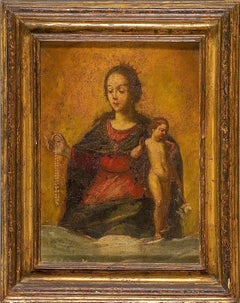
It depicts, with fine and elegant strokes, the Madonna holding the baby Jesus in her arms an...
Category
Mid-17th Century Baroque Figurative Paintings
Materials
Canvas, Oil
17th Century Onorio Marinari Italian Religious Painting
By Onorio Marinari
Located in Roma, IT
A very important painting by the great artist of the Florentine school, Onorio Marinari.
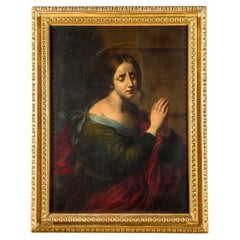
Dr. Silvia Benassai has confirmed Marinari’s authorship of the Saint Margaret of Antioch; ava...
Category
Mid-17th Century Baroque Portrait Paintings
Materials
Canvas, Oil
18th Century Italian Portrait Credited to Maria Giovanna Battista Clementi
Located in Roma, IT
18th Century Italian Portrait Credited to Maria Giovanna Battista Clementi
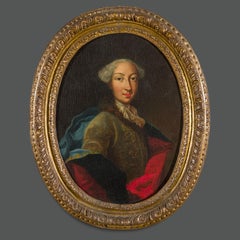
The painting probably depicts a young nobleman of Savoy court ...
Category
Mid-18th Century Old Masters Portrait Paintings
Materials
Oil, Canvas
Early 20th Century Signed Italian Painting
Located in Roma, IT
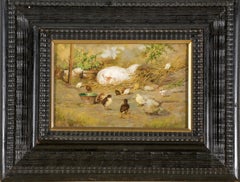
A beautiful and evocative oil painting on wood by the great Italian artist who lived between the late nineteenth and early twentieth centuries.
It depicts with rare effectiveness a...
Category
Early 1900s Italian School Figurative Paintings
Materials
Oil, Wood Panel
You May Also Like
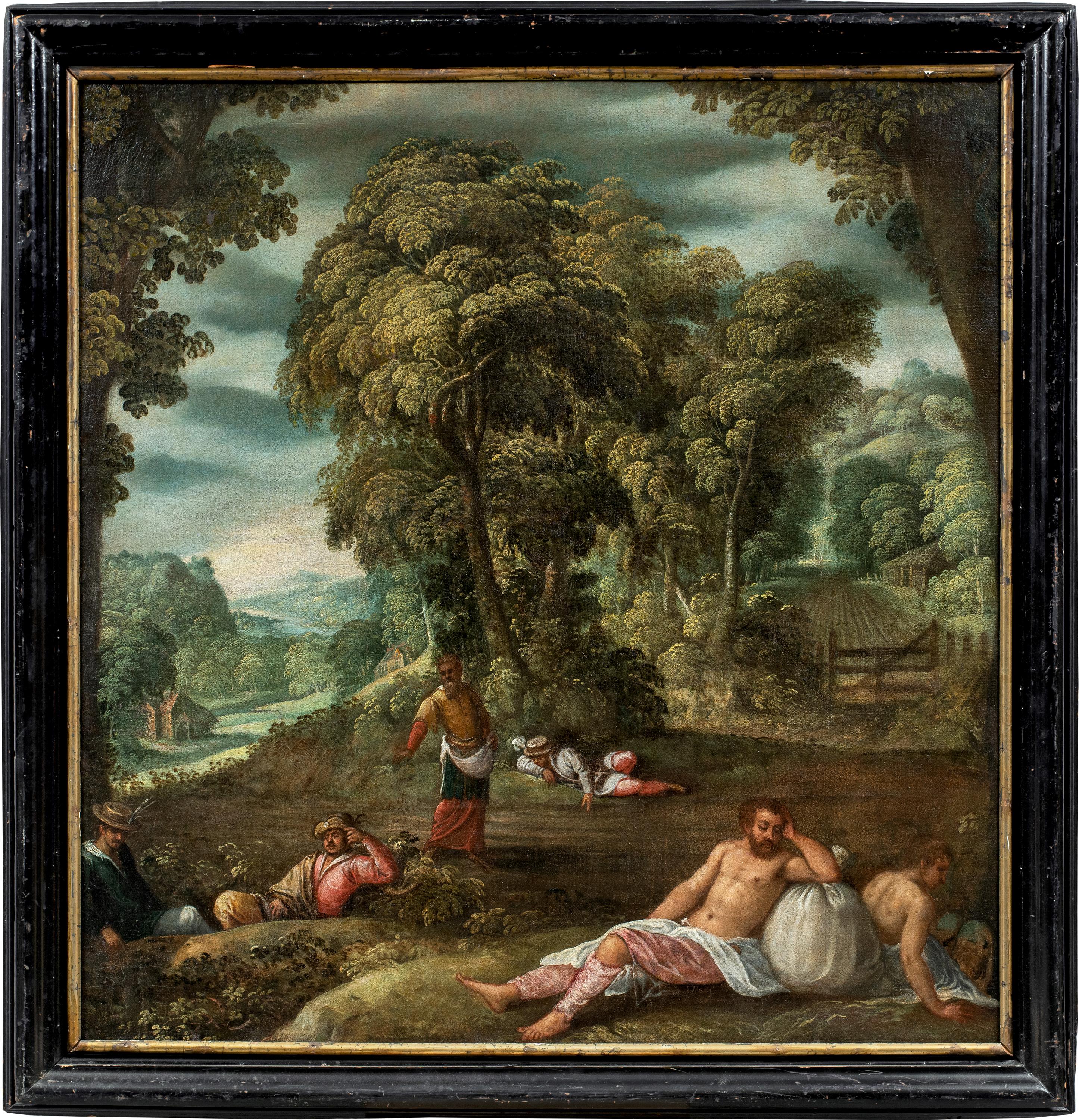
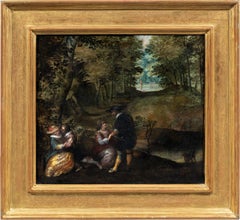
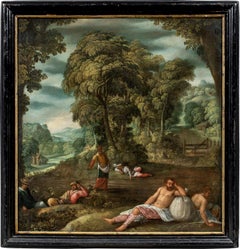
Ludovico Pozzoserrato (Venetian Master) - late 16th century figure painting
Located in Varmo, IT
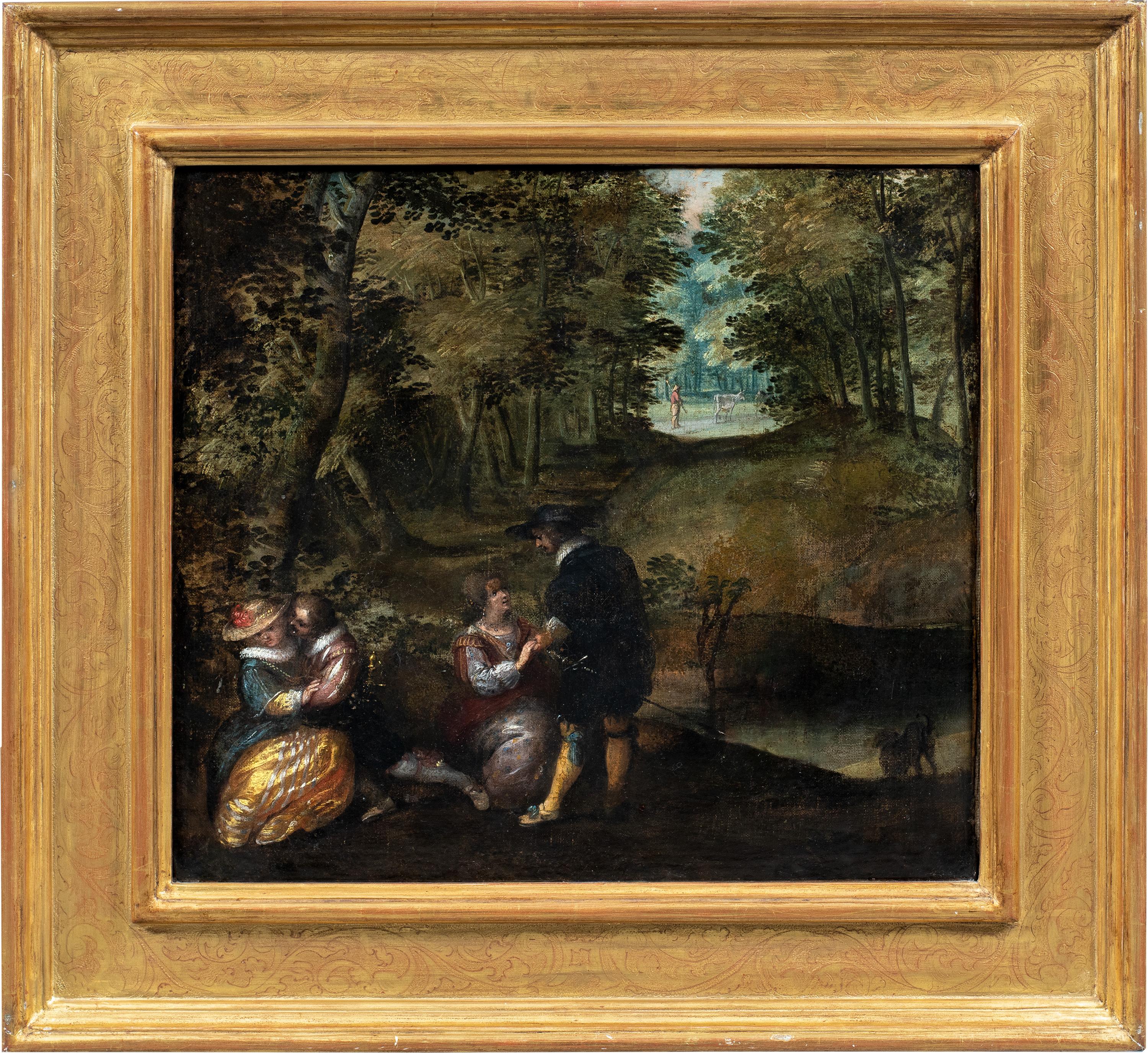
Lodewijk Toeput, known as Ludovico Pozzoserrato (Antwerp or Mechelen c. 1550 - Treviso 1604 or 1605) - Meeting of Ladies and Gentlemen in a Landscape.
44 x 49 cm unframed, 63 x 68 c...
Category
16th Century Mannerist Landscape Paintings
Materials
Canvas, Oil
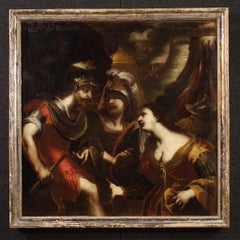
17th Century Oil on Canvas Antique Italian Mythological Painting, 1640
By Valerio Castello
Located in Vicoforte, IT
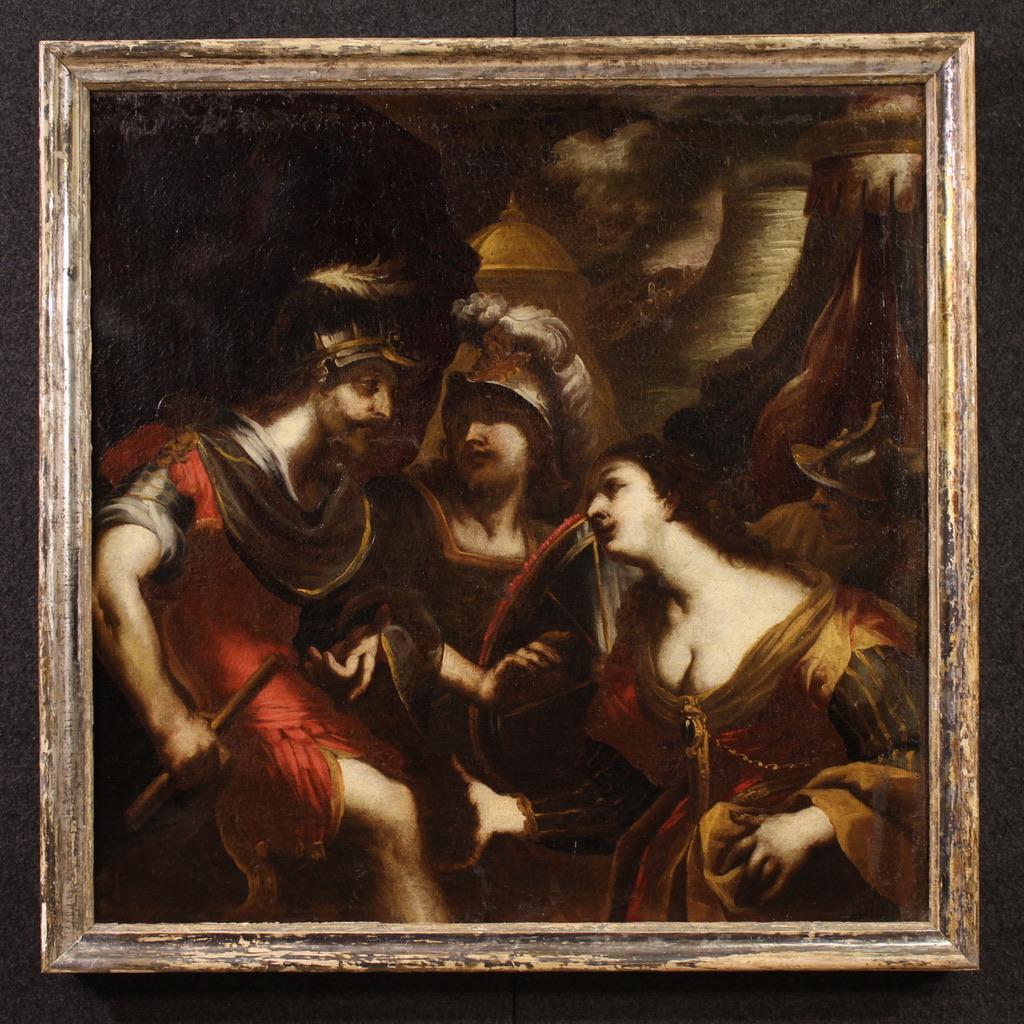
A magnificent 17th-century Italian painting. This artwork oil on canvas depicts a famous episode from the Iliad, the dispute between Agamemnon and Achilles over Briseis. During the T...
Category
1640s Figurative Paintings
Materials
Canvas, Oil
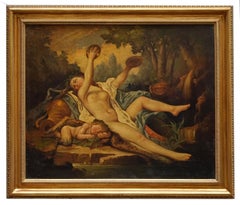
ALLEGORICAL SCENE - Giovanni Faliero - Italy Oil on Canvas Painting
By Giovanni Faliero
Located in Napoli, IT
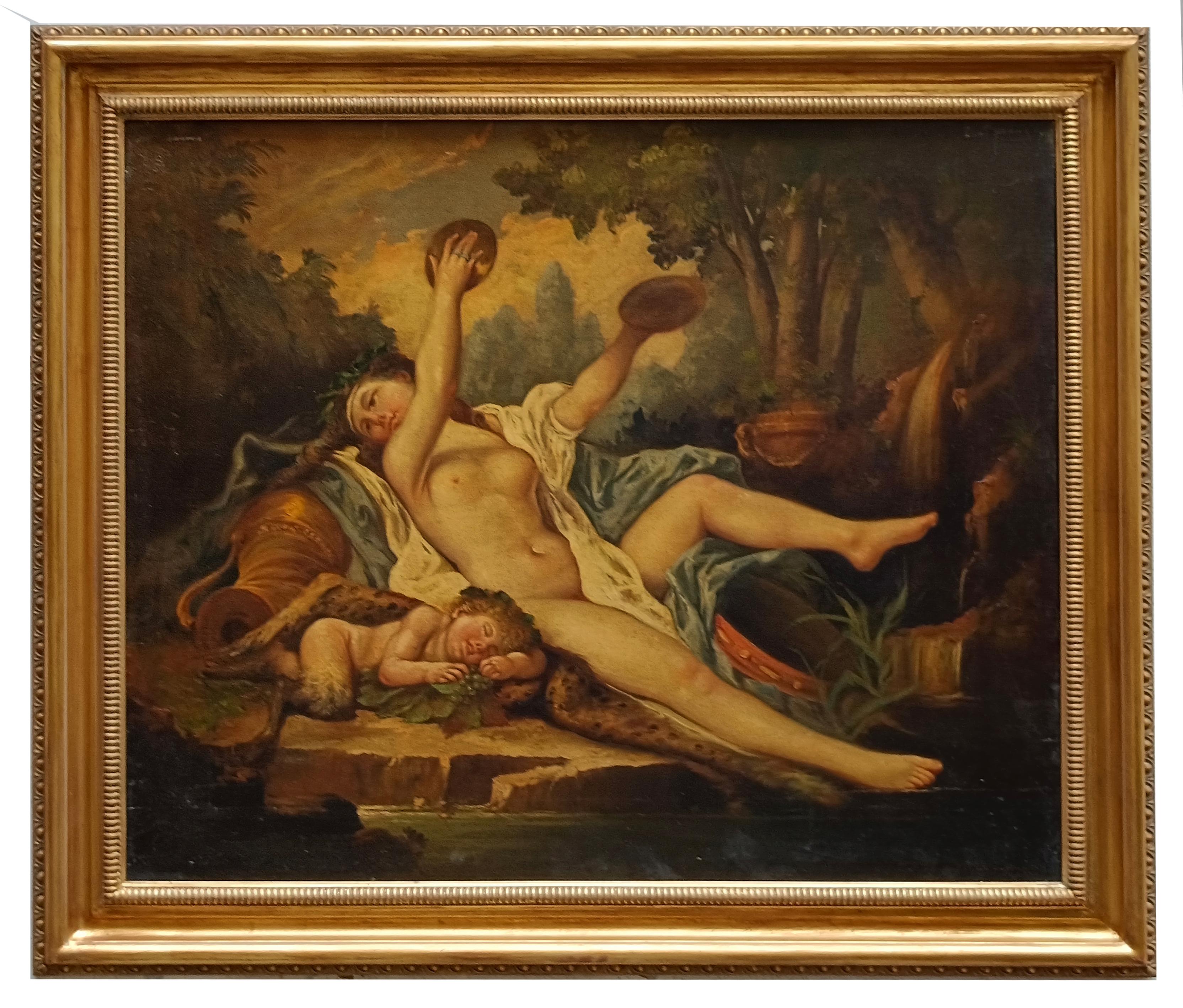
Allegorical Scene - Giovanni Faliero Italia 2009 - Oil on canvas cm. 90x110.
This beautiful oil on canvas is the personal reinterpretation of the magnificent painting “Bacchant playing the Cymbals” by Jean-Simon Berthélemy, a French painter of the 18th century. Here we admire a mythological scene showing a naked bacchant playing cymbals next to a wooded stream, with a small sleeping faun...
Category
Early 2000s Old Masters Portrait Paintings
Materials
Canvas, Oil
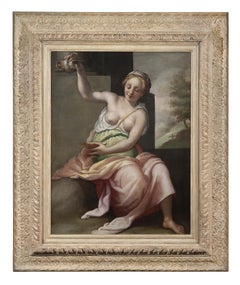
Late 16th Century by Jacopo da Empoli Temperance Oil on canvas
Located in Milano, Lombardia
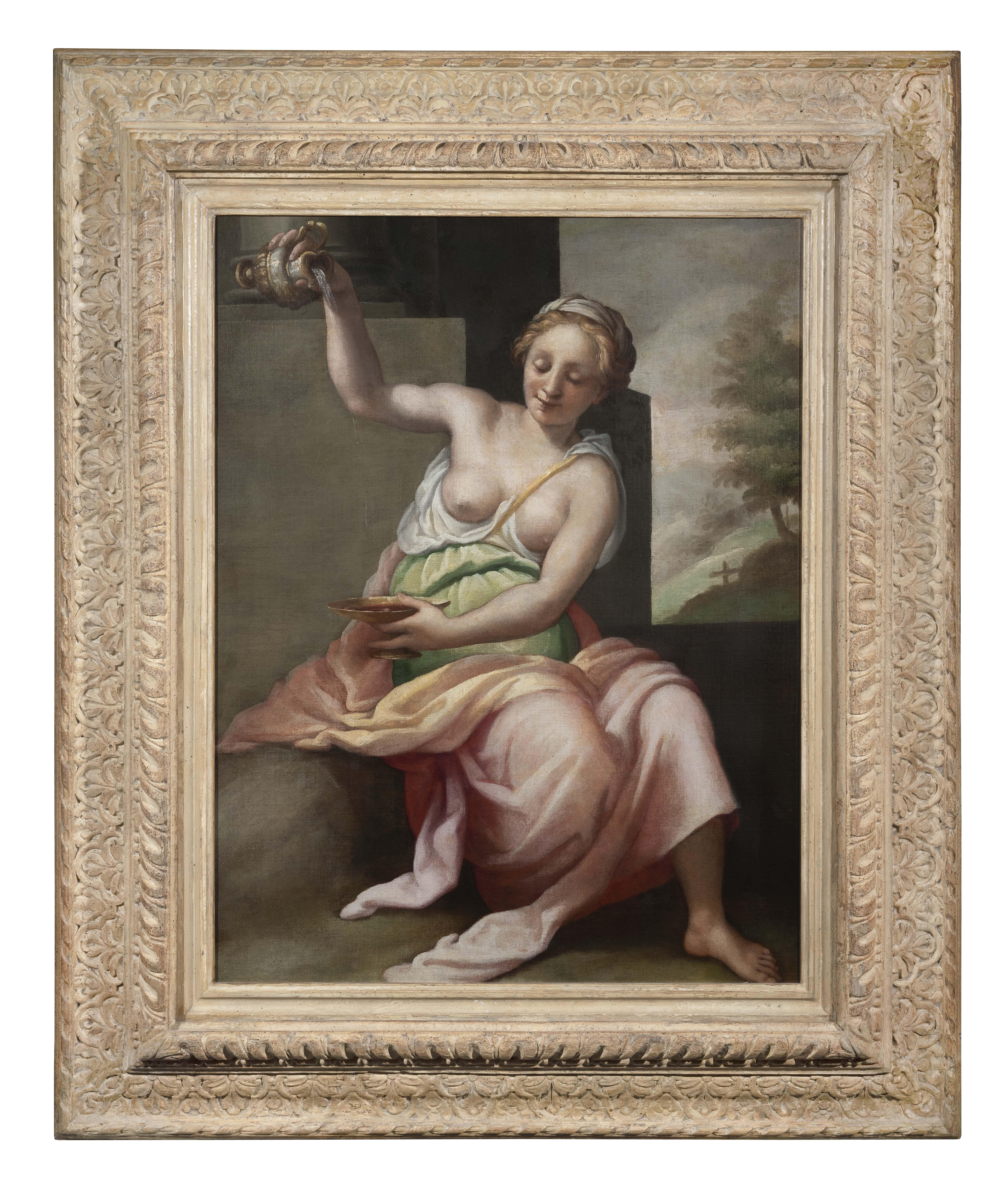
Jacopo da Empoli (Florence, Italy, 1551 – 1640)
Title: Temperance
Medium: Oil on canvas
Dimensions: without frame 101.5 x 75.7 cm – with frame 140 x 115.3 x 10.50 cm
Expertise by Al...
Category
16th Century Old Masters Figurative Paintings
Materials
Canvas, Oil
$79,826 Sale Price
20% Off
Paolo Fiammingo (Venetian Master) - late 16th century figure painting - Devil
Located in Varmo, IT
Pauwels Franck, known as Paolo Fiammingo (Antwerp c. 1540 - Venice 1596) - Parable of the Devil Sowing Wealth.
93.5 x 88.5 cm unframed, 105 x 102 cm framed.
Oil on canvas, wooden f...
Category
16th Century Mannerist Landscape Paintings
Materials
Canvas, Oil
17th Century by Pietro della Vecchia Bacchus and Ceres Oil on canvas
Located in Milano, Lombardia
Pietro della Vecchia (Vicenza, Italy, 1603 – Venice, Italy, 1678)
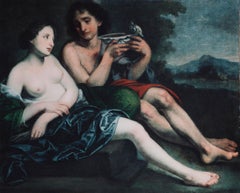
Title: Bacchus and Ceres
Medium: Oil on canvas
Dimensions: without frame 109 x 130 cm – with frame 128 x 152 x 8 cm...
Category
17th Century Old Masters Figurative Paintings
Materials
Canvas, Oil
More Ways To Browse
Antique Athena
Monumental Old Masters Oil Paintings
Annibale Carracci
Antique Viola
Europa And Bull
Red Figure Vases
Paul Elie Gernez
Pensive Girl
Pierre Dupuis
Pizza Painting
Redhead Portrait
Romance Cover Art
Sci Fi Painting
Space Invader Art
Spanish Old Master Paintings
Stained Glass Cartoon
Surrealist Dress
The Blue Boy Painting