Items Similar to Ninth Avenue El (New York City), Mid 20th Century Cityscape Oil painting
Video Loading
Want more images or videos?
Request additional images or videos from the seller
1 of 19
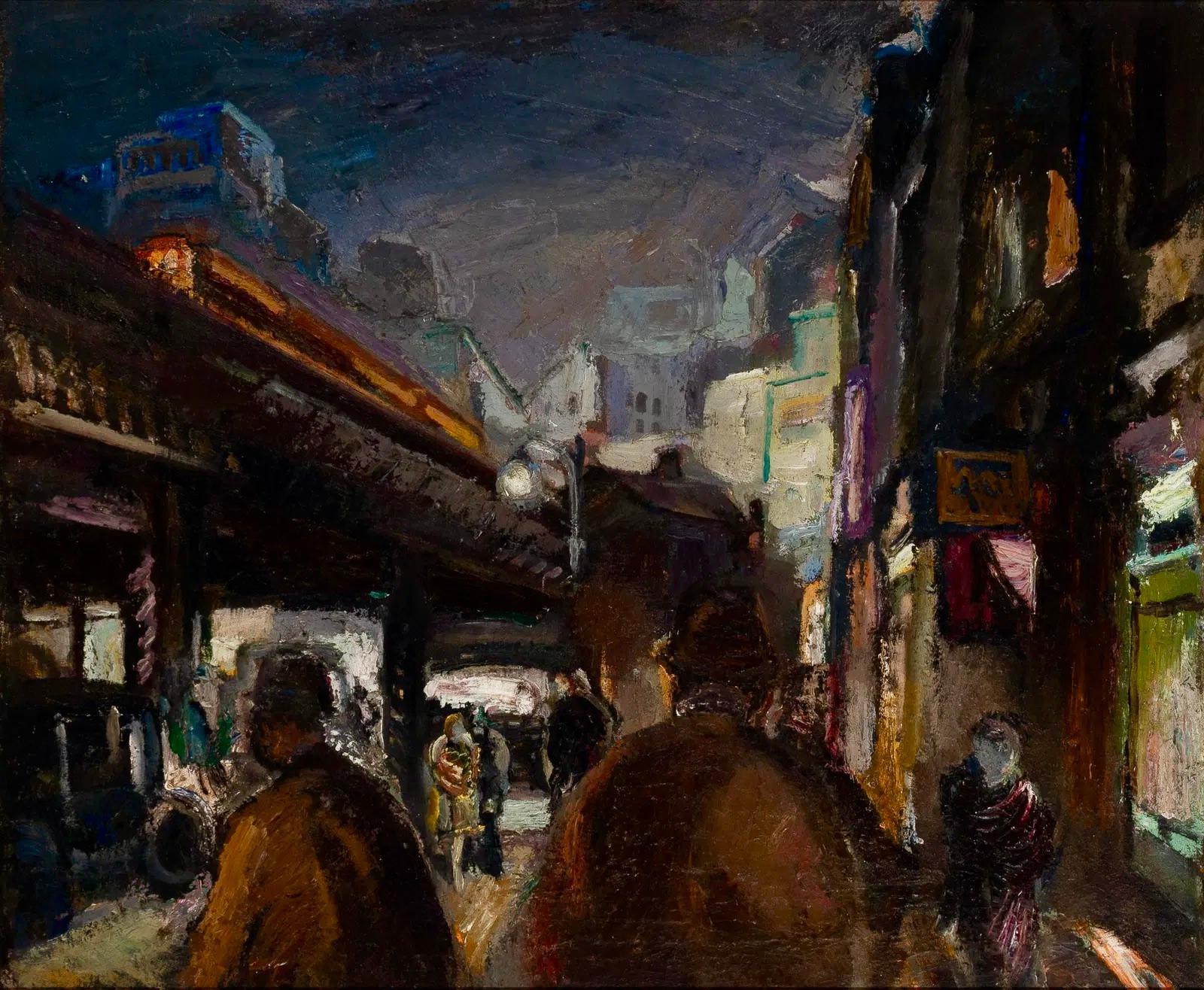
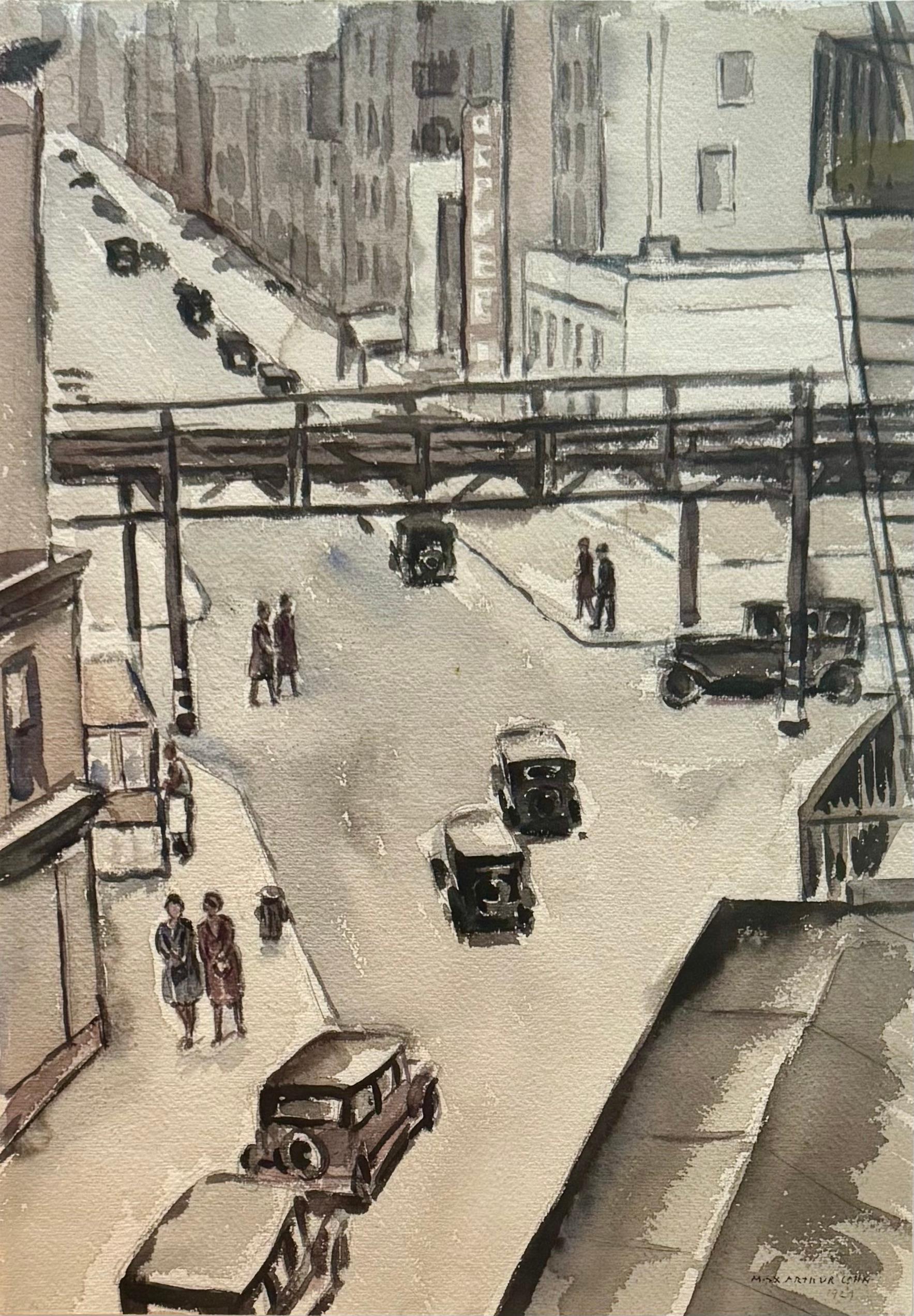
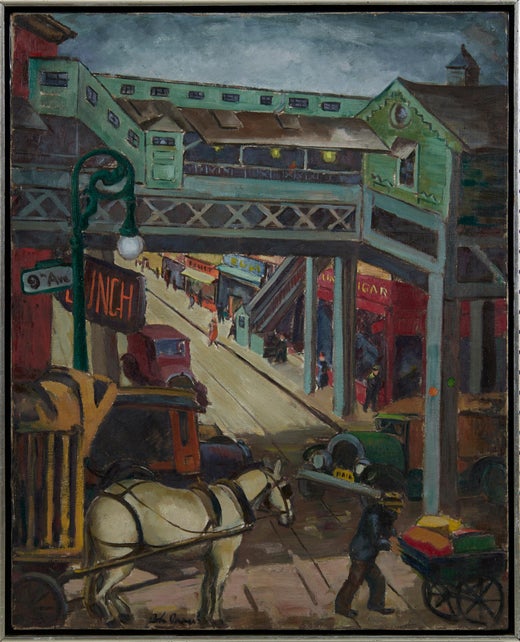
John OpperNinth Avenue El (New York City), Mid 20th Century Cityscape Oil paintingc. 1935
c. 1935
$12,000
£9,088.89
€10,438.27
CA$16,815.92
A$18,282.30
CHF 9,693.30
MX$219,158.42
NOK 123,196.82
SEK 112,865.04
DKK 78,012.86
About the Item
John Opper (American, 1908-1994)
Ninth Avenue El (New York City), c. 1935
Oil on canvas
Signed lower left and verso
30.125 x 24 inches
The Ninth Avenue El was the first elevated railway in New York City. It opened in July 1868 as the West Side and Yonkers Patent Railway, as an experimental single-track cable-powered elevated railway from Battery Place, at the south end of Manhattan Island, northward up Greenwich Street to Cortlandt Street. By 1879 the line was extended to the Harlem River at 155th Street.
The Ninth Avenue El exteended over 100 feet above the street at "Suicide Curve", where the line made two 90-degree tturns above 110th Street. In 1905, the worst accident in the history of New York's elevated railways took place at a curve at 53rd street, resulting in 13 deaths and 48 serious injuries. The main line ceased operation in June 1940.
John Opper described the 1930s as a "great gestation period" for his art. "I thought the Thirties was a very vital time for American art. . . . With the WPA, you got together whether it was the [Artists'] Union or the [American Artists'] Congress or whether it was a bar. . . and you talked about art, and you heard about important artists, and you began to live art." But Opper also remembered the thirties as a period of breakdown in the vitality of American art; "we became aware that a great deal was missing."
Academically trained like many of his contemporaries, Opper came to New York in 1934, two years after his graduation from Case Western Reserve University in Cleveland, Ohio. As a youth, he had taken Saturday art classes at the Cleveland Museum of Art and later studied at the Cleveland School of Art and the School of the Art Institute of Chicago. When he arrived in New York he was a well-trained painter, adept at rendering still lifes and particularly landscapes depicting the American scene. A reviewer of his 1937 exhibition at the Artists' Gallery in New York, for example, wrote about Opper's "colloquial flavor … spontaneity and an imaginative use of color which conveys just the feeling" that the subjects—East River tugboats, old garages, and scenes around Manhattan— suggested.
By 1937 Opper had become familiar with modernism, though he was not yet converted to the cause. Indeed, his 1937 show was made up of the still popular regionalist paintings. Earlier, in 1935 and 1936, he studied with Hans Hofmann and began to think in terms of forces and tensions within the picture plane. He met Wilfrid Zogbaum, Giorgio Cavallon, Byron Browne, Rosalind Bengelsdorf, and George McNeil, with whom he shared a studio. He paid frequent visits to Gallatin's Gallery of Living Art. He joined the WPA easel project in 1936 and began to paint in "a kind of transformed cubist style."
When war came, Opper worked for three years with a marine architectural firm making drawings for the pipe systems of PT boats. After the war, he taught at the University of Wyoming and the University of Alabama, and between 1952 and 1957, he was on the faculty at the University of North Carolina. In 1957, he began teaching at New York University, where he remained until his retirement in 1974.
- Creator:John Opper (1908-1994, American)
- Creation Year:c. 1935
- Dimensions:Height: 30.125 in (76.52 cm)Width: 24 in (60.96 cm)
- Medium:
- Movement Style:
- Period:
- Condition:
- Gallery Location:Beachwood, OH
- Reference Number:1stDibs: LU1768214628042
John Opper
John Opper described the 1930s as a "great gestation period" for his art. "I thought the Thirties was a very vital time for American art. . . . With the WPA, you got together whether it was the [Artists'] Union or the [American Artists'] Congress or whether it was a bar. . . and you talked about art, and you heard about important artists, and you began to live art." But Opper also remembered the thirties as a period of breakdown in the vitality of American art; "we became aware that a great deal was missing." Academically trained like many of his contemporaries, Opper came to New York in 1934, two years after his graduation from Case Western Reserve University in Cleveland, Ohio. As a youth, he had taken Saturday art classes at the Cleveland Museum of Art and later studied at the Cleveland School of Art and the School of the Art Institute of Chicago. When he arrived in New York he was a well-trained painter, adept at rendering still lifes and particularly landscapes depicting the American scene. A reviewer of his 1937 exhibition at the Artists' Gallery in New York, for example, wrote about Opper's "colloquial flavor … spontaneity and an imaginative use of color which conveys just the feeling" that the subjects—East River tugboats, old garages, and scenes around Manhattan— suggested. By 1937 Opper had become familiar with modernism, though he was not yet converted to the cause. Indeed, his 1937 show was made up of the still popular regionalist paintings. Earlier, in 1935 and 1936, he studied with Hans Hofmann and began to think in terms of forces and tensions within the picture plane. He met Wilfrid Zogbaum, Giorgio Cavallon, Byron Browne, Rosalind Bengelsdorf, and George McNeil, with whom he shared a studio. He paid frequent visits to Gallatin's Gallery of Living Art. He joined the WPA easel project in 1936 and began to paint in "a kind of transformed cubist style." When war came, Opper worked for three years with a marine architectural firm making drawings for the pipe systems of PT boats. After the war, he taught at the University of Wyoming and the University of Alabama, and between 1952 and 1957, he was on the faculty at the University of North Carolina. In 1957, he began teaching at New York University, where he remained until his retirement in 1974.
About the Seller
5.0
Gold Seller
Premium sellers maintaining a 4.3+ rating and 24-hour response times
Established in 1975
1stDibs seller since 2022
44 sales on 1stDibs
Typical response time: 1 hour
- ShippingRetrieving quote...Shipping from: Beachwood, OH
- Return Policy
More From This Seller
View All20th Century Industrial Cityscape Oil painting, Cleveland School Artist
By Joseph O
Sickey
Located in Beachwood, OH
Work sold to benefit the CLEVELAND INSTITUTE OF ART
Joseph B. O’Sickey (American, 1918–2013)
Industrial Cityscape
Oil on paper
Signed lower left
13.75 x 16.5 inches
Joseph O'Sicke...
Category
Late 20th Century Post-Impressionist Landscape Paintings
Materials
Oil
Mid-20th Century abstract geometric oil painting by Cleveland School artist
By Joseph O
Sickey
Located in Beachwood, OH
Work sold to benefit the CLEVELAND INSTITUTE OF ART
Joseph B. O’Sickey (American, 1918–2013)
Untitled, c. 1950
Oil on paper
Signed lower right
12.5 x 19 inc...
Category
1950s Post-Impressionist Abstract Paintings
Materials
Oil
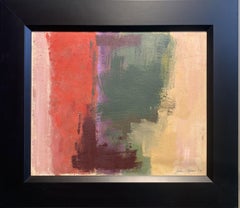
Untitled Mid Century Abstract Oil Painting New York Artist
By John Opper
Located in Beachwood, OH
John Opper (American, 1908 - 1994)
Untitled, 1959
Oil on board
Signed and dated lower right
14.75 in. h x 18 in. w.
20 in. h. x 24.5 in. w., as framed
John Opper described the 1930s...
Category
1950s Abstract Abstract Paintings
Materials
Oil
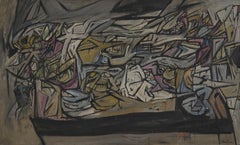
S. F. L. Large Abstract Expressionist Mid Century Oil Painting, Cleveland School
By Richard Andres
Located in Beachwood, OH
Richard Andres (American, 1927–2013)
S. F. L., 1955
oil on canvas
signed lower right, signed and titled verso
42 x 70 inches
Richard Andres was born in Buffalo, New York in 1927. A ...
Category
1950s Abstract Expressionist Abstract Paintings
Materials
Oil
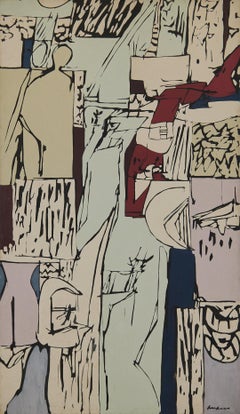
Large Abstract Expressionist Mid-Century Acrylic Painting, Cleveland School
By Richard Andres
Located in Beachwood, OH
Richard Andres (American, 1927–2013)
Untitled, 1968
acrylic on canvas
signed lower right, signed and titled verso
88.5 x 50.5 inches
Has an indent and a tear in the canvas. See phot...
Category
1960s Abstract Expressionist Abstract Paintings
Materials
Acrylic
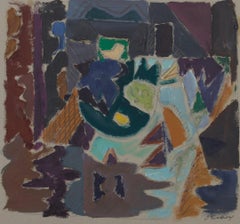
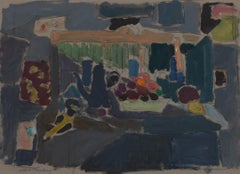
20th century abstract still life by Cleveland School artist
By Joseph O
Sickey
Located in Beachwood, OH
Work sold to benefit the CLEVELAND INSTITUTE OF ART
Joseph B. O’Sickey (American, 1918–2013)
Still Life
Oil and graphite on paper
Signed lower left
12.25 x 1...
Category
Late 20th Century Post-Impressionist Abstract Paintings
Materials
Oil, Graphite
You May Also Like
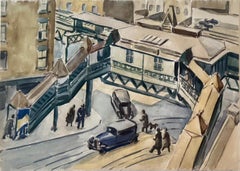
6th Avenue El at 8th St NYC Cityscape American Scene Social Realism Mid-Century
By Max Arthur Cohn
Located in New York, NY
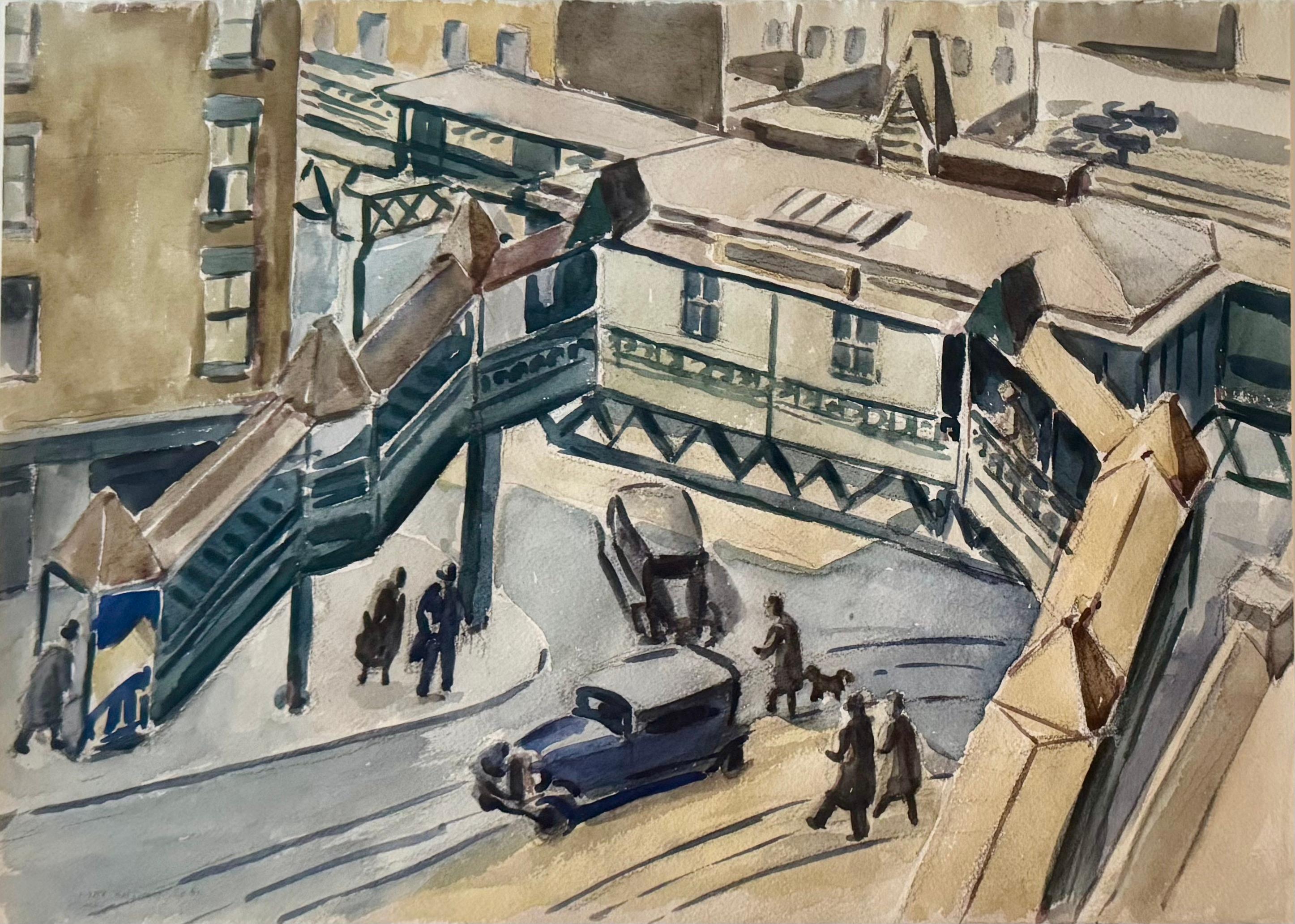
6th Avenue El at 8th St NYC Cityscape American Scene Social Realism Mid-Century
Max Arthur Cohn (1903-1998)
6th Avenue El at 8th Street
13 x 18 inches
Watercolor on paper, c. 1930
...
Category
1930s American Modern Figurative Drawings and Watercolors
Materials
Paper, Watercolor
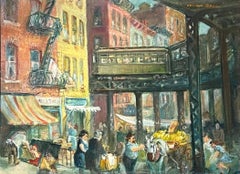
NYC EL American Scene Social Realism Mid 20th Century Modern WPA Era Figurative
By Cecil Crosley Bell
Located in New York, NY
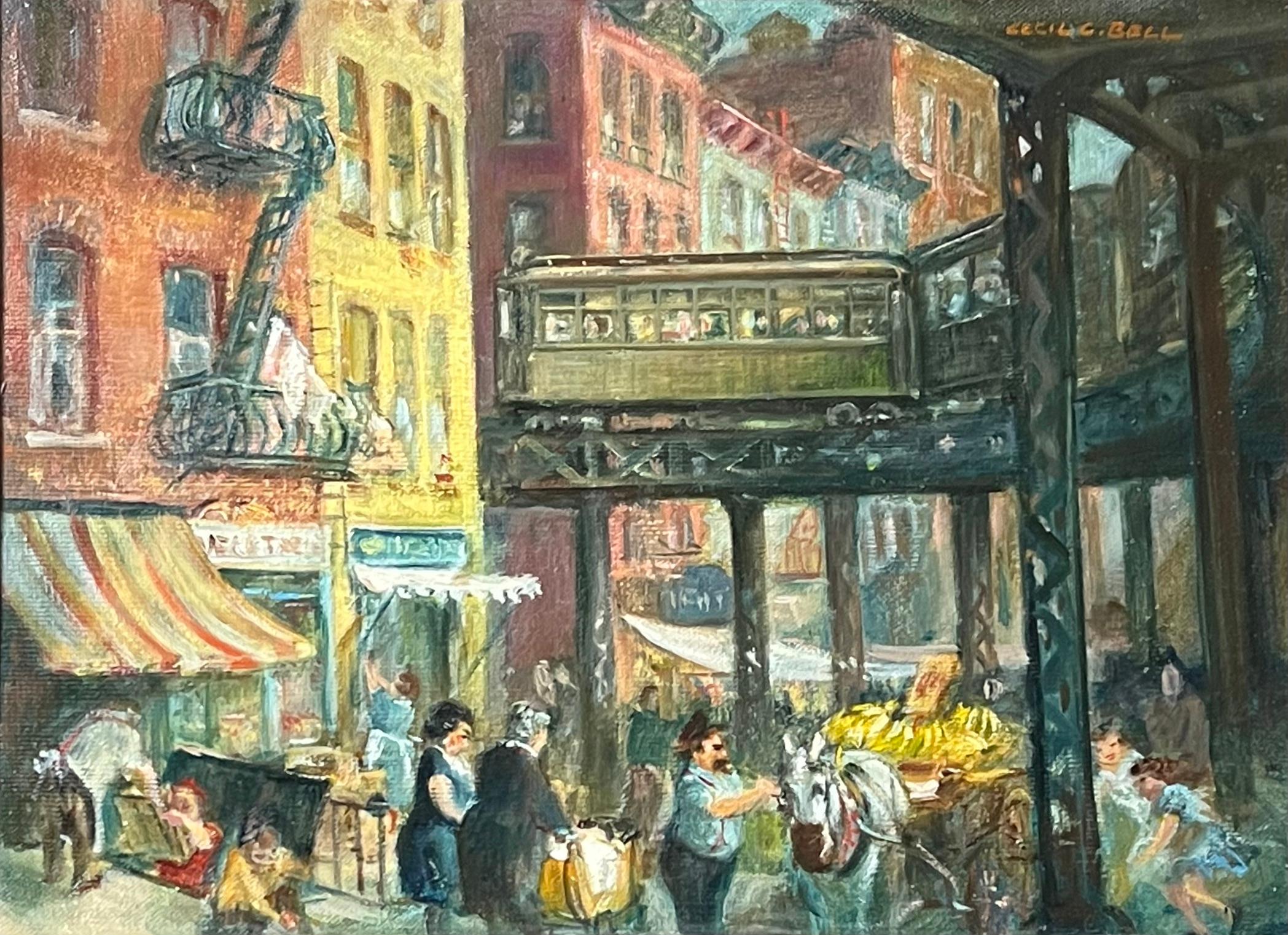
NYC EL American Scene Social Realism Mid 20th Century Modern WPA Era Figurative
Cecil Bell (1906 – 1970)
Street Life Under the EL
22 x 30 inches
Oil on canvas, c. 1930s
Signed upper...
Category
1930s American Realist Landscape Paintings
Materials
Canvas, Oil
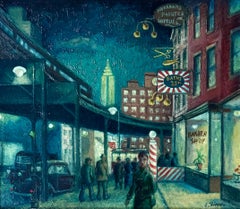
"6th Avenue El" American Scene Social Realism Mid-20th Century New York City
By Ernest Fiene
Located in New York, NY
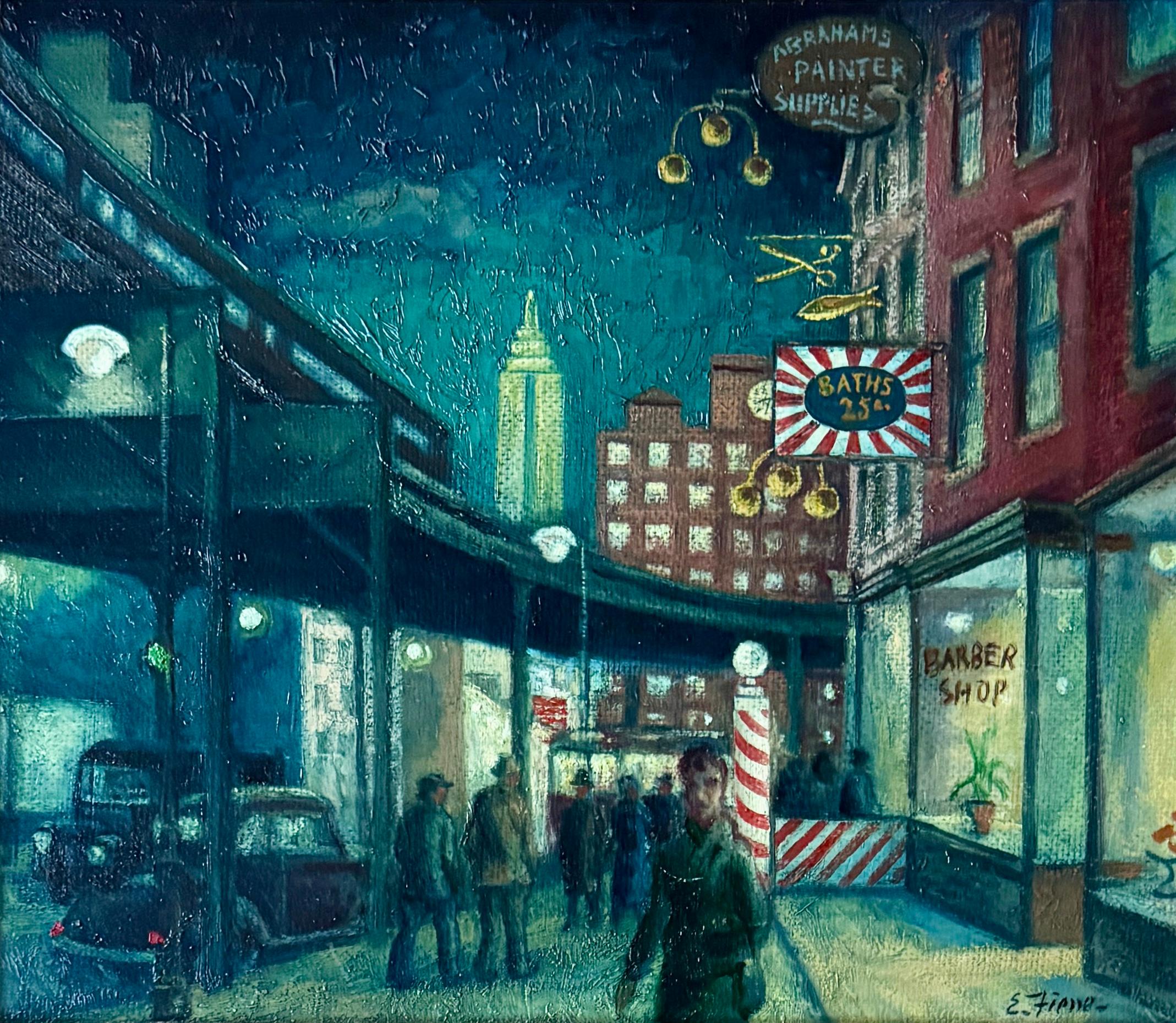
"6th Avenue El" American Scene Social Realism Mid-20th Century New York City
Ernest Fiene (1894-1965)
"6th Avenue El"
12 1/4 x 14 1/4
Oil on canvas board, c. 1940s
Signed lower righ...
Category
1940s American Modern Figurative Paintings
Materials
Oil, Board
Greenwich Village NYC WPA Mid 20th Century American Scene Ashcan Modern Realism
Located in New York, NY
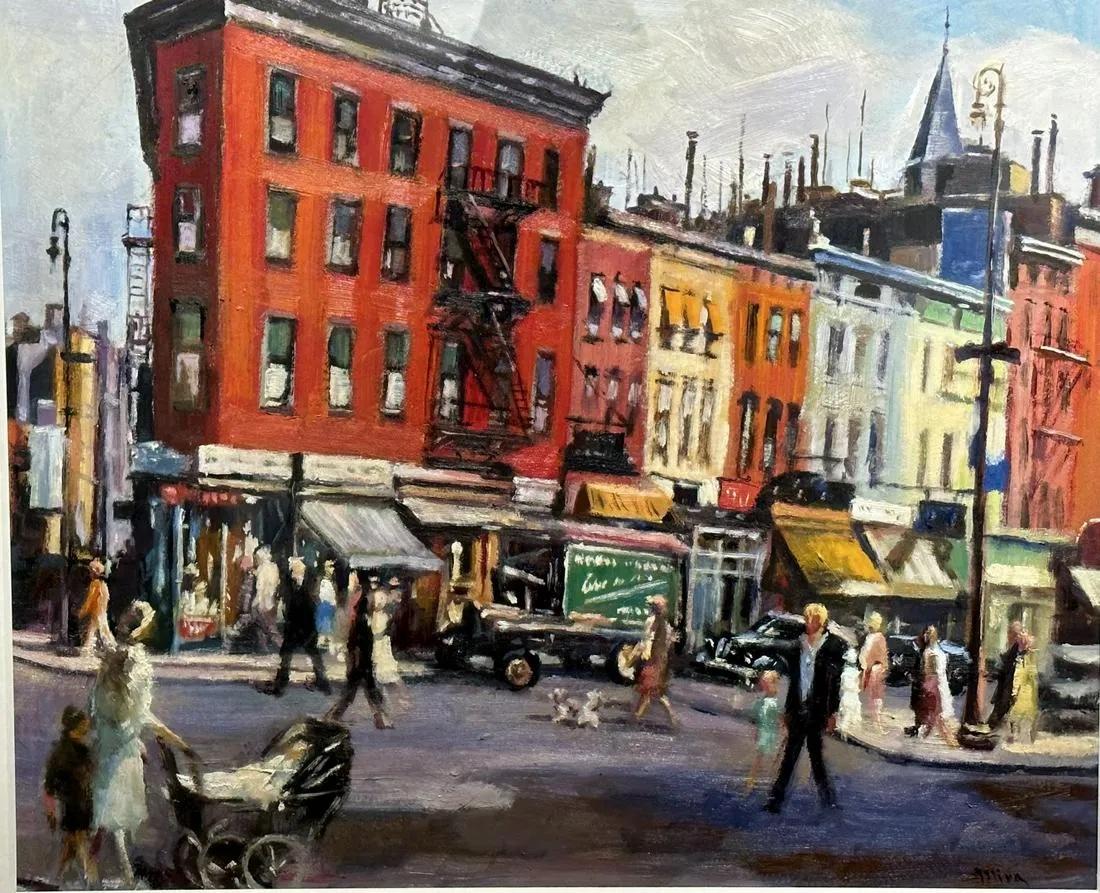
Greenwich Village NYC WPA Mid 20th Century American Scene Ashcan Modern Realism
Alfred Mira (1900-1981)
Greenwich Village NYC
14 x 17 inches
Oil on board,...
Category
1930s American Realist Landscape Drawings and Watercolors
Materials
Oil, Board
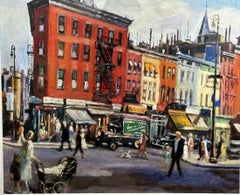
"3rd Avenue EL" NYC American Scene Ashcan WPA Modern 20th Century Social Realism
By Bernard Gussow
Located in New York, NY
"3rd Avenue EL" NYC American Scene Ashcan WPA Modern 20th Century Social Realism
Bernard Gussow (1881-1957)
3rd Avenue El
28 1/8 x 30 1/4 inches
Oil on canvas
Signed lower left
Fram...
Category
1930s American Realist Figurative Paintings
Materials
Canvas, Oil
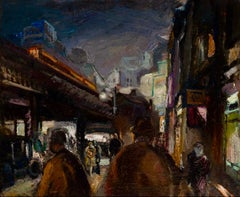
"6th Avenue El" American Scene Social Realism Mid-20th Century Cityscape Modern
By Max Arthur Cohn
Located in New York, NY
"6th Avenue El" American Scene Social Realism Mid-20th Century Cityscape Modern
Max Arthur Cohn (1903-1998)
6th Avenue Elevated
19 1/4 x 13 3/4 inches
Watercolor on paper
Signed an...
Category
1920s American Modern Figurative Drawings and Watercolors
Materials
Paper, Watercolor
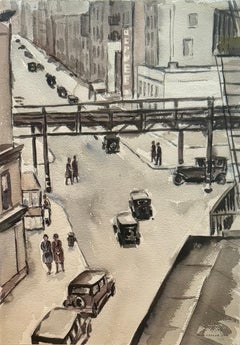
More Ways To Browse
Mid Century Cityscape
Used Art Easels
New York Cityscape Painting
New York Cityscape Oil
Architectural Renderings Mid Century Modern
Pt Boat
Oil Painting Cupid
Pearl Artwork
Peter Max Better World Acrylic Painting
Realistic Nude
Sports Oil Painting
Vintage Gulf Oil
Virgen Painting
Contemporary Impressionist Painting Woman
Harem Painting
Horse Cavalry
Leyendecker Study
Mother And Daughter Painting