Want more images or videos?
Request additional images or videos from the seller
1 of 7
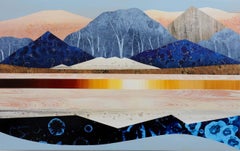
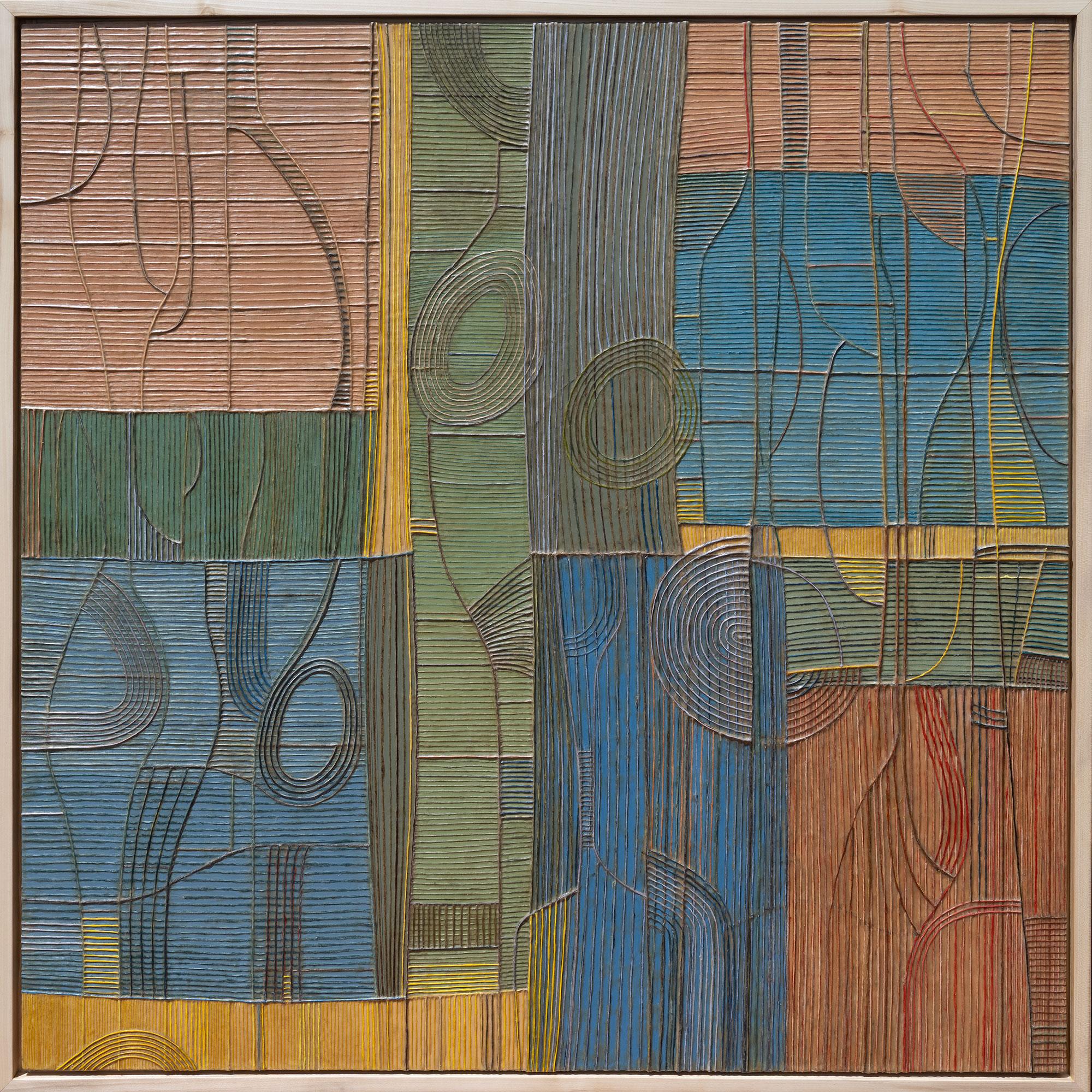
Katey BerryRiver Mountain Tapestry2025
2025
$10,800
£8,205.33
€9,429.65
CA$15,169.92
A$16,512.08
CHF 8,749.16
MX$198,582.76
NOK 111,243.35
SEK 101,942.22
DKK 70,438.93
About the Item
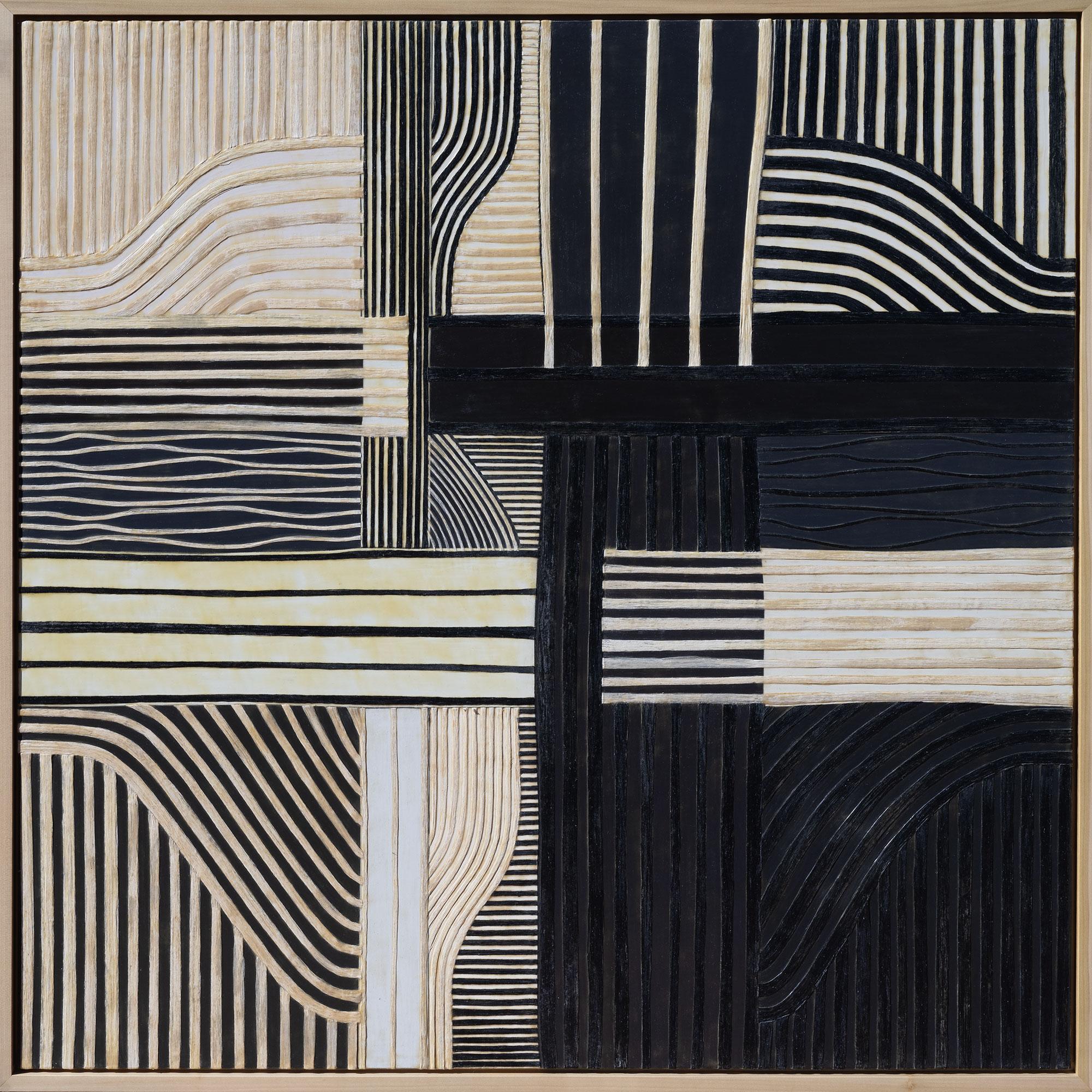
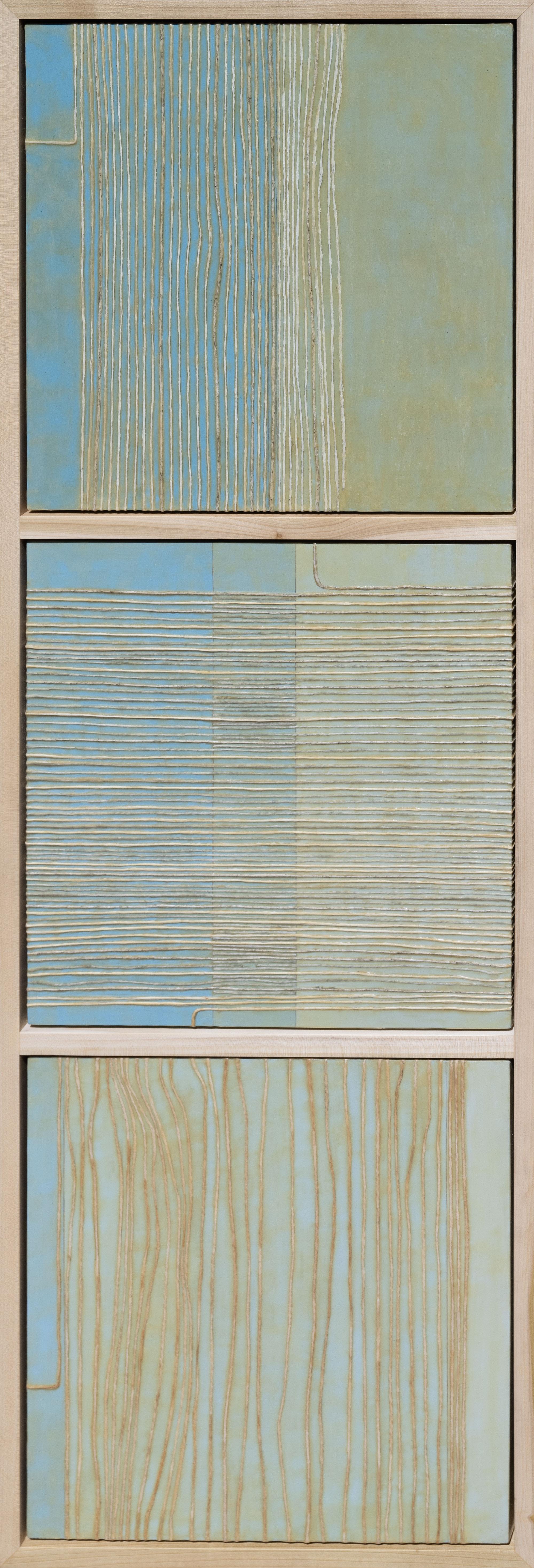
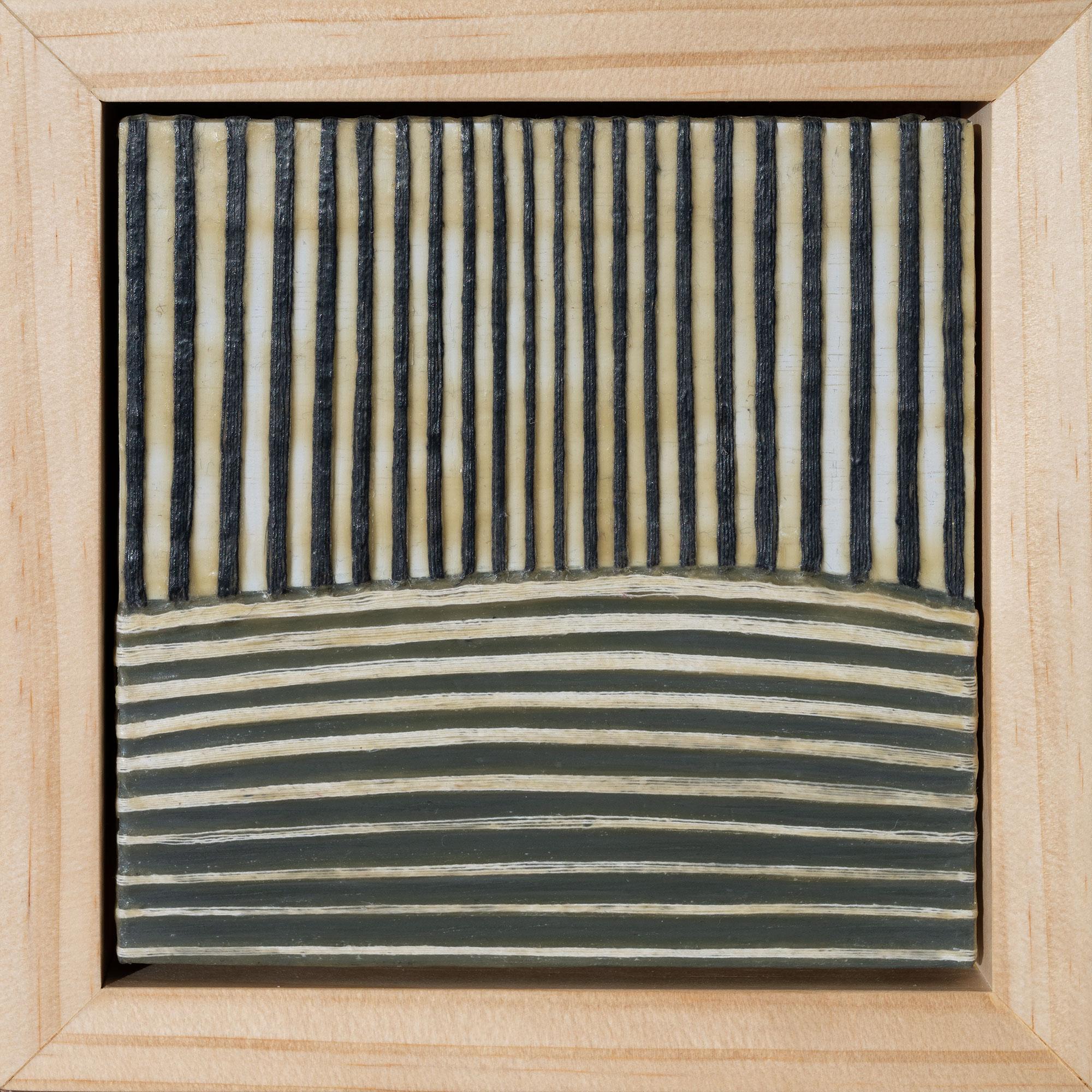
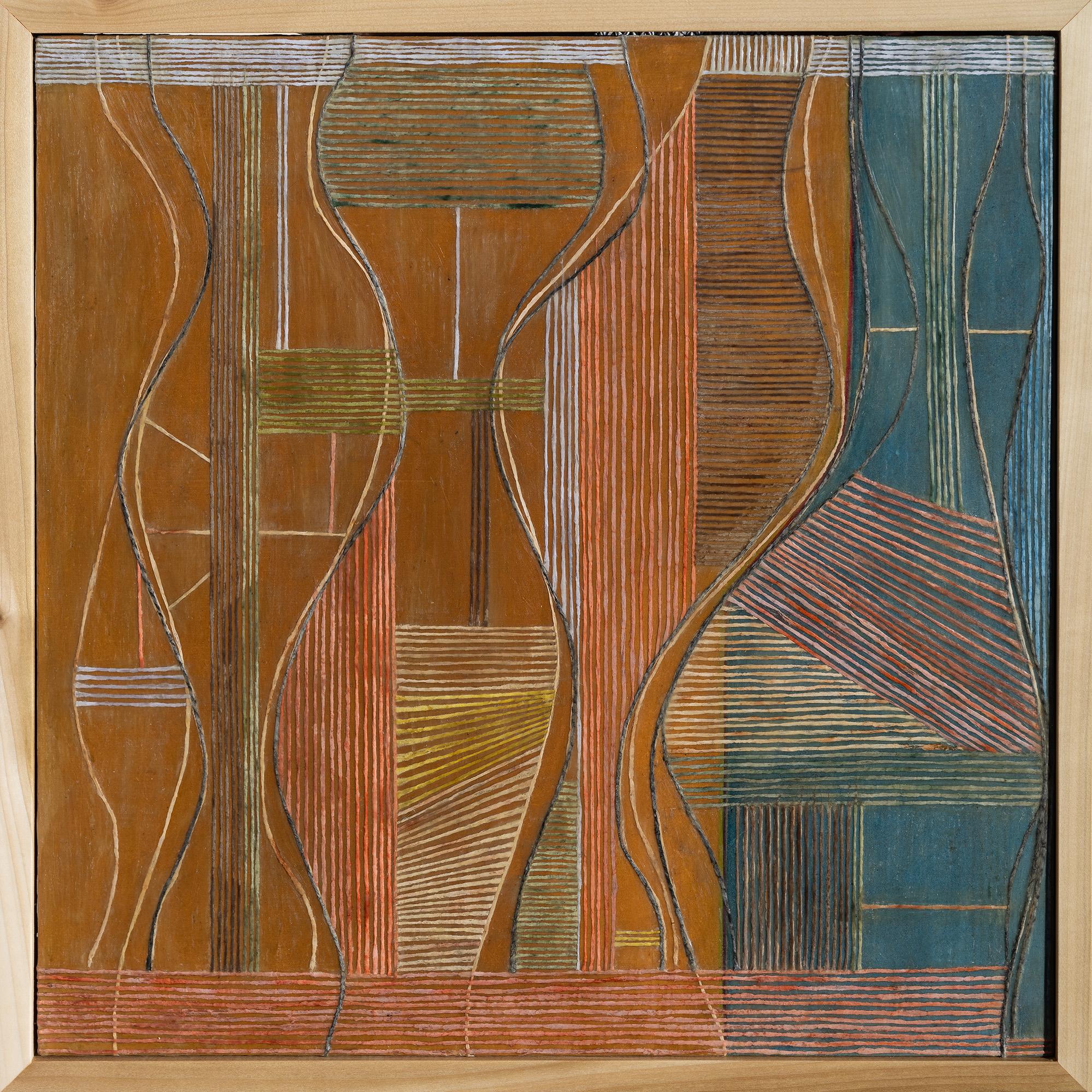
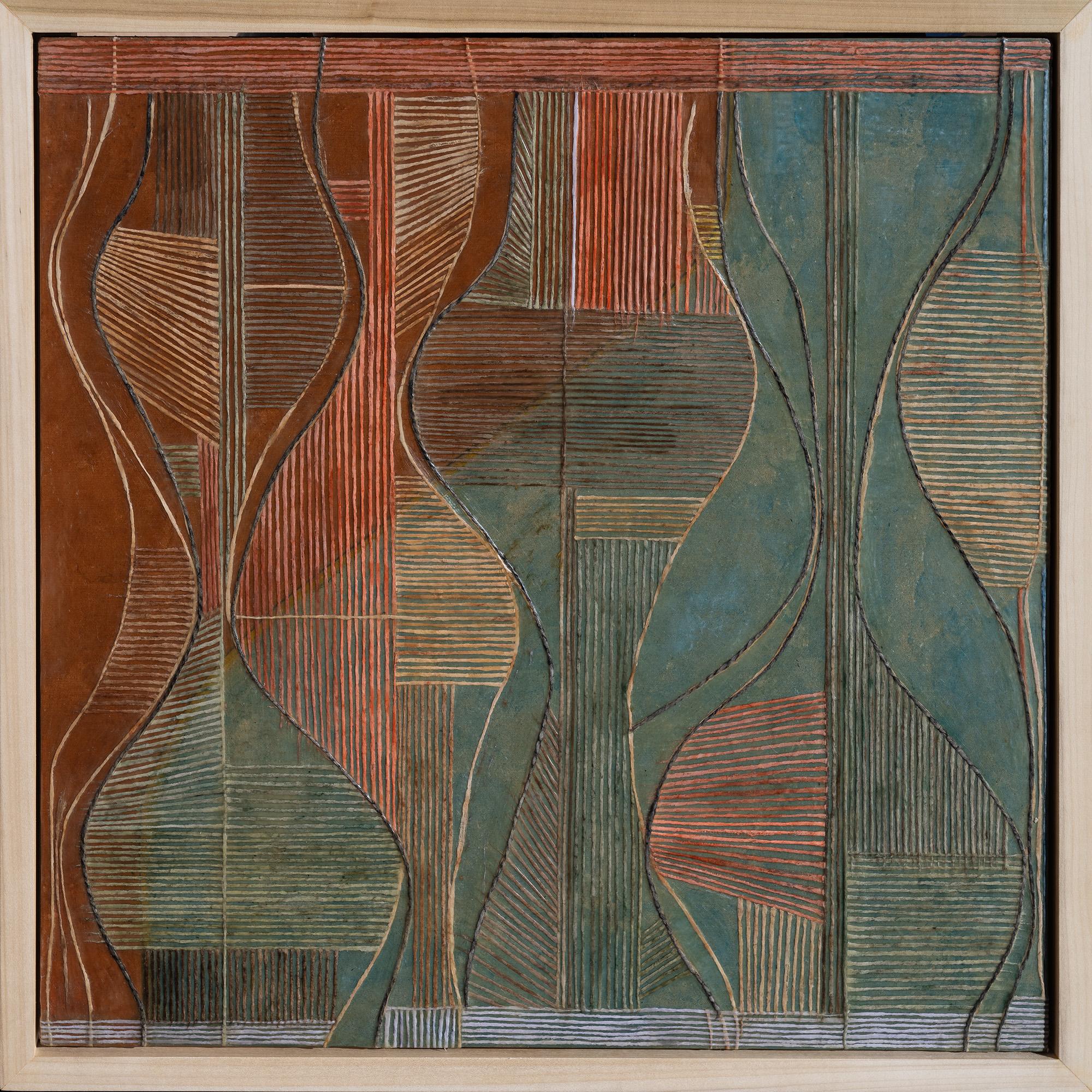
The experience of nature and daily life feed my work. The materials I use are from the natural world: beeswax and cotton thread. The threads are untwined and dyed with things I consume like spices, foods, coffee, wine, etc. This process creates an intimacy with my material.
The laborious un-twining of the threads is an act of rewinding time. A going back to 'origin'.
The threads become the lines I draw with. I embed these threads into beeswax-coated MDF panels to create varying experiences of landscape. The viewer, as I am, is either experiencing it up close or from a distance; zoomed in or zoomed out.
Katey Berry was born and raised in Westchester, NY. At 17 she moved to New York City to study drawing and painting at the Art Student's League of New York, followed by further studies in studio art and philosophy at Hunter College C.U.N.Y. In her late twenties, she moved to Sante Fe, NM where her paintings and sculptures have evolved and reflected her environment of expansive landscapes over the past 30 years. Her work has been shown in galleries in Philadelphia, South Carolina, Taos, New York, and Santa Fe. She has had work in The Mobile Museum of Art in Alabama and the Harwood Museum of Art in Taos.
Her work reflects her daily life of walking in the Pecos wilderness. Her landscape paintings are 'built' by laying and embedding untwined, hand-dyed cotton thread into beeswax. The paintings have a sculptural and braille-like quality. You will want to run your fingers across them. Her cocoons; spaces to hold the idea of metamorphosis are made with one continuous thread coated in tinted beeswax. Katey's processes and visual language are physical, direct, primal, and precise.
About the Seller
4.7
Vetted Professional Seller
Every seller passes strict standards for authenticity and reliability
Established in 1993
1stDibs seller since 2016
128 sales on 1stDibs
Typical response time: 7 hours
- ShippingRetrieving quote...Shipping from: Santa Fe, NM
- Return Policy
More From This Seller
View AllMountain River Tapestry
Located in Santa Fe, NM
The experience of nature and daily life feed my work. The materials I use are from the natural world: beeswax and cotton thread. The threads are untwined and dyed with things I consu...
Category
2010s Landscape Paintings
Materials
Yarn, Wood, Wax
Memory of Water
Located in Santa Fe, NM
The experience of nature and daily life feed my work. The materials I use are from the natural world: beeswax and cotton thread. The threads are untwined and dyed with things I consu...
Category
2010s Landscape Paintings
Materials
Yarn, Wood, Wax
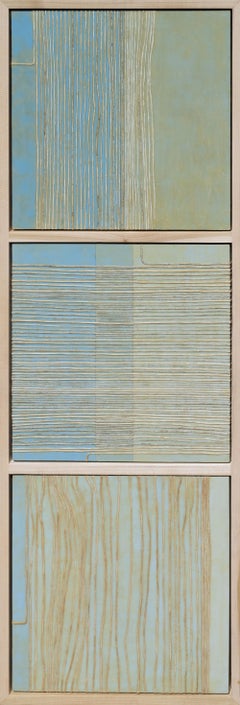
Threading Horizons 12
Located in Santa Fe, NM
The experience of nature and daily life feed my work. The materials I use are from the natural world: beeswax and cotton thread. The threads are untwined and dyed with things I consu...
Category
2010s Landscape Paintings
Materials
Yarn, Wood, Wax
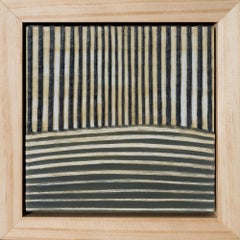
Mapping Spring
Located in Santa Fe, NM
The experience of nature and daily life feed my work. The materials I use are from the natural world: beeswax and cotton thread. The threads are untwined and dyed with things I consu...
Category
2010s Landscape Paintings
Materials
Yarn, Wood, Wax
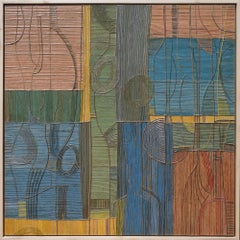
In Time 1
Located in Santa Fe, NM
The experience of nature and daily life feed my work. The materials I use are from the natural world: beeswax and cotton thread. The threads are untwined and dyed with things I consume like spices, foods, coffee, wine, etc. This process creates an intimacy with my material.
The laborious un-twining of the threads is an act of rewinding time. A going back to 'origin'.
The threads become the lines I draw with. I embed these threads into beeswax-coated MDF panels to create varying experiences of landscape. The viewer, as I am, is either experiencing it up close or from a distance; zoomed in or zoomed out.
Katey Berry...
Category
2010s Landscape Paintings
Materials
Yarn, Wood, Wax
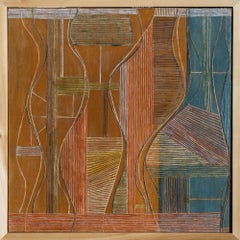
In Time 3
Located in Santa Fe, NM
The experience of nature and daily life feed my work. The materials I use are from the natural world: beeswax and cotton thread. The threads are untwined and dyed with things I consume like spices, foods, coffee, wine, etc. This process creates an intimacy with my material.
The laborious un-twining of the threads is an act of rewinding time. A going back to 'origin'.
The threads become the lines I draw with. I embed these threads into beeswax-coated MDF panels to create varying experiences of landscape. The viewer, as I am, is either experiencing it up close or from a distance; zoomed in or zoomed out.
Katey Berry...
Category
2010s Landscape Paintings
Materials
Yarn, Wood, Wax
You May Also Like
Patchwork Abstracted Landscape
Located in Soquel, CA
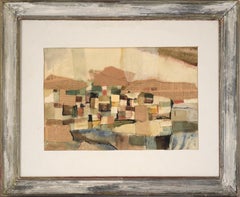
Abstracted landscape by an unknown artist (20th Century). The landscape is made up of patches of color, reminiscent of viewing agricultural land f...
Category
Mid-20th Century Modern Landscape Paintings
Materials
Paper, Pastel, Ink, Watercolor, Newsprint, Tissue Paper
$380 Sale Price
20% Off
River Banks
By Sam Perez
Located in Santa Monica, CA
Acrylic on canvas
Category
21st Century and Contemporary Contemporary Figurative Paintings
Materials
Acrylic
$456 Sale Price
20% Off
LAND MYTH I
By Valerie B Hird
Located in New York, NY
oil painting on gessoed BFK paper, framed floating in white wood frame.
Category
21st Century and Contemporary Contemporary Landscape Paintings
Materials
Archival Paper, Oil
$6,400 Sale Price
20% Off
Untitled
By Roland Ayers
Located in Wilton Manors, FL
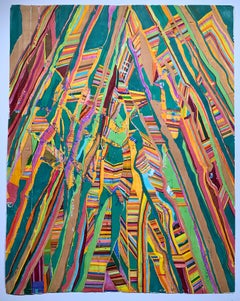
Roland Ayers (1932-2017). Untitled, 1983. Ink on paper, measures 17 x 23 inches. Unframed and unmounted. Signed and dated lower left. Ayers holds the distinction of having participated in the first important survey of African-Americans, Contemporary Black Artists in America, a 1971 show at The Whitney.
Biography:
Artist and art educator, Roland Ayers was born on July 2, 1932, the only child of Alice and Lorenzo Ayers, and grew up in the Germantown district of Philadelphia. Ayers served in the US Army (stationed in Germany) before studying at the Philadelphia College of Art (currently University of the Arts). He graduated with a BFA in Art Education, 1954. He traveled Europe 1966-67, spending time in Amsterdam and Greece in particular. During this period, he drifted away from painting to focus on linear figurative drawings of a surreal nature. His return home inaugurated the artist’s most prolific and inspired period (1968-1975). Shorty before his second major trip abroad in 1971-72 to West Africa, Ayers began to focus on African themes, and African American figures populated his work almost exclusively.
In spite of Ayers’ travel and exploration of the world, he gravitated back to his beloved Germantown, a place he endowed with mythological qualities in his work and literature. His auto-biographical writing focuses on the importance of place during his childhood. Ayers’ journals meticulously document the ethnic and cultural make-up of Germantown, and tell a compelling story of class marginalization that brought together poor families despite racial differences. The distinctive look and design of Germantown inform Ayers’ visual vocabulary. It is a setting with distinctive Gothic Revival architecture and haunting natural beauty. These characteristics are translated and recur in the artist’s imagery.
During his childhood, one of the only books in the Ayers household was an illustrated Bible. The images within had a profound effect on the themes and subjects that would appear in his adult work. Figures in an Ayers’ drawing often seem trapped in a narrative of loss and redemption. Powerful women loom large in the drawings: they suggest the female role models his journals record in early life. The drawings can sometimes convey a strong sense of conflict, and at other times, harmony. Nature and architecture seem to have an antagonistic relationship that is, ironically, symbiotic.
A critical turning point in the artist’s career came in 1971 when he was included in the extremely controversial Whitney Museum show, Contemporary Black Artists in America. The exhibition gave Ayers an international audience and served as a calling card for introductions he would soon make in Europe.
Ayers is a particularly compelling figure in a period when black artists struggled with the idea of authenticity. A questioned often asked was “Is your work too black, or not black enough?” Abstractionists were considered by some peers to be sell-outs, frauds or worse. Figurative* work was accused of being either sentimental or politically radical depending on the critical source. Ayers made the choice early on to be a figurative artist, but considered his work devoid of political content.
Organizations such as Chicago’ s Afri-Cobra in the late 1960‘s asserted that the only true black art of any relevance must depict the black man and woman...
Category
1980s Abstract Abstract Paintings
Materials
Paper, Ink
$960 Sale Price
20% Off
Spirit Mountain
Located in New York, NY
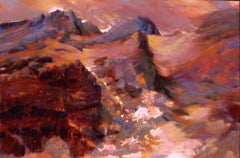
Valerie Hird’s body of work is a visual compilation of the experiences, associations and memories collected in her trips through the Middle East, Northern Africa, Spain and Turkey. H...
Category
Early 2000s Paintings
Materials
Linen, Oil
Price Upon Request
Textures of Time
By Sarah Winkler
Located in Bozeman, MT
Though the action of painting geological formations using abstraction, organic textures and luminous color, I can convey how natural physical forces work to shape a constantly changi...
Category
2010s Contemporary Landscape Paintings
Materials
Acrylic, Wood Panel