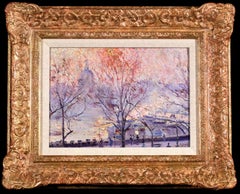
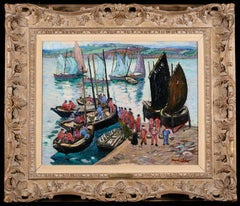
Maximilien LucePont Des Saint Pares and Louvre - Paris1928
1928
About the Item
- Creator:Maximilien Luce (1858-1941, French)
- Creation Year:1928
- Dimensions:Height: 11 in (27.94 cm)Width: 17 in (43.18 cm)
- Medium:
- Movement Style:
- Period:
- Condition:
- Gallery Location:Marlow, GB
- Reference Number:Seller: LFA085BF1stDibs: LU41531114373
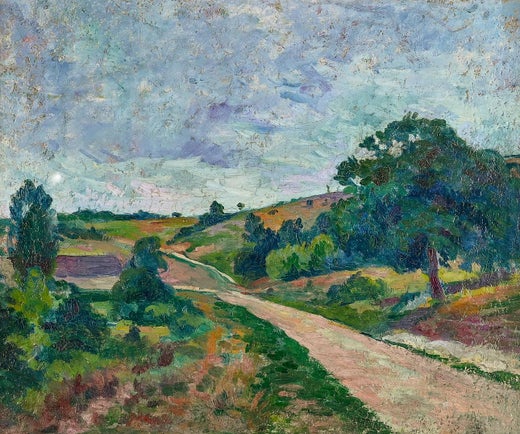
Maximilien Luce
Maximilien Luce was born in Paris in 1858. In 1876 he apprenticed in the shop of the engraver Eugène Froment (1844–1900), a qualified craftsman and graduate of the Ecole des Arts Décoratifs. There, Luce worked on numerous illustrations for French newspapers and foreign periodicals.
In 1877, Luce left Paris and went to London. When he returned to France in 1879 he was called for military service. It was during his military service that Luce met Charles Emile Carolus-Duran (1837–1917), the famous French painter and sculptor who was an instructor to countless artists. Luce entered Carolus-Duran’s studio, a move that not only provided him with meticulous training as a draftsman but also introduced him to the leading painters of the time. Luce met Camille Pissarro (1830–1903), with whom he became very good friends and who gave Luce much artistic advice. Along with Pissarro, Georges Seurat (1859–1891) and Paul Signac (1863–1935), Luce was one of the founders of the Neo-Impressionist School (i.e., the Pointillists).
Luce joined the Société des Indépendants in 1887 and consistently participated in the avant-garde group’s exhibitions. Though landscapes made up most of his oeuvre, Luce executed some marvelous paintings of people in the Pointillist style, and this social realist aspect differentiated him from many of his fellow Neo-Impressionists. For a period of time, Luce was a strict Pointillist. After 1920, however, Luce started to paint in a freer manner. He accepted the position of President of the Société des Artistes Indépendants in 1935, a role from which he would eventually resign as a statement against the society’s growing posture towards restricting Jewish artists from exhibiting.
Luce made a significant contribution to exporting Neo-Impressionism and maintained strong ties with the Belgian Pointillist Théo van Rysselberghe (1862–1926). An indefatigable artist, he left a sizable amount of work in various mediums and remains a very important figure in French Post-Impressionist art. Maximilien Luce died in 1941.
(Biography provided by Stern Pissarro Gallery)You May Also Like
Late 19th Century Impressionist Figurative Paintings
Oil, Board, Laid Paper
Early 1900s Realist Figurative Paintings
Oil, Board, Laid Paper
Early 2000s American Impressionist Figurative Paintings
Watercolor, Laid Paper
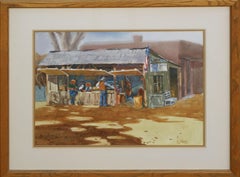
1930s Impressionist Landscape Paintings
Laid Paper, Watercolor
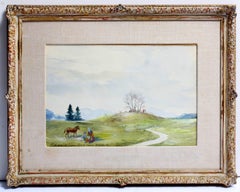
1910s American Impressionist Landscape Paintings
Watercolor, Gouache, Laid Paper
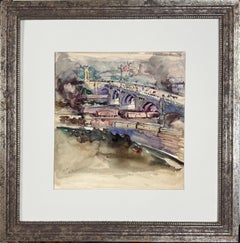
1990s Impressionist Figurative Paintings
Paper, Oil, Foam Board
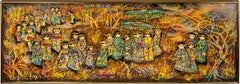
1870s Impressionist Figurative Paintings
Paper, Oil, Cardboard
1980s American Impressionist Figurative Paintings
Oil Pastel, Laid Paper
1890s Tonalist Landscape Paintings
Watercolor, Board, Laid Paper
1990s Fauvist Landscape Paintings
Board, Acrylic, Laid Paper
More From This Seller
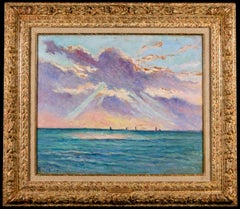
View All1920s Impressionist Landscape Paintings
Canvas, Oil, Laid Paper
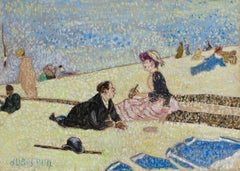
1890s Pointillist Figurative Paintings
Oil, Board, Laid Paper
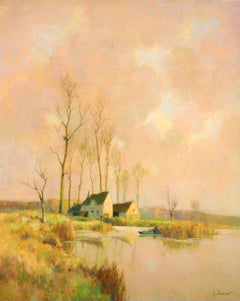
1950s Impressionist Landscape Paintings
Oil, Board
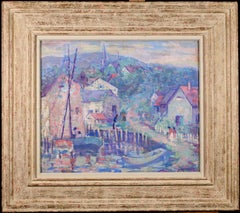
1920s American Impressionist Landscape Paintings
Canvas, Oil, Board
Early 1900s Impressionist Figurative Paintings
Oil, Board
Early 1900s Impressionist Landscape Paintings
Oil, Board