Items Similar to The Return Of The Four, All Around Magazine Cover
Want more images or videos?
Request additional images or videos from the seller
1 of 8
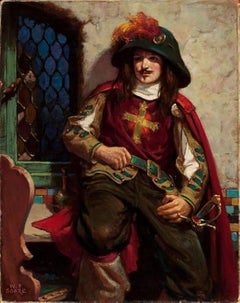
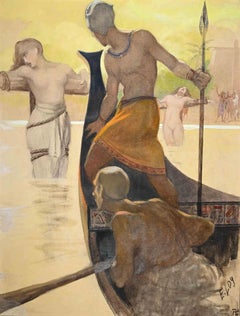
Newell Convers WyethThe Return Of The Four, All Around Magazine Cover1915
1915
$75,000
£56,679.23
€65,106.40
CA$105,493.04
A$111,689.62
CHF 60,443.26
MX$1,334,896.31
NOK 753,417.36
SEK 688,973.46
DKK 486,261.16
About the Item
Medium: Oil on Canvas
Signature: Signed Indistinctly
Sight Size 40.00" x 30.00", Framed 46.00" x 36.00"
All Around Magazine, Dec 1915. #872 in N.C. Wyeth Catalouge Raisonne 2008
This rare pulp painting by Wyeth was originally published as the cover illustration for "The Return of the Four" by Edwin Bliss, All Around Magazine, December, 1915.
The painting was reproduced as catalog no. 872 in N.C. Wyeth, Catalogue Raisonné of Paintings, Brandywine River Museum, 2008.
Notes: NEWELL CONVERS WYETH (American, 1882-1945) The Return of the Four, All Around Magazine, pulp cover, December 1915 Oil on canvas 40 x 30 in. Signed indistinctly This rare pulp painting by Wyeth was originally published as the cover illustration for "The Return of the Four" by Edwin Bliss, All Around Magazine, December, 1915. The painting was reproduced as catalog no. 872 in N.C. Wyeth, Catalogue Raisonné of Paintings, Brandywine River Museum, 2008. PROVENANCE: Graham Gallery, New York; Private Collection. EXHIBITED: Graham Gallery, New York.
Artist biographical notes: N. C. Wyeth produced over 300 illustrations for hundreds of articles, books, posters, and magazine covers. In 1911, he was accepted by Scribner's to illustrate such classics as "Treasure Island, " The Last of the Mohicans," and "Robin Hood." His work is characterized by a child's-eye view and feature characters in exacting detail, dramatized by long shadows. He was killed suddenly in 1945, when his car collided with on coming train. Of his painter-children, Andrew Wyeth is the most famous.
- Creator:Newell Convers Wyeth (1882-1945, American)
- Creation Year:1915
- Dimensions:Height: 40 in (101.6 cm)Width: 30 in (76.2 cm)
- Medium:
- Period:
- Condition:
- Gallery Location:Fort Washington, PA
- Reference Number:Seller: 8781stDibs: LU3843961593
Newell Convers Wyeth
One of the most successful illustrators of all time, Newell Convers Wyeth studied under Howard Pyle between 1902-1904 in Chadds Ford. Perhaps more than any other student, he took Pyle’s dictates completely to heart. He was the pre-eminent example of the results of Pyle’s teachings by following every precept, religiously. During his career, Wyeth painted nearly four-thousand illustrations for the Saturday Evening Post, and many other magazines and books. An early aficionado of Pyle’s he became his greatest advocate even settling his family in the Brandywine area and in Maine, where Wyeth’s still live today. Much of NC Wyeth’s art embraced an American Western theme. He also illustrated popular kid's books topped off with pirates, knights, and brigands in novels entitled Treasure Island and Tom Sawyer - which established visual images of the characters in young readers minds eye, for generations. Born in Needham, Massachusetts, nearby Boston in 1882, Newell Convers Wyeth showed an early passion for drawing and was encouraged by his family. From 1903, until his tragic death in a 1945 car accident at a railroad crossing, N.C. Wyeth set new standards for illustrators, in styles, in technique, and through his imagination. He had an extraordinary ability to create living characters from an author’s imaginary story. Because of his fantastical imagination, he envisaged all aspects of a story, identifying crucial elements often overlooked by the author himself. Cooper, DeFoe, Irving, Stevenson, and Verne were some of the authors whose works he illustrated.
About the Seller
5.0
Recognized Seller
These prestigious sellers are industry leaders and represent the highest echelon for item quality and design.
Gold Seller
Premium sellers maintaining a 4.3+ rating and 24-hour response times
Established in 1995
1stDibs seller since 2016
142 sales on 1stDibs
Typical response time: <1 hour
- ShippingRetrieving quote...Shipping from: Fort Washington, PA
- Return Policy
More From This Seller
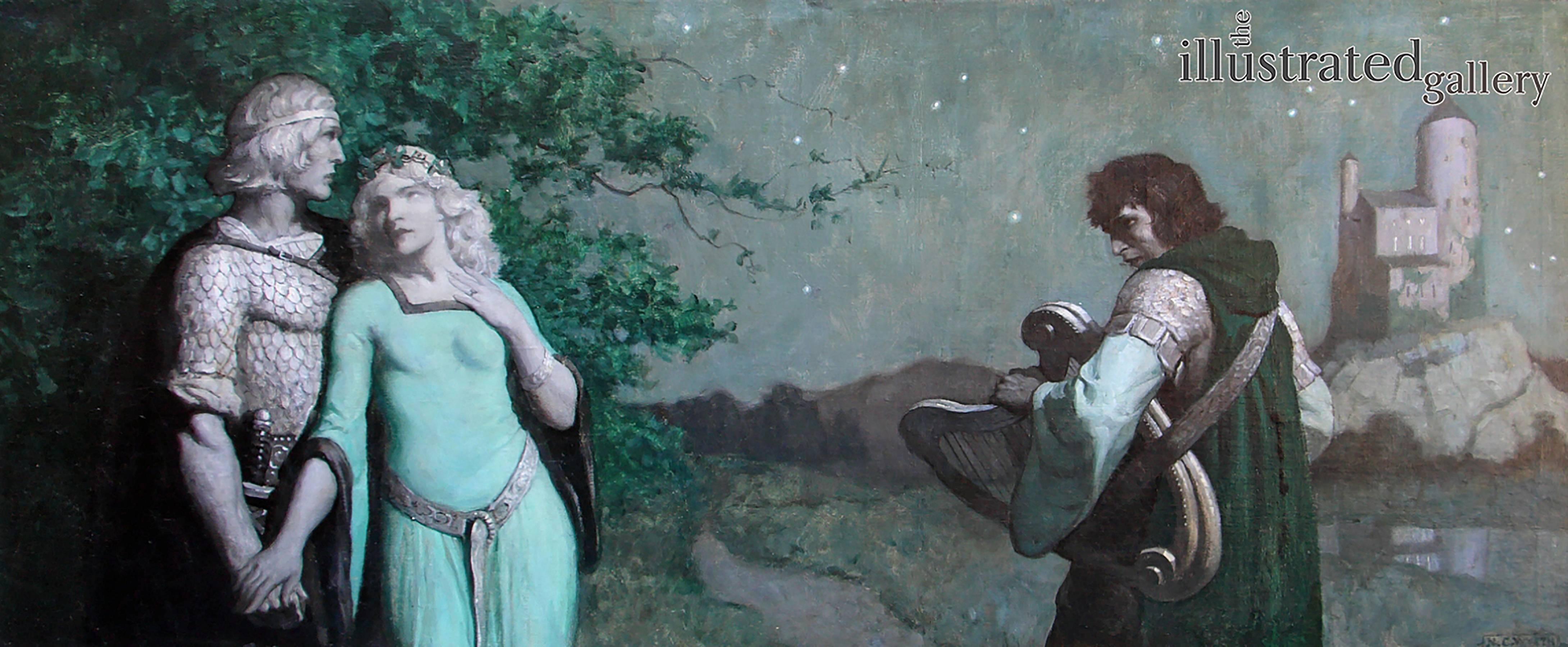
View AllSo Hate That is Brother to Death Was in the Heart of Craftainy the Harper
By Newell Convers Wyeth
Located in Fort Washington, PA
Medium: Oil on Canvas
Sight Size 22.50" x 52.00", Framed 30.00" x 60.00"
Signature: Signed 'N.C. Wyeth' (Lower Right)
Exhibited
Memphis, Tennessee, Memphis Brooks Museum of Art, and...
Category
1910s Figurative Paintings
Materials
Canvas, Oil
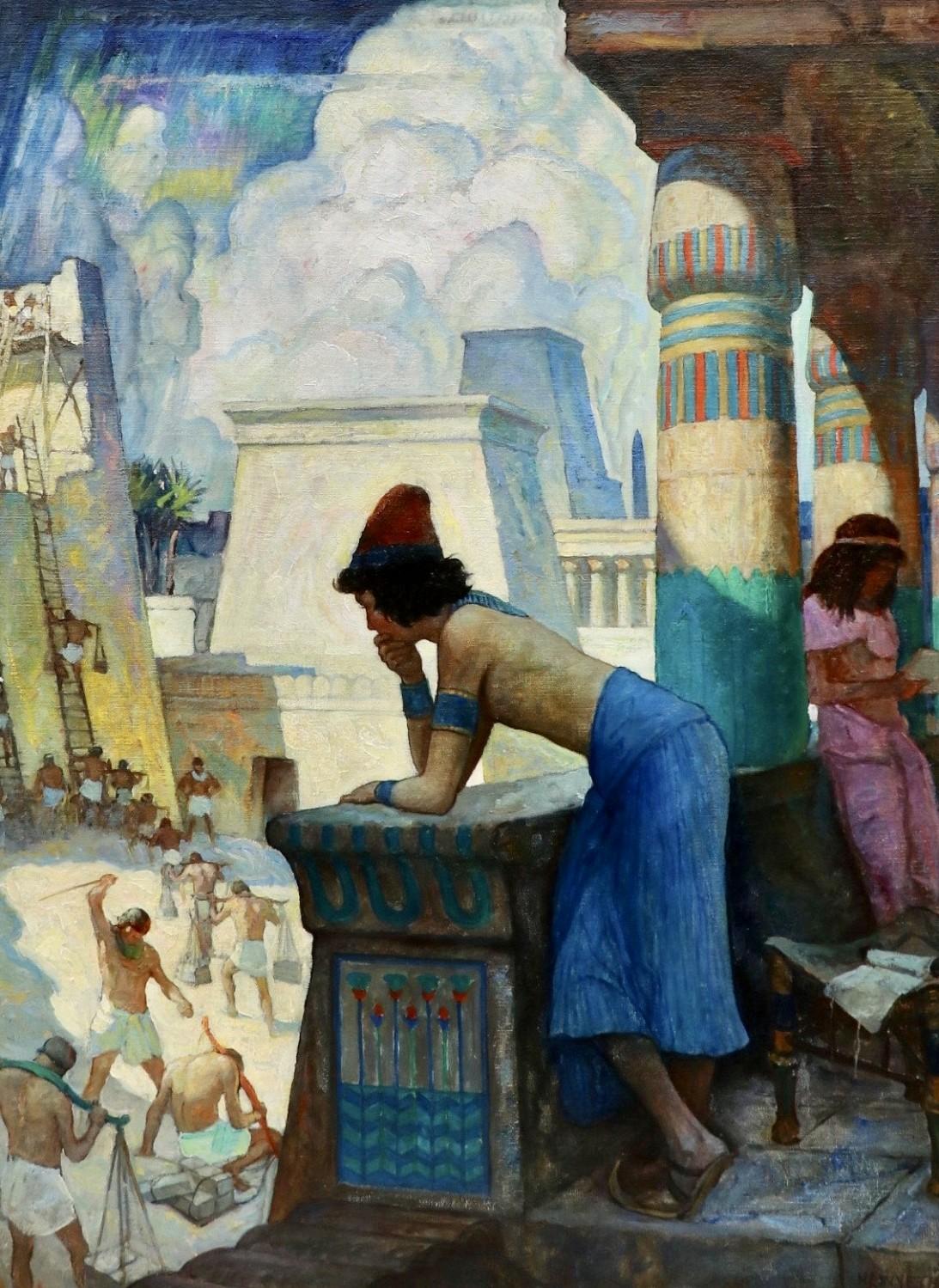
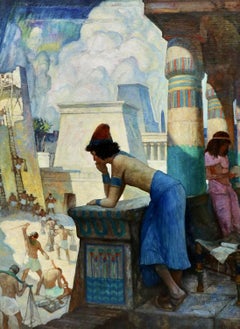
"The Boy, Moses" illustration for Children of the Bible in Good Housekeeping
By Newell Convers Wyeth
Located in Fort Washington, PA
The present work was reproduced as an illustration for Bruce Barton's story "The Boy Who Established a Nation," published in the February 1929 issue of Good Housekeeping. Part of an ...
Category
1920s Figurative Paintings
Materials
Canvas, Oil
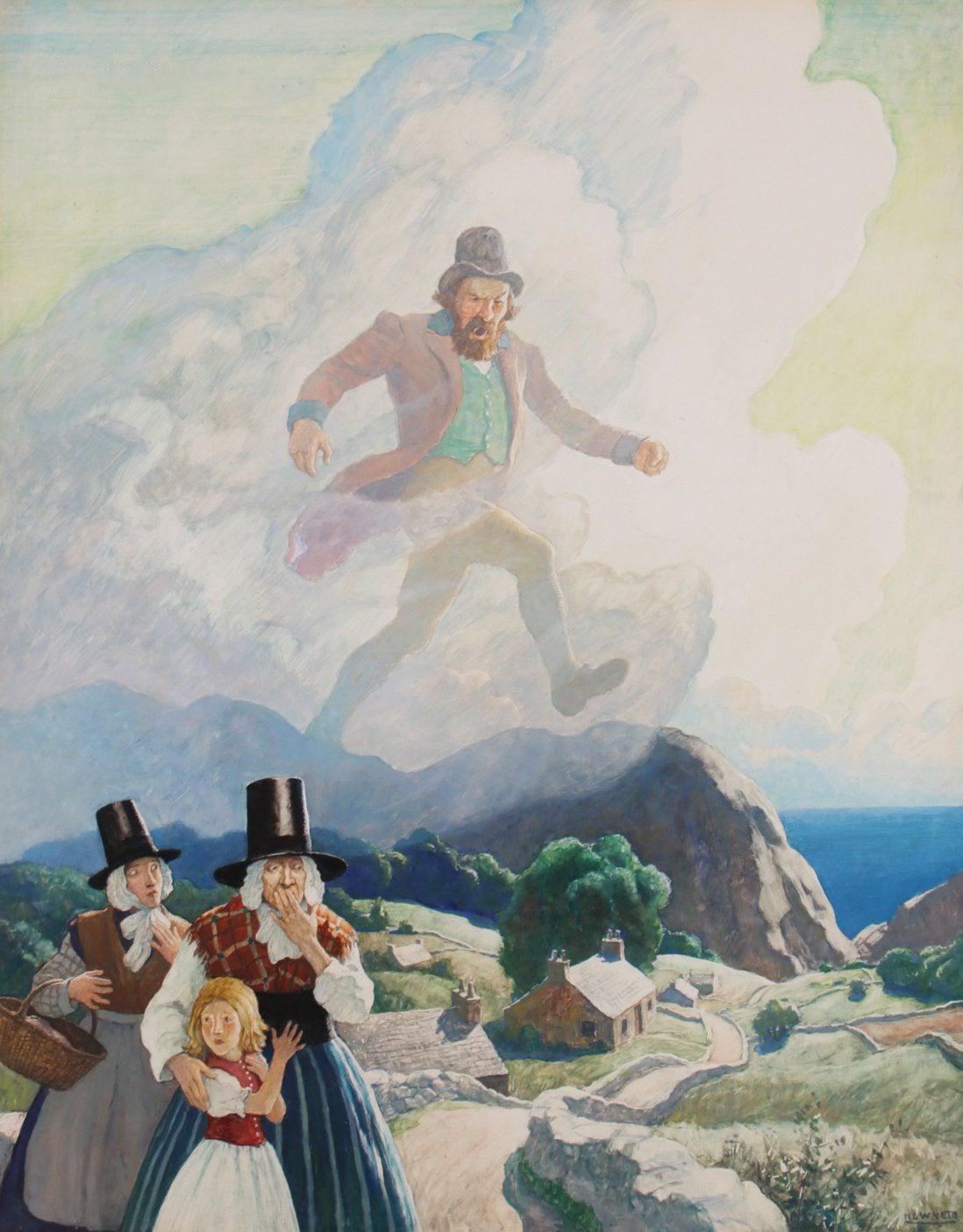
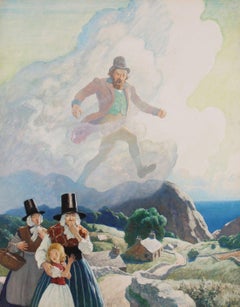
The Man of Wales
By Newell Convers Wyeth
Located in Fort Washington, PA
Signature: Signed Lower Right
Medium: Oil on Handboard
Literature:
Mabelle Glenn et al., eds., The World of Music: Song Programs for Youth; Adventure, Boston, Massachusetts, 1938, illustrated in color opp. p. 64
Douglas Allen...
Category
1930s Figurative Paintings
Materials
Oil, Board
Price Upon Request
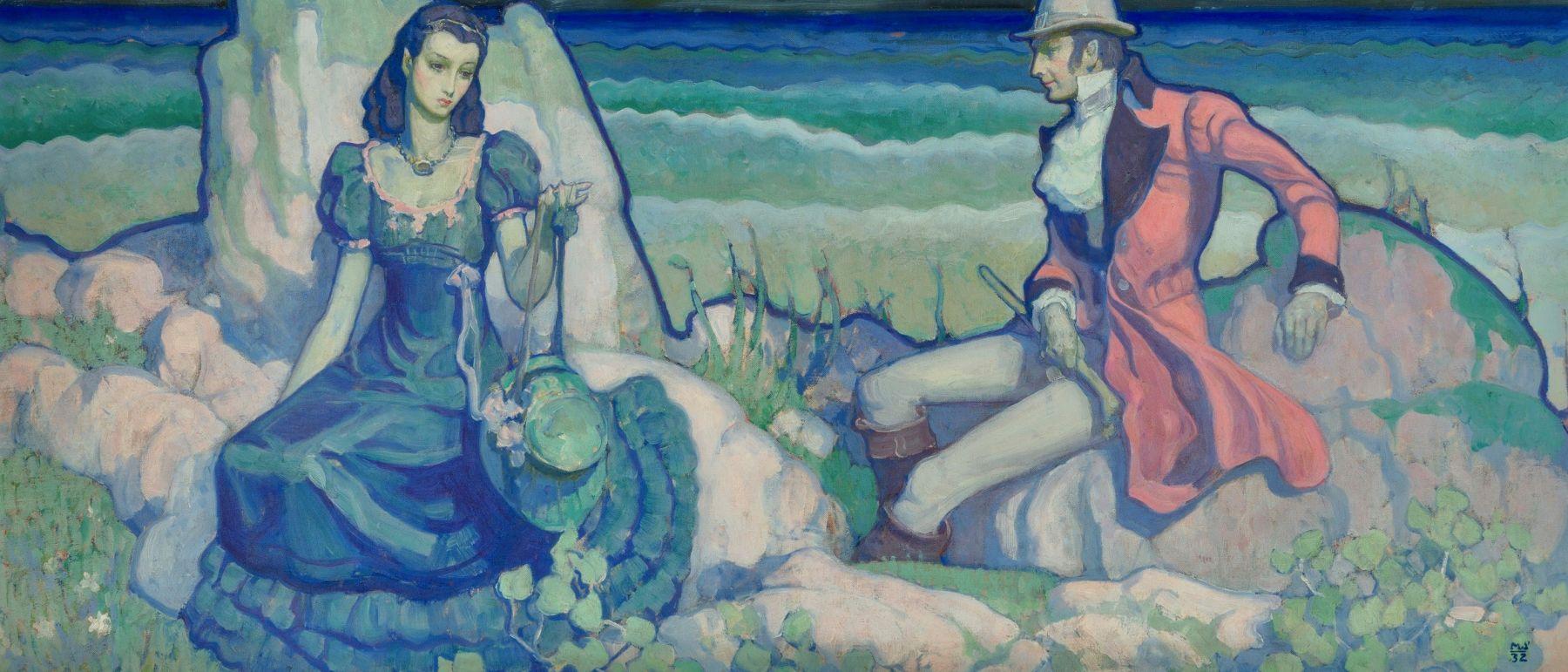
Peggy O
Neil, Redbook Magazine Interior Illustration, 1932
By Mead Schaeffer
Located in Fort Washington, PA
Illustration for “Women America Remembers: Peggy O’Neil” by Arthur D. Howden Smith for The Red Book Magazine, published March 1930, illustrated pages 20-21.
This painting by Mead Schaeffer depicts a romantic encounter between Peggy O'Neil and her first husband, John Timberlake. The accompanying caption reads: "It was inevitable that Peggy should fall in love—and she did, with John Timberlake, who had little besides his face to recommend him." It was created in 1930 for the third installment of The Red Book Magazine’s “Women America Remembers” series, which features stories of women famous for “personality, beauty, wit or audacity, or because of the tragedy left in their train.”
Margaret ("Peggy") O'Neil Eaton remains a figure of historical intrigue, primarily for her central role in the "Petticoat Affair," a significant political scandal during Andrew Jackson's presidency. The circumstances surrounding Peggy’s marriage to John Eaton, occurring shortly after the death of her first husband, John Timberlake, and her family’s background as tavern-keepers, coupled with her perceived impudent personality, subjected her to intense social scrutiny in Washington D.C. Upon John Eaton's appointment as Secretary of War, Peggy faced social ostracism led by Floride Calhoun, wife of Vice President John Calhoun...
Category
1930s Figurative Paintings
Materials
Canvas, Oil
The Winter
s Tale, Cover for The American Weekly
By Willy Pogany
Located in Fort Washington, PA
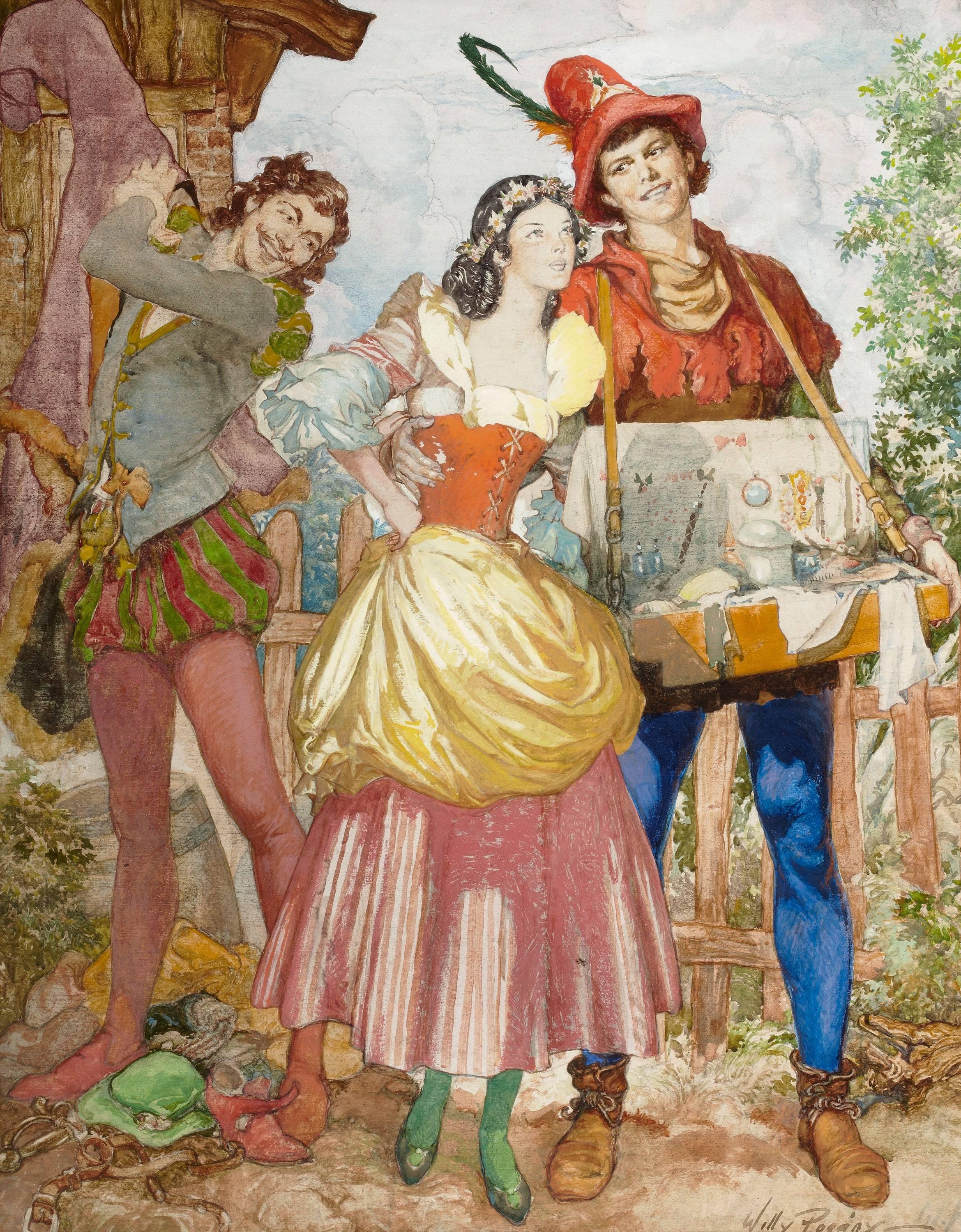
Original cover illustration for The American Weekly, published November 27, 1949. Depicting a scene from “The Winter's Tale,” this illustration is from Pogany’s “Beauties of Shakespeare” cover series for the magazine.
Signed lower right.
William Andrew (Willy) Pogany was a native of Hungary and his first studies in Budapest and Paris were in engineering. Success in caricaturing led him to pursue and art career, first in London and then in America. His influences were the Oriental artists and illuminated books, and much of his career was devoted to book illustration.
Among his many successes were The Rubaiyat, The Kasidah, The Children’s Book of Northern Myths, The Witch’s Kitchen, The Frenzied Prince, Sonnets from the Portuguese...
Category
1940s Other Art Style Paintings
Materials
Paper, Watercolor
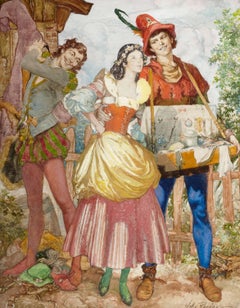
American Boy Magazine Cover, October 1929
Located in Fort Washington, PA
Medium: Oil on Canvas
Signature: Signed Lower Left
October 1929 American Boy Magazine Cover
Magazine Included
Category
1920s Figurative Paintings
Materials
Canvas, Oil
You May Also Like
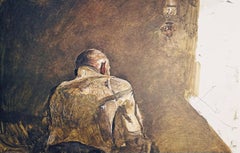
Andrew Wyeth, Spring Sun, from The Four Seasons (after)
By Andrew Wyeth
Located in Southampton, NY
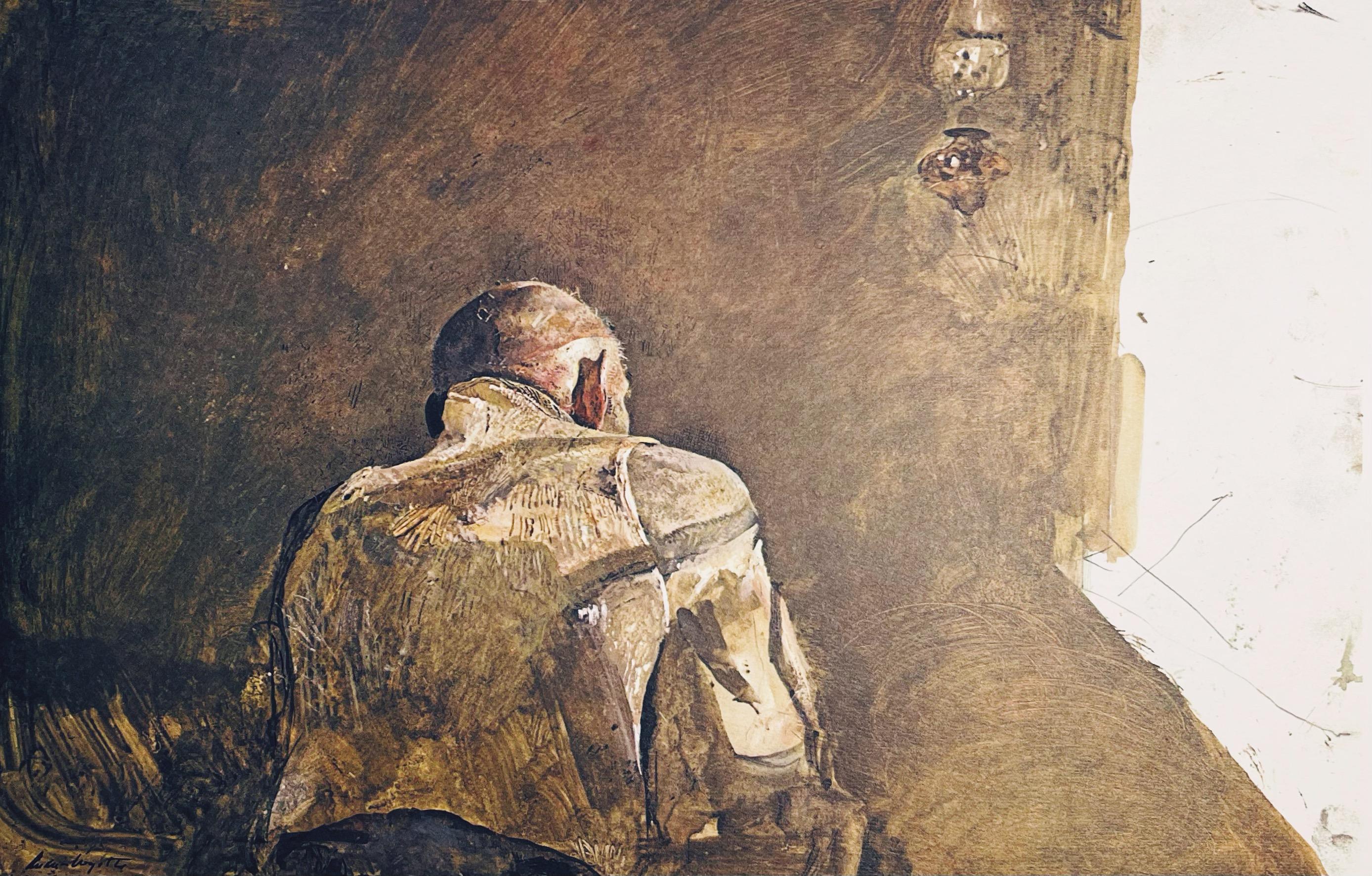
This exquisite lithograph after Andrew Wyeth (1917–2009), titled Spring Sun, originates from the distinguished 1962 folio The Four Seasons: Paintings and Drawings by Andrew Wyeth. Published and printed by Art in America Company, Inc., New York, the edition captures Wyeth’s luminous portrayal of seasonal awakening. Spring Sun evokes the thin sunlight and faint warmth of early spring—the quiet renewal of life after winter’s retreat—rendered with Wyeth’s characteristic restraint, tonal subtlety, and contemplative emotional depth.
Executed on velin paper, this lithograph measures 17 x 13 inches (43.2 x 33 cm). As issued, it is unsigned and unnumbered, representing the folio’s authentic format. The Four Seasons series was conceived by the editors of Art in America in collaboration with Andrew and Betsy Wyeth, who selected drawings from the artist’s studio and personal collection to illustrate the intimate relationship between nature, time, and memory. Each composition distills Wyeth’s gift for transforming the familiar into visual poetry through mastery of texture, light, and mood.
Artwork Details:
Artist: After Andrew Wyeth (1917–2009)
Title: Spring Sun, from The Four Seasons, Paintings and Drawings by Andrew Wyeth, 1962
Medium: Lithograph on velin paper
Dimensions: 17 x 13 inches (43.2 x 33 cm)
Inscription: Unsigned and unnumbered, as issued
Date: 1962
Publisher: Art in America Company, Inc., New York
Printer: Art in America Company, Inc., New York
Condition: Well preserved, consistent with age and medium
Provenance: From the 1962 folio The Four Seasons, Paintings and Drawings by Andrew Wyeth, published and printed by Art in America Company, Inc., New York
Notes:
Excerpted from the 1962 folio:
"In 1962 the editors of Art in America proposed to Wyeth a portfolio of images of his recent dry-brush drawings. The artist and his wife suggested the theme, 'The Four Seasons,' because of the essential role played in his work by the cycle of the seasons. The drawings were selected by Andrew and Betsy Wyeth from works in the house and studio at Chadds Ford, supplemented by some owned by friends. With a few exceptions they had never been exhibited or reproduced. The plates were made directly from the originals. In these drawings Wyeth's loving concentration on the object is fully revealed. But as always in his work, this concern with the tangible is balanced by sensibility to mood, to the emotion arising from the actual. They are pervaded with a sense of the season—the exact time of year, the hour of the day, the quality of the light. To the truth and subtlety with which he captures these intangible factors, these drawings owe their poignant poetry."
About the Artist:
Andrew Wyeth (1917–2009) was an American visual artist and one of the best-known painters of the mid-20th century. Although he considered himself an abstractionist, Wyeth’s work is characterized by a meticulous realism imbued with psychological depth and atmosphere. He often painted the landscapes and people surrounding his homes in Chadds Ford, Pennsylvania, and Cushing, Maine, creating an intimate record of American rural life. The son of the celebrated illustrator N. C. Wyeth, Andrew trained under his father before developing his own deeply personal visual language inspired by Winslow Homer, Henry David Thoreau, and King Vidor. His wife, Betsy Wyeth, was both his muse and career manager, while his son Jamie Wyeth continued the family’s artistic legacy.
Among Wyeth’s best-known works is Christina’s World (1948), housed in the Museum of Modern Art, New York—a quintessential image of 20th-century American art. His other notable series include The Helga Pictures and his window studies, each reflecting a profound meditation on solitude, memory, and perception. Wyeth was the first painter to receive both the Presidential Medal of Freedom and the Congressional Gold Medal, and was elected to the French Académie des Beaux-Arts in 1980.
In 2022, Andrew Wyeth's painting Day Dream sold for USD 23.29 million at Christie’s New York, setting a world record for the artist.
Andrew Wyeth lithograph...
Category
1960s American Realist Landscape Prints
Materials
Lithograph
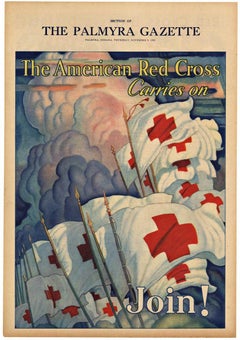
Join! The American Red Cross Carries on
By Newell Convers Wyeth
Located in Spokane, WA
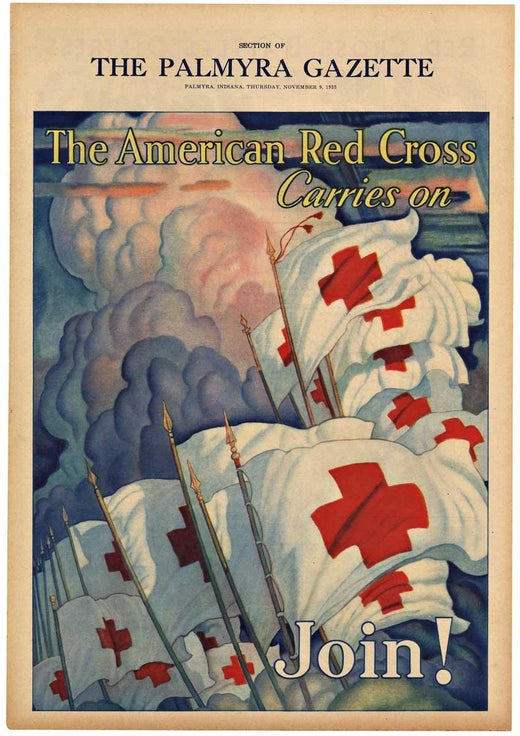
Original poster: Join! The American Red Cross, Carries On. The Palmyra Gazette. Museum mounted on linen. Notable artist Newell Convers Wyeth created this image. Very good c...
Category
1930s American Modern More Prints
Materials
Lithograph
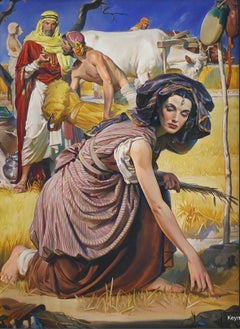
Ruth, American Modern Oil Painting on Canvas, Mid-20th Century, Signed
By Joseph Watson Little
Located in New York, NY
Joe Watson Little - (1915 - 1986)
Had a considerable run for Hearst publications, doing covers and story arts from the 40s through the 60s. Also did PWPs (Post War Pulps) like Master...
Category
Mid-20th Century American Modern Figurative Paintings
Materials
Oil, Canvas
Biblical Story illustration Art for Religious Magazine Cover
Located in Miami, FL
Miriam Story Hurford was a prolific and major American female illustrator in the 1930s to the 1950s. Her work was for cover art for women's magazines and home magazines and religious magazines. This work depicts t the wise men being guided by the star of Bethleham to the birth of the Christ child for a Christmas magazine...
Category
1930s American Realist Figurative Paintings
Materials
Gouache, Pencil

Study for Scenography - Watercolor by Erminio Loy - 1920s
By Erminio Loy
Located in Roma, IT
Study for Scenography is a painting in watercolor realized in the 1920s by Erminio Loy.
Hand-signed on the lower right.
Good conditions.
The artwork represented through harmonious...
Category
1920s Pop Art Figurative Drawings and Watercolors
Materials
Watercolor
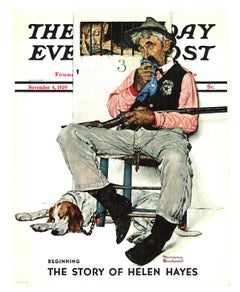
Original Saturday Evening Post, 1939 newstand authentic poster, linen backed
By Norman Rockwell
Located in Spokane, WA
Original 1939 The Saturday Evening Post newsstand vintage poster. Archival linen backed in excellent condition. Never folded and no restoration. Grade A.
Rare and charming origi...
Category
1930s American Realist Portrait Prints
Materials
Offset
Read More
A Famed Illustrator and Patriarch of an Art Family, N.C. Wyeth Longed for More
An exhibition organized by the Brandywine River Museum of Art, in Chadds Ford, Pennsylvania, and Maine's Portland Museum of Art shows the artist's works in a new light.
J.C. Leyendecker’s ‘Spring’ Celebrates Fertility and Virility
Apollo, in all his divine glory, represents seasonal themes of reawakening and renewal in this cover illustration for ‘The Saturday Evening Post.’
More Ways To Browse
N C Wyeth
Used Newells
Pulp Covers
Pulp Magazine
Pulp Painting
N C Wyeth Painting
Mid Century Mother And Child Art
Rain Oil Painting
St Ives Vintage
Blue And White Vase Painting
Bouquet Of Flowers In Vase Canvas Painting
Western Art Paintings
Antique Gentleman Portrait
Angels Oil Painting
Bay Area Paintings
Irises Painting
Miniature Landscape Painting
Musician Paintings