Items Similar to Portrait of a Gentleman
Want more images or videos?
Request additional images or videos from the seller
1 of 6
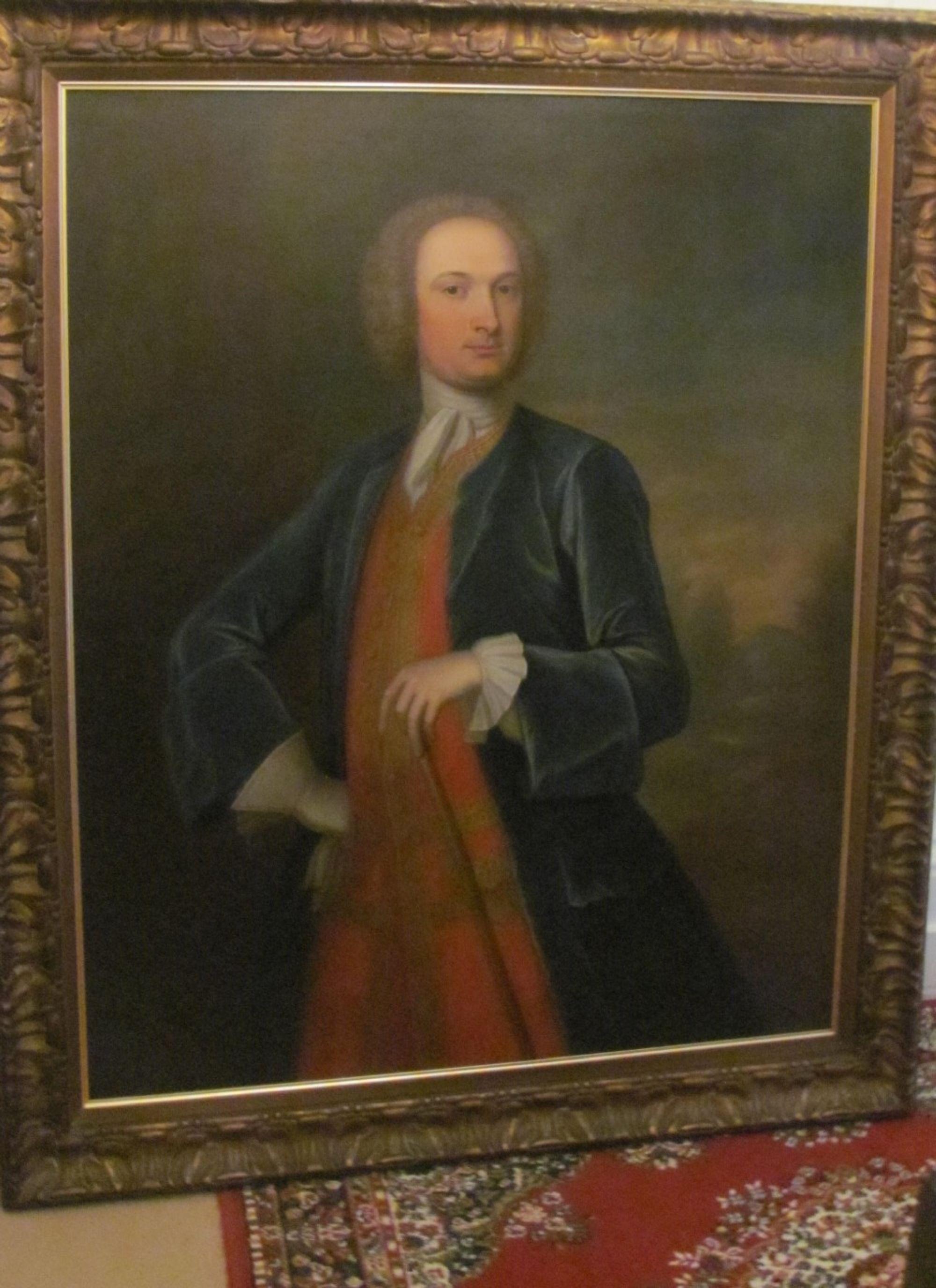
Arthur DevisPortrait of a Gentleman1755
1755
$51,230.79
£37,415
€44,033.27
CA$71,222.37
A$76,759.81
CHF 41,041.29
MX$912,575.31
NOK 516,001.32
SEK 471,595.34
DKK 329,022.72
About the Item
Oil on canvas, signed and dated 'Art Devis/fe 1755' lower left
Image size: 29 1/2 x 24 1/4 inches (75 x 62 cm)
Original ornate gilt wood frame
Provenance:
Ian Douglas Leonard Cochrane, 14th Earl of Dundonald
Christie's London, June 16, 1961, lot 56, to Leggatt for 5,200 Guineas
The Viscountess Rothermere (1929-1992) Anonymous sale ('The Property of a Lady'), London, Christie's, July 16, 1982, lot 60
Private collection, U.K
Sotheby's London, December 14, 2021, lot 52
The Jerold Krouse Collection
Literature:
E.G. D'Oench, Arthur Devis: Master of the Georgian Conversation Piece, unpublished PhD thesis, 1979, p. 469, cat. no. 222
E.G. D'Oench, The Conversation Piece, Arthur Devis and his contemporaries, New Haven 1980, p. 91, cat. no. 222
Exhibited:
Bath, Holbourne Museum, on loan from 1988-2006
In this portrait, a well-dressed gentleman leans nonchalantly on a chair, the book clasped in his hand operating as a symbol of his education. His posture, with one hand on his hip brushing away his overcoat, has allowed for Devis to masterfully depict a range of different fabric textures - for example, the lace cuffs, the satin waistcoat, and the velvet lapels of his overcoat. Whilst the focus of the portrait is firmly on the powerful presence of its central figure, the beauty of the landscape in the background pays testament to Devis’ early training as a portraitist. The river and rolling hills recede into the background and create a sense of scale, whilst the Church behind the figure’s shoulder provides an aspect of potential realism - perhaps this was a local church associated with the lands, titles or heritage of the sitter. Arthur DevisArthur Devis was born in Preston, Lancashire in 1712, the son of a carpenter and councillor. He moved to London and was trained by Pieter Tillemans, who was known for his sporting and topographical scenes. He produced a number of Italianate landscapes during this time, but soon diverted from landscape painting into portraiture, becoming well-known for his conversation pieces and small-scale works. Devis moved between London and Lancashire, taking commissions and earning acclaim in both locations - he used his father’s position as a town councillor in Lancashire to earn commissions from local noble families. In 1745, he opened a studio in Lincoln’s Inn Fields.Devis is well-known for his conversation pieces, which depict one or more full-length figures within interiors or small-scale landscapes, surrounded by a few identifying or prized possessions. This genre, started by Hogarth, was immensely popular in the 18th century and Devis has been immortalised as one of the most prolific conversation piece artists. He worked largely for the gentry and has become recognisable for his doll-like figures. The uncanny quality of his figures is due to their references being mannequins that Devis would dress and pose for the bodies of his portrait sitters to save their constant attendance at his studio. Devis had little familiarity with human anatomy, having trained under a sporting and topographical artist. For this reason, some of Devis’ works have a clear visual format, with recycled poses and costumes. His interiors and landscape backgrounds were also often imagined.From 1761, Devis exhibited at the Free Society of Artists and became its president in 1780. Although he is best known for his portrait of the landed gentry, Devis also painted in class. He was commissioned to restore paintings for Sir Roger Newdigate, and to clean and repair the Painted Hall at the Royal Naval Hospital, Greenwich. After the founding of the Royal Academy, however, Devis’ reputation began to decline in the face of a younger generation of increasingly innovative artists.Devis sold his estates in 1783 and moved to Brighton, where he would pass away in 1787. Both of his sons, his half-brother, and his son-in-law were respected artists in their own right. His works have taken on a new significance as they represent the social hierarchies between families in the 18th century, through the positioning and posing of the figures.
About the Seller
5.0
Gold Seller
Premium sellers maintaining a 4.3+ rating and 24-hour response times
Established in 2007
1stDibs seller since 2014
87 sales on 1stDibs
Typical response time: 2 hours
- ShippingRetrieving quote...Shipping from: London, United Kingdom
- Return Policy
More From This Seller
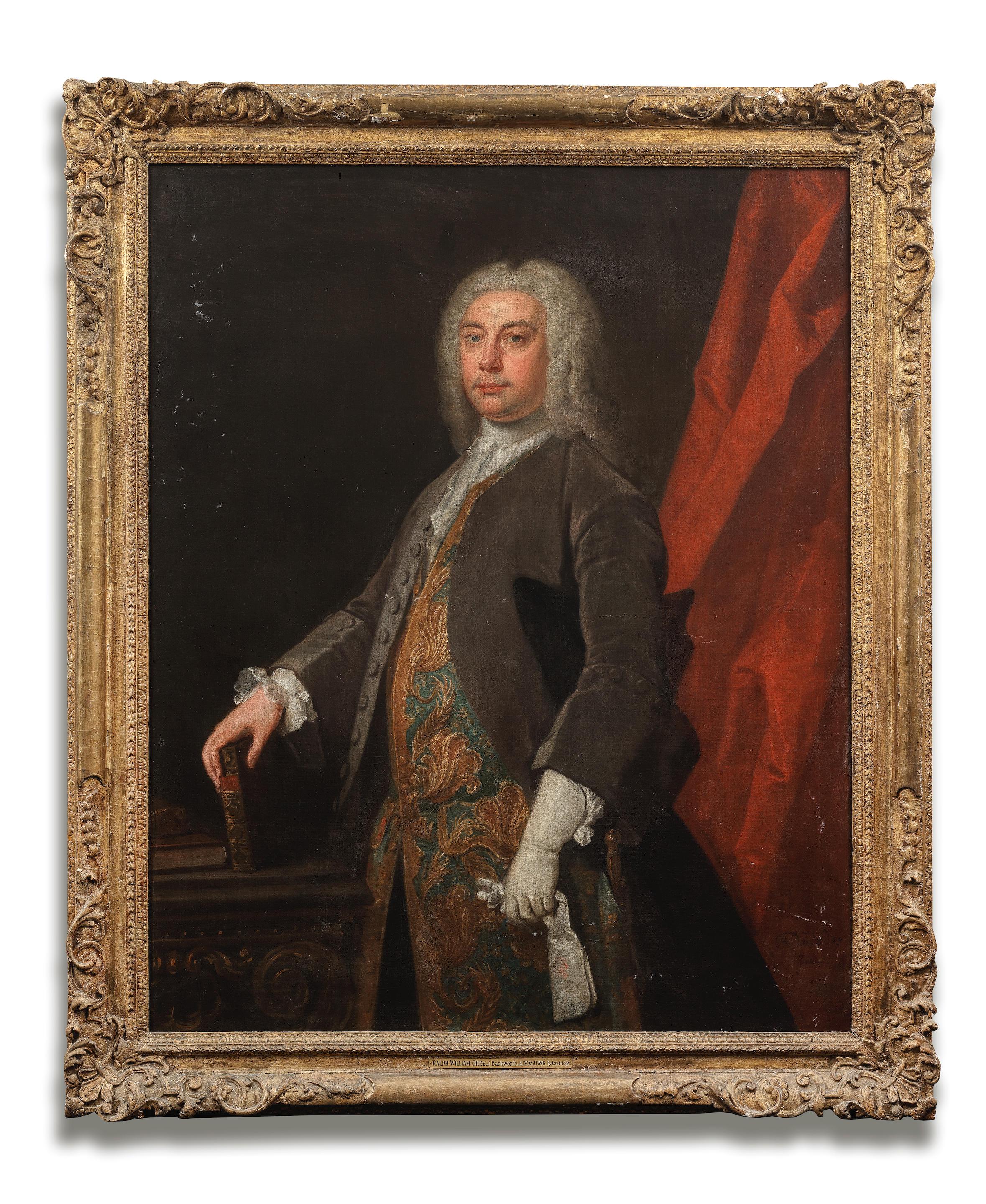
View AllPortrait of Ralph William Grey
By Bartholomew Dandridge
Located in London, GB
Provenance
By descent through the sitter's family to
The Collection of R. W. Vivian-Neal of Poundisford Park, Somerset, from whom acquired by
With Lane Fine Art, UK, where purchased by the present owners in 1996
Literature
'Poundisford Park, Somerset' in Country Life, 22 December 1934, ill.
A.W. and C.M. Vivian-Neal, Poundisford Park, Somerset: A catalogue of pictures and furniture, Taunton 1939, cat. nos. 11 and 13
This is a three-quarter-length portrait of Ralph William Grey in a mole-coloured velvet coat and a long waistcoat of green satin, heavily embroidered in gold. Under his left right hand is a black chapeau bras. He has white doe-skin gauntlet gloves.
Son of William and Ann Grey of Backworth: born 19 December 1707. He married Mary the daughter of William Rawstorne of Newall in 1741 and died 5 November 1786. He was educated at Eaton and Trinity College, Oxford.
Within a year of his birth Mrs Grey died and, according to the Country Life article 'From that time forward all Mr Grey's faculties were concentrated on the well-being of his son. The possession of an heir gave zest to his efforts to build up the family fortune: he was successful in most of his ventures. Years later his interest in life was centred in the home of his daughter-in-law and grandchildren'.
Grey's right hand is depicted in the present portrait resting on Locke's Essays and the Country Life article also records that there are constant references to John Locke...
Category
Mid-18th Century English School Portrait Paintings
Materials
Oil
Portrait of a Gentleman, 18th Century Oil Painting
By Anton von Maron
Located in London, GB
Oil on canvas
Image size: 20 x 24 inches (51 x 61 cm)
Period gilt frame
This is a half-length portrait of a gentleman wearing a emerald coat and intricately designed waistcoat, dat...
Category
1760s Portrait Paintings
Materials
Canvas, Oil
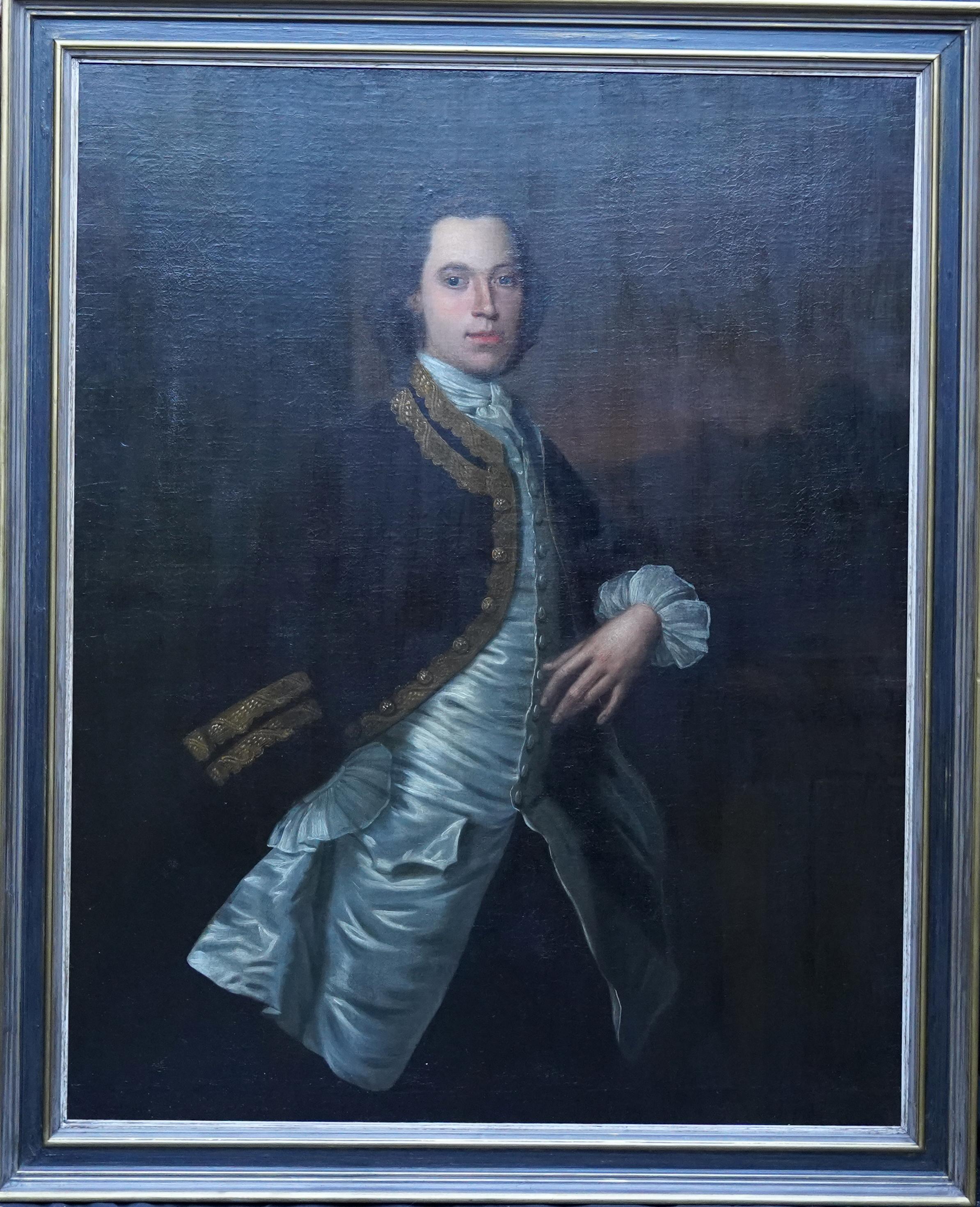
Portrait of Captain George Meek
Located in London, GB
William Roth
Born 1754
Portrait of Captain George Meek
Oil on canvas, signed & dated 1782 lower right
Image size: 25 x 18 ½ inches (64 x 47 cm)
Ornate giltwood William Kent style fra...
Category
Late 18th Century Portrait Paintings
Materials
Canvas, Oil
William, 1st Viscount Bateman and Family
Located in London, GB
Oil on canvas
Image size: 24 x 18 1/2 inches (61 x 47 cm)
Gilded wood framed
Provenance
Estate of Judge Davis Norton and Florence Edelstein.
William Bateman was a British Whig politician who sat in the House of Commons between 1721 and 1734. He was made Knight Companion of the Order of the Bath...
Category
Early 18th Century Figurative Paintings
Materials
Canvas, Oil
Portrait of William Henry Kerr, Earl of Ancram, 4th Marquess of Lothian
Located in London, GB
James Fellowes
Flourished 1719 - 1750
Portrait of William Henry Kerr, Earl of Ancram, 4th Marquess of Lothian
Oil on canvas, signed & dated 1747
Image size: 29 1/2 x 24 1/2 inches (75 x 62 cm)
Original gilt wood frame
William Henry Kerr was born a member of the Scottish peerage to William, third Marquess of Lothian, and his first wife Margaret, daughter of Sir Thomas Nicholson of Kemnay, first Baronet. William was styled Master Jedburgh until 1722, when his father was elevated to a Marquessate, after which he was referred to as Lord Jedburgh until 1735. Following his father’s military footsteps, on 20 June 1735 Ancram was commissioned as a cornet to the regiment (11th Dragoons) of his grand-uncle, Lord Mark Kerr. Ancram married Lady Caroline...
Category
1740s Old Masters Portrait Paintings
Materials
Oil
Portrait of a King
s Messenger, 18th Century English Artist, Original Frame
By Charles Philips
Located in London, GB
Charles Philips
1703 - 1747
Portrait of a King's Messenger
Oil on canvas
Image size: 35 ¾ x 28 inches
Original gilt frame
King's Messenger
The job of a King's Messenger was that of a diplomatic courier, hand-carrying important and secret documents around the world. Some say that the history of the sovereigns' messengers goes back to 1199, but the first known messenger was John Norman, who in 1485 earned 4d (1½ pence) per day for carrying the state papers of Richard III.
The silver greyhound on the messenger's badge dates back to Charles II. In 1660, during his exile at Breda, Netherlands, Charles II issued a declaration of amnesty to all those who had opposed him and his father. He used messengers to make his intentions known. In answer to the messenger's question "How will they know me?", Charles reached forward to a silver bowl on the table in front of him. This bowl, with four decorative greyhounds standing proud above the rim, was well known to all courtiers. Charles broke off a greyhound and gave it to the messenger as a guarantee that the message came from him. From that date, the King's Messenger always wore a silver greyhound around his neck.
Later, dating from George II or III, a badge with the Royal Arms in enamel, with the greyhound suspended beneath, was worn. A George III example of the King's Messenger Badge, pre 1800, sold for over £30,000 pounds some years ago.
The silver greyhounds were minted for each new reign, except the brief one of King Edward VIII. The sovereign's messengers were originally controlled by the Lord Chamberlain, being Messengers of the Great Chamber. When the Foreign Office was created in 1782, the messengers remained common to the three Secretaries of State.
Charles Philips was an English artist known for painting a number of portraits and conversation pieces for noble and Royal patrons in the mid-eighteenth century.
Philips was baptised in the combined parish of St Mildred, Poultry with St Mary...
Category
18th Century Portrait Paintings
Materials
Canvas, Oil
You May Also Like
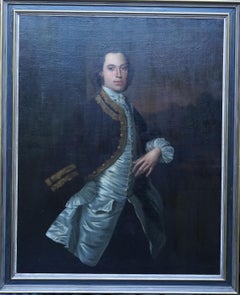
Portrait of a Gentleman - British Old Master c1750 art oil painting
By Thomas Hudson
Located in Hagley, England
This superb British 18th century Old Master portrait oil painting is attributed to Thomas Hudson. Painted circa 1750 it is a three-quarter length standing portrait of a gentleman in ...
Category
1750s Old Masters Portrait Paintings
Materials
Oil
$6,572 Sale Price
20% Off
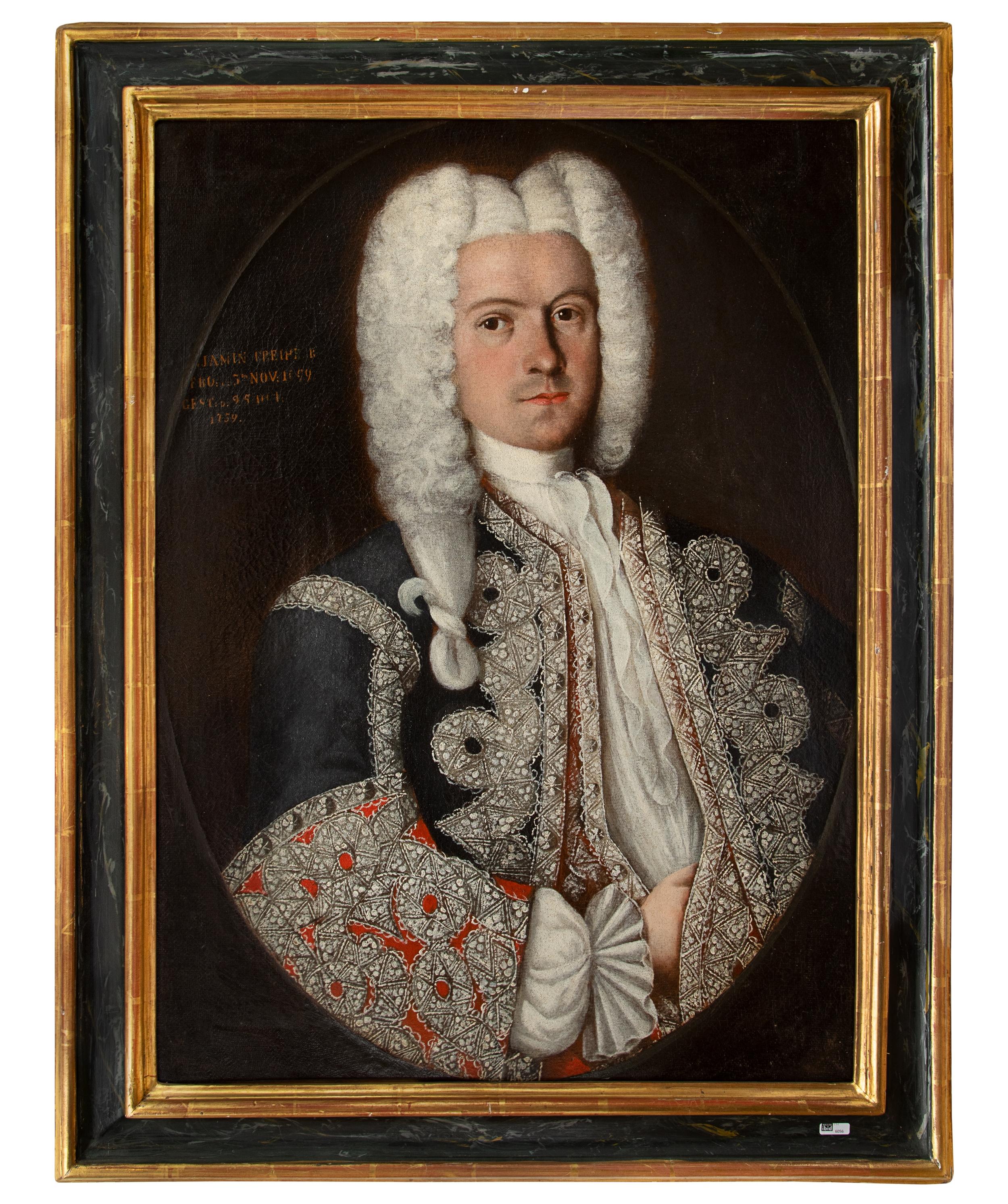
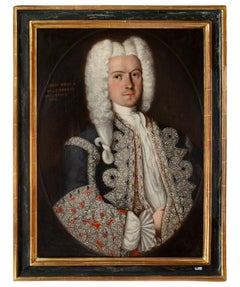
A Portrait of a Gentleman, thought to be Moses Diego Lopez Pereira
Located in London, GB
Austrian School, 18th Century
A Portrait of a Gentleman, thought to be Moses Diego Lopez Pereira, 1st Baron d’Aguilar, in an elaborate coat and a powdered wig
Oil on canvas
Provena...
Category
18th Century Paintings
Materials
Canvas, Oil
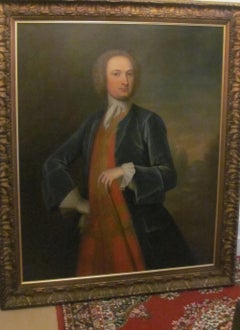
large 18th century portrait gentleman oil on canvas
Located in York, GB
A fine, imposing 18th century portrait of an unknown aristocrat,housed in a gilt frame
The artist is also unidentified but certainly a talented hand, in the circle of one of the fine old masters of the period. Unsigned
The size overall is 148 x 121 cm whilst the painting is 128 x 101 cm
In overall good condition the frame at the bottom has bowed slightly
The painting has been checked whilst being cleaned and has not been affected in any way .
SHIPPING
Free delivery to mainland uk ,worldwide shipping available please email for quote
Delivery usually within 14 working days, insured
please provide telephone/email details for courier.
All taxes/customs etc to be paid for by purchaser.
RETURNS (The Consumer Contracts Regulations) Whilst we are sure that you will be extremely happy with your purchase,
if for any reason you are not, then you are entitled to return the item to us for a refund.
For all purchases made
you are entitled to return the item(s) for a period of up to 14 days
following receipt by you or a representative indicated by you.
Please contact us to confirm that you are returning the item(s)
and the reason for doing so.
Upon receipt of the item(s) we will refund the purchase price via your original payment method...
Category
18th Century Old Masters Portrait Paintings
Materials
Oil
$7,530 Sale Price
44% Off
Free Shipping
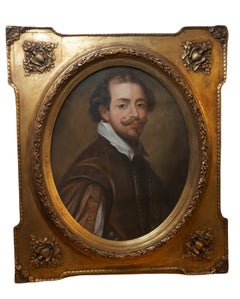
Portrait of a well-to-do gentleman
Located in DEVENTER, NL
Portrait of a well-to-do gentleman in pastel on parchment.
Signed left: Marteau L. 1760.
French School, possibly by Louis Marteau (1715 – 1804)
In a gilded 19th century frame.
Dimen...
Category
18th Century Portrait Paintings
Materials
Pastel, Parchment Paper
A Portrait of a Bewigged Gentleman
By Enoch Seeman
Located in St. Albans, GB
Enoch Seeman
Canvas Size: 30 x 25" (76 x 62cm)
Outside Frame Size: 37 x 32" (92 x 80cm)
1694-1744
He was born in Danzig, now Gdansk, Poland, around 1694. His father, also Enoch...
Category
Early 18th Century Old Masters Portrait Paintings
Materials
Oil
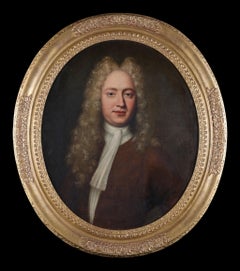
Old Master Portrait of a Gentleman - British 18th century oil painting
By Michael Dahl
Located in Hagley, England
This stunning 18th century Old Master portrait oil painting is attributed to Swedish born, England based artist Michael Dahl. Painted circa 1690 it is a sumptuous half length portrai...
Category
17th Century Old Masters Portrait Paintings
Materials
Oil
$10,406 Sale Price
20% Off