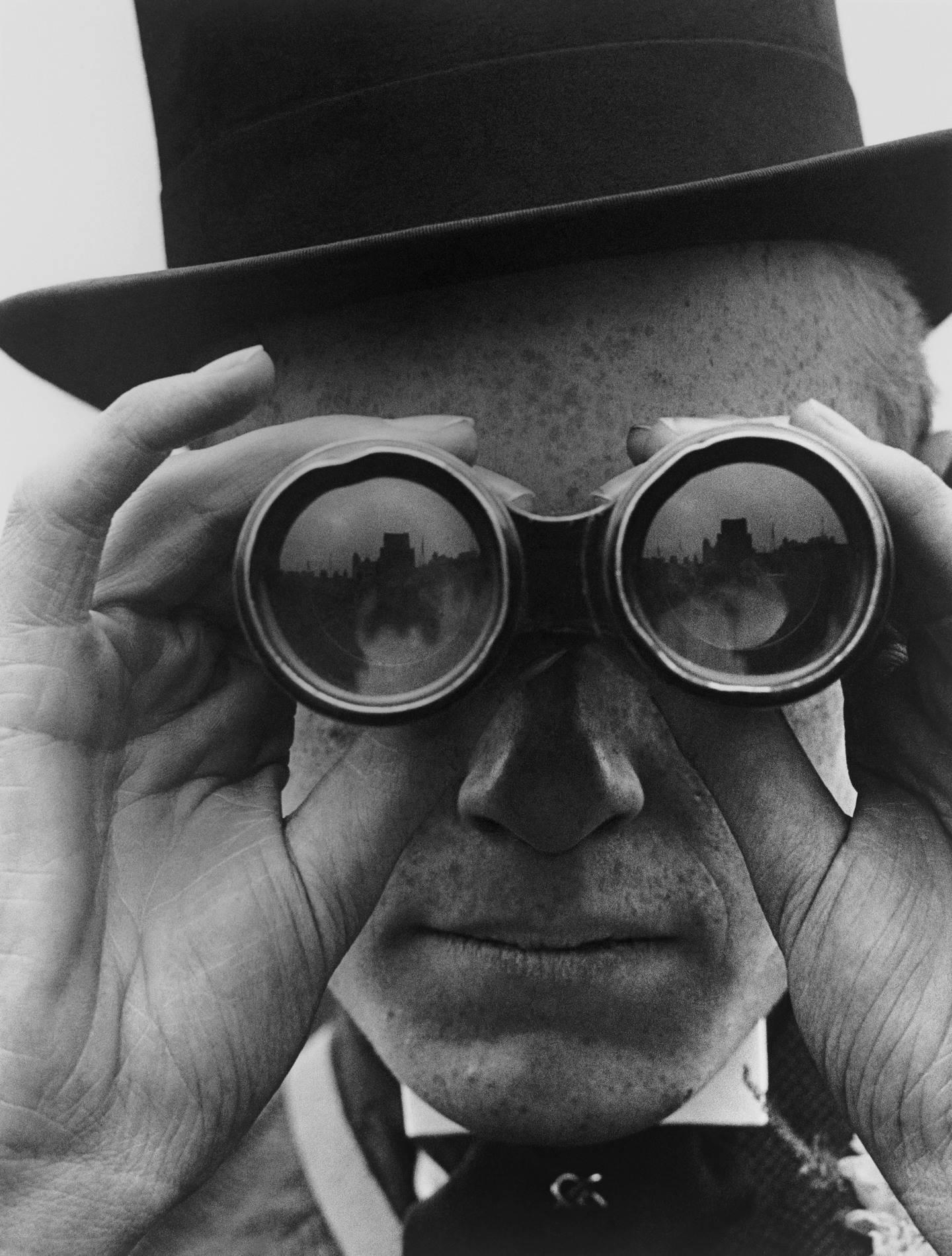
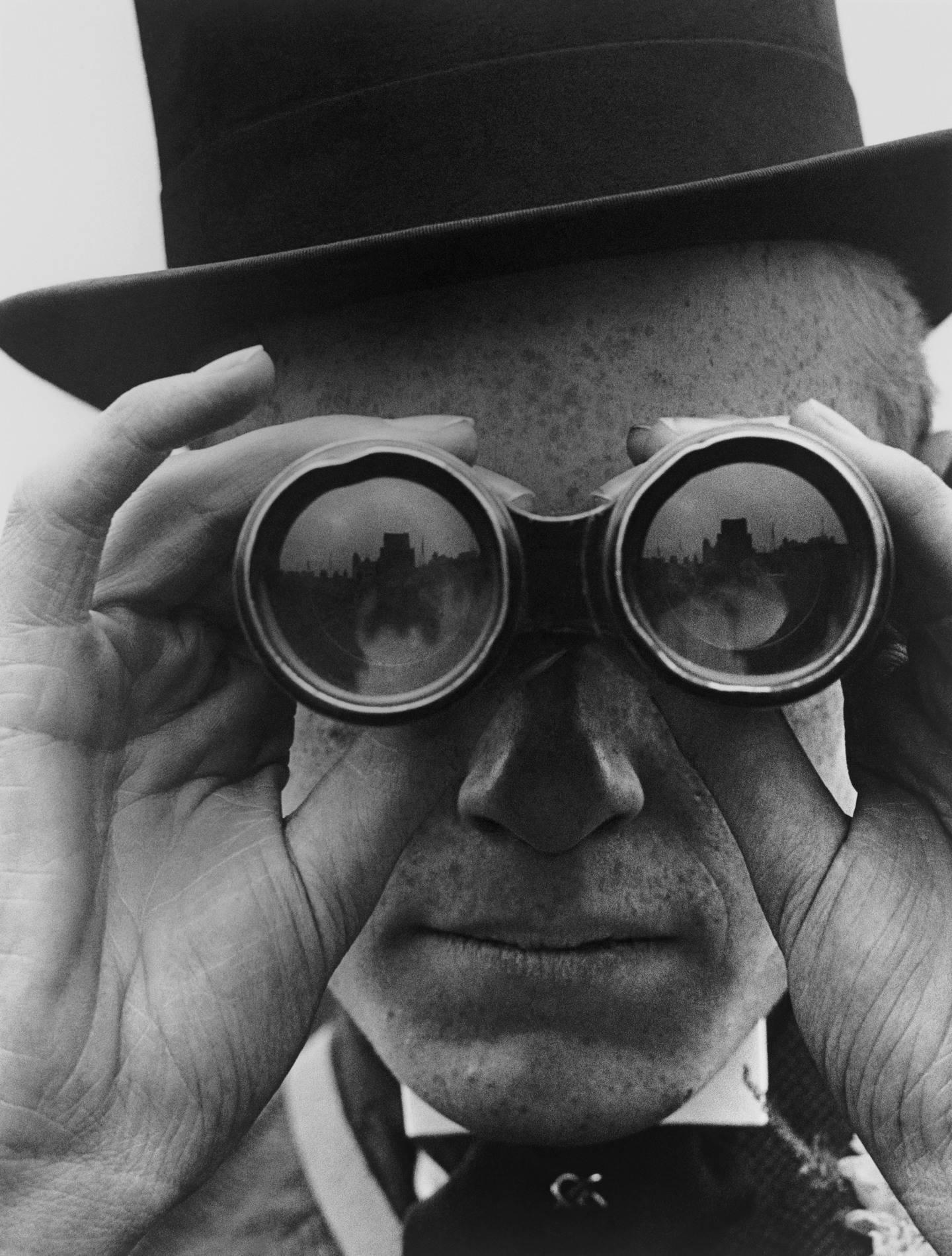
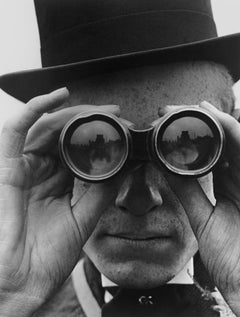
The Upper Glasses
by Arthur Steel
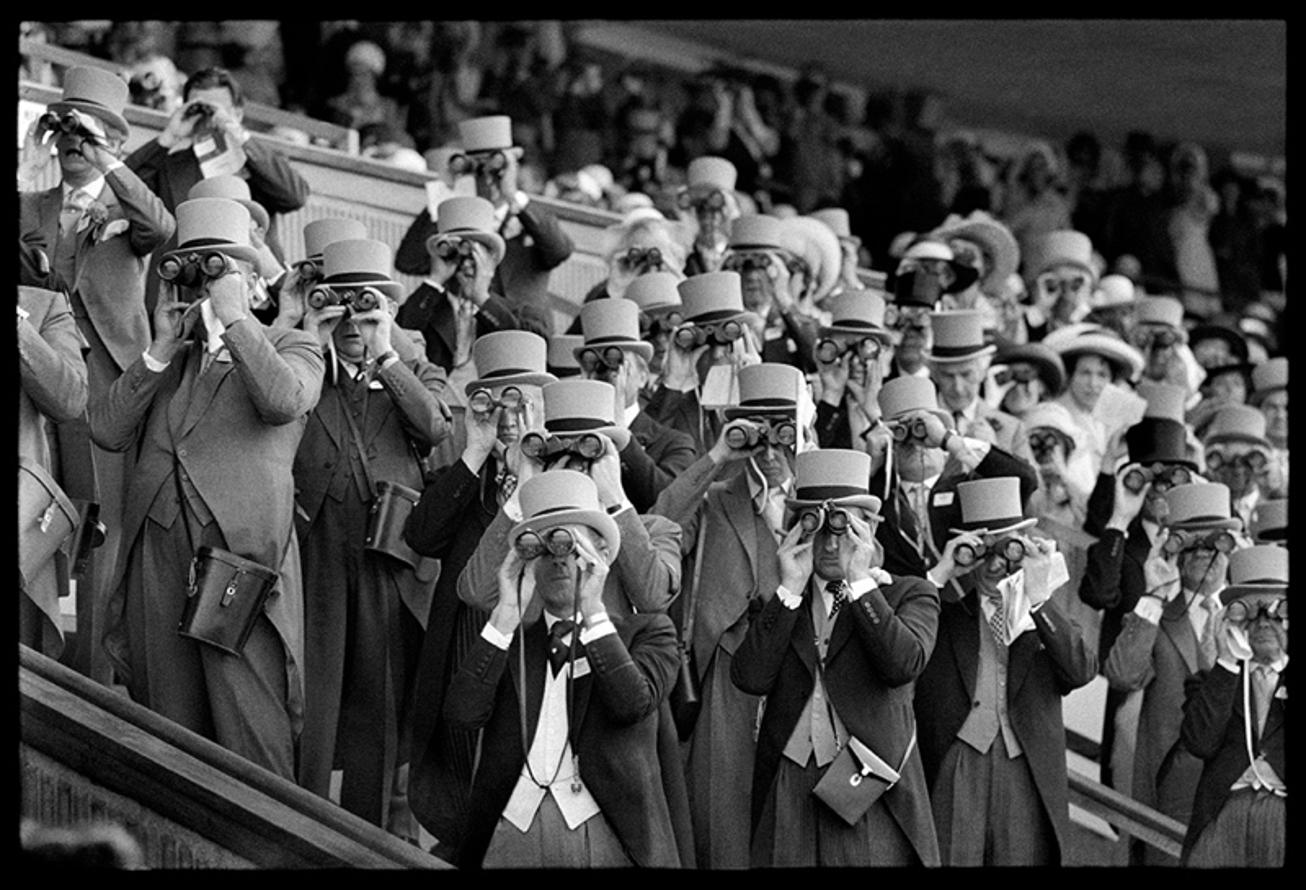
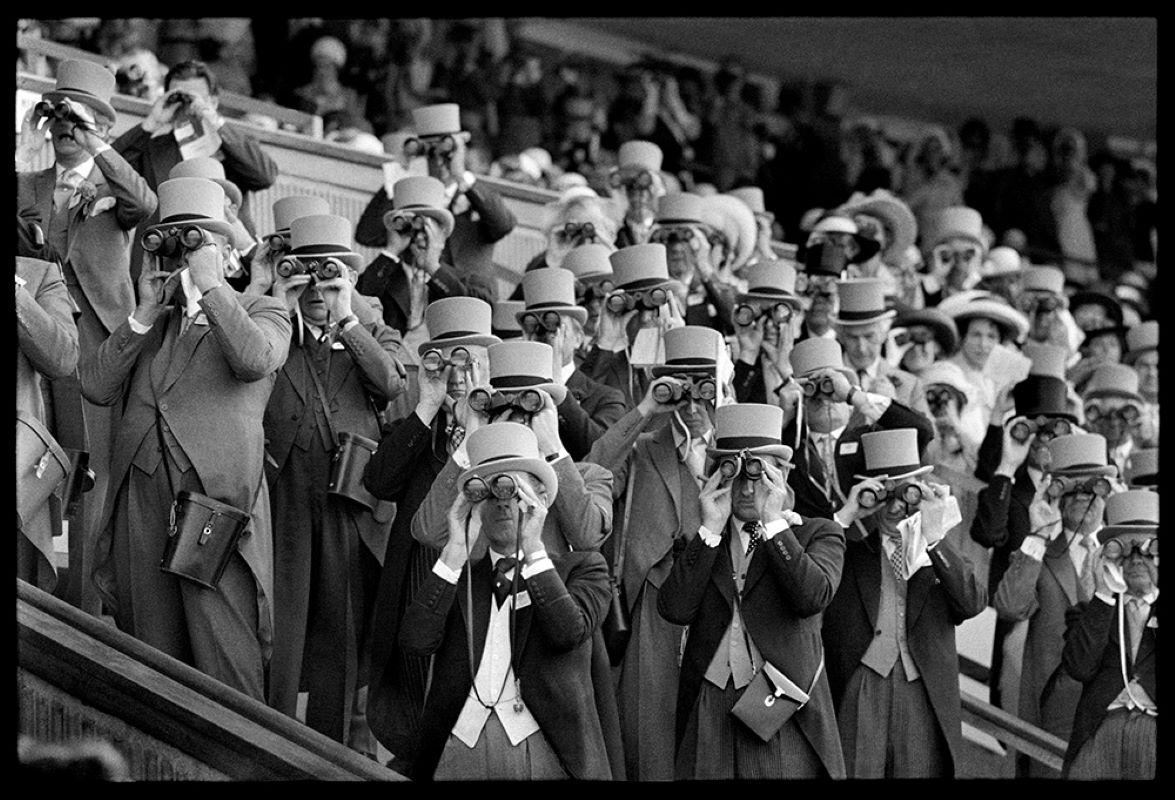
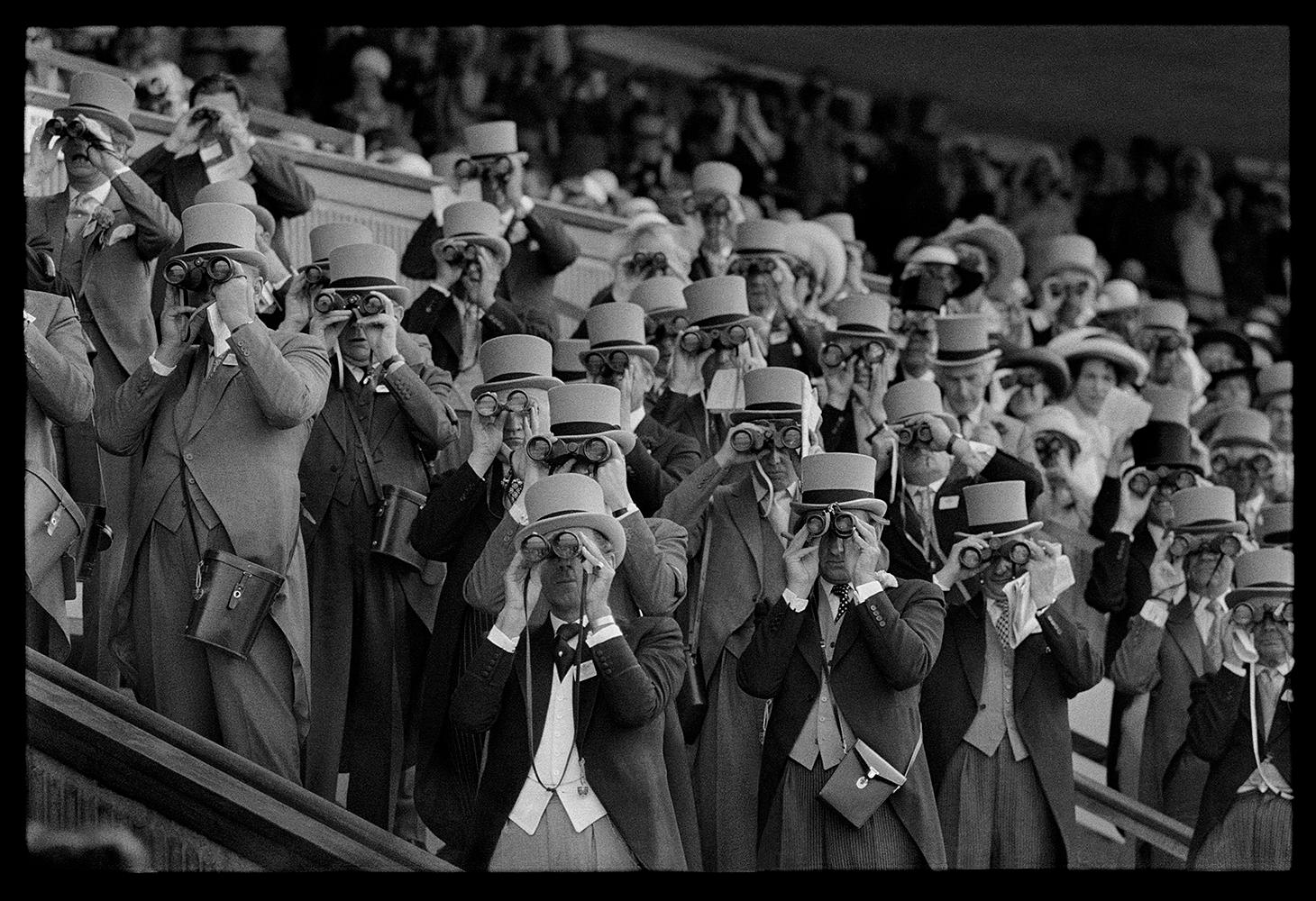
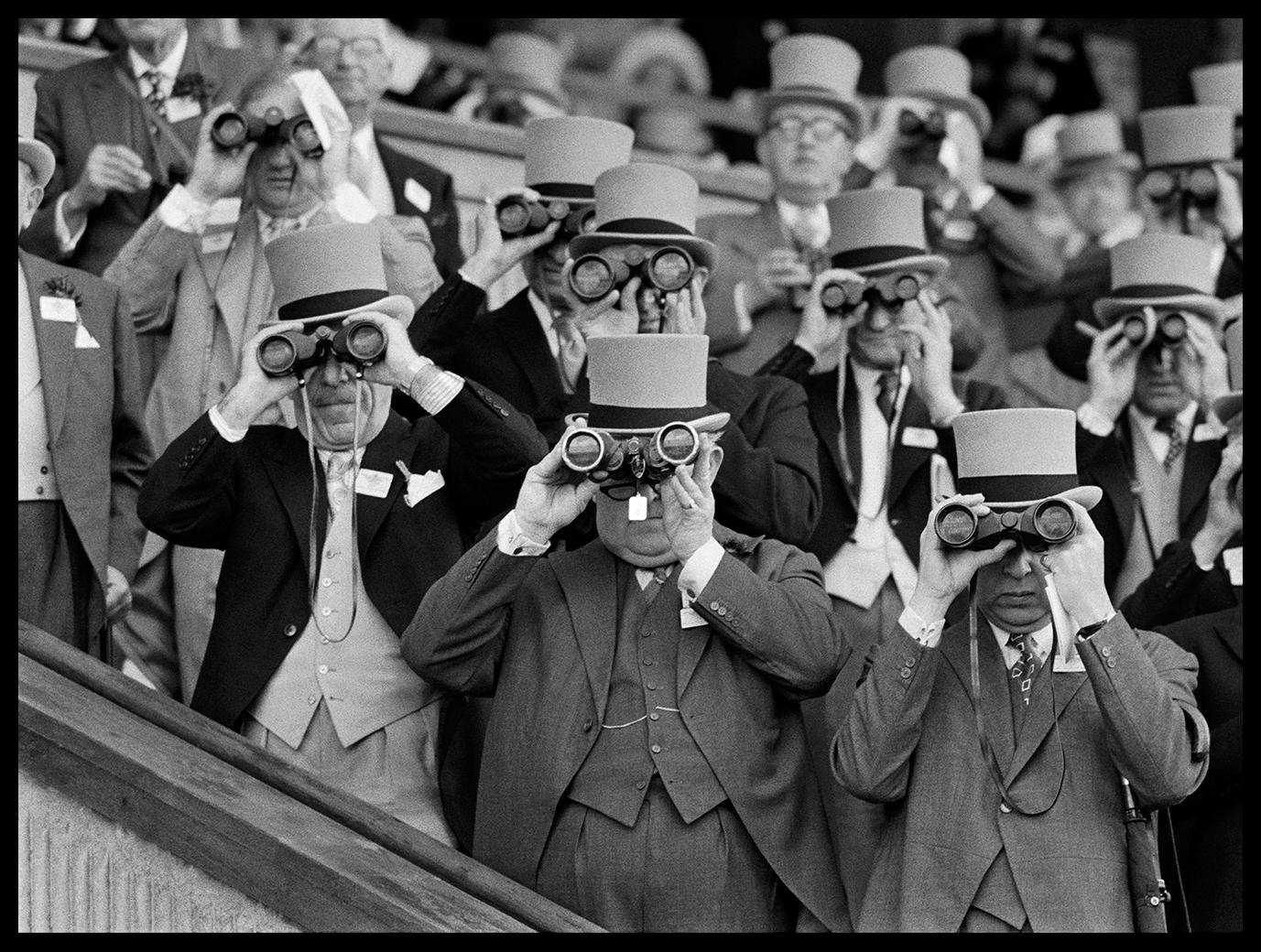
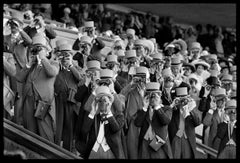
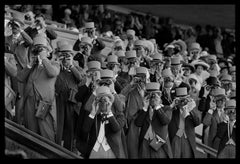
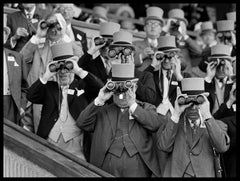
Royal Ascot members enclosure 1977
Ascot Racecourse is a British racecourse, located in Ascot, Berkshire, England, which is used for thoroughbred horse racing. It is one of the leading racecourses in the United Kingdom, hosting 13 of Britain’s 36 annual Group 1 horse races.
All prints are hand signed limited editions, no further prints are produced once sold.
paper size - Giant Oversize 54 x 41" / 137 x 104 cm
image size approximately 50x37" inches
signed and numbered by artist on front
edition of 10 only this size
Silver gelatin print
unframed - frame options shown in images
ships from London.
printed this year
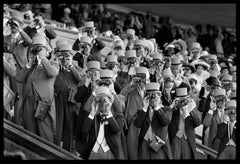
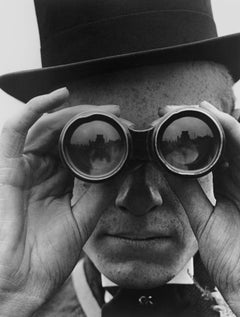
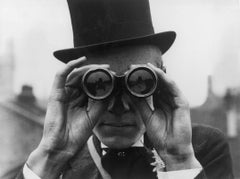
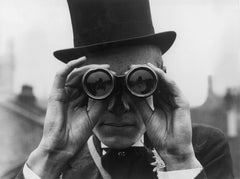
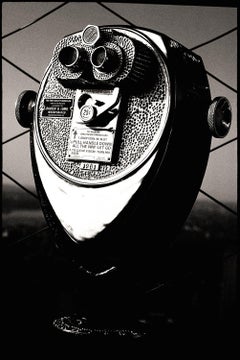
Arthur recalls: “Looking up from the public area into the Grandstand at Ascot Races, I became aware of being watched by a large group of racing toffs peering through a sea of binoculars. They were actually trained on the horses and jockeys hurtling towards the finish line. I shot the picture on a 400mm Novo Flex lens on my Leicaflex SL2. They were watching the annual Royal Hunt Cup and the winner was My Hussar ridden by Willie Carson.”
Exceptionally rare limited edition photograph.
✓ Direct from the Artist.
✓ Non licensable images.
✓ Printed by Metro Imaging.
✓ Hand signed by Arthur Steel.
✓ Video of Arthur Steel signing your print(s).
✓ Certificate of Authenticity.
✓ Free worldwide delivery.
✓ Tracked
signed for delivery.
✓ Paypal Pro protection.
✓ Secure SSL payment protection.
✓ 14 day money back guarantee.
✓ Excellent customer care and service
ABOUT ARTHUR
The son of a Geordie stereotyper and the eldest of three, Arthur Steel was born in Newcastle upon Tyne on 6th December 1936. When he was just 9 years old, his mother contracted tuberculosis and as a consequence Arthur and his siblings spent a year in an orphanage whilst she was nursed back to health.
At the tender age of 12 a shy Arthur decided to devote his life to the Church and at Ushaw College in County Durham Arthur began his studies for the priesthood. Returning home for a brief period one Christmas his parents unexpectedly gifted him a box camera. His interest in photography was born.
His first photographs were taken at Ushaw college and due to the high price of film he could not afford to take too many pictures, and became extremely selective. He would spend hours looking through the viewfinder composing pictures that he never took and only pressed the button if it was something very important. When the film was full, which could take months, he would get it developed. The practice of being frugal with film followed him all the way through his life, and waiting for the ‘one shot’ that mattered paid off many times.
By the age of 15 after three years of training Arthur decided that the priesthood was not for him.
He worked for a short time as a trainee accountant at The Evening Chronicle in Newcastle and six months later he beat 400 other applicants for the position as a trainee photographer working for the same newspaper. For this 16-year-old choirboy, who had failed his 11-plus but could speak Latin, Greek and French, these were the first steps on the road to Fleet Street.
As a trainee photographer, much of Arthur’s time was spent in the darkroom. It was only on rare occasions that he was allowed out with a camera on his own. However, on his first assignment, with the chance to take a real news picture, the crucial shot was missed.
‘The demolition boys in South Shields were in the process of knocking down one of the tallest chimneys in the country,’ explains Arthur. ‘The chief photographer had been given the job on the first day, but he soon got bored sitting around waiting for this thing to topple. So his deputy was given the job the next day, but he got bored as well. After that a different photographer was sent to watch and wait. In the end nobody wanted to know about this story. The chimney was still standing and the workmen still taking out bricks around the base and inserting wooden posts. A week later, the picture editor sent me to cover the story and I was very excited about it. I had an old plate camera with a focal-plane shutter that you changed the exposure by the width of the slit in the cloth blind. I had been sitting around from morning to night watching the workmen banging around at the bottom of the chimney. As evening approached the light got worse and I needed to open up my blind to correct the exposure. Although I was with all of the other local newspaper photographers, I didn’t really communicate with them as I was just a lad from the darkroom in Newcastle. Eventually, two policemen came over and told us that the workmen were having a break, so we could all relax for 20 minutes or so and have a cup of tea. I thought this was the ideal time to adjust the slit to a wider opening. I removed the glass plate and placed the camera on my lap to adjust the opening of the blind, when suddenly the chimney came down. I was in a state of shock. All I could see was a big cloud of dust as I was trying to get the glass plate back into the camera. That was a big lesson for me, and from that day on I made sure I have never missed another picture.’
In 1956 Arthur was called up for two years National Service working as an Army Photographer.
In 1963 and still a shy young man, Arthur took a correspondence course in the art of self-confidence and then wrote to every Fleet Street editor asking for a job. He had three replies, three interviews and job offers from the Daily Mirror, the Daily Express and the Daily Herald in Manchester. He accepted the job on the Herald and joined as a staff photographer.
In 1965 he was offered a job in London and began working on The Sun newspaper, which was then based in Covent Garden. The same year he married Irene in the City of Dublin.
A year later in 1966 Arthur and Irene had three daughters. It was also in ’66 that Arthur achieved second place in the British Press Photographer of the Year competition.
In 1969 Irene gave birth to their son, and having originally worked for IPC Newspapers, Arthur moved to Rupert Murdoch’s News International. Shortly after, Arthur won the Granada television ‘Picture of the Year Award’ with his photograph titled ‘Wilson’s in Defeat’. Having just lost the election, Prime Minister Harold Wilson and his wife Mary were photographed fast asleep on the back seat of their chauffeur driven car as they hurtled down the M1 motorway flanked by Police motorcycles. Arthur’s colleague drove alongside them at high speed and Arthur captured the winning shot of the Wilson’s through the rear car window. The same year, Arthur was also runner up in the British Press Photo Awards.
In the early ’70s, Arthur travelled extensively on many assignments covering world news, finding himself in Bethlehem one week and then covering stories such as the Bangladesh Liberation War another. When back in London, Arthur had the opportunity to take pictures of his own choice on days off, many of which are now showcased in The Arthur Steel Archive, together with opportunist photographs such as the portrait of Rupert Murdoch at his desk in Bouverie Street and the portraits of Mick Jagger who unexpectedly stepped out of a doorway into Arthur’s path, sporting the famous ‘forty licks’ t-shirt, both incredibly rare pictures.
It was also during this period that Arthur captured the formal photographs at Princess Anne’s wedding to Captain Mark Phillips inside Buckingham Palace, working alongside photographer Norman Parkinson. In complete contrast Arthur then went on to cover the Ethiopian Famine in 1974.
Between 1975 and 1980 Arthur became Deputy Picture Editor of the newspaper.
Now a highly respected editor and Fleet Street photographer Arthur engaged with and photographed a vast array of interesting and colourful characters within their various environments, such as John Lennon Skiing in St. Moritz, Eric Morecambe within his study, he documented Ronnie Kray’s wedding in Broadmoor Hospital, shot exclusive pictures of Ronnie Biggs on a fairground ride in Rio, Elton John at home with his songwriting partner Bernie Taupin, George Best surrounded by bubble bath on release from Ford Prison, on set and close up with Marty Feldman, behind the scenes with John Wayne and the world’s press, a one to one photo session with Ian Dury wearing a suspender belt, Louis Armstrong imitating a trumpet with his hands, Christine Keeler in her bedsit, invited to photograph Margaret Thatcher within her bedroom, a portrait session with Paul Newman in Mayfair, a black tie dinner with Rocky Marciano, intimate shoots with George Harrison, at Wimbledon with Björn Borg and at The Savoy with Charlie Chaplin, amongst many others.
His most historical picture was taken on the wedding day of the Prince and Princess of Wales, Charles and Diana, titled ’The Kiss’ whilst they gave audience to the world on the balcony of Buckingham Palace, as documented by the BBC’s television programme titled ‘Decisive Moments’.
In 1986, returning from an assignment in Jamaica, Arthur’s office had moved from Fleet Street to Wapping.
After many years of capturing iconic pictures operating from London’s buzzing Fleet Street, the sudden overnight move to ‘fortress Wapping’, the stress of driving through picket lines on a daily basis and the general decline in the quality of assignments designated to him, played havoc with Arthur’s health and after an extended period of being very unhappy at work he was admitted into The Priory Hospital in Roehampton where he began his road to recovery, and of his own accord Arthur made the decision to retire from his profession in 1990 at the age of 53.
This renowned press photographer and much loved Geordie character became a self-styled recluse living a quiet life in Wimbledon. Now in his mid-eighties, still enjoying retirement, he oversees and authenticates the production of his extremely rare photographic prints from negatives only recently unearthed from his personal treasured archive.