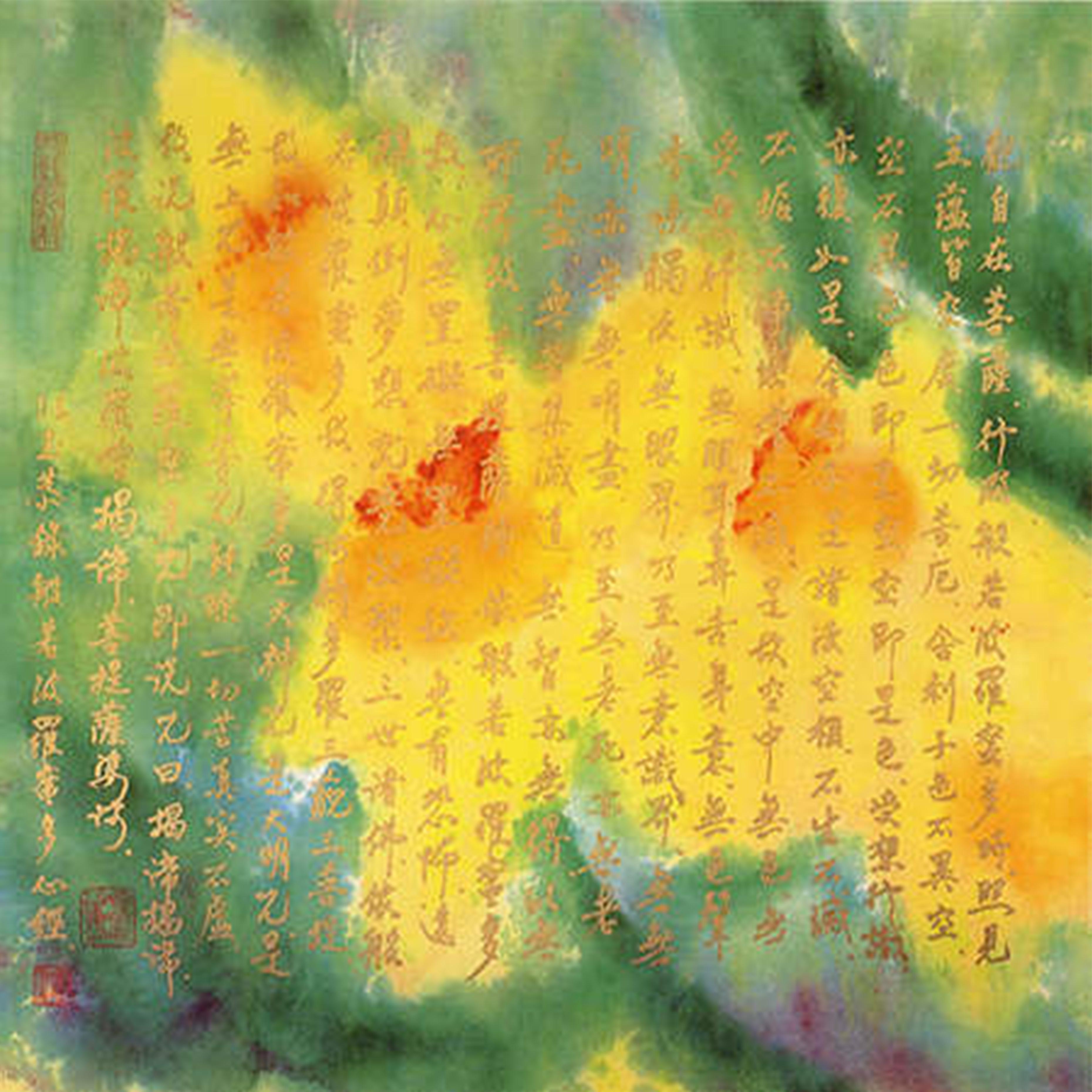
Items Similar to Peace and Tranquility by Catherine Yi-Yu Cho Woo - The Art of Feng Shui
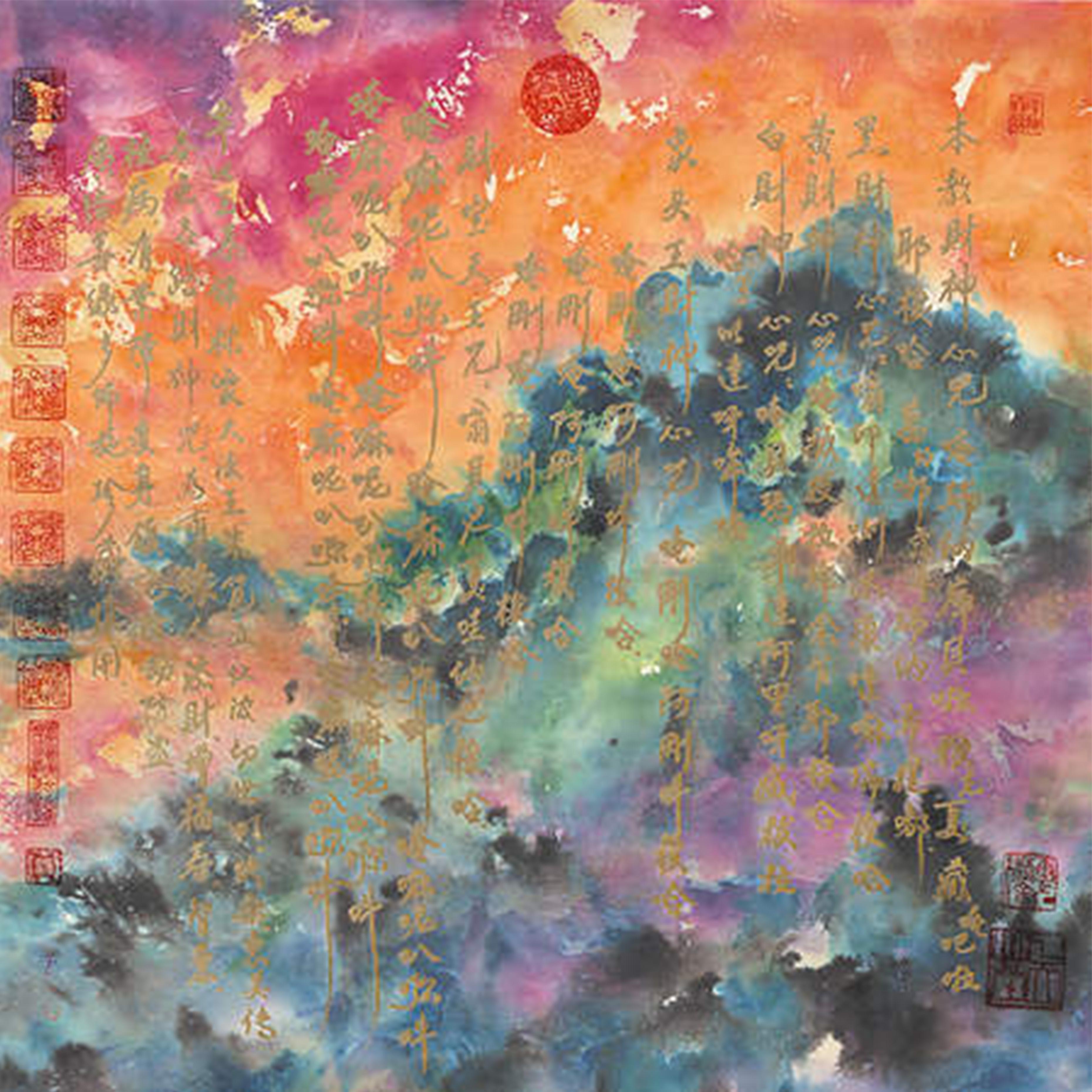
Want more images or videos?
Request additional images or videos from the seller
1 of 5
Catherine Yi-Yu Cho WooPeace and Tranquility by Catherine Yi-Yu Cho Woo - The Art of Feng ShuiCirca 1980
Circa 1980
Price Upon Request
Price Upon Request
Price Upon Request
Price Upon Request
Price Upon Request
Price Upon Request
Price Upon Request
Price Upon Request
Price Upon Request
Price Upon Request
About the Item
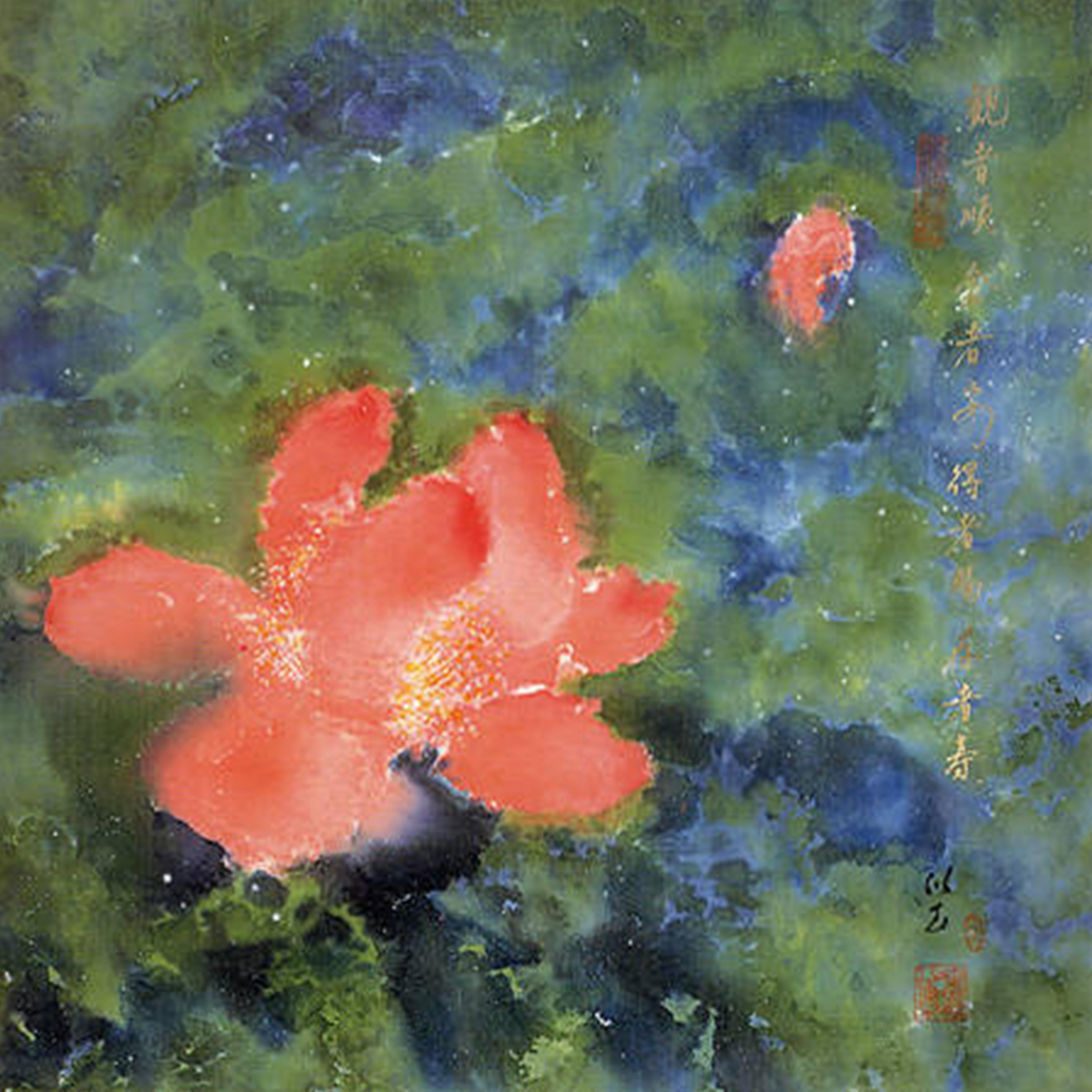
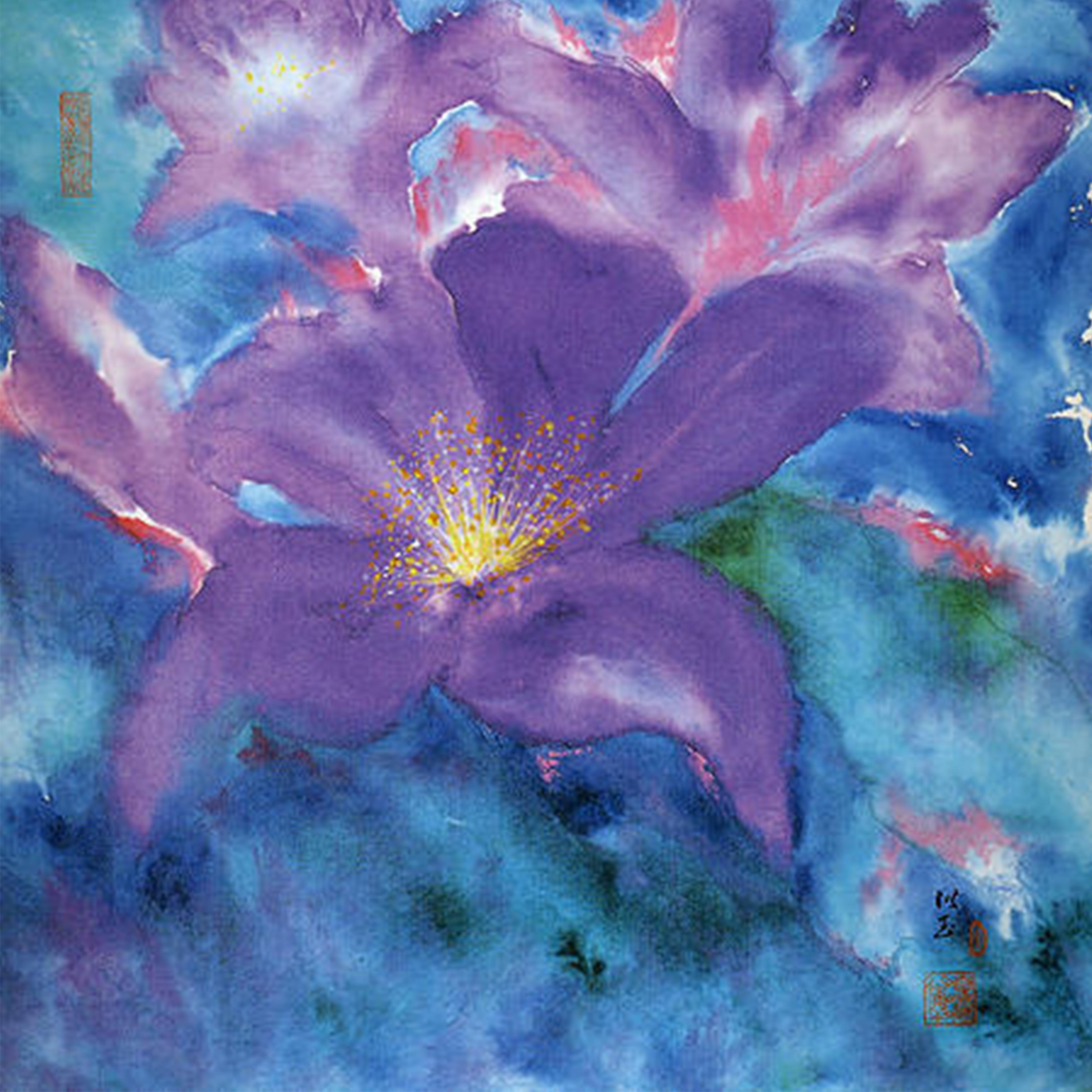
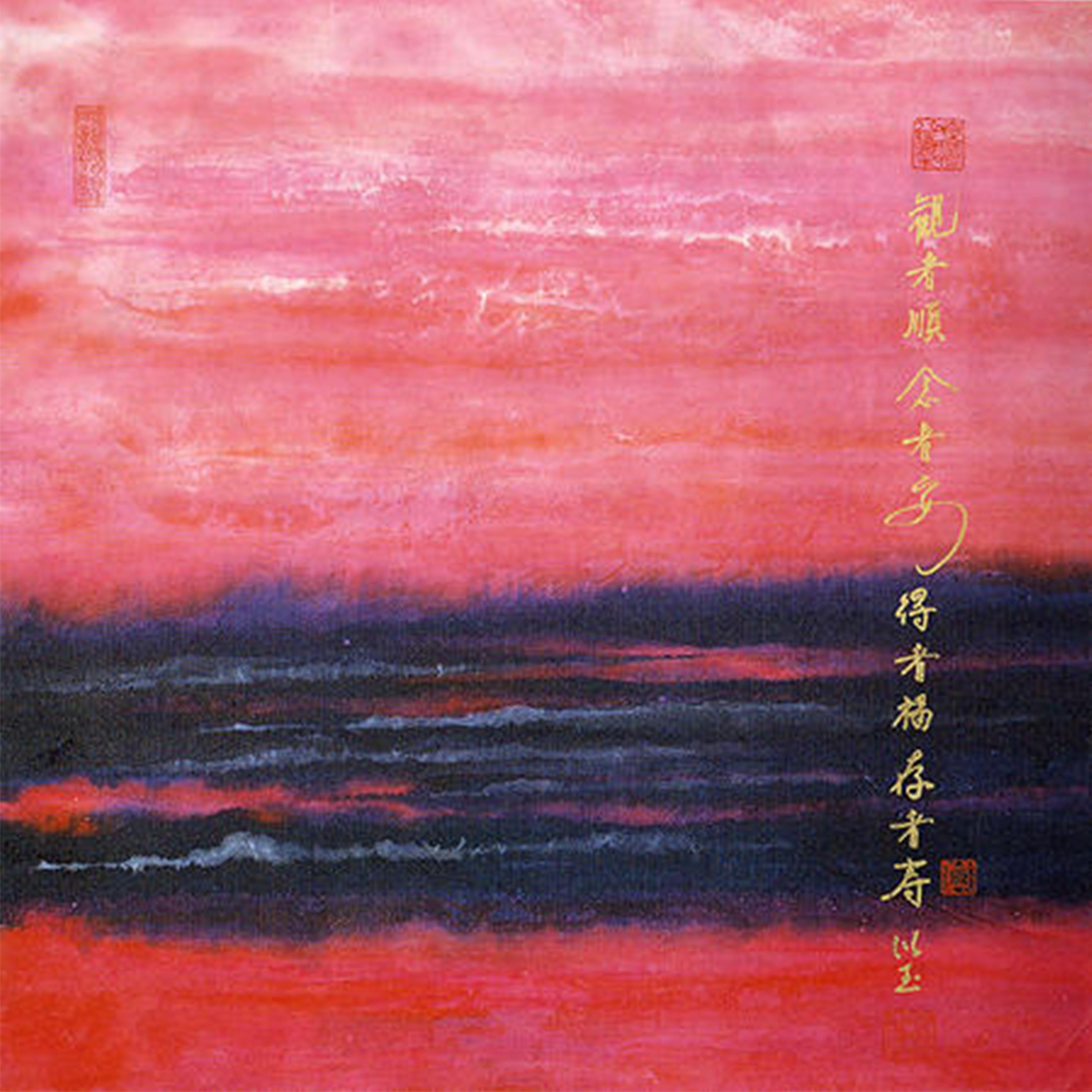
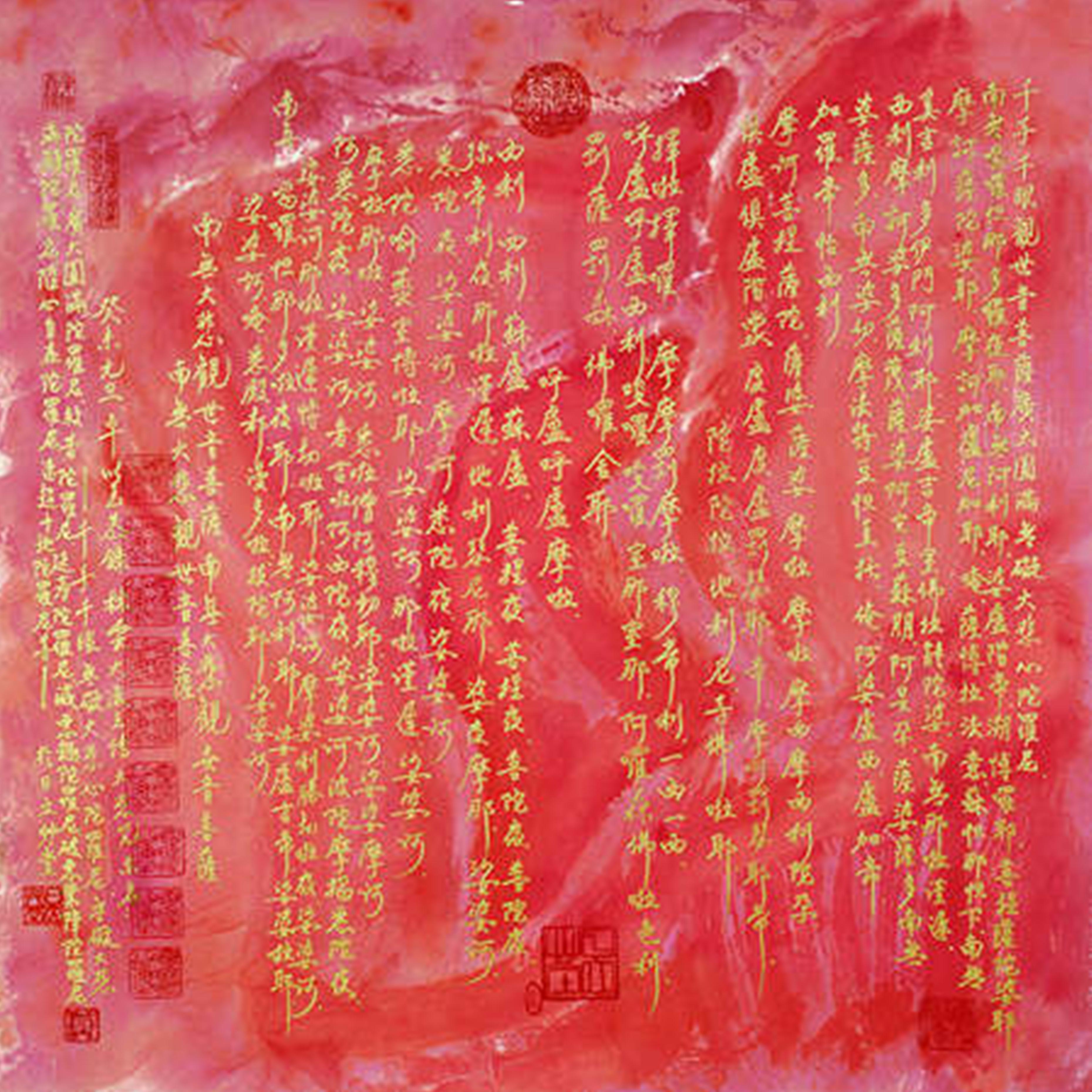
Peace and Tranquility by Catherine Yi-Yu Cho Woo
Available sizes:
15" x 15" - Edition 22 of 100
About the Artwork:
According to Chinese tradition, pink flowers enhance relationships, while water symbolizes wisdom and wealth, increasing the influx of people and prosperity into one’s life.
Feng Shui - The Ancient Chinese Art of Placement
Dr. Catherine Yi-yu Cho Woo was a master of Feng Shui, the 4,000-year-old Chinese art of designing one's environment to maximize the flow of positive energy (ch'i).
Dr. Woo believed that there is no separation of art, life, and Feng Shui. Her works therefore embrace and reflect a balance of the five elements in Chinese philosophy — metal, water, wood, fire, and earth.
Building on these principles, she had channeled an insight into beauty and peacefulness into her works that has won praise from those seeking enlightenment, mainstream American corporations, and many others.
As a disciple of Mizong Feng Shui, Dr. Woo maintained that the positioning of paintings within a room can have different effects on those who view the paintings. Displays of her works that respect Feng Shui principles, whether in public or in private homes, have been found to bring a sense of peace and tranquility.
Available sizes:
15" x 15" - Edition 22 of 100
Artist Bio:
Dr. Catherine Yi-yu Cho Woo (1935 - 2021)
Scholar, teacher, painter, poet, composer
The Honorable Dr. Catherine Yi-yu Cho Woo was an accomplished poet, composer, painter, teacher, and writer. She was the first Asian American woman to serve on the National Council on the Arts, and was honored by the National Endowment for the Arts with an appointment as an Ambassador for the Arts.
Dr. Woo's paintings have been shown in galleries and museums throughout Asia and the United States, including the United Nations, the Sackler Museum at Harvard University, and the National Gallery in Taipei, Taiwan.
One reviewer said, "To stand in front of Dr. Woo's work is to experience the stirrings of the heart, mind, and soul of nature, as if the paintings are alive. Trees and mountains breathe out peace. Splashes of color vibrate with the energy of life and movement. Her visually poetic paintings create a close relationship between the beauty of nature and its beholder."
Born in Beijing to a family of classically-educated scholars, all four of Yi-yu's great-grandfathers earned Jin Shi degrees. Dr. Woo's father, Cho I-lai, was a Columbia University-educated professor and her grandfather, Cho Chun-yung, was a banker, professor and master calligrapher who had been educated in Japan. Her maternal grandfather, M.K. Chen, a civil engineer, graduated from Cornell University in 1912.
While Dr. Woo began her formal training in art and calligraphy in Beijing, her family moved to several cities in China and finally to Hong Kong in 1949. One benefit of living in several places as a young person was that Dr. Woo is able to speak six dialects of Chinese. She was well known for being able to determine the native dialect of people she meets after hearing them speak just a few sentences, and then making them feel at ease by speaking to them in that dialect.
In 1953, a young Cathy Yi-yu Cho sailed for the United States on the S.S. President Cleveland to begin her studies in architecture at the University of Illinois in Urbana-Champaign. She always remembered the first time she looked up at the Golden Gate Bridge in the beautiful mountain-lined San Francisco Bay.
After meeting and marrying architect Peter Woo at the University of Illinois in 1957, they moved to San Diego, California. Yi-yu stayed home for ten years to raise their children, Paul and Cindy.
When Cindy started school, Yi-yu picked up her books again, completing undergraduate and Masters degrees in Interior Design and Art History from San Diego State University (SDSU), studying Chinese literature and language at UCLA, and earning a doctorate from the University of San Francisco. During this time, she also studied the art of Feng Shui with His Holiness Grandmaster Thomas Lin Yun Rinpoche of the Yun Lin Temple in Berkeley, California.
Dr. Woo served as Director of the Chinese Language Program at the National Language Resource Center, and formerly directed the China Studies Institute and the Center for Asian Studies at S.D.S.U.
She won numerous awards for her teaching, including 1988-89 SDSU Outstanding Professor, 1990-91 SDSU University Research Lecturer, Distinguished Professor of Chinese, and 1995 Phi Beta Kappa Lecturer. In May 2005, she received an Asian Heritage Award for Achievement, Contribution and Legacy in Art, Philosophy and Literature.
Dr. Woo was the rare artist who could address both scholarly and mainstream audiences. She authored nine books in Chinese and English on Chinese literature, art, and culture. Her collections of poems have been well received internationally, and one, "Tian Tian Tian Lan," was made into a popular song that was a number one hit in Taiwan.
As an Ambassador for the Arts and for intercultural understanding, Dr. Woo lectured at universities throughout the United States, such as Yale, Harvard, Princeton, MIT, Duke, and the University of California at Berkeley. She also lectured at the United Nations and the National Endowment for the Arts.
Aside from her university work, Dr. Woo spent many years serving the broader community. For six years, she served as the Commissioner for Arts and Culture for the City of San Diego, California. She was appointed by President Bush to serve on the National Council on the Arts from 1991 through 1996. For her efforts, she was honored in 1997 as Humanitarian of the Year by the National Conference (formerly called the National Conference of Christians and Jews).
Her paintings have been described as visual poems, because of the simplicity, intensity, and purity of her expressions. A master of Feng Shui, the 4,000-year-old Chinese art of designing one's environment to maximize the flow of positive energy (ch'i), she channeled into her works an insight into beauty and peacefulness that is sought after by devotees ranging from New Age seekers to mainstream American corporations.
For many years, she provided private Feng Shui consultations to individuals and businesses from California to Washington, D.C. Her clients included major hotel chains, restaurants, bakeries, shoe companies, and others seeking to maximize their ch'i.
In May of 2007, Dr. Woo lectured at Beijing University and then traveled south to attend a major exhibition of her work at the Zhu Hai Museum and lecture and receive an Honorary Deanship at Beijing Normal University at Zhu Hai.
Accompanied by her husband, noted architect Peter Woo, and Professor Kenneth Pai of the University of California at Santa Barbara, she was greeted at Zhu Hai by President Miao Zhong-zheng, Dean Zhang Ming-yuan, Prof. Qian Yan, and the faculty of the University.
Another highlight of the Zhu Hai visit was the singing by a group of students of Dr. Woo's award-winning "Tian Tian Tian Lan." This song was based on a poem of the same name by Dr. Woo which became a number one hit in Taiwan. Students not only flocked to Dean Woo's lecture, but asked her to give several impromptu calligraphy demonstrations during the course of her visit.
On July 27, 2007, Dr. Yi-yu Cho Woo returned to Washington, where she had served for many years on the National Council for the Arts, so that she could watch her brother, Dr. Alfred Y. Cho, receive the prestigious National Medal of Technology at the White House. The President and numerous dignitaries celebrated Dr. Cho for his pioneering work in the development of crystals that are used in our cell phones, computers and many other cutting edge products.
After retiring from active teaching, Dr. Woo lived with her husband Peter in Irvine, California for many years. She traveled the nation and world in search of greater understanding and harmony between all of the world's peoples, and accepted numerous invitations to give lectures and display her work in museums and art galleries all over the nation and world.
Dr. Woo passed away on August 11, 2021. Her legacy lives on through her two children, six grandchildren, and five great-grandchildren, as well as in the memories of the many people whose lives she touched.
- Creator:Catherine Yi-Yu Cho Woo (1935 - 2021, American, Chinese)
- Creation Year:Circa 1980
- Dimensions:Height: 15 in (38.1 cm)Width: 15 in (38.1 cm)
- Medium:
- Movement Style:
- Period:
- Condition:
- Gallery Location:Chicago, IL
- Reference Number:1stDibs: LU388314663252
About the Seller
4.8
Recognized Seller
These prestigious sellers are industry leaders and represent the highest echelon for item quality and design.
Gold Seller
Premium sellers maintaining a 4.3+ rating and 24-hour response times
Established in 1986
1stDibs seller since 2016
148 sales on 1stDibs
Typical response time: 3 hours
- ShippingRetrieving quote...Shipping from: Chicago, IL
- Return Policy
More From This Seller
View AllSublime Success by Catherine Yi-Yu Cho Woo - The Art of Feng Shui
By Catherine Yi-Yu Cho Woo
Located in Chicago, IL
Sublime Success by Catherine Yi-Yu Cho Woo
Available sizes:
22" x 22" - Edition 5 of 99
A Blessing for "Sublime Success":
One who views this
Things will go smoothly.
One who stu...
Category
20th Century Contemporary Black and White Photography
Materials
Archival Pigment
A Spring Song by Catherine Yi-Yu Cho Woo - The Art of Feng Shui
By Catherine Yi-Yu Cho Woo
Located in Chicago, IL
A Spring Song by Catherine Yi-Yu Cho Woo
Available sizes:
22" x 22" - Edition 7 of 99
About the Artwork:
According to Chinese tradition, spring and summer are the growing seasons for business, personal health, and wealth.
Feng Shui - The Ancient Chinese Art of Placement
Dr. Catherine Yi-yu Cho Woo was a master of Feng Shui, the 4,000-year-old Chinese art of designing one's environment to maximize the flow of positive energy (ch'i).
Dr. Woo believed that there is no separation of art, life, and Feng Shui. Her works therefore embrace and reflect a balance of the five elements in Chinese philosophy — metal, water, wood, fire, and earth.
Building on these principles, she had channeled an insight into beauty and peacefulness into her works that has won praise from those seeking enlightenment, mainstream American corporations, and many others .
As a disciple of Mizong Feng Shui, Dr. Woo maintained that the positioning of paintings within a room can have different effects on those who view the paintings. Displays of her works that respect Feng Shui principles, whether in public or in private homes, have been found to bring a sense of peace and tranquility.
Artist Bio:
Dr. Catherine Yi-yu Cho Woo (1935 - 2021)
Scholar, teacher, painter, poet, composer
The Honorable Dr. Catherine Yi-yu Cho Woo was an accomplished poet, composer, painter, teacher, and writer. She was the first Asian American woman to serve on the National Council on the Arts, and was honored by the National Endowment for the Arts with an appointment as an Ambassador for the Arts.
Dr. Woo's paintings have been shown in galleries and museums throughout Asia and the United States, including the United Nations, the Sackler Museum at Harvard University, and the National Gallery in Taipei, Taiwan.
One reviewer said, "To stand in front of Dr. Woo's work is to experience the stirrings of the heart, mind, and soul of nature, as if the paintings are alive. Trees and mountains breathe out peace. Splashes of color vibrate with the energy of life and movement. Her visually poetic paintings create a close relationship between the beauty of nature and its beholder."
Born in Beijing to a family of classically-educated scholars, all four of Yi-yu's great-grandfathers earned Jin Shi...
Category
20th Century Contemporary Black and White Photography
Materials
Archival Pigment
Summer Dreams by Catherine Yi-Yu Cho Woo - The Art of Feng Shui
By Catherine Yi-Yu Cho Woo
Located in Chicago, IL
Summer Dreams by Catherine Yi-Yu Cho Woo
Available sizes:
22" x 22" - Edition 7 of 99
A Blessing for "Summer Dreams":
One who views this
Things will g...
Category
20th Century Contemporary Black and White Photography
Materials
Archival Pigment
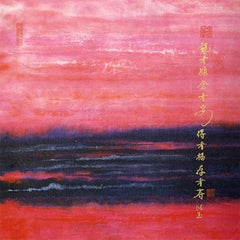
The Great Compassion Mantra by Catherine Yi-Yu Cho Woo - The Art of Feng Shui
By Catherine Yi-Yu Cho Woo
Located in Chicago, IL
Available sizes:
22" x 22" - Edition 18 of 99
Feng Shui - The Ancient Chinese Art of Placement
Dr. Catherine Yi-yu Cho Woo was a master of Feng Shui, the 4,000-year-old Chinese art of designing one's environment to maximize the flow of positive energy (ch'i).
Dr. Woo believed that there is no separation of art, life, and Feng Shui. Her works therefore embrace and reflect a balance of the five elements in Chinese philosophy — metal, water, wood, fire, and earth.
Building on these principles, she had channeled an insight into beauty and peacefulness into her works that has won praise from those seeking enlightenment, mainstream American corporations, and many others.
As a disciple of Mizong Feng Shui, Dr. Woo maintained that the positioning of paintings within a room can have different effects on those who view the paintings. Displays of her works that respect Feng Shui principles, whether in public or in private homes, have been found to bring a sense of peace and tranquility.
Artist Bio:
Dr. Catherine Yi-yu Cho Woo (1935 - 2021)
Scholar, teacher, painter, poet, composer
The Honorable Dr. Catherine Yi-yu Cho Woo was an accomplished poet, composer, painter, teacher, and writer. She was the first Asian American woman to serve on the National Council on the Arts, and was honored by the National Endowment for the Arts with an appointment as an Ambassador for the Arts.
Dr. Woo's paintings have been shown in galleries and museums throughout Asia and the United States, including the United Nations, the Sackler Museum at Harvard University, and the National Gallery in Taipei, Taiwan.
One reviewer said, "To stand in front of Dr. Woo's work is to experience the stirrings of the heart, mind, and soul of nature, as if the paintings are alive. Trees and mountains breathe out peace. Splashes of color vibrate with the energy of life and movement. Her visually poetic paintings create a close relationship between the beauty of nature and its beholder."
Born in Beijing to a family of classically-educated scholars, all four of Yi-yu's great-grandfathers earned Jin Shi...
Category
20th Century Contemporary Black and White Photography
Materials
Archival Pigment
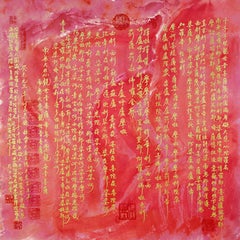
The Heart Sutra by Catherine Yi-Yu Cho Woo - The Art of Feng Shui
By Catherine Yi-Yu Cho Woo
Located in Chicago, IL
The Heart Sutra by Catherine Yi-Yu Cho Woo
Edition of 99
Available sizes:
Image Size: 22" x 22"
Framed Size: 29.25" x 29.25"
The Heart Sutra is "the single most commonly recited,...
Category
20th Century Contemporary Black and White Photography
Materials
Archival Pigment
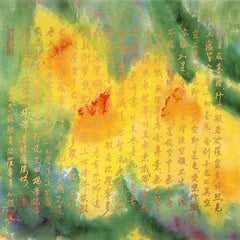
Various Gods of Wealth by Catherine Yi-Yu Cho Woo - The Art of Feng Shui
By Catherine Yi-Yu Cho Woo
Located in Chicago, IL
Various Gods of Wealth by Catherine Yi-Yu Cho Woo
Available sizes:
22" x 22" - Edition 2 of 99
22" x 22" - Edition 21 of 99
Feng Shui - The Ancient Chinese Art of Placement
Dr. Catherine Yi-yu Cho Woo was a master of Feng Shui, the 4,000-year-old Chinese art of designing one's environment to maximize the flow of positive energy (ch'i).
Dr. Woo believed that there is no separation of art, life, and Feng Shui. Her works therefore embrace and reflect a balance of the five elements in Chinese philosophy — metal, water, wood, fire, and earth.
Building on these principles, she had channeled an insight into beauty and peacefulness into her works that has won praise from those seeking enlightenment, mainstream American corporations, and many others .
As a disciple of Mizong Feng Shui, Dr. Woo maintained that the positioning of paintings within a room can have different effects on those who view the paintings. Displays of her works that respect Feng Shui principles, whether in public or in private homes, have been found to bring a sense of peace and tranquility.
Artist Bio:
Dr. Catherine Yi-yu Cho Woo (1935 - 2021)
Scholar, teacher, painter, poet, composer
The Honorable Dr. Catherine Yi-yu Cho Woo was an accomplished poet, composer, painter, teacher, and writer. She was the first Asian American woman to serve on the National Council on the Arts, and was honored by the National Endowment for the Arts with an appointment as an Ambassador for the Arts.
Dr. Woo's paintings have been shown in galleries and museums throughout Asia and the United States, including the United Nations, the Sackler Museum at Harvard University, and the National Gallery in Taipei, Taiwan.
One reviewer said, "To stand in front of Dr. Woo's work is to experience the stirrings of the heart, mind, and soul of nature, as if the paintings are alive. Trees and mountains breathe out peace. Splashes of color vibrate with the energy of life and movement. Her visually poetic paintings create a close relationship between the beauty of nature and its beholder."
Born in Beijing to a family of classically-educated scholars, all four of Yi-yu's great-grandfathers earned Jin Shi...
Category
20th Century Contemporary Black and White Photography
Materials
Archival Pigment
You May Also Like
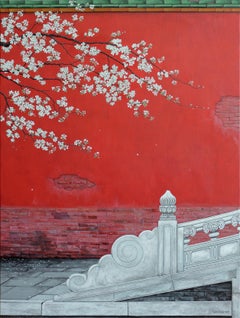
Chinese Contemporary Art by Jia Yuan-Hua - Blossom
By Jia Yuan-Hua
Located in Paris, IDF
The Forbidden City was built in 1406. With the fall of the Ming Dynasty and the entry of Qing troops, the Forbidden City became the core of the Qing Dynasty and gradually reached its peak in scale. After the last emperor...
Category
2010s Contemporary Landscape Paintings
Materials
Canvas, Acrylic
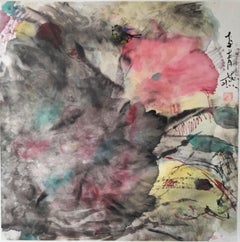
Chinese Contemporary Art by Li Qing-Yan - Lotus of Heart
Located in Paris, IDF
Ink on handmade paper
Category
2010s Contemporary Figurative Drawings and Watercolors
Materials
Ink, Handmade Paper
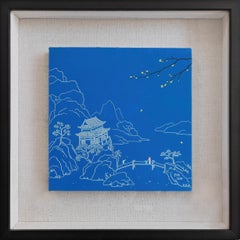
Chinese Contemporary Art by Jia Yuan-Hua - Tour
By Jia Yuan-Hua
Located in Paris, IDF
Framed, 45 x 45 x 4 cm
A family is enjoying the beautiful scenery.
NOTE :
The LINES was created by knife carving on oil material. This is artist's unique artistic style.
Outer fram...
Category
2010s Contemporary Figurative Paintings
Materials
Canvas, Oil
Undescribed Variation #7; Refining Fire/Undescribed Variation
Located in Santa Monica, CA
24 x 24 in. (framed) each
Framed in a white wood frame. Diptych - must be sold together.
Category
21st Century and Contemporary Contemporary More Art
Materials
C Print
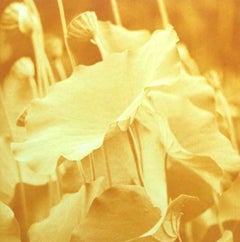
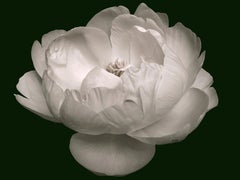
Zen Beauty - Contemporary black and white photography of Flower series - medium
By MAE Curates
Located in Los Angeles, CA
This photography is part of a series of zen like beauty of Flowers art photography.
In 3 sizes.
This piece:
Print size: 30 x 37.5 in.
Image dimensions are 22 x 30 in.
Matted in ...
Category
21st Century and Contemporary Contemporary Landscape Photography
Materials
Photographic Paper
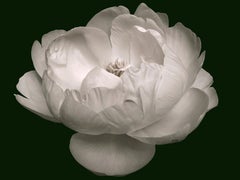
Zen Beauty - Contemporary black and white photography of Flower series - medium
By MAE Curates
Located in Los Angeles, CA
This photography is part of a series of zen like beauty of Flowers art photography.
In 3 sizes.
This piece:
Print size: 30 x 37.5 in.
Image dimensions are 22 x 30 in.
Matted in 8 ply museum archival matt.
Ed of 15, signed, editioned on a Certificate of Authenticity by by photographer.
About this series:
With great patience and respect, the photographer observes the life cycle of the flower, viewing the subject much like a portrait photographer views a person, choosing the particular instance which in his view represents the essence of the flower. We feel the piece evokes a certain poetic, quiet, Zen beauty.
The photographer was a London Central Saint Martins graduate and lived in a short spell in a monastery in Japan, and now primarily lives in Japan.
-----
The artist was born in the UK in 1971, and after leaving Central Saint Martin’s in London in 1992, determined to explore a deeper sense of meaning, and contemplate life, he journeyed to Japan where he lived in a Zen Buddhist monastery and lived and studied in a temple in the mountains of Yamanashi for months, during which he studied Zen Buddhism and joined the monks in their daily prayers and routines.
Over time, the subject matter for this series is borne out of a respect of the inner life of living things, Nature, in this instance and a sense of “mono no aware” (the art of impermanence). His artist vision has drawn influences from his Western artistic culture, Japanese classical aesthetics, and the 1933 classical text, “In Praise of Shadows” by Japanese literary titan, Junichiro Tanizaki (1886–1965). Tanizaki, as translated by scholars, examines the singular standards of Japanese aesthetics and their stark contrast with the value systems of the industrialized West. He writes:
“We find beauty not in the thing itself but in the patterns of shadows, the light and the darkness, that one thing against another creates… Were it not for shadows, there would be no beauty.”
“Shadows” presumably refers to the subtle interplay between light and darkness, not a stark dualism between black and white. Hence, the quiet beauty expressed in shadows of light and darkness as a living flower moves through the passage of life.
The art of impermanence refers to a “pathos” (aware) of “things” (mono), deriving from their transience. The flower is a perfect metaphor for the expression of impermanence and beauty. Each flower has its own distinctive character and temperament, and is in constant dynamic motion. Through the passage of its life, it blossoms to its greatest peak, turning always towards the light until they eventually give up their petals. The artist documents this process through hundreds of images over time, essentially capturing the essence of the life of the subject. Both the visual aesthetic and process of his art calls to mind the transcient nature of things and reminds us to rejoice what we do have.
In his gold series - Gold, in turn associated with the sacred, the divine, with supernatural powers and even immortality, has been recognized since ancient times in all the great civilizations as a noble material. Gold leaves have been used to decorate shrines, temples, statues, armor, jewelry since ancient times. At different times of the day, the light reflects off the gold differently as the day progresses, providing a visual context in which the celebration of life was captured.
The artist has been recognized for his work for example, with a merit award at the Art Directors Club 87th Annual Awards N.Y. (2008). His work has been in group exhibitions as a runner up at the National Portrait Gallery in London as part of the Taylor Wessing London – Elle Commendation Portrait Awards, and at the Kiyosato Photo Art Museum in 1999. A successful photographer, the artist’s commercial clients include Adidas, Estee Lauder, Hugo Boss and shot celebrities for magazines / editorials featuring Sam Smith, Jeremy Renner, Gwyneth Paltrow, David Fincher, Zhang Ziyi...
Category
21st Century and Contemporary Contemporary Landscape Photography
Materials
Photographic Paper
More Ways To Browse
Feng Shui
Blue And White China English China
Rare Watches To Look Out For
Jew Painting
Catherine Woo
Jin Woo
Tony Bennett
Trees Black On White
Vintage Black And White Television
Wolf Of Wall Street
Bettie Page
Civil War Photograph
Claudia Campbell
Jayne Mansfield
Kate Moss Albert Watson
Liam Gallagher
Nik Nik
Tango Photography