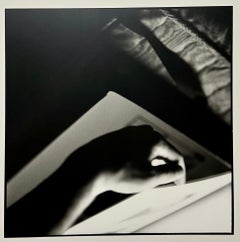
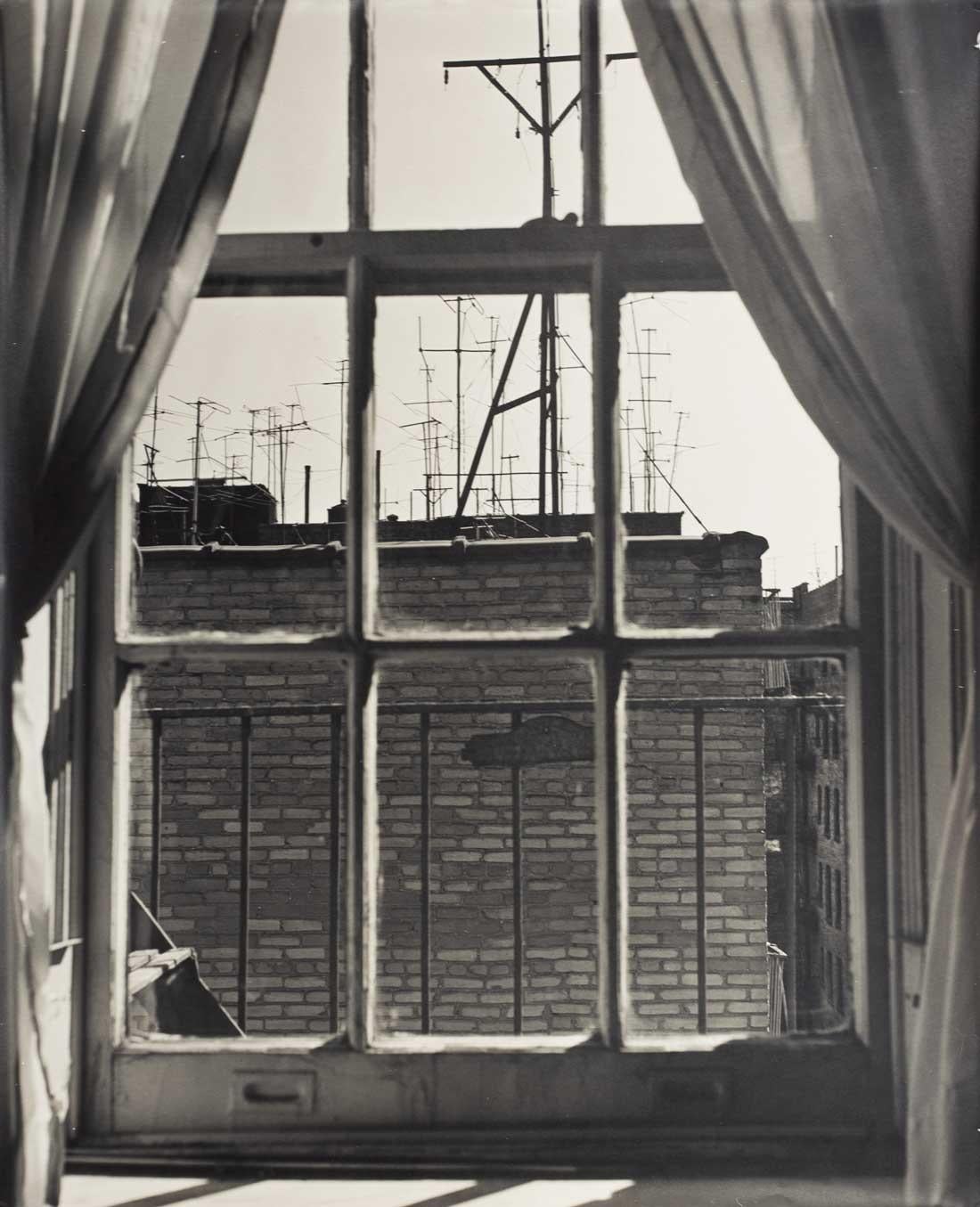
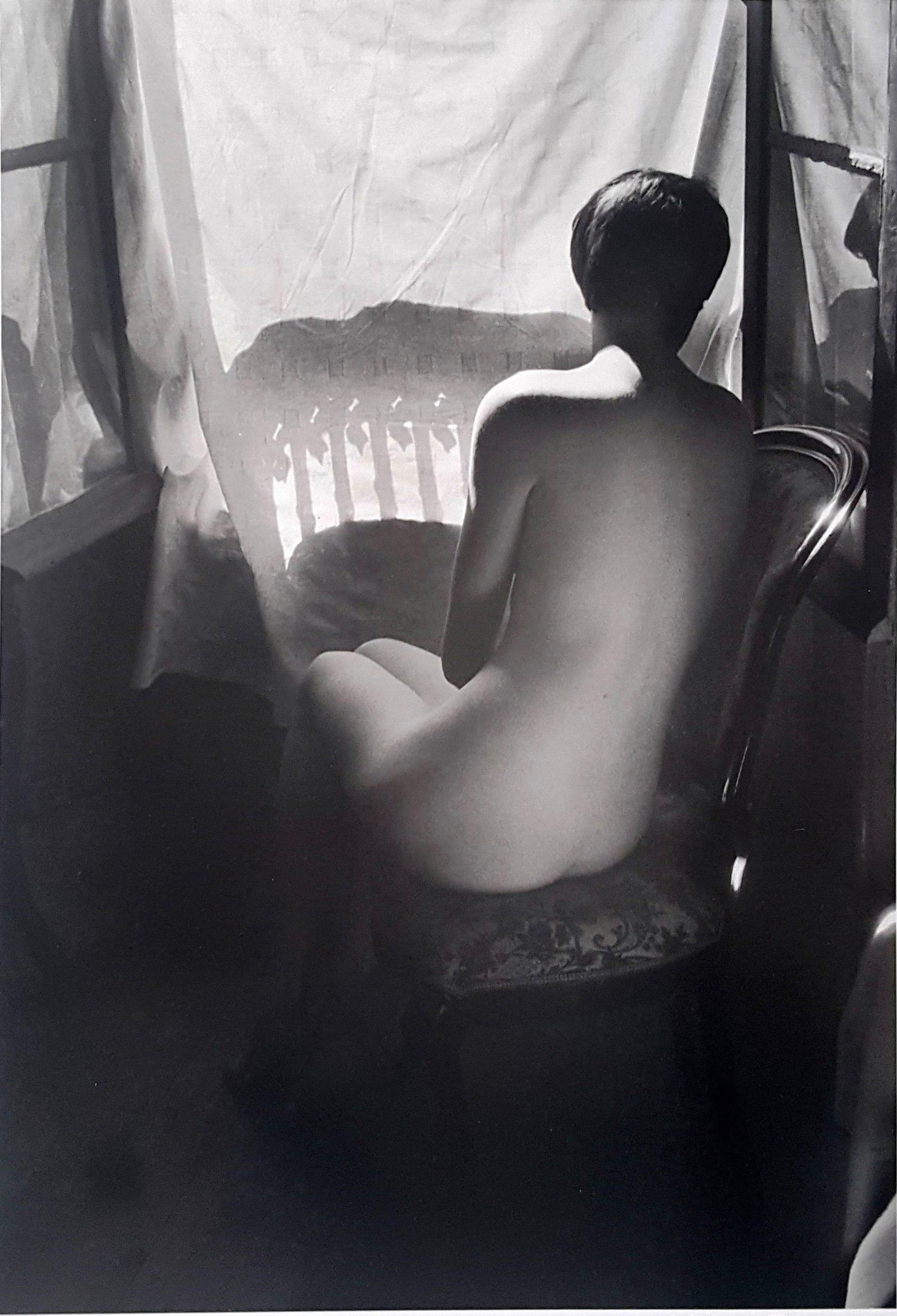
Items Similar to Alfred Stieglitz, Sunlight and Shadows, Paula, 1947 (after)
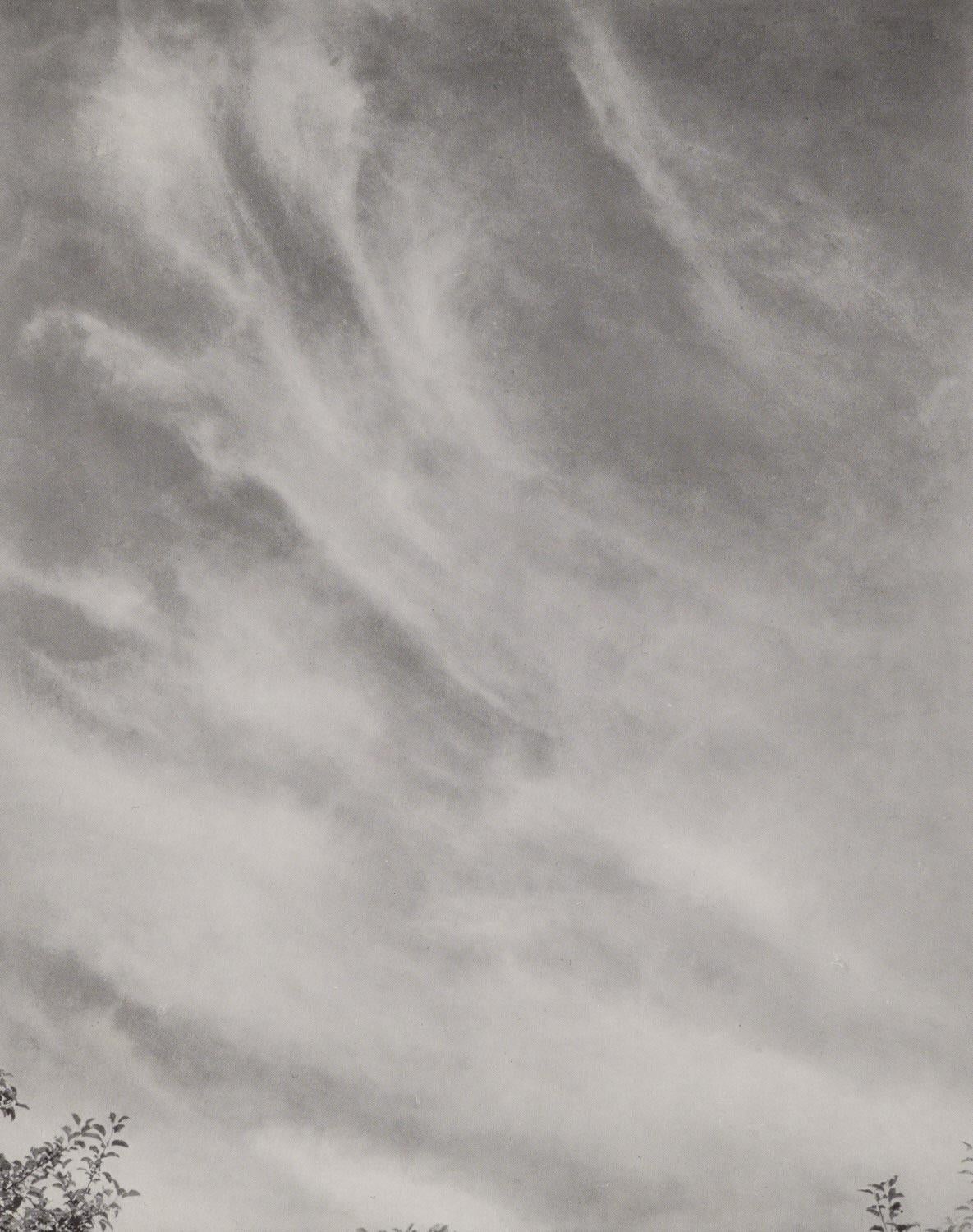
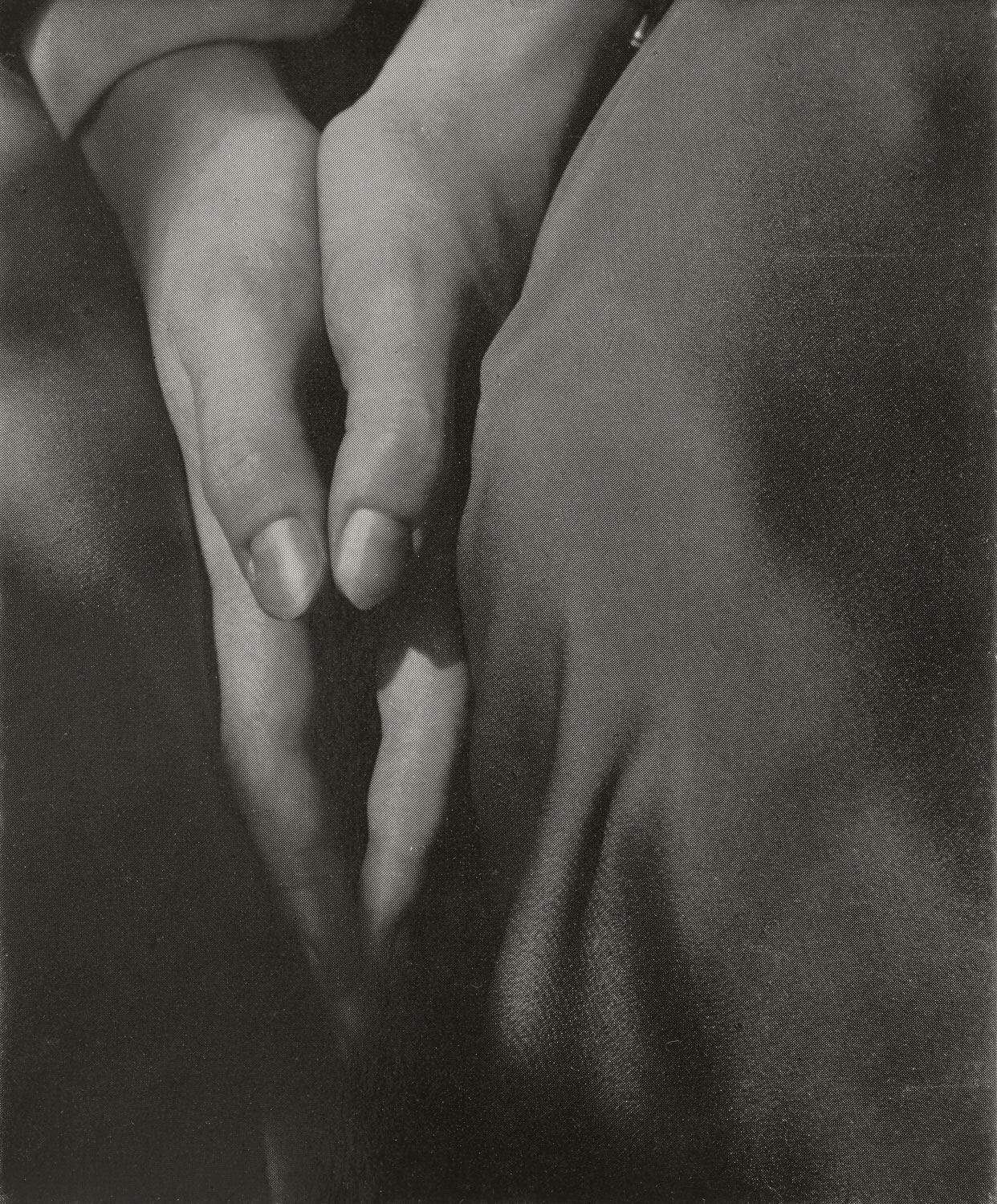
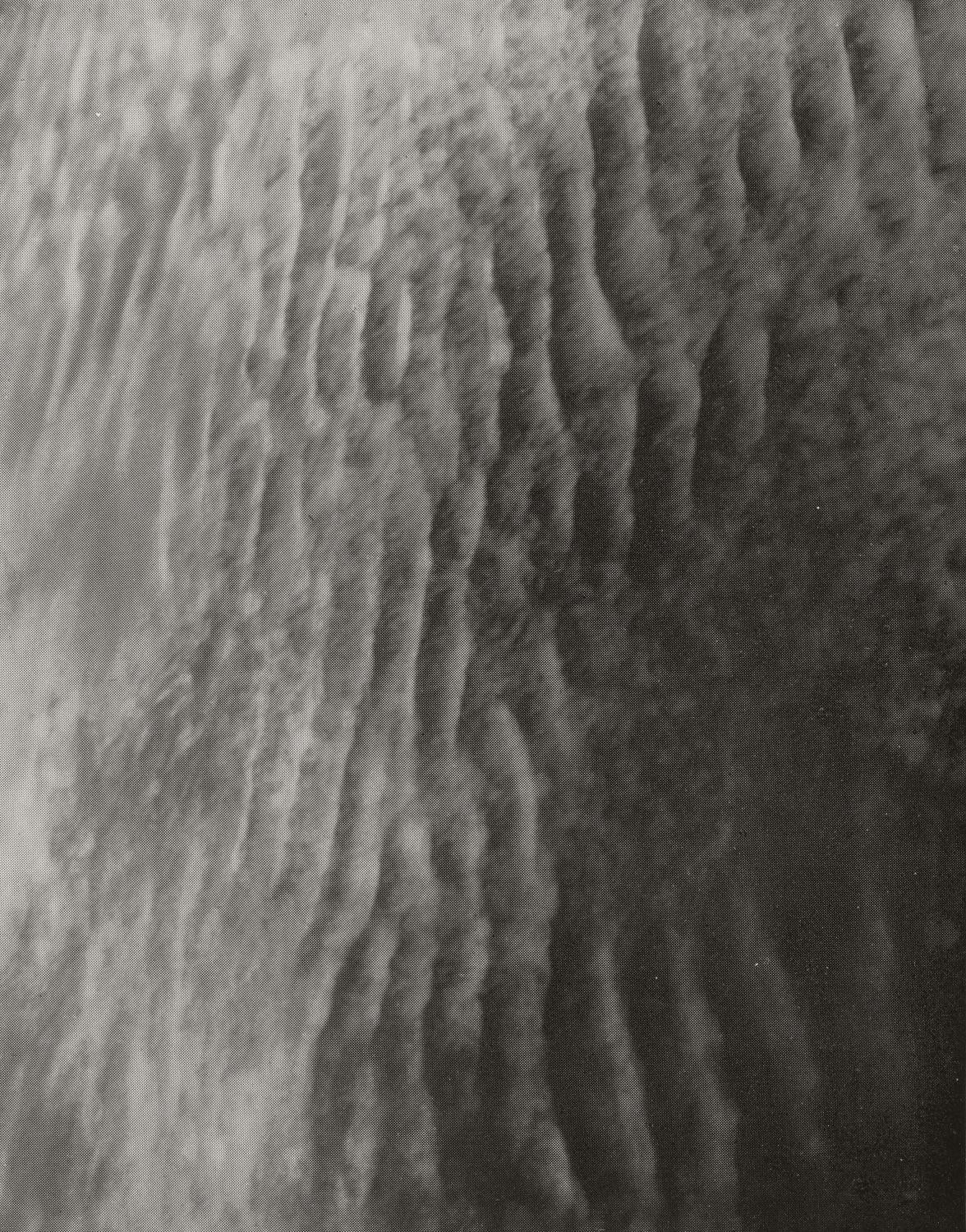

Want more images or videos?
Request additional images or videos from the seller
1 of 11
Alfred Stieglitz, Sunlight and Shadows, Paula, 1947 (after)1947
1947
$716
$89520% Off
£545.23
£681.5420% Off
€622.62
€778.2820% Off
CA$1,006.07
CA$1,257.5920% Off
A$1,103.85
A$1,379.8120% Off
CHF 581.45
CHF 726.8220% Off
MX$13,131.44
MX$16,414.3120% Off
NOK 7,448.36
NOK 9,310.4520% Off
SEK 6,801.37
SEK 8,501.7120% Off
DKK 4,651.58
DKK 5,814.4820% Off
About the Item
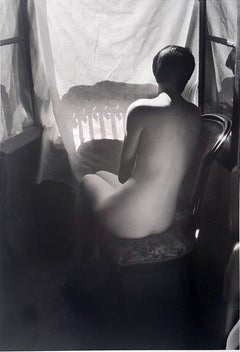
This exquisite halftone print after Alfred Stieglitz (1864–1946), titled Sunlight and Shadows, Paula, originates from the 1947 folio Stieglitz Memorial Portfolio, 1864–1946. Published by Twice a Year Press, New York, rendered and printed by Lakeside Press, Chicago, 1947, this work reflects Stieglitzs sensitive mastery of tonal nuance, atmospheric expression, and the profound emotional depth that defined his photographic vision.
Executed as a halftone print on velin paper, this work measures 20 x 16 inches, overall. Unsigned and unnumbered as issued. Printed by Lakeside Press, Chicago, one of the foremost American photogravure ateliers of the mid-20th century.
Artwork Details:
Artist: After Alfred Stieglitz (1864–1946)
Title: Sunlight and Shadows, Paula, from Stieglitz Memorial Portfolio, 1864–1946, 1947
Medium: Halftone print on velin paper
Dimensions: 20 x 16 inches, overall
Inscription: Unsigned and unnumbered as issued
Date: 1947
Publisher: Twice a Year Press, New York
Printer: Lakeside Press, Chicago
Condition: Well preserved, consistent with age and medium
Provenance: From the 1947 folio Stieglitz Memorial Portfolio, 1864–1946, published by Twice a Year Press, New York
Notes:
Excerpted from the album, Edition limited to MD examples.
About the Publication:
The Stieglitz Memorial Portfolio, 1864–1946, published in 1947 by Twice a Year Press in New York, stands as one of the most significant commemorative photographic projects of the mid-twentieth century. Conceived as an academic fine art tribute rather than a commercial portfolio, the publication sought to honor Alfred Stieglitzs groundbreaking contributions to the evolution of photography as a modern art form. The portfolio presents a high-fidelity photogravure process based on Stieglitzs original negatives and photographic prints, preserving the tonal subtlety, atmospheric richness, and emotional acuity that defined his oeuvre. Printed by the renowned Lakeside Press in Chicago—celebrated for its technical precision and mastery of photogravure—this edition reflects the collaborative ambitions of institutions, printers, and scholars committed to sustaining Stieglitzs artistic legacy. The portfolio functioned not only as a memorial but also as an educational and cultural document, introducing a wider public to the breadth of his achievements and reinforcing photographys position within the hierarchy of fine arts. Today, the Stieglitz Memorial Portfolio remains highly prized among collectors, historians, and institutions for its exceptional production quality, historical importance, and its role in preserving one of the foundational bodies of work in American photographic history.
About the Artist:
Alfred Stieglitz (1864–1946) was an American photographer, publisher, curator, and cultural architect whose sweeping influence on the development, elevation, and global recognition of photography as a legitimate fine art makes him one of the most pivotal figures in the history of modern visual culture, reshaping the mediums trajectory with emotionally charged Pictorialist masterworks, the groundbreaking Equivalents series—the first fully abstract photographic project—and hundreds of psychologically rich portraits of Georgia OKeeffe that revealed unprecedented depth between artist, subject, and lens; his career unfolded in dialogue with many of the worlds most valuable photographers, and he directly nurtured or inspired artists, including Edward Steichen, Paul Strand, Ansel Adams, Edward Weston, Imogen Cunningham, Dorothea Lange, Walker Evans, Berenice Abbott, Andre Kertesz, Henri Cartier-Bresson, Man Ray, Bill Brandt, Robert Frank, Irving Penn, Richard Avedon, Diane Arbus, Hiroshi Sugimoto, Cindy Sherman, Andreas Gursky, Jeff Wall, Thomas Struth, Thomas Ruff, Gregory Crewdson, Sebastiao Salgado, Nan Goldin, and Wolfgang Tillmans; his intellectual and artistic world expanded through deep exchanges with Pablo Picasso, Alexander Calder, Alberto Giacometti, Salvador Dali, Joan Miro, Wassily Kandinsky, Marcel Duchamp, and Man Ray, introducing New York to European modernism through his 291 Gallery and establishing photography within the broader ecosystem of Cubism, Surrealism, and abstraction; as founder of the Photo-Secession and editor of Camera Work, Stieglitz shaped global photographic discourse, launched the careers of major artists, and set critical standards that still guide the medium, while his own works—poetic snow scenes, intimate portraits, atmospheric city views, and metaphysical cloud abstractions—entered the worlds leading institutions, including the Museum of Modern Art, the Metropolitan Museum of Art, the National Gallery of Art, the Art Institute of Chicago, the Smithsonian American Art Museum, and the J. Paul Getty Museum; the highest auction record for Alfred Stieglitz was achieved on April 4, 2022, when Gable Roofs, Lake George sold for 1,050,000 USD at Sothebys New York, reaffirming his status as one of the most historically important and sought-after photographers in the global art market.
Alfred Stieglitz halftone print, Stieglitz Sunlight and Shadows Paula, Stieglitz Memorial Portfolio, Stieglitz Twice a Year Press, Lakeside Press Chicago, Stieglitz 1947 edition, Pictorialism, early American photography, collectible halftone print.
- Creation Year:1947
- Dimensions:Height: 20 in (50.8 cm)Width: 16 in (40.64 cm)
- Medium:
- Movement Style:
- After:Alfred Stieglitz (1864-1946, American)
- Period:
- Condition:
- Gallery Location:Southampton, NY
- Reference Number:1stDibs: LU1465217292822
About the Seller
4.9
Platinum Seller
Premium sellers with a 4.7+ rating and 24-hour response times
Established in 1978
1stDibs seller since 2021
1,242 sales on 1stDibs
Typical response time: <1 hour
- ShippingRetrieving quote...Shipping from: Southampton, NY
- Return Policy
More From This Seller
View AllAlfred Stieglitz, Equivalent 27C, 1947 (after)
By Alfred Stieglitz
Located in Southampton, NY
This exquisite halftone print after Alfred Stieglitz (1864–1946), titled Equivalent 27C, originates from the 1947 folio Stieglitz Memorial Portfolio, 1864–1946. Published by Twice a ...
Category
1940s American Modern Landscape Photography
Materials
Offset
Alfred Stieglitz, Hands, Dorothy Norman, 1947 (after)
By Alfred Stieglitz
Located in Southampton, NY
This exquisite halftone print after Alfred Stieglitz (1864–1946), titled Hands, Dorothy Norman, originates from the 1947 folio Stieglitz Memorial Portfolio, 1864–1946. Published by T...
Category
1940s American Modern Figurative Prints
Materials
Offset
Alfred Stieglitz, Equivalent, Series 107, 1947 (after)
By Alfred Stieglitz
Located in Southampton, NY
This exquisite halftone print after Alfred Stieglitz (1864–1946), titled Equivalent, Series 107, originates from the 1947 folio Stieglitz Memorial Portfolio, 1864–1946. Published by ...
Category
1940s American Modern Landscape Photography
Materials
Offset
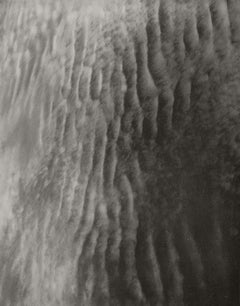
Alfred Stieglitz, New York Series, Spring, 1947 (after)
By Alfred Stieglitz
Located in Southampton, NY
This exquisite halftone print after Alfred Stieglitz (1864–1946), titled New York Series, Spring, originates from the 1947 folio Stieglitz Memorial Portfolio, 1864–1946. Published by...
Category
1940s American Modern Landscape Photography
Materials
Offset
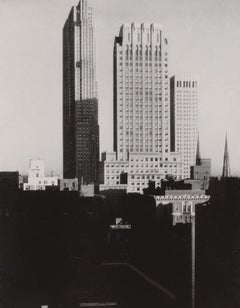
Man Ray, Rayograph, from Electa Editrice, 1980 (after)
By Man Ray
Located in Southampton, NY
This exquisite heliogravure after Man Ray (1890–1976), titled Rayograph, originates from the 1980 folio Man Ray, Electa Editrice Portfolios. Published by Gruppo Editoriale Electra, Milano, and printed by Gruppo Editoriale Electra, Milano, 1980. This image exemplifies Man Ray’s pioneering “rayograph” technique—a cameraless photographic process in which objects were placed directly onto photosensitive paper and exposed to light, creating luminous abstract compositions that fused chance, intuition, and surrealist invention. Through this groundbreaking process, Man Ray transformed photography into pure visual poetry, redefining its potential as a form of modern art.
Executed as a heliogravure on velin paper, this work measures 15.75 x 11.75 inches. Unsigned and unnumbered as issued. The edition exemplifies the refined craftsmanship of Gruppo Editoriale Electra, Milano.
Artwork Details:
Artist: After Man Ray (1890–1976)
Title: Rayograph
Medium: Heliogravure on velin paper
Dimensions: 15.75 x 11.75 inches (40.01 x 29.84 cm)
Inscription: Unsigned and unnumbered as issued
Date: 1980
Publisher: Gruppo Editoriale Electra, Milano
Printer: Gruppo Editoriale Electra, Milano
Condition: Well preserved, consistent with age and medium
Provenance: From the folio Man Ray, Electa Editrice Portfolios, published and printed by Gruppo Editoriale Electra, Milano, 1980
Notes:
Excerpted from the folio (translated from Italian), Limited edition of M examples, drawn in heliogravure on special paper, designed specifically for the Portfolios Electa. Gruppo Editoriale Electra/Milan. Printed in Italy.
About the Publication:
The Man Ray, Electa Editrice Portfolio (1980) was published by Gruppo Editoriale Electra in Milan as part of the distinguished Electa Portfolios series, which celebrated the masters of 20th-century photography through the artisanal process of heliogravure printing. This edition was dedicated to Man Ray’s seminal body of photographic work from 1920 to 1934—an era in which he redefined modern image-making through technical invention, surrealist experimentation, and intellectual daring. Produced in collaboration with leading photographic historians and Italian master printers, the portfolio was printed on specially manufactured velin paper designed exclusively for the Electa Portfolios, ensuring tonal precision and textural depth true to the artist’s originals. The publication represents one of the most refined posthumous tributes to Man Ray’s legacy, combining Italian craftsmanship with avant-garde vision to preserve the luminous complexity of his photographs. Created with the same devotion to innovation and elegance that characterized Man Ray’s own practice, this edition remains an important intersection of fine art publishing and modernist history.
About the Artist:
Man Ray (1890–1976) was an American-born painter, sculptor, photographer, filmmaker, and conceptual visionary whose radical imagination and technical innovation transformed modern art and established him as one of the leading figures of the 20th century. Born Emmanuel Radnitzky in Philadelphia, he became a central force in both the Dada and Surrealist movements, defying artistic boundaries and redefining the relationship between art, technology, and the unconscious. After early involvement in New York’s avant-garde with Francis Picabia and Marcel Duchamp, Man Ray moved to Paris in 1921, where he joined a revolutionary circle of artists including Pablo Picasso, Alexander Calder, Alberto Giacometti, Salvador Dali, Joan Miro, Wassily Kandinsky, and Marcel Duchamp. There, he pioneered the “rayograph,” or photogram—a cameraless photographic technique that used light and shadow to create ethereal abstract compositions—and produced some of the most iconic images in art history, including Le Violon d’Ingres (1924) and Noire et Blanche (1926). His photography, distinguished by its fusion of elegance, surrealism, and psychological depth, captured the essence of modernist Paris and immortalized creative icons such as Kiki de Montparnasse, Gertrude Stein, and James Joyce. At the same time, Man Ray’s experimental films, including Le Retour a la Raison (1923) and L’Etoile de mer (1928), and his sculptural works like The Gift (1921) and Object to Be Destroyed (1923), expanded the possibilities of art itself, transforming ordinary objects into symbols of mystery and desire. His conceptual approach—viewing art as an idea rather than an object—anticipated later movements such as Pop Art, Minimalism, and Conceptual Art, profoundly influencing artists like Andy Warhol, Robert Rauschenberg, Jasper Johns, and Joseph Beuys, as well as photographers Helmut Newton, Guy Bourdin, Cindy Sherman, and Richard Avedon. Even in exile during World War II, while working in Los Angeles, he continued to innovate, blending Surrealist fantasy with the luminosity of the California landscape before returning to Paris, where he spent his final decades refining his poetic, intellectual, and sensuous vision. Exhibited in major institutions such as the Museum of Modern Art, the Tate Modern, and the Centre Pompidou, Man Ray’s work remains foundational to modern art history—bridging painting, photography, film, and sculpture in a body of work that continues to shape the language of visual culture. Standing alongside Pablo Picasso, Alexander Calder, Alberto Giacometti, Salvador Dali, Joan Miro, Wassily Kandinsky, and Marcel Duchamp, Man Ray endures as one of the most original and influential artists of the modern era. His highest auction record was achieved by Noire et Blanche (1926), which sold for 3.13 million USD at Christie’s, Paris, on November 9, 2017, confirming his status as a timeless innovator whose genius continues to inspire artists, collectors, and dreamers worldwide.
Man Ray Rayograph...
Category
1980s Surrealist Figurative Photography
Materials
Lithograph

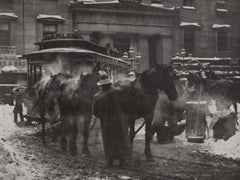
Alfred Stieglitz, The Terminal, 1947 (after)
By Alfred Stieglitz
Located in Southampton, NY
This exquisite halftone print after Alfred Stieglitz (1864–1946), titled The Terminal, originates from the 1947 folio Stieglitz Memorial Portfolio, 1864–1946. Published by Twice a Ye...
Category
1940s American Modern Figurative Photography
Materials
Offset
You May Also Like
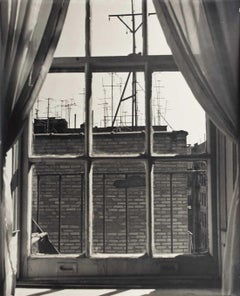
New York, 1951 - Ilse Bing (Black
White Photography) Mid-20th Century
Located in London, GB
Ilse Bing
New York, 1951
Silver gelatin print
19 3/4 x 15 3/4 inches
Ilse Bing (1899-1998), working with a Leica, brought a radical precision to the observation of daily life. The ...
Category
Early 20th Century Black and White Photography
Materials
Silver Gelatin
Deena
s back - Willy Ronis, 20th Century, French Humanist Photography
By Willy Ronis
Located in Paris, FR
One of the most famous members of the Humanist photography in France.
Signed lower right by the artist.
Stamp of the artist's studio on the back.
Category
1950s Contemporary Black and White Photography
Materials
Photographic Paper, Silver Gelatin
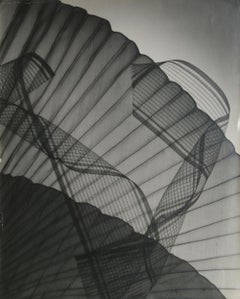
Design 7, 1945 Gelatin Silver Print by Rowena Fruth
Located in Long Island City, NY
Design 7
Rowena Fruth
American (1896–1983)
Date: 1945
Gelatin Silver Print
Size: 20 in. x 16 in. (50.8 cm x 40.64 cm)
Category
1940s Photorealist Prints and Multiples
Materials
Silver Gelatin
Equivalents
By Alfred Stieglitz
Located in Carmel-by-the-Sea, CA
Alfred Stieglitz made the Equivalents cloud studies between 1925 and 1934. They are often recognized as the first photographs free of literal subject matter and considered some of th...
Category
Early 20th Century Black and White Photography
Materials
Silver Gelatin
Vintage Street Photography Bruce Cratsley Photo Silver Gelatin Print Photograph
By Bruce Cratsley
Located in Surfside, FL
Bruce Cratsley, American (1944-1998)
Vintage gelatin silver print
Lifting Hand (Scot) Chez Moi
A surrealist image of a hand with a light study
Hand signed, titled and dated 1986-1988 verso
image (each): 15 1/4 x 15 1/4 inches, matted to 24 X 20 inches
Provenance: From the collection of AGFA Graphics Corporation
David Bruce Cratsley (1944 - 1998) was an American photographer specialized in still lifes, portraits of friends, and life in New York City. He had a reputation of master of light and shadow.
Bruce Cratsley attended Swarthmore College, graduating in 1966, and then, in the early 1970s, The New School for Social Research, studying under Lisette Model.
Cratsley worked for many years as a gallerist at Marlborough Gallery before quitting in 1986 to become a full-time photographer. As "Bruce Cratsley", he exhibited in various New York galleries, like: Laurence Miller Gallery, Howard Greenberg Gallery and Witkin Gallery. Cratsley was represented by Yancey Richardson Gallery, a dealer of fine art photography based in SoHo. He was photographed by Elsa Dorfman who shot many luminaries including, Allen Ginsberg, Denise Levertov, Anaïs Nin and more. In 1978 Cratsley contributed the photo sequences for the musical The Class, performed by The New Ballet School at the New York City Center.
In 1980, Cratsley showed his work, Atlantic City, 1977, an August beach scene, at the 11th Anniversary show at the Witkin Gallery. In 1989 Cratsley was awarded with the Guggenheim Fellowship for Photography, US
Canada.
Cratsley documented gay life in NYC including his life with David Waine, who died in 1991. "I'd been photographing David since long before he became sick [...] at some point I realized that this was an extraordinary thing that was happening, and that I had an intimate relationship to it. I photographed David just a few hours before he died, not knowing what was about to happen [...] David was very spiritual [...] My pictures are a poetic, spiritualized look at AIDS".
In 1995 Cratsley was included together with Barbara Norfleet, Olivia Parker and John Sturges in the list of bestselling photographer at Robert Klein Gallery...
Category
1980s American Modern Figurative Photography
Materials
Silver Gelatin
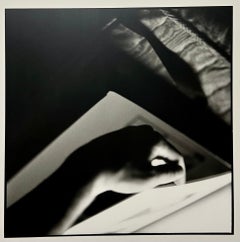
Vintage Street Photography Bruce Cratsley Photo Silver Gelatin Print Photograph
By Bruce Cratsley
Located in Surfside, FL
Bruce Cratsley, American (1944-1998)
Vintage gelatin silver print
Lifting Hand (Scot) Chez Moi
A surrealist image of a hand with a light study
Hand signed, titled and dated 1986-1988 verso
image (each): 15 1/4 x 15 1/4 inches, matted to 24 X 20 inches
Provenance: From the collection of AGFA Graphics Corporation
David Bruce Cratsley (1944 - 1998) was an American photographer specialized in still lifes, portraits of friends, and life in New York City. He had a reputation of master of light and shadow.
Bruce Cratsley attended Swarthmore College, graduating in 1966, and then, in the early 1970s, The New School for Social Research, studying under Lisette Model.
Cratsley worked for many years as a gallerist at Marlborough Gallery before quitting in 1986 to become a full-time photographer. As "Bruce Cratsley", he exhibited in various New York galleries, like: Laurence Miller Gallery, Howard Greenberg Gallery and Witkin Gallery. Cratsley was represented by Yancey Richardson Gallery, a dealer of fine art photography based in SoHo. He was photographed by Elsa Dorfman who shot many luminaries including, Allen Ginsberg, Denise Levertov, Anaïs Nin and more. In 1978 Cratsley contributed the photo sequences for the musical The Class, performed by The New Ballet School at the New York City Center.
In 1980, Cratsley showed his work, Atlantic City, 1977, an August beach scene, at the 11th Anniversary show at the Witkin Gallery. In 1989 Cratsley was awarded with the Guggenheim Fellowship for Photography, US
Canada.
Cratsley documented gay life in NYC including his life with David Waine, who died in 1991. "I'd been photographing David since long before he became sick [...] at some point I realized that this was an extraordinary thing that was happening, and that I had an intimate relationship to it. I photographed David just a few hours before he died, not knowing what was about to happen [...] David was very spiritual [...] My pictures are a poetic, spiritualized look at AIDS".
In 1995 Cratsley was included together with Barbara Norfleet, Olivia Parker and John Sturges in the list of bestselling photographer at Robert Klein Gallery...
Category
1980s American Modern Figurative Photography
Materials
Silver Gelatin