Items Similar to Forgotten Elements - Vintage Photograph - Mid 20th Century
Want more images or videos?
Request additional images or videos from the seller
1 of 2
UnknownForgotten Elements - Vintage Photograph - Mid 20th CenturyMid 20th Century
Mid 20th Century
$167.70
£125.40
€140
CA$231.04
A$251.99
CHF 133.49
MX$3,020.96
NOK 1,700.01
SEK 1,554.54
DKK 1,066.86
About the Item
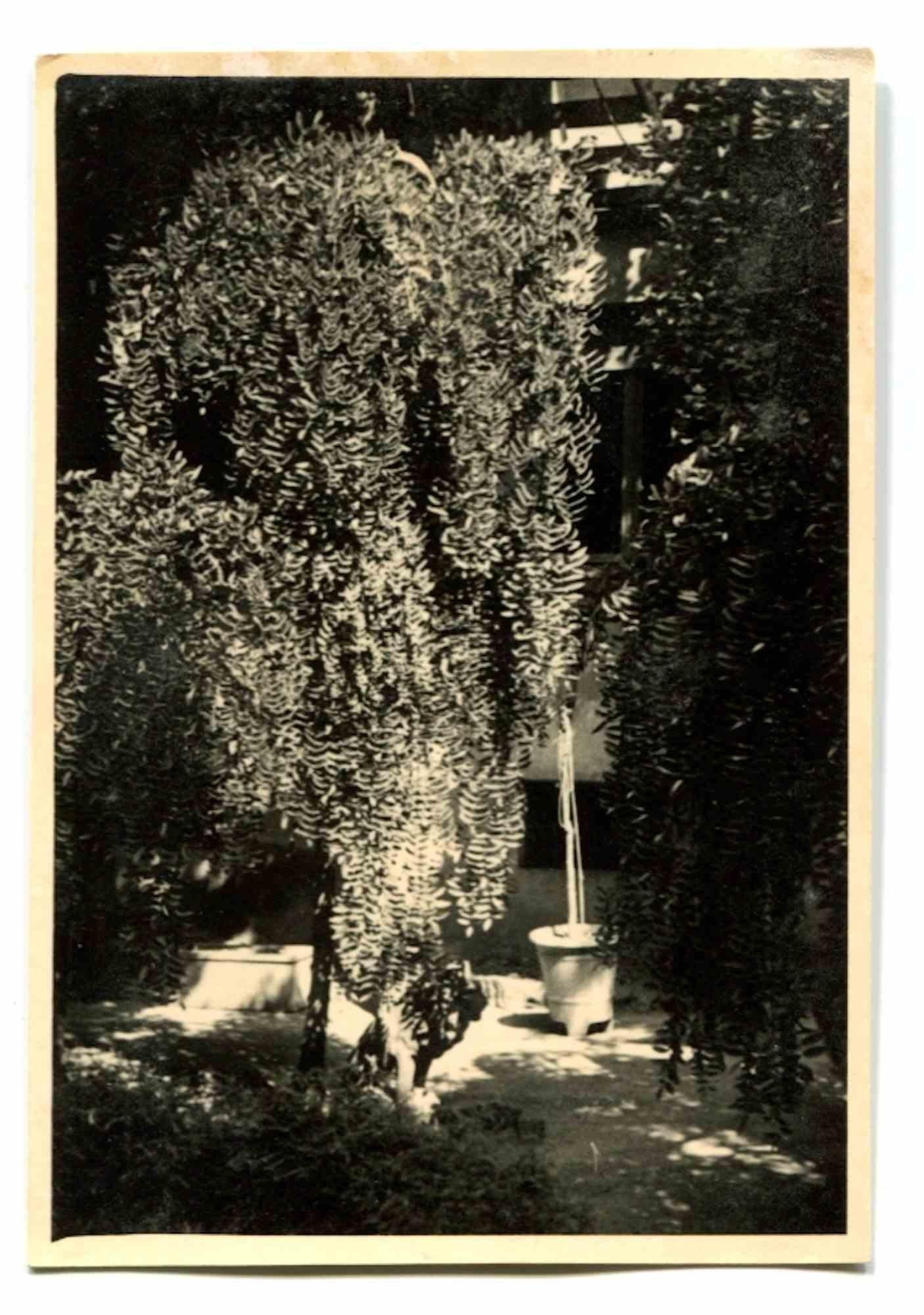
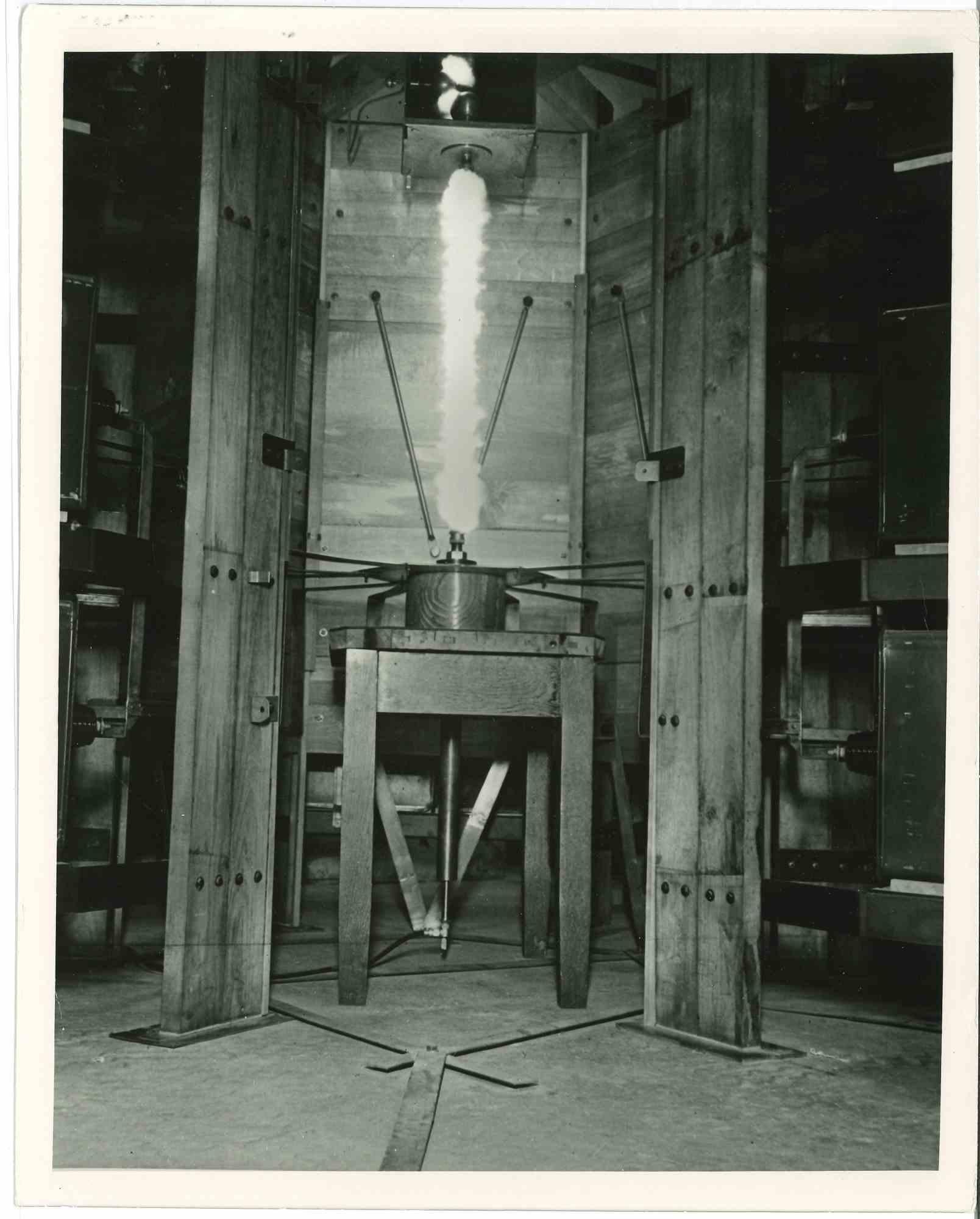
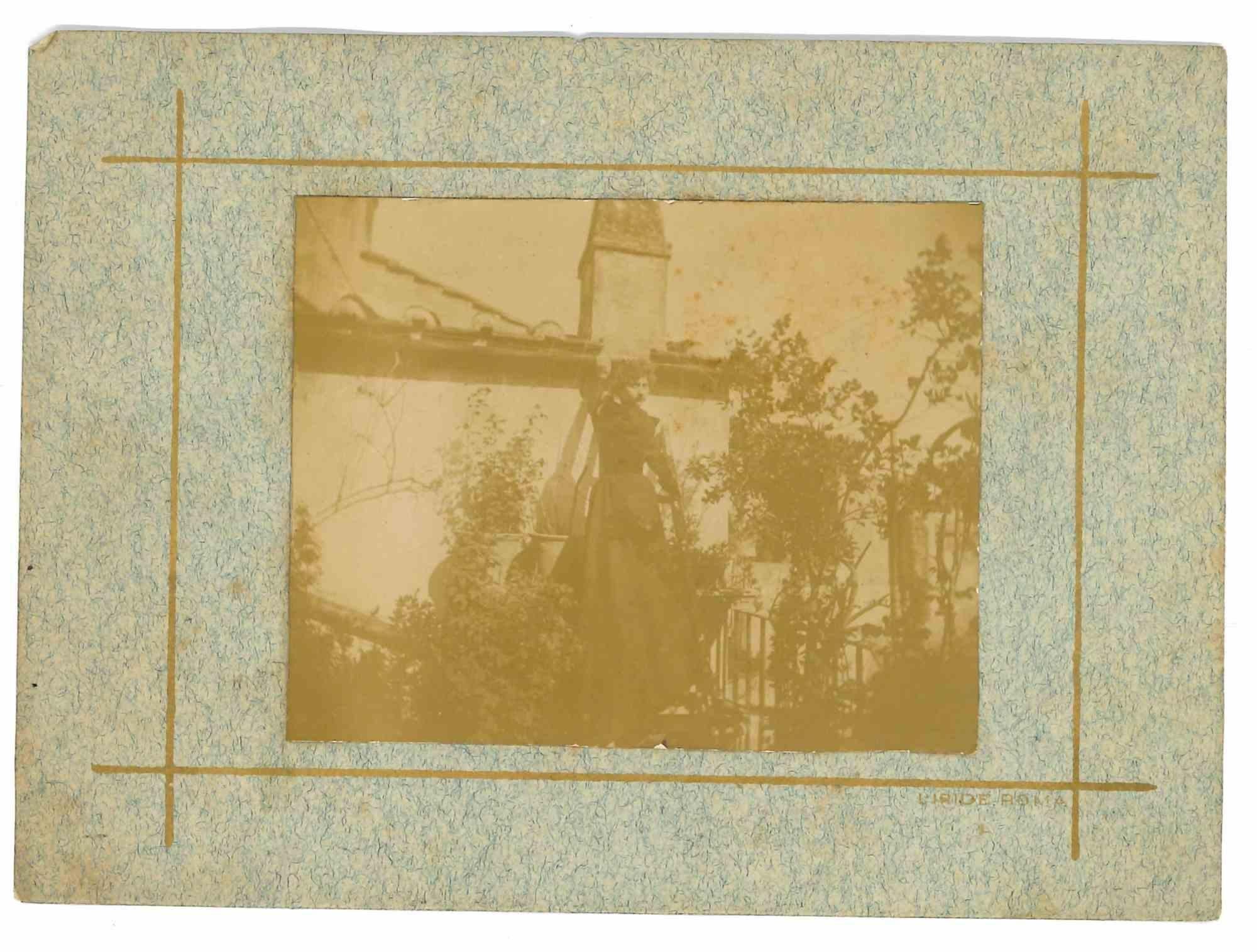
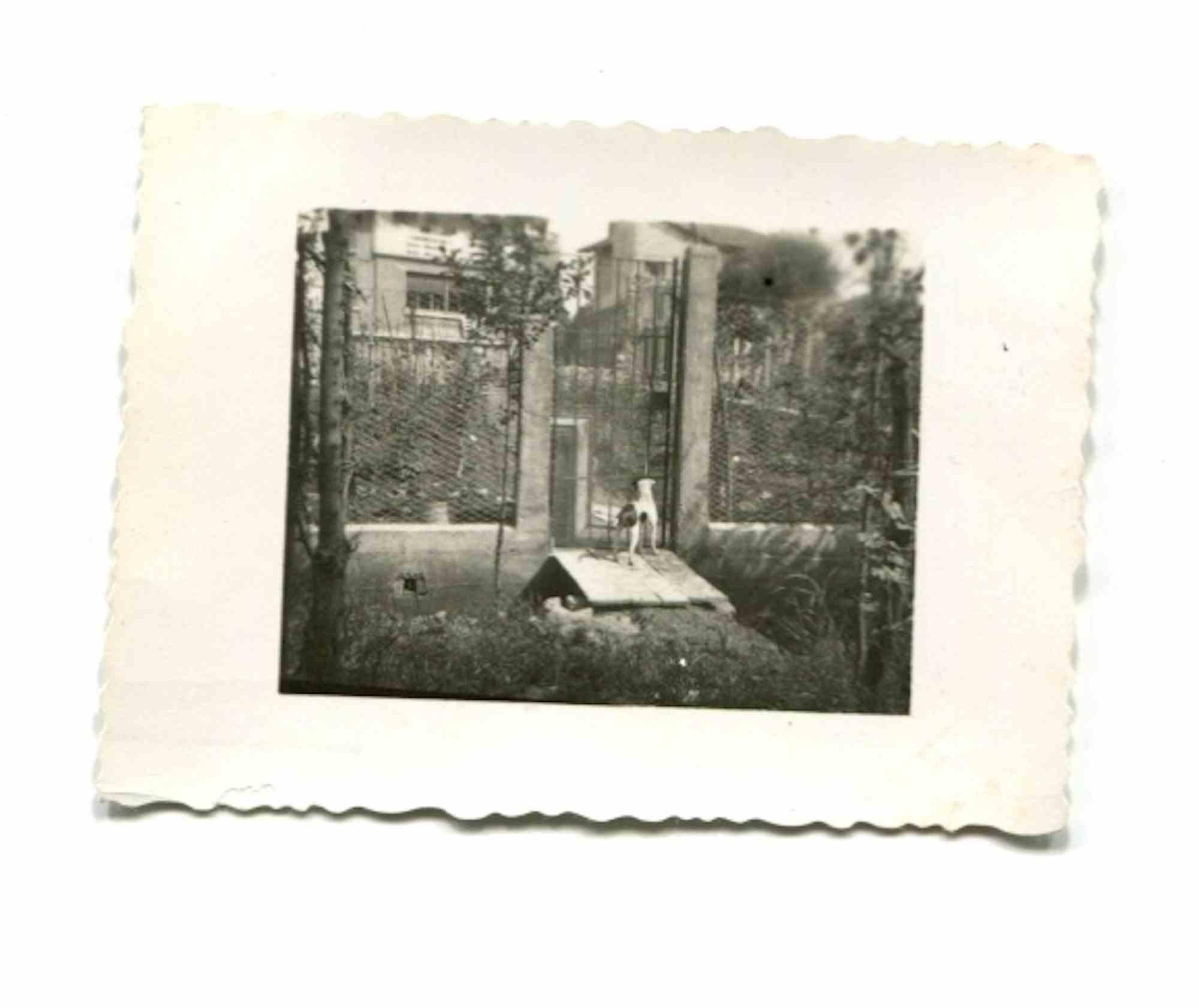
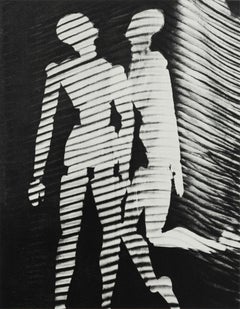
Forgotten Elements - American Vintage Photograph is an original black and white photograph realized in the U.S in the Mid-20th Century in a series of American life in the 20th Century.
With the typed note of the description in English in blue ink on the rear.
Good conditions.
- Creation Year:Mid 20th Century
- Dimensions:Height: 9.85 in (25 cm)Width: 7.88 in (20 cm)Depth: 0.08 in (2 mm)
- Medium:
- Movement Style:
- Period:
- Framing:Framing Options Available
- Condition:Insurance may be requested by customers as additional service, contact us for more information.
- Gallery Location:Roma, IT
- Reference Number:Seller: T-1259621stDibs: LU65039270372
About the Seller
4.9
Platinum Seller
Premium sellers with a 4.7+ rating and 24-hour response times
1stDibs seller since 2017
7,851 sales on 1stDibs
Typical response time: 1 hour
- ShippingRetrieving quote...Shipping from: Monaco, Monaco
- Return Policy
More From This Seller
View AllOld Days - Historical Photo - Vintage Photo - Mid-20th Century
Located in Roma, IT
Old Days - Historical Photo is a vintage black and white photograph realized in the Mid-20th Century.
Good conditions.
Category
Mid-20th Century Contemporary Figurative Photography
Materials
Photographic Paper
Individual Research - Vintage Photograph - Mid 20th Century
Located in Roma, IT
Individual Research - American Vintage Photograph is an original black and white photograph realized in the U.S in the Mid-20th Century in a series on American life in the 20th Centu...
Category
Mid-20th Century Modern Figurative Photography
Materials
Photographic Paper
The Old Days - Historical Photo - The Early 20th century
Located in Roma, IT
The Old Days - Historical Photo is a black and white vintage photo, silver salt print, realized in the early 20th century.
It belongs to historical album including historical mome...
Category
1910s Modern Figurative Photography
Materials
Photographic Paper
Old Days - Vintage Photo - Mid-20th Century
Located in Roma, IT
Old Days is a vintage photo, realized in the Mid-20th Century .
The artwork is a well-balanced composition.
Category
Mid-20th Century Contemporary Figurative Photography
Materials
Photographic Paper
Treasure - Vintage Photo - Early 20th century
Located in Roma, IT
Treasure- Vintage Photo is a black and white photograph of the early 20th century.
Good conditions, aged with foxing.
Category
Early 20th Century Modern Figurative Photography
Materials
Photographic Paper
Historical Vintage Photo - 1960s
Located in Roma, IT
Historical Vintage Photo is a black and white vintage photograph realized in the 1960s. It belongs to historical albumen including photo reportages of historical events and political...
Category
1960s Contemporary Figurative Photography
Materials
Photographic Paper
You May Also Like
Man Ray, Rayograph, from Electa Editrice, 1980 (after)
By Man Ray
Located in Southampton, NY
This exquisite heliogravure after Man Ray (1890–1976), titled Rayograph, originates from the 1980 folio Man Ray, Electa Editrice Portfolios. Published by Gruppo Editoriale Electra, Milano, and printed by Gruppo Editoriale Electra, Milano, 1980. This image exemplifies Man Ray’s pioneering “rayograph” technique—a cameraless photographic process in which objects were placed directly onto photosensitive paper and exposed to light, creating luminous abstract compositions that fused chance, intuition, and surrealist invention. Through this groundbreaking process, Man Ray transformed photography into pure visual poetry, redefining its potential as a form of modern art.
Executed as a heliogravure on velin paper, this work measures 15.75 x 11.75 inches. Unsigned and unnumbered as issued. The edition exemplifies the refined craftsmanship of Gruppo Editoriale Electra, Milano.
Artwork Details:
Artist: After Man Ray (1890–1976)
Title: Rayograph
Medium: Heliogravure on velin paper
Dimensions: 15.75 x 11.75 inches (40.01 x 29.84 cm)
Inscription: Unsigned and unnumbered as issued
Date: 1980
Publisher: Gruppo Editoriale Electra, Milano
Printer: Gruppo Editoriale Electra, Milano
Condition: Well preserved, consistent with age and medium
Provenance: From the folio Man Ray, Electa Editrice Portfolios, published and printed by Gruppo Editoriale Electra, Milano, 1980
Notes:
Excerpted from the folio (translated from Italian), Limited edition of M examples, drawn in heliogravure on special paper, designed specifically for the Portfolios Electa. Gruppo Editoriale Electra/Milan. Printed in Italy.
About the Publication:
The Man Ray, Electa Editrice Portfolio (1980) was published by Gruppo Editoriale Electra in Milan as part of the distinguished Electa Portfolios series, which celebrated the masters of 20th-century photography through the artisanal process of heliogravure printing. This edition was dedicated to Man Ray’s seminal body of photographic work from 1920 to 1934—an era in which he redefined modern image-making through technical invention, surrealist experimentation, and intellectual daring. Produced in collaboration with leading photographic historians and Italian master printers, the portfolio was printed on specially manufactured velin paper designed exclusively for the Electa Portfolios, ensuring tonal precision and textural depth true to the artist’s originals. The publication represents one of the most refined posthumous tributes to Man Ray’s legacy, combining Italian craftsmanship with avant-garde vision to preserve the luminous complexity of his photographs. Created with the same devotion to innovation and elegance that characterized Man Ray’s own practice, this edition remains an important intersection of fine art publishing and modernist history.
About the Artist:
Man Ray (1890–1976) was an American-born painter, sculptor, photographer, filmmaker, and conceptual visionary whose radical imagination and technical innovation transformed modern art and established him as one of the leading figures of the 20th century. Born Emmanuel Radnitzky in Philadelphia, he became a central force in both the Dada and Surrealist movements, defying artistic boundaries and redefining the relationship between art, technology, and the unconscious. After early involvement in New York’s avant-garde with Francis Picabia and Marcel Duchamp, Man Ray moved to Paris in 1921, where he joined a revolutionary circle of artists including Pablo Picasso, Alexander Calder, Alberto Giacometti, Salvador Dali, Joan Miro, Wassily Kandinsky, and Marcel Duchamp. There, he pioneered the “rayograph,” or photogram—a cameraless photographic technique that used light and shadow to create ethereal abstract compositions—and produced some of the most iconic images in art history, including Le Violon d’Ingres (1924) and Noire et Blanche (1926). His photography, distinguished by its fusion of elegance, surrealism, and psychological depth, captured the essence of modernist Paris and immortalized creative icons such as Kiki de Montparnasse, Gertrude Stein, and James Joyce. At the same time, Man Ray’s experimental films, including Le Retour a la Raison (1923) and L’Etoile de mer (1928), and his sculptural works like The Gift (1921) and Object to Be Destroyed (1923), expanded the possibilities of art itself, transforming ordinary objects into symbols of mystery and desire. His conceptual approach—viewing art as an idea rather than an object—anticipated later movements such as Pop Art, Minimalism, and Conceptual Art, profoundly influencing artists like Andy Warhol, Robert Rauschenberg, Jasper Johns, and Joseph Beuys, as well as photographers Helmut Newton, Guy Bourdin, Cindy Sherman, and Richard Avedon. Even in exile during World War II, while working in Los Angeles, he continued to innovate, blending Surrealist fantasy with the luminosity of the California landscape before returning to Paris, where he spent his final decades refining his poetic, intellectual, and sensuous vision. Exhibited in major institutions such as the Museum of Modern Art, the Tate Modern, and the Centre Pompidou, Man Ray’s work remains foundational to modern art history—bridging painting, photography, film, and sculpture in a body of work that continues to shape the language of visual culture. Standing alongside Pablo Picasso, Alexander Calder, Alberto Giacometti, Salvador Dali, Joan Miro, Wassily Kandinsky, and Marcel Duchamp, Man Ray endures as one of the most original and influential artists of the modern era. His highest auction record was achieved by Noire et Blanche (1926), which sold for 3.13 million USD at Christie’s, Paris, on November 9, 2017, confirming his status as a timeless innovator whose genius continues to inspire artists, collectors, and dreamers worldwide.
Man Ray Rayograph...
Category
1980s Surrealist Figurative Photography
Materials
Lithograph
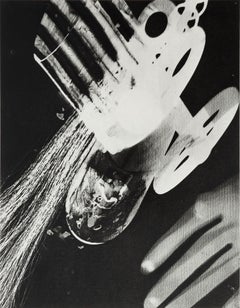
Man Ray, Rayograph, from Electa Editrice, 1980 (after)
By Man Ray
Located in Southampton, NY
This exquisite heliogravure after Man Ray (1890–1976), titled Rayograph, originates from the 1980 folio Man Ray, Electa Editrice Portfolios. Published by Gruppo Editoriale Electra, Milano, and printed by Gruppo Editoriale Electra, Milano, 1980. This image exemplifies Man Ray’s pioneering “rayograph” technique—a cameraless photographic process in which objects were placed directly onto photosensitive paper and exposed to light, creating luminous abstract compositions that fused chance, intuition, and surrealist invention. Through this groundbreaking process, Man Ray transformed photography into pure visual poetry, redefining its potential as a form of modern art.
Executed as a heliogravure on velin paper, this work measures 15.75 x 11.75 inches. Unsigned and unnumbered as issued. The edition exemplifies the refined craftsmanship of Gruppo Editoriale Electra, Milano.
Artwork Details:
Artist: After Man Ray (1890–1976)
Title: Rayograph
Medium: Heliogravure on velin paper
Dimensions: 15.75 x 11.75 inches (40.01 x 29.84 cm)
Inscription: Unsigned and unnumbered as issued
Date: 1980
Publisher: Gruppo Editoriale Electra, Milano
Printer: Gruppo Editoriale Electra, Milano
Condition: Well preserved, consistent with age and medium
Provenance: From the folio Man Ray, Electa Editrice Portfolios, published and printed by Gruppo Editoriale Electra, Milano, 1980
Notes:
Excerpted from the folio (translated from Italian), Limited edition of M examples, drawn in heliogravure on special paper, designed specifically for the Portfolios Electa. Gruppo Editoriale Electra/Milan. Printed in Italy.
About the Publication:
The Man Ray, Electa Editrice Portfolio (1980) was published by Gruppo Editoriale Electra in Milan as part of the distinguished Electa Portfolios series, which celebrated the masters of 20th-century photography through the artisanal process of heliogravure printing. This edition was dedicated to Man Ray’s seminal body of photographic work from 1920 to 1934—an era in which he redefined modern image-making through technical invention, surrealist experimentation, and intellectual daring. Produced in collaboration with leading photographic historians and Italian master printers, the portfolio was printed on specially manufactured velin paper designed exclusively for the Electa Portfolios, ensuring tonal precision and textural depth true to the artist’s originals. The publication represents one of the most refined posthumous tributes to Man Ray’s legacy, combining Italian craftsmanship with avant-garde vision to preserve the luminous complexity of his photographs. Created with the same devotion to innovation and elegance that characterized Man Ray’s own practice, this edition remains an important intersection of fine art publishing and modernist history.
About the Artist:
Man Ray (1890–1976) was an American-born painter, sculptor, photographer, filmmaker, and conceptual visionary whose radical imagination and technical innovation transformed modern art and established him as one of the leading figures of the 20th century. Born Emmanuel Radnitzky in Philadelphia, he became a central force in both the Dada and Surrealist movements, defying artistic boundaries and redefining the relationship between art, technology, and the unconscious. After early involvement in New York’s avant-garde with Francis Picabia and Marcel Duchamp, Man Ray moved to Paris in 1921, where he joined a revolutionary circle of artists including Pablo Picasso, Alexander Calder, Alberto Giacometti, Salvador Dali, Joan Miro, Wassily Kandinsky, and Marcel Duchamp. There, he pioneered the “rayograph,” or photogram—a cameraless photographic technique that used light and shadow to create ethereal abstract compositions—and produced some of the most iconic images in art history, including Le Violon d’Ingres (1924) and Noire et Blanche (1926). His photography, distinguished by its fusion of elegance, surrealism, and psychological depth, captured the essence of modernist Paris and immortalized creative icons such as Kiki de Montparnasse, Gertrude Stein, and James Joyce. At the same time, Man Ray’s experimental films, including Le Retour a la Raison (1923) and L’Etoile de mer (1928), and his sculptural works like The Gift (1921) and Object to Be Destroyed (1923), expanded the possibilities of art itself, transforming ordinary objects into symbols of mystery and desire. His conceptual approach—viewing art as an idea rather than an object—anticipated later movements such as Pop Art, Minimalism, and Conceptual Art, profoundly influencing artists like Andy Warhol, Robert Rauschenberg, Jasper Johns, and Joseph Beuys, as well as photographers Helmut Newton, Guy Bourdin, Cindy Sherman, and Richard Avedon. Even in exile during World War II, while working in Los Angeles, he continued to innovate, blending Surrealist fantasy with the luminosity of the California landscape before returning to Paris, where he spent his final decades refining his poetic, intellectual, and sensuous vision. Exhibited in major institutions such as the Museum of Modern Art, the Tate Modern, and the Centre Pompidou, Man Ray’s work remains foundational to modern art history—bridging painting, photography, film, and sculpture in a body of work that continues to shape the language of visual culture. Standing alongside Pablo Picasso, Alexander Calder, Alberto Giacometti, Salvador Dali, Joan Miro, Wassily Kandinsky, and Marcel Duchamp, Man Ray endures as one of the most original and influential artists of the modern era. His highest auction record was achieved by Noire et Blanche (1926), which sold for 3.13 million USD at Christie’s, Paris, on November 9, 2017, confirming his status as a timeless innovator whose genius continues to inspire artists, collectors, and dreamers worldwide.
Man Ray Rayograph...
Category
1980s Surrealist Figurative Photography
Materials
Lithograph

Man Ray, The Studio on 8th Street, New York, from Electa Editrice, 1980 (after)
By Man Ray
Located in Southampton, NY
This exquisite heliogravure after Man Ray (1890–1976), titled The Studio on 8th Street, New York, originates from the 1980 folio Man Ray, Electa Editrice Portfolios. Published by Gru...
Category
1980s Surrealist Figurative Photography
Materials
Lithograph
$956 Sale Price
20% Off
Free Shipping
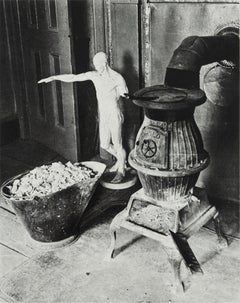
Vintage Print - Legend
By Malcolm Lubliner
Located in Surfside, FL
Malcolm Lubliner was in the right place at the right time. The artist had been working and teaching in Southern California for a number of years before he became a full-time photographer in 1968. Entrenched in Los Angeles’s burgeoning art scene, Lubliner was hired as a contract photographer for the publishing workshop Gemini G.E.L. to document its behind-the-scenes activities. He would later become the official photographer for the Art and Technology Program at the Los Angeles County Museum of Art (LACMA), which paired artists with technology companies in the region.
Lubliner’s collection of negatives, contact sheets, and prints—newly catalogued as part of the special collections at the Getty Research Institute—showcases some of the 20th century’s most notable artists and demonstrates his insight into their artistic processes.
Lubliner photographed the technical and collaborative efforts that went into producing iconic works such as Jasper Johns’s Numerals, Claes Oldenburg’s Giant Ice Bag, and Frank Stella’s Protractor series, while also creating intimate portraits of the individual artists as the driving forces behind them. He captured artists such as Roy Lichtenstein, Robert Rauschenberg, Robert Irwin, Richard Serra, John Altoon, and Sam Francis at work both at Gemini and in their own studios. Also present in many of the photographs are staff members of Gemini, including Kenneth Tyler and Stanley Grinstein.
An equally important part of the collection are Lubliner’s photographs of social events that were held by Los Angeles’s prominent art collectors and dealers. Accomplished and rising artists alike mingled and celebrated with the art world’s movers and shakers, such as Leo Castelli, Betty Asher, and Maurice Tuchman, establishing partnerships that would help define their careers.
EDUCATION
1962 MFA Degree, Otis Art Institute, Los Angeles, Ca
Received a California State Teaching Credential
EXHIBITION HISTORY, SOLO
2013 The Automotive Landscape, St. Mary’s College Art Gallery, Moraga, CA
2011 Anxious Landscape, Richmond Art Center, Richmond, CA.
2011 Pacific Party Time, Craig Krull Gallery and Getty Foundation, Los Angeles, CA
2010 Garden of Arbitrary Volition, Togonon Gallery, San Francisco, CA
2008 Tableaus, City Hall Rotunda, Walnut Creek, CA
2007 Portraits of American Artists, The 8 Gallery, San Francisco, CA
2003 Significant Places, Fresno Museum of Art, Fresno, CA
2003 Significant Places, Bedford Gallery, City Council Chambers, Walnut Creek, CA
2001 Significant Places, Point of View, College of Marin, Kentfield, CA
2001 Osceola Gallery Emeryville, CA
1999 Sixteen Tableaus, Berlex Corporation. The Richmond Art Museum
1995 Sixteen Tableaus, The Collectors Gallery, Oakland Museum of California Oakland, CA
1995 Sixteen Tableaus, University of Alabama at Tuscaloosa 1988 Introductions
1988, Vision Gallery, San Francisco, CA 1988 Mitzie Landau Gallery, Solo Exhibition, Los Angeles, CA
1975 Automotive Research, The Comsky Gallery, Los Angeles, CA
EXHIBITION HISTORY, GROUP
2014 Pilot Project at the Richmond Art Center Annual Members Show, June 14 to August 22
2013 Me Two, Self portrait, Syracuse University permanent collection, Syracuse, NY
2009 Seduction of Duchamp, Slaughterhouse Space, Healdsburg, CA
2009 Glimpses in Time, National Competition, Joyce Gordon Gallery, Oakland CA
2009 Anxious Landscape, Togonon Gallery, San Francisco, CA
2008 Banned and Recovered, African American Museum, Oakland, CA
2006 The 8 Gallery, Inaugural exhibition, San Francisco, CA
2006 Rush Creek Editions Gallery, Inaugural exhibition, Santa Fe, NM
2006 Transmissions Gallery, Berkeley CA
2005 The Bedford Gallery, Dean Lesher Center, Walnut Creek, CA
2003 Grabado sin Fronteras, Kala Art Institute, Berkeley, CA , Mission Cultural Center, San Francisco, CA and Estamperia of Quito Ecuador.
2002 Crocker Art Museum, Crocker-Kingsley 73rd Biennial Exhibition Sacramento,CA
1997 Oakland Museum of California, “In Front of the Lens” Photographers Portraits and Self Portraits, Oakland, CA
1996 Photographing The L.A. Art Scene 1955-1975, Group exhibition at The Craig Krull Gallery, Los Angeles
1994 Living in Balance, Richmond Art Center, Richmond, CA
1993 36th Annual Chautauqua National Exhibition of American Art, Chautauqua, N.Y.
1993 Third Annual Juried Exhibition, Sid Jacobson Jewish Community Center, East Hills, N.Y.
1993 4th Annual Art Equinox, Paris Gibson Square Museum of Art, Great Falls, Montana.
1993 Portraits in Black and White, ZYZZYVA benefit, Edith Caldwell Gallery, San Francisco, CA
1993 Long Beach Arts 89th Open Exhibition, Long Beach, CA
1993 Fort Worth Arts Festival, Fort Worth, TX 1989 A Special Photographers Co., Group Exhibition, London, GB
1988 The Print Club, 64th Annual International Competition, Philadelphia, PA
1985 SNAP Photographic Competition, San Francisco Arts Commission Gallery San Francisco, CA
1981 L.A. As Seen By L.A. Artists, Invitational Exhibition, Los Angeles Municipal Art Gallery, Los Angeles, CA
1981 Architecture de Tour, Centre George Pompidou, Paris, France
1967 California Dreamin’, Los Angeles County Museum, Barnsdall Park. Los Angeles, CA
1980 Otis Art Institute Alumni Invitational, Otis Art Institute, Los Angeles, CA
1971 Art and Technology, Photographic documentation of the U.S. Arts entry at the Osaka Worlds Fair, sponsored by The Los Angeles County Museum of Art
AWARDS AND GRANTS
2006 Vallejo Artist’s Guild, Vallejo, CA – First and second cash prizes
1997 Miranda Leonard Purchase Grant, Gift of four photographs to San Francisco Museum of Modern Art.
1994 California Exposition & State Fair, AWARD, Sacramento, CA
1975 Ohio Silver Gallery National Open Exhibition, PURCHASE AWARD, Ohio Silver Gallery, Los Angeles, CA
1962 All City Competition, AWARD, LA County Museum of Art, Barnsdall Park, Los Angeles, CA
PUBLIC AND PRIVATE COLLECTIONS
The Lafayette Library and Learning Center, Lafayette, CA.
The National Portrait Gallery, The Smithsonian Institution, Washington, DC
Crocker Art Museum, Sacramento, CA
The Bancroft Library, Berkeley, CA
San Francisco Museum of Modern Art
San Francisco Arts Commission
Oakland Museum of California
The Los Angeles County Museum of Art
The Fresno Museum of Art
The California Museum of Photographic Arts, San Diego, CA.
David Packard...
Category
20th Century Black and White Photography
Materials
Black and White, Silver Gelatin
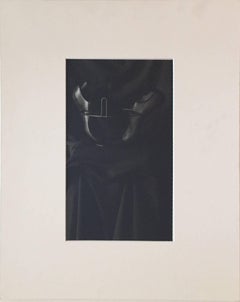
Art Forms in Mechanism XVll
By Linarejos Moreno
Located in Houston, TX
Linarejos Moreno
Art Forms in Mechanism XVll, 2016
archival digital print on Baryta paper, ed. 1/3
75-5/8 x 51-1/4 inches paper size
The series “Art Forms in Mechanism” began when Linarejos Moreno discovered a collection of 19th century botanical models while researching at the Cabinet of Scientific...
Category
2010s Contemporary Black and White Photography
Materials
Digital Pigment
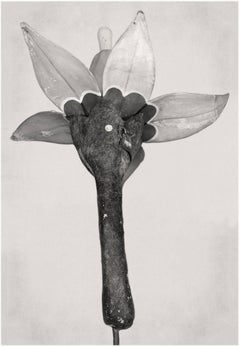
Man Ray, Rayograph to the Skein of Wool, from Electa Editrice, 1980 (after)
By Man Ray
Located in Southampton, NY
This exquisite heliogravure after Man Ray (1890–1976), titled Rayograph to the Skein of Wool, originates from the 1980 folio Man Ray, Electa Editrice Portfolios. Published by Gruppo Editoriale Electra, Milano, and printed by Gruppo Editoriale Electra, Milano, 1980. This work exemplifies Man Ray’s invention of the “rayograph,” a cameraless photographic technique in which objects are placed directly on light-sensitive paper and exposed to light. The resulting image, both abstract and tangible, transforms a simple skein of wool into a mysterious interplay of light, form, and shadow. The composition captures the poetic essence of Man Ray’s Surrealist experimentation—an alchemy of chance and precision that fuses everyday materials with pure visual abstraction.
Executed as a heliogravure on velin paper, this work measures 15.75 x 11.75 inches. Unsigned and unnumbered as issued. The edition exemplifies the refined craftsmanship of Gruppo Editoriale Electra, Milano.
Artwork Details:
Artist: After Man Ray (1890–1976)
Title: Rayograph to the Skein of Wool
Medium: Heliogravure on velin paper
Dimensions: 15.75 x 11.75 inches (40.01 x 29.84 cm)
Inscription: Unsigned and unnumbered as issued
Date: 1980
Publisher: Gruppo Editoriale Electra, Milano
Printer: Gruppo Editoriale Electra, Milano
Condition: Well preserved, consistent with age and medium
Provenance: From the folio Man Ray, Electa Editrice Portfolios, published and printed by Gruppo Editoriale Electra, Milano, 1980
Notes:
Excerpted from the folio (translated from Italian), Limited edition of M examples, drawn in heliogravure on special paper, designed specifically for the Portfolios Electa. Gruppo Editoriale Electra/Milan. Printed in Italy.
About the Publication:
The Man Ray, Electa Editrice Portfolio (1980) was published by Gruppo Editoriale Electra in Milan as part of the distinguished Electa Portfolios series, which celebrated the masters of 20th-century photography through the artisanal process of heliogravure printing. This edition was dedicated to Man Ray’s seminal body of photographic work from 1920 to 1934—an era in which he redefined modern image-making through technical invention, surrealist experimentation, and intellectual daring. Produced in collaboration with leading photographic historians and Italian master printers, the portfolio was printed on specially manufactured velin paper designed exclusively for the Electa Portfolios, ensuring tonal precision and textural depth true to the artist’s originals. The publication represents one of the most refined posthumous tributes to Man Ray’s legacy, combining Italian craftsmanship with avant-garde vision to preserve the luminous complexity of his photographs. Created with the same devotion to innovation and elegance that characterized Man Ray’s own practice, this edition remains an important intersection of fine art publishing and modernist history.
About the Artist:
Man Ray (1890–1976) was an American-born painter, sculptor, photographer, filmmaker, and conceptual visionary whose radical imagination and technical innovation transformed modern art and established him as one of the leading figures of the 20th century. Born Emmanuel Radnitzky in Philadelphia, he became a central force in both the Dada and Surrealist movements, defying artistic boundaries and redefining the relationship between art, technology, and the unconscious. After early involvement in New York’s avant-garde with Francis Picabia and Marcel Duchamp, Man Ray moved to Paris in 1921, where he joined a revolutionary circle of artists including Pablo Picasso, Alexander Calder, Alberto Giacometti, Salvador Dali, Joan Miro, Wassily Kandinsky, and Marcel Duchamp. There, he pioneered the “rayograph,” or photogram—a cameraless photographic technique that used light and shadow to create ethereal abstract compositions—and produced some of the most iconic images in art history, including Le Violon d’Ingres (1924) and Noire et Blanche (1926). His photography, distinguished by its fusion of elegance, surrealism, and psychological depth, captured the essence of modernist Paris and immortalized creative icons such as Kiki de Montparnasse, Gertrude Stein, and James Joyce. At the same time, Man Ray’s experimental films, including Le Retour a la Raison (1923) and L’Etoile de mer (1928), and his sculptural works like The Gift (1921) and Object to Be Destroyed (1923), expanded the possibilities of art itself, transforming ordinary objects into symbols of mystery and desire. His conceptual approach—viewing art as an idea rather than an object—anticipated later movements such as Pop Art, Minimalism, and Conceptual Art, profoundly influencing artists like Andy Warhol, Robert Rauschenberg, Jasper Johns, and Joseph Beuys, as well as photographers Helmut Newton, Guy Bourdin, Cindy Sherman, and Richard Avedon. Even in exile during World War II, while working in Los Angeles, he continued to innovate, blending Surrealist fantasy with the luminosity of the California landscape before returning to Paris, where he spent his final decades refining his poetic, intellectual, and sensuous vision. Exhibited in major institutions such as the Museum of Modern Art, the Tate Modern, and the Centre Pompidou, Man Ray’s work remains foundational to modern art history—bridging painting, photography, film, and sculpture in a body of work that continues to shape the language of visual culture. Standing alongside Pablo Picasso, Alexander Calder, Alberto Giacometti, Salvador Dali, Joan Miro, Wassily Kandinsky, and Marcel Duchamp, Man Ray endures as one of the most original and influential artists of the modern era. His highest auction record was achieved by Noire et Blanche (1926), which sold for 3.13 million USD at Christie’s, Paris, on November 9, 2017, confirming his status as a timeless innovator whose genius continues to inspire artists, collectors, and dreamers worldwide.
Man Ray Rayograph...
Category
1980s Surrealist Figurative Photography
Materials
Lithograph
$956 Sale Price
20% Off
Free Shipping
More Ways To Browse
Vintage Warbirds
Crab Art
Hare Sculpture
Japanese Print Original
Robert Long
Used Grenade
19th Century Black And White Lithograph
Alisa Onipchenko Cherniakovska
Drypoint Etching Framed
Figurative Surrealist Mid Century
Framed Signed Numbered Art
Lithograph Architectural
Round Framed Art
Set Of Etchings
King Lithograph
Large Wood Sculpture And Totems
Le Chat
Mid Century Paintings Male Nudes