Items Similar to L
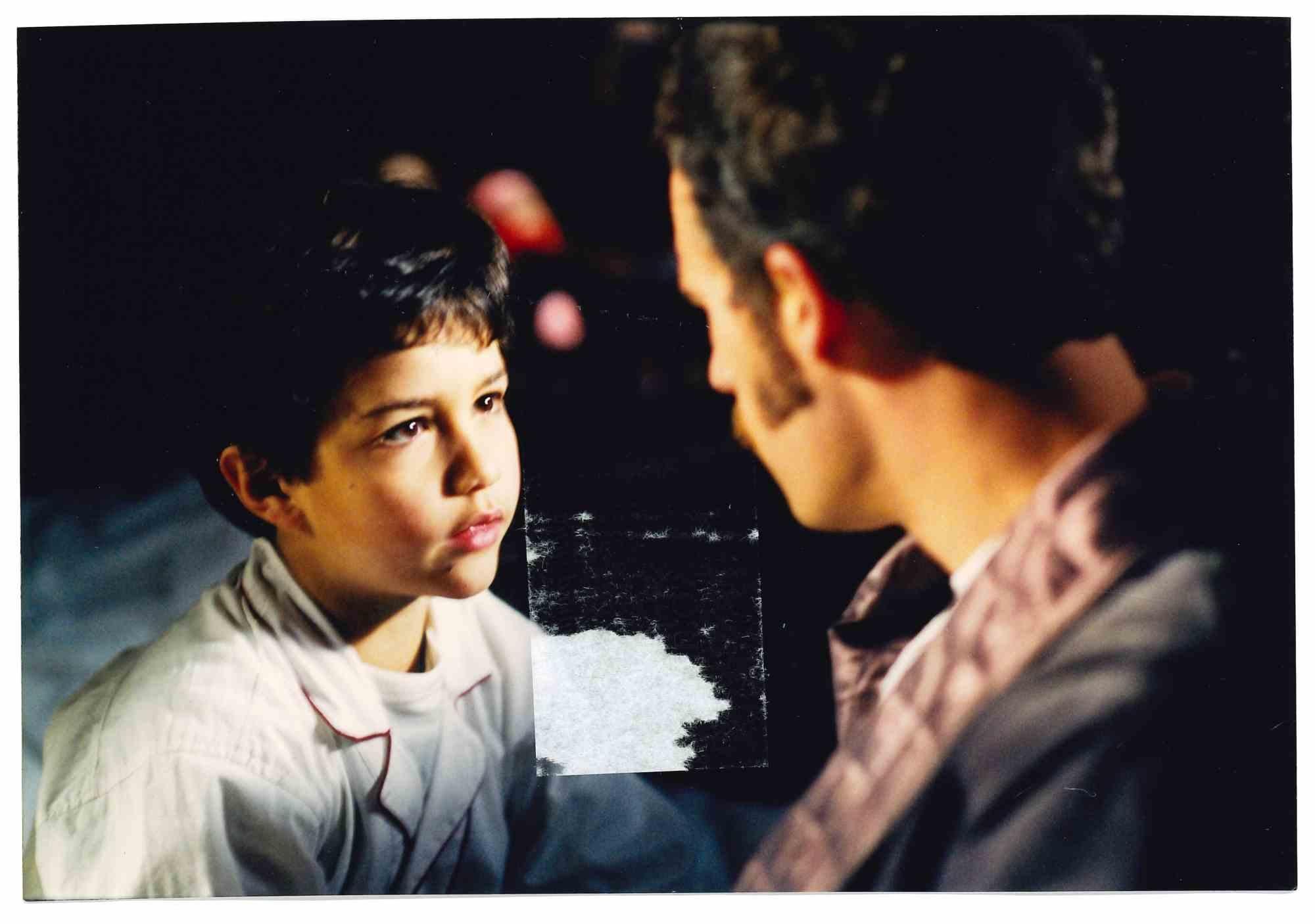
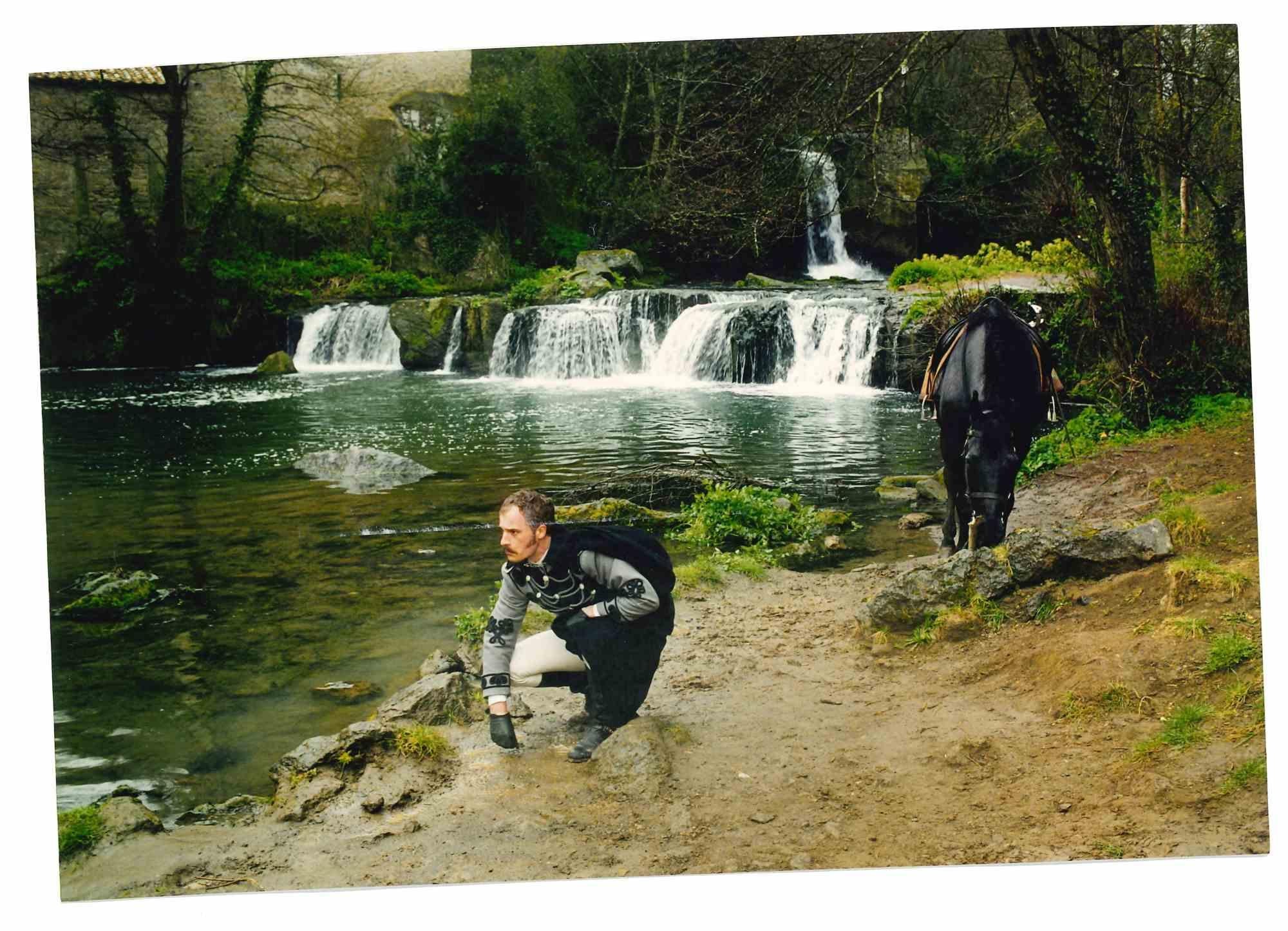
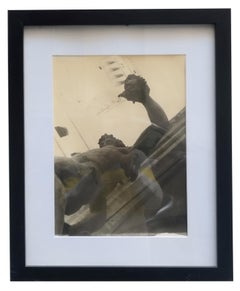
Ombra del Gigante - Roberto Petrocchi - Vintage Photograph - Mid 20th Century
Want more images or videos?
Request additional images or videos from the seller
1 of 2
UnknownL
Ombra del Gigante - Roberto Petrocchi - Vintage Photograph - Mid 20th CenturyMid 20th Century
Mid 20th Century
$167.54
£125.42
€140
CA$230.64
A$252.14
CHF 133.39
MX$3,017.25
NOK 1,697.23
SEK 1,553.65
DKK 1,066.63
About the Item
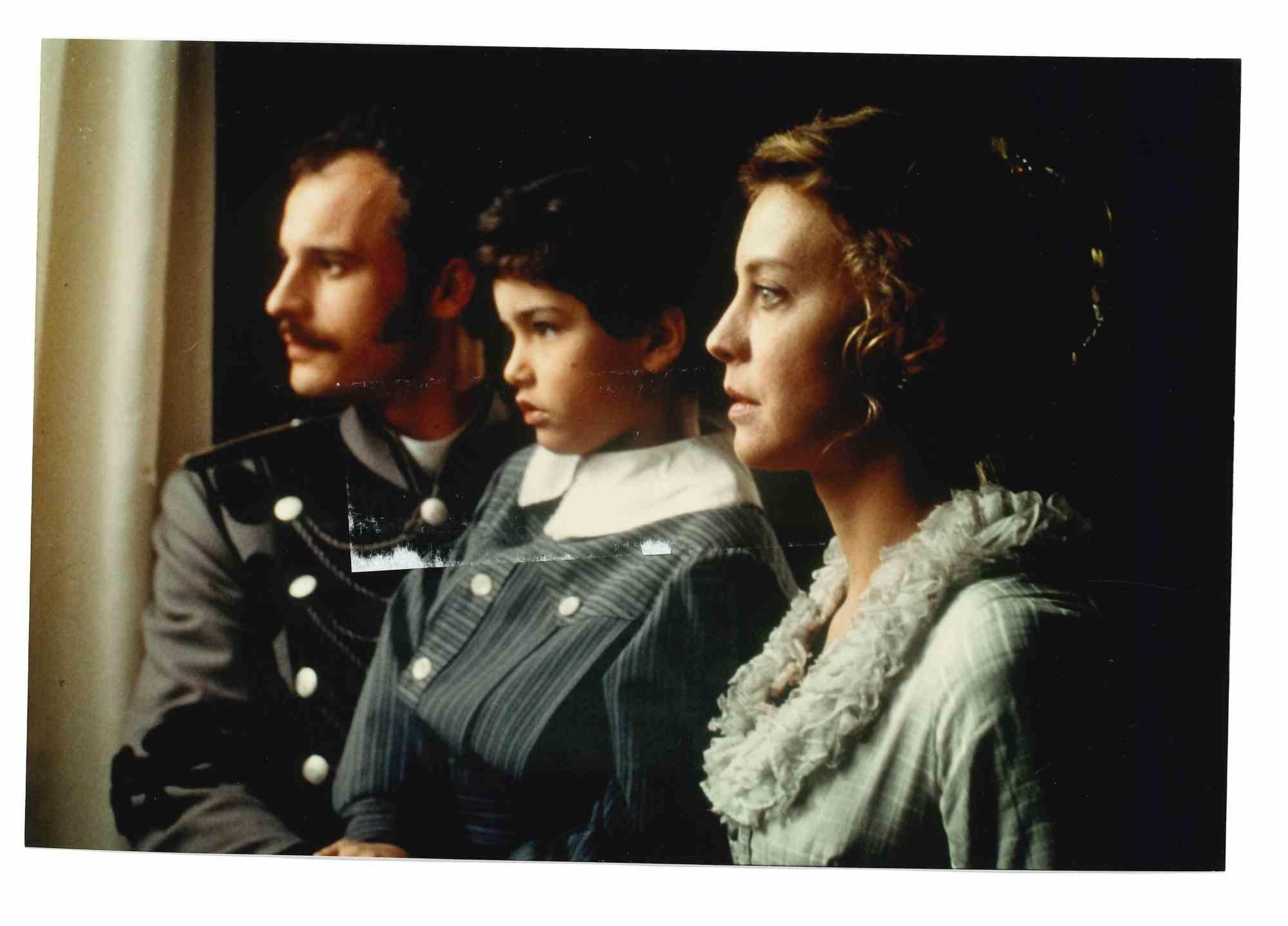
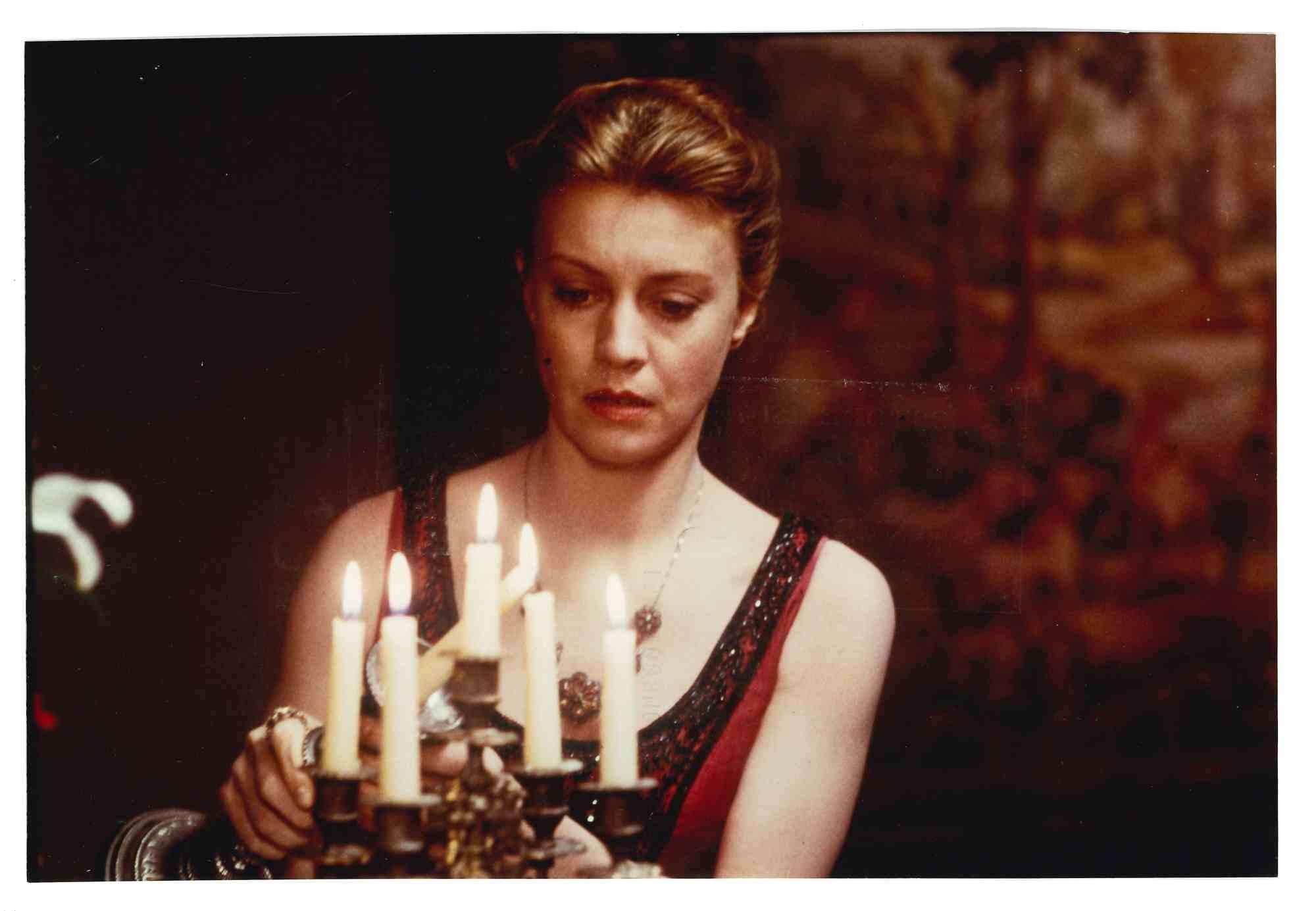
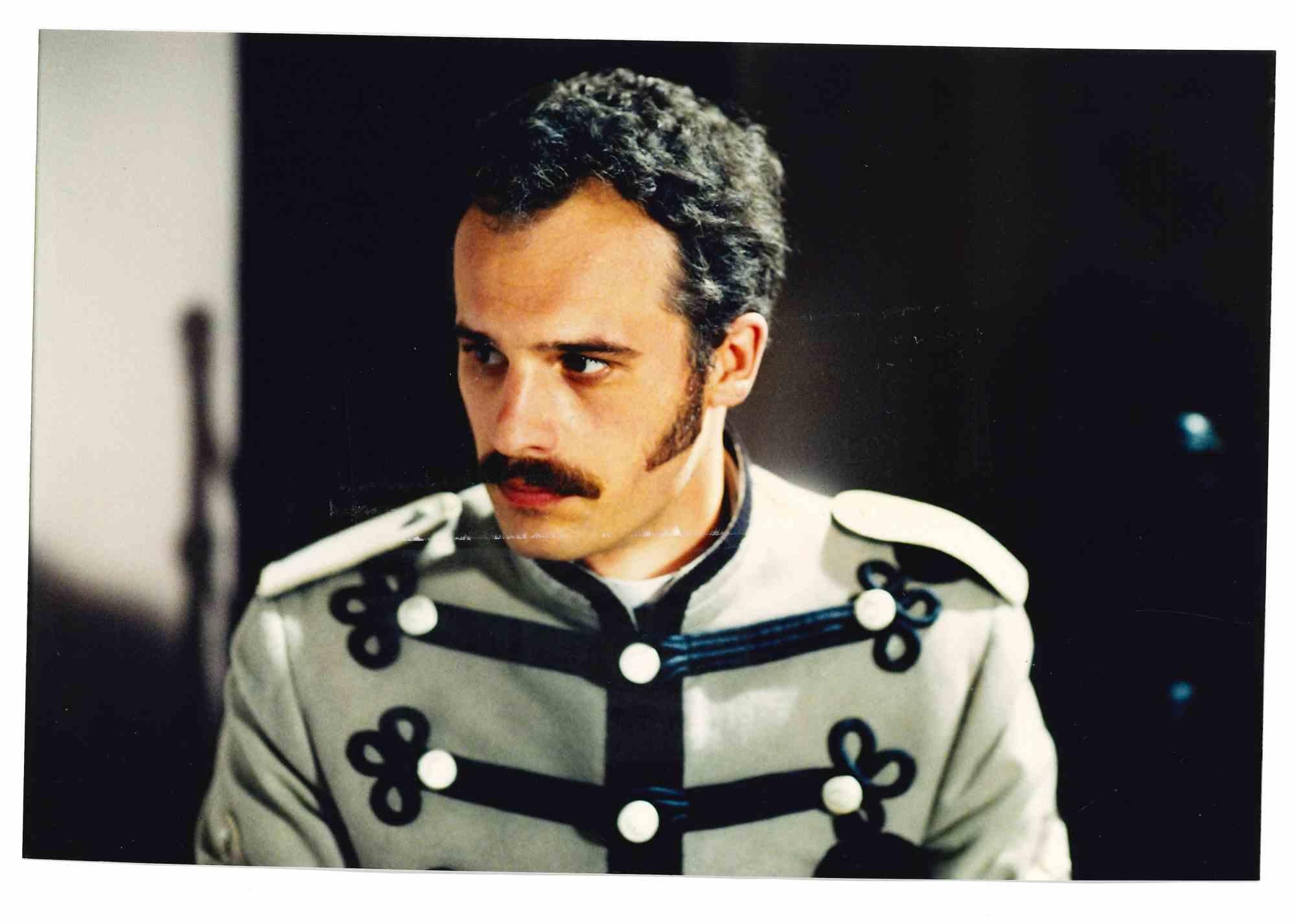
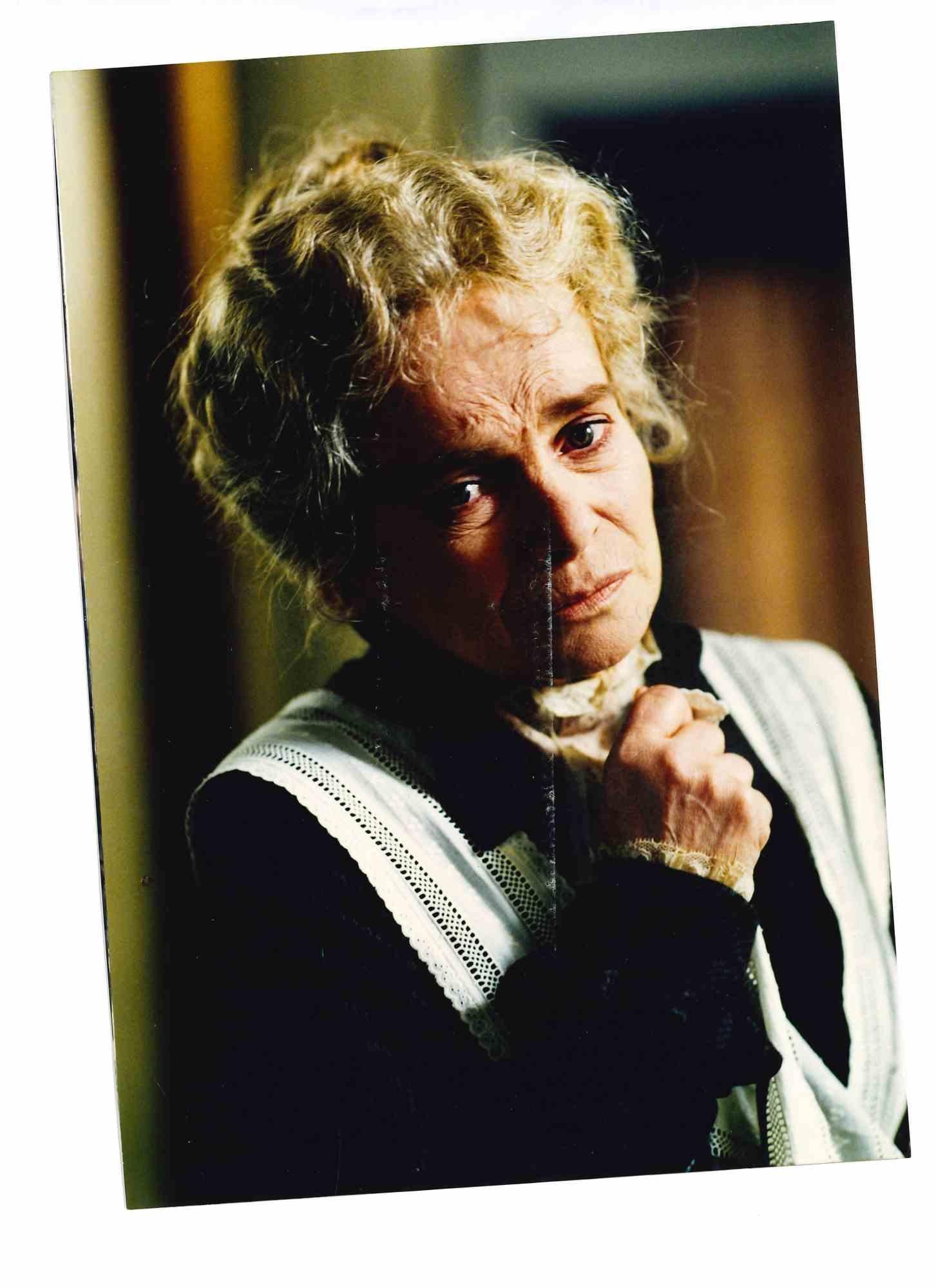
L'ombra del Gigante - by Roberto Petrocchi is a vintage photograph realized in the 1999.
Good conditions.
- Creation Year:Mid 20th Century
- Dimensions:Height: 5.52 in (14 cm)Width: 7.88 in (20 cm)Depth: 0.08 in (2 mm)
- Medium:
- Movement Style:
- Period:
- Framing:Framing Options Available
- Condition:Insurance may be requested by customers as additional service, contact us for more information.
- Gallery Location:Roma, IT
- Reference Number:Seller: T-1277481stDibs: LU65039238842
About the Seller
4.9
Platinum Seller
Premium sellers with a 4.7+ rating and 24-hour response times
1stDibs seller since 2017
7,852 sales on 1stDibs
Typical response time: 1 hour
- ShippingRetrieving quote...Shipping from: Monaco, Monaco
- Return Policy
More From This Seller
View AllL
ombra del Gigante - Roberto Petrocchi - Vintage Photograph - Mid 20th Century
Located in Roma, IT
L'ombra del Gigante - by Roberto Petrocchi is a vintage photograph realized in the 1999.
Good conditions.
Category
Mid-20th Century Modern Figurative Photography
Materials
Photographic Paper
L
Ombra del Gigante - Roberto Petrocchi - Vintage Photograph - Mid 20th Century
Located in Roma, IT
L'ombra del Gigante - by Roberto Petrocchi is a vintage photograph realized in the 1999.
Good conditions.
Category
Mid-20th Century Modern Figurative Photography
Materials
Photographic Paper
L
Ombra del Gigante - Roberto Petrocchi - Vintage Photograph - Mid 20th Century
Located in Roma, IT
L'ombra del Gigante - by Roberto Petrocchi is a vintage photograph realized in the 1999.
Good conditions.
Category
Mid-20th Century Modern Figurative Photography
Materials
Photographic Paper
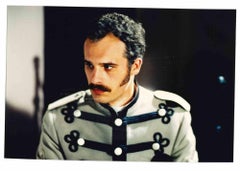
L
Ombra del Gigante - Roberto Petrocchi - Vintage Photograph - Mid 20th Century
Located in Roma, IT
L'ombra del Gigante - by Roberto Petrocchi is a vintage photograph realized in the 1999.
Good conditions.
Category
Mid-20th Century Modern Figurative Photography
Materials
Photographic Paper
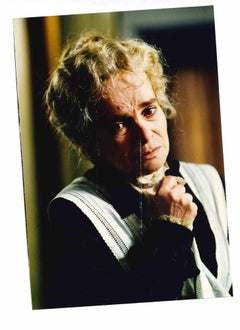
L
Ombra del Gigante - Roberto Petrocchi - Vintage Photograph - Mid 20th Century
Located in Roma, IT
L'ombra del Gigante - by Roberto Petrocchi is a vintage photograph realized in the 1999.
Good conditions.
Category
Mid-20th Century Modern Figurative Photography
Materials
Photographic Paper
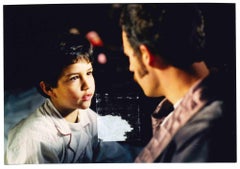
L
Ombra del Gigante - Roberto Petrocchi - Vintage Photograph - Mid 20th Century
Located in Roma, IT
L'ombra del Gigante - by Roberto Petrocchi is a vintage photograph realized in the 1999.
Good conditions.
Category
Mid-20th Century Modern Figurative Photography
Materials
Photographic Paper
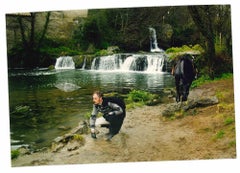
You May Also Like
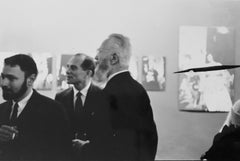
Vintage Silver Gelatin Signed Photograph Edward Steichen, MoMA Photo
By Fred McDarrah
Located in Surfside, FL
Edward Steichen, John Durniak, Monroe Wheeler and Edward D. Museum of modern art on Feb 10, 1962
Photographer Fred McDarrah
Over a 50-year span, McDarrah documented the rise of the Beat Generation, the city’s postmodern art movement, its off-off-Broadway actors, troubadours, politicians, agitators and social protests.
Fred captured Jack Kerouac frolicking with women at a New Year’s bash in 1958, Andy Warhol adjusting a movie-camera lens in his silver-covered factory, and Bob Dylan offering a salute of recognition outside Sheridan Square near the Voice’s old office.
Not just a social chronicler, McDarrah was a great photo-journalist.
For years, McDarrah was the Voice's only photographer and, for decades, he ran the Voice’s photo department, where he helped train dozens of young photographers, including James Hamilton, Sylvia Plachy, Robin Holland and Marc Asnin. His mailbox was simply marked "McPhoto."
An exhibit of McDarrah’s photos of artists presented by the Steven Kasher Gallery in Chelsea was hailed by The New York Times as “a visual encyclopedia of the era’s cultural scene.”
artists in their studios, (Alice Neel, Philip Guston, Stuart Davis, Robert Smithson, Jasper Johns, Franz Kline), actors (Dustin Hoffman, Robert De Niro on the set of “Taxi Driver”), musicians (Janis Joplin, Alice Cooper, Bob Dylan) and documentary images of early happenings and performances (Yayoi Kusama, Charlotte Moorman, Al Hansen, Jim Dine, Nam June Paik). The many images of Andy Warhol include the well-known one with his Brillo boxes at the Stable Gallery in 1964. Woody Allen, Diane Arbus, W. H. Auden, Francis Bacon, Joan Baez, Louise Bourgeois, David Bowie, Jimmy Breslin, William Burroughs, John Cage, Leo Castelli, Christo, Leonard Cohen, Merce Cunningham, William de Kooning, Jim Dine, Mark di Suvero, Marcel Duchamp, Bob Dylan, Federico Fellini, Allen Ginsberg, Robert Indiana, Mick Jagger, Jasper Johns, Kusama, John Lennon, Sol Lewitt, Roy Lichtenstein, Nam June Paik, Elvis Presley, Claes Oldenburg, Yoko Ono, Robert Rauschenberg, Lou Reed, James Rosenquist, Mark Rothko, Ed Ruscha, Robert Smithson, Susan Sontag, Andy Warhol, and others. McDarrah’s prints have been collected in depth by the J. Paul Getty Museum and the National Portrait Gallery, Washington. His work is in numerous public and private collections.
Edward Jean Steichen (March 27, 1879 – March 25, 1973) was a Luxembourgish American photographer, painter, and art gallery and museum curator. Steichen's were the photographs that most frequently appeared in Alfred Stieglitz's groundbreaking magazine Camera Work during its publication from 1903 to 1917. Together Stieglitz and Steichen opened the Little Galleries of the Photo-Secession, which eventually became known as '291', after its address.
Steichen laid claim to his photos of gowns for the magazine Art et Décoration in 1911 being the first modern fashion photographs ever published. From 1923 to 1938, Steichen was a photographer for the Condé Nast magazines Vogue and Vanity Fair while also working for many advertising agencies including J. Walter Thompson. During these years, Steichen was regarded as the best known and highest paid photographer in the world. In 1944, he directed the war documentary The Fighting Lady, which won the 1945 Academy Award for Best Documentary.
From 1947 to 1961, Steichen served as Director of the Department of Photography at New York's Museum of Modern Art. While at MoMA, he curated and assembled exhibits including The Family of Man, which was seen by nine million people. In 1904, Steichen began experimenting with color photography. He was one of the earliest in the United States to use the Autochrome Lumière process. In 1905, Stieglitz and Steichen created the Little Galleries of the Photo-Secession, which eventually became known as 291 after its address. It presented some of the first American exhibitions of Henri Matisse, Auguste Rodin, Paul Cézanne, Pablo Picasso, and Constantin Brâncuși.
He worked with Robert Frank even before his The Americans was published, exhibited the early work of Harry Callahan and Aaron Siskind, and purchased two Rauschenberg prints...
Category
1960s American Modern Black and White Photography
Materials
Silver Gelatin
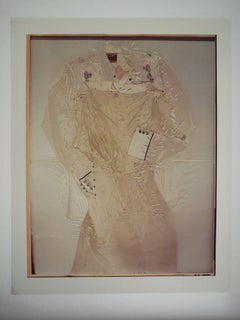
Rare Large Harry Bowers Vintage C Print Photograph Ten Photographs Fashion Photo
By Harry Bowers
Located in Surfside, FL
HARRY BOWERS
T E N P H O T O G R A P H S
I DON'T LOOK FOR PHOTOGRAPHS I INVENT THEM
I recall my first meeting with Harry Bowers in California a few years ago. As he produc...
Category
1980s Photography
Materials
Photographic Paper
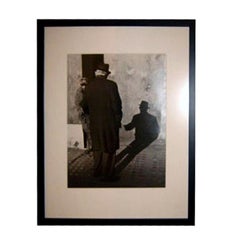
Art / Photography, Frank Paulin
By Frank Paulin
Located in Pompano Beach, FL
Lower East Side, New York 1958, vintage gelatin silver photograph, signed Frank Paulin and dated on verso.
Category
Vintage 1950s American Photography
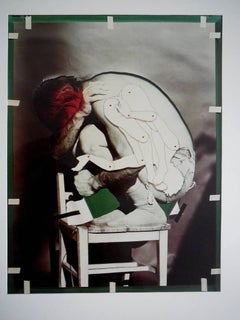
$5,000 Sale Price
39% Off
Rare Harry Bowers Vintage C Print Photograph From Ten Photographs Fashion Photo
By Harry Bowers
Located in Surfside, FL
HARRY BOWERS
T E N P H O T O G R A P H S
I DON'T LOOK FOR PHOTOGRAPHS I INVENT THEM
I recall my first meeting with Harry Bowers in California a few years ago. As he produc...
Category
1980s Photography
Materials
Photographic Paper
ARCHITECTURE - Photograph on baryta paper, Bob De Masi, Italy 1970s
Located in Napoli, IT
Black and white photograph on baryta paper, title "Architecture" 1970s - Bob De Masi, with frame
Category
1970s Photorealist Black and White Photography
Materials
Photographic Paper
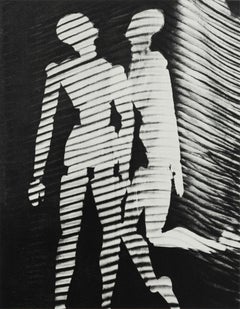
Man Ray, Rayograph to the Skein of Wool, from Electa Editrice, 1980 (after)
By Man Ray
Located in Southampton, NY
This exquisite heliogravure after Man Ray (1890–1976), titled Rayograph to the Skein of Wool, originates from the 1980 folio Man Ray, Electa Editrice Portfolios. Published by Gruppo Editoriale Electra, Milano, and printed by Gruppo Editoriale Electra, Milano, 1980. This work exemplifies Man Ray’s invention of the “rayograph,” a cameraless photographic technique in which objects are placed directly on light-sensitive paper and exposed to light. The resulting image, both abstract and tangible, transforms a simple skein of wool into a mysterious interplay of light, form, and shadow. The composition captures the poetic essence of Man Ray’s Surrealist experimentation—an alchemy of chance and precision that fuses everyday materials with pure visual abstraction.
Executed as a heliogravure on velin paper, this work measures 15.75 x 11.75 inches. Unsigned and unnumbered as issued. The edition exemplifies the refined craftsmanship of Gruppo Editoriale Electra, Milano.
Artwork Details:
Artist: After Man Ray (1890–1976)
Title: Rayograph to the Skein of Wool
Medium: Heliogravure on velin paper
Dimensions: 15.75 x 11.75 inches (40.01 x 29.84 cm)
Inscription: Unsigned and unnumbered as issued
Date: 1980
Publisher: Gruppo Editoriale Electra, Milano
Printer: Gruppo Editoriale Electra, Milano
Condition: Well preserved, consistent with age and medium
Provenance: From the folio Man Ray, Electa Editrice Portfolios, published and printed by Gruppo Editoriale Electra, Milano, 1980
Notes:
Excerpted from the folio (translated from Italian), Limited edition of M examples, drawn in heliogravure on special paper, designed specifically for the Portfolios Electa. Gruppo Editoriale Electra/Milan. Printed in Italy.
About the Publication:
The Man Ray, Electa Editrice Portfolio (1980) was published by Gruppo Editoriale Electra in Milan as part of the distinguished Electa Portfolios series, which celebrated the masters of 20th-century photography through the artisanal process of heliogravure printing. This edition was dedicated to Man Ray’s seminal body of photographic work from 1920 to 1934—an era in which he redefined modern image-making through technical invention, surrealist experimentation, and intellectual daring. Produced in collaboration with leading photographic historians and Italian master printers, the portfolio was printed on specially manufactured velin paper designed exclusively for the Electa Portfolios, ensuring tonal precision and textural depth true to the artist’s originals. The publication represents one of the most refined posthumous tributes to Man Ray’s legacy, combining Italian craftsmanship with avant-garde vision to preserve the luminous complexity of his photographs. Created with the same devotion to innovation and elegance that characterized Man Ray’s own practice, this edition remains an important intersection of fine art publishing and modernist history.
About the Artist:
Man Ray (1890–1976) was an American-born painter, sculptor, photographer, filmmaker, and conceptual visionary whose radical imagination and technical innovation transformed modern art and established him as one of the leading figures of the 20th century. Born Emmanuel Radnitzky in Philadelphia, he became a central force in both the Dada and Surrealist movements, defying artistic boundaries and redefining the relationship between art, technology, and the unconscious. After early involvement in New York’s avant-garde with Francis Picabia and Marcel Duchamp, Man Ray moved to Paris in 1921, where he joined a revolutionary circle of artists including Pablo Picasso, Alexander Calder, Alberto Giacometti, Salvador Dali, Joan Miro, Wassily Kandinsky, and Marcel Duchamp. There, he pioneered the “rayograph,” or photogram—a cameraless photographic technique that used light and shadow to create ethereal abstract compositions—and produced some of the most iconic images in art history, including Le Violon d’Ingres (1924) and Noire et Blanche (1926). His photography, distinguished by its fusion of elegance, surrealism, and psychological depth, captured the essence of modernist Paris and immortalized creative icons such as Kiki de Montparnasse, Gertrude Stein, and James Joyce. At the same time, Man Ray’s experimental films, including Le Retour a la Raison (1923) and L’Etoile de mer (1928), and his sculptural works like The Gift (1921) and Object to Be Destroyed (1923), expanded the possibilities of art itself, transforming ordinary objects into symbols of mystery and desire. His conceptual approach—viewing art as an idea rather than an object—anticipated later movements such as Pop Art, Minimalism, and Conceptual Art, profoundly influencing artists like Andy Warhol, Robert Rauschenberg, Jasper Johns, and Joseph Beuys, as well as photographers Helmut Newton, Guy Bourdin, Cindy Sherman, and Richard Avedon. Even in exile during World War II, while working in Los Angeles, he continued to innovate, blending Surrealist fantasy with the luminosity of the California landscape before returning to Paris, where he spent his final decades refining his poetic, intellectual, and sensuous vision. Exhibited in major institutions such as the Museum of Modern Art, the Tate Modern, and the Centre Pompidou, Man Ray’s work remains foundational to modern art history—bridging painting, photography, film, and sculpture in a body of work that continues to shape the language of visual culture. Standing alongside Pablo Picasso, Alexander Calder, Alberto Giacometti, Salvador Dali, Joan Miro, Wassily Kandinsky, and Marcel Duchamp, Man Ray endures as one of the most original and influential artists of the modern era. His highest auction record was achieved by Noire et Blanche (1926), which sold for 3.13 million USD at Christie’s, Paris, on November 9, 2017, confirming his status as a timeless innovator whose genius continues to inspire artists, collectors, and dreamers worldwide.
Man Ray Rayograph...
Category
1980s Surrealist Figurative Photography
Materials
Lithograph
$956 Sale Price
20% Off
Free Shipping