Dye Transfer Nude Photography

to
1
1
6
Overall Width
to
Overall Height
to
1
7
1
8
7
1
7
5
5
3
3
2
2
2
2
2
1
1
1
1
1
1
1
1
1
1
284
2,282
2,149
1,977
1,508
6
1
6
2
Medium: Dye Transfer
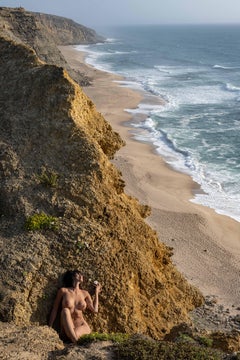
Precipice
Located in Brooklyn, NY
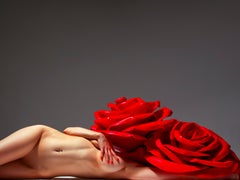
Shot on a dramatic plateau high above the Atlantic Ocean north of Lisbon, Portugal. Available in a wide variety of size, mount, printing and framing options.
Category

2010s Contemporary Dye Transfer Nude Photography

Materials

Metal

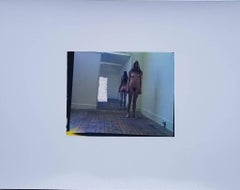
Dye Transfer Study
Located in Roma, IT
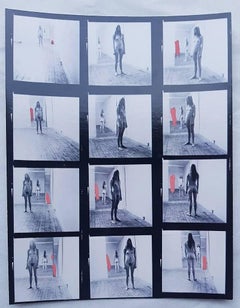
Dye Transfer Study is an original artwork realized by Robert Graham in 1970. It is a silver print photographic contact sheet, handcolored with pink acryli...
Category

1970s Contemporary Dye Transfer Nude Photography

Materials

Dye Transfer

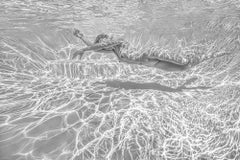
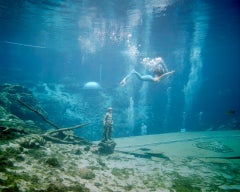
The Mermaid, Weeki Wachi Springs - Florida Lifestyle Landscape Interior Design
Located in Brighton, GB
"The Mermaid. Weeki Wachi Springs. 2017" is a Dye Sublimation Print on Aluminium. This print is available from an Edition of 10 + 2 Artist Proofs in this size. Brown completed Si...
Category

21st Century and Contemporary Contemporary Dye Transfer Nude Photography

Materials

Dye, Color, Photographic Paper, Dye Transfer
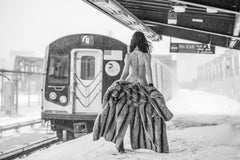
"Missed Connection"- Black White Nude Photo, Brooklyn, NY
Located in Brooklyn, NY
Shot in Brooklyn on an elevated subway platform during a snowstorm in 17 degree weather. Sometimes ya just gotta go for it! Fine art photo mounted on di-bond aluminum. Custom print...
Category

2010s Contemporary Dye Transfer Nude Photography

Materials

Metal

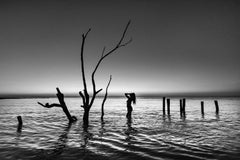
"Day Is Done"- Black White Silhouette, Sensual Photo, Holbox, Mexico
Located in Brooklyn, NY
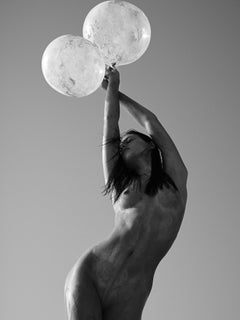
Shot on Holbox Island, Mexico. Fine art photo mounted on di-bond aluminum. Custom printing/mounting/framing options available upon request.
Category

2010s Contemporary Dye Transfer Nude Photography

Materials

Metal

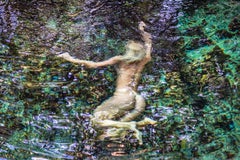
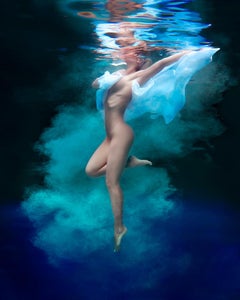
"Suspended"- Colorful Nude in Water Photo
Located in Brooklyn, NY
Shot in a cenote in Tulum, Mexico. Fine art photo mounted on di-bond aluminum. Custom printing/mounting/framing options available upon request.
Category

2010s Contemporary Dye Transfer Nude Photography

Materials

Metal

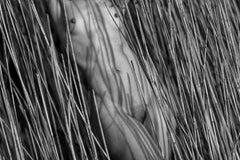
"Torso in Reeds"- Black White Abstract Nude in Nature
Located in Brooklyn, NY
Abstract view of the female body, shot amongst the cattails in Long Island, NY. Fine art photo mounted on di-bond aluminum. Custom printing/mounting/framing options available upon r...
Category

2010s Contemporary Dye Transfer Nude Photography

Materials

Metal

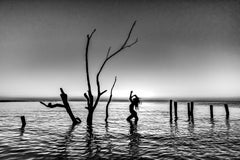
"Edge of the World"- Black White Photo, Sensual Silhouette, Holbox, Mexico
Located in Brooklyn, NY
Dusk on the island of Holbox, Mexico. Fine art photo mounted on di-bond aluminum. Custom printing/mounting/framing options available upon request.
Category

2010s Contemporary Dye Transfer Nude Photography

Materials

Metal

Related Items
Warrior. El Paisa. From The series Buscando Mamá. Photomontage
Located in Miami Beach, FL
Castro’s labor-intensive, photo-collage works of drug kingpins, smugglers, hitmen, countrymen, street vendors, soldiers, paramilitaries, kidnappers, and pimps pose showing with pride...
Category

Early 2000s Contemporary Dye Transfer Nude Photography

Materials

Archival Paper, Photographic Paper, Color
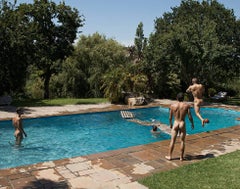
Cape Town Pool I
Located in New York, NY
Archival pigment print Signed and numbered, recto 20 x 24 inches, sheet (Edition of 7) 11 x 14 inches, sheet (Edition of 20) This photograph is offered by ClampArt, located in New York City. About the artist: Rick Day is an American photographer based in New York City, who names Bruce Weber, Herb Ritts, and Victor Skrebneski as influences. His work concentrates on fashion advertising photography and video—his fashion spreads and images have been published in numerous publications across the world including “ELLE,” “Details,” “Vogue Italia,” “Männer,” “DNA,” and “GQ.” Day has produced four photography books since 2008, with BelAmi being the most recent (all published through Bruno Gmünder...
Category

21st Century and Contemporary Contemporary Dye Transfer Nude Photography

Materials

Archival Pigment

Cape Town Pool I
$2,500
H 20 in W 24 in
Thunderweb - underwater black white nude photograph - print on aluminum 24x36"
Located in Beverly Hills, CA
An underwater black and white photograph of beautiful naked young woman in a pool filled with sun light. The bottom of the pool is covered with a mysterious web of ripple shadows and...
Category

2010s Contemporary Dye Transfer Nude Photography

Materials

Metal

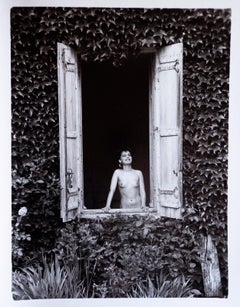
Nude Female, Black and White Creative Photography of Young Woman, Kate #2
Located in New york, NY
Kate #2, 2002 by Leonard Freed is an 8" x 10" hand printed, signed by the photographer black and white photograph, stamped "vintage" by the Freed estate on verso (back of print).. Mo...
Category

Early 2000s Contemporary Dye Transfer Nude Photography

Materials

Silver Gelatin, Photographic Film, Photographic Paper
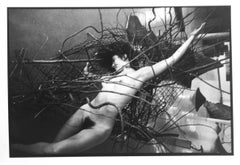
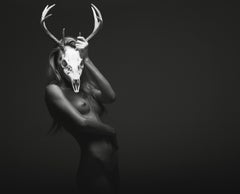
"Cernunnos IV" Nude Photography 24" x 32" inch Edition 1/7 by Aaron Mcpolin
Located in Culver City, CA
"Cernunnos IV" Nude Photography 24" x 32" inch Edition 1/7 by Aaron Mcpolin Medium: Archival Giclee Print Signed and numbered by the artist. Comes with COA issued by the artist Avai...
Category

21st Century and Contemporary Contemporary Dye Transfer Nude Photography

Materials

Archival Pigment

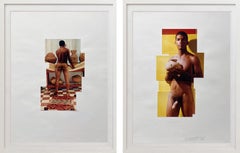
Fabian and Muchacho con vasija chimila Diptych. Photomontage on archival
Located in Miami Beach, FL
The root of these unique photographic works by the artist Celso Castro occurred when the artist returned from Italy to live back in Colombia in 1987. Castro wanted to produce from th...
Category

1990s Contemporary Dye Transfer Nude Photography

Materials

Archival Paper, Photographic Paper

Female Nude, Kate Bending, Vintage Black and White Photography, Signed Print
Located in New york, NY
Leonard Freed's stamped vintage (verso), 14" x 11," gelatin silver signed print, Kate Bending, is from the Kate series, 2002. A photographer herself, model Kate remains complicit in ...
Category

Early 2000s Contemporary Dye Transfer Nude Photography

Materials

Photographic Film, Photographic Paper, Silver Gelatin
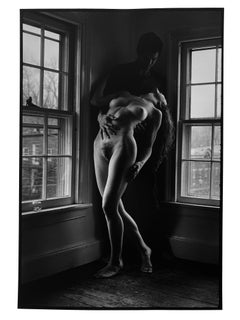
Bless me Father for I have sinned (Sidewinder) - Polaroid, Contemporary, Nude
Located in Morongo Valley, CA
Bless me Father for I have sinned (Sidewinder) - 2005 Edition of 1/10, 20x20cm, digital C-Print based on the Polaroid. Signature label and Certificate. Artist Inventory # 3751.01....
Category

Early 2000s Contemporary Dye Transfer Nude Photography

Materials

Archival Paper, Photographic Paper, C Print, Color, Polaroid
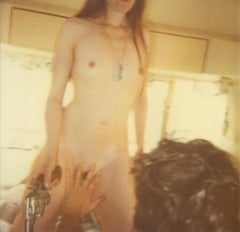
Lisa - Silver Gelatin print, Contemporary signed limited edition nude photo
Located in Sant Cugat del Vallès, Barcelona
‘ Lisa ' By Ian Sanderson, Silver Gelatin print, Fiber based Photography : 1989 A beautiful silver gelatin fibre based print produced in the darkroom directly from the negative. The ...
Category

1980s Contemporary Dye Transfer Nude Photography

Materials

Silver

Summer 87- Limited edition vintage fine art photo, Contemporary Black white
Located in Sant Cugat del Vallès, Barcelona
Signed by Ian Sanderson lower right and numbered lower left, delivered with certificates of authenticity, Unframed. An original signed archival pigment print on Hahnemühle Photo Rag®...
Category

1980s Contemporary Dye Transfer Nude Photography

Materials

Photographic Film, Archival Paper, Photographic Paper, Black and White, ...
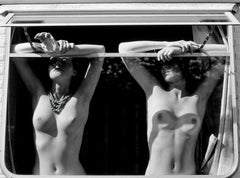
"Thorned Heart" Nude Photography 24" x 32" inch Edition 1/7 by Aaron Mcpolin
Located in Culver City, CA
"Thorned Heart" Nude Photography 24" x 32" inch Edition 1/7 by Aaron Mcpolin Medium: Archival Giclee Print Signed and numbered by the artist. Available sizes: Edition of 15 18" x 2...
Category

21st Century and Contemporary Contemporary Dye Transfer Nude Photography

Materials

Archival Pigment

"Olympia" Black and White Photography 47" x 35" in Edition of 3 by Lukas Dvorak
Located in Culver City, CA
"Olympia" Black and White Photography 47" x 35" in Edition of 3 by Lukas Dvorak Pigment print on Epson Fine ART paper 2024 The photo is signed on the back Comes with COA issued by t...
Category

21st Century and Contemporary Contemporary Dye Transfer Nude Photography

Materials

Archival Paper, Pigment

Previously Available Items
Joey with Her New Breasts (NYC)
Located in Toronto, Ontario
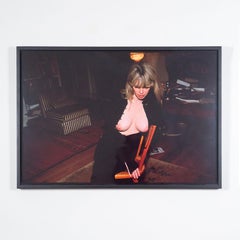
Nan Goldin (b. 1953) is one of the most influential photographers of the 20th century. Beginning in the 1970's Goldin took candid shots of her lovers and friends - especially drag queens and trans women, characters often living on the margins of society, in New York City and beyond. "Cody in the Dressing Room at the Boy Bar, NYC” is a paradigm of Goldin's work from the early 1990’s celebrating both nightlife and its beautiful denizens. The photograph shows Cody, semi-nude and confidently posing for Goldin, as they either unwind after or are preparing for a performance. Situated in a dressing room signalled by the mirror, makeup and clothes strewn around. Behind Cody is a silver grid of black and white portraits taped to the wall, reminiscent of Warhol’s famous screen tests, and a reminder of Goldin's exceptional composition. Furthermore, the image is cropped right above the subject's waist leaving their actual gender ambiguous if not irrelevant. Today, images of drag queens and glamorous trans woman are increasingly common in Western culture, considering the success of TV shows such as Rupaul's Drag Race...
Category

1990s Contemporary Dye Transfer Nude Photography

Materials

Dye Transfer

Hans Feurer. A Set of 11 Dye Transfer Prints
Located in Miami Beach, FL
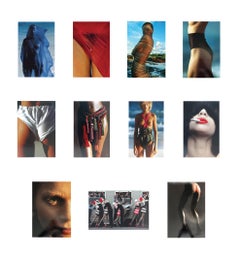
Hans Feurer curated a Set of 11 Dye Transfer Prints order 1- "Pentax Calendar", 77/78 2- "Pentax Calendar", 77/78 3- "Pentax Calendar" 77/78 4- "FRZ. Elle", 86 5- "FRZ. Elle", 85 6- "NOVA/TWEN," 69/70 7- Mintex Calendar 82 8- "Queen Cover...
Category

20th Century Contemporary Dye Transfer Nude Photography

Materials

Color, Dye Transfer, Archival Pigment

FRZ. Elle Macpheson, Signed, Titled and Dated in Pencil on Verso
Located in Miami Beach, FL
FRZ. Elie, 1985 by Hans Feurer Dye Transfer Print Unframed Image size: 16.75 in. H x 11 in. W Sheet size: 22.25 in H. x 19.25 H Stamped "Photo Hans Feurer", signed, titled and date...
Category

20th Century Contemporary Dye Transfer Nude Photography

Materials

Color, Dye Transfer, Archival Pigment

Jane #5
By Anna Sweet
Located in Fort Lauderdale, FL
5 of 50. Dye sublimation print overlaid with resin, minerals, glow pigment and diamond.
Category

2010s Feminist Dye Transfer Nude Photography

Materials

Dye Transfer

Hans Feurer Curated Set of 11 Dye Transfer Prints
Located in Miami Beach, FL
Hans Feurer curated set of 11 Dye Transfer Prints order 1-2-3-4. 5-6-7-8. 9-10-11. Unframed Individual image size: 16.75 in. H x 11 in. W Individual shee...
Category

20th Century Contemporary Dye Transfer Nude Photography

Materials

Color, Dye Transfer, Archival Pigment

Dye Transfer Study
Located in Roma, IT
Dye Transfer Study in an original artwork realized by Robert Graham in 1970. It is in silver print photographic contact sheet and handcolored with pink ac...
Category

1970s Contemporary Dye Transfer Nude Photography

Materials

Dye Transfer

Michele, Dye Transfer Print, Framed, 1983
By Frank Horvat
Located in Miami Beach, FL
Michele, 1983 by Frank Horvat Dye Transfer Print Image size: 14 in. H x 9.38 in. W Sheet size: 22.63 in. H x 19.5 in. W Frame size: 31 in. H x 26 in. W Signed, titled and dated in pencil on verso. Framed ____________________________________ Frank Horvat (28 April 1928 – 21 October 2020) was an Italian photographer who lived and worked in France. He is best known for his fashion photography, published between the mid 1950s and the late 1980s. Horvat’s photographic opus includes photojournalism, portraiture, landscape, nature, and sculpture. He was the recipient of the Fondazione del Centenario Award in 2010 for his contributions to European culture. He has collaborated with fellow photographers such as Don McCullin, Robert Doisneau, Sarah Moon, Helmut Newton, and Marc Riboud. In the 1990s, he was one of the first major photographers to experiment with technology including photoshop. Horvat was born in Abbazia, Italy (now Opatija, Croatia), on 28 April 1928, into a Jewish family from Central Europe. His father, Karl, was a Hungarian general physician, and his mother, Adele, was a psychiatrist from Vienna. At the age of 11, in 1939, his family moved to Lugano in Switzerland, fleeing fascism in Italy. He went on to study fine art at Brera Academy in Milan. Horvat lived in several countries including Switzerland, Italy, Pakistan, India, England, and America) before settling in France in 1955. Horvat started his career in the mid 1950s as a photojournalist in Paris, working to capture the ‘sleaze and squalor’ of the city, before going on to fashion photography. He acknowledged having been strongly influenced by French humanist photographer Henri Cartier-Bresson. After meeting him in 1950, he followed his advice and replaced his Rollei with a Leica camera and embarked on a two-year journey through Asia as a free-lance photojournalist. His photographs from this trip were published by Life, Réalités, Match, Picture Post, Die Woche, and Revue. His photograph of an Indian bride under a veil, her face reflected in a mirror on her lap, was selected by Edward Steichen for The Family of Man exhibit at the Museum of Modern Art which toured the world to be seen by 9 million visitors. In 1955, Horvat moved from London to Paris and found that the mood of its streets and its inhabitants had little in common with the somewhat romantic vision of the so-called humanist photographers. In 1957, Horvat shot fashion photographs for Jardin des Modes using a 35-mm camera and available light, which formerly had rarely been used for fashion. This innovation was welcomed by ready-to-wear designers, because it presented their creations in the context of everyday life. In the following years, Horvat was commissioned to do similar work for Elle in Paris, Vogue in London, and Harper’s Bazaar in New York. Between 1962 and 1963, Horvat turned to photojournalism and took a trip around the world for the German magazine Revue. Then he experimented with cinema and video. In 1976, he decided to “become his own client” by producing three personal projects: Portraits of Trees (1976–82), Very Similar (1982-86) and New York Up and Down (1982–87), which he called his “triptych”. In this period, Horvat went on towards color photography including his series New York Up and Down, where he extensively shot portraits of passengers on New York’s subway systems and coffee shops. This was also period when his eyesight started to fail from an eye disease. It was then that he began a new project, a series of interviews with fellow photographers, such as Edouard Boubat, Robert Doisneau, Mario Giacomelli, Josef Koudelka, Don McCullin, Sarah Moon, Helmut Newton, Marc Riboud, Jeanloup Sieff and Joel-Peter Witkin. They were published in France under the title Entre Vues. In the 1990s, Horvat became interested in computer technology and produced Yao the Cat (1993), Bestiary (1994), and Ovid’s Metamorphoses (1995). He transgressed the Cartier-Bressonian rule of the “decisive moment” by combining parts of images shot at different times and in different places. Several years later, he produced A Trip to Carrara. This was also the period that he was one of the first photographers to experiment with Photoshop. Women played a central thematic role in his fashion journalistic works, with a focus on realism. Speaking about women in his photography and his emphasis on natural looks, he said, “I was interested in women. I wanted to show what I liked about them. They would spend two hours in the makeup chair...
Category

20th Century Modern Dye Transfer Nude Photography

Materials

Dye Transfer, Archival Pigment, Color

Alessandra, Dye Transfer Print, 1986
By Frank Horvat
Located in Miami Beach, FL
Alexandra, 1986 by Frank Horvat Dye Transfer Print Unframed Image size: 14 in. H x 9.38 in. W Sheet size: 22.63 in. H x 19.5 in. W Signed, titled and dated in pencil on verso Frank Horvat (28 April 1928 – 21 October 2020) was an Italian photographer who lived and worked in France. He is best known for his fashion photography, published between the mid 1950s and the late 1980s. Horvat’s photographic opus includes photojournalism, portraiture, landscape, nature, and sculpture. He was the recipient of the Fondazione del Centenario Award in 2010 for his contributions to European culture. He has collaborated with fellow photographers such as Don McCullin, Robert Doisneau, Sarah Moon, Helmut Newton, and Marc Riboud. In the 1990s, he was one of the first major photographers to experiment with technology including photoshop. Horvat was born in Abbazia, Italy (now Opatija, Croatia), on 28 April 1928, into a Jewish family from Central Europe. His father, Karl, was a Hungarian general physician, and his mother, Adele, was a psychiatrist from Vienna. At the age of 11, in 1939, his family moved to Lugano in Switzerland, fleeing fascism in Italy. He went on to study fine art at Brera Academy in Milan. Horvat lived in several countries including Switzerland, Italy, Pakistan, India, England, and America) before settling in France in 1955. Horvat started his career in the mid 1950s as a photojournalist in Paris, working to capture the ‘sleaze and squalor’ of the city, before going on to fashion photography. He acknowledged having been strongly influenced by French humanist photographer Henri Cartier-Bresson. After meeting him in 1950, he followed his advice and replaced his Rollei with a Leica camera and embarked on a two-year journey through Asia as a free-lance photojournalist. His photographs from this trip were published by Life, Réalités, Match, Picture Post, Die Woche, and Revue. His photograph of an Indian bride under a veil, her face reflected in a mirror on her lap, was selected by Edward Steichen for The Family of Man exhibit at the Museum of Modern Art which toured the world to be seen by 9 million visitors. In 1955, Horvat moved from London to Paris and found that the mood of its streets and its inhabitants had little in common with the somewhat romantic vision of the so-called humanist photographers. In 1957, Horvat shot fashion photographs for Jardin des Modes using a 35-mm camera and available light, which formerly had rarely been used for fashion. This innovation was welcomed by ready-to-wear designers, because it presented their creations in the context of everyday life. In the following years, Horvat was commissioned to do similar work for Elle in Paris, Vogue in London, and Harper’s Bazaar in New York. Between 1962 and 1963, Horvat turned to photojournalism and took a trip around the world for the German magazine Revue. Then he experimented with cinema and video. In 1976, he decided to “become his own client” by producing three personal projects: Portraits of Trees (1976–82), Very Similar (1982-86) and New York Up and Down (1982–87), which he called his “triptych”. In this period, Horvat went on towards color photography including his series New York Up and Down, where he extensively shot portraits of passengers on New York’s subway systems and coffee shops. This was also period when his eyesight started to fail from an eye disease. It was then that he began a new project, a series of interviews with fellow photographers, such as Edouard Boubat, Robert Doisneau, Mario Giacomelli, Josef Koudelka, Don McCullin, Sarah Moon, Helmut Newton, Marc Riboud, Jeanloup Sieff and Joel-Peter Witkin. They were published in France under the title Entre Vues. In the 1990s, Horvat became interested in computer technology and produced Yao the Cat (1993), Bestiary (1994), and Ovid’s Metamorphoses (1995). He transgressed the Cartier-Bressonian rule of the “decisive moment” by combining parts of images shot at different times and in different places. Several years later, he produced A Trip to Carrara. This was also the period that he was one of the first photographers to experiment with Photoshop. Women played a central thematic role in his fashion journalistic works, with a focus on realism. Speaking about women in his photography and his emphasis on natural looks, he said, “I was interested in women. I wanted to show what I liked about them. They would spend two hours in the makeup chair...
Category

20th Century Modern Dye Transfer Nude Photography

Materials

Dye Transfer, Archival Pigment, Color

Aurelia, Dye Transfer Print, Framed, 1984
By Frank Horvat
Located in Miami Beach, FL
Aurelia, 1984 by Frank Horvat Dye Transfer Print Image size: 14 in. H x 9.38 in. W Sheet size: 22.63 in. H x 19.5 in. W Frame size: 31 in. H x 26 in. W Signed, titled and dated in pencil on verso ____________________________________ Frank Horvat (28 April 1928 – 21 October 2020) was an Italian photographer who lived and worked in France. He is best known for his fashion photography, published between the mid 1950s and the late 1980s. Horvat’s photographic opus includes photojournalism, portraiture, landscape, nature, and sculpture. He was the recipient of the Fondazione del Centenario Award in 2010 for his contributions to European culture. He has collaborated with fellow photographers such as Don McCullin, Robert Doisneau, Sarah Moon, Helmut Newton, and Marc Riboud. In the 1990s, he was one of the first major photographers to experiment with technology including photoshop. Horvat was born in Abbazia, Italy (now Opatija, Croatia), on 28 April 1928, into a Jewish family from Central Europe. His father, Karl, was a Hungarian general physician, and his mother, Adele, was a psychiatrist from Vienna. At the age of 11, in 1939, his family moved to Lugano in Switzerland, fleeing fascism in Italy. He went on to study fine art at Brera Academy in Milan. Horvat lived in several countries including Switzerland, Italy, Pakistan, India, England, and America) before settling in France in 1955. Horvat started his career in the mid 1950s as a photojournalist in Paris, working to capture the ‘sleaze and squalor’ of the city, before going on to fashion photography. He acknowledged having been strongly influenced by French humanist photographer Henri Cartier-Bresson. After meeting him in 1950, he followed his advice and replaced his Rollei with a Leica camera and embarked on a two-year journey through Asia as a free-lance photojournalist. His photographs from this trip were published by Life, Réalités, Match, Picture Post, Die Woche, and Revue. His photograph of an Indian bride under a veil, her face reflected in a mirror on her lap, was selected by Edward Steichen for The Family of Man exhibit at the Museum of Modern Art which toured the world to be seen by 9 million visitors. In 1955, Horvat moved from London to Paris and found that the mood of its streets and its inhabitants had little in common with the somewhat romantic vision of the so-called humanist photographers. In 1957, Horvat shot fashion photographs for Jardin des Modes using a 35-mm camera and available light, which formerly had rarely been used for fashion. This innovation was welcomed by ready-to-wear designers, because it presented their creations in the context of everyday life. In the following years, Horvat was commissioned to do similar work for Elle in Paris, Vogue in London, and Harper’s Bazaar in New York. Between 1962 and 1963, Horvat turned to photojournalism and took a trip around the world for the German magazine Revue. Then he experimented with cinema and video. In 1976, he decided to “become his own client” by producing three personal projects: Portraits of Trees (1976–82), Very Similar (1982-86) and New York Up and Down (1982–87), which he called his “triptych”. In this period, Horvat went on towards color photography including his series New York Up and Down, where he extensively shot portraits of passengers on New York’s subway systems and coffee shops. This was also period when his eyesight started to fail from an eye disease. It was then that he began a new project, a series of interviews with fellow photographers, such as Edouard Boubat, Robert Doisneau, Mario Giacomelli, Josef Koudelka, Don McCullin, Sarah Moon, Helmut Newton, Marc Riboud, Jeanloup Sieff and Joel-Peter Witkin. They were published in France under the title Entre Vues. In the 1990s, Horvat became interested in computer technology and produced Yao the Cat (1993), Bestiary (1994), and Ovid’s Metamorphoses (1995). He transgressed the Cartier-Bressonian rule of the “decisive moment” by combining parts of images shot at different times and in different places. Several years later, he produced A Trip to Carrara. This was also the period that he was one of the first photographers to experiment with Photoshop. Women played a central thematic role in his fashion journalistic works, with a focus on realism. Speaking about women in his photography and his emphasis on natural looks, he said, “I was interested in women. I wanted to show what I liked about them. They would spend two hours in the makeup chair...
Category

20th Century Modern Dye Transfer Nude Photography

Materials

Dye Transfer, Archival Pigment, Color

Marie-Paule, Dye Transfer Print, 1984
By Frank Horvat
Located in Miami Beach, FL
Marie-Paule, 1984 by Frank Horvat Dye Transfer Print Unframed Image size: 14 in. H x 9.38 in. W Sheet size: 22.63 in. H x 19.5 in. W Signed, titled and dated in pencil on verso. Frank Horvat (28 April 1928 – 21 October 2020) was an Italian photographer who lived and worked in France. He is best known for his fashion photography, published between the mid 1950s and the late 1980s. Horvat’s photographic opus includes photojournalism, portraiture, landscape, nature, and sculpture. He was the recipient of the Fondazione del Centenario Award in 2010 for his contributions to European culture. He has collaborated with fellow photographers such as Don McCullin, Robert Doisneau, Sarah Moon, Helmut Newton, and Marc Riboud. In the 1990s, he was one of the first major photographers to experiment with technology including photoshop. Horvat was born in Abbazia, Italy (now Opatija, Croatia), on 28 April 1928, into a Jewish family from Central Europe. His father, Karl, was a Hungarian general physician, and his mother, Adele, was a psychiatrist from Vienna. At the age of 11, in 1939, his family moved to Lugano in Switzerland, fleeing fascism in Italy. He went on to study fine art at Brera Academy in Milan. Horvat lived in several countries including Switzerland, Italy, Pakistan, India, England, and America) before settling in France in 1955. Horvat started his career in the mid 1950s as a photojournalist in Paris, working to capture the ‘sleaze and squalor’ of the city, before going on to fashion photography. He acknowledged having been strongly influenced by French humanist photographer Henri Cartier-Bresson. After meeting him in 1950, he followed his advice and replaced his Rollei with a Leica camera and embarked on a two-year journey through Asia as a free-lance photojournalist. His photographs from this trip were published by Life, Réalités, Match, Picture Post, Die Woche, and Revue. His photograph of an Indian bride under a veil, her face reflected in a mirror on her lap, was selected by Edward Steichen for The Family of Man exhibit at the Museum of Modern Art which toured the world to be seen by 9 million visitors. In 1955, Horvat moved from London to Paris and found that the mood of its streets and its inhabitants had little in common with the somewhat romantic vision of the so-called humanist photographers. In 1957, Horvat shot fashion photographs for Jardin des Modes using a 35-mm camera and available light, which formerly had rarely been used for fashion. This innovation was welcomed by ready-to-wear designers, because it presented their creations in the context of everyday life. In the following years, Horvat was commissioned to do similar work for Elle in Paris, Vogue in London, and Harper’s Bazaar in New York. Between 1962 and 1963, Horvat turned to photojournalism and took a trip around the world for the German magazine Revue. Then he experimented with cinema and video. In 1976, he decided to “become his own client” by producing three personal projects: Portraits of Trees (1976–82), Very Similar (1982-86) and New York Up and Down (1982–87), which he called his “triptych”. In this period, Horvat went on towards color photography including his series New York Up and Down, where he extensively shot portraits of passengers on New York’s subway systems and coffee shops. This was also period when his eyesight started to fail from an eye disease. It was then that he began a new project, a series of interviews with fellow photographers, such as Edouard Boubat, Robert Doisneau, Mario Giacomelli, Josef Koudelka, Don McCullin, Sarah Moon, Helmut Newton, Marc Riboud, Jeanloup Sieff and Joel-Peter Witkin. They were published in France under the title Entre Vues. In the 1990s, Horvat became interested in computer technology and produced Yao the Cat (1993), Bestiary (1994), and Ovid’s Metamorphoses (1995). He transgressed the Cartier-Bressonian rule of the “decisive moment” by combining parts of images shot at different times and in different places. Several years later, he produced A Trip to Carrara. This was also the period that he was one of the first photographers to experiment with Photoshop. Women played a central thematic role in his fashion journalistic works, with a focus on realism. Speaking about women in his photography and his emphasis on natural looks, he said, “I was interested in women. I wanted to show what I liked about them. They would spend two hours in the makeup chair...
Category

20th Century Modern Dye Transfer Nude Photography

Materials

Dye Transfer, Archival Pigment, Color

Alexandra, Dye Transfer Print, 1982
By Frank Horvat
Located in Miami Beach, FL
Alexandra, 1982 by Frank Horvat Dye Transfer Print Image size: 9.38 in. H x 14 in. W Sheet size: 19.5 in. H x 22.63 in. W Signed, titled, and dated in pencil on verso. Unframed Frank Horvat (28 April 1928 – 21 October 2020) was an Italian photographer who lived and worked in France. He is best known for his fashion photography, published between the mid 1950s and the late 1980s. Horvat’s photographic opus includes photojournalism, portraiture, landscape, nature, and sculpture. He was the recipient of the Fondazione del Centenario Award in 2010 for his contributions to European culture. He has collaborated with fellow photographers such as Don McCullin, Robert Doisneau, Sarah Moon, Helmut Newton, and Marc Riboud. In the 1990s, he was one of the first major photographers to experiment with technology including photoshop. Horvat was born in Abbazia, Italy (now Opatija, Croatia), on 28 April 1928, into a Jewish family from Central Europe. His father, Karl, was a Hungarian general physician, and his mother, Adele, was a psychiatrist from Vienna. At the age of 11, in 1939, his family moved to Lugano in Switzerland, fleeing fascism in Italy. He went on to study fine art at Brera Academy in Milan. Horvat lived in several countries including Switzerland, Italy, Pakistan, India, England, and America) before settling in France in 1955. Horvat started his career in the mid-1950s as a photojournalist in Paris, working to capture the ‘sleaze and squalor’ of the city, before going on to fashion photography. He acknowledged having been strongly influenced by French humanist photographer Henri Cartier-Bresson. After meeting him in 1950, he followed his advice and replaced his Rollei with a Leica camera and embarked on a two-year journey through Asia as a free-lance photojournalist. His photographs from this trip were published by Life, Réalités, Match, Picture Post, Die Woche, and Revue. His photograph of an Indian bride under a veil, her face reflected in a mirror on her lap, was selected by Edward Steichen for The Family of Man exhibit at the Museum of Modern Art which toured the world to be seen by 9 million visitors. In 1955, Horvat moved from London to Paris and found that the mood of its streets and its inhabitants had little in common with the somewhat romantic vision of the so-called humanist photographers. In 1957, Horvat shot fashion photographs for Jardin des Modes using a 35-mm camera and available light, which formerly had rarely been used for fashion. This innovation was welcomed by ready-to-wear designers, because it presented their creations in the context of everyday life. In the following years, Horvat was commissioned to do similar work for Elle in Paris, Vogue in London, and Harper’s Bazaar in New York. Between 1962 and 1963, Horvat turned to photojournalism and took a trip around the world for the German magazine Revue. Then he experimented with cinema and video. In 1976, he decided to “become his own client” by producing three personal projects: Portraits of Trees (1976–82), Very Similar (1982-86) and New York Up and Down (1982–87), which he called his “triptych”. In this period, Horvat went on towards color photography including his series New York Up and Down, where he extensively shot portraits of passengers on New York’s subway systems and coffee shops. This was also period when his eyesight started to fail from an eye disease. It was then that he began a new project, a series of interviews with fellow photographers, such as Edouard Boubat, Robert Doisneau, Mario Giacomelli, Josef Koudelka, Don McCullin, Sarah Moon, Helmut Newton, Marc Riboud, Jeanloup Sieff and Joel-Peter Witkin. They were published in France under the title Entre Vues. In the 1990s, Horvat became interested in computer technology and produced Yao the Cat (1993), Bestiary (1994), and Ovid’s Metamorphoses (1995). He transgressed the Cartier-Bressonian rule of the “decisive moment” by combining parts of images shot at different times and in different places. Several years later, he produced A Trip to Carrara. This was also the period that he was one of the first photographers to experiment with Photoshop. Women played a central thematic role in his fashion journalistic works, with a focus on realism. Speaking about women in his photography and his emphasis on natural looks, he said, “I was interested in women. I wanted to show what I liked about them. They would spend two hours in the makeup chair...
Category

20th Century Modern Dye Transfer Nude Photography

Materials

Dye Transfer, Archival Pigment, Color

Sophie, Dye Transfer Print, Framed, 1981
By Frank Horvat
Located in Miami Beach, FL
Sophie, 1981 by Frank Horvat Dye Transfer Print Image size: 14 in. H x 9.38 in. W Sheet size: 22.63 in. H x 19.5 in. W Frame size: 31 in. H x 26 in. W Signed, titled and dated in pencil on verso Framed _____________________________________ Frank Horvat (28 April 1928 – 21 October 2020) was an Italian photographer who lived and worked in France. He is best known for his fashion photography, published between the mid 1950s and the late 1980s. Horvat’s photographic opus includes photojournalism, portraiture, landscape, nature, and sculpture. He was the recipient of the Fondazione del Centenario Award in 2010 for his contributions to European culture. He has collaborated with fellow photographers such as Don McCullin, Robert Doisneau, Sarah Moon, Helmut Newton, and Marc Riboud. In the 1990s, he was one of the first major photographers to experiment with technology including photoshop. Horvat was born in Abbazia, Italy (now Opatija, Croatia), on 28 April 1928, into a Jewish family from Central Europe. His father, Karl, was a Hungarian general physician, and his mother, Adele, was a psychiatrist from Vienna. At the age of 11, in 1939, his family moved to Lugano in Switzerland, fleeing fascism in Italy. He went on to study fine art at Brera Academy in Milan. Horvat lived in several countries including Switzerland, Italy, Pakistan, India, England, and America) before settling in France in 1955. Horvat started his career in the mid 1950s as a photojournalist in Paris, working to capture the ‘sleaze and squalor’ of the city, before going on to fashion photography. He acknowledged having been strongly influenced by French humanist photographer Henri Cartier-Bresson. After meeting him in 1950, he followed his advice and replaced his Rollei with a Leica camera and embarked on a two-year journey through Asia as a free-lance photojournalist. His photographs from this trip were published by Life, Réalités, Match, Picture Post, Die Woche, and Revue. His photograph of an Indian bride under a veil, her face reflected in a mirror on her lap, was selected by Edward Steichen for The Family of Man exhibit at the Museum of Modern Art which toured the world to be seen by 9 million visitors. In 1955, Horvat moved from London to Paris and found that the mood of its streets and its inhabitants had little in common with the somewhat romantic vision of the so-called humanist photographers. In 1957, Horvat shot fashion photographs for Jardin des Modes using a 35-mm camera and available light, which formerly had rarely been used for fashion. This innovation was welcomed by ready-to-wear designers, because it presented their creations in the context of everyday life. In the following years, Horvat was commissioned to do similar work for Elle in Paris, Vogue in London, and Harper’s Bazaar in New York. Between 1962 and 1963, Horvat turned to photojournalism and took a trip around the world for the German magazine Revue. Then he experimented with cinema and video. In 1976, he decided to “become his own client” by producing three personal projects: Portraits of Trees (1976–82), Very Similar (1982-86) and New York Up and Down (1982–87), which he called his “triptych”. In this period, Horvat went on towards color photography including his series New York Up and Down, where he extensively shot portraits of passengers on New York’s subway systems and coffee shops. This was also period when his eyesight started to fail from an eye disease. It was then that he began a new project, a series of interviews with fellow photographers, such as Edouard Boubat, Robert Doisneau, Mario Giacomelli, Josef Koudelka, Don McCullin, Sarah Moon, Helmut Newton, Marc Riboud, Jeanloup Sieff and Joel-Peter Witkin. They were published in France under the title Entre Vues. In the 1990s, Horvat became interested in computer technology and produced Yao the Cat (1993), Bestiary (1994), and Ovid’s Metamorphoses (1995). He transgressed the Cartier-Bressonian rule of the “decisive moment” by combining parts of images shot at different times and in different places. Several years later, he produced A Trip to Carrara. This was also the period that he was one of the first photographers to experiment with Photoshop. Women played a central thematic role in his fashion journalistic works, with a focus on realism. Speaking about women in his photography and his emphasis on natural looks, he said, “I was interested in women. I wanted to show what I liked about them. They would spend two hours in the makeup chair...
Category

20th Century Modern Dye Transfer Nude Photography

Materials

Dye Transfer, Archival Pigment, Color

Dye Transfer nude photography for sale on 1stDibs.

Find a wide variety of authentic Dye Transfer nude photography available on 1stDibs. While artists have worked in this medium across a range of time periods, art made with this material during the 21st Century is especially popular. If you’re looking to add nude photography created with this material to introduce a provocative pop of color and texture to an otherwise neutral space in your home, the works available on 1stDibs include elements of purple and other colors. There are many well-known artists whose body of work includes ceramic sculptures. Popular artists on 1stDibs associated with pieces like this include John Mazlish, Robert Graham, Timothy Hursley, and Indira Cesarine. Frequently made by artists working in the Contemporary, all of these pieces for sale are unique and many will draw the attention of guests in your home. Not every interior allows for large Dye Transfer nude photography, so small editions measuring 0.4 inches across are also available

Still Thinking About These?

All Recently Viewed