Items Similar to pochoir
Want more images or videos?
Request additional images or videos from the seller
1 of 2
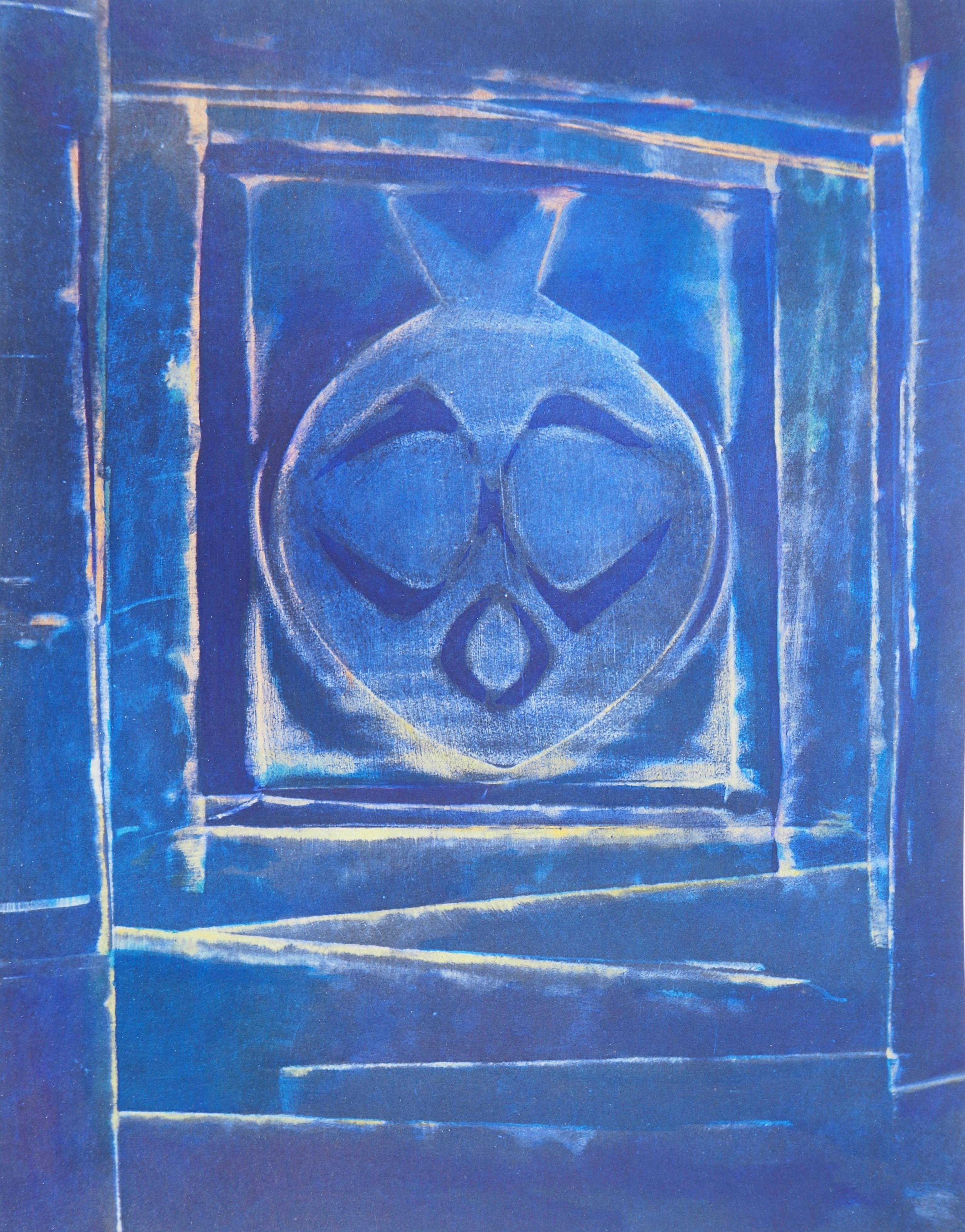
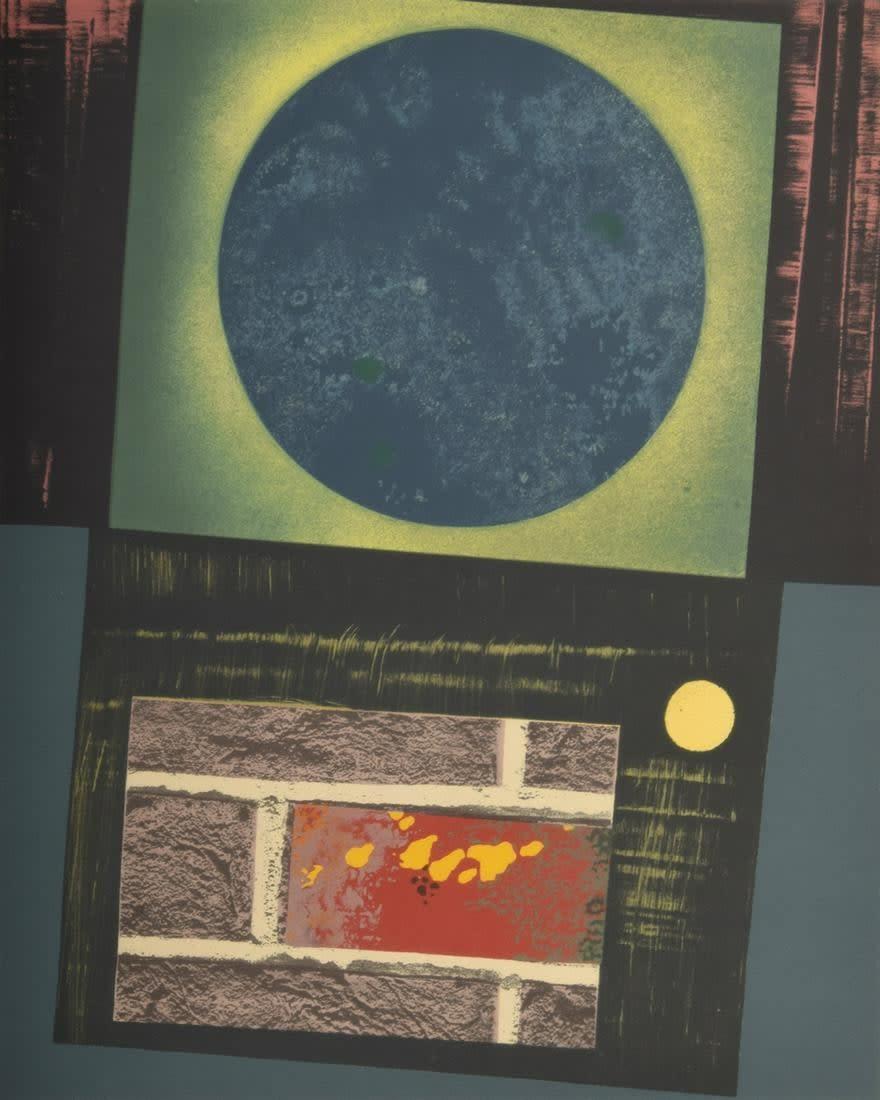
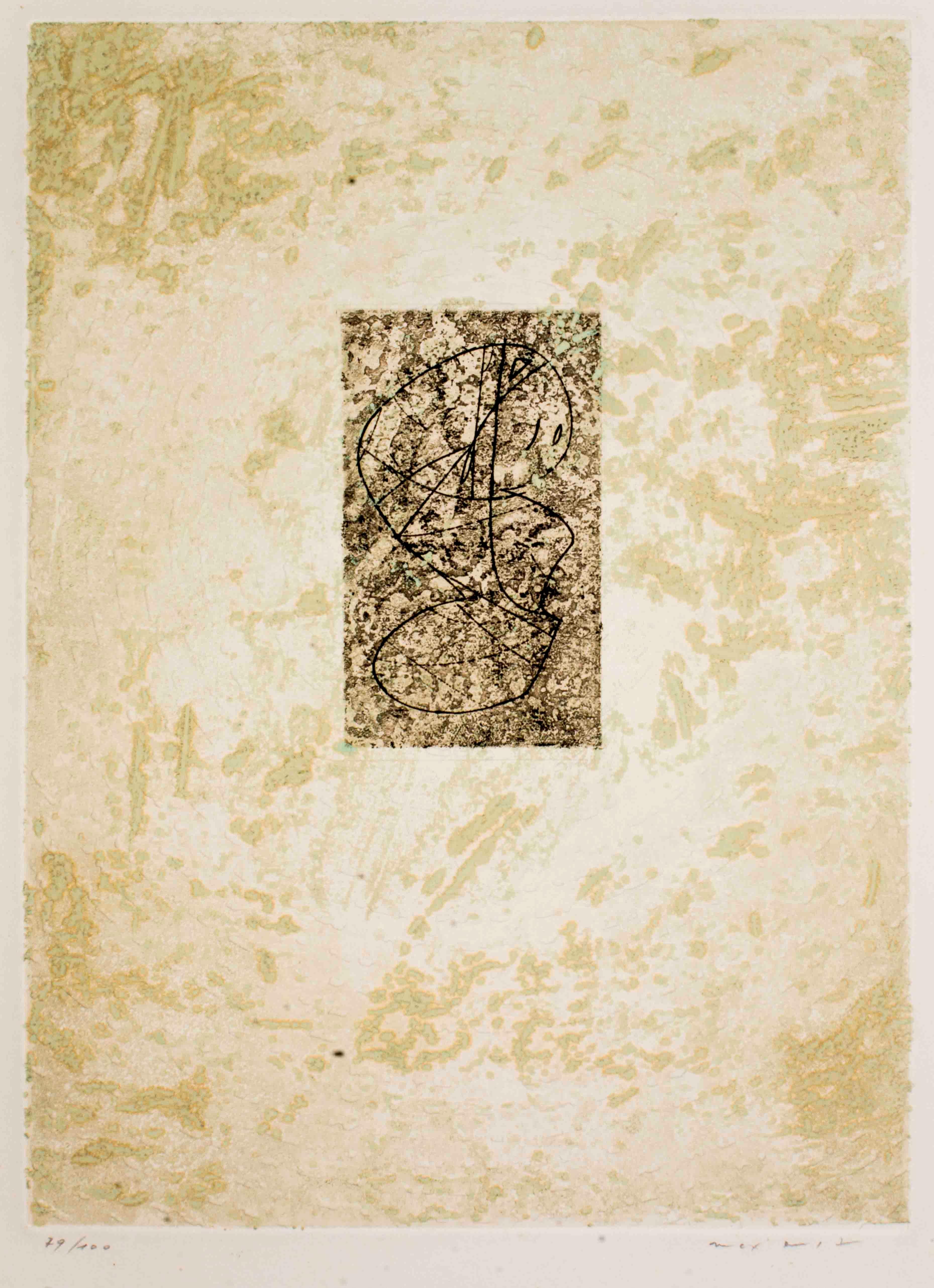
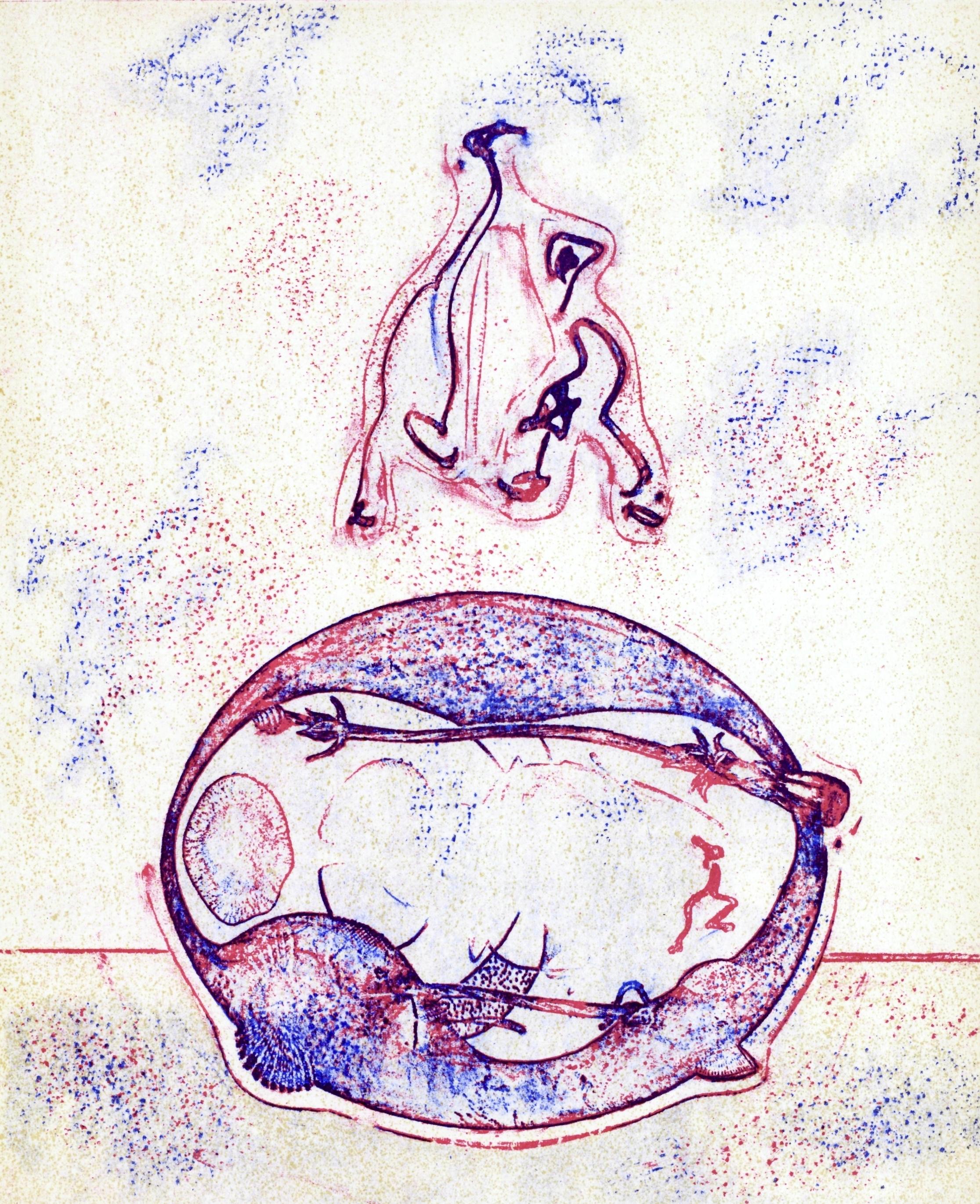
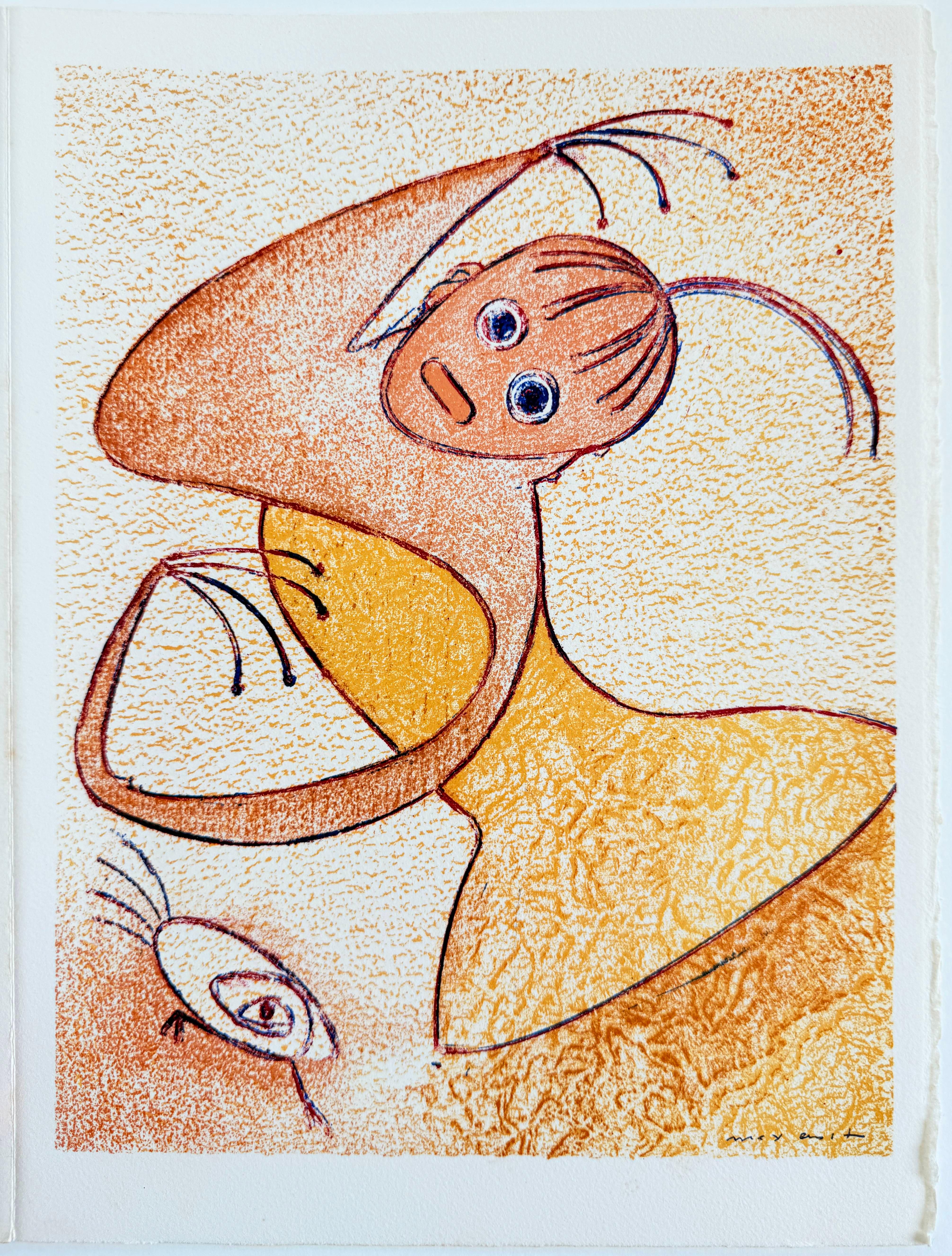
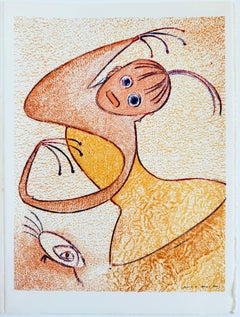
(after) Max Ernstpochoir1958
1958
$300
£227.67
€262.33
CA$423.85
A$454.15
CHF 243.62
MX$5,379.48
NOK 3,073.13
SEK 2,811.44
DKK 1,959.60
About the Item
Medium: pochoir. Printed at the atelier of Daniel Jacomet in 1958 for the art revue XXe Siecle (issue number 10) published in Paris by San Lazzaro. Size: 12 3/8 x 9 1/2 inches (315 x 242 mm). Not signed.
Condition: there is a bump to the top right corner of the sheet.
- Creator:(after) Max Ernst (1891 - 1976, German)
- Creation Year:1958
- Dimensions:Height: 12.41 in (31.5 cm)Width: 9.53 in (24.2 cm)
- Medium:
- Movement Style:
- Period:
- Condition:Condition: there is a bump to the top right corner of the sheet.
- Gallery Location:Henderson, NV
- Reference Number:1stDibs: LU2365216074182
(after) Max Ernst
Max Ernst (2 April 1891 – 1 April 1976) was a German painter, sculptor artist and poet. Ernst, living through two World Wars along with other artists who forever transformed the possibilities of human expression, was one of the founding fathers for the (Cologne) Dada and Surrealist movements. After the German occupation of France in WWII, Ernst was arrested by the Gestapo as an "undesirable foreigner" but managed to escape and flee to America with the help of Peggy Guggenheim and friend journalist Varian Fry. Ernst and Peggy Guggenheim arrived in the United States in 1941 and were married at the end of the year. Along with other artists and friends (Marcel Duchamp and Marc Chagall) who had fled from the war and lived in New York City, Ernst helped inspire the development of Abstract expressionism. His marriage to Guggenheim did not last and in Beverly Hills, California in October 1946, in a double ceremony with Man Ray and Juliet P. Browner, he married Dorothea Tanning. For Ernst there was always an emphasis on ceaseless experimentation. He began his pursuit of radical new techniques that went "beyond painting" to articulate the irrational and unexplainable in the wake of World Wars I and II. His unconventional methods experiment with free association writing and the techniques of frottage, created from a rubbing from a textured surface; grattage, involving scratching at the surface of a painting; and decalcomania, which involves altering a wet painting by pressing a second surface against it and taking it away.
About the Seller
5.0
Platinum Seller
Premium sellers with a 4.7+ rating and 24-hour response times
Established in 2006
1stDibs seller since 2023
614 sales on 1stDibs
Typical response time: 1 hour
- ShippingRetrieving quote...Shipping from: Henderson, NV
- Return Policy
More From This Seller
View Alloriginal lithograph
By Max Ernst
Located in Henderson, NV
Medium: original lithograph. Catalogue reference Spies/Leppien 202. Published in 1971 by XXe Siecle. Sheet size: 12 1/4 x 9 3/8 inches (310 x 238 mm). Not signed.
Category
1970s Surrealist Figurative Prints
Materials
Lithograph

"Mr Knife, Miss Fork"
By Max Ernst
Located in Henderson, NV
Medium: gelatin silver print (photogram). Printed in 1931 and published in Paris for the journal Arts et Metiers Graphiques. A photogram was an experimental technique conceived by Ma...
Category
1930s Surrealist Prints and Multiples
Materials
Photogram
"Un chant d
amour" original lithograph
By Max Ernst
Located in Henderson, NV
Medium: original lithograph. Catalogue reference Spies/Leppien 71. Printed in 1958 for the art revue XXe Siecle (issue number 11) and published in Paris by San Lazzaro. Sheet size: 1...
Category
1950s Surrealist Figurative Prints
Materials
Lithograph
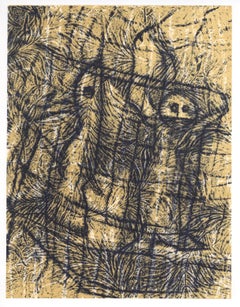
"Elektra" original lithograph
By Max Ernst
Located in Henderson, NV
Medium: original lithograph. This impression was printed in 1939 for the art revue XXe Siecle (issue number 5-6) and published by San Lazzaro. A later edition was also published by XXe Siecle in 1959, but this is the original, first edition Max Ernst lithograph...
Category
1930s Surrealist Prints and Multiples
Materials
Lithograph
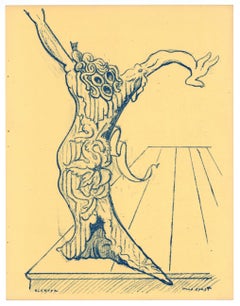
"Les chiens ont soif" lithograph
By (after) Max Ernst
Located in Henderson, NV
Medium: lithograph (after the drawing). Printed by Mourlot for the deluxe limited edition portfolio "Les chiens ont soif", this is one of 250 impressions on BFK Rives wove paper (the...
Category
1960s Surrealist Prints and Multiples
Materials
Lithograph
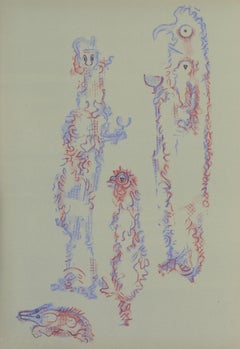
"Les chiens ont soif" lithograph
By (after) Max Ernst
Located in Henderson, NV
Medium: lithograph (after the drawing). Printed by Mourlot for the deluxe limited edition portfolio "Les chiens ont soif", this is one of 250 impressions on BFK Rives wove paper (the...
Category
1960s Surrealist Prints and Multiples
Materials
Lithograph
You May Also Like
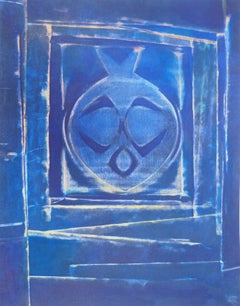
Max Ernst, The Hundred Headless Woman, from XXe Siecle, 1958
By Max Ernst
Located in Southampton, NY
This exquisite lithograph and pochoir by Max Ernst (1891–1976), titled La femme 100 tetes (The Woman with 100 Heads), from the album XXe Siecle, Nouvelle serie, XXe Annee, No. 10 (double) Mars 1958, originates from the 1958 edition published by Societe Internationale dArt XXe Siecle, Paris, under the direction of Gualtieri di San Lazzaro, editeur, Paris, and printed by Atelier Daniel Jacomet et Cie, Paris, 1958. La femme 100 tetes reflects Ernsts distinctive synthesis of dream logic, visual poetry, and psychological transformation during one of the most influential periods of his Surrealist production.
Executed as a lithograph and pochoir on velin paper, this work measures 12.5 x 9.75 inches. Unsigned and unnumbered as issued. The edition exemplifies the superb craftsmanship of Atelier Daniel Jacomet et Cie, Paris.
Artwork Details:
Artist: Max Ernst (1891–1976)
Title: La femme 100 tetes (The Woman with 100 Heads)
Medium: Lithograph and pochoir on velin paper
Dimensions: 12.5 x 9.75 inches (31.75 x 24.77 cm)
Inscription: Unsigned and unnumbered as issued
Date: 1958
Publisher: Societe Internationale dArt XXe Siecle, Paris, under the direction of Gualtieri di San Lazzaro, editeur, Paris
Printer: Atelier Daniel Jacomet et Cie, Paris
Condition: Well preserved, consistent with age and medium
Provenance: From the album XXe Siecle, Nouvelle serie, XXe Annee, No. 10 (double) Mars 1958, published by Societe Internationale dArt XXe Siecle, Paris; printed by Atelier Daniel Jacomet et Cie, Paris, 1958
About the Publication:
Gualtieri di San Lazzaros XXe Siecle (Twentieth Century) was one of the most influential art journals of the modern era, founded in Paris in 1938 as a platform for the greatest painters, sculptors, and writers of the 20th century. San Lazzaro, a visionary editor, critic, and champion of modernism, believed that art and literature should coexist as expressions of a shared human imagination. Under his direction, XXe Siecle became a cultural bridge between Europe and the wider world, publishing special issues devoted to leading figures such as Picasso, Matisse, Chagall, Braque, Calder, Miro, Kandinsky, and Leger. Each edition combined essays by renowned critics and poets with original lithographs and woodcuts printed by the foremost ateliers of Paris, Milan, and New York, including Mourlot, Curwen, and Amilcare Pizzi, creating a uniquely rich dialogue between text and image. The 1960 issue, XXe Siecle, Nouvelle serie, No. 14, showcased Daphnis et Chloe, one of Chagalls most celebrated lithographic subjects, coinciding with his work on the monumental suite of lithographs inspired by the same pastoral tale, published by Teriade. Through this publication, San Lazzaro further cemented Chagalls reputation as the modern poet of color and love, uniting myth, nature, and emotion in visual form. Today, XXe Siecle remains an essential record of 20th century modernism, celebrated for its seamless integration of fine art, literature, and design.
About the Artist:
Max Ernst (1891–1976) was a German-French painter, sculptor, printmaker, and poet whose groundbreaking imagination and experimental techniques made him one of the most revolutionary figures of 20th century art, a founding member of both Dada and Surrealism who dismantled traditional notions of art through chance, dream imagery, and psychological exploration; born in Bruhl, Germany, he studied philosophy and psychology at the University of Bonn before rejecting academic convention to pursue art, inspired by Symbolism, Cubism, and the early abstractions of Pablo Picasso and Wassily Kandinsky; after the trauma of World War I propelled him toward the Dada movement in Cologne, he began creating seminal collages that fused scientific diagrams and Victorian engravings into surreal dreamscapes; by 1922 he had moved to Paris and joined a circle of avant-garde luminaries including Picasso, Alexander Calder, Alberto Giacometti, Salvador Dali, Joan Miro, Marcel Duchamp, Man Ray, and Andre Breton, each of whom shared his fascination with the irrational and the unseen; Ernsts invention of frottage (rubbing) and grattage (scraping) revolutionized modern painting, revealing textures and hidden images below the surface and allowing chance to participate in creation; his visionary paintings—from The Elephant Celebes and Two Children Are Threatened by a Nightingale to Europe After the Rain II—blend myth, science, and dream into symbolic landscapes that remain among the defining masterpieces of Surrealism; a restless innovator, he expanded into sculpture with enigmatic totemic forms such as Capricorne, echoing the equilibrium of Calders mobiles and the conceptual wit of Duchamp; fleeing Nazi-occupied France during World War II, he emigrated to the United States with the support of Peggy Guggenheim, influencing Abstract Expressionists including Jackson Pollock, Robert Motherwell, and Willem de Kooning before returning to Europe to refine his poetic, alchemical approach to art; represented in MoMA, the Tate, the Centre Pompidou, and major museums worldwide, Ernst remains a cornerstone of modern art whose legacy continues to influence generations of artists. His highest auction record was achieved by Le roi jouant avec la reine (The King Playing with the Queen) (1944), which sold for approximately 24.4 million USD at Christies New York in November 2022.
Max Ernst XXe Siecle 1958, Max Ernst lithograph...
Category
1950s Surrealist Abstract Prints
Materials
Lithograph
$796 Sale Price
20% Off
Free Shipping
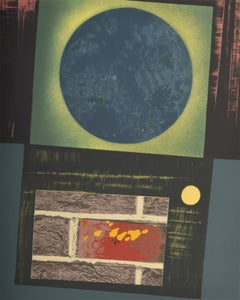
Fureur, tu me Traites Comme la Tristesse
By Max Ernst
Located in New York, NY
Signed and numbered in pencil
Lithograph
20.5 x 17 inches
Edition 64 of 70
Category
1960s Abstract Prints
Materials
Lithograph
$3,200 Sale Price
20% Off
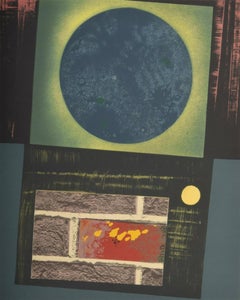
Fureur, tu me Traites Comme la Tristesse
By Max Ernst
Located in New York, NY
From the "Dente Prompte" portfolio
Gallery labels to reverse: Gluria Luria Gallery, Bay Harbor Islands, Florida
Category
20th Century Surrealist Prints and Multiples
Materials
Lithograph
Price Upon Request
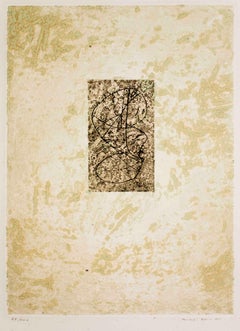
Zodiaque - Etching by Max Ernst - 1971
By Max Ernst
Located in Roma, IT
" Zodiaque " is an etching realized by Max Ernst in 1971. This print is hand signed and numbered. This is an edition of 100 prints.
Reference: Catalogue Spies n. 144.
Originally a ...
Category
1970s Surrealist Abstract Prints
Materials
Etching
Max Ernst, After Me, from XXe siecle, 1971
By Max Ernst
Located in Southampton, NY
This exquisite lithograph by Max Ernst (1891–1976), titled Apres-moi (After Me), from the album XXe siecle, numero special hors abonnement, Hommage a Max Ernst, originates from the 1...
Category
1970s Surrealist Abstract Prints
Materials
Lithograph

Hommage à San Lazzaro
By Max Ernst
Located in OPOLE, PL
Max Ernst (1891-1976) - Hommage à San Lazzaro
Lithograph from 1975.
Edition 371/575 (Photocopy of the colophone is included).
Dimensions of work: 31 x 24 cm.
Plate signed.
Each ...
Category
1970s Modern More Prints
Materials
Lithograph
More Ways To Browse
Fred Berman
George Ennis
Gunther Gerzso
Hans Hartung On Sale
Helen Frankenthaler Lincoln Center
Helen Frankenthaler Poster
Highway Pop Art
Howard Hodgkin Poster
Howard Rose
Hubert Scheibl
Invader Camouflage
Jacob Lawrence Lithograph
Jacqueline De Butler
Jasper Johns Numbers
Joan Miro Espriu
Joan Miro Sobreteixims
Joan Miro Ubu Roi
Joan Mitchell Signed