Want more images or videos?
Request additional images or videos from the seller
1 of 6

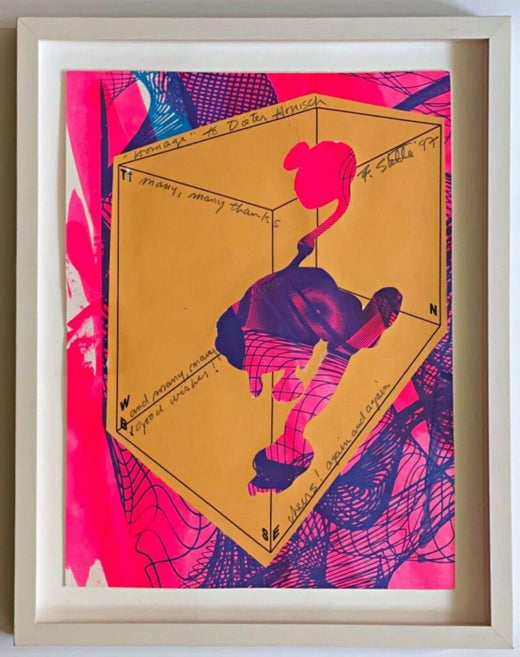
Frank Stella
Frank Stella - NY State Columbus Centenary, Lithograph, Hand Signed, Ed. of 100

1991

$4,500
£3,433.62
€3,906
CA$6,319.46
A$6,915.89
CHF 3,654.44
MX$82,545.67
NOK 46,635.19
SEK 42,651.68
DKK 29,175.81

About the Item

Frank Stella The New York State Christopher Columbus Quincentenary Commission, 1991 Offset Lithograph Printed in Colors Signed and dated by the artist in ink on the lower right front in black ink (Edition of 100) Limited Edition of 100 (unnumbered) The hand (ink) signature is directly underneath the printed signature. 39 1/2 × 23 1/2 inches Unframed - not numbered - hand signed This vibrant, hand signed offset lithograph poster designed by Frank Stella commemorates The New York State Christopher Columbus Quincentenary Commission. The poster alone is uncommon, but it is extremely rare to find a hand signed edition as this one. Highly collectible and desirable! An uncommon Stella print with a dazzling design - boldly signed and dated on the front by Stella. FRANK STELLA BIOGRAPHY b. 1936, Malden, Massachusetts; d, 2024, New York Frank Stella was born in 1936 in Malden, Massachusetts. After attending high school at Phillips Academy in Andover, Massachusetts, he went on to Princeton University, where he painted and majored in history. Early visits to New York art galleries would prove to be an influence upon his artistic development. Stella moved to New York in 1958 after his graduation. Stella’s art was recognized for its innovations before he was twenty-five. In 1959, several of his paintings were included in Three Young Americans at the Allen Memorial Art Museum at Oberlin College, as well as in Sixteen Americans at the Museum of Modern Art in New York (1959–60). Stella joined dealer Leo Castelli’s stable of artists in 1959. In his early series, including the Black Paintings (1958–60), Aluminum Paintings (1960), and Copper Paintings (1960–61), Stella cast aside illusionistic space for the physicality of the flat surface and deviated from the traditional rectangular-shaped canvas. Stella married Barbara Rose, later a well-known art critic, in 1961. Stella’s Irregular Polygon canvases (1965–67) and Protractor series (1967–71) further extended the concept of the shaped canvas. Stella began his extended engagement with printmaking in the mid-1960s, working first with master printer Kenneth Tyler at Gemini G.E.L. In 1967, Stella designed the set and costumes for Scramble, a dance piece by Merce Cunningham. The Museum of Modern Art in New York presented a retrospective of Stella’s work in 1970. During the following decade, Stella introduced relief into his art, which he came to call “maximalist” painting for its sculptural qualities. Ironically, the paintings that had brought him fame before 1960 had eliminated all such depth. After introducing wood and other materials in the Polish Village series (1970–73), created in high relief, he began to use aluminum as the primary support for his paintings. As the 1970s and 1980s progressed, these became more elaborate and exuberant. Indeed, his earlier Minimalism became baroque, marked by curving forms, DayGlo colors, and scrawled brushstrokes. Similarly, his prints of these decades combined various printmaking and drawing techniques. In 1973, he had a print studio installed in his New York house. From the mid-1980s to the mid-1990s, Stella created a large body of work that responded in a general way to Herman Melville’s Moby Dick. During this time, the increasingly deep relief of Stella’s paintings gave way to full three-dimensionality, with sculptural forms derived from cones, pillars, French curves, waves, and decorative architectural elements. To create these works, the artist used collages or maquettes that were then enlarged and re-created with the aid of assistants, industrial metal cutters, and digital technologies. In the 1990s, Stella began making freestanding sculpture for public spaces and developing architectural projects. In 1992–93, for example, he created the entire decorative scheme for Toronto’s Princess of Wales Theatre, which includes a 10,000-square-foot mural. His 1993 proposal for a kunsthalle (arts center) and garden in Dresden did not come to fruition. His aluminum bandshell, inspired by a folding hat from Brazil, was built in downtown Miami in 1999. In 2001, a monumental Stella sculpture was installed outside the National Gallery of Art in Washington, D.C. Stella’s work was included in several important exhibitions that defined 1960s art, among them the Solomon R. Guggenheim Museum’s The Shaped Canvas (1964–65) and Systemic Painting (1966). His art has been the subject of several retrospectives in the United States, Europe, and Japan. Among the many honors he has received was an invitation from Harvard University to give the Charles Eliot Norton lectures in 1983–84. Calling for a rejuvenation of abstraction by achieving the depth of baroque painting, these six talks were published by Harvard University Press in 1986. -Courtesy Guggenheim

More From This Seller

View All
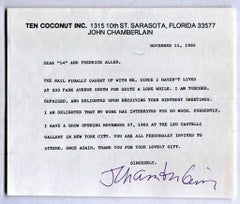
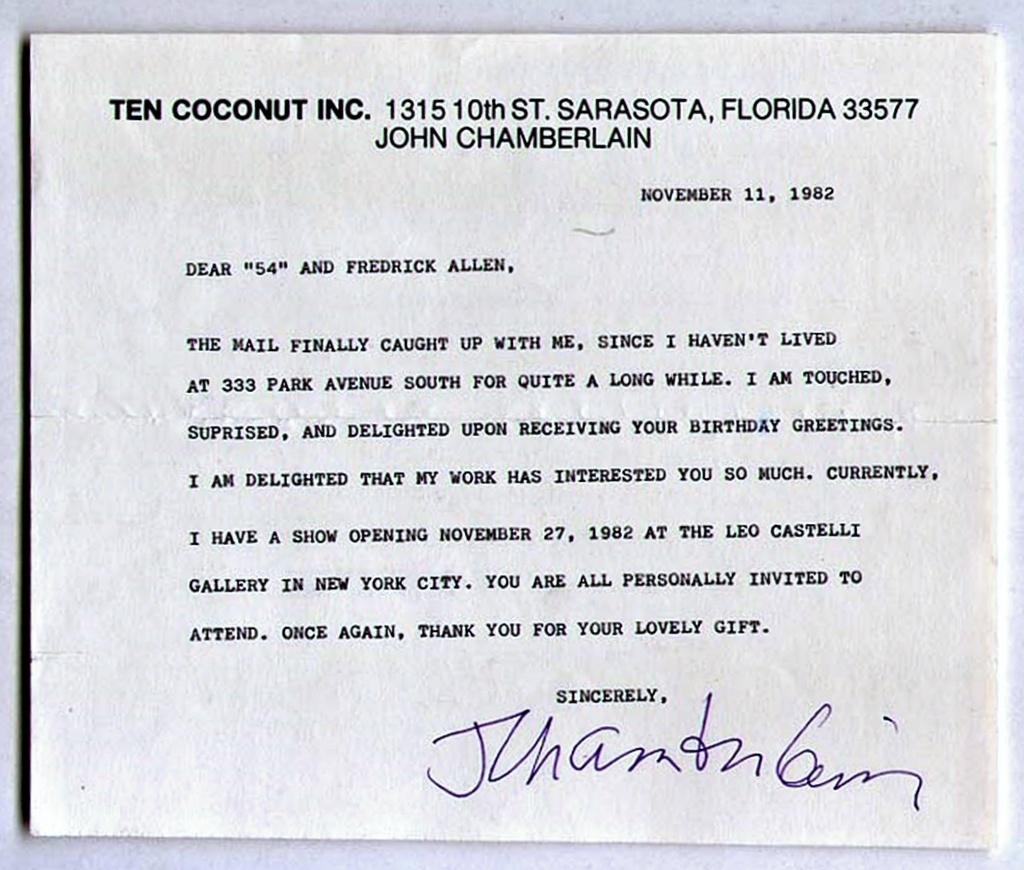
John Chamberlain, Signed Western Union cable re: sculpture show at Leo Castelli
By John Chamberlain
Located in New York, NY
John Chamberlain Hand Signed Letter re: Leo Castelli Exhibition, 1982 Typewriter on paper (hand signed) 6 1/2 × 8 1/2 inches Hand-signed by artist, Signed in purple felt tip marker Hand signed telegraph/letter refers to Chamberlain's exhibition at the legendary Leo Castell Gallery. A piece of history! John Chamberlain Biography John Chamberlain (1927 – 2011) was a quintessentially American artist, channeling the innovative power of the postwar years into a relentlessly inventive practice spanning six decades. He first achieved renown for sculptures made in the late 1950s through 1960s from automobile parts—these were path-breaking works that effectively transformed the gestural energy of Abstract Expressionist painting into three dimensions. Ranging in scale from miniature to monumental, Chamberlain’s compositions of twisted, crushed, and forged metal also bridged the divide between Process Art and Minimalism, drawing tenets of both into a new kinship. These singular works established him as one of the first American artists to determine color as a natural component of abstract sculpture. From the late 1960s until the end of his life, Chamberlain harnessed the expressive potential of an astonishing array of materials, which varied from Plexiglas, resin, and paint, to foam, aluminum foil, and paper bags. After spending three years in the United States Navy during World War II, Chamberlain enrolled in the Art Institute of Chicago and Black Mountain College, where he developed the critical underpinnings of his work. Chamberlain lived and worked in many parts of the United States, moving between New York City, Long Island, Los Angeles, Santa Fe, Connecticut, and Sarasota, before finally settling on Shelter Island. In many ways, each location provoked a distinct material sensibility, often defined by the availability of that material or the limitations of physical space. In New York City, Chamberlain pulled scrap metal and twelve-inch acoustic tiles from the ceiling of his studio apartment. He chose urethane in Los Angeles in 1965 (a material he had been considering for many years), and film in Mexico in 1968. He eventually returned to metal in 1972, and, in Sarasota, he expanded the scale of his works to make his iconic Gondolas (1981 – 1982). The movement of the artist and the subsequent evolution of the work is indicative not only of a kind of American restlessness but also of Chamberlain’s own personal evolution: he sometimes described his use of automobile materials as sculptural self-portraits, infused with balance and rhythm characteristic of the artist himself. Chamberlain refused to separate color from his practice, saying, ‘I never thought of sculpture without color. Do you see anything around that has no color? Do you live in a world with no color?’. He both honored and assigned value to color in his practice—in his early sculptures color was not added, but composed from the preexisting palette of his chosen automobile parts. Chamberlain later began adding color to metal in 1974, dripping and spraying—and sometimes sandblasting—paint and lacquer onto his metal components prior to their integration. With his polyurethane foam works, color was a variable of light: ultraviolet rays or sunlight turned the material from white to amber. It was this profound visual effect that brought the artist’s personal Abstract Expressionist hand into industrial three-dimensional sculpture. Chamberlain moved seamlessly through scale and volume, creating material explorations in monumental, heavy-gauge painted aluminum foil in the 1970s, and later in the 1980s and 1990s, miniatures in colorful aluminum foil and chromium painted steel. Central to Chamberlain’s works is the notion that sculpture denotes a great deal of weight and physicality, disrupting whatever space it occupies. In the Barges series (1971 – 1983) he made immense foam couches, inviting spectators to lounge upon the cushioned landscape. At the end of his career, Chamberlain shifted his practice outdoors, and through a series of determined experiments, finally created brilliant, candy-colored sculptures in twisted aluminum foil. In 2012, four of these sculptures were shown outside the Seagram Building in New York, accompanied by playful titles such as ‘PINEAPPLESURPRISE’ (2010) and ‘MERMAIDSMISCHIEF’ (2009). These final works exemplify Chamberlain’s lifelong dedication to change—of his materials, of his practice, and, consequently, of American Art. Chamberlain has been the subject of numerous solo exhibitions, including two major Retrospectives at the Solomon R. Guggenheim Museum in New York NY in 2012 and 1971; ‘John Chamberlain, Squeezed and Tied. Foam and Paper Sculptures 1969-70,’ Dan Flavin Art Institute, Dia Center for the Arts, Bridgehampton NY (2007); ‘John Chamberlain. Foam Sculptures 1966–1981, Photographs 1989–2004,’ Chinati Foundation, Marfa TX (2005); ‘John Chamberlain. Current Work and Fond Memories, Sculptures and Photographs 1967–1995,’ Stedelijk Museum, Amsterdam, Netherlands (Traveling Exhibition) (1996); and ‘John Chamberlain. Sculpture, 1954–1985,’ Museum of Contemporary Art, Los Angeles CA (1986). Chamberlain’s sculptures are part of permanent exhibitions at the Chinati Foundation in Marfa TX and at Dia:Beacon in upstate New York. In 1964, Chamberlain represented the United States in the American Pavilion at the 32nd International Exhibition of the Venice Biennale. He received many awards during his life, including a Doctor of Fine Arts, honoris causa, from the College for Creative Studies, Detroit (2010); the Distinction in Sculpture Honor from the Sculpture Center, New York (1999); the Gold Medal from The National Arts Club Award, New York (1997); the Lifetime Achievement Award in Contemporary Sculpture by the International Sculpture Center, Washington D.C. (1993); and the Skowhegan Medal for Sculpture, New York NY (1993). -Courtesy Hauser & Wirth Leo Castelli Leo Castelli was born in 1907 in Trieste, a city on the Adriatic sea, which, at the time, was the main port of the Austro-Hungarian Empire. Leo’s father, Ernest Kraus, was the regional director for Austria-Hungary’s largest bank, the Kreditandstalt; his mother, Bianca Castelli, was the daughter of a Triesten coffee merchant. With the outbreak of World War I in 1914 the Kraus family relocated to Vienna where Leo continued his education. A particularly memorable moment for Leo during this period of his life was the funeral of Emperor Francis Joseph which he witnessed in November of 1916. Leo and his family returned to Trieste when the war ended in 1918. With the fall of the Austro-Hungarian Empire Trieste embraced its new Italian identity. Motivated by this shift Ernest decided to adopt his wife's more Italian-sounding maiden name, Castelli, which his children also assumed. In many ways the Castelli’s return Trieste after the war marked an optimistic new beginning for the family. Ernest was made director of the Banca Commerciale Italiana, which had replaced the Kreditandstalt as the top bank in Trieste. This elevated position allowed Ernest and Bianca to cultivate a cosmopolitan life-style. Together they hosted frequent parties which brought them in contact with a spectrum of political, financial, and cultural luminaries. Growing up in such an environment fostered in Leo and his two siblings, Silvia and Giorgio, a strong appreciation of high culture. During this time Leo developed a passion for Modern literature and perfected his fluency in German, French, Italian, and English. After earning his law degree at the University of Milan in 1932, Leo began his adult life as an insurance agent in Bucharest. Although Leo found the job unfulfilling and tedious, the people he met in Bucharest made up for this deficiency. Among the most significant of Leo’s acquaintances during this time was the eminent businessman, Mihail Shapira. Leo eventually became friendly with the rest of the Shapira family and in 1933 he married Mihail's youngest daughter, Ileana. In 1934 Leo and Ileana moved to Paris where, thanks to his step-father’s influence, Leo was able to get a job in the Paris branch of the Banca d'Italia. In the same year, Leo met the interior designer René Drouin, who became his close friend. In the spring of 1938, while walking through the Place Vendôme, Leo and René came across a storefront for rent between the Ritz hotel and a Schiaparelli boutique. The space immediately impressed them as an ideal location for an art gallery, a plan which became reality the following spring in 1939. The Drouin Gallery opened with an exhibition featuring painting and furniture by Surrealist artists including Léonor Fini, Augene Berman, Meret Oppenheim, Max Ernst, and Salvador Dali. Despite the success of this initial exhibition, the gallery proved short-lived. Germany invaded Poland on September 1, 1939 marking the start of World War II and consequently the temporary end of the Drouin gallery. René was called to serve in the French army, while Leo, Ileana, and their three-year-old daughter Nina moved to the relative safety of Cannes, where Ileana’s family owned a summer house. As the war escalated, it became evident that Europe was no longer safe for the Castelli family—Leo and Ileana were both Jewish. In March of 1941, Leo, Ileana and Nina fled to New York bringing with them Nina’s nurse Frances and their dog, Noodle. After a year of moving around the city, the family took up permanent residence at 4 East 77 Street in a townhouse Mihail had bought. Nine months after his arrival in New York, in December of 1943, Leo volunteered for the US army, expediting his naturalization as a US citizen. Owing to his facility with languages, Leo was assigned to serve in the U.S. Army Intelligence Corp, a position which he held for two years, until February 1946. While on military leave in 1945 Leo visited Paris and stopped by Place Vendôme gallery where René had once more set up business selling work by European avant-garde artists such as Jean Dubuffet and Jean Fautrier. The meeting not only rekindled René and Leo’s friendship but also the latter’s interest in art dealing, a pursuit which Leo began to view as more than a mere hobby but as a potential career. After reconnecting, the two friends decided to go back into partnership with Leo acting as the New York representative for the Drouin Gallery. Working in this capacity, Leo began to form relationships with some of the New York art world’s most influential figures, including Peggy Guggenhiem, Sydney Janis, Willem De Kooning, and Jackson Pollock. By the late 40s Leo’s ties with René Drouin had begun to slacken, while his alliance with the dealer Sydney Janis became closer. Janis opened his New York gallery in 1948 and in 1950 invited Leo to curate an exhibition of contemporary French and American artists. The show drew a significant connection between the venerable tradition of European Modernism and the emerging artists of the New York School. Not long after this, in 1951, Leo was asked by these same New York School artists to organize the groundbreaking Ninth Street Show. This exhibition was instrumental in establishing Abstract Expressionism as the preeminent art movement of the post-war era. Leo founded his own gallery in 1957, transforming the living room on the fourth floor of the 77th Street townhouse into an exhibition space. Perhaps the most critical moment of Leo’s career occurred later that year, when he first visited the studios of Robert Rauschenberg and Jasper Johns. In 1958 Leo gave Johns and Rauschenberg solo shows, in January and March respectively. For Johns, this was the first solo show of his career. These exhibitions received wide critical acclaim, solidifying Leo’s reputation not only as a dealer but as the arbiter of a new and important art movement. Over the course of the 1960s Leo played a formative role in launching the careers of many of the most significant artists of the twentieth century including Roy Lichtenstein, Andy Warhol, Claes Oldenberg, Cy Twombly, Donald Judd, Dan Flavin, Robert Morris, Bruce Nauman, Richard Serra, Joseph Kosuth and Lawrence Weiner. Through his support of these artists Leo likewise helped cultivate and define the movements of Pop, Minimalism, Conceptual Art, and Post-Minimalism. As business expanded over the course of the 60s and artistic trends shifted in favor of larger artworks, Leo realized that his townhouse gallery was not sufficient to meet these new demands. Indicative of the trend toward maximal art...
Category

1980s Abstract Expressionist Abstract Prints

Materials

Ink, Lithograph, Offset

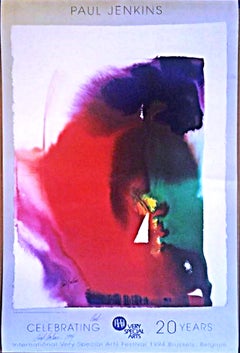
International Very Special Arts signed, inscribed Abstract Expressionist poster
By Paul Jenkins
Located in New York, NY
Paul Jenkins International Very Special Arts Festival poster, 1994 hand signed and dated by Paul Jenkins Measures: 37 inches (vertical) x 25 inches (horizontal) Ships rolled in a tub...
Category

1990s Abstract Expressionist Abstract Prints

Materials

Offset, Ballpoint Pen, Lithograph

Lynda Benglis, Gold Leafed Bronze Wings, signed lithograph by renowned sculptor
By Lynda Benglis
Located in New York, NY
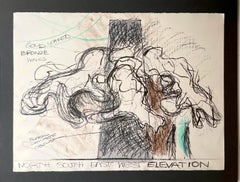
Lynda Benglis Gold Leafed Bronze Wings, 1979 Lithograph on wove paper Hand signed, dated 1979 and numbered by Lynda Benglis on the front in bright green crayon. Bears publishers blind stamp Unframed and affixed to dark grey/black matting Hand signed, dated 1979 and numbered by Lynda Benglis on the front in bright green crayon. Bears publishers blind stamp. Published by Landfall Press; a rare limited edition print from the 1970s, depicting a sculptural installation by one of the most dynamic influential and important art world superstars of our time. The writing on the print: Gold Leafed Bronze Wings Black Concrete Obelisk...
Category

1970s Abstract Expressionist Abstract Prints

Materials

Lithograph

Untitled Figure signed numbered mixed media print from scarce European portfolio
By George McNeil
Located in New York, NY
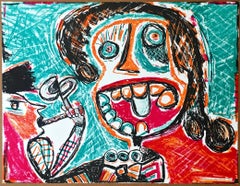
George McNeil Untitled Figure, 1986 Lithograph on paper. Publisher's and Printer's Blind Stamps Hand-signed, numbered 78/84 and dated by the artist on the front with publisher's and...
Category

1980s Abstract Expressionist Figurative Prints

Materials

Lithograph, Screen, Pencil

Westermann and Kapsalis Sculpture at Four Fourteen Art Center Poster
By HC Westermann
Located in New York, NY
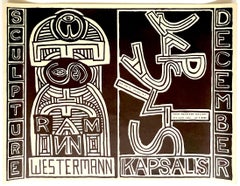
H.C. Westermann, Thomas Kapsalis Rare artist designed early poster: Westermann and Kapsalis Sculpture at Four Fourteen Art Center and Gallery Chicago, 1957 Historic offset lithograph poster designed by both artists Not signed 17 × 22 inches Unframed This extremely rare poster on handmade paper was published for the Tom Kapsalis/H.C. Westermann sculpture exhibition at 414 Art Workshop and Gallery, Chicago Momentum, 1020 Art Center, Chicago in December 1957. The poster was hand designed by both artists, with each one designing his respective half for a cohesive whole, for an exhibition at a small, now defunct regional art center in the late fifties -- so it's not unreasonable to believe that there just aren't too many of these out there anymore. A must have for anyone seriously involved in the careers and legacies of each or both of these sculptors. About H.C. Westermann: American artist Horace Clifford Westermann (Los Angeles, 1922 – Danbury, 1981) assembled a distinctive and singular body of sculptures. His works were predominantly made from wood through his masterly command of carpentry and cabinetmaking, yet he also used other techniques and materials such as metal, glass and enamelling with incredible precision. Without adhering to one particular style, Westermann was a maker of objects, of separate pieces: his sculptures, laden with meaning, often irony, result from the processing of experience, coalescing to yield specific fragments of reality. It is the course of these fragments that the retrospective presented by the Museo Reina Sofía follows. A concern with going back to shelter would soon emerge, be it in the home or the body —and blighted by the threat of confinement and death. Also, stubborn or helpless figures would recur through Westermann’s oeuvre. The motif of the “death ship” runs right through the breadth of his production as well, pointing, on one side, to continued wandering and latent abandonment and, on the other, to a determined pursue of refuge which seems to hold firm across his work. At the turning point of the 1960s, Westermann’s sculptures drew from mass culture, and made part of several exhibitions of the new realisms, when the “cold” tag of Pop art had not yet fully taken shape. The exhibition presents this output and the “specificity” of Westermann’s objects, which interested Donald Judd in 1963. In later pieces his work increasingly deals with the absurd, either through playfulness with language, in the confusion between work and instrument, or with references to the impermanent Besides the sculptures, the show displays Westermann’s paintings, letter-drawings —in his correspondence with other artists, critics and friends— and series of prints, in which he applied vibrant colours to address themes such as an escapist, while critical depiction of the American scene; catastrophe, and fragility. A graduate from the School of the Art Institute of Chicago in 1954, Horace Clifford Westermann produced most of his work from a small town in Connecticut, where he settled in 1961. He regularly exhibited his work in New York, and occasionally in Chicago and on the West Coast. Courtesy of Venus Over Manhattan About Tom Kapsalis: One of Chicago’s great abstractionists, painter Thomas H. Kapsalis (born 1922) has been an important artist and educator since the late ’40s, when he graduated from the School of the Art Institute. A prisoner of war in Germany, captured during the Battle of the Bulge, Kapsalis returned to continue his pursuit of art-making, eventually returning to Germany in the early ’50s on a Fullbright-Hays Fellowship to study with Willi Baumeister. He has taught at the School of the Art Institute since 1954, and his work has been exhibited in numerous group and solo shows. Among the honors bestowed upon Kapsalis are Huntington Harford Foundation Grants (1956, 1959); Robert Rice Jenkins Prize, Chicago & Vicinity Exhibition, Art Institute of Chicago (1956); Pauline Palmer Prize, Chicago & Vicinity Exhibition, AIC (1960); Mr. & Mrs. Julie F. Brower Prize, Chicago & Vicinity Exhibition, AIC (1969). Courtesy of Corbett vs...
Category

1950s Abstract Abstract Prints

Materials

Lithograph, Offset

Historic lithograph (Hand signed by Sol Lewitt, Philip Glass and Meredith Monk)
By Sol LeWitt
Located in New York, NY
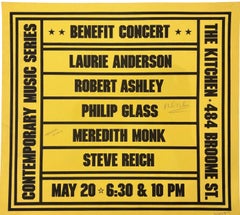
Sol Lewitt Benefit Concert (Hand signed by Sol Lewitt, Philip Glass and Meredith Monk), 1978 Offset lithograph 19 1/2 × 21 1/2 inches Limited Edition of 75 (unnumbered) Hand signed b...
Category

1970s Abstract Geometric Abstract Prints

Materials

Pencil, Lithograph, Offset

You May Also Like

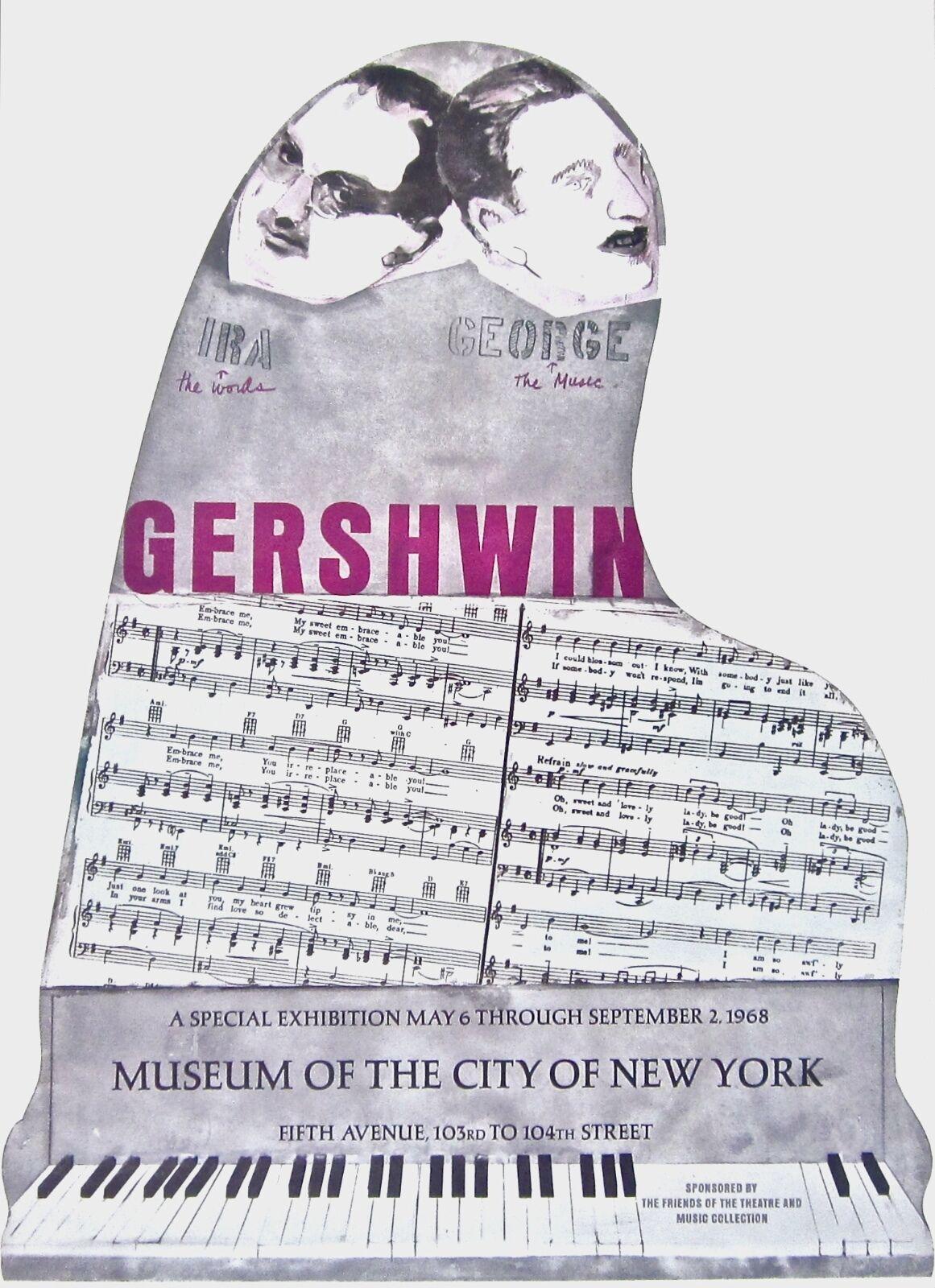
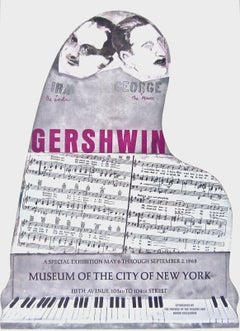
Gershwin Brothers, after Larry Rivers
By Larry Rivers
Located in Fairfield, CT
Artist: After Larry Rivers (1923-2002) Title: Gershwin Brothers, exhibition poster Year: 1966 Medium: Lithograph on wove paper Size: 37 x 26 inches Condition: Excellent Notes: Publis...
Category

1960s Abstract Expressionist Abstract Prints

Materials

Lithograph, Offset

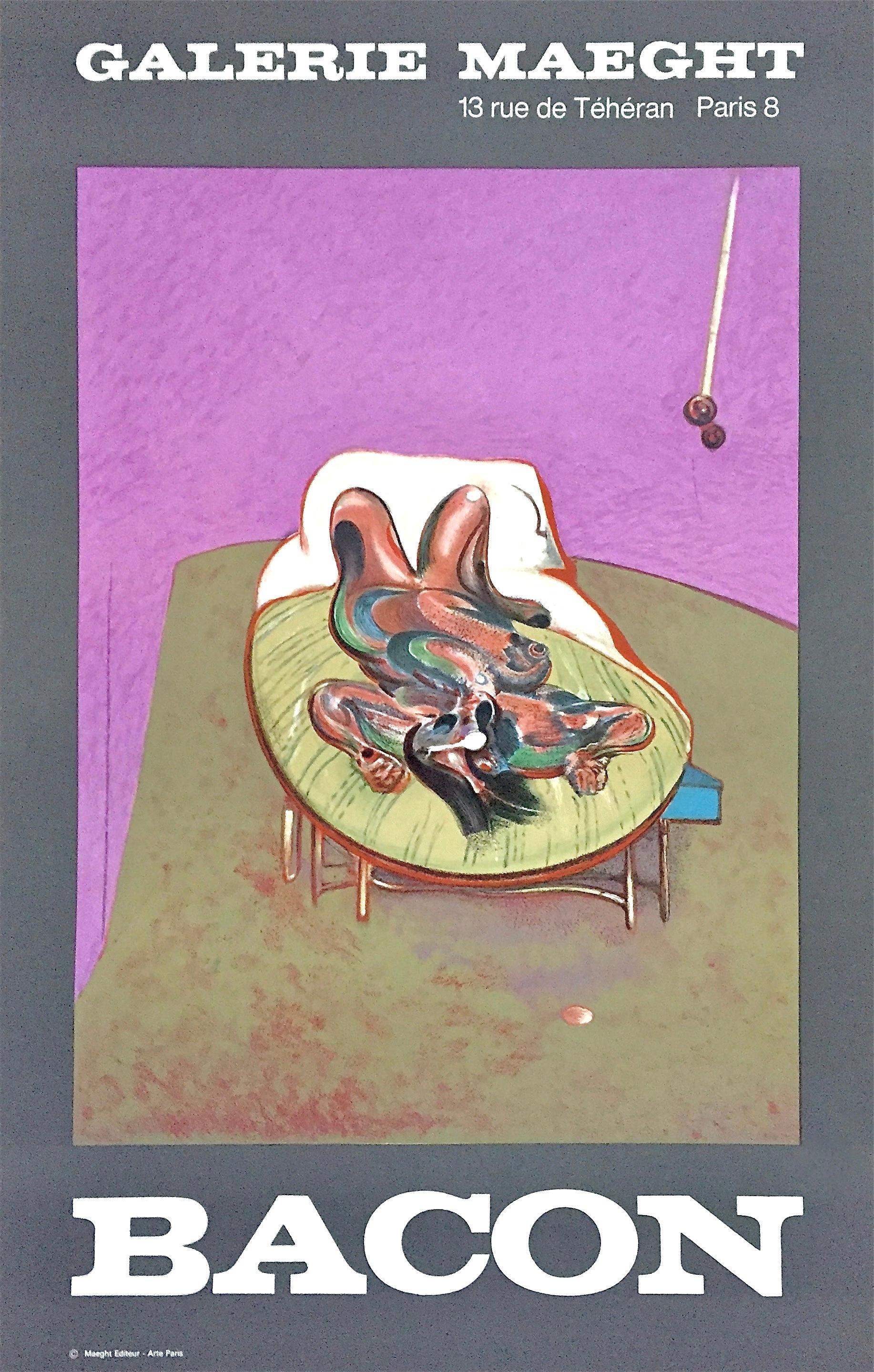
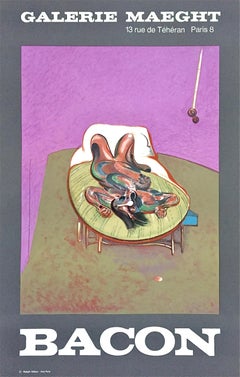
Bacon, Personnage Couche 1966
By Francis Bacon
Located in Fairfield, CT
Artist: After Francis Bacon (1909-1992) Title: Personnage Couche, exhibition poster Year: 1966 Medium: Offset Lithograph on wove paper Size: 28 x 17....
Category

1960s Abstract Expressionist Abstract Prints

Materials

Lithograph, Offset

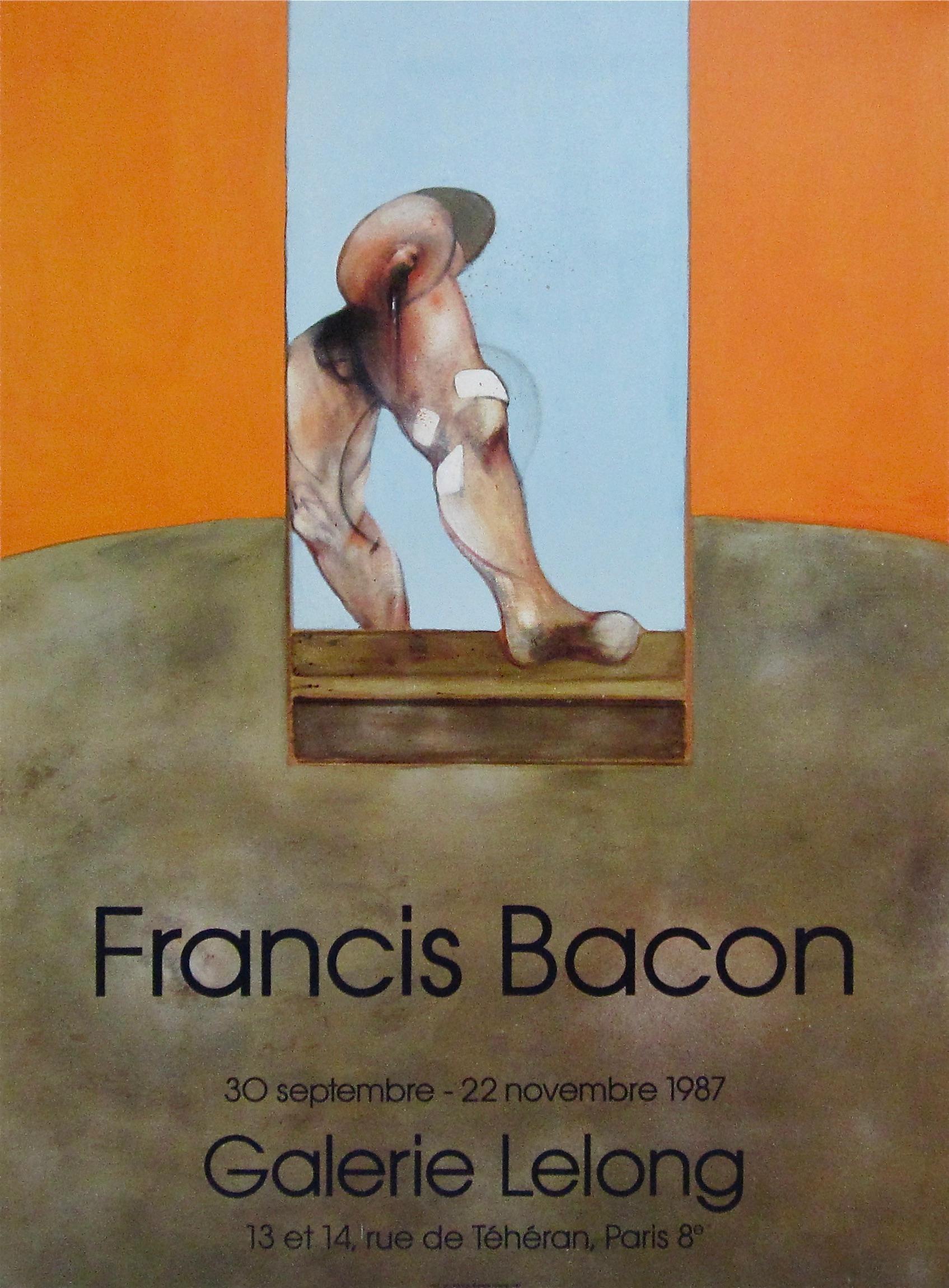
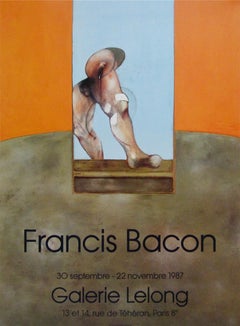
Bacon, Untitled, 1987 (after)
By Francis Bacon
Located in Fairfield, CT
Artist: Francis Bacon (1909-1992) Title: Untitled Year: 1987 Medium: Offset Lithograph on premium paper Size: 26.25 x 19.75 inches Condition: Excellent Notes: Published by Galerie Le...
Category

1980s Abstract Expressionist Abstract Prints

Materials

Lithograph, Offset

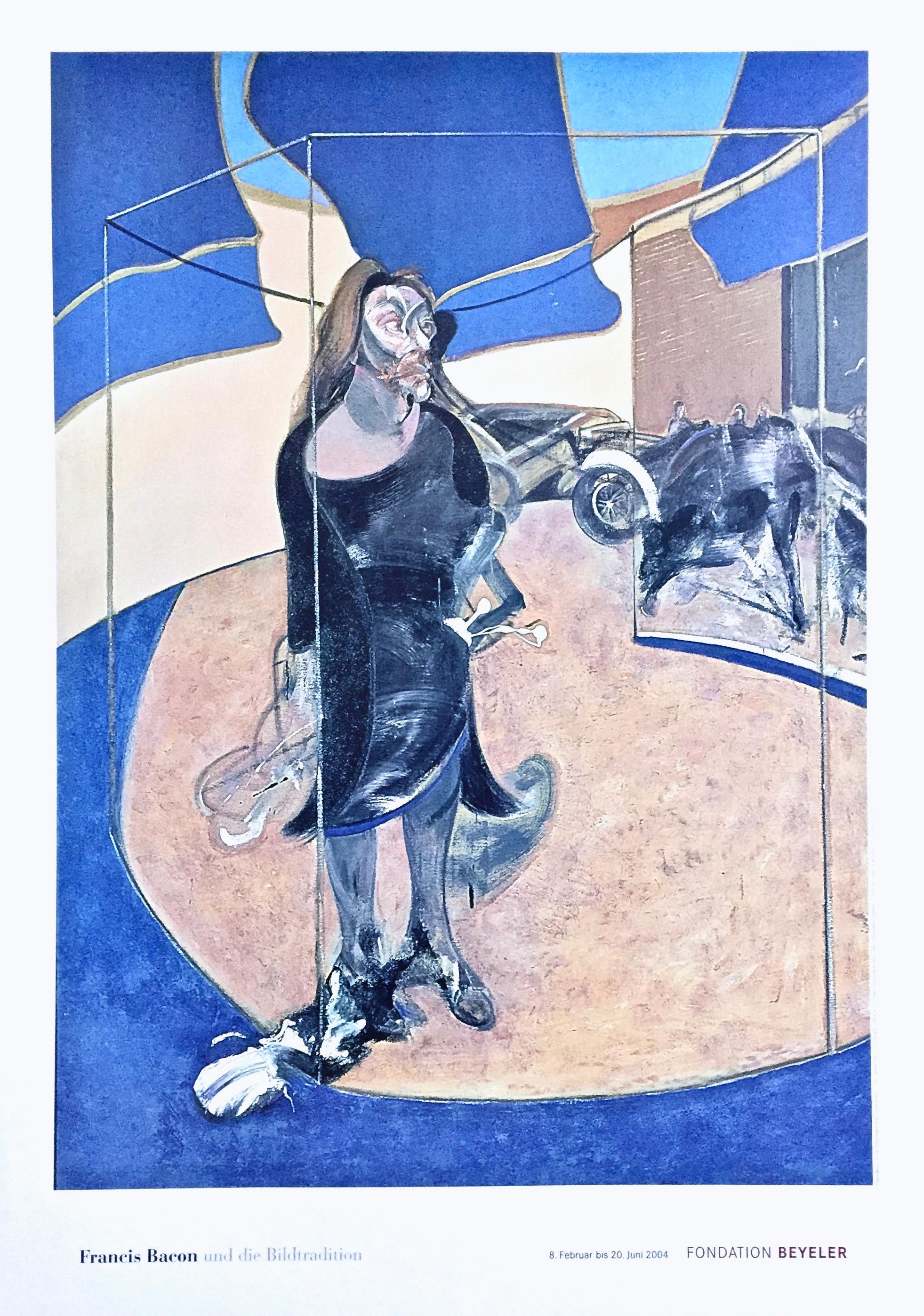
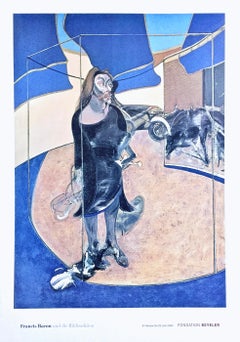
Bacon, Portrait Isabel Rawsthorne, 2003 (after)
By Francis Bacon
Located in Fairfield, CT
Artist: Francis Bacon (1909-1992) Title: Portrait Isabel Rawsthorne Year: 2003 Medium: Offset Lithograph on premium paper Size: 39.25 x 27.5 inches Condition: Excellent Notes: Publis...
Category

Early 2000s Abstract Expressionist Abstract Prints

Materials

Lithograph, Offset

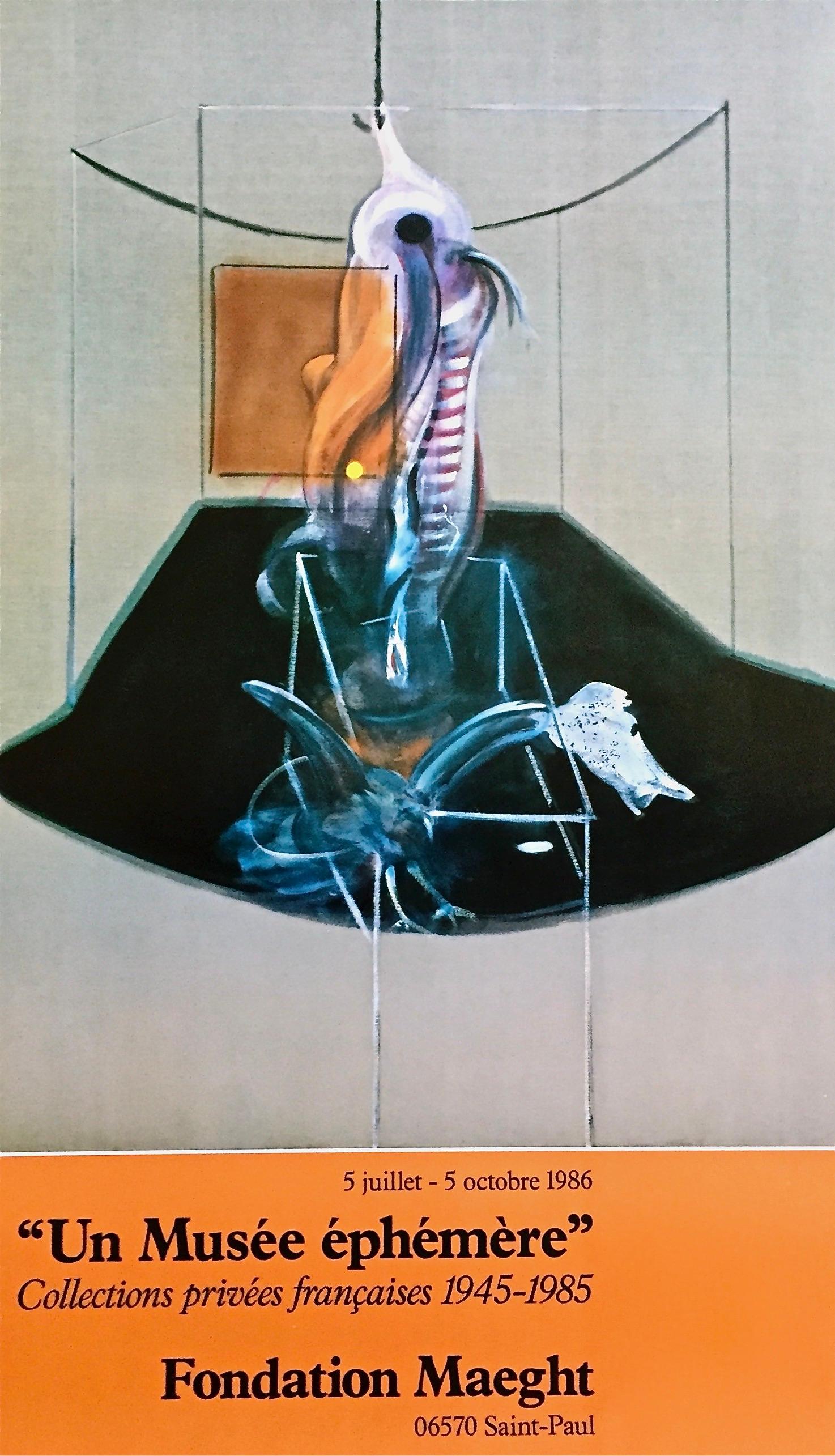
Bacon, Le Boeuf, 1986
By Francis Bacon
Located in Fairfield, CT
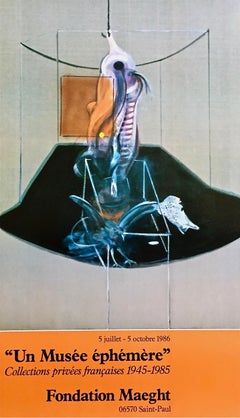
Artist: After Francis Bacon (1909-1992) Title: Le Boeuf, exhibition poster Year: 1986 Medium: Offset Lithograph on premium paper Size: 30.75 x 18 inches Condition: Excellent Notes: Published by Foundation Maeght FRANCIS BACON (1909-1992) Francis Bacon has a distinctive style as a figure painter. In his mature style, developed in the 1950s, the paintings include images of either friends or lovers, or images of people found in movie stills...
Category

1980s Abstract Expressionist Abstract Prints

Materials

Lithograph, Offset

Bacon, Le Boeuf, 1986
$316 Sale Price
20% Off
Time And Space - Black and White Lithograph On Paper
By I. Colon
Located in Soquel, CA
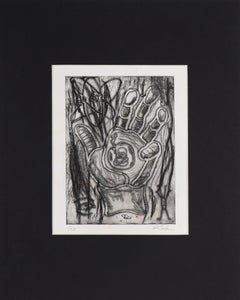
Striking abstract expressionist lithograph by I. Colon (20th Century). An open hand with a baby in the palm is the focal point with objects, including a spaceship, an eye and doodles...
Category

Late 20th Century Abstract Expressionist Figurative Prints

Materials

Paper, Ink, Lithograph