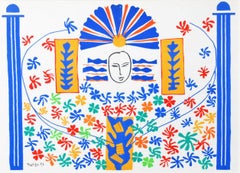
Items Similar to Matisse, Mille et une Nuit, Derrière le miroir (after)
Want more images or videos?
Request additional images or videos from the seller
1 of 10
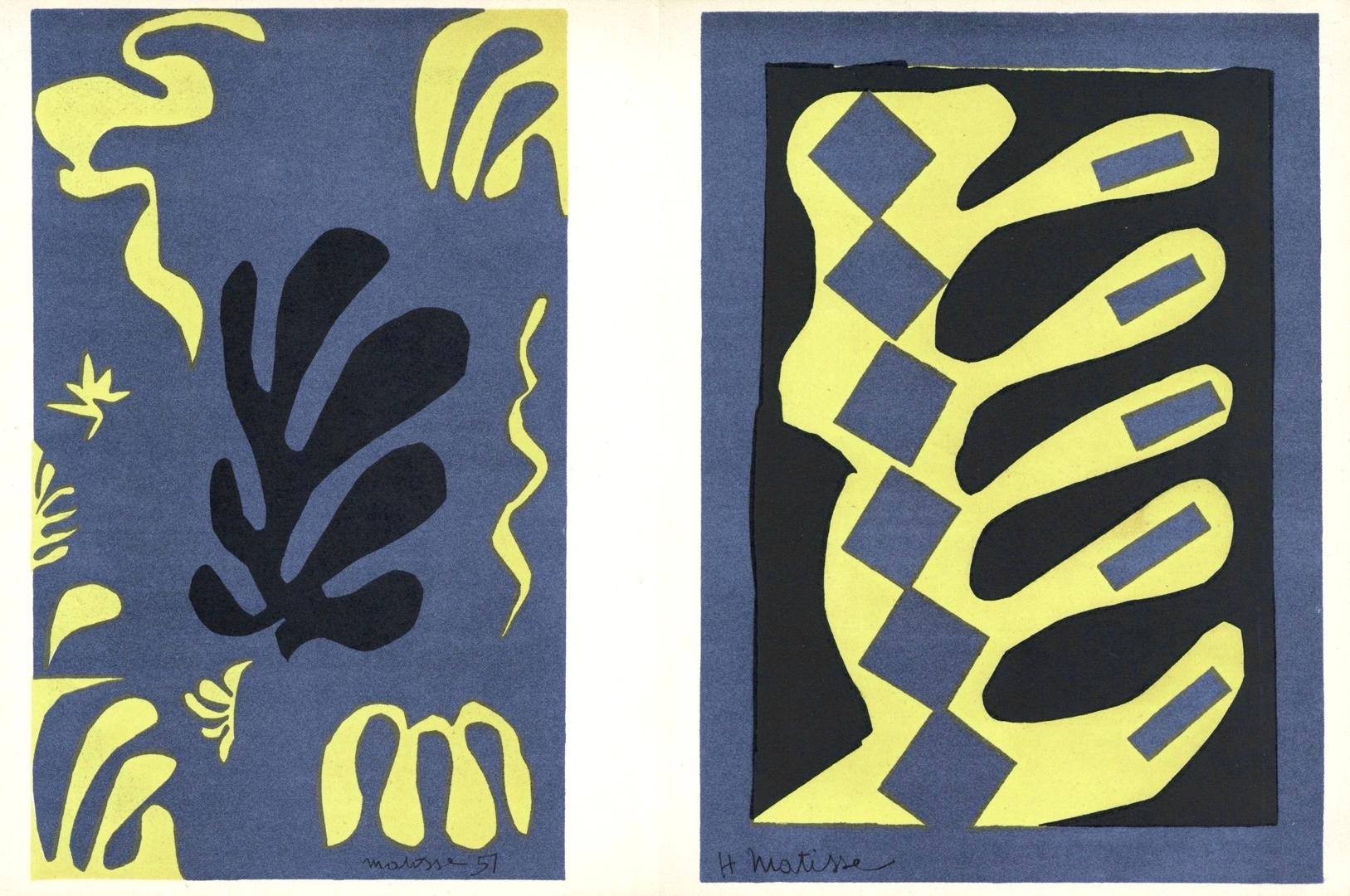
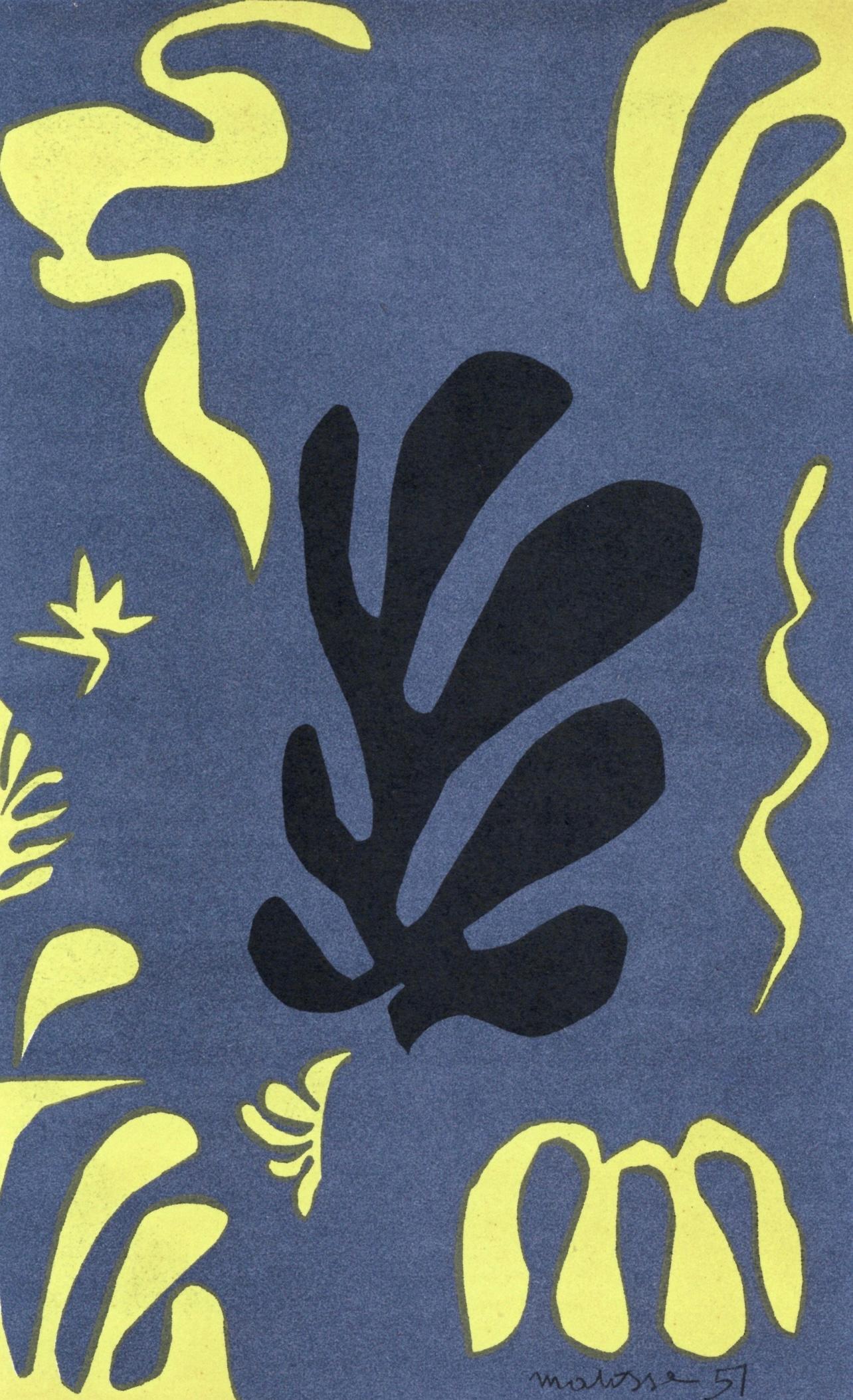
Matisse, Mille et une Nuit, Derrière le miroir (after)1951
1951
$1,996
$2,49520% Off
£1,514.77
£1,893.4620% Off
€1,745.34
€2,181.6720% Off
CA$2,820.03
CA$3,525.0420% Off
A$3,021.62
A$3,777.0220% Off
CHF 1,620.89
CHF 2,026.1120% Off
MX$35,791.47
MX$44,739.3420% Off
NOK 20,446.57
NOK 25,558.2120% Off
SEK 18,705.45
SEK 23,381.8120% Off
DKK 13,037.90
DKK 16,297.3720% Off
About the Item
Lithograph on vélin paper. Paper Size: 15 x 33 inches, with bifold, as issued. Inscription: Signed in the plate and unnumbered, as issued. Notes: From the folio, Derrière le miroir, Sur Quatre Murs, N° 36-37-38, 1951. Published by Aimé Maeght, Éditeur, Paris; printed by Éditions Pierre à Feu, Galerie Maeght, Paris, 1951. Additional notes: Excerpted from a Christie’s, New York lot essay, The life span of Derrière le Miroir was thirty-five years. Publication began in 1946. Aimé Maeght, initiator of Derrière le Miroir, had already made few attempts to start publications illustrated with fine printed lithographs in colours in the years prior to the launch of Derrière le Miroir. The name, Derrière le Miroir was suggested by Jacques Kober, manager of Galerie Maeght. The gallery had opened in 1945; the first number of Derrière le Miroir was released a year later. For this first issue Geer van Velde was invited to create lithographs to illustrate the publication. The lithographs in the first issue was printed by Mourlot, Paris. The first three issues of Derrière le Miroir were unsuccessful for Maeght as far as the edition size—the initial print-runs were far too large. From 30,000 for the first issue, the number was taken down to 10,000 for numbers two and three, until Derrière le Miroir number four was published in an edition of 1500. Maeght instituted a policy whereby unsold issues were recycled and used for the fabrication of new paper for the coming editions—this served to both conserve resources and also usually result in ultimate edition sizes far less than 1,500. With number four, the permanent format for Derrière le Miroir was established. Lithographs in colours were key; text was limited to comments on the featuring artist's exhibition taking place in the Galerie Maeght, and this catalogue format was defining to Derrière le Miroir. Galerie Maeght took on the leading role in Paris and presented all main artists including Braque, Matisse, Chagall, Léger, Bonnard, Chillida and many more. So too did Derrière le Miroir. The idea of a magazine was meanwhile still on the mind of Aimé Maeght. He found an insert as a solution. Two, and later four, pages of art review were inserted from 1952 onwards. In 1968 this find had ripened to independency and the dream of Aimé Maeght was now a tangible fact named l'Art vivant. Derrière le Miroir was on it's own again. Over 250 issues in a row. At that point publisher Aimé Maeght wished to make a mark with the publication of an hommage to all who once contributed to the magazine which came in the form of issue number 250, but was delayed by the death of Aimé Maeght. It was published after number 253 in 1982 and became a tribute to Aimé and Marguérite Maeght and 35 years of friendship with artists and poets. The era of Derrière le Miroir was closed with that final publication.
HENRI MATISSE (1869-1954) was a French artist, known for his use of colour and his fluid and original draughtsmanship. He was a draughtsman, printmaker, and sculptor, but is known primarily as a painter. Matisse is commonly regarded, along with Picasso and Marcel Duchamp, as one of the three artists who helped to define the revolutionary developments in the plastic arts in the opening decades of the 20th century, responsible for significant developments in painting and sculpture.
Although he was initially labeled a Fauve (wild beast), by the 1920s he was increasingly hailed as an upholder of the classical tradition in French painting. His mastery of the expressive language of colour and drawing, displayed in a body of work spanning over a half-century, won him recognition as a leading figure in modern art. In 2018, the Matisse’s painting. Odalisqque couchée aux magnolias sold for $80,750,000 at Christie's, which set a world record for the artist.
- Creation Year:1951
- Dimensions:Height: 15 in (38.1 cm)Width: 33 in (83.82 cm)
- Medium:
- Movement Style:
- After:Henri Matisse (1869-1954, French)
- Period:
- Condition:
- Gallery Location:Southampton, NY
- Reference Number:1stDibs: LU1465216417222
About the Seller
4.9
Platinum Seller
Premium sellers with a 4.7+ rating and 24-hour response times
Established in 1978
1stDibs seller since 2021
1,270 sales on 1stDibs
Typical response time: 1 hour
- ShippingRetrieving quote...Shipping from: Southampton, NY
- Return Policy
More From This Seller
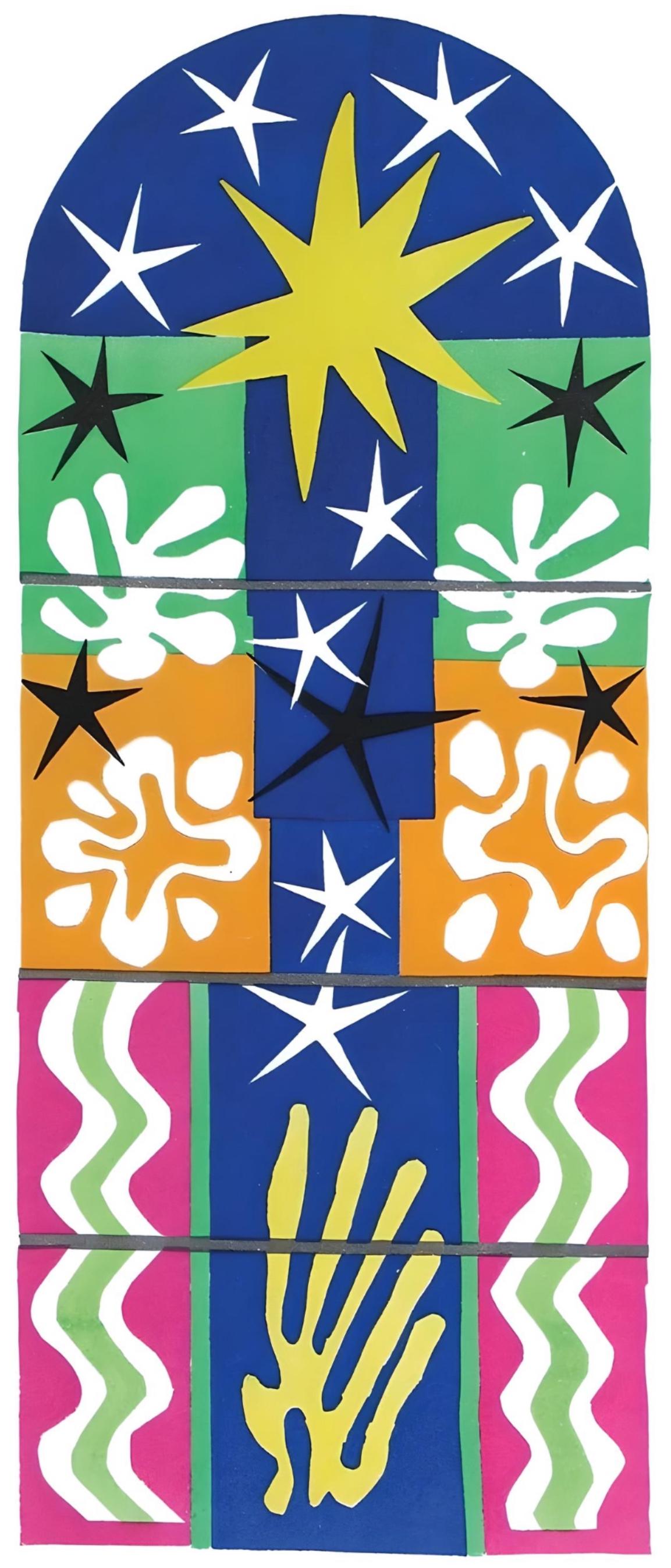
View AllHenri Matisse, Christmas Night, from Verve, Revue Artistique, 1958 (after)
By Henri Matisse
Located in Southampton, NY
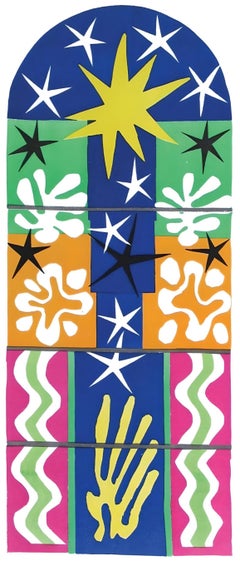
This exquisite lithograph after Henri Matisse (1869–1954), titled Nuit de Noel (Christmas Night), from Verve, Revue Artistique et Litteraire, Vol. IX, No. 35–36, originates from the 1958 issue published by Editions de la revue Verve, Paris, under the direction of Teriade, Editeur, Paris, and printed by Mourlot Freres, Paris, 1958. Created during Matisse’s final period, Nuit de Noel embodies his profound synthesis of form, color, and spirituality. The composition, evoking the calm radiance of the nativity, expresses a sense of universal harmony through luminous shapes and vibrant contrasts. This piece exemplifies Matisse’s late cut-out technique, where visual rhythm and color convey the serenity and joy of life and faith.
Executed as a lithograph on velin du Marais paper, this work measures 14 x 10.5 inches. Unsigned and unnumbered as issued. The edition exemplifies the superb craftsmanship of the Mourlot Freres atelier, faithfully capturing the coloristic richness and compositional rhythm of Matisse’s late paper cut-outs.
Artwork Details:
Artist: After Henri Matisse (1869–1954)
Title: Nuit de Noel (Christmas Night), from Verve, Revue Artistique et Litteraire, Vol. IX, No. 35–36, 1958
Medium: Lithograph on velin du Marais paper
Dimensions: 14 x 10.5 inches
Inscription: Unsigned and unnumbered as issued
Date: 1958
Publisher: Editions de la revue Verve, Paris, under the direction of Teriade, Editeur, Paris
Printer: Mourlot Freres, Paris
Catalogue raisonne reference: Duthuit, Claude. Henri Matisse: Catalogue raisonne des ouvrages illustres. Editions Claude Duthuit, Paris, 1988, illustration 139
Condition: Well preserved, consistent with age and medium
Provenance: From Verve, Revue Artistique et Litteraire, Vol. IX, No. 35–36, published by Editions de la revue Verve, Paris, 1958
Notes:
Excerpted from the publication, Verve, Revue Artistique et Litteraire, Vol. IX, No. 35–36, published under the direction of Teriade, Editeur, Paris, and printed by Mourlot Freres, Paris, 1958. This double issue of Verve was entirely devoted to the final works of Henri Matisse, composed of his celebrated gouache cut-outs, which the artist called “painting with scissors.” Completed shortly before his death, this issue represents the culmination of Matisse’s lifelong exploration of color, rhythm, and spiritual joy through the simplest means of expression.
About the Publication:
Verve, Revue Artistique et Litteraire was one of the most influential art periodicals of the 20th century, founded in Paris in 1937 by the visionary Greek-born publisher Teriade (Stratis Eleftheriades). Conceived as a synthesis of art and literature, Verve brought together the greatest modern artists and writers of its time—Henri Matisse, Pablo Picasso, Marc Chagall, Georges Braque, Joan Miro, Fernand Leger, and others—alongside poets and philosophers such as Paul Eluard, Albert Camus, and Jean-Paul Sartre. Each issue was a work of art in itself, luxuriously printed by master lithographers such as Mourlot Freres and produced in collaboration with leading typographers and designers. Verve became a platform for avant-garde creativity, publishing original lithographs and essays that reflected the evolving spirit of modernism. Matisse collaborated closely with Teriade from the magazine’s inception, producing some of its most iconic issues, including those devoted to his paper cut-outs. The final Verve issue of 1958, which featured La Tristesse du Roi, the Nu Bleu series, and Nuit de Noel, stands as a testament to Matisse’s enduring genius and to the publication’s legacy as the definitive meeting of art, poetry, and printing craftsmanship in 20th-century France.
About the Artist:
Henri Matisse (1869–1954) was a French painter, sculptor, draughtsman, and printmaker whose revolutionary vision redefined modern art through his daring use of color, line, and form. Celebrated as one of the greatest artists of the 20th century, Matisse led the Fauvist movement and devoted his life to the pursuit of balance, beauty, and emotional expression in visual art. His early works burst with vibrant hues and liberated brushwork, while his later “cut-out” compositions achieved a poetic simplicity that transformed the relationship between color and space. Deeply influenced by the work of Paul Cezanne, Vincent van Gogh, and Georges Seurat, as well as by the rhythmic patterns of Islamic art, Byzantine mosaics, and Japanese prints, Matisse forged a new visual language that celebrated joy, movement, and serenity. He was part of an extraordinary generation of artists who shaped the evolution of modernism, maintaining lifelong dialogue and friendly rivalry with contemporaries such as Pablo Picasso, Georges Braque, Marc Chagall, Andre Derain, Albert Marquet, and Raoul Dufy—peers who, like him, sought to expand the expressive potential of color and composition. Matisse’s influence extended across generations, inspiring modern and contemporary masters including Alexander Calder, Alberto Giacometti, Salvador Dali, Joan Miro, Wassily Kandinsky, Marcel Duchamp, and Man Ray, each of whom drew upon his fearless experimentation and refined visual harmony. His paintings, sculptures, and works on paper are held in the most prestigious museums in the world, including the Museum of Modern Art, the Centre Pompidou, the Tate, and the Hermitage Museum, where his art continues to symbolize the essence of creativity and human emotion. The highest price ever paid for a Henri Matisse artwork is approximately $80.8 million USD, achieved in 2018 at Christie’s New York for Odalisque couchee aux magnolias (1923).
Henri Matisse Nuit de Noel...
Category
1950s Modern Landscape Prints
Materials
Lithograph
$956 Sale Price
20% Off
Free Shipping
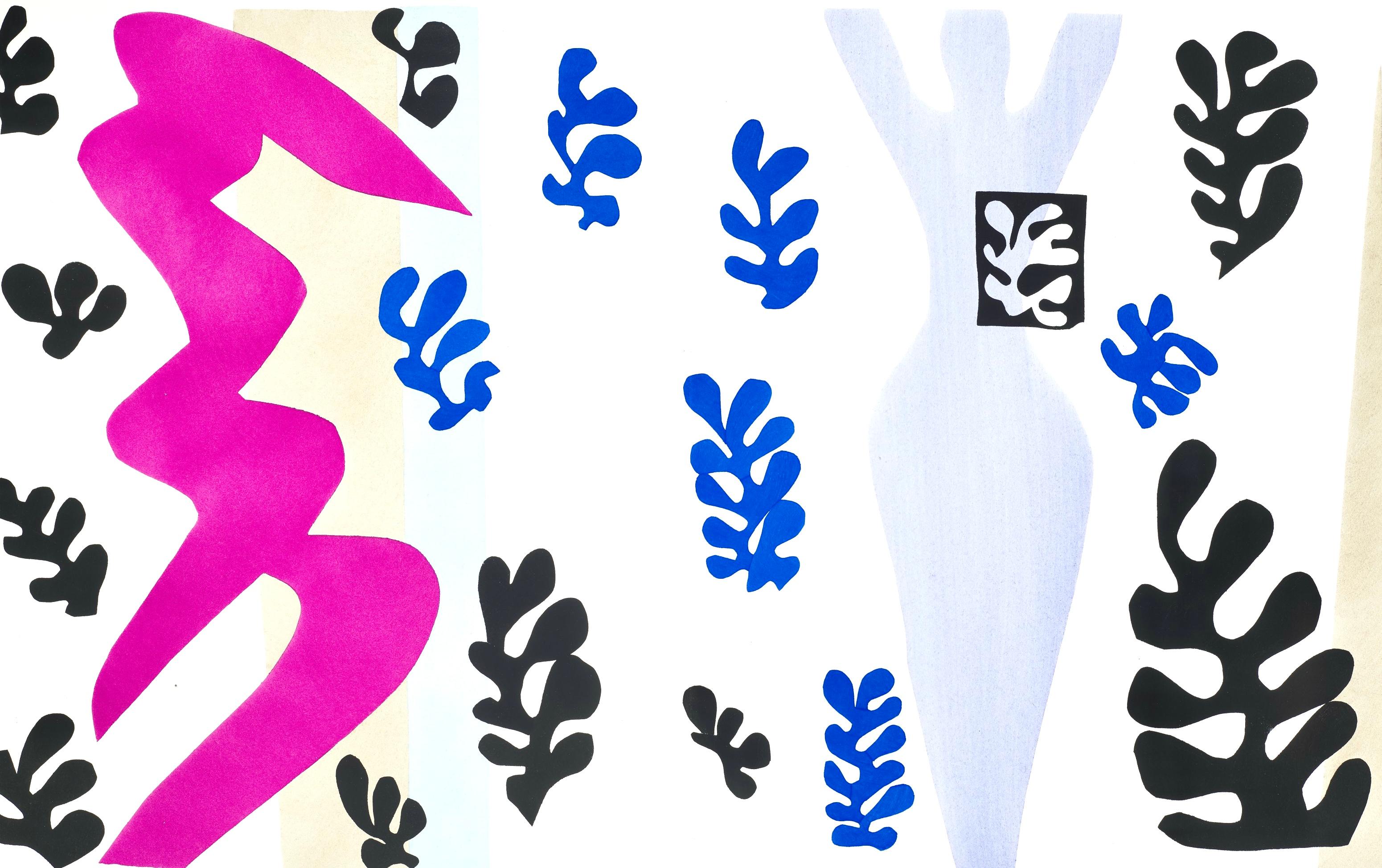
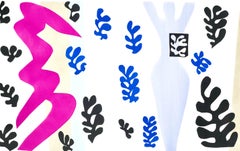
Henri Matisse, The Knife Thrower, Jazz, Special Edition for MoMA, 1983 (after)
By Henri Matisse
Located in Southampton, NY
This exquisite heliogravure after Henri Matisse (1869–1954), titled Le Lanceur de couteaux (The Knife Thrower), from Henri Matisse, Jazz, originates from the 1983 second edition publ...
Category
1980s Fauvist Abstract Prints
Materials
Lithograph
$796 Sale Price
20% Off
Free Shipping
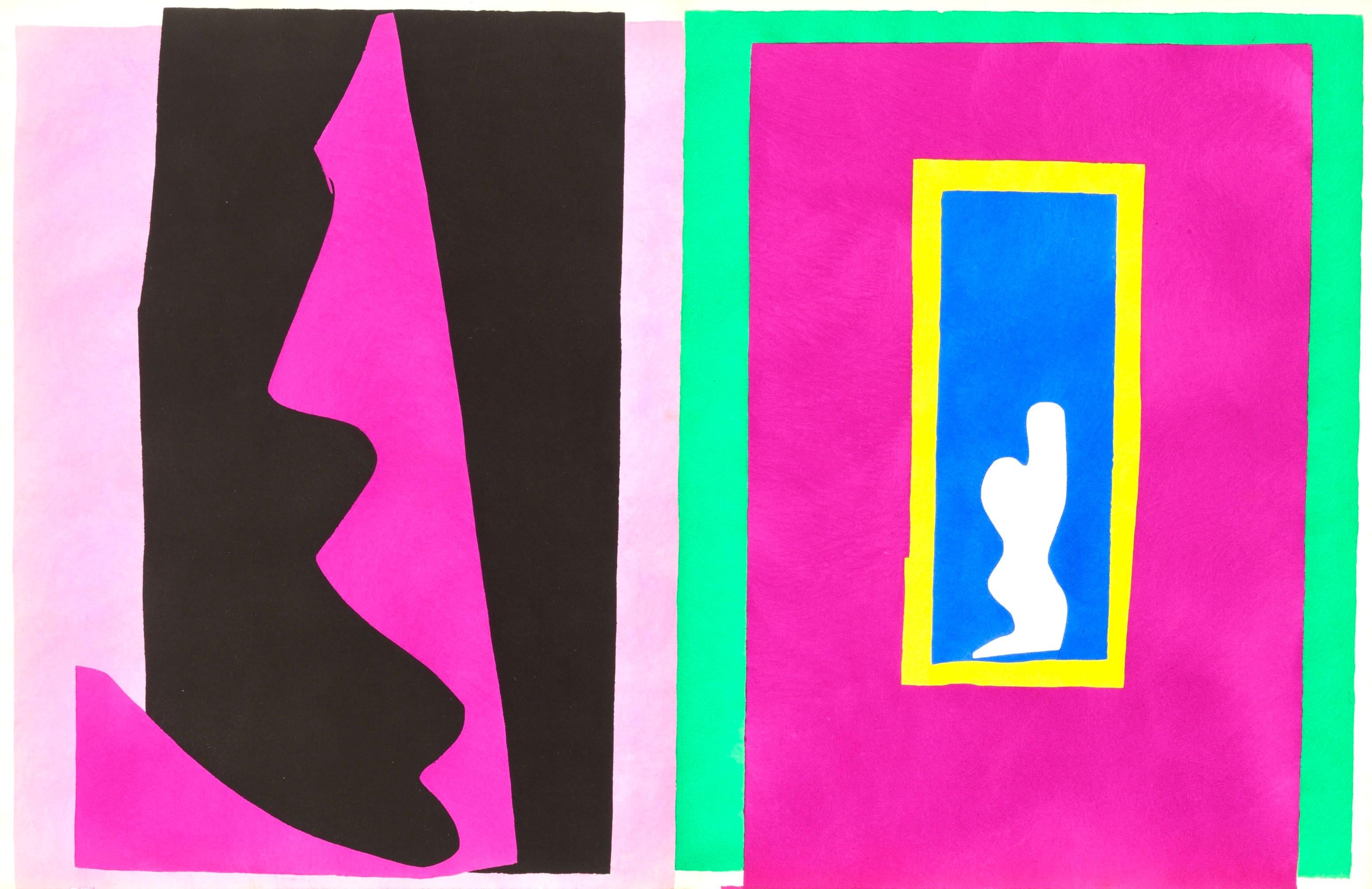
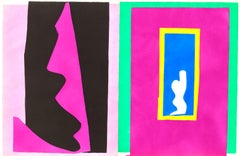
Henri Matisse, Destiny, from Jazz, Special Edition for MoMA, 1983 (after)
By Henri Matisse
Located in Southampton, NY
This exquisite heliogravure after Henri Matisse (1869–1954), titled Le Destin (Destiny), from Henri Matisse, Jazz, originates from the 1983 second edition published by George Brazill...
Category
1980s Fauvist Abstract Prints
Materials
Lithograph
$796 Sale Price
20% Off
Free Shipping
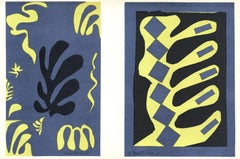
Henri Matisse, Decoupages, from XXe Siecle 1954 (after)
By Henri Matisse
Located in Southampton, NY
This exquisite lithograph after Henri Matisse (1869–1954), titled Decoupages (Cutouts), from the album XXe Siecle, Nouvelle serie N°4 (double) Janvie...
Category
1950s Fauvist Abstract Prints
Materials
Lithograph
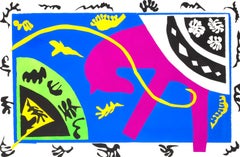
Henri Matisse, The Horse, the Rider, and the Clown, from Jazz, 1983 (after)
By Henri Matisse
Located in Southampton, NY
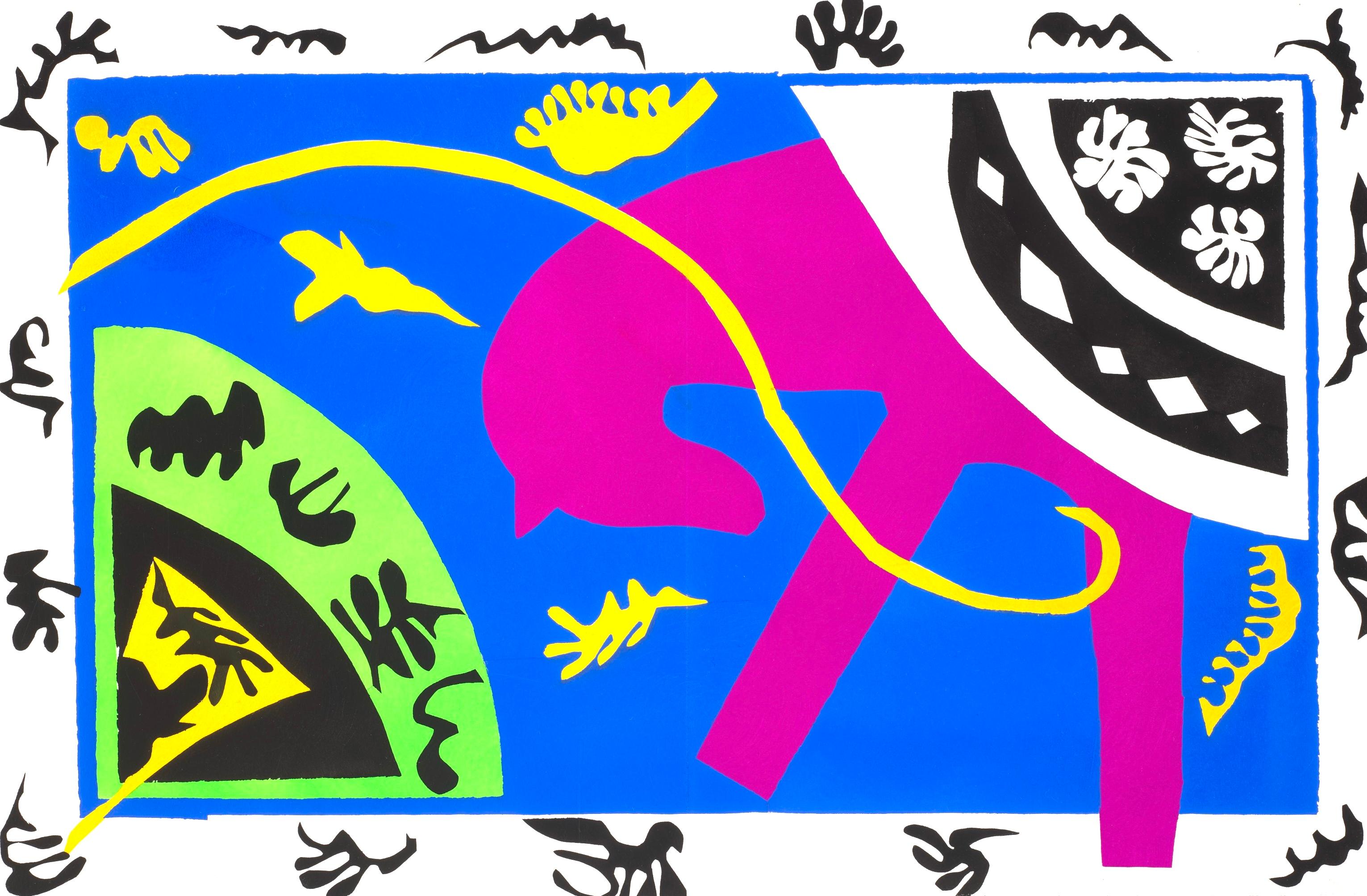
This exquisite heliogravure after Henri Matisse (1869–1954), titled Le cheval, l'écuyère et le clown (The Horse, the Rider, and the Clown), from Henri Matisse, Jazz, originates from ...
Category
1980s Fauvist Abstract Prints
Materials
Lithograph
$796 Sale Price
20% Off
Free Shipping
Henri Matisse, Decoupage, from XXe Siecle 1954 (after)
By Henri Matisse
Located in Southampton, NY
This exquisite lithograph after Henri Matisse (1869–1954), titled Decoupage (Decoupage), from the album XXe Siecle, Nouvelle serie N°4 (double) Janvier 1954, originates from the 1954 edition published by Societe Internationale dArt XXe Siecle, Paris, under the direction of Gualtieri di San Lazzaro, editeur, Paris, and printed by Mourlot Freres, Paris, 1954. Decoupage reflects Matisses late career mastery of distilled form, harmonious contour, and poetic abstraction.
Executed as a lithograph on velin paper, this work measures 12.5 x 9.75 inches. Signed in the plate and unnumbered as issued. The edition exemplifies the superb craftsmanship of Mourlot Freres, Paris
Artwork Details:
Artist: After Henri Matisse (1869–1954)
Title: Decoupage (Decoupage)
Medium: Lithograph on velin paper
Dimensions: 12.5 x 9.75 inches (31.75 x 24.77 cm)
Inscription: Signed in the plate and unnumbered as issued
Date: 1954
Publisher: Societe Internationale dArt XXe Siecle, Paris, under the direction of Gualtieri di San Lazzaro, editeur, Paris
Printer: Mourlot Freres, Paris
Condition: Well preserved, consistent with age and medium
Provenance: From the album XXe Siecle, Nouvelle serie N°4 (double) Janvier 1954, published by Societe Internationale dArt XXe Siecle, Paris; printed by Mourlot Freres, Paris, 1954
About the Publication:
Gualtieri di San Lazzaros XXe Siecle (Twentieth Century) was one of the most influential art journals of the modern era, founded in Paris in 1938 as a platform for the greatest painters, sculptors, and writers of the 20th century. San Lazzaro, a visionary editor, critic, and champion of modernism, believed that art and literature should coexist as expressions of a shared human imagination. Under his direction, XXe Siecle became a cultural bridge between Europe and the wider world, publishing special issues devoted to leading figures such as Picasso, Matisse, Chagall, Braque, Calder, Miro, Kandinsky, and Leger. Each edition combined essays by renowned critics and poets with original lithographs, linocuts, and pochoirs printed by the foremost ateliers of Paris, Milan, and New York, including Mourlot, Curwen, Atelier Lacouriere, and Amilcare Pizzi, creating a uniquely rich dialogue between text and image. The 1954 issue, Nouvelle serie N°4 (double), stands among the journals landmark mid century editions. Today, XXe Siecle remains an essential record of 20th century modernism, celebrated for its seamless integration of fine art, literature, and design.
About the Artist:
Henri Matisse (1869–1954) was a French painter, sculptor, draughtsman, and printmaker whose revolutionary vision redefined modern art through his daring use of color, line, and form. Celebrated as one of the greatest artists of the 20th century, Matisse led the Fauvist movement and devoted his life to the pursuit of balance, beauty, and emotional expression in visual art. His early works burst with vibrant hues and liberated brushwork, while his later cut out compositions achieved a poetic simplicity that transformed the relationship between color and space. Deeply influenced by the work of Paul Cezanne, Vincent van Gogh, and Georges Seurat, as well as by the rhythmic patterns of Islamic art, Byzantine mosaics, and Japanese prints, Matisse forged a new visual language that celebrated joy, movement, and serenity. He was part of an extraordinary generation of artists who shaped the evolution of modernism, maintaining lifelong dialogue and friendly rivalry with contemporaries such as Pablo Picasso, Georges Braque, Marc Chagall, Andre Derain, Albert Marquet, and Raoul Dufy peers who, like him, sought to expand the expressive potential of color and composition. Matisses influence extended across generations, inspiring modern and contemporary masters including Alexander Calder, Alberto Giacometti, Salvador Dali, Joan Miro, Wassily Kandinsky, Marcel Duchamp, and Man Ray, each of whom drew upon his fearless experimentation and refined visual harmony. His paintings, sculptures, and works on paper are held in the most prestigious museums in the world, including the Museum of Modern Art, the Centre Pompidou, the Tate, and the Hermitage Museum, where his art continues to symbolize the essence of creativity and human emotion. The highest price ever paid for a Henri Matisse artwork is approximately 80.8 million USD, achieved in 2018 at Christies New York for Odalisque couchee aux magnolias (1923).
Henri Matisse Decoupage...
Category
1950s Fauvist Abstract Prints
Materials
Lithograph
You May Also Like
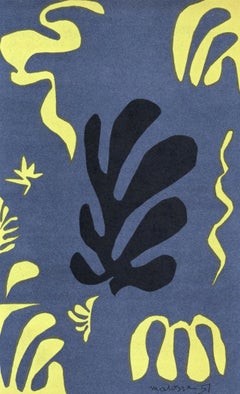
Zulma
By (after) Henri Matisse
Located in Washington, DC
Artist: Henri Matisse (after)
Title: Zulma
Portfolio: The Last Works of Henri Matisse
Medium: Lithograph
Date: 1958
Edition: 2000
Frame Size: 21" x 15"
Sheet Size: 14" x 10 1/2"
Sign...
Category
1950s Abstract Abstract Prints
Materials
Lithograph

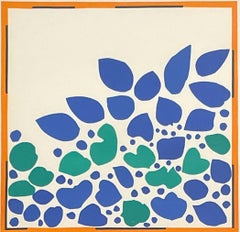
Henri Matisse Color Lithograph, 1958, Framed, "Lierre"
By (after) Henri Matisse
Located in Washington, DC
Artist: Henri Matisse (after)
Medium: Original lithograph
Title: Lierre
Portfolio: The Last Works of Henri Matisse
Year: 1958
Edition: 2000
Framed Size: 17" x 17"
Sheet Size: 14" x 1...
Category
1950s Fauvist Landscape Prints
Materials
Lithograph
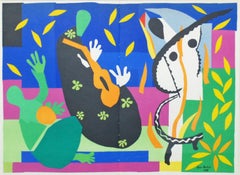
Henri Matisse (after) La Tristesse du Roi (The Sadness of the King)
By (after) Henri Matisse
Located in Washington, DC
Artist: Henri Matisse (after)
Title: La Tristesse du Roi (The Sadness of the King)
Portfolio: The Last Works of Henri Matisse
Medium: Lithograph
Year: 1958
Edition: 2000
Frame Size: ...
Category
1950s Fauvist Landscape Prints
Materials
Lithograph
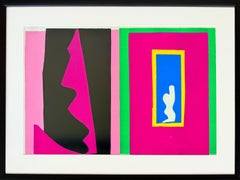
Le Destin (Destiny)
By Henri Matisse
Located in OPOLE, PL
Henri Matisse (1869-1954) - Le Destin (Destiny)
Lithograph from 1983.
Dimensions of sheet: 61 x 39 cm
Dimensions in frame: 73 x 53 cm
Publisher: George Brazilier, New York.
Prin...
Category
1950s Surrealist More Prints
Materials
Lithograph
Henri Matisse (after) Danseuse Creole
By (after) Henri Matisse
Located in Washington, DC
Artist: Henri Matisse (after)
Title: Danseuse Creole
Portfolio: The Last Works of Henri Matisse
Medium: Lithograph
Date: 1958
Edition: 2000
Frame Size: 21 1/4" x 17"
Sheet Size: 14" ...
Category
1950s Abstract Abstract Prints
Materials
Lithograph
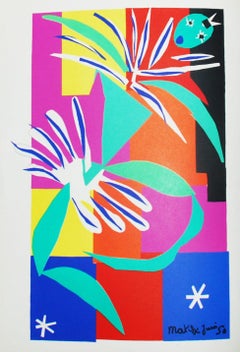
Henri Matisse (after) Apollon
By (after) Henri Matisse
Located in Washington, DC
Artist: Henri Matisse (after)
Title: Apollon
Portfolio: The Last Works of Henri Matisse
Medium: Lithograph
Year: 1958
Edition: 2000
Frame Size: 21 1/2" x 26"
Sheet Size: 14" x 21"
S...
Category
1950s Figurative Prints
Materials
Lithograph