Want more images or videos?
Request additional images or videos from the seller
1 of 6

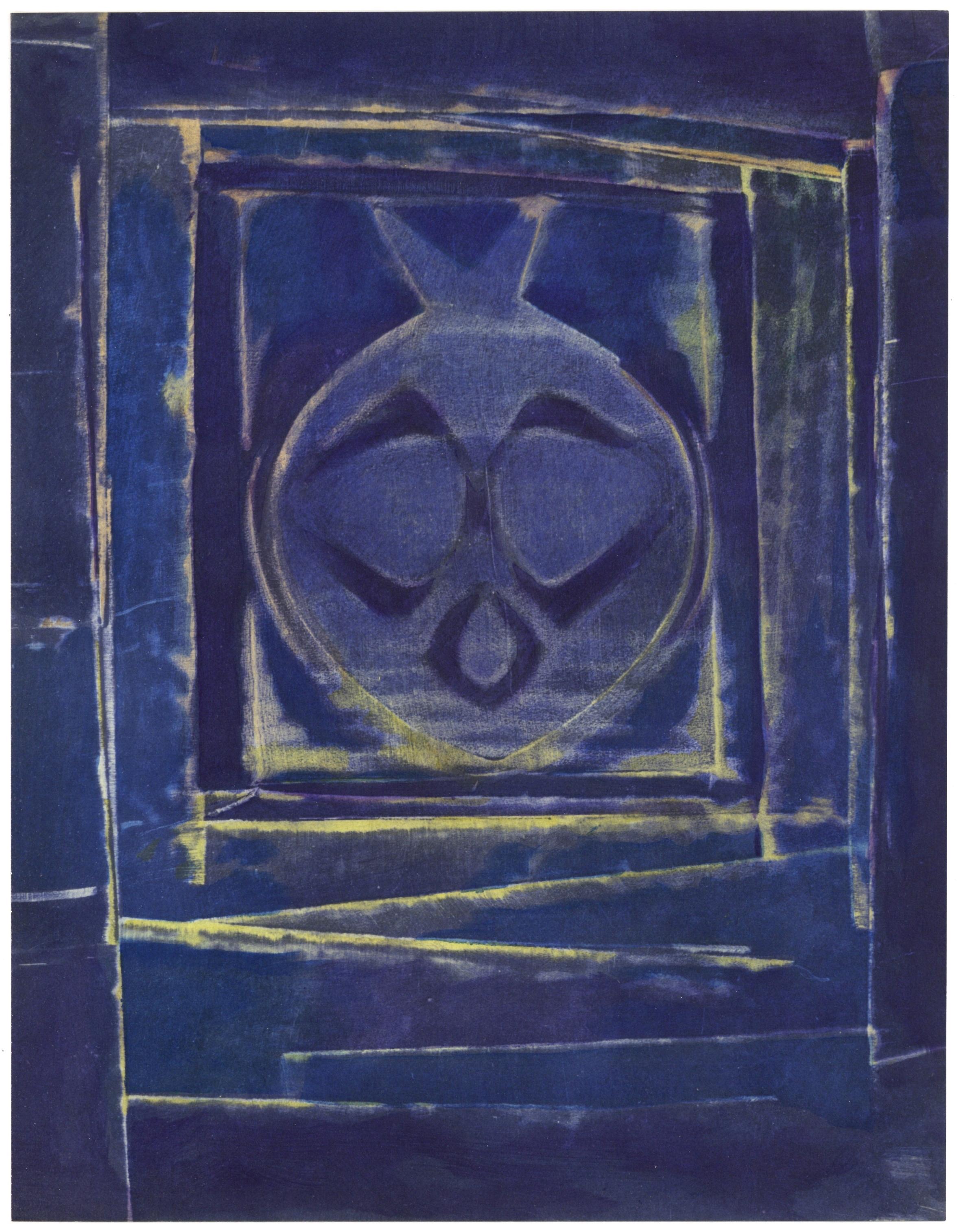
Max Ernst
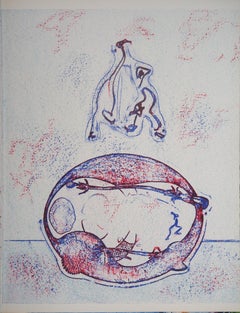
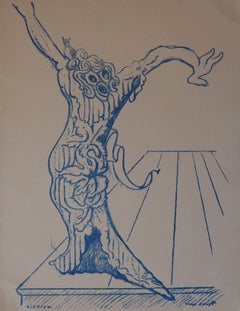
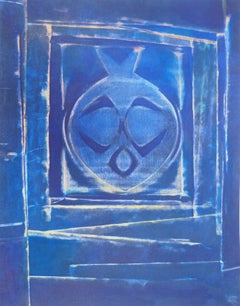
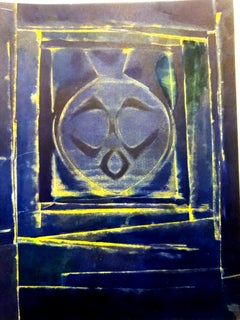
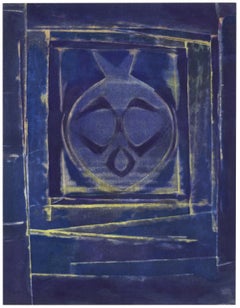
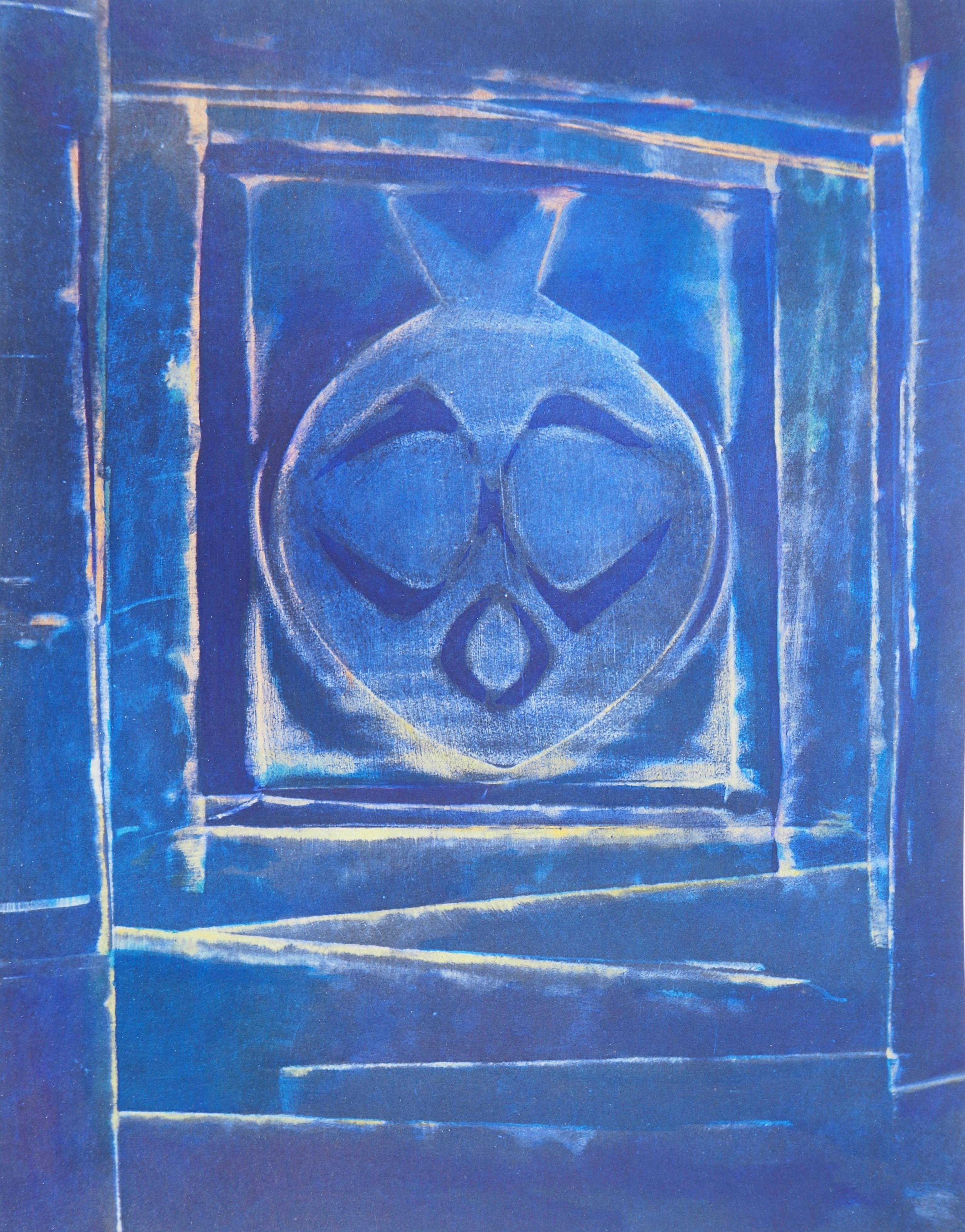
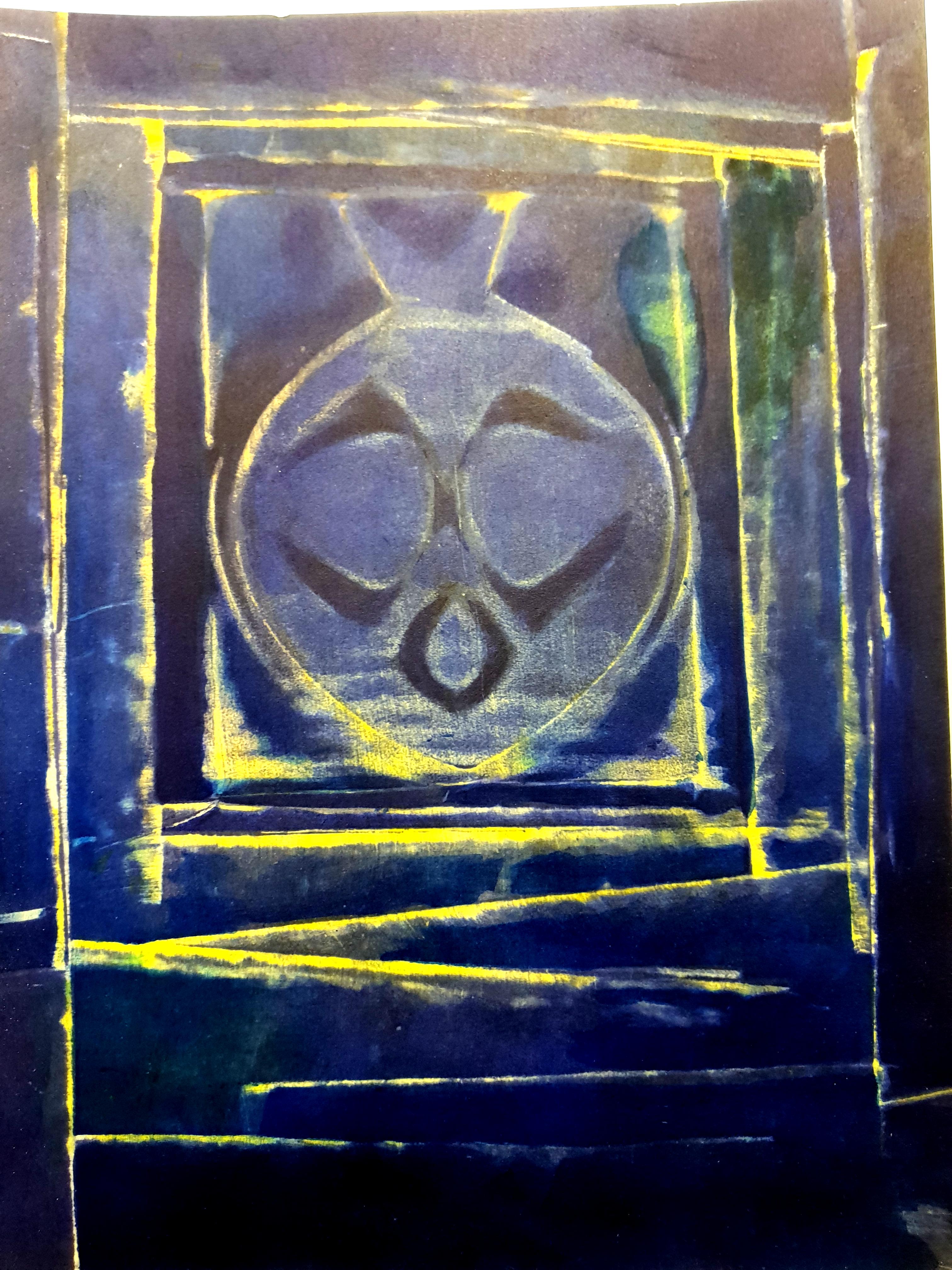
Composition with Blue Vase - Lithograph and stencil, 1958

1958

$356.95
£265.58
€300
CA$494.42
A$529.76
CHF 284.18
MX$6,275.11
NOK 3,584.78
SEK 3,279.52
DKK 2,285.86

About the Item

Max ERNST Composition with Blue Vase, 1958 Lithograph and stencil (Jacomet workshop) after a painting On wove paper 31 x 24 cm (c. 12 x 10 in) Edited by San Lazarro, 1958 Excellent condition
  • Creator:
    Max Ernst (1891-1976, American, German, French)
  • Creation Year:
    1958
  • Dimensions:
    Height: 12.21 in (31 cm)Width: 9.45 in (24 cm)
  • Medium:
  • Movement Style:
  • Period:
  • Condition:
  • Gallery Location:
    Paris, FR
  • Reference Number:
    1stDibs: LU46435737222

More From This Seller

View All
Surrealist Composition - Original Lithograph (Leppien/Spies #202B), 1971
By Max Ernst
Located in Paris, IDF
Max ERNST Surrealist Composition : Après-moi le XX° siècle, 1971 Original lithograph in colours Unsigned On wove paper 31 x 24 cm (c. 12,2 x 9,4 inches) REFERENCES : Catalogue rais...
Category

1960s Modern Animal Prints

Materials

Lithograph

Birds - Original lithograph (Leppien/Spies #88)
By Max Ernst
Located in Paris, IDF
Max ERNST Birds Original lithograph, 1963 on vellum 33 x 25 cm REFERENCES : Catalogue raisonné Leppien/Spies # 88 Excellent condition
Category

1960s Modern Animal Prints

Materials

Lithograph

Electra - Original lithograph
By Max Ernst
Located in Paris, IDF
Max ERNST Electra Stone Lithograph Printed signature in the plate On cream vellum 31 x 24 cm (c. 12.5 x 10 inch) Excellent condition
Category

1950s Surrealist Abstract Prints

Materials

Lithograph

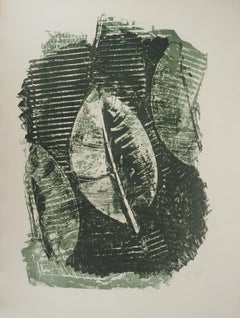
Ficus Elastica - Original lithograph - Limited / 25 copies
By Max Ernst
Located in Paris, IDF
Max ERNST (1891-1976) Ficus Elastica, c. 1965 Original lithograph Unsigned Numbered / XXV copies On Japanese paper 57 x 42 cm INFORMATION: Edition produced by Lucien Treillard, pub...
Category

1960s Surrealist Figurative Prints

Materials

Lithograph

Abstract Window - Original color Etching and Aquatint - 1967
By Josef Sima
Located in Paris, IDF
Joseph SIMA Abstract Window Original etching and aquatint On Johannot vellum 37.5 x 28 cm (c. 15 x 11 inch) From the illustrated book PAROLES PEINTES III (PAINTED WORDS III) Publish...
Category

1960s Abstract Abstract Prints

Materials

Etching, Aquatint

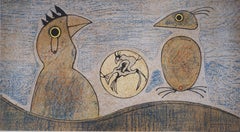
Surrealist Dream : Couple of Roosters - Original lithograph (Spies #p. 438)
By Max Ernst
Located in Paris, IDF
Max Ernst (1891-1976) Surrealist Dream : Couple of Roosters, 1970 Original color lithograph Printed signature in the plate On Arches vellum 33.5 × 61 cm (c. 13 x 24 in) REFERENCES...
Category

1970s Surrealist Animal Prints

Materials

Lithograph

You May Also Like

Max Ernst, The Hundred Headless Woman, from XXe Siecle, 1958
By Max Ernst
Located in Southampton, NY
This exquisite lithograph and pochoir by Max Ernst (1891–1976), titled La femme 100 tetes (The Woman with 100 Heads), from the album XXe Siecle, Nouvelle serie, XXe Annee, No. 10 (double) Mars 1958, originates from the 1958 edition published by Societe Internationale dArt XXe Siecle, Paris, under the direction of Gualtieri di San Lazzaro, editeur, Paris, and printed by Atelier Daniel Jacomet et Cie, Paris, 1958. La femme 100 tetes reflects Ernsts distinctive synthesis of dream logic, visual poetry, and psychological transformation during one of the most influential periods of his Surrealist production. Executed as a lithograph and pochoir on velin paper, this work measures 12.5 x 9.75 inches. Unsigned and unnumbered as issued. The edition exemplifies the superb craftsmanship of Atelier Daniel Jacomet et Cie, Paris. Artwork Details: Artist: Max Ernst (1891–1976) Title: La femme 100 tetes (The Woman with 100 Heads) Medium: Lithograph and pochoir on velin paper Dimensions: 12.5 x 9.75 inches (31.75 x 24.77 cm) Inscription: Unsigned and unnumbered as issued Date: 1958 Publisher: Societe Internationale dArt XXe Siecle, Paris, under the direction of Gualtieri di San Lazzaro, editeur, Paris Printer: Atelier Daniel Jacomet et Cie, Paris Condition: Well preserved, consistent with age and medium Provenance: From the album XXe Siecle, Nouvelle serie, XXe Annee, No. 10 (double) Mars 1958, published by Societe Internationale dArt XXe Siecle, Paris; printed by Atelier Daniel Jacomet et Cie, Paris, 1958 About the Publication: Gualtieri di San Lazzaros XXe Siecle (Twentieth Century) was one of the most influential art journals of the modern era, founded in Paris in 1938 as a platform for the greatest painters, sculptors, and writers of the 20th century. San Lazzaro, a visionary editor, critic, and champion of modernism, believed that art and literature should coexist as expressions of a shared human imagination. Under his direction, XXe Siecle became a cultural bridge between Europe and the wider world, publishing special issues devoted to leading figures such as Picasso, Matisse, Chagall, Braque, Calder, Miro, Kandinsky, and Leger. Each edition combined essays by renowned critics and poets with original lithographs and woodcuts printed by the foremost ateliers of Paris, Milan, and New York, including Mourlot, Curwen, and Amilcare Pizzi, creating a uniquely rich dialogue between text and image. The 1960 issue, XXe Siecle, Nouvelle serie, No. 14, showcased Daphnis et Chloe, one of Chagalls most celebrated lithographic subjects, coinciding with his work on the monumental suite of lithographs inspired by the same pastoral tale, published by Teriade. Through this publication, San Lazzaro further cemented Chagalls reputation as the modern poet of color and love, uniting myth, nature, and emotion in visual form. Today, XXe Siecle remains an essential record of 20th century modernism, celebrated for its seamless integration of fine art, literature, and design. About the Artist: Max Ernst (1891–1976) was a German-French painter, sculptor, printmaker, and poet whose groundbreaking imagination and experimental techniques made him one of the most revolutionary figures of 20th century art, a founding member of both Dada and Surrealism who dismantled traditional notions of art through chance, dream imagery, and psychological exploration; born in Bruhl, Germany, he studied philosophy and psychology at the University of Bonn before rejecting academic convention to pursue art, inspired by Symbolism, Cubism, and the early abstractions of Pablo Picasso and Wassily Kandinsky; after the trauma of World War I propelled him toward the Dada movement in Cologne, he began creating seminal collages that fused scientific diagrams and Victorian engravings into surreal dreamscapes; by 1922 he had moved to Paris and joined a circle of avant-garde luminaries including Picasso, Alexander Calder, Alberto Giacometti, Salvador Dali, Joan Miro, Marcel Duchamp, Man Ray, and Andre Breton, each of whom shared his fascination with the irrational and the unseen; Ernsts invention of frottage (rubbing) and grattage (scraping) revolutionized modern painting, revealing textures and hidden images below the surface and allowing chance to participate in creation; his visionary paintings—from The Elephant Celebes and Two Children Are Threatened by a Nightingale to Europe After the Rain II—blend myth, science, and dream into symbolic landscapes that remain among the defining masterpieces of Surrealism; a restless innovator, he expanded into sculpture with enigmatic totemic forms such as Capricorne, echoing the equilibrium of Calders mobiles and the conceptual wit of Duchamp; fleeing Nazi-occupied France during World War II, he emigrated to the United States with the support of Peggy Guggenheim, influencing Abstract Expressionists including Jackson Pollock, Robert Motherwell, and Willem de Kooning before returning to Europe to refine his poetic, alchemical approach to art; represented in MoMA, the Tate, the Centre Pompidou, and major museums worldwide, Ernst remains a cornerstone of modern art whose legacy continues to influence generations of artists. His highest auction record was achieved by Le roi jouant avec la reine (The King Playing with the Queen) (1944), which sold for approximately 24.4 million USD at Christies New York in November 2022. Max Ernst XXe Siecle 1958, Max Ernst lithograph...
Category

1950s Surrealist Abstract Prints

Materials

Lithograph

(after) Max Ernst - Blue Bird - Stencil
By (after) Max Ernst
Located in Collonge Bellerive, Geneve, CH
Max Ernst (after) - Blue Bird - Stencil Published in the deluxe art review, XXe Siecle, 1958 Dimensions: 32 x 25 cm Publisher: G. di San Lazzaro. Max Ernst was born in Bruhl, a place near Cologne, in Germany. He was raised in a strict Catholic family, and both of his parents were disciplinarians who were dedicated to training their children into God-fearing and talented individuals. Although his father was deaf, Ernst learned so much from him, particularly when it comes to painting. In fact, much of his early years were lived under the inspiration of his father who was also a teacher. He was the one who introduced painting to Ernst at an early age. In 1914, Ernst attended the University of Bonn where he studied philosophy. However, he eventually dropped out of school because he was more interested in the arts. He claimed that his primary sources of interest included anything that had something to do with painting. Moreover, he became fascinated with psychology, among other subjects in school. Primarily, Ernst's love for painting was the main reason why he became deeply interested with this craft and decided to pursue it later on in his life. During his early years, he became familiar with the works of some of the greatest artists of all time including Claude Monet, Paul Cezanne and Vincent van Gogh. He was also drawn to themes such as fantasy and dream imagery, which were among the common subjects of the works of Giorgio de Chirico. During World War I, Ernst was forced to join the German Army, and he became a part of the artillery division that exposed him greatly to the drama of warfare. A soldier in the War, Ernst emerged deeply traumatized and highly critical of western culture. These charged sentiments directly fed into his vision of the modern world as irrational, an idea that became the basis of his artwork. Ernst's artistic vision, along with his humor and verve come through strongly in his Dada and Surrealists works; Ernst was a pioneer of both movements. It was Ernst's memories of the war and his childhood that helps him create absurd, yet interesting scenes in his artworks. Soon, he took his passion for the arts seriously when he returned to Germany after the war. With Jean Arp, a poet and artist, Ernst formed a group for artists in Cologne. He also developed a close relationship with fellow artists in Paris who propagated Avant-Garde artworks. In 1919, Ernst started creating some of his first collages, where he made use of various materials including illustrated catalogs and some manuals that produced a somewhat futuristic image. His unique masterpieces allowed Ernst to create his very own world of dreams and fantasy, which eventually helped heal his personal issues and trauma. In addition to painting and creating collages, Ernst also edited some journals. He also made a few sculptures that were rather queer in appearance. In 1920s, influenced by the writings of psychologist Sigmund Freud, the literary, intellectual, and artistic movement called Surrealism sought a revolution against the constraints of the rational mind; and by extension, they saw the rules of a society as oppressive. Surrealism also embraces a Marxist ideology that demands an orthodox approach to history as a product of the material interaction of collective interests, and many renown Surrealism artists later on became 20th century Counterculture symbols such as Marxist Che Guevara. In 1922 Ernst moved to Paris, where the surrealists were gathering around Andre Breton. In 1923 Ernst finished Men Shall Know Nothing of This, known as the first Surrealist painting. Ernst was one of the first artists who apply The Interpretation of Dreams by Freud to investigate his deep psyche in order to explore the source of his own creativity. While turning inwards unto himself, Ernst was also tapping into the universal unconscious with its common dream imagery. Despite his strange styles, Ernst gained quite a reputation that earned him some followers throughout his life. He even helped shape the trend of American art during the mid-century, thanks to his brilliant and extraordinary ideas that were unlike those of other artists during his time. Ernst also became friends with Peggy Guggenheim, which inspired him to develop close ties with the abstract expressionists. When Ernst lived in Sedona, he became deeply fascinated with the Southwest Native American navajo art. In fact, the technique used in this artwork inspired him and paved the way for him to create paintings that depicted this style. Thus, Ernst became a main figure of this art technique, including the rituals and spiritual traditions included in this form of art. Pollock, aside from the other younger generations of abstract expressionists, was also inspired by sand painting of the Southwest...
Category

1950s Surrealist Animal Prints

Materials

Stencil

pochoir
By (after) Max Ernst
Located in Henderson, NV
Medium: pochoir. Printed at the atelier of Daniel Jacomet in 1958 for the art revue XXe Siecle (issue number 10) published in Paris by San Lazzaro. Size: 12 3/8 x 9 1/2 inches (315 x...
Category

1950s Surrealist Abstract Prints

Materials

Lithograph

Zodiaque - Etching by Max Ernst - 1971
By Max Ernst
Located in Roma, IT
" Zodiaque " is an etching realized by Max Ernst in 1971. This print is hand signed and numbered. This is an edition of 100 prints. Reference: Catalogue Spies n. 144. Originally a ...
Category

1970s Surrealist Abstract Prints

Materials

Etching

Max Ernst Untitled 1965 #107A Surrealist Etching Aquatint in colors Blue Yellow
By Max Ernst
Located in Rancho Santa Fe, CA
Max Ernst "Untitled" 1965 Etching and aquatint in colors, on Arches paper. 7.8 x 5.39 inches Publisher: Georges Visat, Paris. Total edition: 100 copies +...
Category

1960s Surrealist Abstract Prints

Materials

Archival Paper, Etching, Aquatint

Après Moi le XXème Siècle - Lithograph by Max Ernst - 1971
By Max Ernst
Located in Roma, IT
Après moi is an artwork reazlized by Max Ernst as deluxe edition for the Art Magazine XXème Siècle. Lithograph on japanese paper, 1971. Edition 14/80. Hand signed and numbered. 29 x...
Category

1970s Surrealist Abstract Prints

Materials

Lithograph