1950s Abstract Prints

to
555
596
200
177
19
7
Overall Width
to
Overall Height
to
347
305
131
80
28
16
6
2
2
1
93
58
43
31
30
12
95
13,977
6,704
5
24
60
172
317
1,000
2,355
5,030
2,154
1,088
5
745
246
5
3
2
2
2
1
1
1
1
1
1
1
1
780
78
52
41
38
79
153
697
264
Period: 1950s
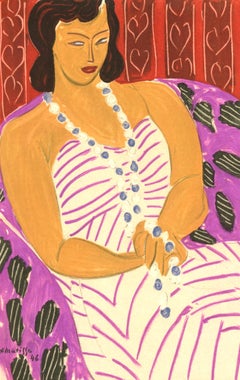
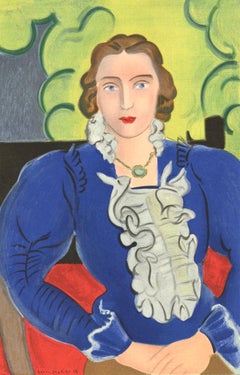
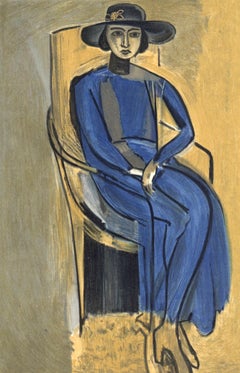
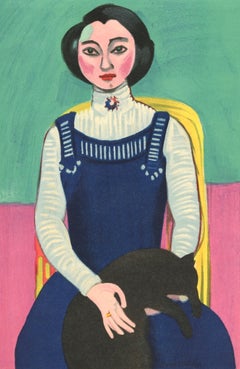
Henri Matisse, Zora, the Yellow Dress, Portraits by Henri Matisse, 1954 (after)
Located in Southampton, NY
This exquisite lithograph after Henri Matisse (1869–1954), titled Zora, la robe jaune (Zora, the Yellow Dress), from the album Portraits par Henri Matisse (Portraits by Henri Matisse...
Category

Fauvist 1950s Abstract Prints

Materials

Lithograph

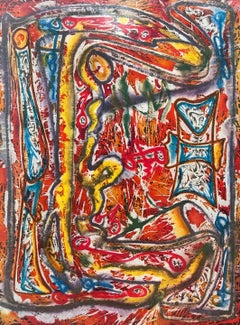
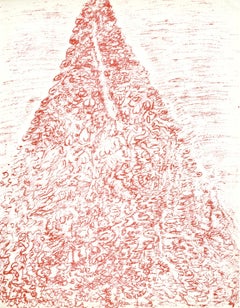
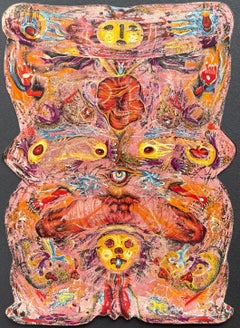
Alfonso Ossorio, Number IV, from Initiatory Paintings, 1951 (after)
Located in Southampton, NY
This exquisite collotype after Alfonso Ossorio (1916–1990), titled Peinture initiatique IV (Initiatory Painting IV), from the album Peintures initiatiques d'Alfonso Ossorio (Initiato...
Category

Abstract Expressionist 1950s Abstract Prints

Materials

Lithograph

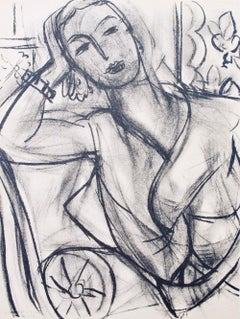
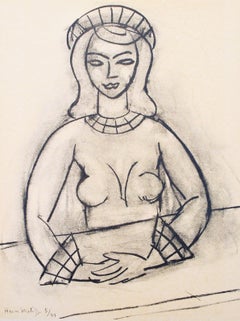
Henri Matisse, Mrs. F.H., from Portraits by Henri Matisse, 1954 (after)
Located in Southampton, NY
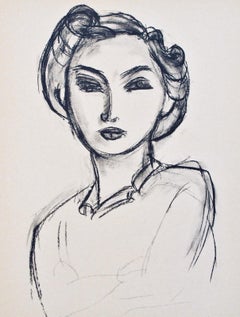
This exquisite lithograph after Henri Matisse (1869–1954), titled Madame F.H. (Mrs. F.H.), from the album Portraits par Henri Matisse (Portraits by Henri Matisse), originates from th...
Category

Fauvist 1950s Abstract Prints

Materials

Lithograph

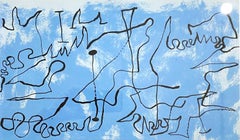
Pablo Palazuelo, Untitled, from Derriere le miroir, 1952
Located in Southampton, NY
This exquisite lithograph by Pablo Palazuelo (1916–2007), titled Sans titre (Untitled), from the folio Derriere le miroir, Tendance, No. 50, originates from the 1952 edition publishe...
Category

Modern 1950s Abstract Prints

Materials

Lithograph

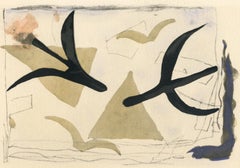
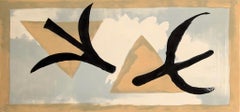
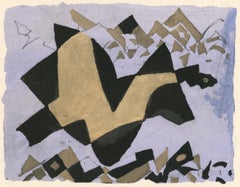
Georges Braque, Study of Birds, from Le Solitaire, XXe siecle, 1959 (after)
Located in Southampton, NY
This exquisite lithograph and pochoir after Georges Braque (1882–1963), titled Etude oiseaux (Study of Birds), from the album Georges Braque, Le Solitaire (The Solitary), originates ...
Category

Cubist 1950s Abstract Prints

Materials

Lithograph

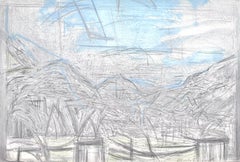
Alberto Giacometti, Landscape, from Derriere le miroir, 1954 (after)
Located in Southampton, NY
This exquisite lithograph after Alberto Giacometti (1901–1966), titled Paysage (Landscape), from the folio Derriere le miroir, No. 65, originates from the 1954 edition published by M...
Category

Modern 1950s Abstract Prints

Materials

Lithograph

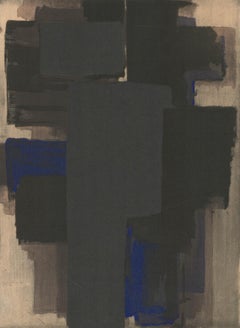
Pierre Soulages, Untitled, from XXe Siecle, 1956
Located in Southampton, NY
This exquisite lithograph and pochoir by Pierre Soulages (1919–2022), titled Sans titre (Untitled), from the album XXe Siecle, Nouvelle serie, No. 7 (double), Juin 1956, originates f...
Category

Modern 1950s Abstract Prints

Materials

Lithograph

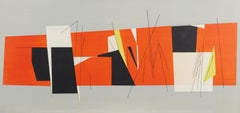
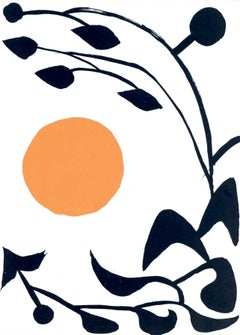
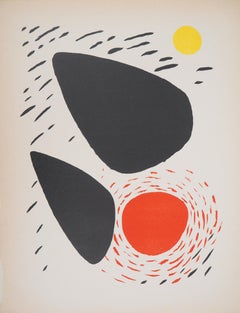
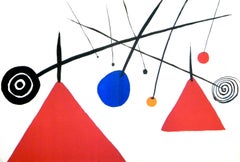
Alexander Calder, Orange Sun, from Derriere le miroir, 1954
Located in Southampton, NY
This exquisite lithograph by Alexander Calder (1898–1976), titled Soleil orange (Orange Sun), from the folio Derriere le miroir, No. 69–70, originates from the 1954 edition published by Maeght Editeur, Paris, and printed by Mourlot Freres, Paris, 1954. This work captures Calder’s mastery of motion, balance, and vibrant color through the spontaneous energy of his abstract forms, embodying the rhythmic harmony and visual poetry that defined his art. Executed as a lithograph on velin paper, this work measures 15 x 11 inches. Unsigned and unnumbered as issued. The edition exemplifies the superb craftsmanship of Mourlot Freres, Paris. Artwork Details: Artist: Alexander Calder (1898–1976) Title: Soleil orange (Orange Sun), from the folio Derriere le miroir, No. 69–70 Medium: Lithograph on velin paper Dimensions: 15 x 11 inches (38.1 x 27.9 cm) Inscription: Unsigned and unnumbered as issued Date: 1954 Publisher: Maeght Editeur, Paris Printer: Mourlot Freres, Paris Condition: Well preserved, consistent with age and medium Provenance: From the folio Derriere le miroir, No. 69–70, published by Maeght Editeur, Paris; printed by Mourlot Freres, Paris, 1954 About the Publication: Derriere le miroir (Behind the Mirror) was one of the most important art publications of the 20th century, created and published by Maeght Editeur in Paris from 1946 to 1982. Founded by the visionary art dealer and publisher Aime Maeght, the series served as both an exhibition catalogue and a work of art in its own right, uniting original lithographs by leading modern and contemporary artists with critical essays, poetry, and design of the highest quality. Printed by master lithographers such as Mourlot Freres and Arte, Derriere le miroir became synonymous with the artistic vanguard of postwar Europe. Each issue was devoted to a single artist or theme and published to accompany exhibitions at the Galerie Maeght in Paris, featuring works by Pablo Picasso, Henri Matisse, Georges Braque, Joan Miro, Marc Chagall, Alexander Calder, Fernand Leger, and Alberto Giacometti, among others. The publication reflected Maeght’s belief that art should be both accessible and elevated—an ideal realized through its luxurious production values, meticulous printing, and collaboration with the greatest creative minds of its time. About the Artist: Alexander Calder (1898–1976) was an American sculptor, painter, and printmaker whose pioneering innovations in kinetic art revolutionized 20th-century sculpture and transformed modern visual language. Born in Lawnton, Pennsylvania, into a family of artists, Calder initially trained as a mechanical engineer at the Stevens Institute of Technology before turning to art at the Art Students League in New York—a combination of technical precision and creative imagination that defined his career. Moving to Paris in 1926, he immersed himself in the avant-garde and formed friendships with Pablo Picasso, Alberto Giacometti, Joan Miro, Wassily Kandinsky, Salvador Dali, Marcel Duchamp, and Man Ray, whose ideas profoundly shaped his artistic philosophy. From Picasso, he absorbed structural invention; from Miro, lyrical abstraction; from Kandinsky, spiritual geometry; and from Duchamp and Man Ray, the courage to merge intellect and play. In Paris, Calder created his famous Cirque Calder, a miniature mechanical circus that introduced motion and performance as central components of sculpture, and by the early 1930s, he invented the mobile—a term coined by Duchamp—to describe his delicately balanced, moving sculptures that responded to air currents. Later, Jean Arp would name his stationary counterparts stabiles. These two inventions—sculptures that could either float and spin gracefully or stand monumentally still—transformed art into a dynamic dialogue between movement, balance, and space. Calder’s signature forms, painted in vivid reds, blacks, blues, and yellows, embodied both joy and precision, creating an art that was at once abstract, organic, and deeply human. Like Kandinsky and Miro, he viewed art as a form of rhythm and emotion; like Duchamp, he embraced innovation and humor; and like Giacometti and Dali, he was fascinated by perception, structure, and the unseen forces of motion. His monumental public sculptures—such as La Grande Vitesse (1969) in Grand Rapids and Flamingo (1973) in Chicago—redefined public art as a symbol of civic optimism and modern progress. A key bridge between European modernism and American abstraction, Calder’s influence extended to artists including Jean Tinguely, George Rickey, Donald Judd, Ellsworth Kelly, Richard Serra, and Olafur Eliasson, whose works in kinetic and spatial art continue to echo his vision. His gouaches, prints, and jewelry carried the same balance and movement as his sculptures, revealing a unified language of rhythm across media. Represented in every major modern museum—including MoMA, the Guggenheim, the Tate, and the Centre Pompidou—Calder remains celebrated for merging engineering, color, and poetry into an art of pure equilibrium. Standing alongside Pablo Picasso, Alexander Calder, Alberto Giacometti, Salvador Dali, Joan Miro, Wassily Kandinsky, Marcel Duchamp, and Man Ray, he remains one of the cornerstones of modern art—a visionary whose works breathe with motion, grace, and joy. His highest auction record was achieved by Poisson Volant (Flying Fish) (1957), which sold for $25.9 million at Christie’s, New York, on May 15, 2014, reaffirming Alexander Calder’s enduring legacy as one of the most inventive, dynamic, and collectible artists in the history of modern art. Alexander Calder Soleil...
Category

Modern 1950s Abstract Prints

Materials

Lithograph

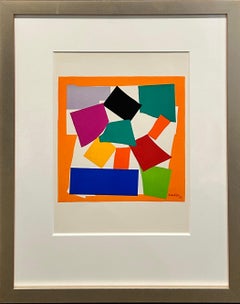
L Escargot Modern Art Colour Lithograph on Wove Paper
Located in Toronto, ON
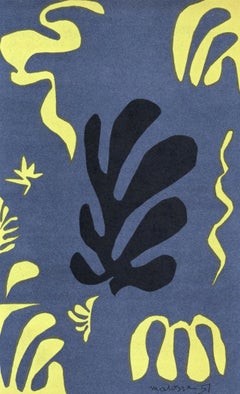
Signed on the plate by Matisse. From the portfolio ‘Dernières Oeuvres de Matisse 1950-1954’, known as Verve Vol. IX No. 35 & 36. Printed by Mourlot in Paris. Henri Matisse oversaw ...
Category

Fauvist 1950s Abstract Prints

Materials

Lithograph

Wassily Kandinsky, Composition IV, from Derriere le miroir, 1955 (after)
Located in Southampton, NY
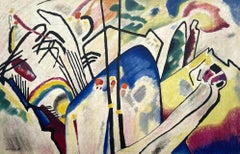
This exquisite lithograph after Wassily Kandinsky (1866–1944), titled Komposition IV (Composition IV), from the folio Derriere le miroir, No. 77–78, originates from the 1955 edition ...
Category

Modern 1950s Abstract Prints

Materials

Lithograph

Henri Matisse, Mrs. Dorothy Parley, Portraits by Henri Matisse, 1954 (after)
Located in Southampton, NY
This exquisite heliogravure after Henri Matisse (1869–1954), titled Madame Dorothy Parley (Mrs. Dorothy Parley), from the album Portraits par Henri Matisse (Portraits by Henri Matiss...
Category

Fauvist 1950s Abstract Prints

Materials

Lithograph

Henri Matisse, Decoupage, from XXe Siecle 1954 (after)
Located in Southampton, NY
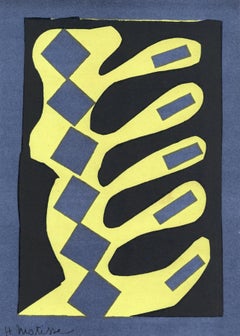
This exquisite lithograph after Henri Matisse (1869–1954), titled Decoupage (Decoupage), from the album XXe Siecle, Nouvelle serie N°4 (double) Janvier 1954, originates from the 1954...
Category

Fauvist 1950s Abstract Prints

Materials

Lithograph

Henri Matisse, Decoupage, from XXe Siecle 1954 (after)
Located in Southampton, NY
This exquisite lithograph after Henri Matisse (1869–1954), titled Decoupage (Decoupage), from the album XXe Siecle, Nouvelle serie N°4 (double) Janvier 1954, originates from the 1954...
Category

Fauvist 1950s Abstract Prints

Materials

Lithograph

Henri Matisse, Mrs. L.D., from Portraits by Henri Matisse, 1954 (after)
Located in Southampton, NY
This exquisite lithograph after Henri Matisse (1869–1954), titled Madame L.D. (Mrs. L.D.), from the album Portraits par Henri Matisse (Portraits by Hen...
Category

Fauvist 1950s Abstract Prints

Materials

Lithograph

Zulma
Located in Washington, DC
Artist: Henri Matisse (after) Title: Zulma Portfolio: The Last Works of Henri Matisse Medium: Lithograph Date: 1958 Edition: 2000 Frame Size: 21" x 15" Sheet Size: 14" x 10 1/2" Sign...
Category

Abstract 1950s Abstract Prints

Materials

Lithograph

Henri Matisse, Mrs. Mary Hutchinson, Portraits by Henri Matisse, 1954 (after)
Located in Southampton, NY
This exquisite heliogravure after Henri Matisse (1869–1954), titled Madame Mary Hutchinson (Mrs. Mary Hutchinson), from the album Portraits par Henri Matisse (Portraits by Henri Mati...
Category

Fauvist 1950s Abstract Prints

Materials

Lithograph

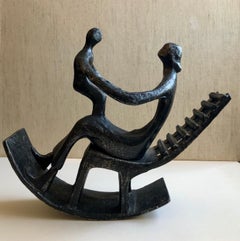
In the style of Henry Moore, Mother and Child in Rocking Chair
Located in Surfside, FL
This is a cast metal sculpture of a woman and child, mother and baby in a rocking chair. It has a patina on a white metal. Not sure if it is steel or aluminum. It is and older vintage piece and has wear to patina where it sits and rocks on table. It is not signed or numbered and there is no foundry mark. Hence it is being sold as being after or in the manner of Henry Moore. Henry Spencer Moore (1898 – 1986) Moore was born in Castleford, the son of a coal miner. He became well-known through his carved marble and larger-scale abstract cast bronze sculptures, and was instrumental in introducing a particular form of modernism to the United Kingdom later endowing the Henry Moore Foundation, which continues to support education and promotion of the arts. After the Great War, Moore received an ex-serviceman's grant to continue his education and in 1919 he became a student at the Leeds School of Art (now Leeds College of Art), which set up a sculpture studio especially for him. At the college, he met Barbara Hepworth, a fellow student who would also become a well-known British sculptor, and began a friendship and gentle professional rivalry that lasted for many years. In Leeds, Moore also had access to the modernist works in the collection of Sir Michael Sadler, the University Vice-Chancellor, which had a pronounced effect on his development. In 1921, Moore won a scholarship to study at the Royal College of Art in London, along with Hepworth and other Yorkshire contemporaries. While in London, Moore extended his knowledge of primitive art and sculpture, studying the ethnographic collections at the Victoria and Albert Museum and the British Museum. Moore's familiarity with primitivism and the influence of sculptors such as Constantin Brâncuși, Jacob Epstein, Henri Gaudier-Brzeska and Frank Dobson led him to the method of direct carving, in which imperfections in the material and marks left by tools became part of the finished sculpture. After Moore married, the couple moved to a studio in Hampstead at 11a Parkhill Road NW3, joining a small colony of avant-garde artists who were taking root there. Shortly afterward, Hepworth and her second husband Ben Nicholson moved into a studio around the corner from Moore, while Naum Gabo, Roland Penrose, Cecil Stephenson and the art critic Herbert Read also lived in the area (Read referred to the area as "a nest of gentle artists"). This led to a rapid cross-fertilization of ideas that Read would publicise, helping to raise Moore's public profile. The area was also a stopping-off point for many refugee artists, architects and designers from continental Europe en route to America—some of whom would later commission works from Moore. In 1932, after six year's teaching at the Royal College, Moore took up a post as the Head of the Department of Sculpture at the Chelsea School of Art. Artistically, Moore, Hepworth and other members of The Seven and Five Society would develop steadily more abstract work, partly influenced by their frequent trips to Paris and their contact with leading progressive artists, notably Pablo Picasso, Georges Braque, Jean Arp and Alberto Giacometti. Moore flirted with Surrealism, joining Paul Nash's modern art movement "Unit One", in 1933. In 1934, Moore visited Spain; he visited the cave of Altamira (which he described as the "Royal Academy of Cave Painting"), Madrid, Toledo and Pamplona. Moore made his first visit to America when a retrospective exhibition of his work opened at the Museum of Modern Art in New York City.[28] Before the war, Moore had been approached by educator Henry Morris, who was trying to reform education with his concept of the Village College. Morris had engaged Walter Gropius as the architect for his second village college at Impington near Cambridge, and he wanted Moore to design a major public sculpture for the site. In the 1950s, Moore began to receive increasingly significant commissions. He exhibited Reclining Figure: Festival at the Festival of Britain in 1951, and in 1958 produced a large marble reclining figure for the UNESCO building in Paris. With many more public works of art, the scale of Moore's sculptures grew significantly and he started to employ an increasing number of assistants to work with him at Much Hadham, including Anthony Caro and Richard Wentworth. Moore produced at least three significant examples of architectural sculpture during his career. In 1928, despite his own self-described "extreme reservations", he accepted his first public commission for West Wind for the London Underground Building at 55 Broadway in London, joining the company of Jacob Epstein and Eric Gill. At an introductory speech in New York City for an exhibition of one of the finest modernist sculptors, Alberto Giacometti, Sartre spoke of "The beginning and the end of history...
Category

Modern 1950s Abstract Prints

Materials

Metal

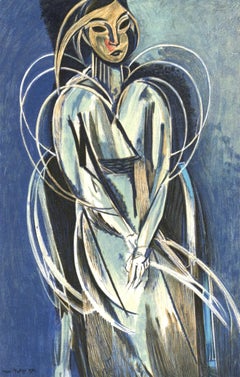
Henri Matisse, Miss Yvonne Landsberg, Portraits by Henri Matisse, 1954 (after)
Located in Southampton, NY
This exquisite lithograph after Henri Matisse (1869–1954), titled Mademoiselle Yvonne Landsberg (Miss Yvonne Landsberg), from the album Portraits par Henri Matisse (Portraits by Henr...
Category

Fauvist 1950s Abstract Prints

Materials

Lithograph

Henri Matisse, Mrs. L.D., from Portraits by Henri Matisse, 1954 (after)
Located in Southampton, NY
This exquisite lithograph after Henri Matisse (1869–1954), titled Madame L.D. (Mrs. L.D.), from the album Portraits par Henri Matisse (Portraits by Hen...
Category

Fauvist 1950s Abstract Prints

Materials

Lithograph

Joan Miro (Plate 3)
Located in Washington, DC
Artist: Joan Miro Title: Joan Miro (Plate 3) Portfolio: Joan Miro Medium: Original lithograph Year: 1956 Edition: Unnumbered Framed Size: 16 1/4" x 22 1/4" Sheet Size: 9" x 15" Signa...
Category

Abstract 1950s Abstract Prints

Materials

Lithograph

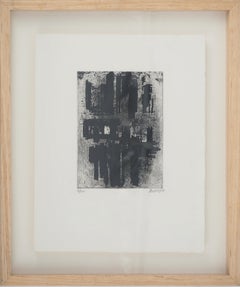
Etching IV - Original etching, HANDSIGNED Numbered (BNF #4)
Located in Paris, IDF
Pierre SOULAGES (1919-2022) Etching IV, 1957 Original etching (Lacourière workshop) Signed in pencil Numbered / 100 On BFK Rives vellum, 32.5 x 25 (c 13 x 10 in) Presented in woodfr...
Category

Abstract 1950s Abstract Prints

Materials

Etching

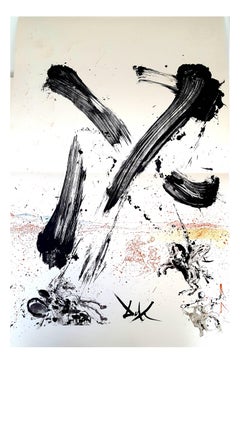
Salvador Dali - Attack on the Windmils - Original Lithograph
Located in Collonge Bellerive, Geneve, CH
Salvador Dali - Attack on the Windmils - Original Lithograph Joseph FORET, Paris, 1957 PRINTER : Atelier Mourlot. SIGNATURE : printed in the image LIMITED : 197 copies. SIZE : 64.5...
Category

Surrealist 1950s Abstract Prints

Materials

Lithograph

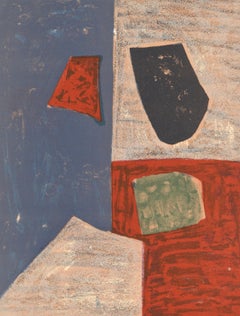
Serge Poliakoff, Pink, Red and Blue Composition, from XXe Siecle, 1958
Located in Southampton, NY
This exquisite lithograph by Serge Poliakoff (1900–1969), titled Composition rose, rouge et bleue (Pink, Red and Blue Composition), from the album XXe Siecle, Nouvelle serie, XXe Ann...
Category

Modern 1950s Abstract Prints

Materials

Lithograph

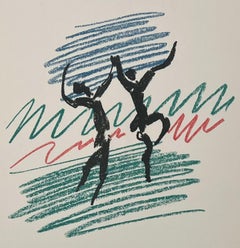
La Danse, frontispiece from Picasso Lithographe III
Located in Washington, DC
Artist: Pablo Picasso Title: La Danse (frontispiece) Portfolio: Picasso Lithographe III Medium: Transfer lithograph printed in colors Date: 1956 Edition: 3000 Frame Size: 19 1/2" x 1...
Category

Modern 1950s Abstract Prints

Materials

Lithograph

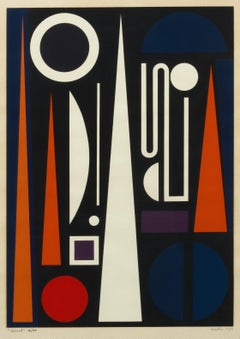
Minuit
Located in Miami, FL
Minuit - From the 12 plate Portfolio, 1959 Published by Denise Rene, Paris Lithograph in colors on heavy paper 20 x 26 inches Signed, dated and numbered in ink, edition of 150 copies...
Category

Abstract Geometric 1950s Abstract Prints

Materials

Lithograph

Minuit
$4,500 Sale Price
25% Off
Jean Dubuffet, The Master of Ceremony, from XXe Siecle, 1956
Located in Southampton, NY
This exquisite lithograph and pochoir by Jean Dubuffet (1901–1985), titled Le maitre de ceremonie (The Master of Ceremony), from the album XXe Siecle, Nouvelle serie, No. 6 (double),...
Category

Modern 1950s Abstract Prints

Materials

Lithograph

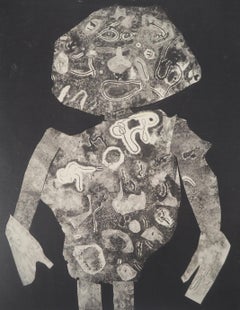
Henri Michaux, Untitled, from XXe Siecle, 1958
Located in Southampton, NY
This exquisite zincograph by Henri Michaux (1899–1984), titled Sans titre (Untitled), from the album XXe Siecle, Nouvelle serie, XXe Annee, N°10 (double) Mars 1958, originates from t...
Category

Modern 1950s Abstract Prints

Materials

Lithograph

Braque, Les martinets, Derrière le miroir (after)
Located in Southampton, NY
Lithograph on vélin paper. Inscription: Unsigned and unnumbered, as issued. Good condition. Notes: From Derrière le miroir, N° 115, 1959. Published by Aimé Maeght, Éditeur, Paris; pr...
Category

Modern 1950s Abstract Prints

Materials

Lithograph

Henri Matisse, Mrs. Greta Prozor, Portraits by Henri Matisse, 1954 (after)
Located in Southampton, NY
This exquisite lithograph after Henri Matisse (1869–1954), titled Madame Greta Prozor (Mrs. Greta Prozor), from the album Portraits par Henri Matisse (Portraits by Henri Matisse), or...
Category

Fauvist 1950s Abstract Prints

Materials

Lithograph

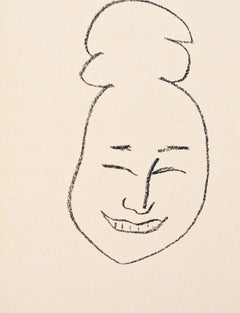
Henri Matisse, Eskimo, from Portraits by Henri Matisse, 1954 (after)
Located in Southampton, NY
This exquisite heliogravure after Henri Matisse (1869–1954), titled Esquiman (Eskimo), from the album Portraits par Henri Matisse (Portraits by Henri Matisse), originates from the 19...
Category

Fauvist 1950s Abstract Prints

Materials

Lithograph

Rocks and Sun - Original lithograph - Mourlot, 1952
Located in Paris, IDF
Alexander Calder Rocks and Sun, 1952 Original Lithograph (3 color stones) Printed in Mourlot workshop On vellum 31 x 24 cm (c. 12,2 x 9,5 in) Edited by San Lazzaro in 1952 Very goo...
Category

American Modern 1950s Abstract Prints

Materials

Lithograph

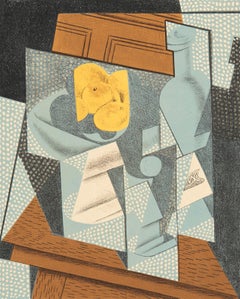
Juan Gris, The Pipe, from Au Soleil du Plafond, 1955 (after)
Located in Southampton, NY
This exquisite lithograph after Juan Gris (1887–1927), titled La Pipe (The Pipe), from the folio Au Soleil du Plafond (In the Sunlight of the Ceiling), originates from the 1955 editi...
Category

Cubist 1950s Abstract Prints

Materials

Lithograph

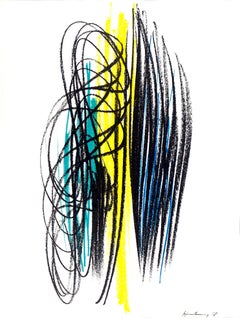
Hans Hartung, P. 1958-35, from XXe siecle, 1959
Located in Southampton, NY
This exquisite lithograph by Hans Hartung (1904–1989), titled P. 1958-35, from the album XXe siecle, Nouvelle serie, XXIe Annee, No. 12, Mai-Juin 1959, originates from the 1959 editi...
Category

Modern 1950s Abstract Prints

Materials

Lithograph

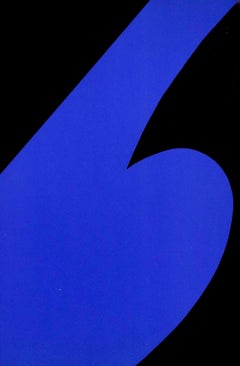
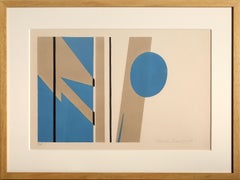
Ellsworth Kelly, Blue and Black, from Derriere le Miroir, 1958
Located in Southampton, NY
This exquisite lithograph by Ellsworth Kelly (1923–2015), titled Bleu et noir (Blue and Black), originates from the historic 1958 folio Derriere le Miroir, No. 110. Published by Maeg...
Category

Hard-Edge 1950s Abstract Prints

Materials

Lithograph

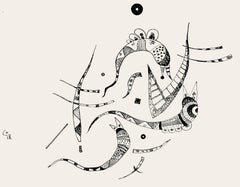
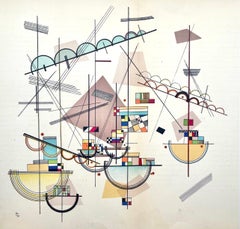
Wassily Kandinsky, Untitled, from Derriere le Miroir, 1953 (after)
Located in Southampton, NY
This exquisite lithograph after Wassily Kandinsky (1866–1944), titled Sans Titre (Untitled), originates from the 1953 folio Derriere le Miroir, Nos. 60–61, published by Maeght Editeur, Paris, under the direction of Aime Maeght, and printed by Mourlot Freres, Paris. This plate pays homage to the artist’s groundbreaking geometric abstraction and his profound influence on postwar modernism. Through precise form and rhythmic structure, Sans Titre captures the musicality and spiritual dynamism that defined Kandinsky’s mature visual language, balancing intuitive movement with mathematical harmony. Executed on velin paper, this lithograph measures 15 x 22 inches (38.1 x 55.9 cm), with centerfold, as issued. Signed in the plate and unnumbered, as issued. The edition reflects the exceptional quality and craftsmanship of the Maeght and Mourlot collaborations, honoring Kandinsky’s legacy in fine art printing. Artwork Details: Artist: After Wassily Kandinsky (1866–1944) Title: Sans Titre (Untitled), from Derriere le Miroir, Nos. 60–61, 1953 Medium: Lithograph on velin paper Dimensions: 15 x 22 inches (38.1 x 55.9 cm), with centerfold, as issued Inscription: Signed in the plate and unnumbered, as issued Date: 1953 Publisher: Maeght Editeur, Paris Printer: Mourlot Freres, Paris Condition: Well preserved, consistent with age and medium Provenance: From the 1953 folio Derriere le Miroir, Nos. 60–61, published by Maeght Editeur, Paris About the Publication: Derriere le Miroir (translated as "Behind the Mirror") was an iconic French art periodical published from 1946 to 1982 by Maeght Editeur, one of the most influential art publishers of the 20th century. Founded by Aime Maeght in Paris, the publication was conceived as a visual and literary collaboration between leading modern artists, poets, and critics. Each issue functioned as both an exhibition catalogue and a work of art in itself—featuring original lithographs printed directly from the artists' stones or plates, alongside essays, poems, and critical commentary. Over the course of 36 years, Derriere le Miroir produced more than 250 issues and showcased an extraordinary roster of artists including Henri Matisse, Marc Chagall, Joan Miro, Georges Braque, Alexander Calder, Fernand Leger, Pierre Bonnard, Alberto Giacometti, Eduardo Chillida, Ellsworth Kelly, Francis Bacon, Paul Rebeyrolle, Claude Garache, Antoni Tapies, Bram van Velde, Pierre Alechinsky, Pol Bury, Shusaku Arakawa, and Gerard Titus-Carmel. Printed in the ateliers of Mourlot, Arte, and Imprimerie Moderne du Lion, the periodical set new standards for quality in color lithography, combining fine art printing with elegant typography and poetic text. Beyond its visual brilliance, Derriere le Miroir also became a cultural chronicle of postwar European modernism. Each issue coincided with exhibitions held at Galerie Maeght, providing a collectible and widely accessible record of groundbreaking shows. Its integration of image, text, and philosophy created a dialogue between art and literature that elevated the modern art book to new aesthetic heights. Today, Derriere le Miroir remains one of the most sought-after and historically significant art publications, prized by collectors and scholars alike for its craftsmanship, influence, and its role in defining the visual language of 20th-century modernism. The Maeght Foundation in Saint-Paul-de-Vence continues to honor this legacy through exhibitions and archival preservation of the series, affirming Derriere le Miroir's enduring place in the history of modern art and fine art publishing. About the Artist: Wassily Kandinsky (1866–1944) was a Russian-born painter, theorist, and pioneer of abstract art whose revolutionary vision transformed 20th-century modernism. Regarded as one of the first artists to create purely nonobjective paintings, Kandinsky sought to express inner emotion and spirituality through color, rhythm, and form, believing that art could evoke the same universal harmony as music. His groundbreaking theories on abstraction and the “spiritual in art” shaped the foundation of modern aesthetics and influenced generations of artists worldwide. Closely associated with the Bauhaus movement, he developed a dynamic visual language that combined geometry and lyricism, bridging intuition and intellect. Kandinsky’s legacy resonates alongside the innovations of Pablo Picasso, Henri Matisse, Alexander Calder, Georges Braque, Marc Chagall, Alberto Giacometti, Salvador Dali, Joan Miro, Marcel Duchamp, and Man Ray—artists who, like him, redefined the possibilities of modern art. His works are represented in the world’s leading museums, including MoMA, the Guggenheim, the Centre Pompidou, and the Tate, and remain among the most coveted by collectors globally. The highest price ever paid for a Wassily Kandinsky artwork is approximately $45.6 million USD, achieved in 2017 at Christie’s London for Bild mit weissen Linien (Painting with White Lines) (1913). Wassily Kandinsky Sans Titre, Kandinsky Derriere le Miroir, Kandinsky Maeght Editeur Paris, Kandinsky Mourlot Freres, Kandinsky 1953 edition, Kandinsky lithograph...
Category

Modern 1950s Abstract Prints

Materials

Lithograph

Composition (Arntz 148-175; Hagenbach A 25; Bolliger 54), Dreams and Projects
Located in Southampton, NY
Woodcut on vélin d’Arches paper. Inscription: Unsigned and unnumbered, as issued. Good condition. Notes: From the folio, Jean Arp, Dreams and Projects, 1951-1952. Published by Curt V...
Category

Modern 1950s Abstract Prints

Materials

Woodcut

Wassily Kandinsky, Untitled, from Derriere le Miroir, 1953 (after)
Located in Southampton, NY
This exquisite lithograph after Wassily Kandinsky (1866–1944), titled Sans Titre (Untitled), originates from the 1953 folio Derriere le Miroir, Nos. 60–61, published by Maeght Editeur, Paris, under the direction of Aime Maeght, and printed by Mourlot Freres, Paris. This plate pays homage to the artist’s groundbreaking geometric abstraction and his profound influence on postwar modernism. Through precise form and rhythmic structure, Sans Titre captures the musicality and spiritual dynamism that defined Kandinsky’s mature visual language, balancing intuitive movement with mathematical harmony. Executed on velin paper, this lithograph measures 15 x 11 inches (38.1 x 27.9 cm), as issued. Signed in the plate and unnumbered, as issued. The edition reflects the exceptional quality and craftsmanship of the Maeght and Mourlot collaborations, honoring Kandinsky’s legacy in fine art printing. Artwork Details: Artist: After Wassily Kandinsky (1866–1944) Title: Sans Titre (Untitled), from Derriere le Miroir, Nos. 60–61, 1953 Medium: Lithograph on velin paper Dimensions: 15 x 11 inches (38.1 x 27.9 cm), as issued Inscription: Signed in the plate and unnumbered, as issued Date: 1953 Publisher: Maeght Editeur, Paris Printer: Mourlot Freres, Paris Condition: Well preserved, consistent with age and medium Provenance: From the 1953 folio Derriere le Miroir, Nos. 60–61, published by Maeght Editeur, Paris About the Publication: Derriere le Miroir (translated as "Behind the Mirror") was an iconic French art periodical published from 1946 to 1982 by Maeght Editeur, one of the most influential art publishers of the 20th century. Founded by Aime Maeght in Paris, the publication was conceived as a visual and literary collaboration between leading modern artists, poets, and critics. Each issue functioned as both an exhibition catalogue and a work of art in itself—featuring original lithographs printed directly from the artists' stones or plates, alongside essays, poems, and critical commentary. Over the course of 36 years, Derriere le Miroir produced more than 250 issues and showcased an extraordinary roster of artists including Henri Matisse, Marc Chagall, Joan Miro, Georges Braque, Alexander Calder, Fernand Leger, Pierre Bonnard, Alberto Giacometti, Eduardo Chillida, Ellsworth Kelly, Francis Bacon, Paul Rebeyrolle, Claude Garache, Antoni Tapies, Bram van Velde, Pierre Alechinsky, Pol Bury, Shusaku Arakawa, and Gerard Titus-Carmel. Printed in the ateliers of Mourlot, Arte, and Imprimerie Moderne du Lion, the periodical set new standards for quality in color lithography, combining fine art printing with elegant typography and poetic text. Beyond its visual brilliance, Derriere le Miroir also became a cultural chronicle of postwar European modernism. Each issue coincided with exhibitions held at Galerie Maeght, providing a collectible and widely accessible record of groundbreaking shows. Its integration of image, text, and philosophy created a dialogue between art and literature that elevated the modern art book to new aesthetic heights. Today, Derriere le Miroir remains one of the most sought-after and historically significant art publications, prized by collectors and scholars alike for its craftsmanship, influence, and its role in defining the visual language of 20th-century modernism. The Maeght Foundation in Saint-Paul-de-Vence continues to honor this legacy through exhibitions and archival preservation of the series, affirming Derriere le Miroir's enduring place in the history of modern art and fine art publishing. About the Artist: Wassily Kandinsky (1866–1944) was a Russian-born painter, theorist, and pioneer of abstract art whose revolutionary vision transformed 20th-century modernism. Regarded as one of the first artists to create purely nonobjective paintings, Kandinsky sought to express inner emotion and spirituality through color, rhythm, and form, believing that art could evoke the same universal harmony as music. His groundbreaking theories on abstraction and the “spiritual in art” shaped the foundation of modern aesthetics and influenced generations of artists worldwide. Closely associated with the Bauhaus movement, he developed a dynamic visual language that combined geometry and lyricism, bridging intuition and intellect. Kandinsky’s legacy resonates alongside the innovations of Pablo Picasso, Henri Matisse, Alexander Calder, Georges Braque, Marc Chagall, Alberto Giacometti, Salvador Dali, Joan Miro, Marcel Duchamp, and Man Ray—artists who, like him, redefined the possibilities of modern art. His works are represented in the world’s leading museums, including MoMA, the Guggenheim, the Centre Pompidou, and the Tate, and remain among the most coveted by collectors globally. The highest price ever paid for a Wassily Kandinsky artwork is approximately $45.6 million USD, achieved in 2017 at Christie’s London for Bild mit weissen Linien (Painting with White Lines) (1913). Wassily Kandinsky Sans Titre, Kandinsky Derriere le Miroir, Kandinsky Maeght Editeur Paris, Kandinsky Mourlot Freres, Kandinsky 1953 edition, Kandinsky lithograph...
Category

Modern 1950s Abstract Prints

Materials

Lithograph

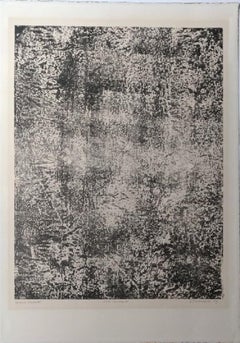
Joie Innocente - Original rare Lithograph by Jean Dubuffet - 1959
Located in Roma, IT
B/W lithograph on watermarked paper "Arc". Abstract composition signed, titled and dated on the lower margin in pencil by the French artist Jean Dubuffet. From the cycle of "Texturologie" (1953-1959). In excellent conditions. Jean Dubuffet (Le Havre 1901 - Paris 1985) Best known as the founder of the contemporary art movement called Art...
Category

Contemporary 1950s Abstract Prints

Materials

Lithograph

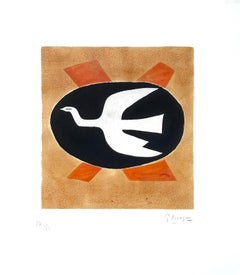
L oiseau de feu (Oiseau XIII)
Located in Paris, FR
Etching, 1958 Handsigned by the artist in pencil and numbered 24/75 Publisher : Maeght (Paris) Printer : Crommelynck et Dutrou (Paris) Catalog : [Vallier n°121 p. 179] 63.50 cm. x 57...
Category

Abstract 1950s Abstract Prints

Materials

Etching

Alberto Giacometti, Nude in Profile, from Derriere le miroir, 1956 (after)
Located in Southampton, NY
This exquisite etching after Alberto Giacometti (1901–1966), titled Nu de Profil (Nude in Profile), from the folio Derriere le miroir, 10 Ans d'Edition 1946-1956, No. 92-93, originates from the 1956 edition published by Maeght Editeur, Paris, and printed by Atelier Crommelynck, Paris, 1956. This work exemplifies Giacometti’s mastery of line and existential sensitivity, capturing the fragility, grace, and introspection that define his vision of the human form. Executed as an etching, cuivre rayé apres tirage on velin paper, this work measures 15 x 11 inches overall; 12.2 x 2.17 inches image size. Unsigned and unnumbered as issued. The edition exemplifies the superb craftsmanship of Atelier Crommelynck, Paris. Artwork Details: Artist: After Alberto Giacometti (1901–1966) Title: Nu de Profil (Nude in Profile), from the folio Derriere le miroir, 10 Ans d'Edition 1946-1956, No. 92-93 Medium: Etching, cuivre rayé apres tirage on velin paper Dimensions: 15 x 11 inches, overall; 12.2 x 2.17 inches, image size (38.1 x 27.94 cm; 31 x 5.5 cm) Inscription: Unsigned and unnumbered as issued Date: 1956 Publisher: Maeght Editeur, Paris Printer: Atelier Crommelynck, Paris Condition: Well preserved, consistent with age and medium Provenance: From the folio Derriere le miroir, 10 Ans d'Edition 1946-1956, No. 92-93, published by Maeght Editeur, Paris; printed by Atelier Crommelynck, Paris, 1956 Notes: Excerpted from the folio (translated from French), This catalogue, forming a special issue of Derriere le miroir, was completed in October 1956 on the presses of Draeger Freres on behalf of Aime Maeght, Editeur. The original lithographs of Miro, Chagall and Bazaine were shot by Mourlot Freres. The eaux-fortes rayees of Miro and Giacometti were shot by Crommelynck. Raoul Ubac composed and pulled the engraved wood from the cover. The photographs of Braque's reproduced works are by Mr. Routhier. Those of the other artists of Y. Hervochon. About the Publication: Derriere le miroir (Behind the Mirror) was one of the most important art publications of the 20th century, created and published by Maeght Editeur in Paris from 1946 to 1982. Founded by the visionary art dealer and publisher Aime Maeght, the series served as both an exhibition catalogue and a work of art in its own right, uniting original lithographs by leading modern and contemporary artists with critical essays, poetry, and design of the highest quality. Printed by master lithographers such as Mourlot Freres and Arte, Derriere le miroir became synonymous with the artistic vanguard of postwar Europe. Each issue was devoted to a single artist or theme and published to accompany exhibitions at the Galerie Maeght in Paris, featuring works by Pablo Picasso, Henri Matisse, Georges Braque, Joan Miro, Marc Chagall, Alexander Calder, Fernand Leger, and Alberto Giacometti, among others. The publication reflected Maeght's belief that art should be both accessible and elevated—an ideal realized through its luxurious production values, meticulous printing, and collaboration with the greatest creative minds of its time. About the Artist: Alberto Giacometti (1901–1966) was a Swiss sculptor, painter, and draughtsman whose hauntingly elongated figures and existential vision redefined modern art and made him one of the most influential artists of the 20th century. Born in Borgonovo, Switzerland, into an artistic family—his father, Giovanni Giacometti, was a noted Post-Impressionist—he was immersed in art from an early age before studying in Geneva and moving to Paris in 1922, where he became part of the city’s avant-garde alongside Pablo Picasso, Alexander Calder, Salvador Dali, Joan Miro, Wassily Kandinsky, Marcel Duchamp, and Man Ray. In the 1920s and 1930s, Giacometti explored Cubism and Surrealism, creating symbolic and dreamlike sculptures such as Suspended Ball (1930–31) and The Palace at 4 A.M. (1932), which reflected the influence of Dali, Duchamp, and Man Ray. By the 1940s, he abandoned Surrealism to pursue a deeply personal exploration of the human condition, developing his iconic attenuated figures that embodied both fragility and resilience. His signature sculptures—L’Homme qui marche I (Walking Man I), Femme debout, and Le Chariot—expressed the isolation, endurance, and vulnerability of modern existence, echoing the existential philosophy of Jean-Paul Sartre and Simone de Beauvoir. Giacometti’s figures, stripped of mass yet monumental in spirit, symbolized humanity’s search for meaning in a postwar world, while his paintings and drawings—portraits of his brother Diego, his wife Annette, and his friends—captured the psychological depth of perception with trembling, repetitive lines that blurred the boundary between body and soul. His friendships with Picasso, Calder, Miro, and Kandinsky shaped his understanding of form, motion, and space, while his philosophical engagement with Duchamp and Man Ray deepened his inquiry into the nature of reality and perception. Working obsessively in his modest Montparnasse studio, Giacometti pursued art as an existential act—destroying and rebuilding his figures in an endless search for truth. His influence on postwar art was immense, shaping the work of Henry Moore, Francis Bacon, Louise Bourgeois, Lucian Freud, and later contemporary sculptors such as Antony Gormley and Anselm Kiefer. His aesthetic also resonated beyond sculpture, influencing fashion, photography, and architecture through his vision of form, isolation, and proportion. Giacometti’s work is represented in major museum collections including MoMA, the Tate Modern, and the Centre Pompidou, and continues to inspire artists, collectors, and thinkers worldwide. Standing alongside Pablo Picasso, Alexander Calder, Salvador Dali, Joan Miro, Wassily Kandinsky, Marcel Duchamp, and Man Ray, Giacometti remains a towering figure in modern art—a sculptor-philosopher who transformed the human form into a universal symbol of resilience and reflection. His highest auction record was achieved by L’Homme qui marche I (Walking Man I), which sold for 141.3 million USD at Sotheby’s, London, on February 3, 2010, reaffirming Alberto Giacometti’s enduring legacy as one of the most visionary, profound, and collectible artists in the history of modern art. After Alberto Giacometti Nu de Profil 1956, Giacometti Derriere le miroir No. 92-93, Giacometti etching...
Category

Modern 1950s Abstract Prints

Materials

Etching

1959 Israeli Aharon Kahana Modernist Aquatint Etching Judaica Rabbi Students
Located in Surfside, FL
Abstract color composition, 1959 aquatint lithograph "the Master and his Pupils". This was from a portfolio which included works by Yosl Bergner, Menashe Kadishman, Yosef Zaritsky, Aharon Kahana, Jacob...
Category

Modern 1950s Abstract Prints

Materials

Aquatint

SS De Grasse, Minimalist Abstract Lithograph by Ralston Crawford 1952
Located in Long Island City, NY
Ralston Crawford is best known for his Precisionist abstract paintings suggestive of urban landscapes and industrial spaces. SS De Grasse by Ralston Crawford, American (1906–1978) ...
Category

Abstract Geometric 1950s Abstract Prints

Materials

Lithograph

Georges Braque, Study for a Bird, from Le Solitaire, XXe siecle, 1959 (after)
Located in Southampton, NY
This exquisite lithograph and pochoir after Georges Braque (1882–1963), titled Etude pour un oiseau (Study for a Bird), from the album Georges Braque, Le Solitaire (The Solitary), or...
Category

Cubist 1950s Abstract Prints

Materials

Lithograph

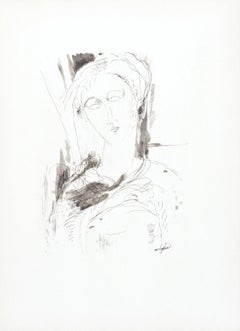
Amedeo Modigliani, Portrait, from Twelve Contemporaries, 1959 (after)
Located in Southampton, NY
This exquisite lithograph after Amedeo Modigliani (1884–1920), titled Portrait (Portrait), from the album Douze Contemporains (Twelve Contemporaries), originates from the 1959 editio...
Category

Modern 1950s Abstract Prints

Materials

Lithograph, Stencil

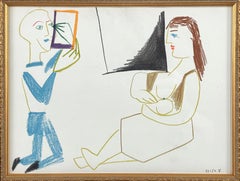
La Comedie Humaine VIII
Located in Wilton, CT
"La Comedie Humaine VIII" Lithograph in Color on Thick Wove Paper After The Original. The plates executed under the direct supervision of Pablo Picasso. First edition, 1954. Printed ...
Category

Cubist 1950s Abstract Prints

Materials

Lithograph

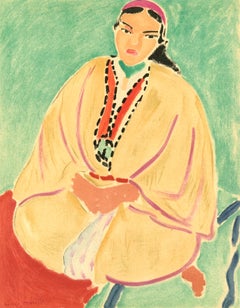
Henri Matisse, Miss A.Nelck, from Portraits by Henri Matisse, 1954 (after)
Located in Southampton, NY
This exquisite heliogravure after Henri Matisse (1869–1954), titled Mademoiselle A.Nelck (Miss A.Nelck), from the album Portraits par Henri Matisse (Portraits by Henri Matisse), orig...
Category

Fauvist 1950s Abstract Prints

Materials

Lithograph

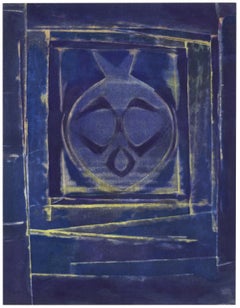
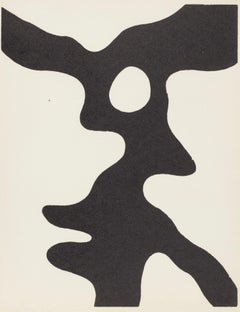
Alfonso Ossorio, Number IX, from Initiatory Paintings, 1951 (after)
Located in Southampton, NY
This exquisite collotype after Alfonso Ossorio (1916–1990), titled Peinture initiatique IX (Initiatory Painting IX), from the album Peintures initiatiques d'Alfonso Ossorio (Initiato...
Category

Abstract Expressionist 1950s Abstract Prints

Materials

Lithograph

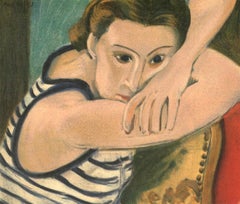
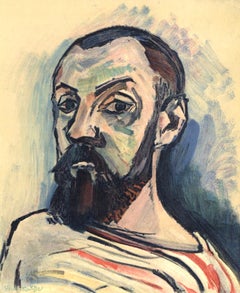
Henri Matisse, Self-Portrait in a Striped Shirt, 1954 (after)
Located in Southampton, NY
This exquisite lithograph after Henri Matisse (1869–1954), titled Autoportrait au maillot raye (Self-Portrait in a Striped Shirt), from the album Portraits par Henri Matisse (Portrai...
Category

Fauvist 1950s Abstract Prints

Materials

Lithograph

pochoir
Located in Henderson, NV
Medium: pochoir. Printed at the atelier of Daniel Jacomet in 1958 for the art revue XXe Siecle (issue number 10) published in Paris by San Lazzaro. Size: 12 3/8 x 9 1/2 inches (315 x...
Category

Surrealist 1950s Abstract Prints

Materials

Lithograph

La Perruch et la Sirene
Located in Washington, DC
Artist: Henri Matisse (after) Title: La Perruch et la Sirene Portfolio: The Last Works of Henri Matisse Medium: Lithograph Date: 1958 Edition: 2000 Frame Siz...
Category

Modern 1950s Abstract Prints

Materials

Lithograph

Henri Matisse, Henry de Montherlant, Portraits by Henri Matisse, 1954 (after)
Located in Southampton, NY
This exquisite heliogravure after Henri Matisse (1869–1954), titled Henry de Montherlant (Henry de Montherlant), from the album Portraits par Henri Matisse (Portraits by Henri Matiss...
Category

Fauvist 1950s Abstract Prints

Materials

Lithograph

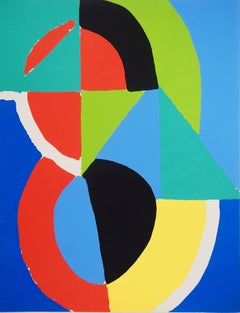
Composition in colour - Lithograph, 1956
Located in Paris, IDF
Sonia Delaunay (after) Composition in colour, 1956 Lithograph and stencil (Jacomet workshop) On wove paper 31.5 x 23.5 cm (c. 12.4 x 9 in) Edited by San Lazaro...
Category

Abstract 1950s Abstract Prints

Materials

Lithograph, Stencil

Wassily Kandinsky, Untitled, from XXe Siecle, 1957 (after)
Located in Southampton, NY
This exquisite lithograph, after Wassily Kandinsky (1866–1944), titled Sans titre (Untitled), from the album XXe Siecle, Nouvelle serie, No. 8 (double), Janvier 1957, originates from...
Category

Modern 1950s Abstract Prints

Materials

Lithograph

Raoul Ubac, Untitled, from Derriere le miroir, 1955
Located in Southampton, NY
This exquisite lithograph by Raoul Ubac (1910–1985), titled Sans titre (Untitled), from the folio Derriere le miroir, No. 74-76, originates from the 1955 edition published by Maeght ...
Category

Modern 1950s Abstract Prints

Materials

Lithograph

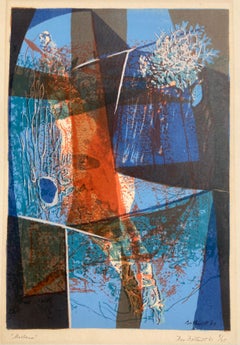
MALLORCA
Located in Santa Monica, CA
DORR BOTHWELL ( 1902 - 2000) MALLORCA Serigraph, Signed, titled and numbered 8/25 in pencil. Signed and dated in the print. Image. 13 1/8 x 9 inches, sheet 19 7/8 x 12 3/4 inches. ...
Category

Abstract Expressionist 1950s Abstract Prints

Materials

Screen

Henri Matisse, Marguerite Matisse, from Portraits by Henri Matisse, 1954 (after)
Located in Southampton, NY
This exquisite lithograph after Henri Matisse (1869–1954), titled Margueritte Matisse (Margueritte Matisse), from the album Portraits par Henri Matisse (Portraits by Henri Matisse), ...
Category

Fauvist 1950s Abstract Prints

Materials

Lithograph

Alexander Calder, Two Pyramids and Spirals, from Derriere le miroir, 1954
Located in Southampton, NY
This exquisite lithograph by Alexander Calder (1898–1976), titled Deux pyramides et spirales (Two Pyramids and Spirals), from the folio Derriere le miroir, No. 69–70, originates from...
Category

Modern 1950s Abstract Prints

Materials

Lithograph

Constellation aux cinq formes
Located in Paris, FR
Lithograph, 1956 Handsigned by the artist in pencil Edition : 125 ex. Publisher : Société suisse des arts graphiques Catalog : [Arntz 333] 65.00 cm. x 50.00 cm. 25.59 in. x 19.69 i...
Category

Abstract 1950s Abstract Prints

Materials

Lithograph

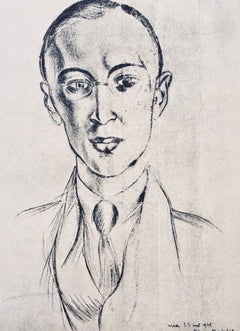
Henri Matisse, Serge Prokofieff, from Portraits by Henri Matisse, 1954 (after)
Located in Southampton, NY
This exquisite heliogravure after Henri Matisse (1869–1954), titled Serge Prokofieff (Serge Prokofieff), from the album Portraits par Henri Matisse (Portraits by Henri Matisse), orig...
Category

Fauvist 1950s Abstract Prints

Materials

Lithograph

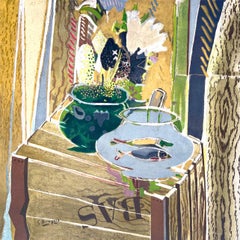
L aquarium sur la caisse, Une Aventure méthodique, Georges Braque
Located in Southampton, NY
Lithograph on vélin d'Arches paper. Inscription: Unsigned and unnumbered. Good condition. Notes: From the folio, Une Aventure méthodique, 1950; published by Fernand Mourlot, Paris, a...
Category

Modern 1950s Abstract Prints

Materials

Lithograph

Recently Viewed

View All