Want more images or videos?
Request additional images or videos from the seller
1 of 8

Michael Knigin
"Loyal To Me, " original lithograph pop art bright Frog signed by Michael Knigin

1980

$2,200
£1,669.59
€1,923.72
CA$3,108.25
A$3,330.44
CHF 1,786.55
MX$39,449.52
NOK 22,536.30
SEK 20,617.23
DKK 14,370.43

About the Item

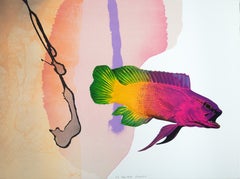
"Loyal To Me" is an original color lithograph by Michael Knigin. The artist signed and dated the piece in the lower right with graphite. Then editioned and titled it in the lower left with graphite as well. This piece is #235/300. It depicts a bright green frog in front of a pink flower and an abstract background. Artwork Size: 26 1/2" x 19 1/8" Frame Size: 34 1/8" x 26 1/8" Artist Bio: Michael Knigin was born in 1942 in Brooklyn, NY. He attended and graduated from Tyler School of Art, Temple University. During his junior year, he was awarded a Ford Foundation Grant to study fine art lithography at the renowned Tamarind Lithography Workshop, in Los Angeles. After graduating college in 1966, Knigin started teaching at the Pratt Graphic Center in Manhattan, an extension of the Pratt Institute, devoted to fine arts and graphic prints. There he started a fine art lithography workshop. After a year and a half he opened his own publishing company, Chiron Press, and added a silkscreen printing facility. This was the first facility in the United States that combined lithography and screen-printing. The shop remained in existence for over seven years, printing and publishing editions for the most renowned contemporary artists, including Andy Warhol, Roy Lichtenstein, and Paul Jenkins. In 1970 and 1971 he co-authored two books on lithography, which were published by Van Nostrand/Reinhold. One of these books was a textbook on fine art lithography and was used extensively in schools in the United States and Britain. After selling Chiron Press in 1974, Knigin was invited by the Israel Museum and the Jerusalem Foundation to establish the first professional lithography workshop in Israel and to train a group of young Israeli artists. While in Israel, he collaborated with the Ministry of Labor and Education, along with nationally and internationally known artists from Israel, the United States and Europe. After his tenure at the graphic center, he returned to New York and preceded to create his own prints and paintings. At that time, Knigin was appointed a Professor at Pratt Institute, where he still teaches. In 1988 he was appointed to the NASA Art Team and was sent to the Kennedy Space Center to visually interpret the launch of the space shuttle Discovery, celebrating NASA's return to space after the Challenger's disaster in 1986. In 1991 he was recalled to interpret the touchdown of the space shuttle Atlantis at Edward's Air Force Base. Along with these honors, he has received many awards including Cleo Award for art direction, a fellowship of the American Film Institute in Los Angeles, an Art and Technology Grant, two Certificates of Merit from the National Society of Illustrators. He has judged seven national and international art shows. From 1978 to the present he has had 17 one-person shows, and has been included in approximately a hundred and twenty group shows here and abroad. Michael's work is included in over 60 museums and corporate collections, including the Whitney American Museum of Art, Albright-Knox, The Cooper Hewitt Museum, The Portland Museum of Art, The Israel Museum, The Port Authority of NY, Citibank, NASA, U.S. Dept. of State, and the Phillip Morris Collection. His work has been written about in approximately forty articles, featured in publications such as the New York Times, Art in America, and Art News. Last but not least, he has been commissioned to create art by over forty corporations and institutions. His accomplishments in the art field are significant. His contributions to Israel and The United States are well respected by artists, educators, and collectors alike.
  • Creator:
    Michael Knigin (1942 - 2011, American)
  • Creation Year:
    1980
  • Dimensions:
    Height: 34.13 in (86.7 cm)Width: 26.13 in (66.38 cm)
  • Medium:
  • Movement Style:
  • Period:
  • Framing:
    Frame Included
    Framing Options Available
  • Condition:
  • Gallery Location:
    Milwaukee, WI
  • Reference Number:
    Seller: 13874g1stDibs: LU605313617532

More From This Seller

View All
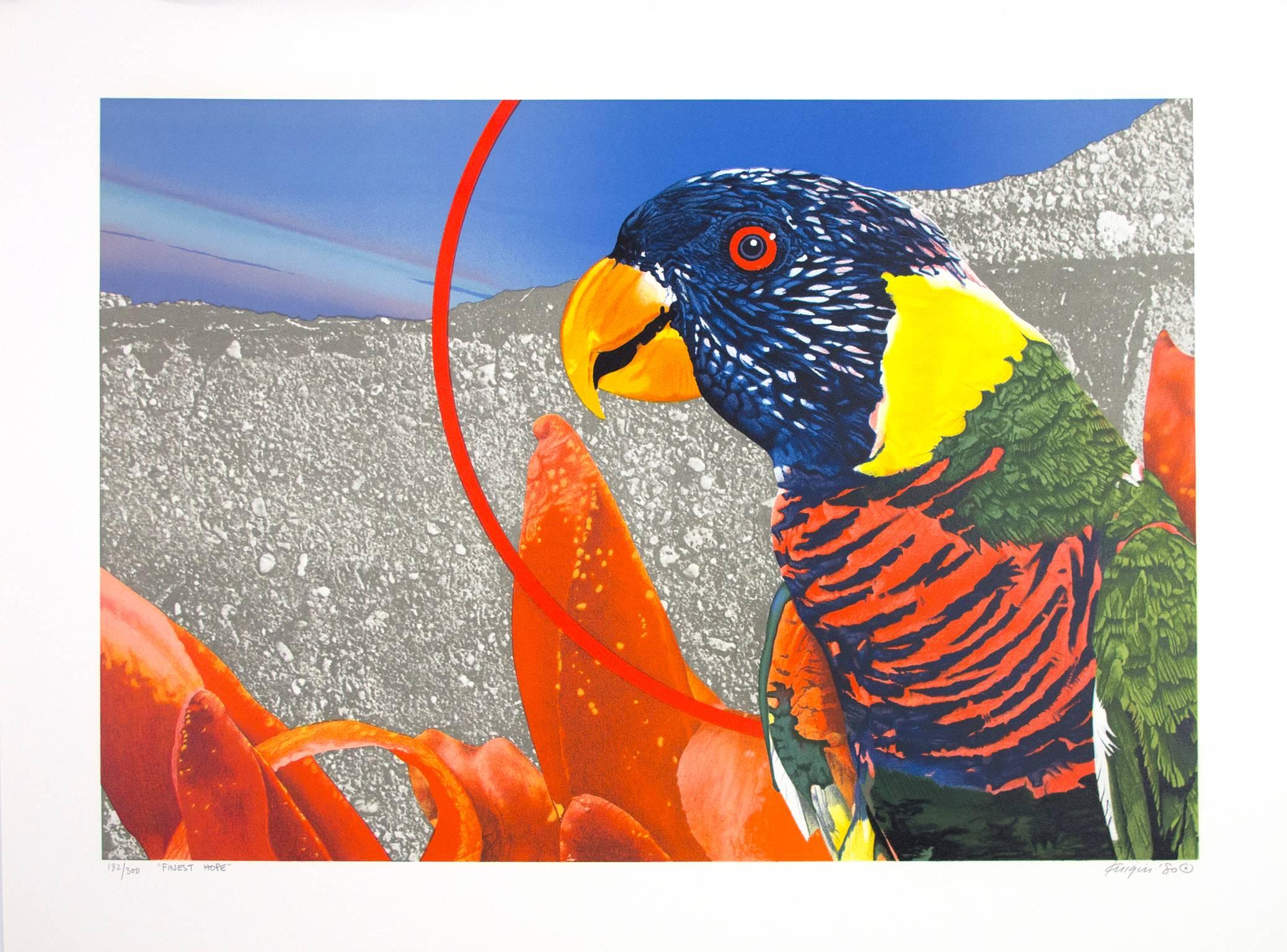
"Finest Hope" original lithograph signed pop art abstract hyperrealism collage
By Michael Knigin
Located in Milwaukee, WI
"Finest Hope" is an original color lithograph by Michael Knigin. The artist signed the piece in the lower right and wrote the edition number, 182/300, in the lower left with graphite...
Category

1980s Realist Animal Prints

Materials

Lithograph, Ink

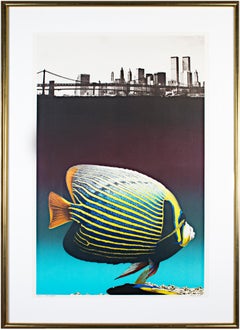
"Silent Witness, " pop art original lithograph collage realist abstract signed
By Michael Knigin
Located in Milwaukee, WI
"Silent Witness" is an original color lithograph by Michael Knigin. It features a realistic rendition of an Emperor Angelfish swimming in front of the New York skyline including the ...
Category

1970s Pop Art Animal Prints

Materials

Lithograph

"Majestic Manner" original lithograph signed abstract pop art mellow hotel calm
By Michael Knigin
Located in Milwaukee, WI
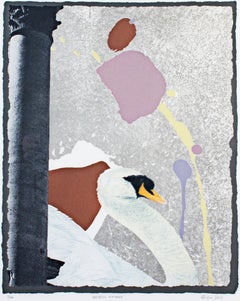
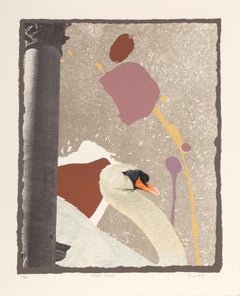
"Majestic Manner" is an original color lithograph by Michael Knigin. The artist signed the piece lower right and titled it lower center. This piece features a swan in front of an abs...
Category

1980s Pop Art Animal Prints

Materials

Lithograph

"Boldest Native" original lithograph signed pop art abstract hyperrealistic bold
By Michael Knigin
Located in Milwaukee, WI
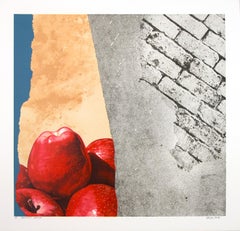
"Boldest Native" is an original color lithograph by Michael Knigin. This piece features a pile of apples with abstract textures. The artist signed the piece lower right and titled it...
Category

1980s Pop Art Still-life Prints

Materials

Lithograph

"Final Spring" lithograph bright abstract vibrant fish signed by Michael Knigin
By Michael Knigin
Located in Milwaukee, WI
"Final Spring" is an original color lithograph by Michael Knigin. The artist signed and titled in the lower center of image. This piece is an artist's proof and features a brightly c...
Category

1980s Pop Art Animal Prints

Materials

Lithograph, Ink

"Boldest Flyer, " original signed lithograph abstract realist fish calm mellow
By Michael Knigin
Located in Milwaukee, WI
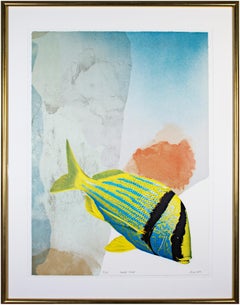
"Boldest Flyer" is an original color lithograph by Michael Knigin. The artist signed the piece in the lower right and editioned/titled it lower center with graphite. This piece featu...
Category

1980s Pop Art Animal Prints

Materials

Lithograph, Ink

You May Also Like

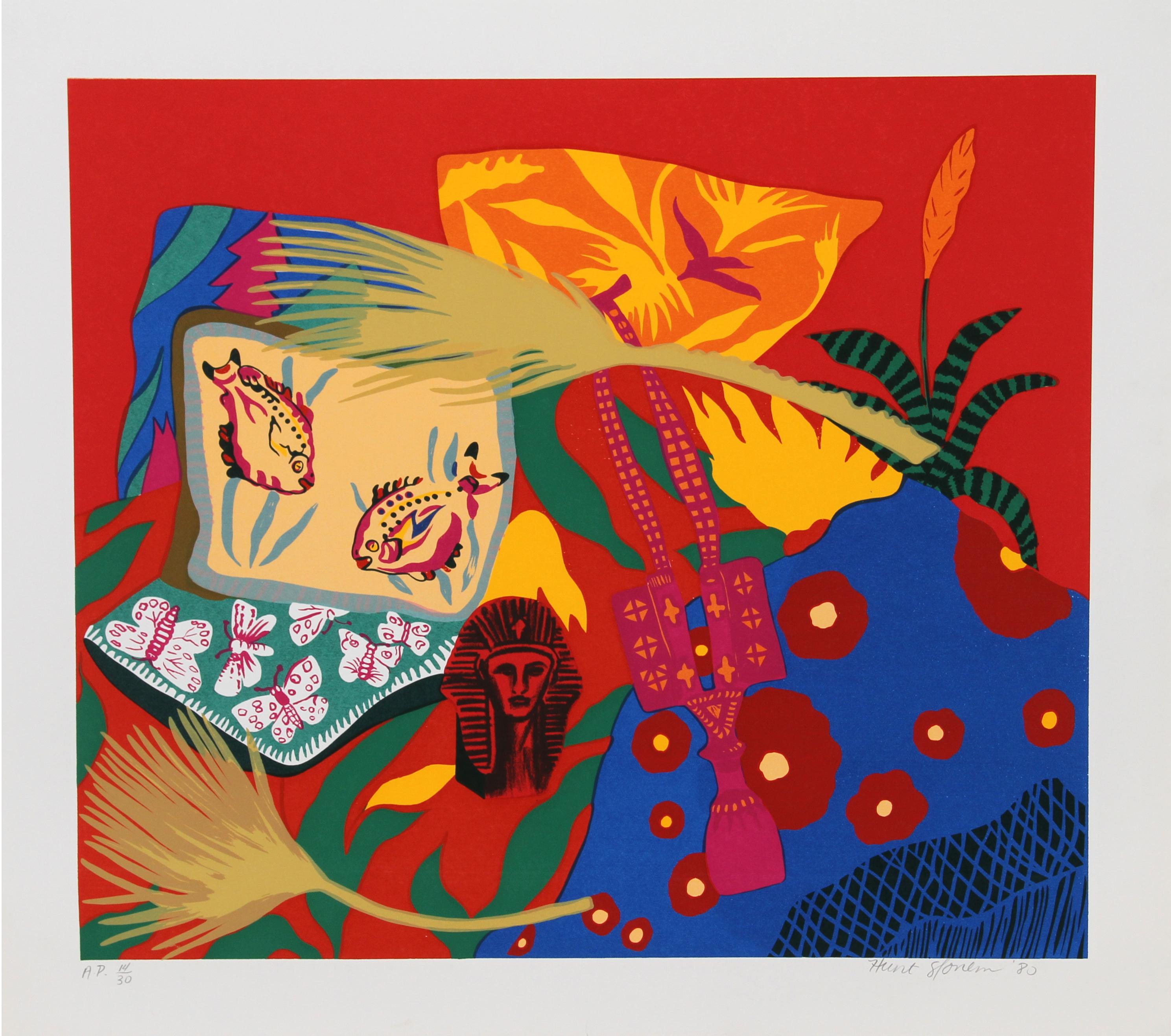
Tribute, Pop Art Serigraph by Hunt Slonem
By Hunt Slonem
Located in Long Island City, NY
Artist: Hunt Slonem, American (1951 - ) Title: Tribute Year: 1980 Medium: Serigraph, signed and numbered in pencil Edition: AP 30 Image Size: 22 x 25 inches Size: 26 in. x 29....
Category

1980s Pop Art Still-life Prints

Materials

Screen

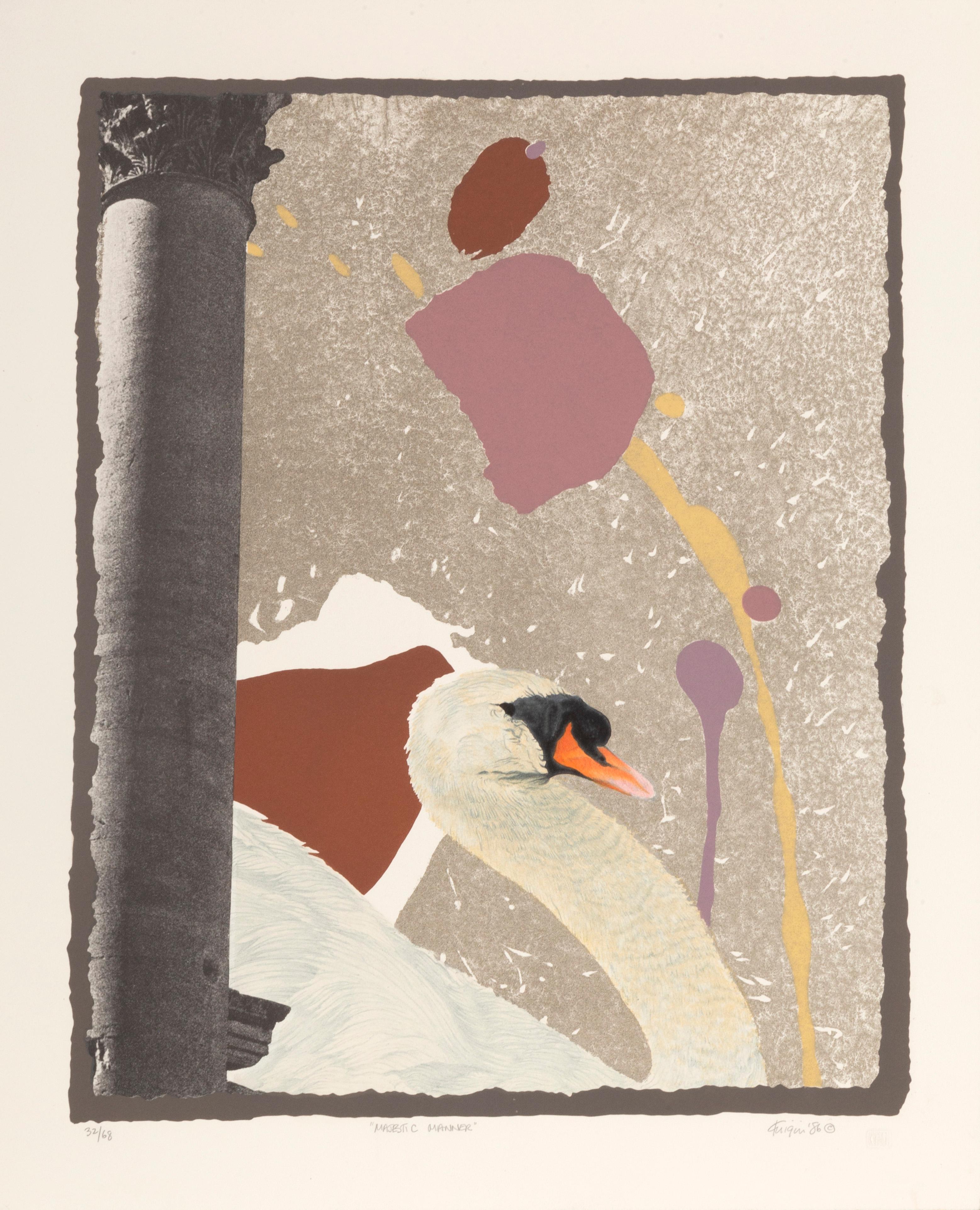
Majestic Manner, Pop Art Screenprint by Michael Knigin
By Michael Knigin
Located in Long Island City, NY
Artist: Michael Knigin, American (1942 - 2011) Title: Majestic Manner Year: 1986 Medium: Screenprint, signed, numbered, dated, and titled in pencil Edition: 32/68 Image Size: 20.25 x...
Category

1970s Pop Art Animal Prints

Materials

Screen

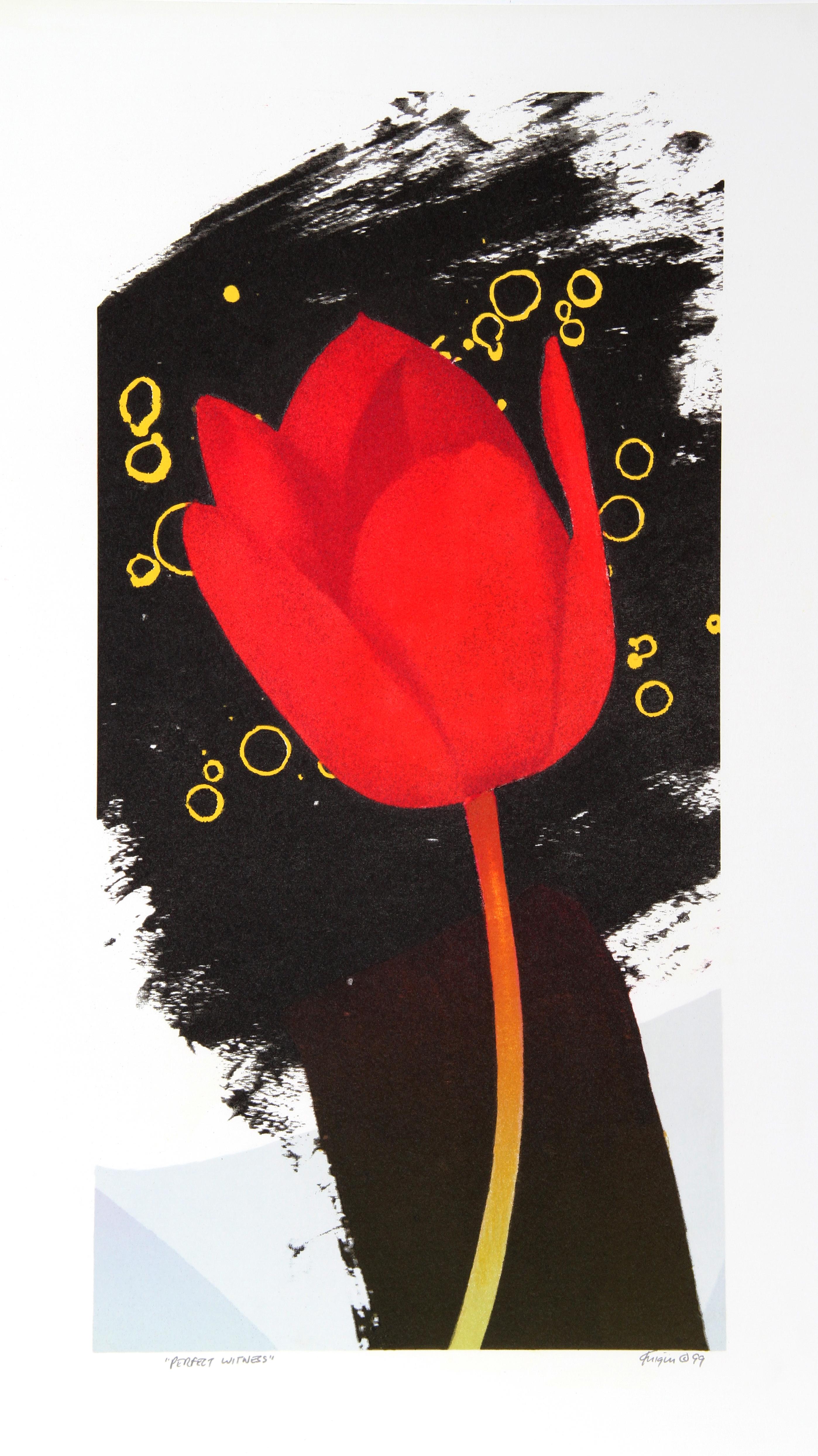
Perfect Witness, Pop Art Lithograph by Michael Knigin
By Michael Knigin
Located in Long Island City, NY
Perfect Witness Michael Knigin, American (1942–2011) Date: 1999 Lithograph, Signed and Numbered in Pencil Edition of 80 Size: 30 in. x 22 in. (76.2 cm x 55.88 cm)
Category

1990s Pop Art Still-life Prints

Materials

Lithograph

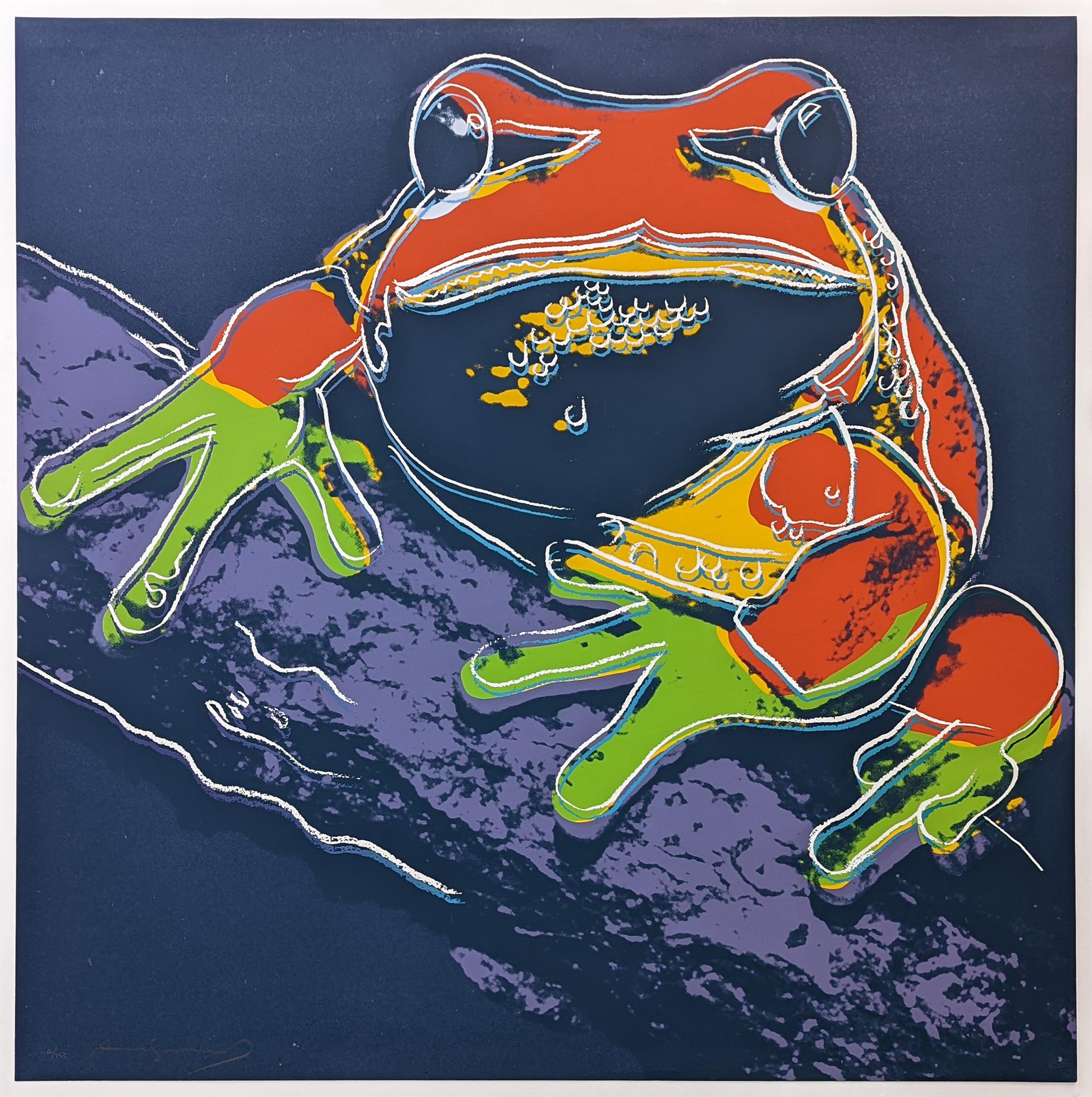
PINE BARRENS TREE FROG FS II.294
By Andy Warhol
Located in Aventura, FL
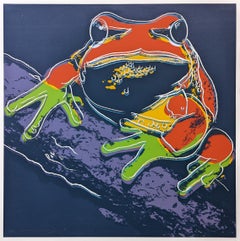
Pine Barren's Tree Frog, from Endangered Species. Screen print in colors on Lennox Museum Board. Hand signed and numbered by Andy Warhol. Edition 114/150 (there were also 30 AP's, 5 PP's, 5 EP's, 3 HC's, 10 numbered in Roman numerals, 1 BAT, and 30 TP's). Printed By Rupert Jansen Smith, Ny. Published By Ronald Feldman Fine Art Inc., NY. Artwork is in excellent condition. All reasonable offers will be considered. From the Endangered Species portfolio, which premiered in 1983. Warhol was commissioned by environmentalists and gallerists Ronald and Frayda Feldman to depict 10 endangered animals, bringing attention to their fragility. The US federal government had passed the Endangered Species Act (ESA) in 1973, making clear criteria for assigning the status of “endangered” to animals that had seen massive attrition of their populations. This designation has been adopted internationally and Warhol’s Endangered...
Category

1980s Pop Art Figurative Prints

Materials

Paper, Screen

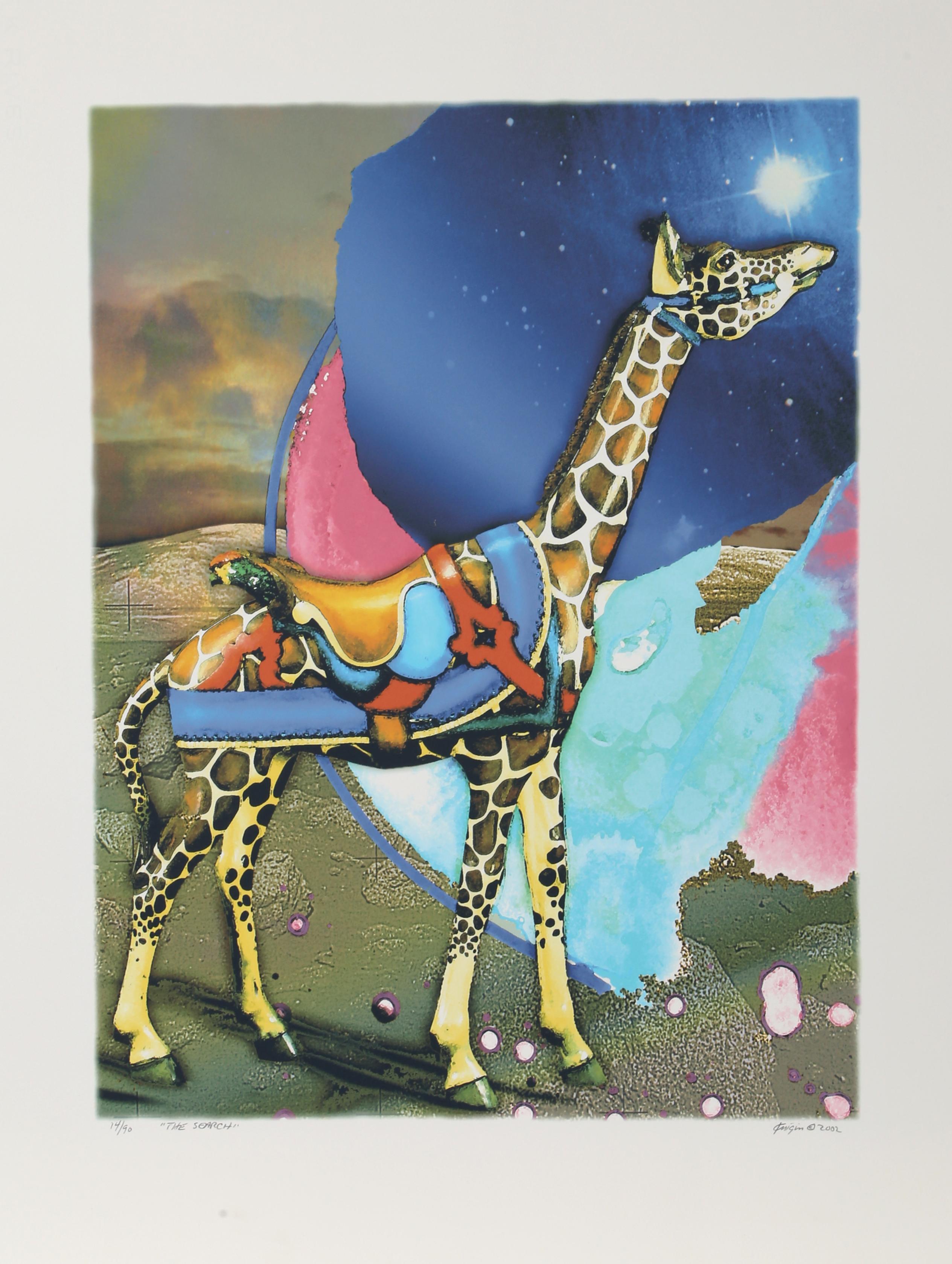
The Search, Pop Art Print by Michael Knigin
By Michael Knigin
Located in Long Island City, NY
The Search Michael Knigin, American (1942–2011) Date: 2002 Screenprint, signed and numbered in pencil Edition of 14/90 Image: 22 x 16 inches Size: 30 x 22 in. (76.2 x 55.88 cm)
Category

Early 2000s Pop Art Animal Prints

Materials

Lithograph

Frogs and Toad, Signed lithograph (AP), from Conspiracy: The Artist as Witness
By Jack Beal
Located in New York, NY
Jack Beal Frogs and Toad, 1971 Hand signed in pencil by Jack Beal, annotated AP One-color lithograph proofed by hand and pulled by machine from a zinc plate on Arches buff paper with deckled edges at the Shorewood Bank Street Atelier Stamped, hand numbered AP, aside from the regular edition of 150 Stamped on reverse: COPYRIGHT © 1971 BY JACK BEAL, bears blind stamp 18 × 24 inches Unframed 18 x 24 inches Stamped on reverse: COPYRIGHT © 1971 BY JACK BEAL, bears distinctive blind stamp of publisher (shown) Publisher: David Godine, Center for Constitutional Rights, Washington, D.C. Jack Beal's "Frogs and Toads" is a classic example of protest art from the early 1970s - the most influential era until today. This historic graphic was created for the legendary portfolio "CONSPIRACY: the Artist as Witness", to raise money for the legal defense of the Chicago 8 - a group of anti-Vietnam War activists indicted by President Nixon's Attorney General John Mitchell for conspiring to riot during the 1968 Democratic National Convention. (1968 was also the year Bobby Kennedy was killed and American casualties in Vietnam exceeded 30,000.) The eight demonstrators included Abbie Hoffman, Jerry Rubin, David Dellinger, Tom Hayden, Rennie Davis, John Froines, Lee Weiner, and Bobby Seale. (The eighth activist, Bobby Seale, was severed from the case and sentenced to four years for contempt after being handcuffed, shackled to a chair and gagged.) Although Abbie Hoffman would later joke that these radicals couldn't even agree on lunch, the jury convicted them of conspiracy, with one juror proclaiming the demonstrators "should have been shot down by the police." All of the convictions were ultimately overturned by the 7th Circuit Court of Appeals. This lithograph has fine provenance: it comes directly from the original Portfolio: "Conspiracy The Artist as Witness" which also featured works by Alexander Calder, Nancy Spero and Leon Golub, Romare Bearden Sol Lewitt, Robert Morris, Claes Oldenburg, Larry Poons, Peter Saul, Raphael Soyer and Frank Stella - as well as this one by Jack Beal. It was originally housed in an elegant cloth case, accompanied by a colophon page. This is the first time since 1971 that this important work has been removed from the original portfolio case for sale. It is becoming increasingly scarce because so many from this edition are in the permanent collections of major museums and institutions worldwide. Jack Beal wrote a special message about this work on the Portfolio's colophon page. It says, "In 1956, shortly after Sondra and I moved to New York, two friends were arrested and jailed for protesting air-raid drills. From them and their friends came our education. This work is dedicated to them and their families. "In Memory of Patricia McClure Daw and AL Uhrie" - This print was made for their children. Jack Beal Biography: Early in his career Walter Henry “Jack” Beal Jr. painted abstract expressionist canvases, because he believed it was “the only valid way to paint.” By the early 1960s he totally altered his approach and fully repudiated abstraction. Turning to representation, he painted narrative and figurative subjects, often enhanced by bright colors and dramatic perspectives. Beal was born in Richmond, Virginia, and from 1950 to 1953 he attended the Norfolk Division of William and Mary College Polytechnic Institute, (now Old Dominion University) where he studied biology and anatomy. Shifting gears, he sought art training at the School of the Art Institute of Chicago where he focused on drawing, and met his wife, artist Sondra Freckelton. His art history instructor encouraged her students to paint in the manner of established artists, and to that end he frequented the Institute’s galleries. For Beal this was significant: “Until I saw pictures of real quality I had tended to think of painting as just so much self-indulgent smearing around, but when I saw masterpieces by Cézanne and Matisse, and other painters of similar stature, I was bowled over; suddenly I realized the force of art.” After spending three years (1953–1956) at the Art Institute, Beal concluded his studies there without getting a terminal degree, thinking it was only useful if he wanted to teach, which, at the time, he did not. He also took courses at the University of Chicago in 1955 and 1956. During this period he married Freckelton, a fellow student and sculptor who began her career working in wood and plastic. Together they moved to New York’s SoHo District before its transformation from a wasteland of sweatshops and small factories into an arts district. They were active with the Artist Tenants Association which was instrumental in getting zoning laws changed so that artists could live and work in the well-lit lofts. Embracing what came to be called “New Realism,” Beal initially painted an occasional landscape as well as earthy-toned still lifes which consisted of jumbled collections filled with personal objects. His signature style started with a series of female nudes—all modeled by Freckelton—based on Greek mythology. These were large canvases with flat paint surfaces, dramatic foreshortening, and unusual perspectives. He further enlivened them with vivid colors, stark lighting, and dynamic patterns derived from textiles and overstuffed furniture. He stopped painting nudes after two episodes. The first came as he was loading a canvas of his naked wife onto a truck in lower Manhattan; several laborers walked by and started to fondle and kiss the painting. On the one hand he felt his wife had been violated, while on the other he was pleased that his realism was so convincing. The second occurred after a solo exhibition in Chicago at which the reception had been sponsored by Playboy magazine. A few days later he was approached by a publicist and asked if Playboy bunnies could be photographed in front of his paintings. He refused. Some portrait commissions came Beal’s way, but he preferred only portraying friends. More significant were four large murals on the History of Labor in America, the 20th Century: Technology (1975), which he undertook for the headquarters of the United States Department of Labor in Washington. Following a historical timeline, the themes were: colonization, settlement, nineteenth century industry, and twentieth century technology. The unveiling ceremony was attended by government officials and Joan Mondale, an arts advocate and wife of the vice-president. The reviewer for the Washington Post wrote enthusiastically: “They’re heartfelt and they’re big (each is 12 feet square). Their many costumed actors (the Indian, the trapper, the scientist, the hardhat, the capitalist in striped pants, the union maid, etc.) strike dramatic poses in dramatic settings (a seaside wood at dawn, an outdoor blacksmith’s forge, a 19th-century mill, a 20th-century lab). The lighting is theatrical. Beal’s compositions, with their swooping curves and bunched diagonals, are as complicated as his interwoven plots.” To accomplish the murals Beal assembled a team of assistants and models, much in the manner of Renaissance masters, which included artist friends and Freckelton. who by then was painting brightly colorful still lifes. A second mural commission ensued from New York City’s Metropolitan Transit Authority for two twenty-foot long installations for the Times Square Interborough Rapid Transit Company subway station. Beal’s designs for The Return of Spring (installed in 2001, three days after the terrorist attacks in New York, Washington, DC and Philadelphia) and The Onset of Winter (installed in 2005), Beal captured the appearance of his models in an oil painting made to the scale of the intended mosaic. A collaboration with Miotto Mosaics, the canvases were shipped to the Travisanutto Workshop, in Spilimbergo, Italy, where craftsmen fabricated the design to glass mosaics. The Return of Spring depicted construction workers and other New Yorkers in front of a subway kiosk and an outdoor produce market and in The Onset of Winter, a crowd watches a film crew recording a woman entering the subway as snow falls against the city’s skyline. Harkening back to some of his early nudes based on Greek myth, Persephone, goddess of fertility and wife of Hades, appears in both. The symbolism is pertinent, since she spent six months each year below ground. Although he disparaged teaching early on, Beal and Freckelton offered four summertime workshops on their farm in Oneonta, New York. He was an instructor at the New York Academy of Art, a graduate art school he helped to establish in 1982. Returning to Virginia, he taught at Hollins College...
Category

1970s Realist Animal Prints

Materials

Lithograph