Valentine HugoD
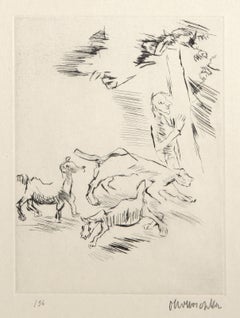
u Me To Un Crobeau, Modern Etching by Valentine Hugo1936
1936
About the Item
- Creator:Valentine Hugo (1897 - 1968)
- Creation Year:1936
- Dimensions:Height: 10.5 in (26.67 cm)Width: 7.25 in (18.42 cm)
- Medium:
- Movement Style:
- Period:
- Framing:Framing Options Available
- Condition:
- Gallery Location:Long Island City, NY
- Reference Number:Seller: RO843451stDibs: LU46616473002
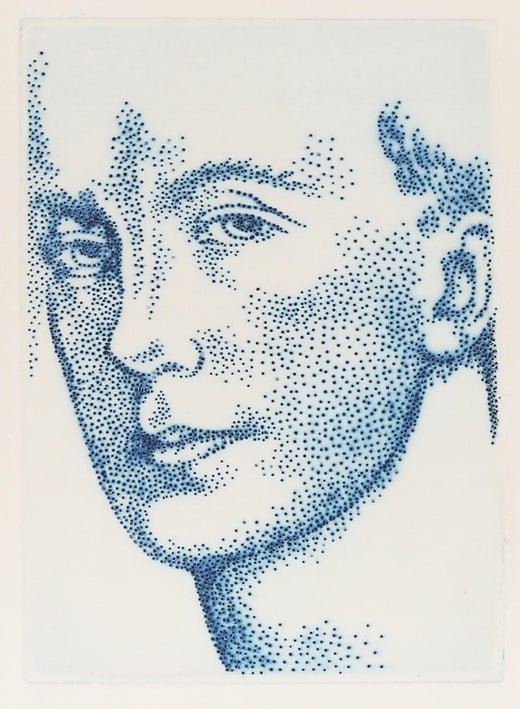
Valentine Hugo
Valentine Hugo studied painting in Paris and in 1919 married Jean Hugo, great-grandson of Victor Hugo. She collaborated with him on designs for ballets, including Jean Cocteau's Les mariés de la Tour Eiffel (1921). In 1926, she executed 24 wood engravings after maquettes by Jean Hugo for Romeo and Juliet. She met the Surrealists around 1928 and actively participated in the movement between 1930 and 1936. The foremost illustrator of Paul Éluard’s work, she first exhibited with the Surrealists in the Salon des surindépendants of 1933. A retrospective exhibition of her work was held at the Centre Culturel Thibaud De Champagne, Troyes, in 1977.
You May Also Like
1770s Modern Figurative Prints
Etching
1770s Modern Figurative Prints
Etching
1770s Modern Figurative Prints
Etching
1770s Modern Figurative Prints
Etching
1770s Modern Figurative Prints
Etching
1770s Modern Figurative Prints
Etching
1860s Modern Figurative Prints
Etching
Late 19th Century Modern Figurative Prints
Etching
Early 20th Century Modern Animal Prints
Drypoint, Etching
Late 20th Century American Modern Animal Prints
Etching
More From This Seller
View All1960s Modern Animal Prints
Etching, Aquatint
1960s Modern Animal Prints
Etching, Aquatint
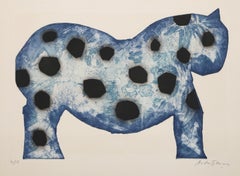
1960s Modern Animal Prints
Etching, Aquatint
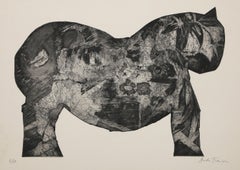
1960s Modern Animal Prints
Etching, Aquatint
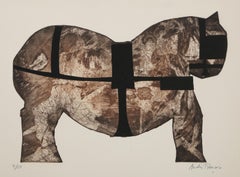
1950s Modern Animal Prints
Etching
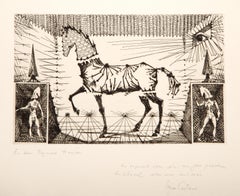
1950s Modern Animal Prints
Etching
Recently Viewed
View AllRead More
Romare Bearden’s Humanity Infuses His Bright, Bold Art
Through collage, painting and printmaking, the artist foregrounded Black life in America in revolutionary new ways.
Chryssa’s 1962 Neon Sculpture Was Way ahead of the Art-World Curve
By working with lettering, neon and Pop imagery, Chryssa pioneered several postmodern themes at a time when most male artists detested commercial mediums.