Items Similar to La Brebis D
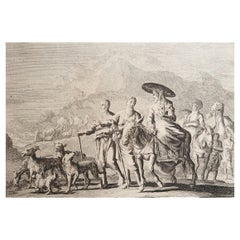
islande - Etching by Antoine Defehrt - 1771
Want more images or videos?
Request additional images or videos from the seller
1 of 2
Antoine DefehrtLa Brebis D
islande - Etching by Antoine Defehrt - 17711771
1771
$241.26
£176.80
€200
CA$331.12
A$349.85
CHF 188.18
MX$4,188.94
NOK 2,357.69
SEK 2,159.30
DKK 1,523.31
About the Item
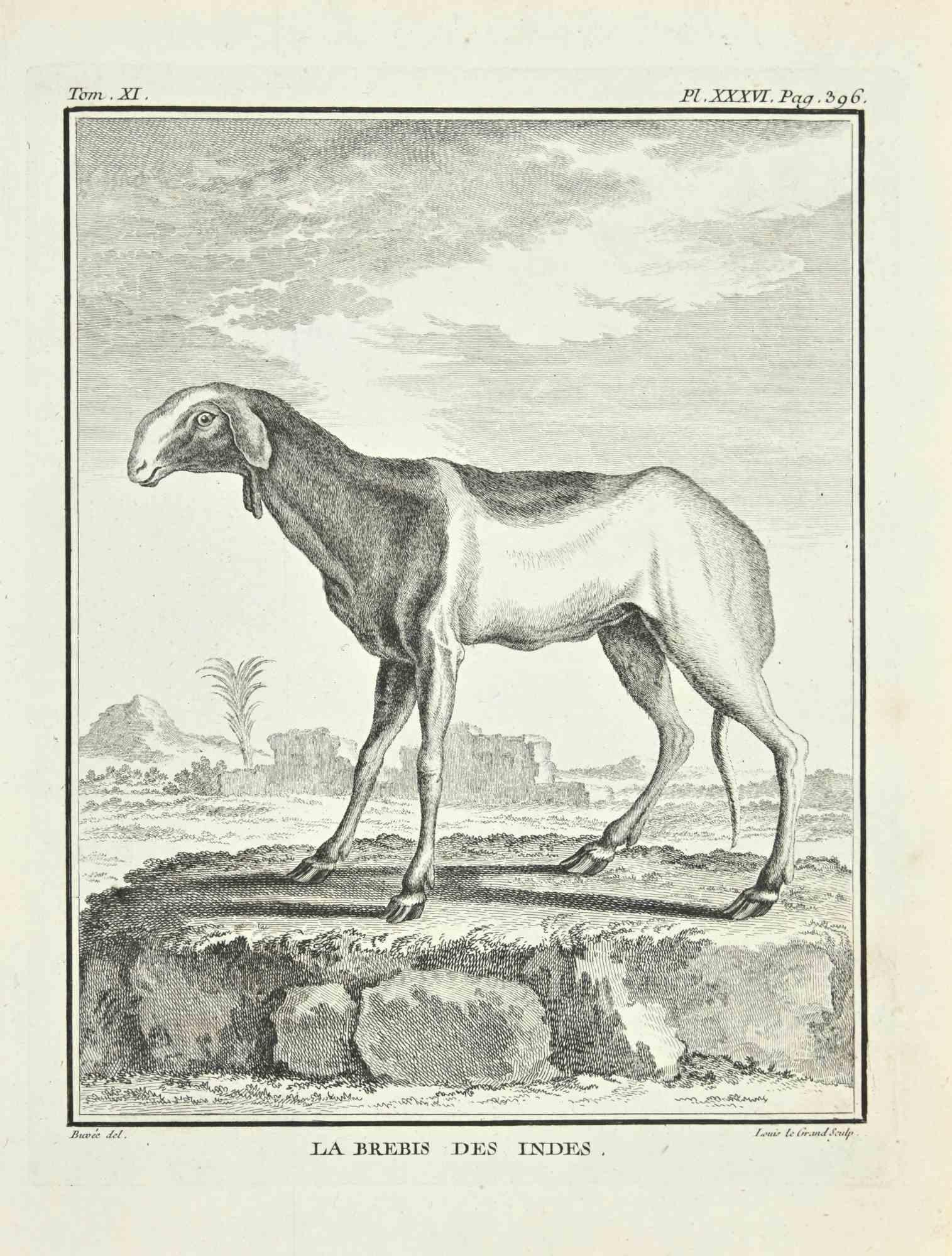
La Brebis D'islande is an etching realized by Antoine Defehrt in 1771.
It belongs to the suite "Histoire naturelle, générale et particulière avec la description du Cabinet du Roi".
Artist's signature engraved lower right.
Good conditions
- Creator:Antoine Defehrt
- Creation Year:1771
- Dimensions:Height: 9.85 in (25 cm)Width: 7.49 in (19 cm)Depth: 0.04 in (1 mm)
- Medium:
- Movement Style:
- Period:1770-1779
- Framing:Framing Options Available
- Condition:Insurance may be requested by customers as additional service, contact us for more information.a.
- Gallery Location:Roma, IT
- Reference Number:Seller: T-1416401stDibs: LU650312875342
About the Seller
4.9
Platinum Seller
Premium sellers with a 4.7+ rating and 24-hour response times
1stDibs seller since 2017
7,923 sales on 1stDibs
Typical response time: 1 hour
- ShippingRetrieving quote...Shipping from: Grasse, France
- Return Policy
More From This Seller
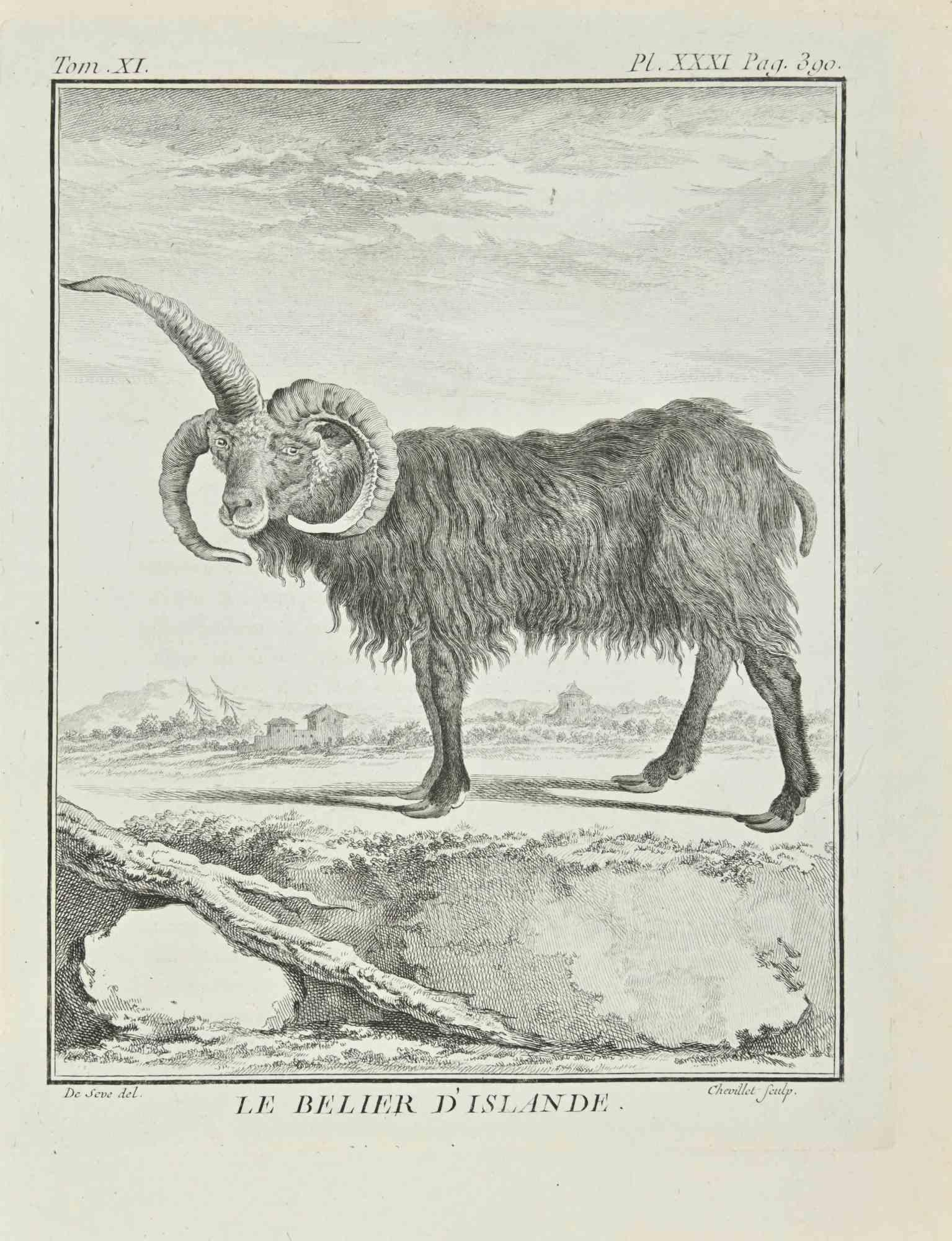
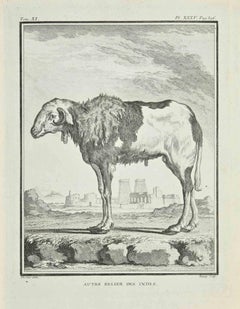
View AllLe Belier D
Islande - Etching by Juste Chevillet - 1771
Located in Roma, IT
Le Belier D'Islande is an etching realized by Juste Chevillet in 1771.
The artwork Belongs to the suite "Histoire naturelle, générale et particulière avec la description du Cabinet ...
Category
1770s Modern Figurative Prints
Materials
Etching
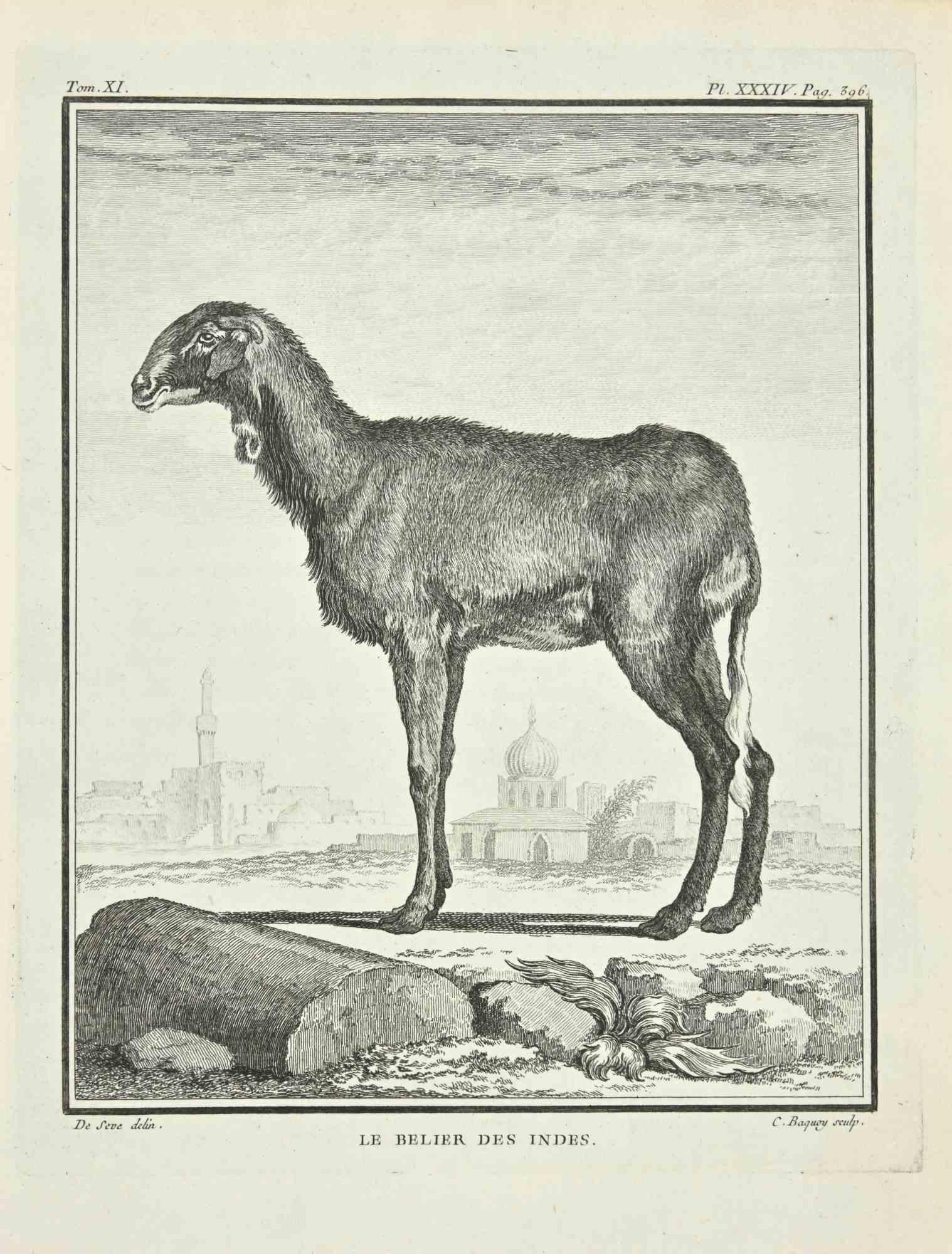
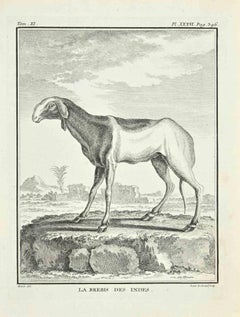
Le Brebis des Indes - Etching by Jean C. Baquoy - 1771
Located in Roma, IT
Etching realized by Jean Charles Baquoy in 1771.
It belongs to the first edition of the suite "Histoire Naturelle de Buffon".
Good conditions with slight foxing.
Category
1770s Modern Figurative Prints
Materials
Etching
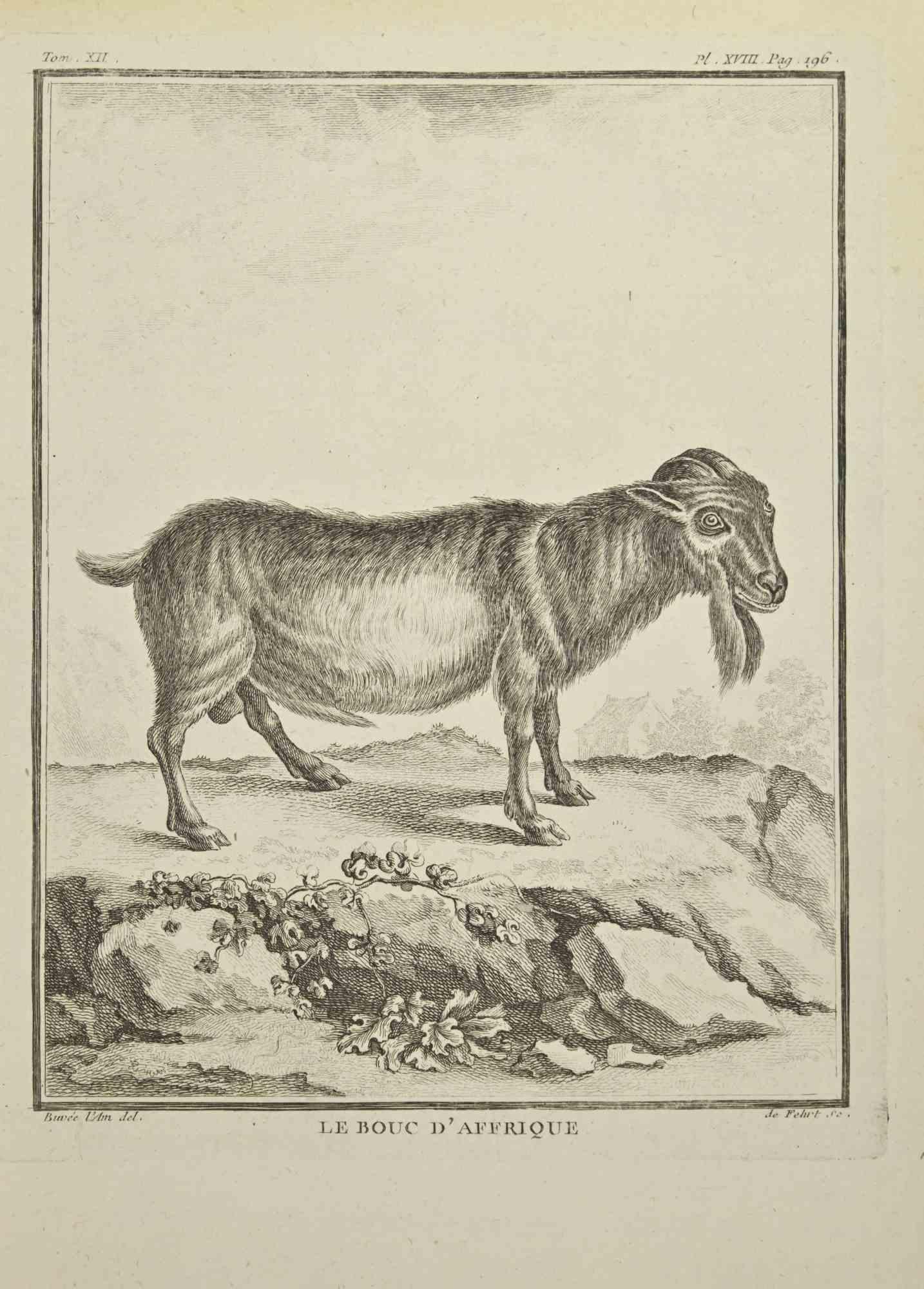
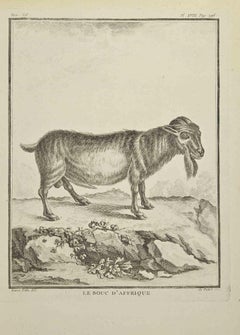
Le Bouc D
Affrique - Etching by A-J De Fehrt - 1771
Located in Roma, IT
Le Bouc D'Affrique is an etching realized in 1771 by A-J De Fehrt.
Signed in plate.
The artwork Belongs to the suite "Histoire naturelle, générale et particulière avec la descripti...
Category
18th Century Modern Figurative Prints
Materials
Etching
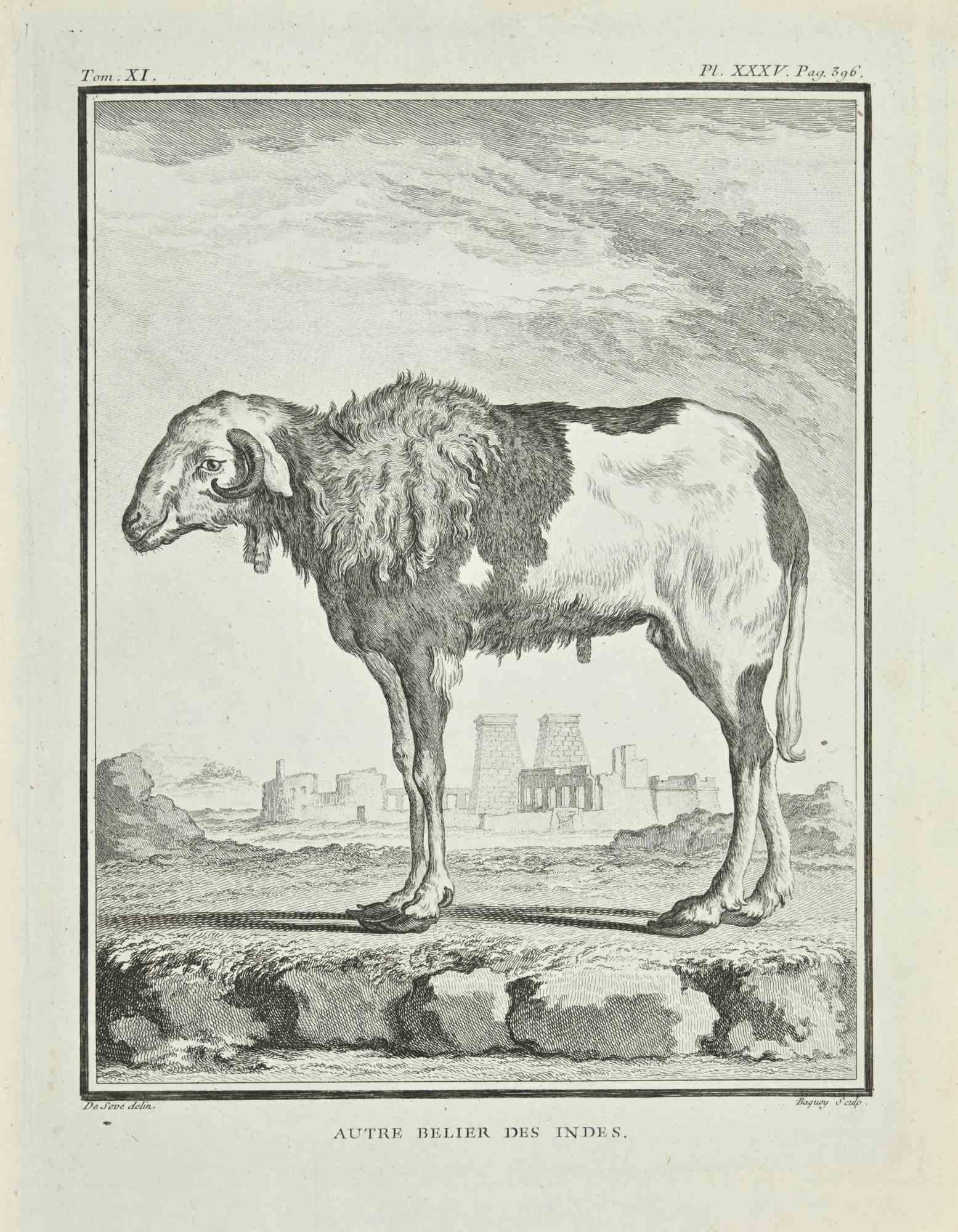
Le Brebis des Indes - Etching by Jean C. Baquoy - 1771
Located in Roma, IT
Etching realized by Jean Charles Baquoy in 1771.
It belongs to the first edition of the suite "Histoire Naturelle de Buffon".
Good conditions with slight foxing.
Category
1770s Modern Figurative Prints
Materials
Etching
Le Brebis des Indes - Etching by Jean C. Baquoy - 1771
Located in Roma, IT
Etching realized by Jean Charles Baquoy in 1771.
It belongs to the first edition of the suite "Histoire Naturelle de Buffon".
Good conditions with slight foxing.
Category
1770s Modern Figurative Prints
Materials
Etching
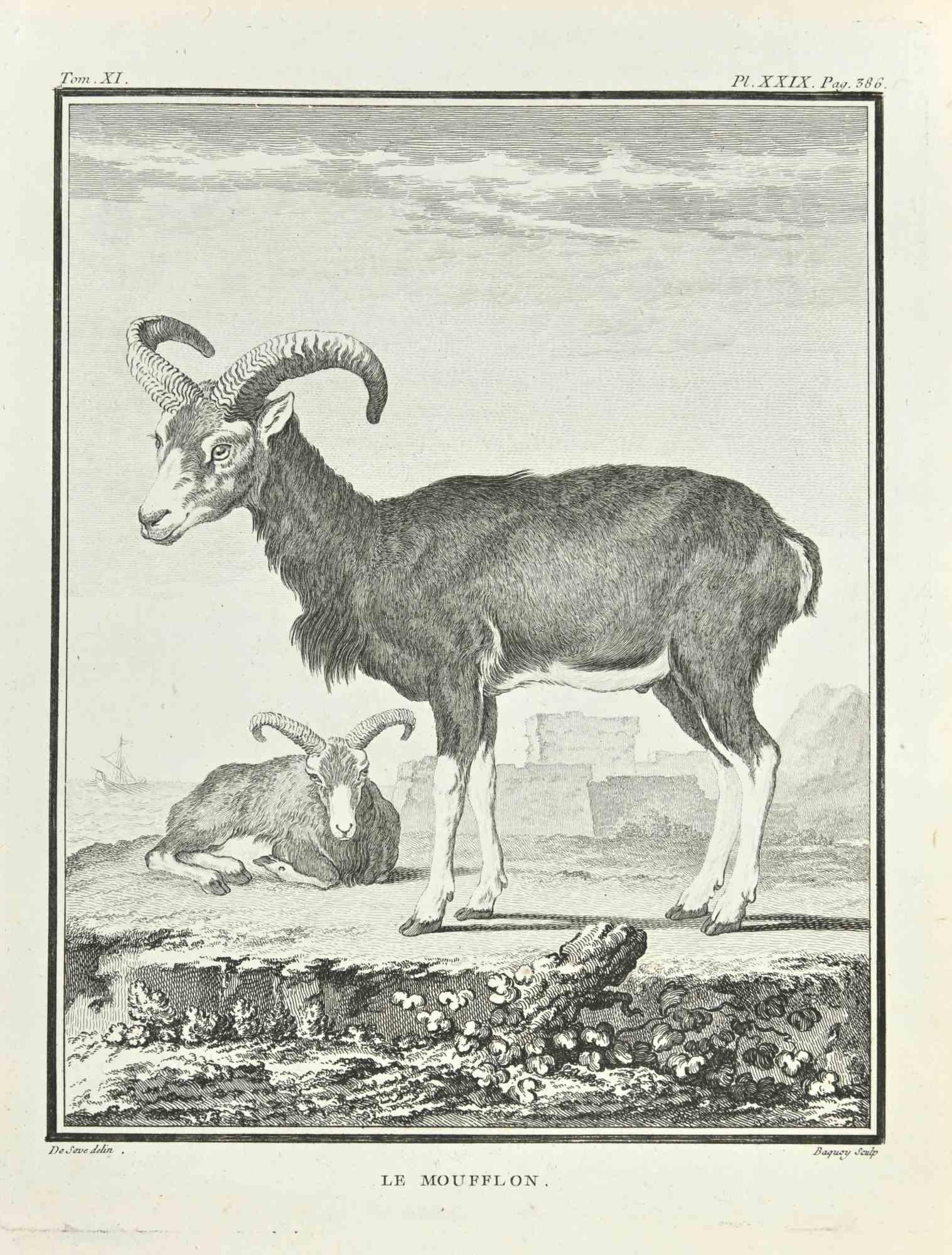
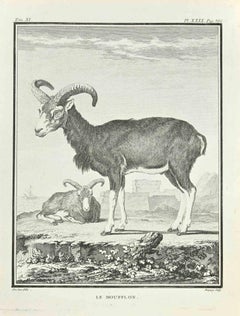
Le Moufflon - Etching by Jean Charles Baquoy - 1771
Located in Roma, IT
Le Moufflon is an etching realized by Jean Charles Baquoy in 1771.
The artwork Belongs to the suite "Histoire naturelle, générale et particulière avec la description du Cabinet du R...
Category
1770s Modern Figurative Prints
Materials
Etching
You May Also Like
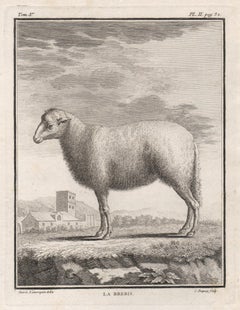
La Brebis, antique French 1760s sheep engraving
Located in Melbourne, Victoria
'La Brebis'
Copper-line engraving, circa 1765
From Buffon's "Histoire Naturelle, Generale et Particuliere Avec la Description du Cabinet du Roi" which was published in Paris.
24c...
Category
Late 19th Century Victorian Animal Prints
Materials
Engraving
Le Mouton de Barbarie, antique French 1760s sheep engraving
Located in Melbourne, Victoria
'Le Mouton de Barbarie'
Copper-line engraving, circa 1765
From Buffon's "Histoire Naturelle, Generale et Particuliere Avec la Description du Cabinet du Roi" which was published in Paris.
Jacques E. De Seve...
Category
Late 19th Century Victorian Animal Prints
Materials
Engraving

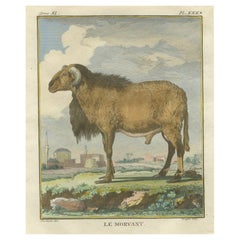
Elegant Morvant Ram Engraving, Buffon Amsterdam Edition 1769
Located in Langweer, NL
Elegant 1769 Morvant Ram Engraving – Hand-Coloured Buffon Dutch Edition
This impressive hand-coloured 18th-century engraving of the Morvant ram, titled Le Morvant, comes from the rare Dutch edition of Buffon’s monumental Histoire Naturelle, published in Amsterdam by J.H. Schneider in 1769. Appearing as Plate XXX in Tome XI, this striking portrait is one of the most distinctive and decorative sheep and goat engravings in the entire Buffon series. Drawn by Jacques de Sève, Buffon’s leading illustrator, and engraved with great refinement, the plate combines scientific accuracy with a strong visual presence, typical of the finest work in the quadruped volumes.
The Morvant ram stands in full profile on a raised foreground bank, its powerful build, muscular legs, and long shaggy coat rendered with exquisite detail. De Sève’s elegant cross-hatching gives volume and texture to the thick wool and the dark mane that drapes down the animal’s chest. The curved horns, expressive eye, and firm stance emphasise both the strength and the calm dignity of the breed. The hand colouring, characteristic of the Amsterdam Schneider edition, enriches the engraving with warm brown tones, natural greens, and soft blues that bring the entire composition to life.
Behind the ram, a landscape of minarets, domed buildings, and distant walls evokes the North African or Near Eastern setting associated with ancient regional breeds. The broad sky, shaded in subtle blue-grey washes, anchors the scene and provides an atmospheric backdrop that complements the earthy foreground tones. As a result, the plate balances scientific illustration and picturesque landscape in a way that remains highly desirable for collectors and decorators alike.
Buffon’s Histoire Naturelle represented one of the most ambitious publishing achievements of the Enlightenment, combining zoological study with an artistic sensibility. The Morvant ram, a robust and historically important breed, was of particular interest for its adaptability, distinctive appearance, and long-standing role in agriculture and local culture. This engraving served as one of the earliest widely circulated visual records of the breed in Western Europe.
More than 250 years old, this sheet remains bright, clean, and visually engaging. The strong plate mark, generous margins, and refined hand colouring make it an excellent standalone artwork or a perfect companion to related Buffon plates such as the Tunis ram, zebu, buffalo, or yak.
Condition report:
Very good for age. Minor toning and small foxing marks mostly confined to margins. Light handling marks typical of 18th-century paper. Strong impression with clearly visible plate mark. Hand colouring fresh and well preserved. No tears or repairs observed.
Framing tips:
Frame with an ivory, pale grey, or warm cream mat to complement the soft colouring of the wool and sky. A walnut or natural oak frame enhances the warm tones, while a slim black frame creates a more modern contrast. Floating the sheet is an excellent option to highlight the wide margins and plate mark.
Keywords:
Morvant ram engraving
Buffon natural history
Amsterdam 1769
Jacques de Sève
hand coloured copper engraving
antique sheep print...
Category
Antique Late 18th Century Dutch Prints
Materials
Paper
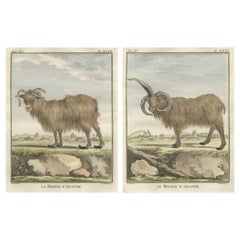
Rare 1769 Iceland Sheep Pair – Hand-Coloured Buffon Engravings Amsterdam
Located in Langweer, NL
Rare 1769 Iceland Sheep Pair – Hand-Coloured Buffon Engravings Amsterdam
This superb pair of hand-coloured 18th-century engravings of the Icelandic sheep and ram, titled La Brebis d’Islande (Plate XXXII) and Le Bélier d’Islande (Plate XXXI), comes from the 1769 Amsterdam Dutch edition of Buffon’s Histoire Naturelle. These plates are among the most characterful and decorative images in the quadruped series, capturing the distinctive long-haired Icelandic breed with remarkable artistic sensitivity.
Drawn by Buffon’s celebrated illustrator Jacques de Sève and engraved with fine precision, each sheet presents an Icelandic sheep in a natural landscape, shown with rustic dwellings, hills, and the atmospheric grey skies of the North. The hand colouring of the Schneider edition is exceptionally appealing: warm chestnut and golden tones in the long wool, contrasted with soft greens and muted earth tones in the foreground. The engraver’s subtle linework in the facial features and horns brings great expression to these hardy northern animals.
The ewe, shown in Plate XXXII, stands with a slightly turned head, her long fleece rendered with delicate layered strokes. Small cottages and distant volcanic forms complete the landscape, nodding subtly to Iceland’s rugged environment. The ram, Plate XXXI, is even more striking, with dramatically curled horns and a powerful stance. His expression, posture, and thick coat combine to form one of the most distinctive animals in the Buffon series.
Together, the two plates form a natural pair—male and female, complementary compositions, matching landscapes, and identical framing proportions. When hung side by side, they create an elegant and balanced display that combines scientific illustration, pastoral charm, and 18th-century artistry.
Buffon’s Histoire Naturelle was one of the most influential natural history works of the Enlightenment, and the Amsterdam edition is particularly prized for its hand colouring and high production values. Icelandic sheep were of special interest to Buffon because of their adaptation to extreme climates, their unusual wool, and their cultural importance. These engravings remain among the earliest widely circulated images of the breed in Europe.
Condition report:
Very good condition for age. Clean sheets with wide margins and strong plate marks. Minor age toning and occasional small foxing spots, mostly in the margins. Hand colouring bright and well preserved. No tears, repairs, or stains affecting the image.
Framing tips:
Frame the pair together for maximum visual impact. Use warm cream or pale grey matting to complement the wool tones. Natural oak, walnut, or light gilt frames work beautifully with the earthy palette. Floating the sheets also highlights the generous margins and plate marks.
Keywords:
Iceland sheep engraving
Buffon 1769 Amsterdam
Jacques de Sève
hand coloured natural history
La Brebis d’Islande
Le Bélier d’Islande
antique farm animal prints...
Category
Antique Late 18th Century Dutch Prints
Materials
Paper
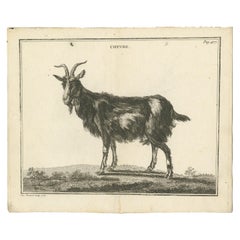
Antique Print of a Goat by Fessard, 1819
Located in Langweer, NL
Antique print titled 'Chevre'. Copper engraving of a goat. This print originates from 'Handboek der genees- en verloskunde van het vee (..)' by A. Numan. Published by R.J. Schierbeek...
Category
Antique Early 19th Century Prints
Materials
Paper
Original Antique Print After Jan Luyken, Amsterdam, Genesis XXXI, 1724
Located in St Annes, Lancashire
Wonderful copper-plate engraving after Jan Luyken
Published by Marten Schagen, Amsterdam. 1724
Text on verso
The measurement given is the paper size.
Category
Antique 1720s Dutch Renaissance Prints
Materials
Paper
More Ways To Browse
Eugenio Granell
Femme Nue Couchee
Frank Benson Etchings
Georges Braque Greek
Henri Privat Livemont
Henry Moore 1949
Henryk Tomaszewski
Hockney Ipad Drawings
Invader Rubik
Japanese Woodblock Prints Kabuki
Jean Baptiste Le Prince
Joseph Margulies
Keith Haring Growing
Keith Haring Skateboard
Leroy Neiman Lithograph
Lew Davis
Lucky Strike Cigarettes Vintage
Marc Chagall Lithograph Chloe