Want more images or videos?
Request additional images or videos from the seller
1 of 6

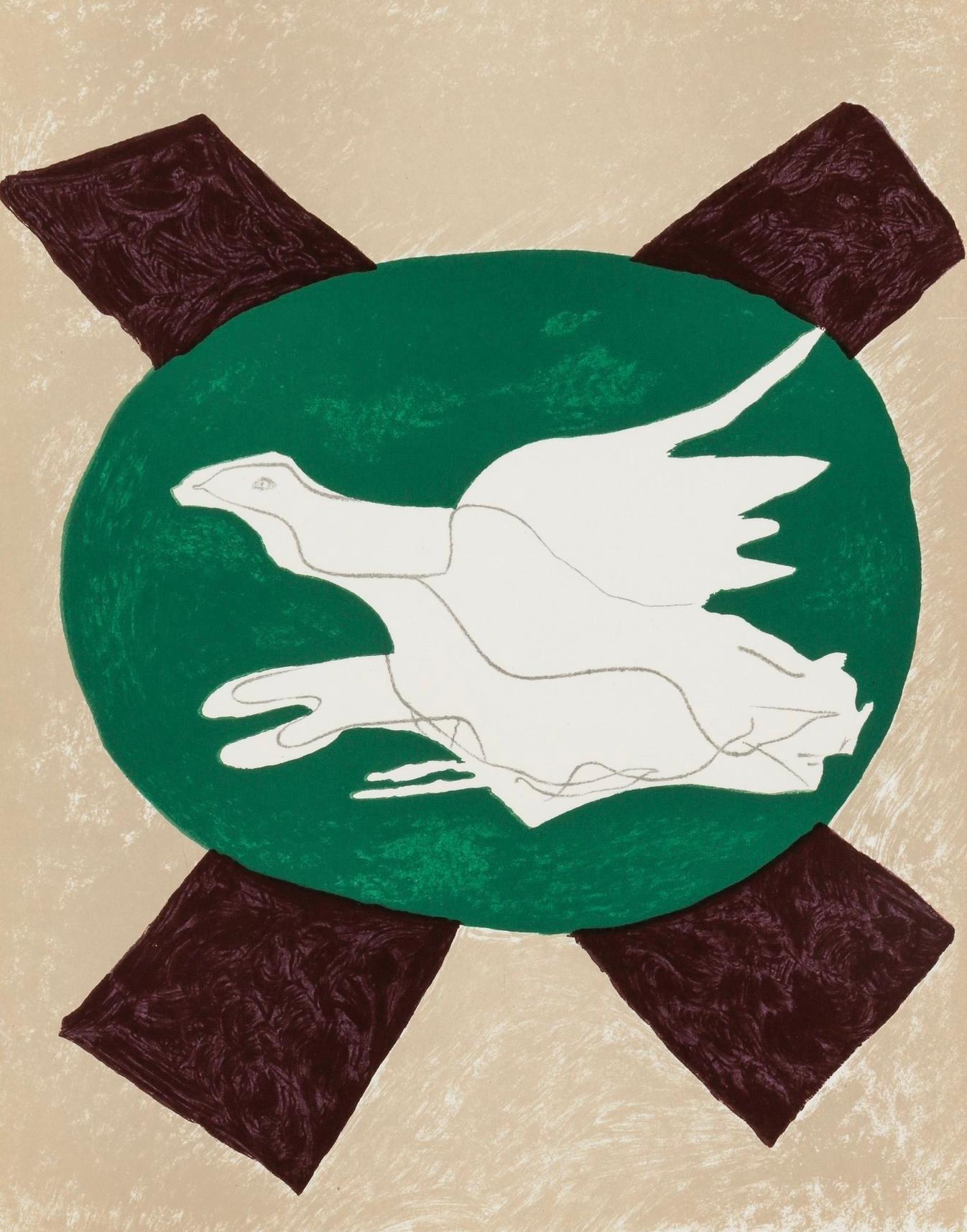
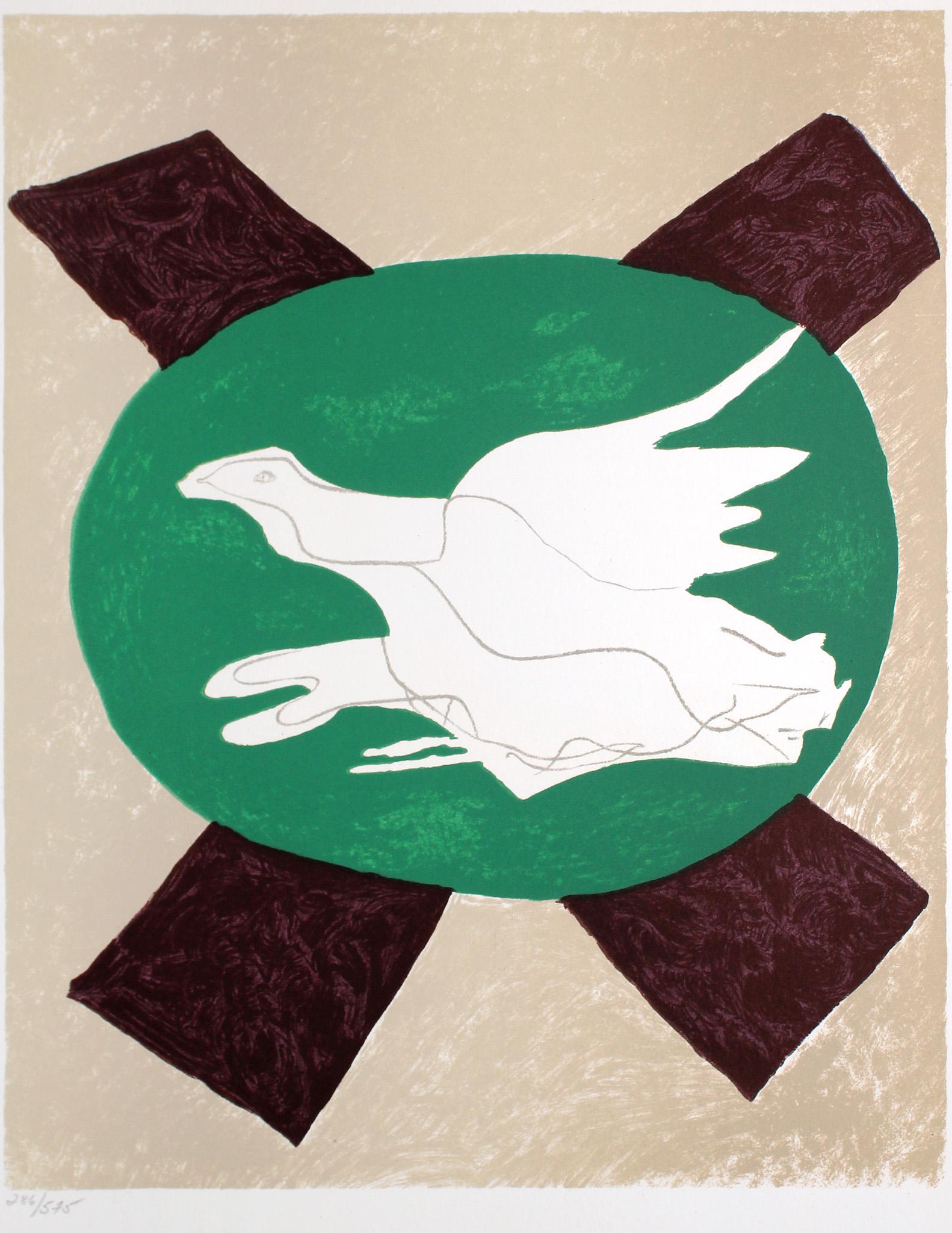
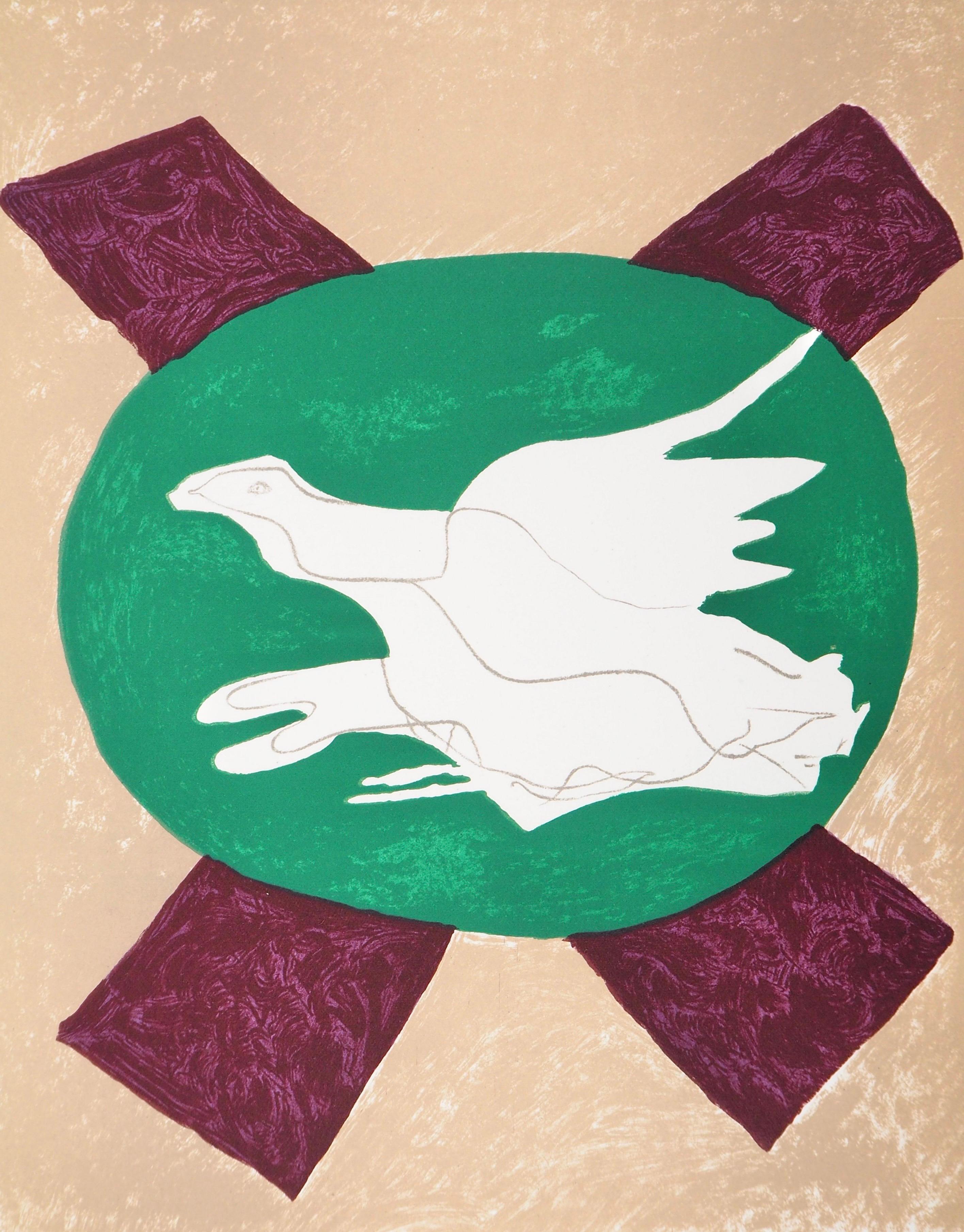
Georges Braque
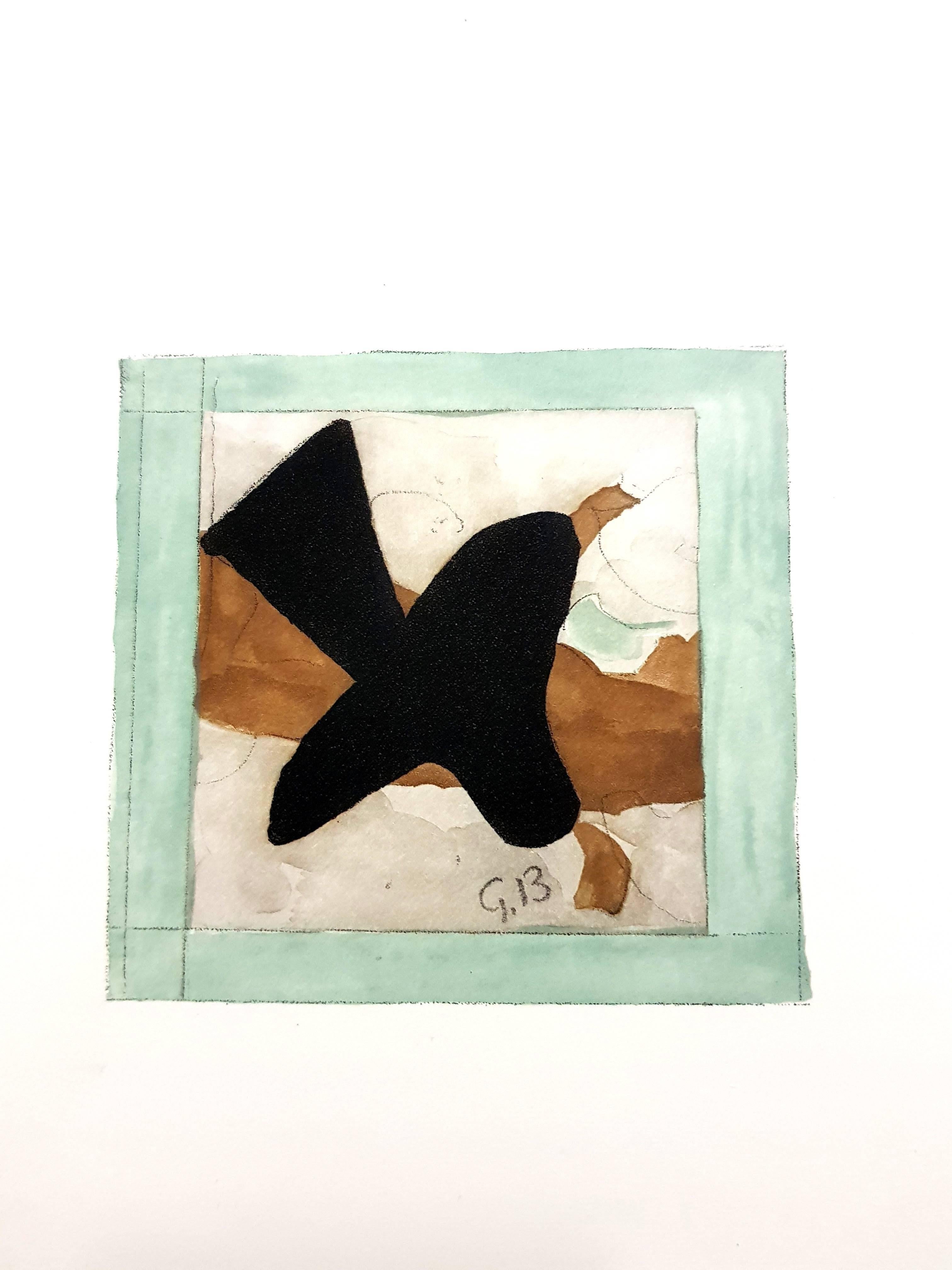
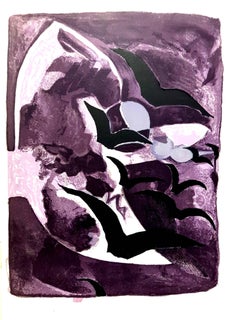
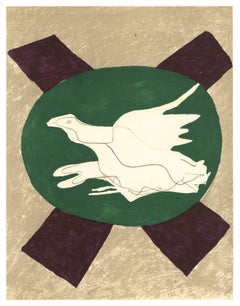
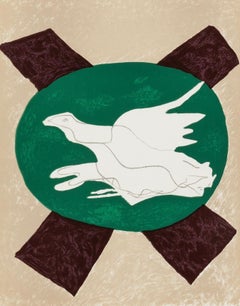
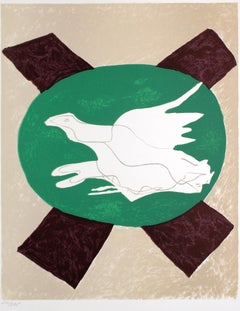
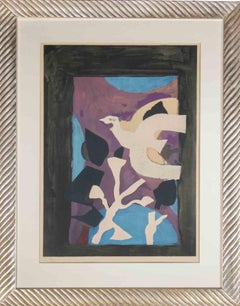
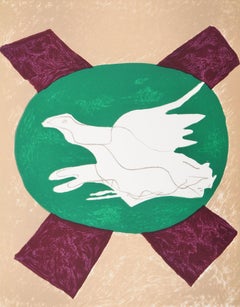
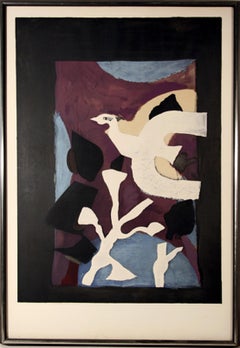
Georges Braque - Birds - Original Lithograph

1958

$1,425.23
£1,068.31
€1,200
CA$1,970.87
A$2,145.78
CHF 1,145.78
MX$25,902.92
NOK 14,404.48
SEK 13,397.84
DKK 9,142.68

About the Item

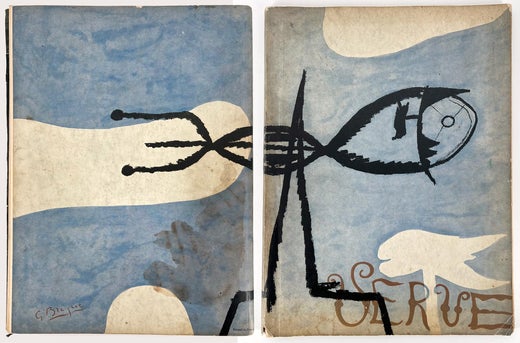
Georges Braque - Birds - Original Lithograph Published in the deluxe art review, XXe Siecle 1958 Dimensions: 32 x 24 cm Publisher: G. di San Lazzaro. Unsigned and unumbered as issued
  • Creator:
    Georges Braque (1882 - 1963, French)
  • Creation Year:
    1958
  • Dimensions:
    Height: 12.6 in (32 cm)Width: 9.45 in (24 cm)Depth: 0.04 in (1 mm)
  • Medium:
  • Movement Style:
  • Period:
  • Condition:
  • Gallery Location:
    Collonge Bellerive, Geneve, CH
  • Reference Number:
    1stDibs: LU16124444041

More From This Seller

View All
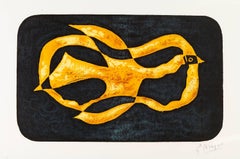
The Bird - Lithograph
By (after) Georges Braque
Located in Collonge Bellerive, Geneve, CH
Title: The Bird Printed signature Dimensions: 38 x 28 cm from the edition of 250 as issued in Warnod, Andre, "Les Peintres mes amis" (Paris: Les Heures Claires, 1965) The father of ...
Category

1960s Modern Portrait Prints

Materials

Lithograph

Georges Braque - Original Lithograph
By Georges Braque
Located in Collonge Bellerive, Geneve, CH
Georges Braque - Original Lithograph 1963 Dimensions: 32 x 24 cm Andre Sauret, Monte Carlo The father of Cubism Three Cubist that distinguishes art historian periods were initiated and developed by Georges Braque: The Cubist Cézanne (1907-1909), Executive (1909-1912) and synthetic (1912-1922). Post-Impressionist and fawn, Braque no longer adheres to the contingency of a decorative way or the other. Cézanne’s paintings exhibited at the Grand Palais during the retrospective of 1907 are a revelation: Cézanne sought and invented a pictorial language. In his footsteps, Braque went to the South with the reasons of the Master. He returned with Estaque landscapes and surprising Ciotat it keeps Cezanne geometric model and retains the “passages” continuity from one surface to another to create the sensation of “turning around” of the object represented. But he wants to go after the consequences of the vision of Cezanne. In his paintings Houses in L’Estaque (1908) it simplifies the volumes of houses, neglects detail by removing doors and windows: the plastic rhythm that builds the table. Large Nude , a masterpiece of the period, can be considered the first work of Cézanne cubism . Systematizing and deepening Braque discoveries open the door analytical cubism. In 1909, his painting became more cerebral than sensual. The pattern is recreated in the two-dimensionality of the canvas, leaving aside any illusionistic perspective. In Still Life with Violin, objects are analyzed facets according to their characteristic elements, each facet referring to a particular view of the object. There are so many facets of points selected view: Table reflects the knowledge of the object and the ubiquity of the eye. Moreover, Braque is looking for the essence of the objects in the world rather than their contingency, which explains the absence of light source and use of muted colors (gray, ocher), contingent aspects of the object . But formal logic has stepped facets, erased any anecdote to the object and ultimately led to his painting a hermetic more marked on the edge of abstraction (see the series of Castle Roche-Guyon ). Braque, anxious to keep the concrete and refusing at all costs that the logic of Cubism takes the paintings to abstract, reintroduced signs of reality in his paintings in 1912 marks the beginning of Synthetic Cubism. Historians speak of “signs of real” rather than reality because what interests Braque, this is not to put reality into a table, but to create a painting which, by its language, refers to the real. To do this, he invented two major techniques XX th century inclusions and contributions. The inclusions consist of painting objects that have no real depth, materials (wallpaper in Nature morte aux playing cards faux wood is a pictorial inclusion) or letters (calligraphic inclusion in Portuguese ), made first brush and a few months later stencil. Contributions are defined in contrast with the collage on canvas of foreign materials: glued or sand paper, sawdust, etc.. Regarding the collages, Braque used for the first time in September 1912 a piece of adhesive paper imitating faux wood Compote and Glass , then the packet envelope of tobacco Bock in 1912-1913, or an advertisement in Damier , 1913). Inputs and inclusions refer to an external object in the table, without “emulate” this object. Away from their appearances, objects are represented in closest essence of the objects in the real world sense. This is also the time of Synthetic Cubism that Braque invented paper sculpture. There are, unfortunately, and no one is living proof of a photograph makes it possible to realize: Paper and paperboard. Métamorphoses period(1961-1963). In 1961, Georges Braque worked on a Greek head for the Louvre, which obsesses him, and he wishes to free his mind. He tried several times to bring out the paint and the result was unsatisfactory. He thinks the ultimate metamorphosis its Greek head projected in three dimensions. He calls in his studio of Baron Heger Loewenfeld, master lapidary, and he communicates his enthusiasm during the “fateful encounter.” Nine months later, in honor of the eighty years of Georges Braque, Heger Loewenfeld offers the Master of the ring Circe: the famous Greek head finally exorcised, carved in an onyx. Braque Loewenfeld then asked to identify other issues that haunt him. From dated and signed by Georges Braque, Heger gouaches Loewenfeld shapes works in the fields of jewelery, lapidary art...
Category

1960s Modern Figurative Prints

Materials

Lithograph

After Georges Braque - Les oiseaux de nuit - Lithograph
By Georges Braque
Located in Collonge Bellerive, Geneve, CH
Georges Braque - Les oiseaux de nuit Lithograph after the gouache 1964 Dimensions: 30 x 20 cm Edition of 200 (one of the 200 on Vélin de Rives) Mourlot Pre...
Category

1960s Modern Abstract Prints

Materials

Lithograph

After Georges Braque - Antiborée - Lithograph
Located in Collonge Bellerive, Geneve, CH
Lithograph after Georges Braque. Signed in the plate Edition of 150 Dimensions: 76 x 117 cm Bibliography: « Les Métamorphoses de Braque» of Heger de Loewenfeld and Raphaël de Cuttoli , Editions FAC, Paris, 1989. In 1961 Georges Braque decided with his laidary friend Heger de Loewenfeld to pick up certain of his works to in order to create artworks, this beautiful litograph is one of them. Héméra in the Mythology: In Greek mythology Hemera was the personification of day and one of the Greek primordial deities. She is the goddess of the daytime and, according to Hesiod, the daughter of Erebus and Nyx (the goddess of night). Hemera is remarked upon in Cicero's De Natura Deorum, where it is logically determined that Dies (Hemera) must be a god, if Uranus is a god. The poet Bacchylides states that Nyx and Chronos are the parents, but Hyginus in his preface to the Fabulae mentions Chaos as the mother/father and Nyx as her sister. She was the female counterpart of her brother and consort, Aether (Light), but neither of them figured actively in myth or cult. Hyginus lists their children as Uranus, Gaia, and Thalassa (the primordial sea goddess), while Hesiod only lists Thalassa as their child. The father of Cubism Three Cubist that distinguishes art historian periods were initiated and developed by Georges Braque: The Cubist Cézanne (1907-1909), Executive (1909-1912) and synthetic (1912-1922). Post-Impressionist and fawn, Braque no longer adheres to the contingency of a decorative way or the other. Cézanne’s paintings exhibited at the Grand Palais during the retrospective of 1907 are a revelation: Cézanne sought and invented a pictorial language. In his footsteps, Braque went to the South with the reasons of the Master. He returned with Estaque landscapes and surprising Ciotat it keeps Cezanne geometric model and retains the “passages” continuity from one surface to another to create the sensation of “turning around” of the object represented. But he wants to go after the consequences of the vision of Cezanne. In his paintings Houses in L’Estaque (1908) it simplifies the volumes of houses, neglects detail by removing doors and windows: the plastic rhythm that builds the table. Large Nude , a masterpiece of the period, can be considered the first work of Cézanne cubism . Systematizing and deepening Braque discoveries open the door analytical cubism. In 1909, his painting became more cerebral than sensual. The pattern is recreated in the two-dimensionality of the canvas, leaving aside any illusionistic perspective. In Still Life with Violin, objects are analyzed facets according to their characteristic elements, each facet referring to a particular view of the object. There are so many facets of points selected view: Table reflects the knowledge of the object and the ubiquity of the eye. Moreover, Braque is looking for the essence of the objects in the world rather than their contingency, which explains the absence of light source and use of muted colors (gray, ocher), contingent aspects of the object . But formal logic has stepped facets, erased any anecdote to the object and ultimately led to his painting a hermetic more marked on the edge of abstraction (see the series of Castle Roche-Guyon ). Braque, anxious to keep the concrete and refusing at all costs that the logic of Cubism takes the paintings to abstract, reintroduced signs of reality in his paintings in 1912 marks the beginning of Synthetic Cubism. Historians speak of “signs of real” rather than reality because what interests Braque, this is not to put reality into a table, but to create a painting which, by its language, refers to the real. To do this, he invented two major techniques XX th century inclusions and contributions. The inclusions consist of painting objects that have no real depth, materials (wallpaper in Nature morte aux playing cards faux wood is a pictorial inclusion) or letters (calligraphic inclusion in Portuguese ), made first brush and a few months later stencil. Contributions are defined in contrast with the collage on canvas of foreign materials: glued or sand paper, sawdust, etc.. Regarding the collages, Braque used for the first time in September 1912 a piece of adhesive paper imitating faux wood Compote...
Category

1950s Cubist Animal Prints

Materials

Lithograph

Lithograph after Georges Braque
Located in Collonge Bellerive, Geneve, CH
Lithograph after Georges Braque From the deluxe art review, Derrière le Mirroir 1964 Printed signature Dimensions: 38 x 28 cm DLM No. 148, 1964 Edition: Foundation Maeght at Saint P...
Category

1960s Modern Figurative Prints

Materials

Lithograph

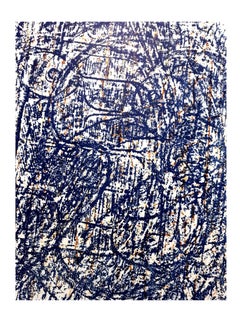
Max Ernst - Abstract Birds - Original Lithograph
By Max Ernst
Located in Collonge Bellerive, Geneve, CH
Max Ernst - Birds - Original Lithograph Birds, 1962 Dimensions: 32 x 24 cm From the art review XXe siècle Unsigned and unumbered as issued
Category

1960s Surrealist Animal Prints

Materials

Lithograph

You May Also Like

original lithograph
By Georges Braque
Located in Henderson, NV
Medium: original lithograph. Printed in 1958 for the art revue XXe Siecle (issue number 11) and published in Paris by San Lazzaro. Sheet size: 12 3/8 x 9 1/2 inches (314 x 242 mm). N...
Category

1950s Prints and Multiples

Materials

Lithograph

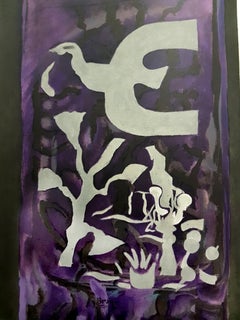
Georges Braque, Bird on Background of X, from XXe Siecle, 1958
By Georges Braque
Located in Southampton, NY
This exquisite lithograph by Georges Braque (1882–1963), titled Oiseau sur fond de X (Bird on Background of X), from the album XXe Siecle, Nouvelle serie N°11 (double), Noel 1958, or...
Category

1950s Cubist Figurative Prints

Materials

Lithograph

Oiseau From San Lazzaro Et Ses Amis
By Georges Braque
Located in Philadelphia, PA
Georges Braque French painter Composition Oiseau Editions XXe Siecle, Paris, France Mint Condition 1975
Category

1970s Prints and Multiples

Materials

Lithograph

Oiseau et Lotus - Lithograph by Georges Braque - 1963
By Georges Braque
Located in Roma, IT
Oiseau et Lotus is a color lithograph on paper, realized by the French Cubist artist, Georges Braque (1882-1963). Printed by ARTE in 1963 by order of Galerie Maeght in Paris in a ci...
Category

1960s Modern Abstract Prints

Materials

Lithograph

Georges Braque, Bird on Background of X, San Lazzaro et ses Amis, 1975 (after)
By Georges Braque
Located in Southampton, NY
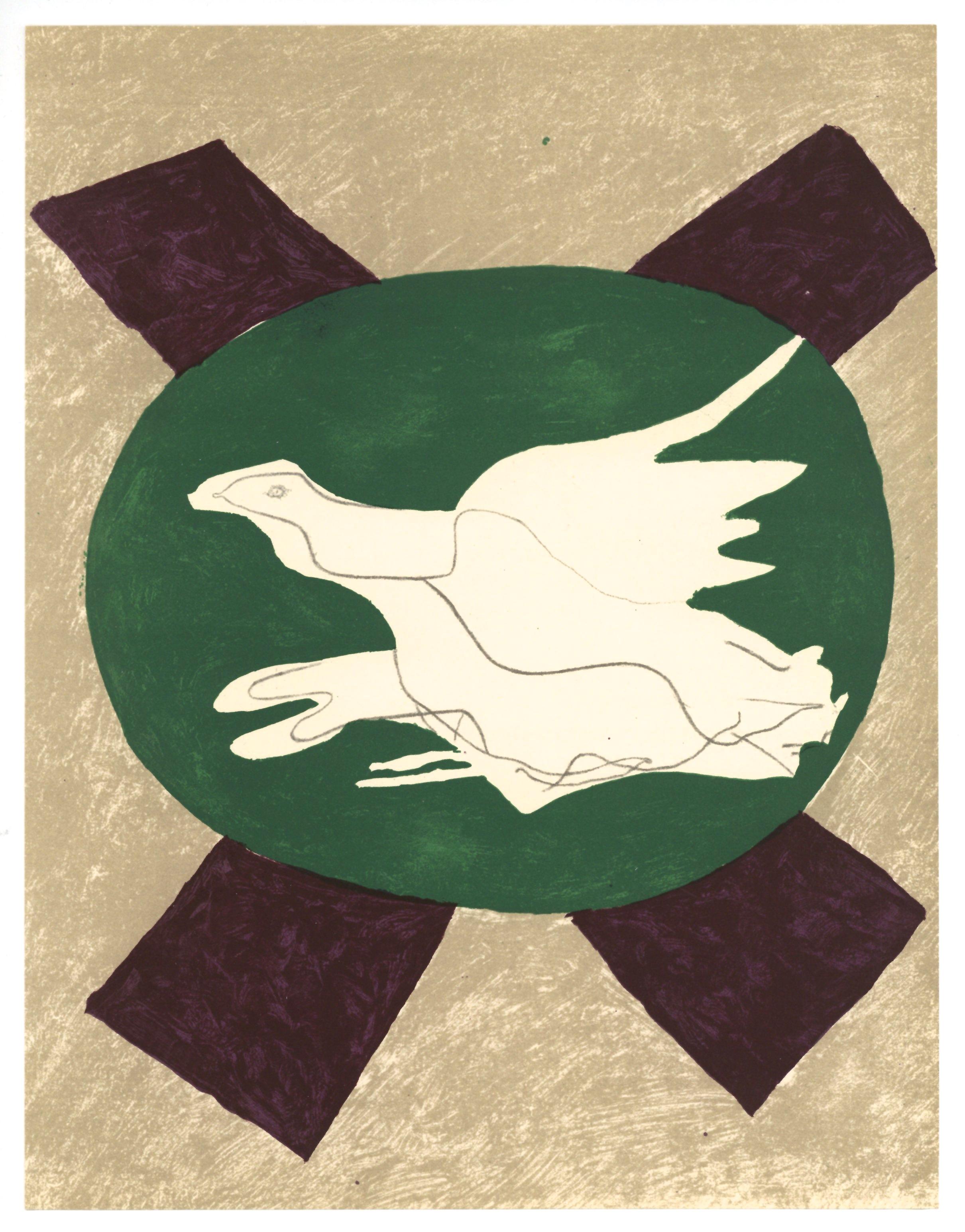
This exquisite lithograph after Georges Braque (1882–1963), titled Oiseau sur fond de X (Bird on Background of X), from the album San Lazzaro et ses Amis, Hommage au fondateur de la revue XXe siecle (San Lazzaro and His Friends, Tribute to the Founder of the Journal XXe Siecle), originates from the 1975 edition published by XXe siecle, Paris, and printed by Mourlot Freres, Paris, October 1975. Oiseau sur fond de X exemplifies Braque’s late-career mastery of poetic symbolism and formal harmony. The composition’s abstracted bird—one of Braque’s most enduring motifs—emerges from an intricate background of interlocking shapes and textures, expressing his lifelong fascination with balance, serenity, and the unity between nature and form. Executed as a lithograph on velin d'Arches paper, this work measures 10.5 x 14 inches (26.67 x 35.56 cm). Unsigned and unnumbered as issued. The edition reflects the exceptional craftsmanship of Mourlot Freres, the legendary Parisian atelier known for its collaborations with Braque, Picasso, Chagall, and Matisse. Artwork Details: Artist: After Georges Braque (1882–1963) Title: Oiseau sur fond de X (Bird on Background of X), from San Lazzaro et ses Amis, Hommage au fondateur de la revue XXe siecle, 1975 Medium: Lithograph on velin d'Arches paper Dimensions: 10.5 x 14 inches (26.67 x 35.56 cm) Inscription: Unsigned and unnumbered as issued Date: 1975 Publisher: XXe siecle, Paris Printer: Mourlot Freres, Paris Catalogue raisonne references: Vallier, Dora, et al. Braque, the Complete Graphics: Catalogue Raisonne. Translated by Robert Bononno, Gallery Books, 1988, illustration 122. Condition: Well preserved, consistent with age and medium Provenance: From the album San Lazzaro et ses Amis, Hommage au fondateur de la revue XXe siecle, published by XXe siecle, Paris, October 1975 Notes: Excerpted from the folio (translated from French), Finished printing in Paris in October 1975. This album has been printed on velin d'Arches in DLXXV numbered examples. The LXXV original examples include a series of VIII original lithographs, signed and numbered by the artists. In addition, LV examples were printed for artists, authors, friends and collaborators of XXe siecle. The typography is from l'Imprimerie Union in Paris; the lithographs of Max Bill, Marc Chagall, Hans Hartung, Braque, Fontana, Magnelli, Picasso, Magritte and Poliakoff were printed by Fernand Mourlot in Paris; those of Alexander Calder and Joan Miro by l'imprimerie Arte in Paris; that of Max Ernst by Pierre Chave in Vence; that of Zao Wou-Ki by ateliers Bellini in Paris; and that of Henry Moore by the Curwen Studio in London. About the Publication: San Lazzaro et ses Amis, Hommage au fondateur de la revue XXe siecle (San Lazzaro and His Friends, Tribute to the Founder of the Journal XXe Siecle), published in 1975 by XXe siecle, Paris, was conceived as a landmark tribute to Gualtieri di San Lazzaro, the visionary founder of the celebrated art journal XXe Siecle. The folio unites original lithographs by leading masters of modern art—Braque, Picasso, Chagall, Miro, Calder, Hartung, Moore, and others—printed by premier Parisian ateliers including Mourlot, Arte, Bellini, and Curwen. Representing the creative spirit and internationalism of postwar modernism, this edition stands as one of the great artistic collaborations of the 20th century. About the Artist: Georges Braque (1882–1963) was a French painter, printmaker, sculptor, and collagist whose visionary innovations and lifelong pursuit of balance, structure, and poetic form made him one of the most influential figures in 20th-century art. Born in Argenteuil-sur-Seine and raised in Le Havre, Braque began as a decorative painter before studying at the Ecole des Beaux-Arts and the Academie Humbert in Paris, where he absorbed the vibrant colorism of the Fauves and the structural logic of Paul Cezanne. His encounter with Pablo Picasso in 1907 led to one of the most groundbreaking collaborations in art history—the invention of Cubism—a movement that redefined visual perception by fragmenting form, rejecting single-point perspective, and reconstructing reality into a multidimensional experience. Between 1908 and 1914, Braque and Picasso revolutionized painting through Analytical Cubism, a style characterized by muted palettes, overlapping planes, and a focus on underlying structure rather than surface appearance. In 1912, Braque pioneered papier colle, the first use of collage in fine art, incorporating wallpaper and printed paper into his compositions and forever changing the relationship between art and the material world. After World War I, he returned to painting with renewed sensitivity, developing a lyrical and introspective form of Synthetic Cubism distinguished by harmony, rhythm, and a meditative sense of stillness. His still lifes, musical instruments, and interior scenes became metaphors for balance and contemplation, uniting intellect and emotion in perfect equilibrium. Immersed in the Parisian avant-garde, Braque worked alongside and exchanged ideas with Pablo Picasso, Alexander Calder, Alberto Giacometti, Salvador Dali, Joan Miro, Wassily Kandinsky, Marcel Duchamp, and Man Ray, each of whom shared his passion for redefining the boundaries of modern art. His innovations in form, collage, and spatial construction deeply influenced later artists, including Jean Dubuffet, Nicolas de Stael, Henry Laurens, Ellsworth Kelly, Richard Diebenkorn, and Jasper Johns, shaping the course of postwar abstraction and modern design. In 1961, Braque became the first living artist to have a solo exhibition at the Louvre, a recognition of his monumental impact on modern aesthetics. His works are now housed in major museums worldwide, including the Museum of Modern Art in New York, the Tate Modern in London, and the Centre Pompidou in Paris, and remain sought after for their intellectual depth and timeless serenity. His highest auction record was achieved by Paysage a la Ciotat, which sold for $15.8 million at Sotheby’s, New York, in 2013, reaffirming Georges Braque’s legacy as one of the founding architects of Cubism and a master whose art continues to define the modern age. Georges Braque Oiseau...
Category

1970s Cubist Abstract Prints

Materials

Lithograph

Derniers Messages, Cubist Lithograph by Georges Braque
By Georges Braque
Located in Long Island City, NY
Georges Braque, French (1882 - 1963) - Derniers Messages, Year: circa 1965, Medium: Lithograph, Image Size: 23.5 x 17 inches, Frame Size: 28 x 19.5 inches
Category

1960s Cubist Animal Prints

Materials

Lithograph