Want more images or videos?
Request additional images or videos from the seller
1 of 5

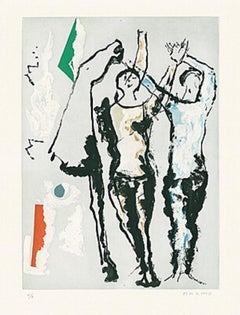
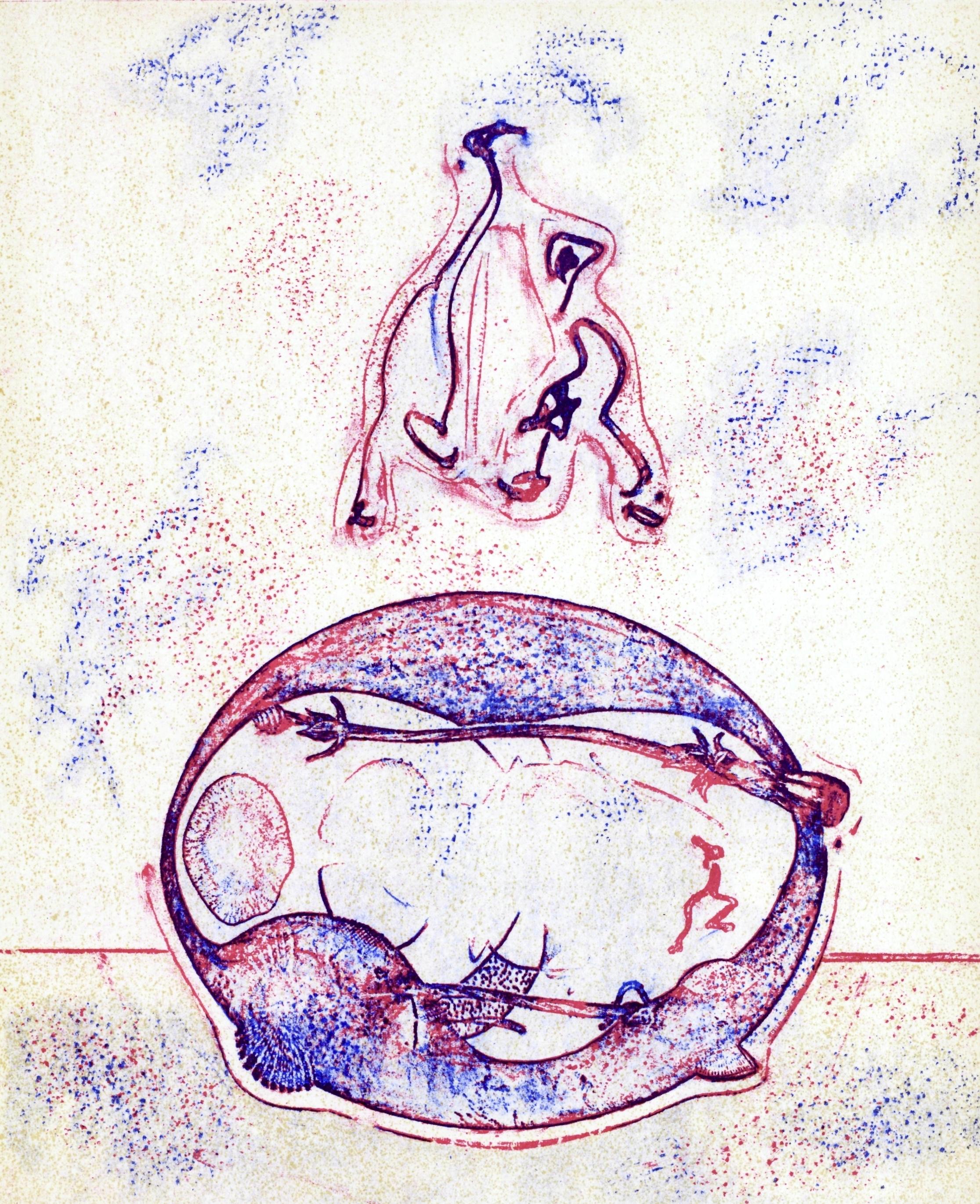
Max Ernst
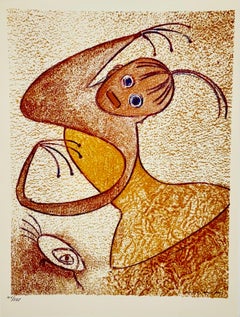
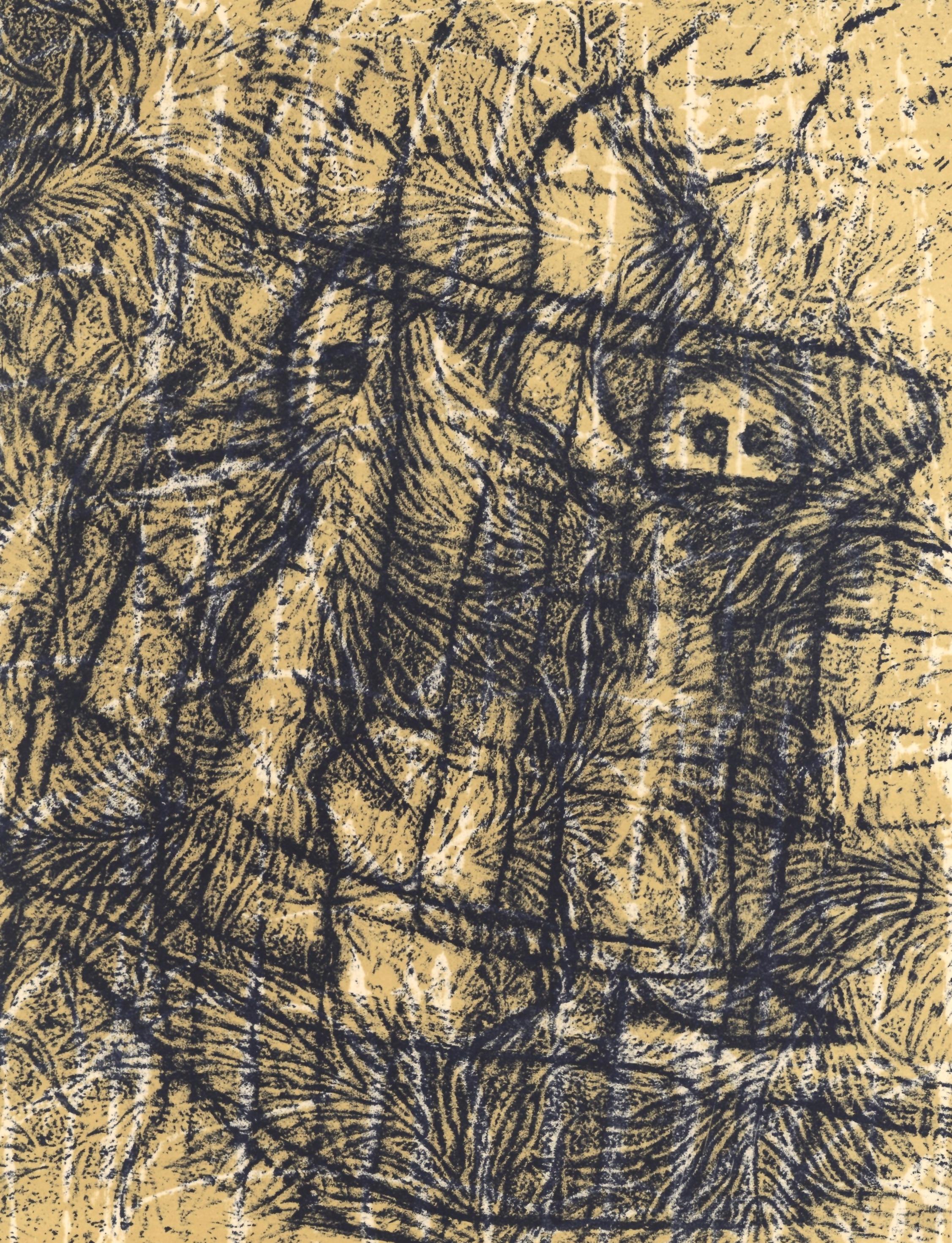
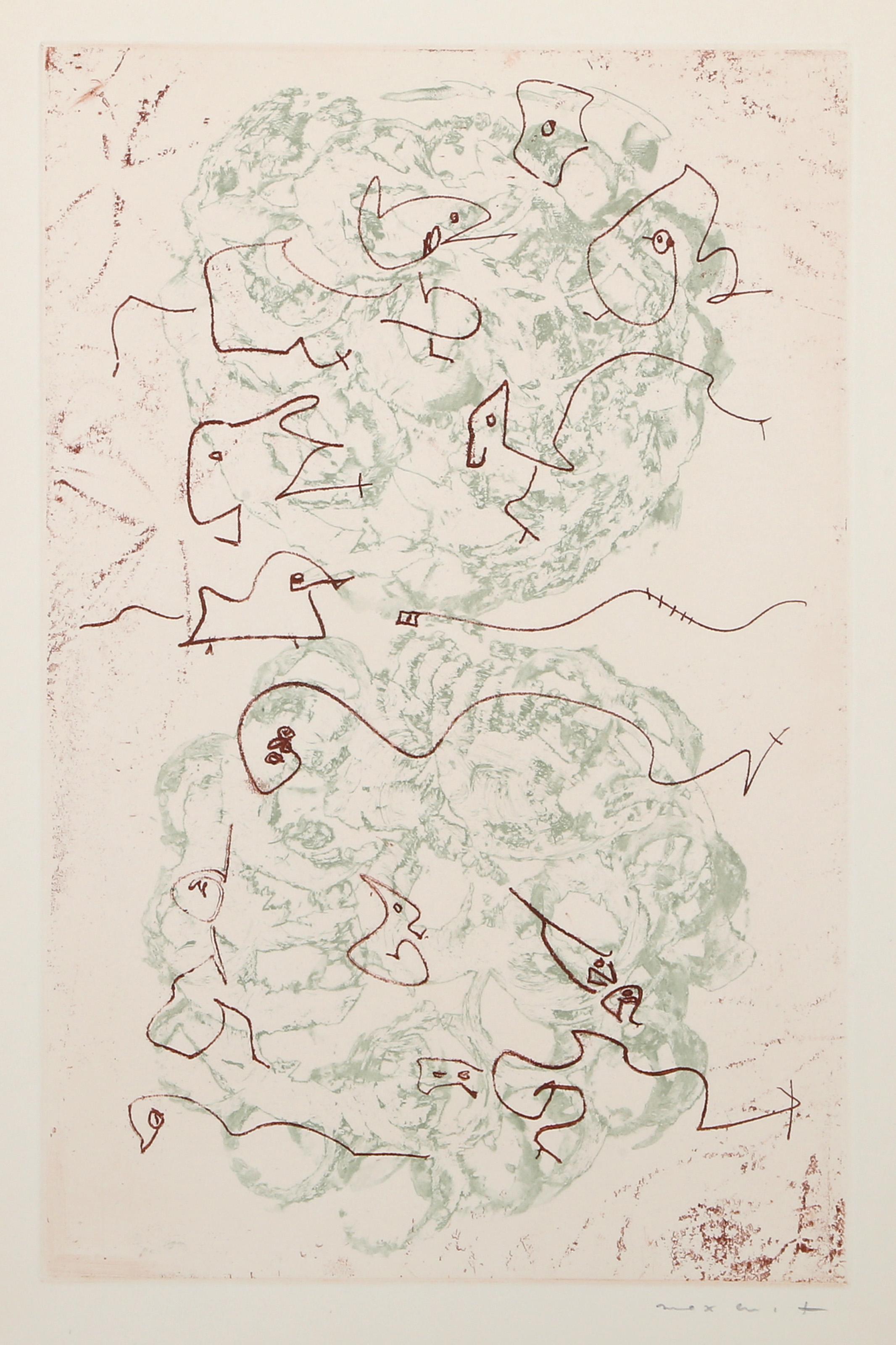
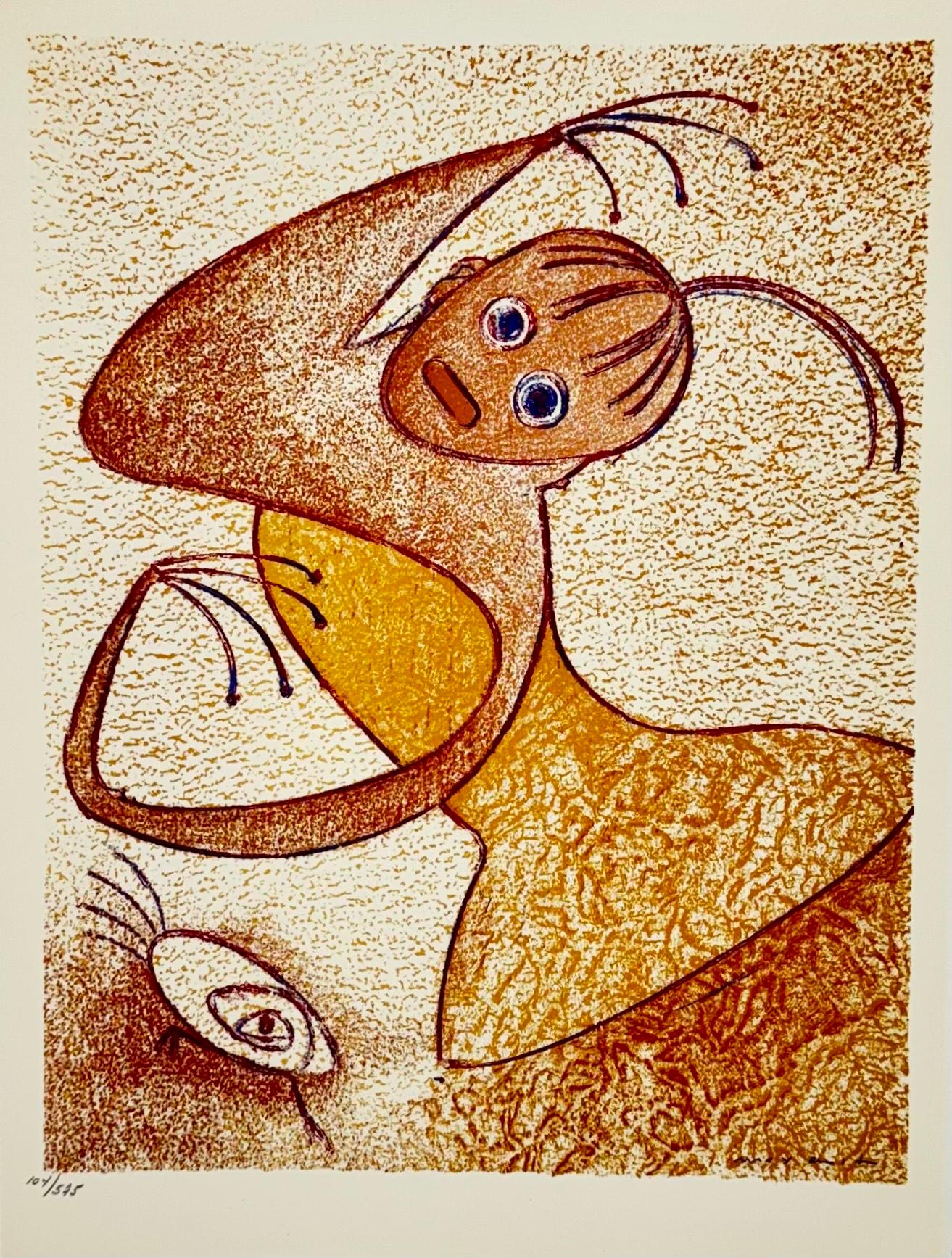
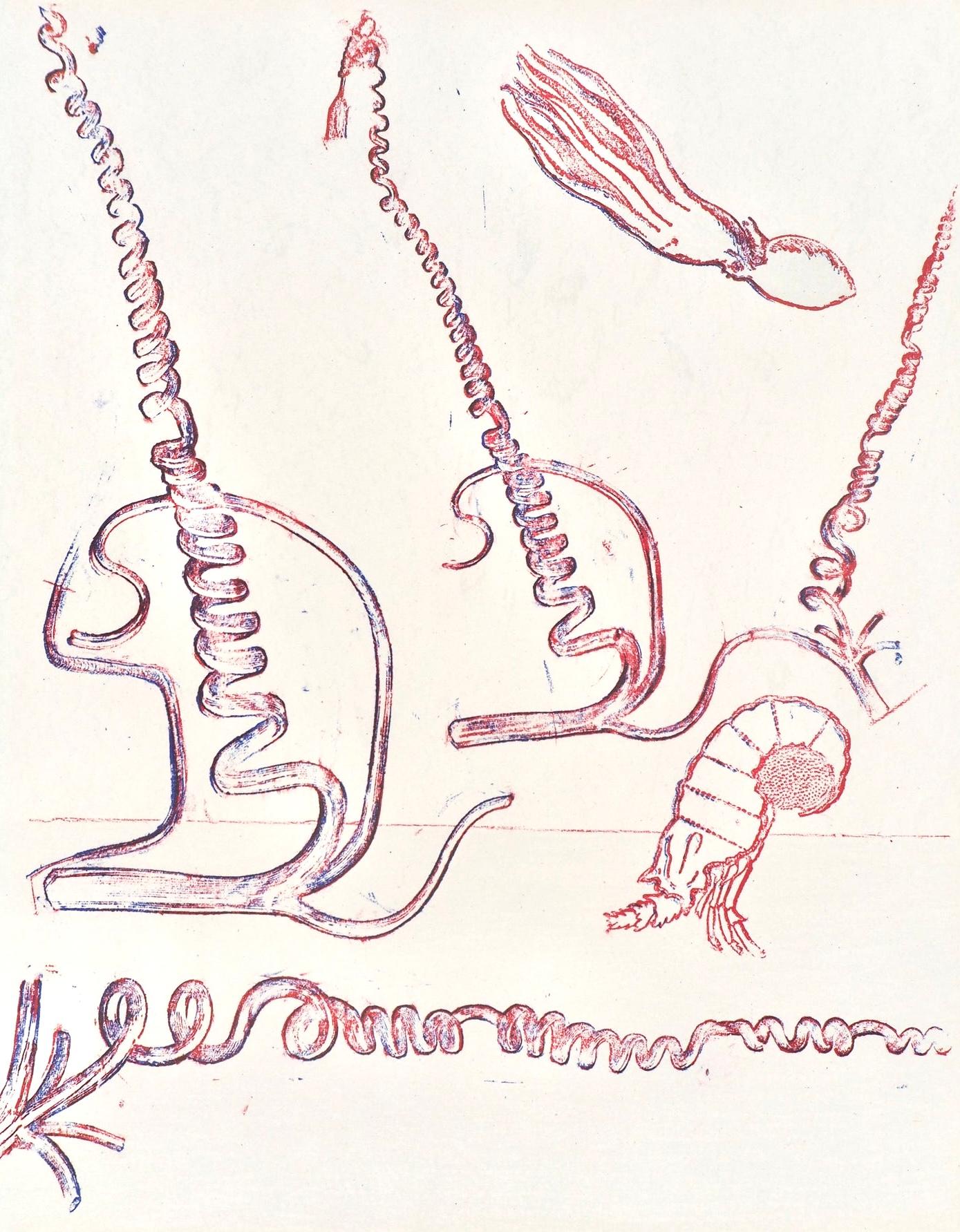
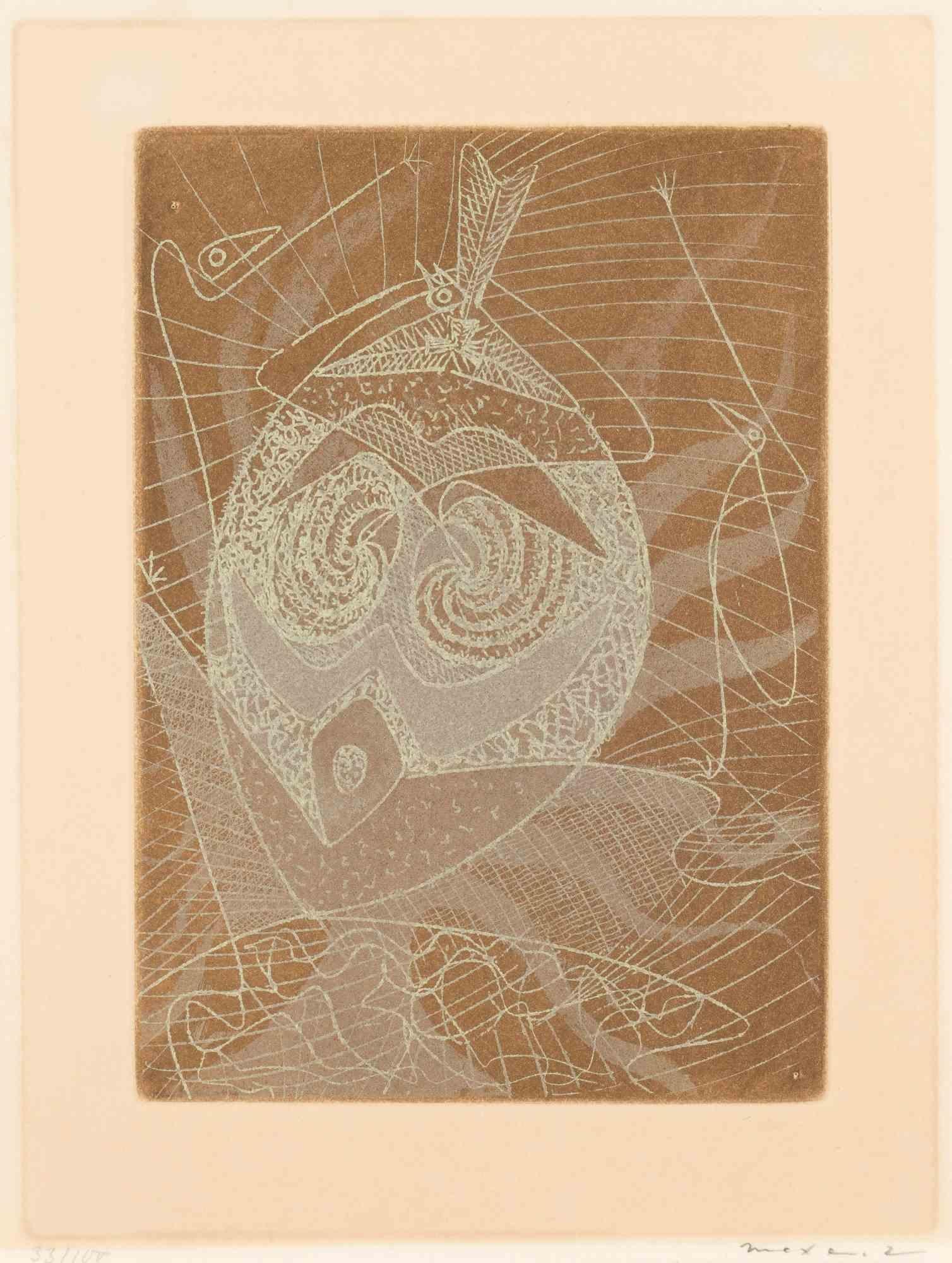
"Bonjour" by Max Ernst, Good Day, Surrealism, Light Colors, Figurative

1966

$4,627.57
£3,454.70
€3,900
CA$6,429.10
A$6,915.41
CHF 3,695.80
MX$81,513
NOK 46,595.34
SEK 42,596.98
DKK 29,722.38

About the Item

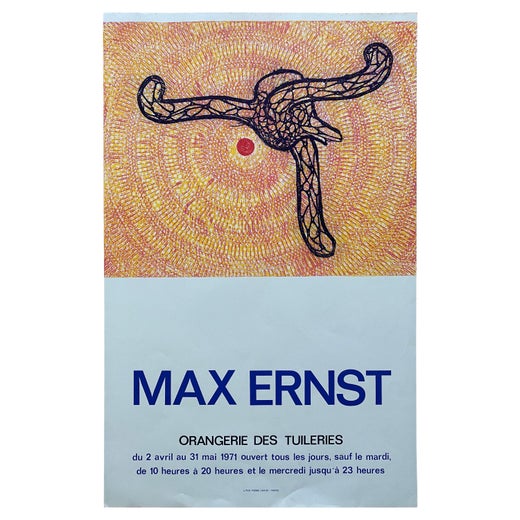
Etching in colours by Max Ernst. "Bonjour", 1966 66,5 x 50,1 cm Copy 7/99 Edition of 111 copies (approx.)
  • Creator:
    Max Ernst (1891-1976, American, German, French)
  • Creation Year:
    1966
  • Dimensions:
    Height: 26.38 in (67 cm)Width: 19.69 in (50 cm)
  • Medium:
  • Movement Style:
  • Period:
  • Framing:
    Framing Options Available
  • Condition:
  • Gallery Location:
    Köln, DE
  • Reference Number:
    1stDibs: LU149629682602

More From This Seller

View All
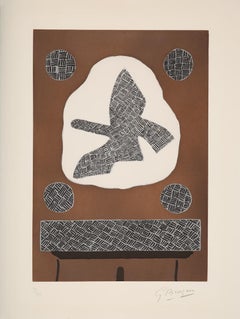
Oiseau de passage - Modern, Etching, Bird, Animal
By Georges Braque
Located in Köln, DE
Etching in colour "Oiseau de passage" (Passing bird) by Georges Braque from 1961. The edition on BFK Rives comprises approx. 75 copies. The present copy is numbered in pencil belo...
Category

1960s Modern Animal Prints

Materials

Color, Etching

Théogonie I - Abstract, Etching, Greek, Mythology, Acient, Black, Brown
By Georges Braque
Located in Köln, DE
Etching in Brown and Black "Théogonie I" by Georges Braque from 1949. The edition comprises approx. 30 copies. The present copy is numbered in pencil below the platemark on the l...
Category

1940s Post-War Abstract Prints

Materials

Color, Etching

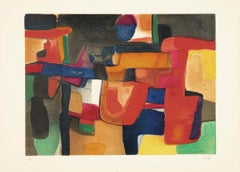
"Amanda"by Maurice Estève, Abstract Art, Warm, Colorful, Biomorphic Forms, Paris
By Maurice Estève
Located in Köln, DE
"Amanda" is a typical motif by French artist Maurice Estève. The lithograph in colours was published in an edition of 100. 54,3 x 74,5 cm. Signed and numbered.
Category

1960s Abstract Prints

Materials

Lithograph

"Triade" by Marino Marini, Lithography, Triad, Figurative Print
By Marino Marini
Located in Köln, DE
Set of 3 etchings and aquatints in colours by Marino Marini "Triade", 1976-1978 73,7 x 57,5 cm Copy 4/90 Edition of 125 Marino Marini (Pistoia 1901–1980 Viareggio 1980) - Hardly an...
Category

1970s Modern Figurative Prints

Materials

Etching, Aquatint

Théogonie II - Abstract, Etching, Greek, Mythology, Acient, Black, Gray
By Georges Braque
Located in Köln, DE
Etching "Théogonie II" by Georges Braque from 1949. The edition comprises 90 copies. The present copy is numbered in pencil below the platemark on the left, signed on the right, ...
Category

1940s Post-War Abstract Prints

Materials

Etching

"Twins 1" - Contemporary, Etching, Human, Abstract, Portrait
By Jaume Plensa
Located in Köln, DE
Etching "Twins 1" by Jaum Plensa from 2021. The edition comprises 30 copies. The present copy numbered and signed in pencil in the centre of the lower margin. Sheet Size: 99,2 x...
Category

21st Century and Contemporary Contemporary Figurative Prints

Materials

Black and White, Etching

You May Also Like

Max Ernst, A Song of Love, from XXe Siecle, 1958
By Max Ernst
Located in Southampton, NY
This exquisite lithograph by Max Ernst (1891–1976), titled Un chant damour (A Song of Love), from the album XXe Siecle, Nouvelle serie, No. 11 (double), Noel 1958, originates from the 1958 edition published by Societe Internationale dArt XXe Siecle, Paris, under the direction of Gualtieri di San Lazzaro, editeur, Paris, and printed by Mourlot Freres, Paris, 1958. This work reflects Ernsts mature Surrealist language, merging dream, myth, and poetic abstraction into a visionary composition. Executed as a lithograph on velin paper, this work measures 12.5 x 9.75 inches. Unsigned and unnumbered as issued. The edition exemplifies the superb craftsmanship of Mourlot Freres, Paris Artwork Details: Artist: Max Ernst (1891–1976) Title: Un chant damour (A Song of Love) Medium: Lithograph on velin paper Dimensions: 12.5 x 9.75 inches (31.75 x 24.77 cm) Inscription: Unsigned and unnumbered as issued Date: 1958 Publisher: Societe Internationale dArt XXe Siecle, Paris, under the direction of Gualtieri di San Lazzaro, editeur, Paris Printer: Mourlot Freres, Paris Catalogue Raisonne Reference: Ernst, Max, et al. Max Ernst: Graphische Welten: Die Sammlung Schneppenheim. DuMont, 2003, illustration 71C Condition: Well preserved, consistent with age and medium Provenance: From the album XXe Siecle, Nouvelle serie, No. 11 (double), Noel 1958, published by Societe Internationale dArt XXe Siecle, Paris; printed by Mourlot Freres, Paris, 1958 About the Publication: Gualtieri di San Lazzaros XXe Siecle (Twentieth Century) was one of the most influential art journals of the modern era, founded in Paris in 1938 as a platform for the greatest painters, sculptors, and writers of the 20th century. San Lazzaro, a visionary editor, critic, and champion of modernism, believed that art and literature should coexist as expressions of a shared human imagination. Under his direction, XXe Siecle became a cultural bridge between Europe and the wider world, publishing special issues devoted to leading figures such as Picasso, Matisse, Chagall, Braque, Calder, Miro, Kandinsky, and Leger. Each edition combined essays by renowned critics and poets with original lithographs and woodcuts printed by the foremost ateliers of Paris, Milan, and New York, including Mourlot, Curwen, and Amilcare Pizzi, creating a uniquely rich dialogue between text and image. The 1960 issue, XXe Siecle, Nouvelle serie, No. 14, showcased Daphnis et Chloe, one of Chagalls most celebrated lithographic subjects, coinciding with his work on the monumental suite of lithographs inspired by the same pastoral tale, published by Teriade. Through this publication, San Lazzaro further cemented Chagalls reputation as the modern poet of color and love, uniting myth, nature, and emotion in visual form. Today, XXe Siecle remains an essential record of 20th century modernism, celebrated for its seamless integration of fine art, literature, and design. About the Artist: Max Ernst (1891–1976) was a German-French painter, sculptor, printmaker, and poet whose groundbreaking imagination and experimental techniques made him one of the most revolutionary figures of 20th century art. A founding member of both Dada and Surrealism, Ernst dismantled traditional notions of art through chance, dream imagery, and psychological exploration, transforming painting, sculpture, and collage into instruments of the unconscious mind. Born in Bruhl, Germany, he studied philosophy and psychology at the University of Bonn before rejecting academic convention to pursue art, inspired by the Symbolists, Cubists, and the early abstractions of Pablo Picasso and Wassily Kandinsky. His traumatic experience serving in World War I left him disillusioned with logic and order, propelling him toward the Dada movement in Cologne in 1919, where he began creating his seminal collages that fused scientific diagrams and Victorian engravings into surreal dreamscapes. By 1922, Ernst had moved to Paris and joined a circle of avant garde luminaries that included Picasso, Alexander Calder, Alberto Giacometti, Salvador Dali, Joan Miro, Marcel Duchamp, Man Ray, and Andre Breton, each of whom shared his fascination with the irrational and the unseen. Ernsts invention of frottage (rubbing) and grattage (scraping) revolutionized modern painting, revealing textures and hidden images beneath the surface and allowing chance to become an active participant in creation. His visionary paintings such as The Elephant Celebes (1921), Two Children Are Threatened by a Nightingale (1924), and Europe After the Rain II (1940–42) blend myth, science, and dream into vast symbolic landscapes that remain among the defining masterpieces of Surrealism. A restless innovator, Ernst expanded into sculpture, crafting enigmatic totemic forms such as Capricorne (1948–1963) that bridged organic abstraction and surreal fantasy, echoing the fluid equilibrium of Calders mobiles and the conceptual wit of Duchamp. Fleeing Nazi occupied France during World War II, Ernst emigrated to the United States with the support of Peggy Guggenheim, whom he later married, influencing the emerging Abstract Expressionists among them Jackson Pollock, Robert Motherwell, and Willem de Kooning through his fusion of automatism, texture, and mythic narrative. Returning to Europe after the war, he continued to refine his poetic, alchemical approach to painting, blending chaos and order into cosmic landscapes that inspired later artists such as Anselm Kiefer, Robert Rauschenberg, Cy Twombly, and Kiki Smith. His work, housed in major museums including MoMA, the Tate, and the Centre Pompidou, stands as a testament to his belief that art could bridge the conscious and unconscious, the rational and the fantastic. Standing alongside Pablo Picasso, Alexander Calder, Alberto Giacometti, Salvador Dali, Joan Miro, Wassily Kandinsky, Marcel Duchamp, and Man Ray, Max Ernst remains a cornerstone of modern art an artist philosopher whose limitless curiosity reshaped visual language and influenced generations of creators. His highest auction record was achieved by Le roi jouant avec la reine (The King Playing with the Queen) (1944), which sold for approximately 24.4 million USD at Christies, New York, in November 2022, reaffirming Max Ernsts enduring legacy as one of the most visionary, provocative, and collectible masters of 20th century modernism. Max Ernst XXe Siecle 1958, Max Ernst lithograph...
Category

1950s Surrealist Figurative Prints

Materials

Lithograph

Les Chiens Ont Soif, Surrealist Color Etching by Max Ernst
By Max Ernst
Located in Long Island City, NY
Max Ernst, German (1891 - 1976) - Les Chiens Ont Soif, Portfolio: Les Chiens Ont Soif, Year: 1964, Medium: Color Etching, signed in pencil lower right, Edition: 165/320, Image Si...
Category

1960s Surrealist Abstract Prints

Materials

Etching

Untitled by Max Ernst From San Lazzaro Et Ses Amis
By Max Ernst
Located in Philadelphia, PA
Max Ernst Original Lithograph in colors on paper Editions XXe Siecle, Paris, France Mint Condition 1975
Category

1970s Prints and Multiples

Materials

Lithograph

Max Ernst, Coelacanthe, from XXe Siecle, 1974
By Max Ernst
Located in Southampton, NY
This exquisite lithograph by Max Ernst (1891–1976), titled Coelacanthe (Coelacanth), from the album XXe Siecle, Nouvelle serie, XXXVIe Annee, No. 42, Juin 1974, originates from the 1974 edition published by Societe Internationale dArt XXe Siecle, Paris, under the direction of Gualtieri di San Lazzaro, editeur, Paris, and printed by Pierre Chave, imprimeur, Vence, 1974. Coelacanthe reflects Ernsts poetic, textural, and dream-infused Surrealist language at a mature moment in his career. Executed as a lithograph on velin paper, this work measures 12.5 x 9.75 inches. Unsigned and unnumbered as issued. The edition exemplifies the superb craftsmanship of Pierre Chave, imprimeur, Vence. Artwork Details: Artist: Max Ernst (1891–1976) Title: Coelacanthe (Coelacanth) Medium: Lithograph on velin paper Dimensions: 12.5 x 9.75 inches (31.75 x 24.77 cm) Inscription: Unsigned and unnumbered as issued Date: 1974 Publisher: Societe Internationale dArt XXe Siecle, Paris, under the direction of Gualtieri di San Lazzaro, editeur, Paris Printer: Pierre Chave, imprimeur, Vence Catalogue Raisonne Reference: Ernst, Max, et al. Max Ernst: Graphische Welten: Die Sammlung Schneppenheim. DuMont, 2003, illustration 252. Condition: Well preserved, consistent with age and medium Provenance: From the album XXe Siecle, Nouvelle serie, XXXVIe Annee, No. 42, Juin 1974, published by Societe Internationale dArt XXe Siecle, Paris; printed by Pierre Chave, imprimeur, Vence, 1974 About the Publication: Gualtieri di San Lazzaros XXe Siecle (Twentieth Century) was one of the most influential art journals of the modern era, founded in Paris in 1938 as a platform for the greatest painters, sculptors, and writers of the 20th century. San Lazzaro, a visionary editor, critic, and champion of modernism, believed that art and literature should coexist as expressions of a shared human imagination. Under his direction, XXe Siecle became a cultural bridge between Europe and the wider world, publishing special issues devoted to leading figures such as Picasso, Matisse, Chagall, Braque, Calder, Miro, Kandinsky, and Leger. Each edition combined essays by renowned critics and poets with original lithographs and woodcuts printed by the foremost ateliers of Paris, Milan, and New York, including Mourlot, Curwen, and Amilcare Pizzi, creating a uniquely rich dialogue between text and image. The 1960 issue, XXe Siecle, Nouvelle serie, No. 14, showcased Daphnis et Chloe, one of Chagalls most celebrated lithographic subjects, coinciding with his work on the monumental suite of lithographs inspired by the same pastoral tale, published by Teriade. Through this publication, San Lazzaro further cemented Chagalls reputation as the modern poet of color and love, uniting myth, nature, and emotion in visual form. Today, XXe Siecle remains an essential record of 20th century modernism, celebrated for its seamless integration of fine art, literature, and design. About the Artist: Max Ernst (1891–1976) was a German-French painter, sculptor, printmaker, and poet whose groundbreaking imagination and experimental techniques made him one of the most revolutionary figures of 20th century art, a founding member of both Dada and Surrealism who dismantled traditional notions of art through chance, dream imagery, and psychological exploration; born in Bruhl, Germany, he studied philosophy and psychology at the University of Bonn before rejecting academic convention to pursue art, inspired by the Symbolists, Cubists, and the early abstractions of Pablo Picasso and Wassily Kandinsky; the trauma of World War I propelled him toward the Dada movement in Cologne in 1919, where he began creating collages that fused scientific diagrams and Victorian engravings into surreal dreamscapes; by 1922 he had moved to Paris and joined an avant-garde circle that included Picasso, Alexander Calder, Alberto Giacometti, Salvador Dali, Joan Miro, Marcel Duchamp, Man Ray, and Andre Breton, each sharing his fascination with the irrational and the unseen; Ernsts invention of frottage (rubbing) and grattage (scraping) revolutionized modern painting by allowing chance to participate in creation, revealing hidden textures and subconscious imagery; his visionary paintings, such as The Elephant Celebes, Two Children Are Threatened by a Nightingale, and Europe After the Rain II, blend myth, science, and dream into symbolic landscapes that remain defining masterpieces of Surrealism; expanding into sculpture, he crafted enigmatic totemic forms such as Capricorne that bridge organic abstraction and surreal fantasy, echoing the equilibrium of Calders mobiles and the conceptual wit of Duchamp; fleeing Nazi-occupied France during World War II, he emigrated to the United States with the support of Peggy Guggenheim, influencing the emerging Abstract Expressionists, including Jackson Pollock, Robert Motherwell, and Willem de Kooning; returning to Europe after the war, he refined an alchemical, poetic approach to painting that inspired later artists such as Anselm Kiefer, Robert Rauschenberg, Cy Twombly, and Kiki Smith; represented in major museums including MoMA, the Tate, and the Centre Pompidou, Ernst remains a cornerstone of modern art whose limitless curiosity reshaped visual language. His highest auction record was achieved by Le roi jouant avec la reine (The King Playing with the Queen) (1944), which sold for approximately 24.4 million USD at Christies New York in November 2022. Max Ernst Coelacanthe XXe Siecle 1974, Max Ernst lithograph...
Category

1970s Surrealist Abstract Prints

Materials

Lithograph

Masque - Etching by Max Ernst - 1950
By Max Ernst
Located in Roma, IT
Color etching on vellum. Image dimension 18x13 cm. Edition of 33/100. Hand signed in pencil. Light-stained, browned, with pinholes in two corners. Very rare.
Category

1950s Surrealist Abstract Prints

Materials

Etching

Max Ernst, After Me, from XXe siecle, 1971
By Max Ernst
Located in Southampton, NY
This exquisite lithograph by Max Ernst (1891–1976), titled Apres-moi (After Me), from the album XXe siecle, numero special hors abonnement, Hommage a Max Ernst, originates from the 1...
Category

1970s Surrealist Abstract Prints

Materials

Lithograph