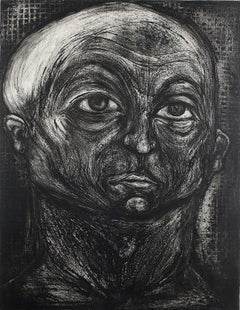
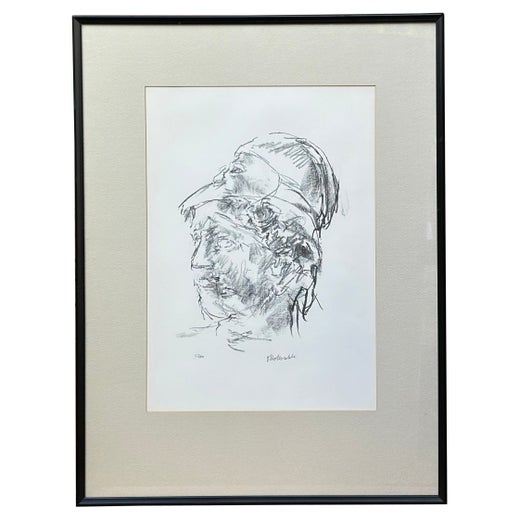
Items Similar to Oskar Kokoschka (1886–1980) –The Fall of Penthesilea-Etching, engraving on paper
Want more images or videos?
Request additional images or videos from the seller
1 of 9
Oskar KokoschkaOskar Kokoschka (1886–1980) –The Fall of Penthesilea-Etching, engraving on paper1969
1969
$2,027.32
£1,509.39
€1,700
CA$2,802
A$2,979.10
CHF 1,611.01
MX$35,437.33
NOK 20,180.17
SEK 18,430.50
DKK 12,953.58
About the Item
Etching, engraving on paper , edited in 1969
Limited edition, numbered in lower left corner XXIII/XXXV
Signed in pencil by artist in lower right corner.
Plate size: 19.9 x 29 cm
Paper size: 49 x 46 cm
Framed size: 64 x 60 x 6 cm
Very good conditions.
Bibliography:
Kokoschka “Das Druckgraphische Werk” Ref 457 pag 260
We offer professional packaging and tracked shipping with DHL Express courier,
( shipping time: 24 hours for European countries and 4 to 6 days for America and other non-eu countries )
Shipping costs are included.
- Creator:Oskar Kokoschka (1880 - 1980, Austrian)
- Creation Year:1969
- Dimensions:Height: 19.3 in (49 cm)Width: 18.12 in (46 cm)
- Medium:
- Movement Style:
- Period:
- Condition:Very good conditions.
- Gallery Location:Varese, IT
- Reference Number:1stDibs: LU1938217516452
Oskar Kokoschka
Oskar Kokoschka (1 March 1886 – 22 February 1980) was an Austrian artist, poet and playwright best known for his intense expressionistic portraits and landscapes. He was second child to Gustav Josef Kokoschka, a Czech goldsmith, and Maria Romana Kokoschka (née Loidl). His older brother died in infancy in 1887; he had a sister, Berta (born in 1889) and a brother, Bohuslav (born in 1892). Oskar had a strong belief in omens, spurred by a story of a fire breaking out in Pöchlarn shortly after his mother gave birth to him. Kokoschka’s life was not easy mainly due to a lack of financial help from his father. They constantly moved into smaller flats, farther and farther from the thriving center of the town. Concluding that his father was inadequate, Kokoschka drew closer to his mother. Among Kokoschka’s early works were gesture drawings of children, which portrayed them as awkward and corpse-like. Kokoschka had no formal training in painting and so approached the medium without regard to the “traditional” or “correct” way to paint. The teachers at Kunstgewerbeschule helped Kokoschka gain opportunities through the Wiener Werkstätte or Viennese Workshops. Kokoschka’s first commissions were postcards and drawings for children. Kokoschka said that it gave him “the basis of [his] artistic training”.[1] His early career was marked by portraits of Viennese celebrities, painted in a nervously animated style. He volunteered for service as a cavalryman in the Austrian army in World War I, and in 1915 was seriously wounded. At the hospital, the doctors decided that he was mentally unstable. Nevertheless, he continued to develop his career as an artist, traveling across Europe and painting the landscape.
About the Seller
5.0
Vetted Professional Seller
Every seller passes strict standards for authenticity and reliability
Established in 2020
1stDibs seller since 2022
88 sales on 1stDibs
Typical response time: 13 hours
- ShippingRetrieving quote...Shipping from: Varese, Italy
- Return Policy
More From This Seller
View AllSalvador Dalì (1904-1989) - The Elephant and Jupiter
s Monkey - Drypoint etching
By Salvador Dalí
Located in Varese, IT
Rare deluxe issue printed on extremely fine Japanese paper (hand colored in stencil).
Limited edition, numbered 235/250 in lower left corner.
Signed in pencil by artist in lower rig...
Category
1970s Surrealist Animal Prints
Materials
Paper, Watercolor, Drypoint, Etching
Salvador Dalí – La Botte violette – hand watercolored drypoint etching – 1969
By Salvador Dalí
Located in Varese, IT
hand watercolored drypoint etching on extremely fine Japanese paper, edited in 1969
limited edition of 145 copies water-colored
, numbered in lower left corner ea ( artist proof )
si...
Category
1960s Surrealist Figurative Prints
Materials
Paper, Watercolor, Drypoint, Etching
Pablo Picasso(1881–1973)- Dans l
Atelier - Aquatint and drypoint on paper - 1965
By Pablo Picasso
Located in Varese, IT
Aquatint and drypoint on paper, edited 1965
Limited edition of 50 copies, numbered as 29/50 in lower left corner.
Signed in pencil by artist in lower right corner.
Plate size: 25 x ...
Category
1960s Abstract Figurative Prints
Materials
Aquatint, Drypoint
Giorgio De Chirico ( 1888 – 1978 ) – Dioscuri – hand-signed etching – 1969
By Giorgio De Chirico
Located in Varese, IT
Etching on paper
Overall limited edition of 50 pieces plus 10 PA ( artist proofs )
signed in pencil by artist and numbered as: 28/50
paper size: 70 x 50 cm
very good conditions
A r...
Category
1960s Impressionist Prints and Multiples
Materials
Paper, Etching
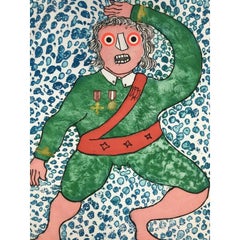
Enrico Baj - Generale Danzante - Etching
Collage on Paper, 1976
By Enrico Baj
Located in Varese, IT
Enrico Baj (1924 - 2003) - Generale Danzante - Etching and Collage on Paper, 1976
Additional Information:
Material: Color etching and collage on paper
Edited in 1976
Hand signed in ...
Category
20th Century Figurative Prints
Materials
Paper, Etching
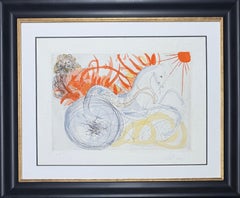
Salvador Dalí (1904–1989)- Handcolored drypoint etching on Japanese paper - 1975
By Salvador Dalí
Located in Varese, IT
Hand-colored drypoint etching on extremely fine Japanese paper, edited in 1975.
Limited edition, numbered in lower left corner as HC (horse commerce).
Signed in pencil by artist in l...
Category
1970s Surrealist Figurative Prints
Materials
Paper, Etching
You May Also Like
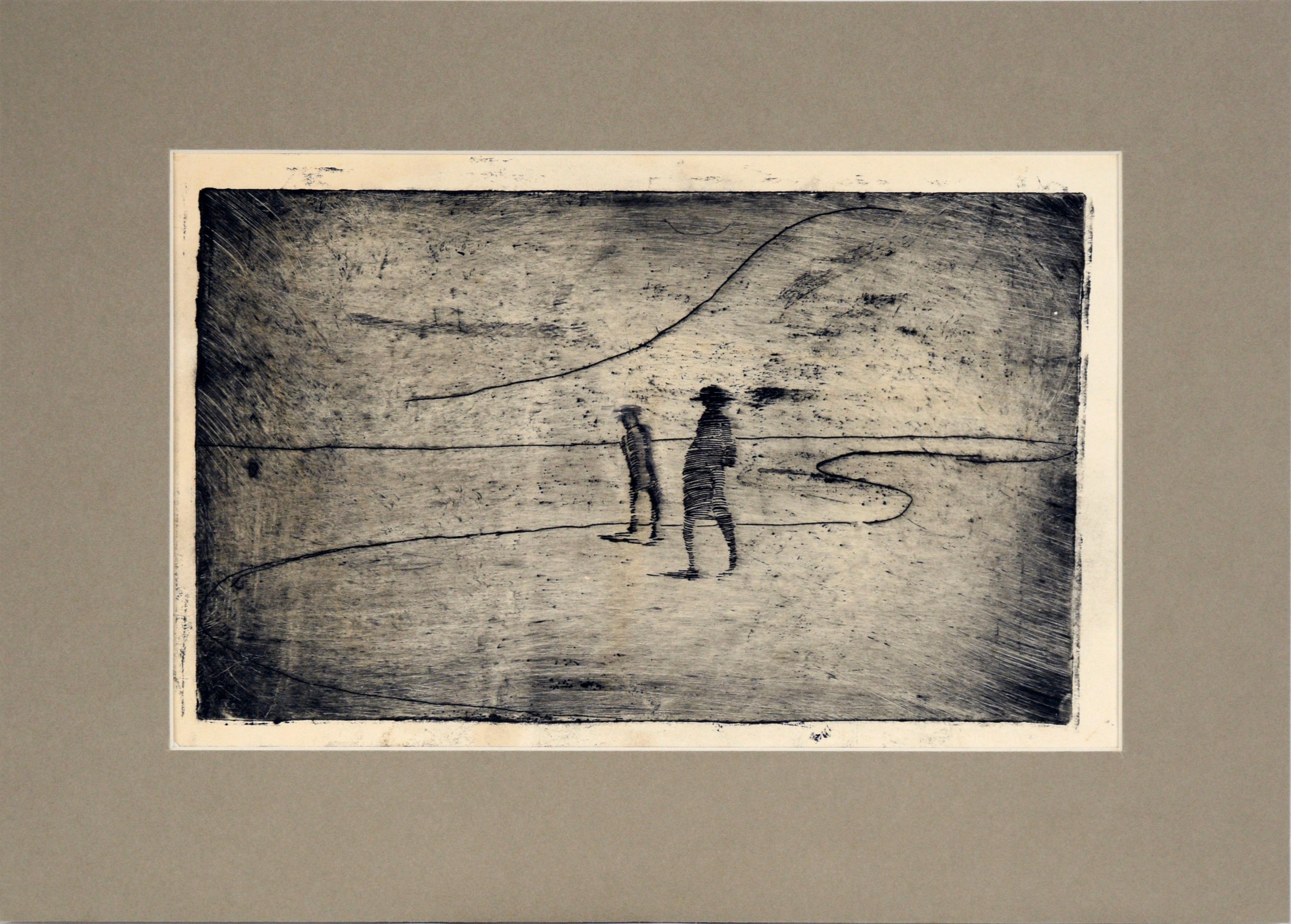
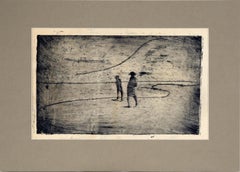
Two Figures on the Shore - Minimalist Landscape Drypoint Etching in Ink on Paper
By Doris Warner
Located in Soquel, CA
Two Figures on the Shore - Minimalist Landscape Drypoint Etching in Ink on Paper
Minimalist landscape with two figures walking along the shore by Doris Ann Warner (American, 1925-201...
Category
1980s Minimalist Landscape Prints
Materials
Paper, Ink, Drypoint
$460 Sale Price
20% Off
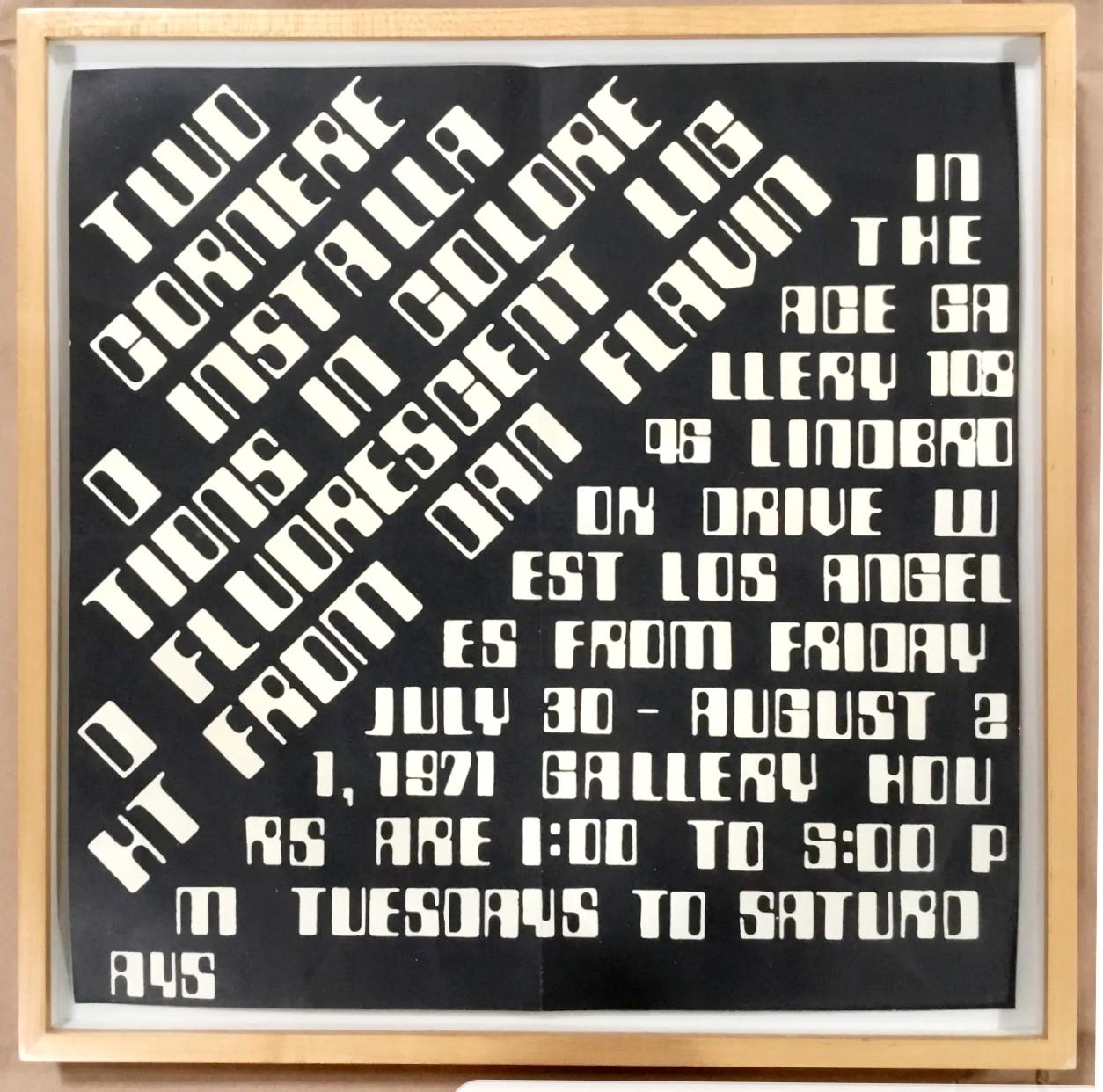
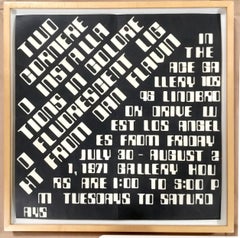
Historic invitation poster for 1970 ACE Gallery exhibition Minimalist light art
By Dan Flavin
Located in New York, NY
Dan Flavin
Rare invitation poster for 1970 ACE Gallery exhibition, 1970
Letterpress and stencil on colored paper
Not signed
Frame included
Floated in the original ACE gallery vintage wood frame.
Measurements:
Framed:
17.75" x 17.75" x 1.6 inches
Poster:
16 inches x 16 inches
Extremely uncommon letterpress and stencil poster designed by Dan Flavin on the occasion of his 1970 exhibition “Two Cornered Installations in Colored Fluorescent Light from Dan Flavin” at the legendary Ace Gallery in Los Angeles. The poster, like most exhibition invitations of that era (including those from the Leo Castelli gallery in New York) was undated, as these works were so much of the moment. This work was acquired directly from the collection of the ACE Gallery.
Other than the present work, we've never seen another example of this collectors item anywhere in the world, on or off the market (If anyone is aware of others, we'd love to see!)
More about the legendary ACE gallery, and the sale of some of its art collection from the bankruptcy estate, from where the present work was acquired:
ACE Gallery founder Douglas Chrismas opened his own frame shop and gallery in Vancouver at the age of 17. His gallery became known as a venue where Vancouver artists could show alongside major New Yorkers, and get the feeling of belonging to a bigger scene. In the 60s and early 70s he brought artists such as Robert Rauschenberg, Carl Andre, Sol LeWitt, Bruce Nauman, and Donald Judd to Vancouver, Canada.
The gallery expanded to Los Angeles in 1967 at the former Virginia Dwan Gallery space in Westwood, and then further expanded to New York in 1994. The galleries were noted for doing museum-level exhibitions by up and coming and internationally renowned artists. While in New York the gallery’s presence was amplified by doing exhibitions in conjunction with cultural institutions such as the Guggenheim Museum and the Cartier Foundation (Paris). Under Chrismas' directorship, ACE Gallery has had either offices or galleries in art centers outside of the United States, such as Mexico City, Paris, Berlin. and Beijing.
In 1972, Chrismas mounted Robert Irwin’s installation Room Angle Light Volume at the first ACE/Venice, which opened at 72 Market Street in 1971. In 1977, ACE mounted exhibitions of work by Frank Stella and Robert Motherwell, along with Michael Heizer’s Displaced/Replaced Mass. Installed at ACE/Venice, the Heizer piece required that huge chunks be gouged out of the gallery floor to create recessed areas able to accommodate boulders.
In April 2016, ACE Gallery emerged from a three-year bankruptcy proceeding under the leadership of Sam S. Leslie. In May 2016, founder Douglas Chrismas was terminated from all roles at the gallery.
In July 2021, Douglas Chrismas was arrested by the FBI and charged with embezzlement.
In May 2022, Douglas Chrismas was ordered to repay 14.2 million in ACE art sale profits, which were diverted to personal accounts.
Chrismas is awaiting criminal trial in January, 2023. He faces up to 15 years in prison if convicted.
Controversies
In a 1983 lawsuit in Los Angeles federal court, Rauschenberg sought $500,000 from Chrismas' Flow ACE Gallery; the artist won a $140,000 judgment in the suit in 1984. Eventually the two reconciled their differences and in 1997 Robert Rauschenberg insisted that ACE Gallery New York (in conjunction with the Guggenheim Museum) host his Retrospective.
In 1986, Chrismas pleaded no contest after Canadian real estate developer C. Frederick Stimpson alleged that he had improperly sold work belonging to the collector, among them pieces by Andy Warhol and Rauschenberg. Under the terms of the settlement, Chrismas agreed to pay Stimpson $650,000 over a period of five years. He continues to work with the Stimpson family in handling their art interests.
In 1989, ACE Gallery wanted to borrow a work by Judd along with Carl Andre's 1968 Fall, both owned by Count Giuseppe Panza, for an exhibition devoted to minimal art called The Innovators Entering into the Sculpture. Rather than shipping the two large scale works from Italy, Panza authorized ACE Gallery to refabricate the pieces in Los Angeles. In Panza's collection archives, there is a series of signed certificates signed by Judd that granted Panza broad authority over the works by Judd in his collection. These certificates "authorized Panza and followers to reconstruct work for a variety of reasons," as long as instructions and documentation provided by Judd were followed and either he or his estate was notified. This even included the right to make "temporary exhibition copies, as long as the temporary copy was destroyed after the exhibition; and the right to recreate the work to save expense and difficulty in transportation as long as the original was then destroyed." Miwon Kwon, in her account of site specificity: "One Place After Another," presents the account of ACE Gallery recreating artworks by Donald Judd and Carl Andre without the artist's permission. Andre and Judd both publicly denounced these recreations as "a gross falsification" and a "forgery," in letters to Art in America, however, the fabrication of the pieces were permitted by Panza Collection in Italy, the owner of the works. Despite the confusion surrounding the Panza refabrications, both Carl Andre and Donald Judd maintained a professional relationship with Douglas Chrismas and ACE Gallery. Andre showcased works at ACE Gallery in 1997, 2002, 2007, 2011 and present day. In 2007, Carl Andre's show entitled "Zinc" was exhibited at ACE Gallery in Beverly Hills. Donald Judd paid a visit to The Innovators Entering into the Sculpture exhibition at ACE Gallery and agreed to keep his sculpture in the exhibition. After the exhibition was over, Chrismas planned to sell the metal used for the re-fabrication of Judd's work for scrap metal but Judd wanted to own the re-fabrication for himself. ACE Gallery then sold the re-fabrication of Donald Judd's work to Donald Judd.
After having consigned more than $4 million worth of art to ACE Gallery to sell in 1997 and 1998, the sculptor Jannis Kounellis filed a lawsuit in Los Angeles Superior Court in 2006, accusing Chrismas of keeping most of the profits of artworks and refusing to return the pieces that did not sell. According to the lawsuit, the primary agreement between Kounellis and Chrismas was oral. Chrismas returned all of Kouenllis' artwork, and did a full accounting of the proceeds from Kounellis' work—minus the expense of exhibiting it. The matter was resolved between the two of them and ACE Gallery still sells and exhibits Kounellis' work today.
By 2006, Chrismas had filed for Chapter 11 bankruptcy protection at least six times since 1982, barring most of his creditors from collecting the money immediately owed to them. Chrismas filed for Chapter 11 bankruptcy to protect the gallery's extensive real estate holdings from the problematic landlord. The landlord of the Wilshire Boulevard space, Wilshire Dunsmuir Company, claimed that ACE owed back rent and penalties however, the claim was disputed by Douglas Chrismas. In court papers, Chrismas Fine Art claimed that it would cure "the pre-petition" debt by Feb. 1, 2000, and was asking the court to protect its right to remain in the property. A declaration filed by Douglas Chrismas characterized this leasehold as the business' primary asset.
-Courtesy Wikipedia
About Dan Flavin
Dan Flavin (1933–1996) was a pioneer of Minimal Art. He rose to fame in the 1960s with his work with industrially manufactured fluorescent tubes, inventing a new art form and securing his place in art history. The exhibition at the Kunstmuseum Basel focuses on his works that are dedicated to other artists or make reference to certain events.
Back in 1963 Dan Flavin mounted a single, industrial fluorescent light tube at a 45-degree angle to the wall of his studio declaring it art; the act was radical, and it still is. Indeed, it was owing to this action that standard commercial products would be introduced into art: The nascent Minimal Art of the era emphasised seriality, reduction and matter-of-factness. Somewhat ironically, while the autodidact Flavin never himself sought membership to this movement in art, he would, and quite literally, go on to become one of its most illustrious exponents.
Flavin began work with fluorescent light tubes from the early 1960s on; arranged in so-called ‘situations’, he would then further develop them into series and large-scale installations. The colours and dimensions of the materials he used were prescribed by industrial production. Flooded in light, viewers themselves become part of the works: The space, along with the objects within it, are set in relation to each other and thus become immersive experiences of art triggering sensual, almost spiritual experiences.
Flavin liberated color from the two-dimensionality of painting. The prevalent perception of his light works has, to date, largely centred on their minimalist, industrial aspect, and thus on the inherent simplicity of their beauty. The exhibition at Kunstmuseum Basel, by contrast, places emphasis on looking at Flavin’s oeuvre in a less familiar setting: His pieces, although initially without clearly recognisable signature, frequently make reference in their titles to concrete events, such as wartime atrocities or police violence, or are dedicated to other artists—as in the work untitled (in memory of Urs Graf...
Category
1970s Minimalist Figurative Prints
Materials
Etching, Stencil
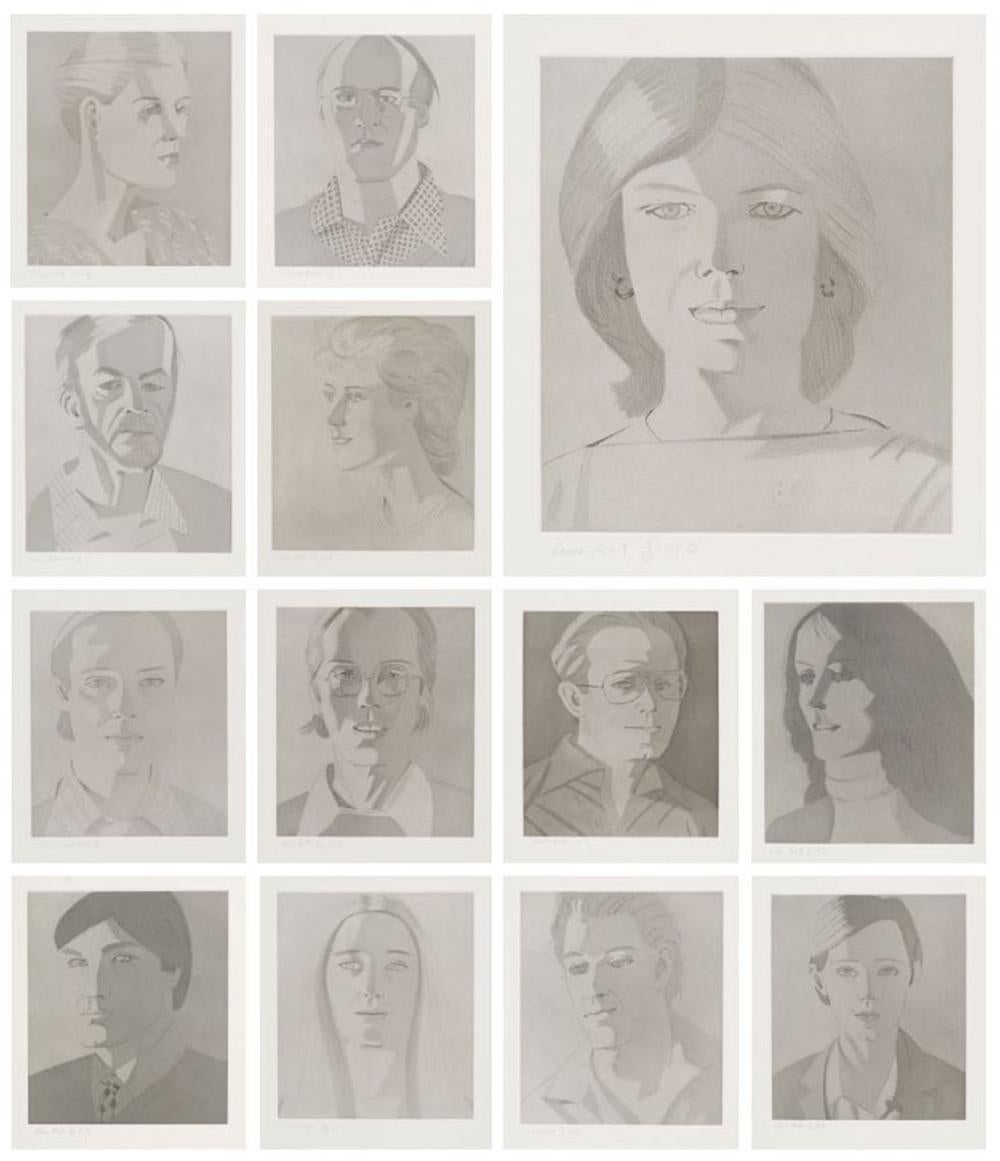
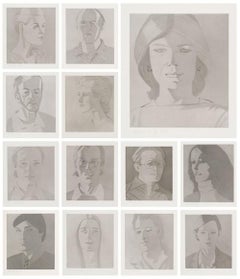
Give Me Tomorrow
By Alex Katz
Located in Toronto, Ontario
Adored by collectors and art lovers the world over, Alex Katz is renowned for his elegant and distinctive version of figuration in the original gray linen-covered portfolio.
Born in...
Category
1980s Minimalist Figurative Prints
Materials
Aquatint
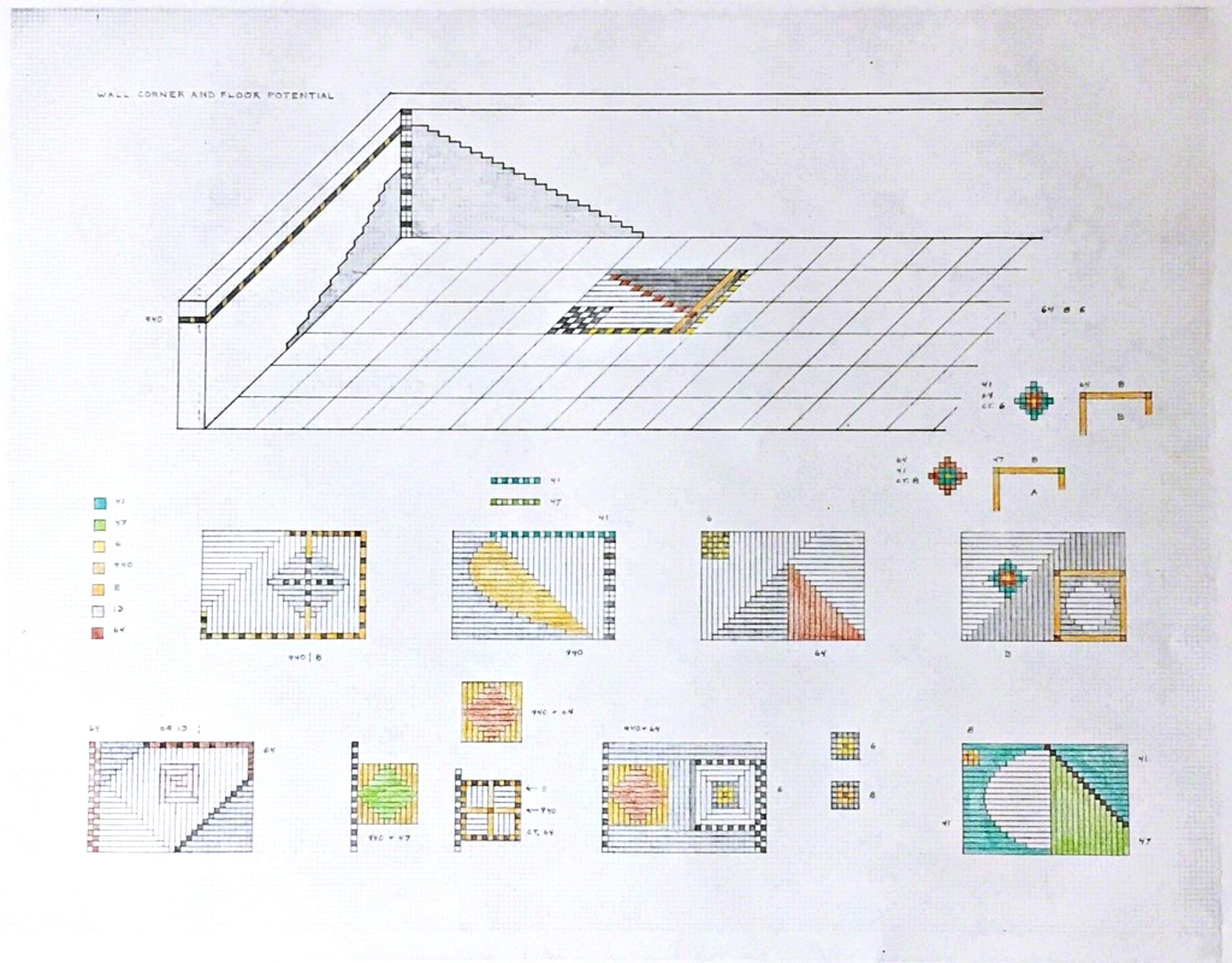
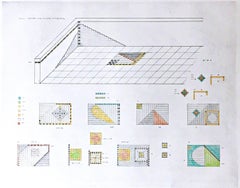
Jackie Ferrara, signed/n etching, hand coloring by renowned Minimalist sculptor
Located in New York, NY
Jackie Ferrara
Untitled, from the Atelier International Portfolio, 1986
Hand Colored Etching on paper with deckled edges. Publisher's and Printer's Blind Stamps. Hand Signed. Numbere...
Category
1980s Minimalist Abstract Prints
Materials
Pencil, Etching
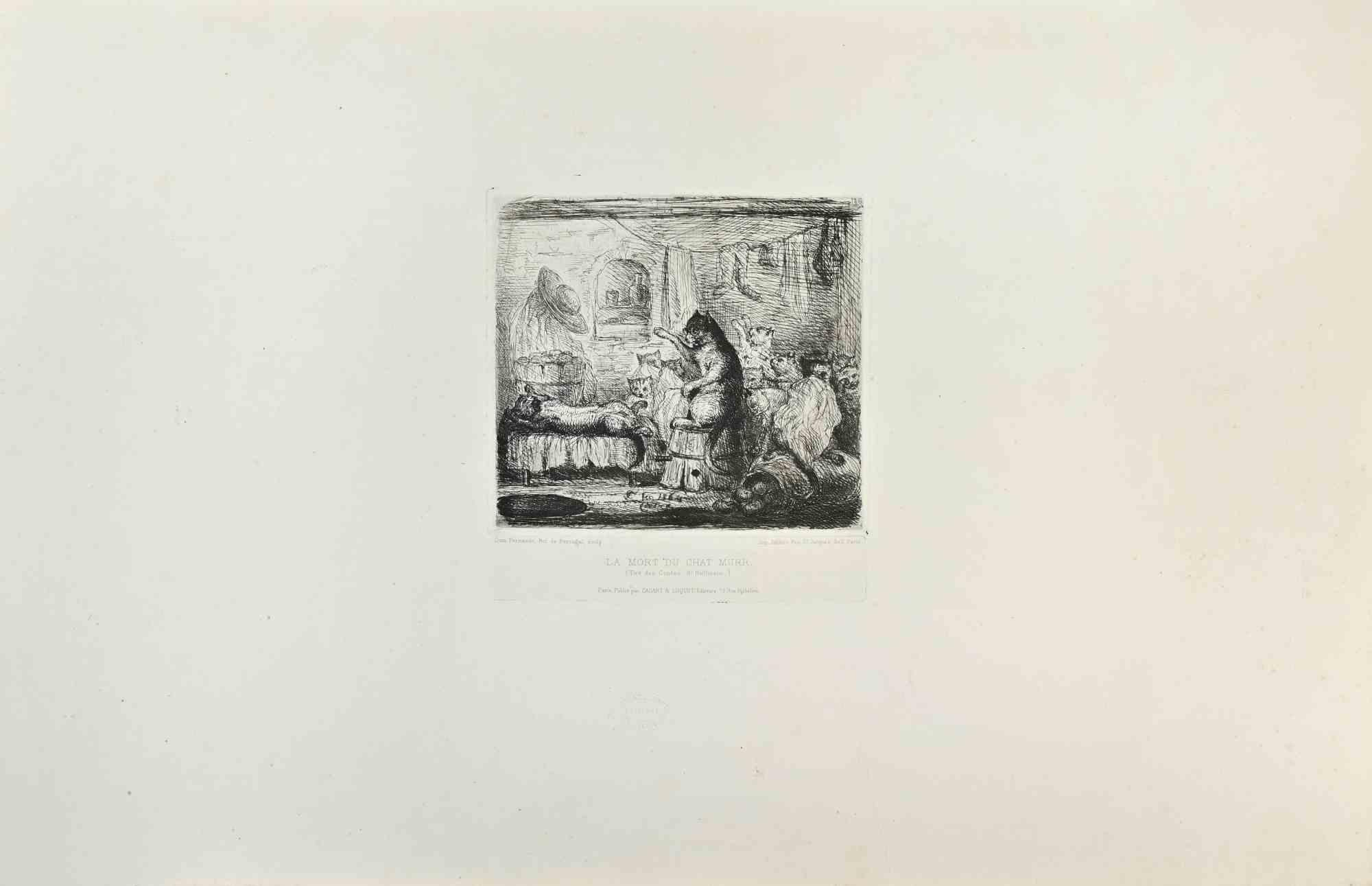
La Mort du Chat Murr - Etching by Jean François Raffaëlli - 1875
By Jean-Francois Raffaelli
Located in Roma, IT
Etching on laid paper
Signed in plate lower left: Jean François Raffaëlli.
Published by Cadart & Luquet, Éditeurs, 79 Rue Richelieu, Paris
With the blindstamp of the Société des Aqua...
Category
1870s Modern Figurative Prints
Materials
Drypoint, Etching
Mr. Thirteen (the insignificance of the significant)
By Seyed M. S. Edalatpour
Located in New Orleans, LA
"Mr. Thirteen" is an etching, engraving and drypoint created in 1995, edition: 12 signed in pencil. The print has an embossed chop in the lower right corner, a capital P in a circl...
Category
1990s Surrealist Portrait Prints
Materials
Etching, Engraving, Drypoint