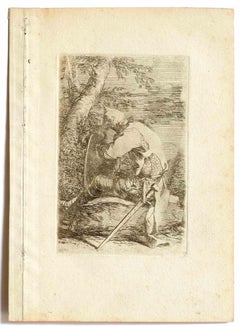
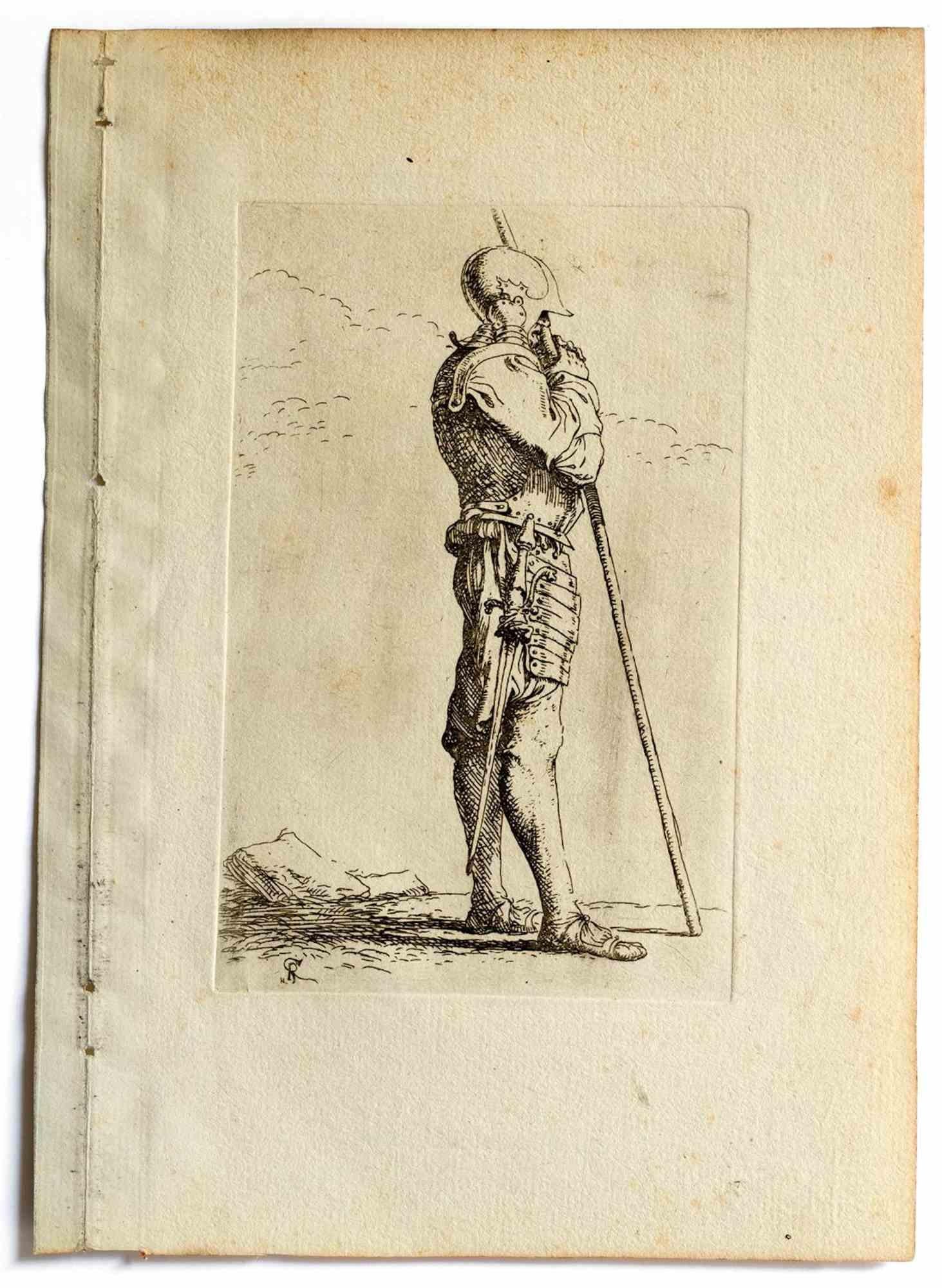
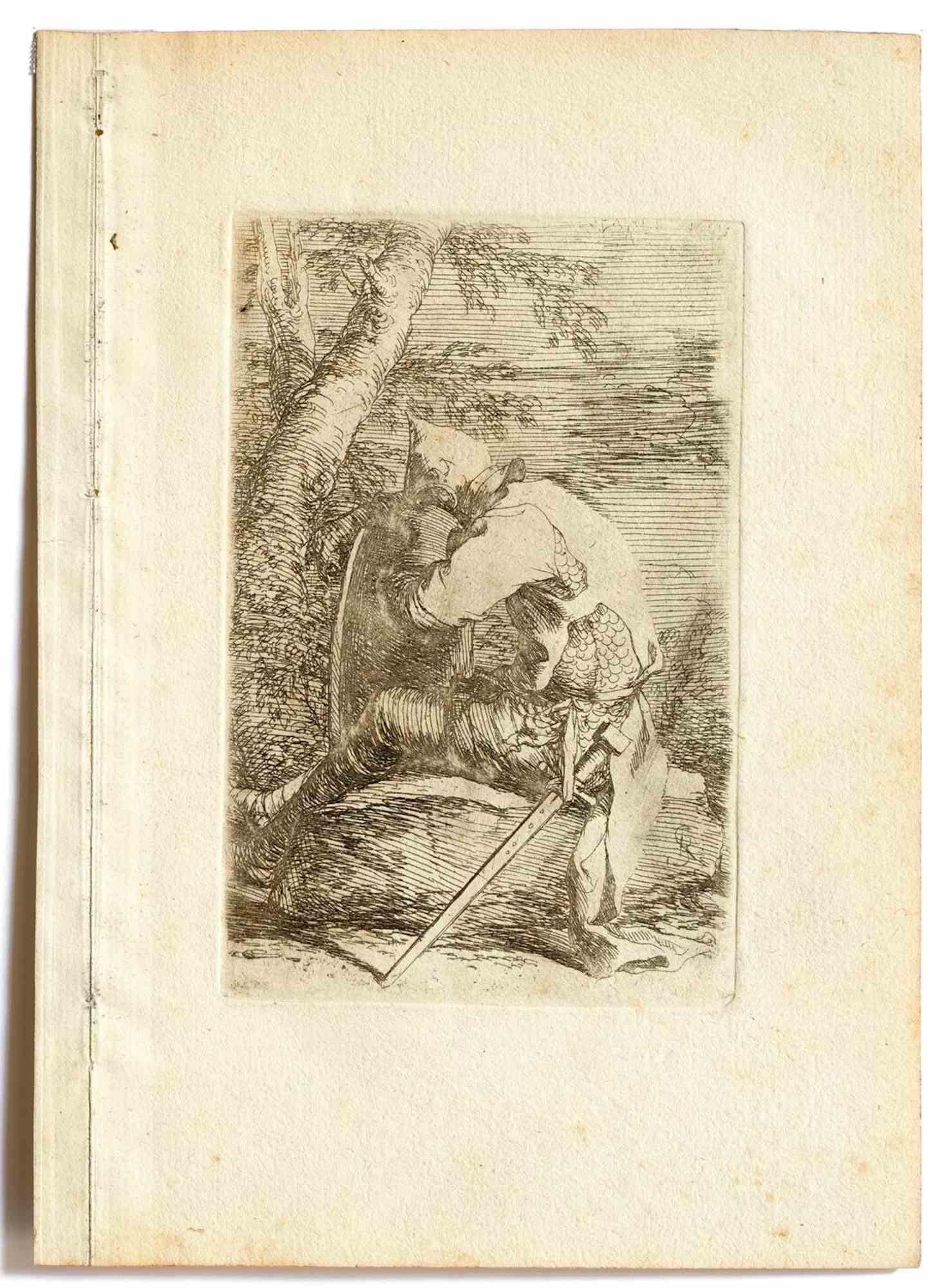
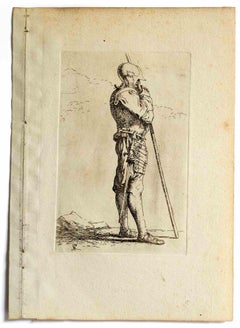
Items Similar to Salvator Rosa. Original etching: Warrior with Mace and Shield. 17th century.

Want more images or videos?
Request additional images or videos from the seller
1 of 11
Salvator RosaSalvator Rosa. Original etching: Warrior with Mace and Shield. 17th century.
$237.96
£177.05
€200
CA$329.61
A$353.17
CHF 189.45
MX$4,183.40
NOK 2,389.85
SEK 2,186.34
DKK 1,523.91
About the Item
Salvator Rosa (Naples, July 20, 1615 - Rome, March 15, 1673)
Warrior with Mace and Shield
Etching and engraving, ca. 1650-1652
Second state (final)
Plate: 14 × 9.5 cm - Sheet: approx. 15.2 × 10.8 cm
An original etching signed "S.R." in the plate, part of the celebrated Figurine series created by Salvator Rosa during his Florentine years (1647-1652) and the early Roman period. This composition presents a standing warrior holding a mace and a shield-an archetypal image of moral strength and solitary courage. The figure's compact anatomy and confident stance reflect Rosa's preference for stoic, self-contained heroes rather than idealized classical warriors.
Executed with the combined technique of etching and light engraving, the plate shows Rosa's mastery of line: incisive and nervous, yet carefully controlled. The dry precision of the burin reinforces the chiaroscuro modeling typical of the artist's late style, while maintaining the spontaneous vitality of the etched stroke.
This impression belongs to the second and final state, showing the monogram "S.R." in the lower area. The clarity of the line and the absence of plate wear indicate a 17th-century printing, most likely executed in Florence. The Figurine series was produced for Rosa's circle of writers and collectors, including Carlo Rubbi and Lorenzo Lippi, associated with the Accademia dei Percossi - an intellectual milieu that championed freedom of thought and expression beyond academic conventions.
Printed on 17th-century Italian laid paper, with chain lines approximately 3.2 cm apart, dense fiber structure and a warm ivory tone. The paper's texture and faint impurities correspond to handmade Tuscan production of the period, distinct from later French or Flemish papers with wider chain spacing.
A fine, well-preserved impression, trimmed close to the platemark, with even inking and light natural toning of the sheet. This work exemplifies Salvator Rosa's independent vision as an etcher: a philosopher-artist translating the Baroque ideal of the solitary hero into a deeply personal graphic language.
- Creator:Salvator Rosa (1615 - 1673, Italian)
- Dimensions:Height: 5.6 in (14.2 cm)Width: 3.75 in (9.5 cm)
- Medium:
- Movement Style:
- Period:
- Framing:Framing Options Available
- Condition:
- Gallery Location:Firenze, IT
- Reference Number:1stDibs: LU2464217116672
Salvator Rosa
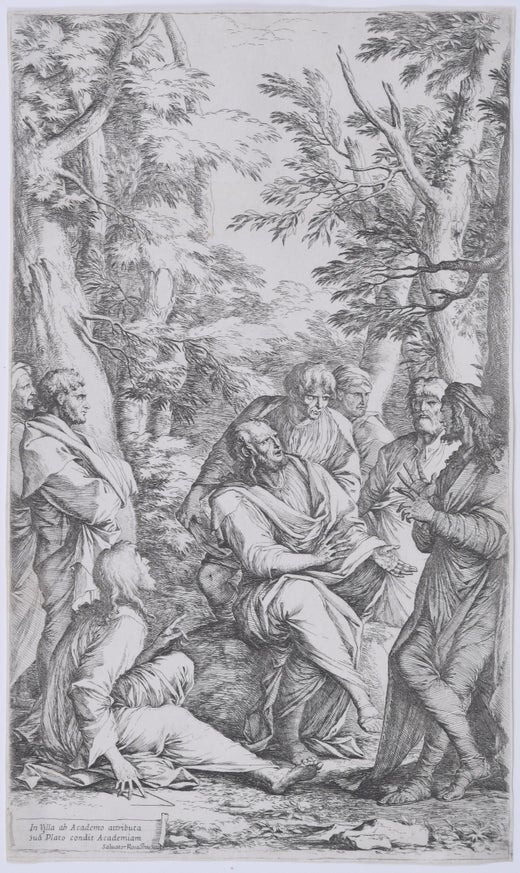
Rosa was an Italian painter of the Baroque period, as well as a printmaker, poet and author of satires. He was active in Naples, Rome and Florence, and best known for his unconventional and romantic landscapes, as well as his rebellious nature. Rosa was indisputably a leader in that tendency towards the romantic and picturesque, called a proto-romantic. His landscapes avoided the idyllic and pastoral calm in the landscapes of Claude Lorrain (1600 – 1682) and Paul Bril (1554 – 1626), and created brooding, melancholic fantasies, awash in ruins and brigands. As a writer, Rosa was equally romantic in his descriptions and rebellious in his attitude towards convention. Rosa began his training in Naples, notably with his future brother-in-law, Francesco Francanzano (1612 – 1657), who trained under the influential Spanish painter, Jusepe de Ribera (1591 – 1652), who Rosa may have trained with as well. It is also said that Rosa may have trained with the Naples painter, Aniello Falcone (1600 – 1665), who was also an apprentice to Ribera. After a brief trip to Rome, he returned to Naples and began painting his wildly romantic landscapes, eventually returning to Rome after 1638 painting one of his only altarpieces, Incredulity of Thomas. Something of a Baroque polymath, Rosa pursued his talents in music, poetry, writing, etching and acting. He wrote and often acted in his own Satires, which in turn gained him the reputation of a rebel, pitting him against powerful people, such as the prominent Roman sculptor, Bernini (1598 – 1680). This partially drove him away from Rome to sanctuary in Florence, patronized by a Medici Cardinal; he started his Accademia dei Percossi, or Academy of the Stricken, were artists, playwrights and poets gathered, among them the poet-painter, Lorenzo Lippi (1606 – 1664). He then returned to Naples, where it is said he engaged in the Spanish revolt of Masaniello (1622 – 1647), with some works produced showing this influence. He finally returned to Rome around 1649, painting historical works such as, Democritus amid Tombs, Death of Socrates, Regulus in the Spiked Cask, Justice Quitting the Earth and the Wheel of Fortune. The latter satirical work raised a storm of controversy, from which Rosa, endeavoring at conciliation, published a description of its meaning, but was nearly arrested. It was about this time that Rosa wrote his satire named Babylon, under which name Rome was of course his target. Among the pictures of his last years were the admired Battlepiece and Saul and the Witch of Endor, a work painted in 40 days, full of longdrawn carnage, with ships burning in the offing; Pythagoras and the Fishermen; and the Oath of Catiline. His output in painting and satirical writing was large, and both respected and contested in its time. Rosa, the man, is romanticized in several fictional works, including novels and fully scored ballets.
About the Seller
4.9
Platinum Seller
Premium sellers with a 4.7+ rating and 24-hour response times
Established in 2016
1stDibs seller since 2023
92 sales on 1stDibs
Typical response time: 3 hours
- ShippingRetrieving quote...Shipping from: Firenze, Italy
- Return Policy
More From This Seller
View AllJacques Callot (nancy, 1592–1635) Entrance Of The Duke Of Lorraine, 7.3×11.3 cm
Located in Firenze, IT
Jacques Callot (Nancy, 1592–1635)
Entrance of the Duke of Lorraine – Court Festival in Nancy.
Engraving on laid paper.
Dimensions: 7.3 × 11.3 cm.
Dating: 17th century (after 1627).
...
Category
17th Century Renaissance Figurative Drawings and Watercolors
Materials
Paper, Etching
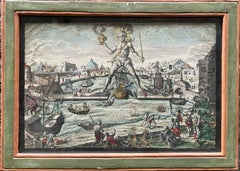
Colossus of Rhodes, Optic View from the Seven Wonders Series, Probst, 18th cent
By Georg Balthasar Probst
Located in Firenze, IT
The Colossus of Rhodes - Vue d'optique day/night, Seven Wonders series, Probst, 1770
Technique and materials: hand-colored etching, punch-perforated, with collage work and colored p...
Category
Mid-18th Century Old Masters Landscape Prints
Materials
Paper, Handmade Paper, Engraving
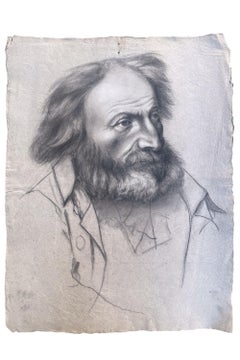
Drawing Of A Man From The Italian Risorgimento, Italian School, Mid-19th Century
Located in Firenze, IT
Drawing of a Man from the Italian Risorgimento, Italian School, mid-19th century
Dimensions: 59 × 44 cm
Technique: Charcoal on antique handmade grey rag paper
Italian school.
A re...
Category
Mid-19th Century Italian School Figurative Drawings and Watercolors
Materials
Paper, Pencil, Graphite
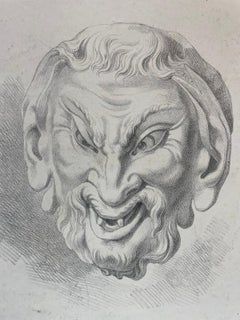
Satyr Mask, Academic Study after an Antique Model and Michelangelo’s Lost Work
Located in Firenze, IT
Satyr Mask, Academic Study after an Antique Model and Michelangelo’s Lost Work, 49 × 32.5 cm
Mid-19th century
Pencil on paper
Academic study of a satyr’s head, based on an antique model and linked to the long-standing tradition surrounding Michelangelo’s lost Head of a Satyr. The drawing focuses on the expressive intensity of the face, the curling hair, and the strong modelling of the features, elements closely associated with antique satyr...
Category
Mid-19th Century Italian School Figurative Drawings and Watercolors
Materials
Paper, Graphite
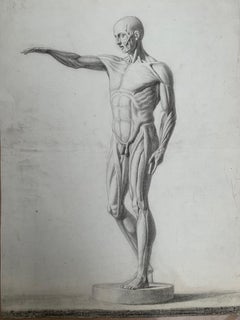
Academic drawing: L
Écorché by Houdon. Italian school. 19th century. 59x44cm
Located in Firenze, IT
Academic drawing: L'Écorché by Houdon. Italian school. 19th century. 59x44cm
This represents the statue of the écorché by the French sculptor Houdon.
Sculpture - Anatomical model o...
Category
Mid-19th Century Academic Nude Drawings and Watercolors
Materials
Paper, Charcoal
$214 Sale Price
40% Off
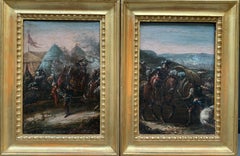
Military Camp Scene and Battle. Pietro Graziani (XVII/XVIII century), entourage
Located in Firenze, IT
Military Camp Scene and Battle.
Pietro Graziani (XVII/XVIII century), entourage.
A pair ( two) of small paintings.
Antique XIX century frames in gilt wood.
In good condition.
Oi...
Category
Early 18th Century Old Masters Landscape Paintings
Materials
Canvas, Oil
$2,050 Sale Price
50% Off
Free Shipping
You May Also Like
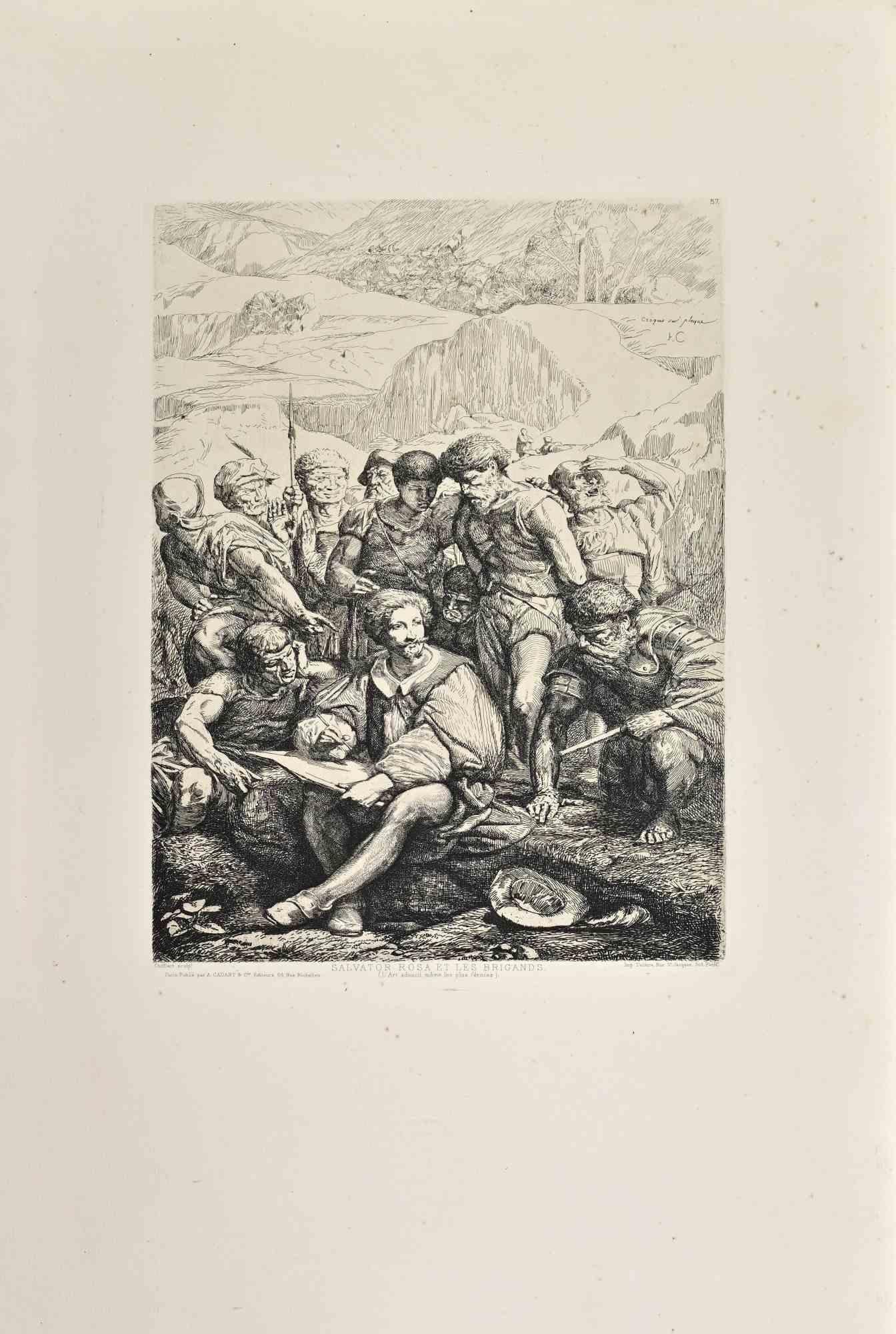
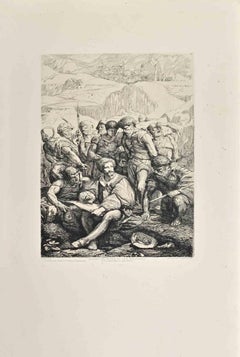
Salvator Rosa et les Brigands - Etching by François Chifflart - 1860s
Located in Roma, IT
Salvator Rosa et les Brigands is a black and White etching realized by François Chifflart in the 1860s.
Titled in the lower
Image Size: 31x23
Very good impression.
Realized for ...
Category
1860s Modern Figurative Prints
Materials
Etching
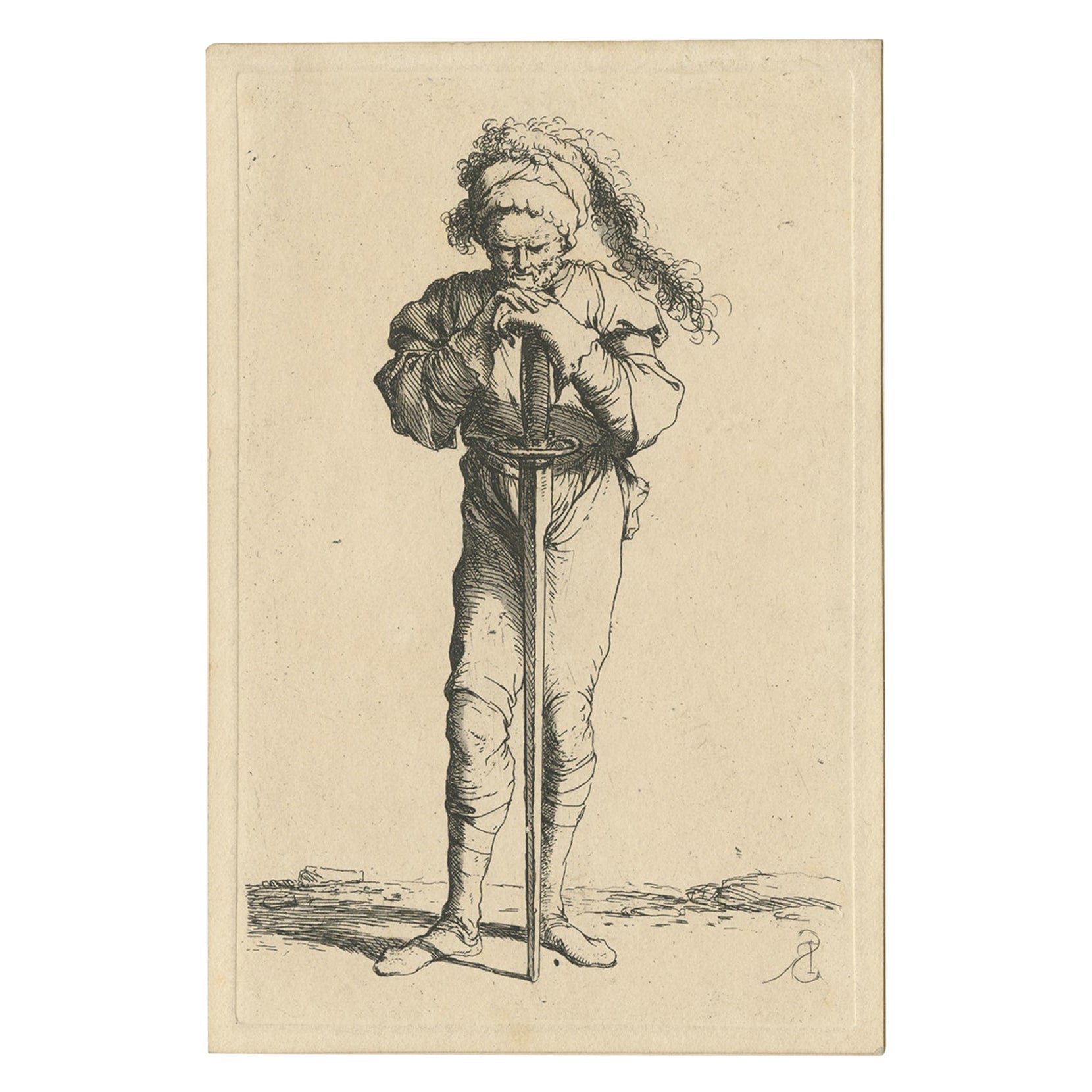
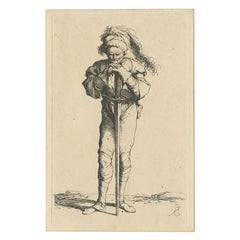
Rare Etching of a Warrior Standing and Leaning on a Long Sword, ca.1658
Located in Langweer, NL
Etching of a warrior standing and leaning on a long sword. Originates from a figurine series 1653-1658, signed with his monogram.
Artists and engravers: Sa...
Category
Antique 1650s Arms, Armor and Weapons
Materials
Paper
$533 Sale Price
20% Off
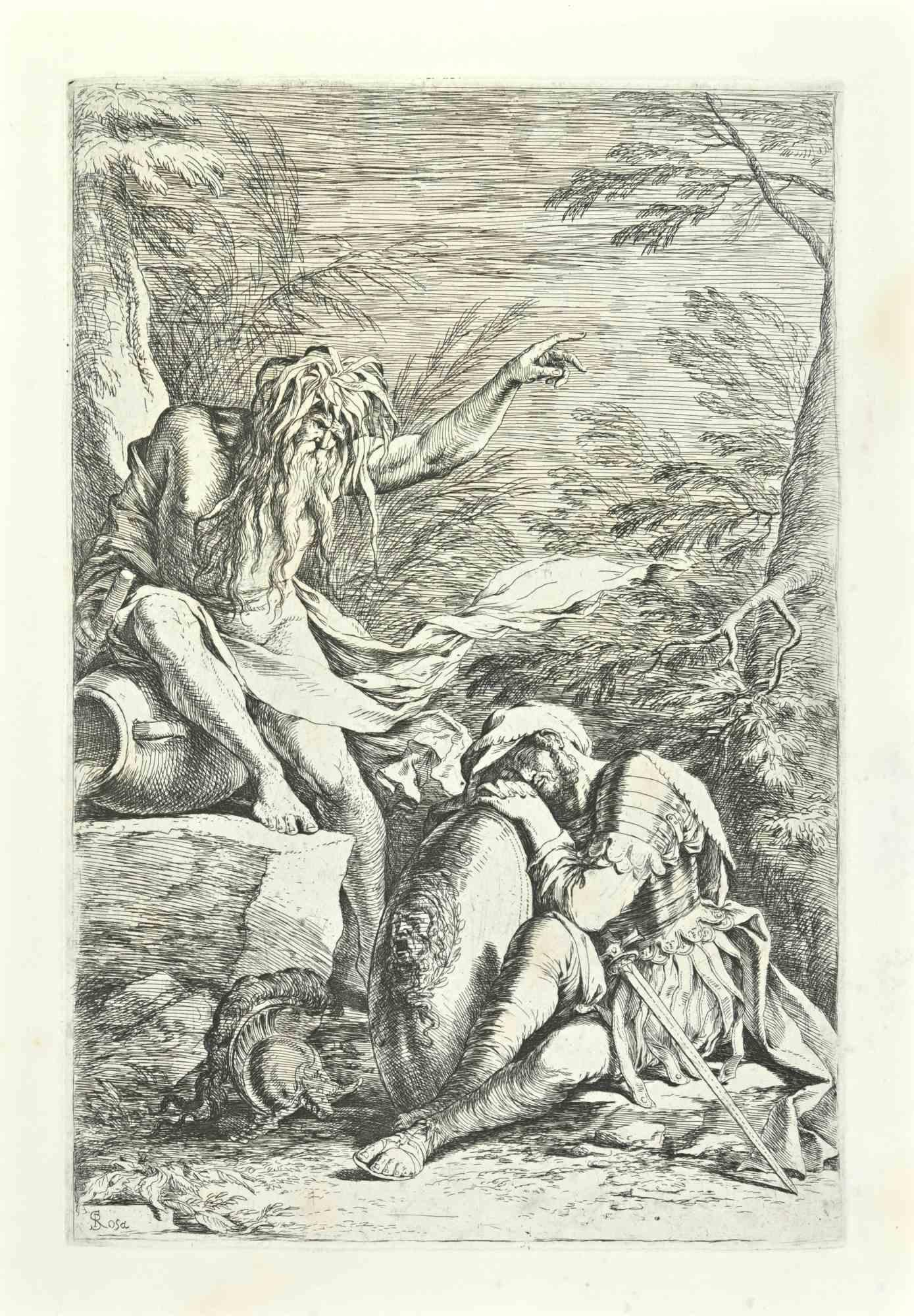
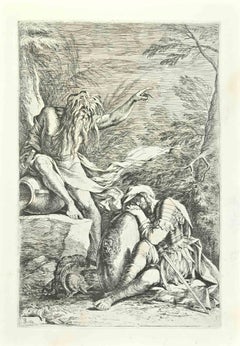
Dream of Aeneas - Etching after Salvator Rosa - 18th Century
By Salvator Rosa
Located in Roma, IT
This etching, representing The Dream of Aeneas, is an 18th century proof after Salvator Rosa (ca. 1663).
Signed lower left “S.Rosa”
The state of preservation is good. Some foxings ...
Category
18th Century Old Masters Figurative Prints
Materials
Etching
Soldier - Etching - 17th Century
Located in Roma, IT
Soldier is an original old master artwork realized in 17th Century.
Black and white etching.
Good conditions except for signs of time.
Category
17th Century Modern Figurative Prints
Materials
Etching
Four Soldiers, one with Flag - Etching after Salvator Rosa - 18th Century
By Salvator Rosa
Located in Roma, IT
This etching, representing Four soldiers, one with flag, is an 18th century copy after Salvator Rosa and it is from the series of capricci with soldiers, called Figurine.
The first ...
Category
18th Century Old Masters Figurative Prints
Materials
Etching
Soldier - Etching - 17th Century
Located in Roma, IT
Soldier is an old master artwork realized in 17th Century.
Black and white etching.
Good conditions except for signs of time.
Category
17th Century Modern Figurative Prints
Materials
Etching