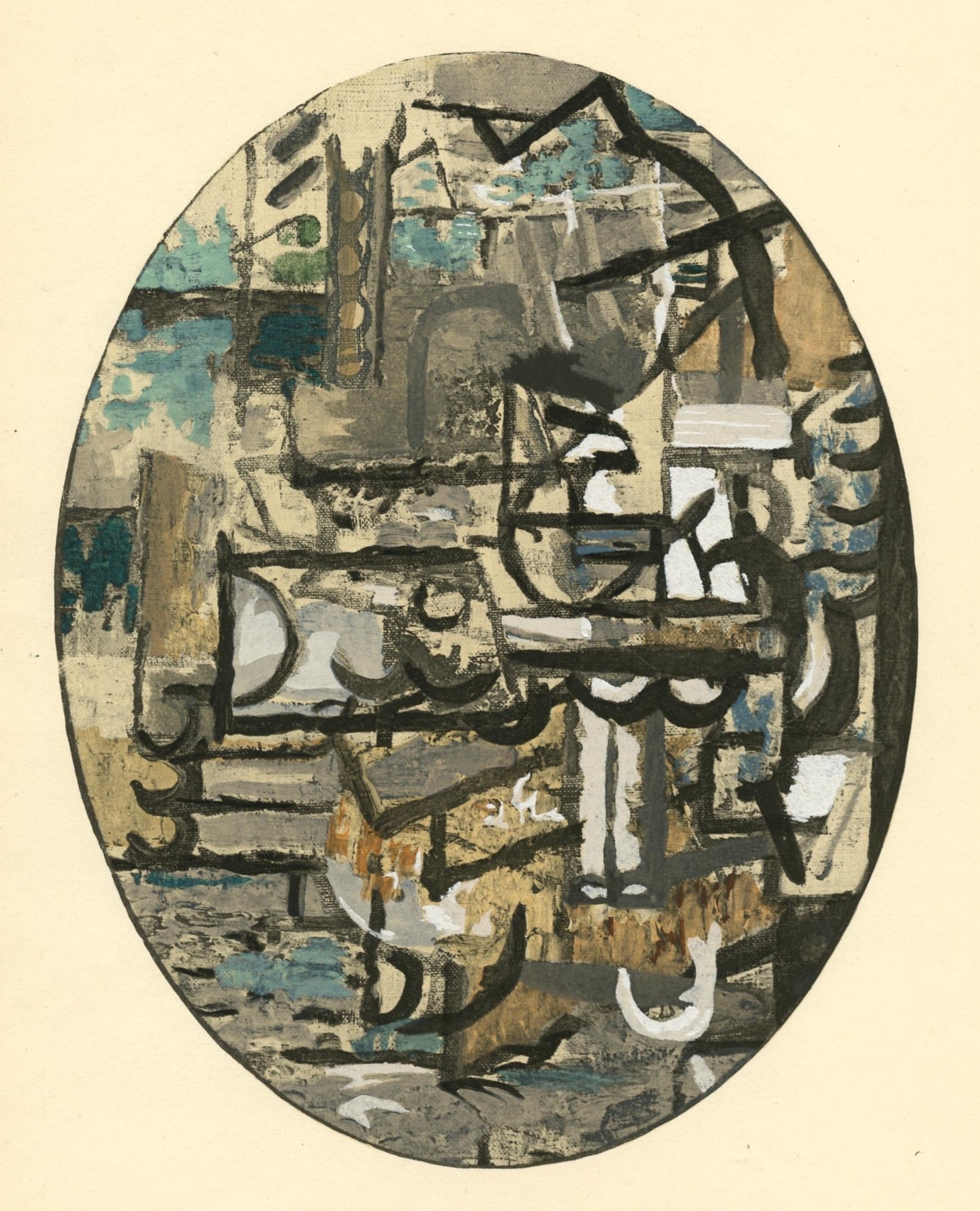
Items Similar to Braque, Composition, Du cubisme (after)

Want more images or videos?
Request additional images or videos from the seller
1 of 8
Braque, Composition, Du cubisme (after)1947
1947
$6,716
$8,39520% Off
£5,097.79
£6,372.2420% Off
€5,845.88
€7,307.3620% Off
CA$9,479.60
CA$11,849.5020% Off
A$10,175.46
A$12,719.3220% Off
CHF 5,417.91
CHF 6,772.3920% Off
MX$120,516.90
MX$150,646.1220% Off
NOK 68,467.59
NOK 85,584.4820% Off
SEK 62,530
SEK 78,162.5020% Off
DKK 43,671.41
DKK 54,589.2720% Off
About the Item
Aquatint, Etching on vélin du Lana Papiers Spéciaux pure rag paper. Unsigned and unnumbered, as issued. Good Condition. Notes: From the folio, Du Cubisme, 1947. Published by Compagnie Française des Arts Graphiques, Paris; printed by R. Girard et Cie, Paris, 1947. Excerpted from the folio (translated from French), Du Cubisme was completed to print on July 31, 1947. The draw includes, No. 1, Copy on paper from Auvergne with a few states and two suites of the plates; No. 2 to 20, Copies on paper from Auvergne with two suites of the plates; No. 21 to 35, Copies on paper from Auvergne with a series of plates; Nos 36 to 435. Copies on pure Lana thread paper; In addition, it was printed 20 copies on Lana paper numbered in Roman numerals for the Legal Deposit and collaborators.
GEORGES BRAQUE (1882-1963) was a major 20th-century French painter, collagist, draughtsman, printmaker and sculptor. His most notable contributions were in his alliance with Fauvism from 1905, and the role he played in the development of Cubism. Braque's work between 1908 and 1912 is closely associated with that of his colleague Pablo Picasso. Their respective Cubist works were indistinguishable for many years, yet the quiet nature of Braque was partially eclipsed by the fame and notoriety of Picasso.
About the Seller
4.9
Platinum Seller
Premium sellers with a 4.7+ rating and 24-hour response times
Established in 1978
1stDibs seller since 2021
1,272 sales on 1stDibs
Typical response time: 1 hour
- ShippingRetrieving quote...Shipping from: Southampton, NY
- Return Policy
More From This Seller
View AllGeorges Braque, Le Bouquet, from Carnets intimes, 1955 (after)
By Georges Braque
Located in Southampton, NY
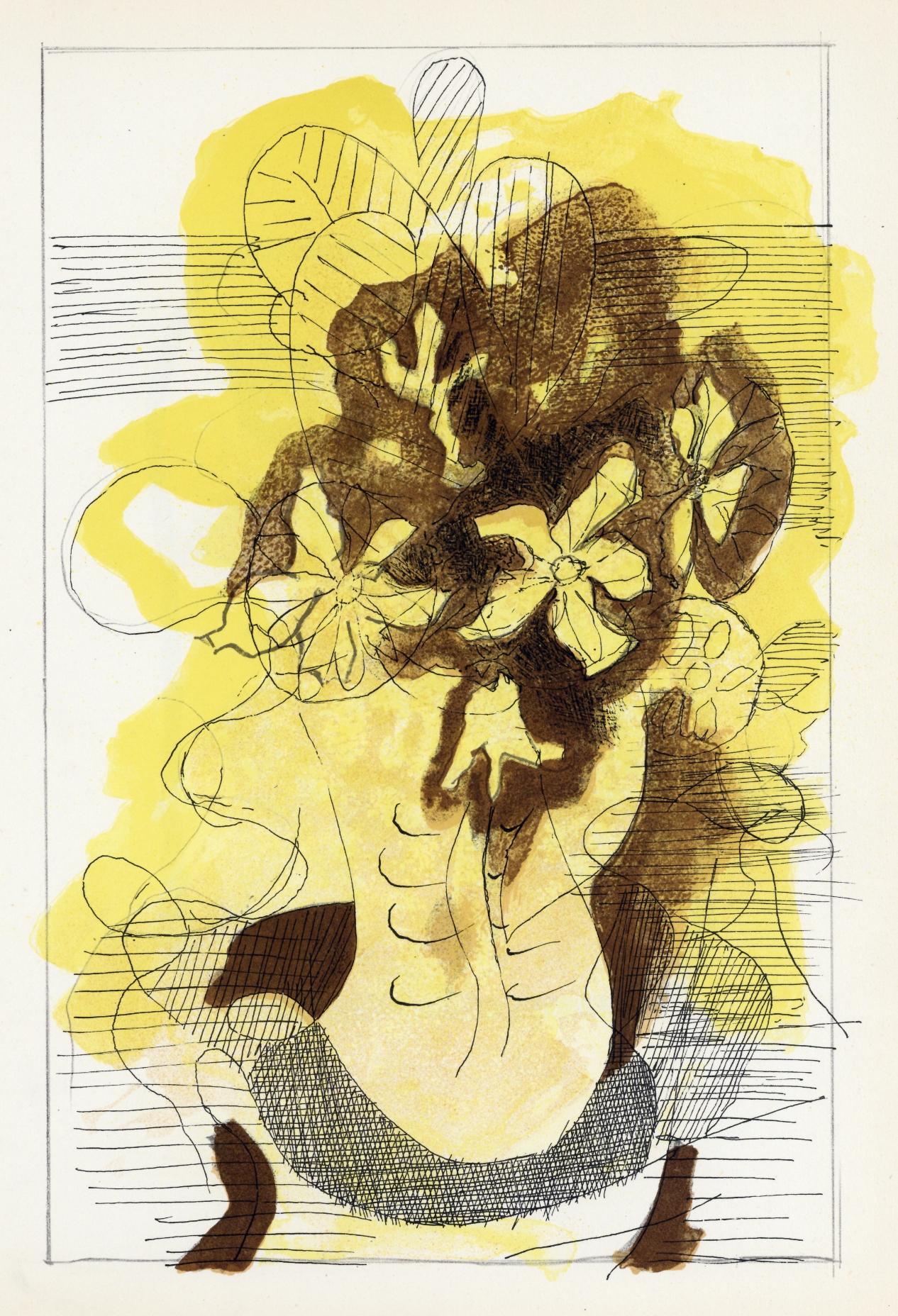
This exquisite lithograph after Georges Braque (1882–1963), titled Le Bouquet (The Bouquet), from Carnets intimes (Private Sketchbooks), Verve, Vol. VIII, No. 31–32, originates from ...
Category
1950s Modern Landscape Prints
Materials
Lithograph
$716 Sale Price
40% Off
Free Shipping
Georges Braque, The Bullfighter and the Bull, from Carnets intimes, 1955 (after)
By Georges Braque
Located in Southampton, NY
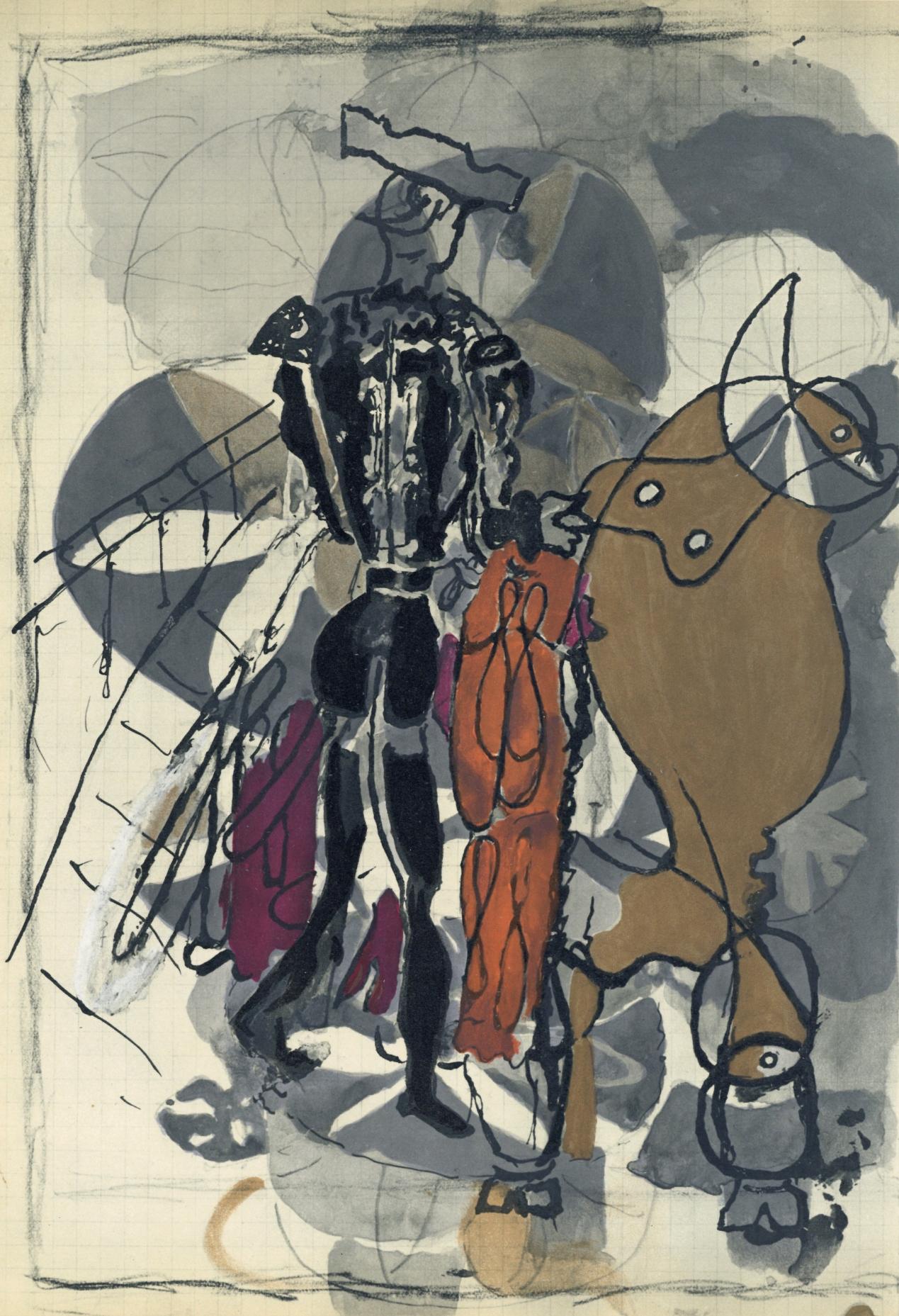
This exquisite lithograph after Georges Braque (1882–1963), titled Le Torero et le taureau (The Bullfighter and the Bull), from Carnets intimes (Private Sketchbooks), Verve, Vol. VII...
Category
1950s Modern Landscape Prints
Materials
Lithograph
$716 Sale Price
40% Off
Free Shipping
Braque, Composition, Braque Espaces, 13 Dessins, Lavis, Aquarelles (after)
By Georges Braque
Located in Southampton, NY
Lithograph and stencil on vélin papier a la cuve du moulin richard de bas specialement filigrané pour cette édition paper. Inscription: signed in the plate and unnumbered, as issued....
Category
1950s Modern Landscape Prints
Materials
Lithograph, Stencil
$3,996 Sale Price
20% Off
Free Shipping
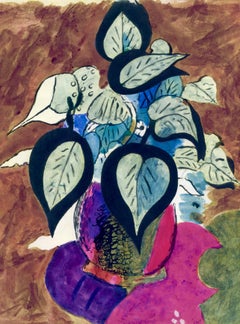
Georges Braque, Black Foliage, from Carnets intimes, 1955 (after)
By Georges Braque
Located in Southampton, NY
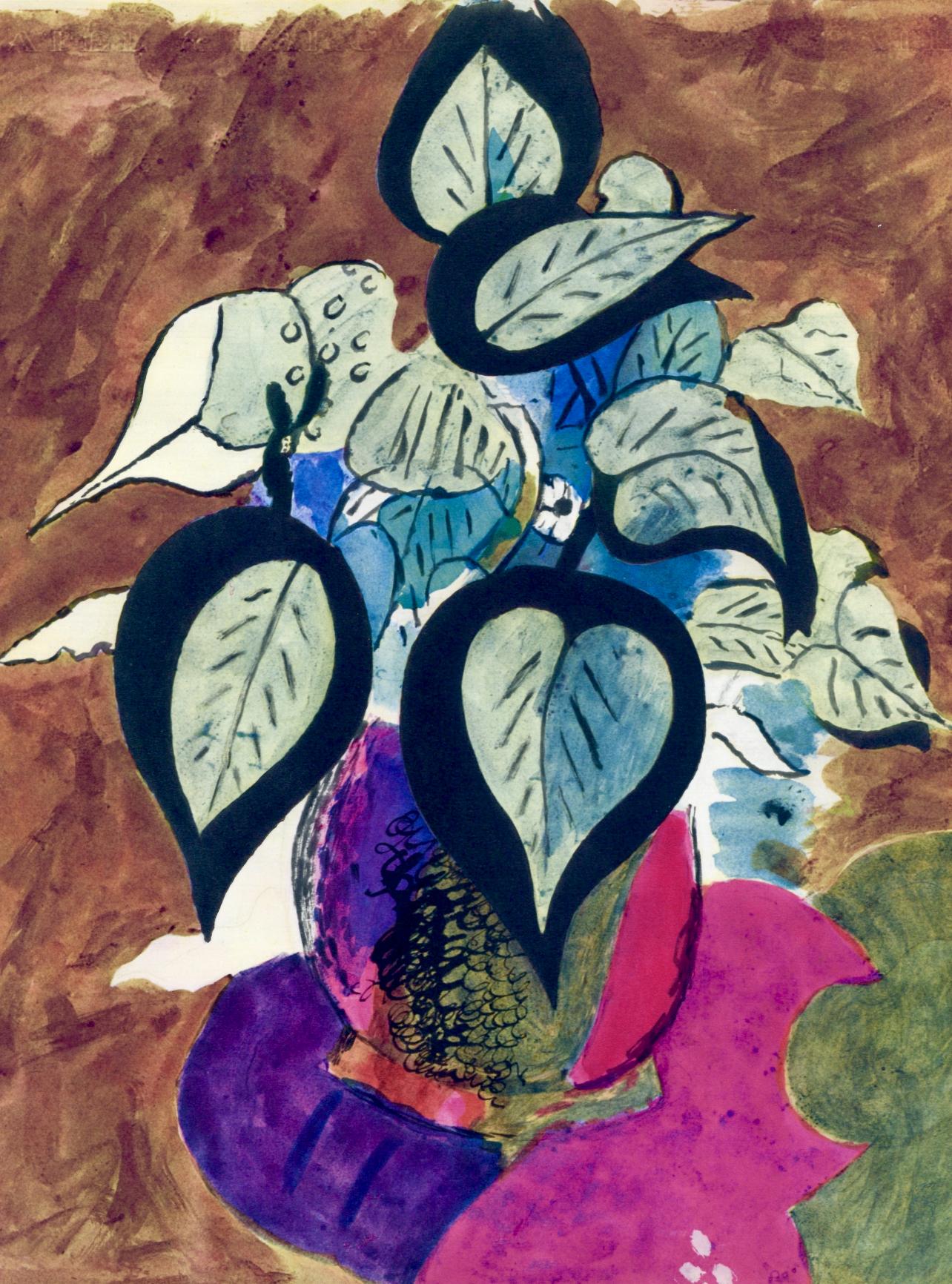
This exquisite lithograph after Georges Braque (1882–1963), titled Feuillage noir (Black Foliage), from Carnets intimes (Private Sketchbooks), Verve, Vol. VIII, No. 31–32, originates...
Category
1950s Modern Landscape Prints
Materials
Lithograph
$716 Sale Price
40% Off
Free Shipping
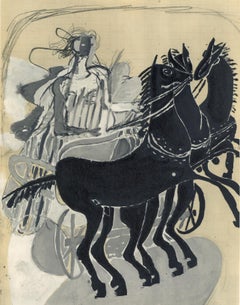
Georges Braque, The Chariot, from Carnets intimes, 1955 (after)
By Georges Braque
Located in Southampton, NY
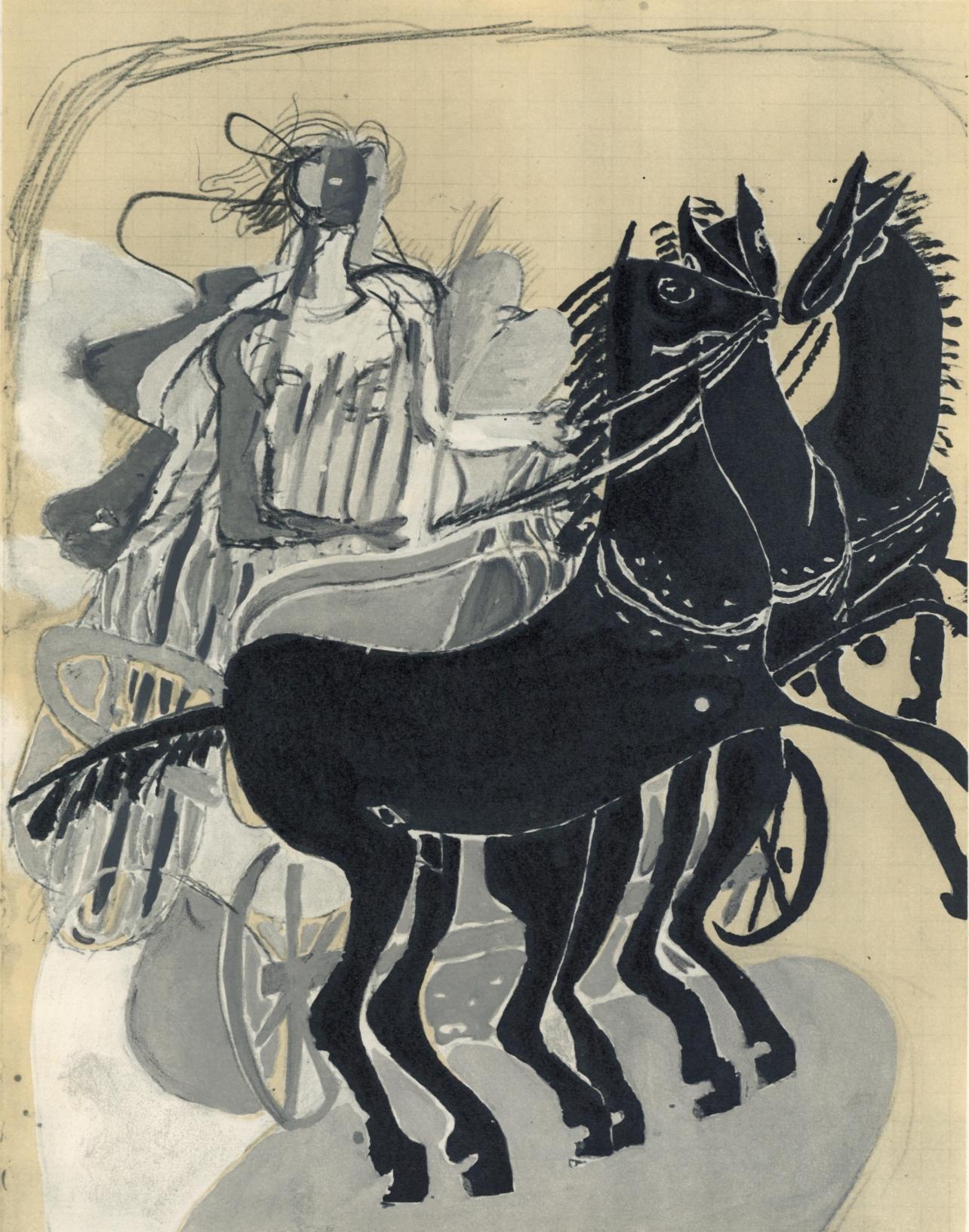
This exquisite lithograph after Georges Braque (1882–1963), titled Le Char (The Chariot), from Carnets intimes (Private Sketchbooks), Verve, Vol. VIII, No. 31–32, originates from the...
Category
1950s Modern Landscape Prints
Materials
Lithograph
$716 Sale Price
40% Off
Free Shipping
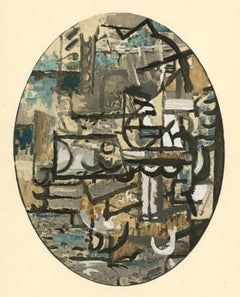
Georges Braque, Movement in the Oval, 1929 (after)
By Georges Braque
Located in Southampton, NY
This exquisite lithograph and pochoir after Georges Braque (1882–1963), titled Le Mouvement dans l’Ovale (Movement in the Oval), from the album L'Art Cubiste, Theories et Realisation...
Category
1920s Cubist Still-life Prints
Materials
Lithograph, Stencil
You May Also Like
Hommage á la Nymphe, Cubist Collotype and Pochoir after Pablo Picasso
By Pablo Picasso
Located in Long Island City, NY
Between the years of 1946 and 1956, Pablo Picasso pulled concepts from his earlier creations, a series of drawings and watercolor, in order to form Faune a La Diaule, 1956. Pablo Pic...
Category
1950s Nude Prints
Materials
Stencil
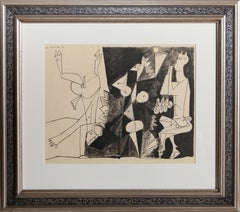
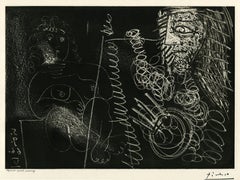
Peintre et Modele
By Pablo Picasso
Located in Fairlawn, OH
Peintre et Modele
Etching and aquatint on Rives wove paper, 1966
Signature stamp lower right (see photo)
Annotated in pencil lower left: "epreuve avant acierage" (see photo)
One of t...
Category
1960s Modern Figurative Prints
Materials
Aquatint
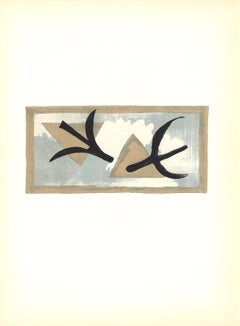
En Vol Lithograph by Georges Braque, Cubist Style, 1959, Unframed
By Georges Braque
Located in Brooklyn, NY
This is a first edition lithograph reproduction of Georges Braque's En Vol (In Flight), published in 1959 as part of Derrière le Miroir (DLM) No. 115. The lithograph is featured on p...
Category
1950s Cubist Prints and Multiples
Materials
Lithograph
$200 Sale Price
20% Off
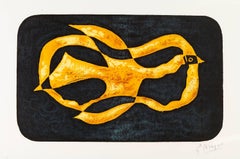
After Georges Braque - Antiborée - Lithograph
Located in Collonge Bellerive, Geneve, CH
Lithograph after Georges Braque.
Signed in the plate
Edition of 150
Dimensions: 76 x 117 cm
Bibliography:
« Les Métamorphoses de Braque» of Heger de Loewenfeld and Raphaël de Cuttoli , Editions FAC, Paris, 1989.
In 1961 Georges Braque decided with his laidary friend Heger de Loewenfeld to pick up certain of his works to in order to create artworks, this beautiful litograph is one of them.
Héméra in the Mythology:
In Greek mythology Hemera was the personification of day and one of the Greek primordial deities. She is the goddess of the daytime and, according to Hesiod, the daughter of Erebus and Nyx (the goddess of night). Hemera is remarked upon in Cicero's De Natura Deorum, where it is logically determined that Dies (Hemera) must be a god, if Uranus is a god. The poet Bacchylides states that Nyx and Chronos are the parents, but Hyginus in his preface to the Fabulae mentions Chaos as the mother/father and Nyx as her sister.
She was the female counterpart of her brother and consort, Aether (Light), but neither of them figured actively in myth or cult. Hyginus lists their children as Uranus, Gaia, and Thalassa (the primordial sea goddess), while Hesiod only lists Thalassa as their child.
The father of Cubism
Three Cubist that distinguishes art historian periods were initiated and developed by Georges Braque: The Cubist Cézanne (1907-1909), Executive (1909-1912) and synthetic (1912-1922).
Post-Impressionist and fawn, Braque no longer adheres to the contingency of a decorative way or the other. Cézanne’s paintings exhibited at the Grand Palais during the retrospective of 1907 are a revelation: Cézanne sought and invented a pictorial language. In his footsteps, Braque went to the South with the reasons of the Master. He returned with Estaque landscapes and surprising Ciotat it keeps Cezanne geometric model and retains the “passages” continuity from one surface to another to create the sensation of “turning around” of the object represented. But he wants to go after the consequences of the vision of Cezanne. In his paintings Houses in L’Estaque (1908) it simplifies the volumes of houses, neglects detail by removing doors and windows: the plastic rhythm that builds the table. Large Nude , a masterpiece of the period, can be considered the first work of Cézanne cubism .
Systematizing and deepening Braque discoveries open the door analytical cubism. In 1909, his painting became more cerebral than sensual. The pattern is recreated in the two-dimensionality of the canvas, leaving aside any illusionistic perspective. In Still Life with Violin, objects are analyzed facets according to their characteristic elements, each facet referring to a particular view of the object. There are so many facets of points selected view: Table reflects the knowledge of the object and the ubiquity of the eye. Moreover, Braque is looking for the essence of the objects in the world rather than their contingency, which explains the absence of light source and use of muted colors (gray, ocher), contingent aspects of the object . But formal logic has stepped facets, erased any anecdote to the object and ultimately led to his painting a hermetic more marked on the edge of abstraction (see the series of Castle Roche-Guyon ).
Braque, anxious to keep the concrete and refusing at all costs that the logic of Cubism takes the paintings to abstract, reintroduced signs of reality in his paintings in 1912 marks the beginning of Synthetic Cubism. Historians speak of “signs of real” rather than reality because what interests Braque, this is not to put reality into a table, but to create a painting which, by its language, refers to the real. To do this, he invented two major techniques XX th century inclusions and contributions. The inclusions consist of painting objects that have no real depth, materials (wallpaper in Nature morte aux playing cards faux wood is a pictorial inclusion) or letters (calligraphic inclusion in Portuguese ), made first brush and a few months later stencil. Contributions are defined in contrast with the collage on canvas of foreign materials: glued or sand paper, sawdust, etc.. Regarding the collages, Braque used for the first time in September 1912 a piece of adhesive paper imitating faux wood Compote...
Category
1950s Cubist Animal Prints
Materials
Lithograph
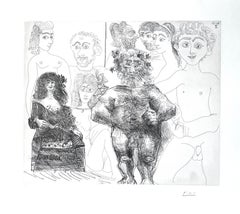
Old-fashioned and modern sex
By Pablo Picasso
Located in Paris, FR
Etching, 1968
Handsigned by the artist in pencil and numbered 7/50
Publisher : Galerie Louise Leiris, Paris
Catalog : [Bl. 1615 ; GB 1631]
56.50 cm. x 64.50 cm. 22.24 in. x 25.39 ...
Category
1960s Abstract Abstract Prints
Materials
Etching
Hommage a Rene Char after Pablo Picasso
By Pablo Picasso
Located in New York, NY
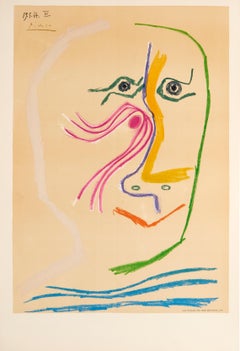
This colorful lithograph after Pablo Picasso was printed by the Atelier Mourlot in Paris in 1964 and is unsigned*. This image is taken from a drawing in pencil and colored chalk enti...
Category
1960s Modern Abstract Prints
Materials
Lithograph
$2,800 Sale Price
20% Off
More Ways To Browse
Vintage Ski Posters Savoie
William S Rice
Yu Heshi
Alex Katz Reflections
Andrew Karoly
Bob Dylan Train
Branko Paradis
Camilla Engstrom
Christo Manhattan
Christo Wrapped Statues
Cj Yao
Claudia Keller
Cliff House San Francisco
Colorado Travel Posters
Colorado Vintage Travel Poster
Colosseum Piranesi
Dali San Francisco
Dali Travel Poster