Want more images or videos?
Request additional images or videos from the seller
1 of 10

Jean Lurçat
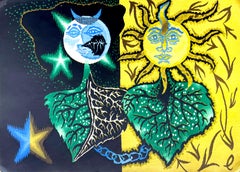
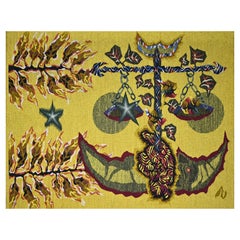
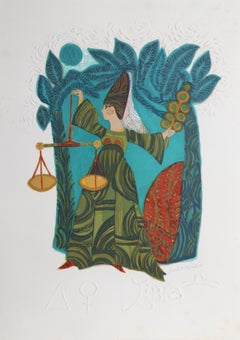
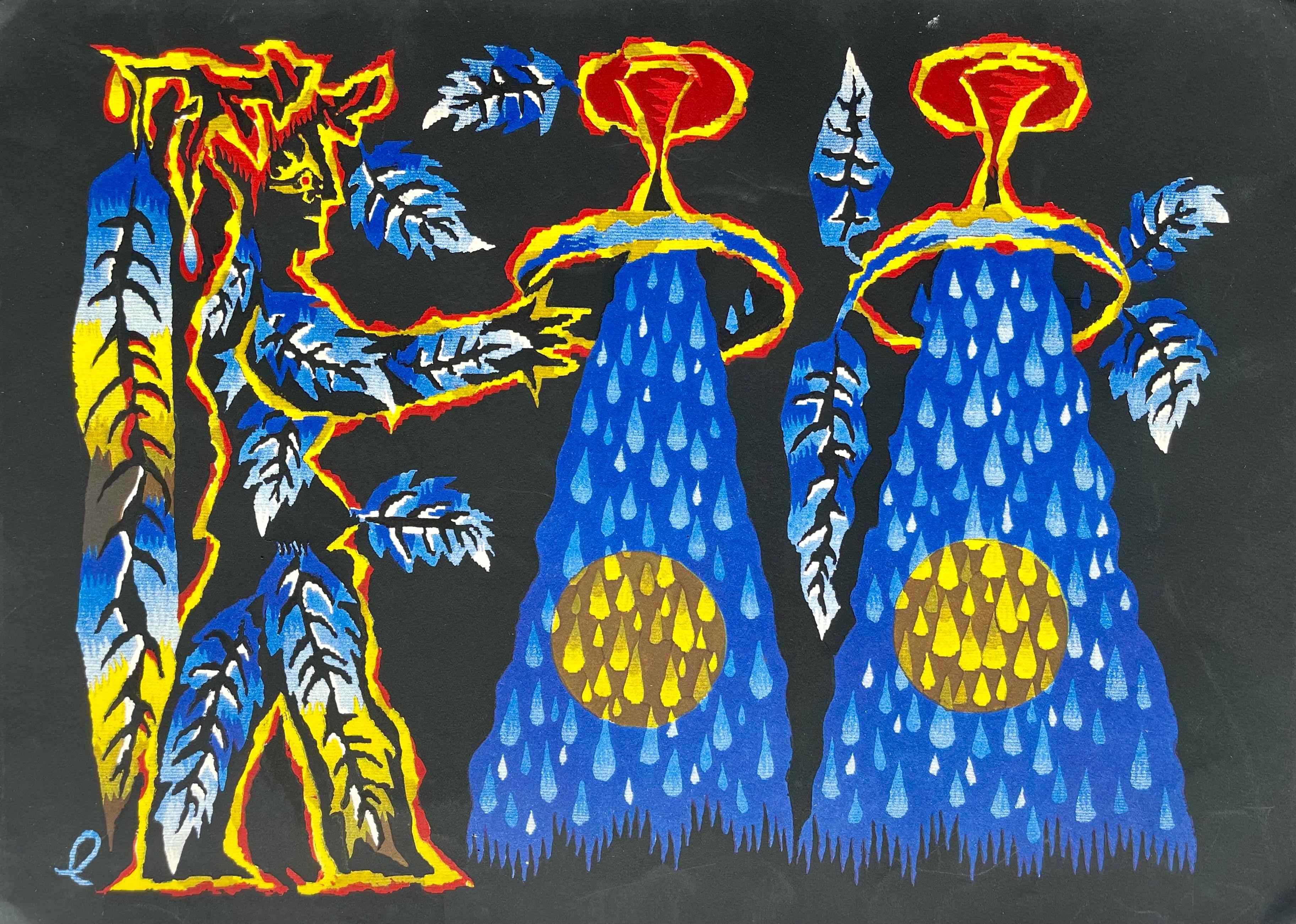
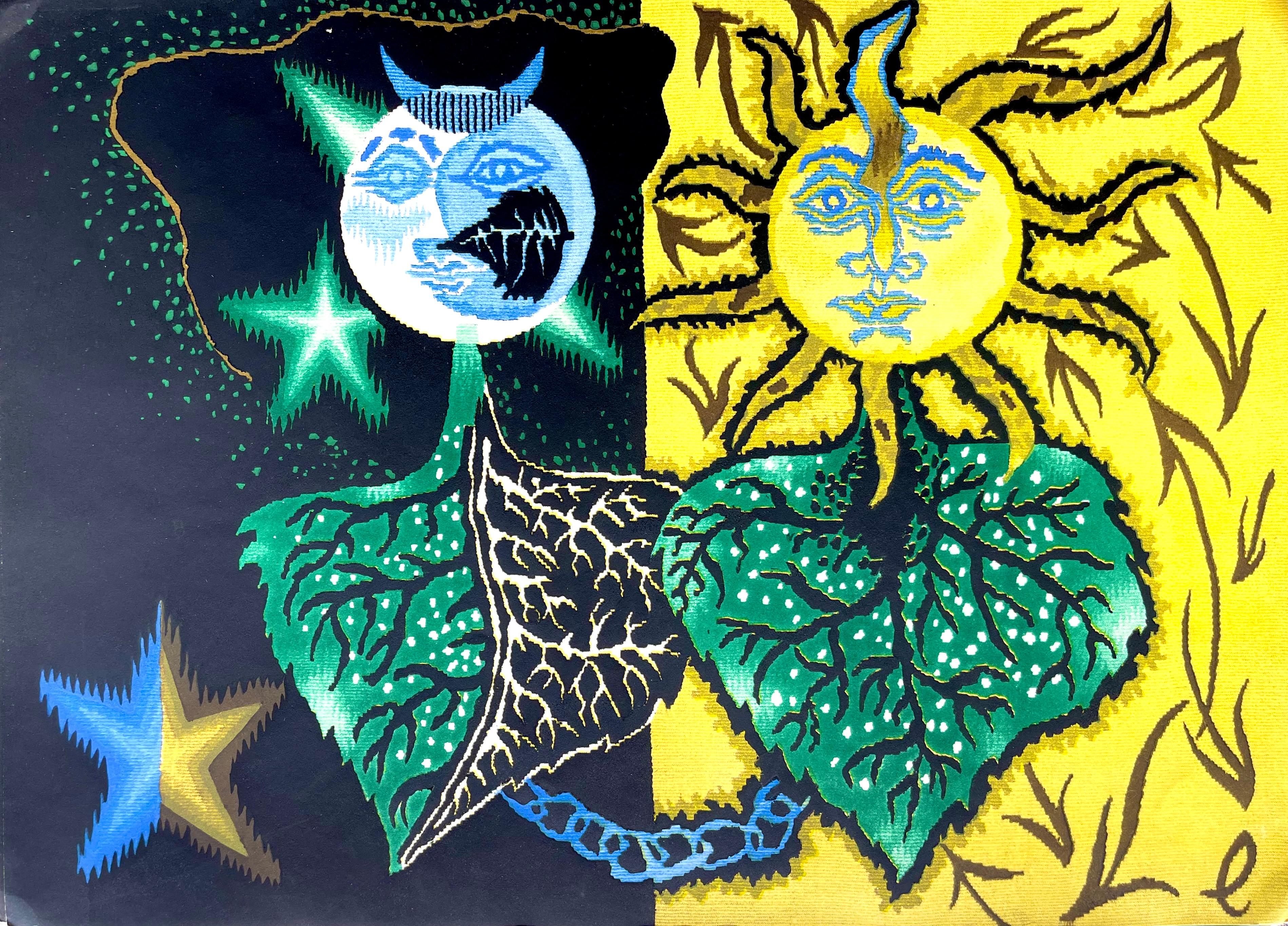
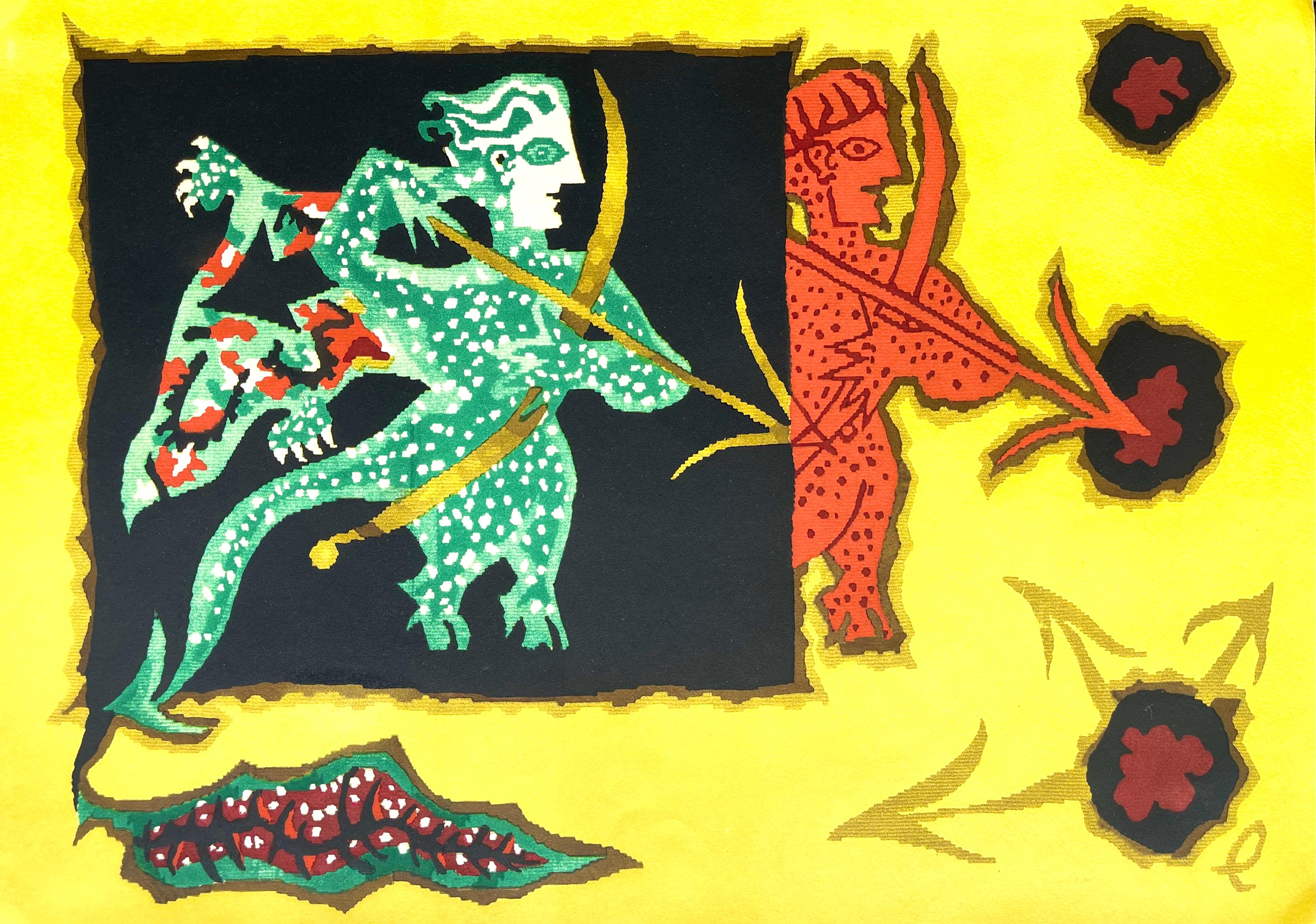
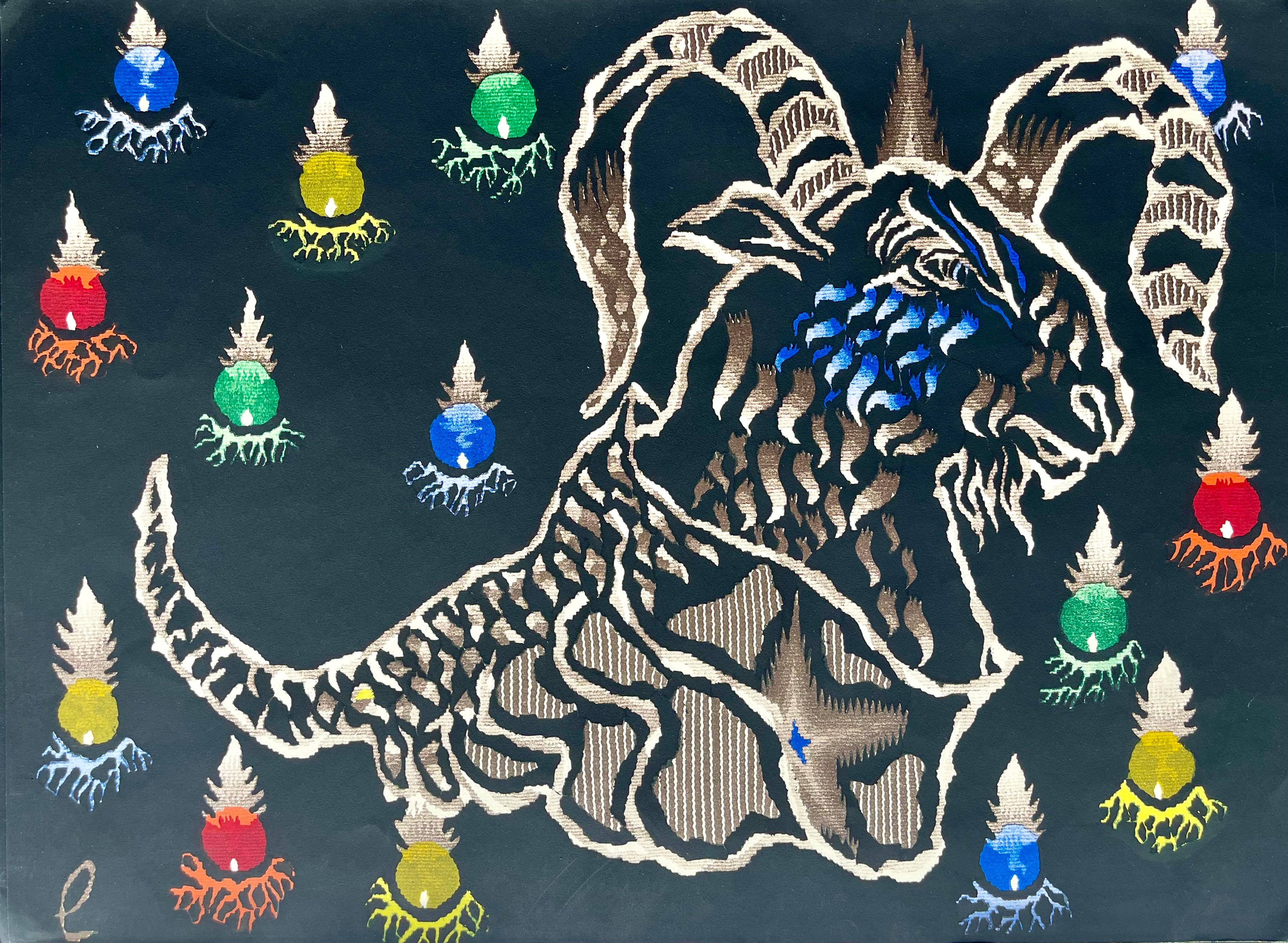
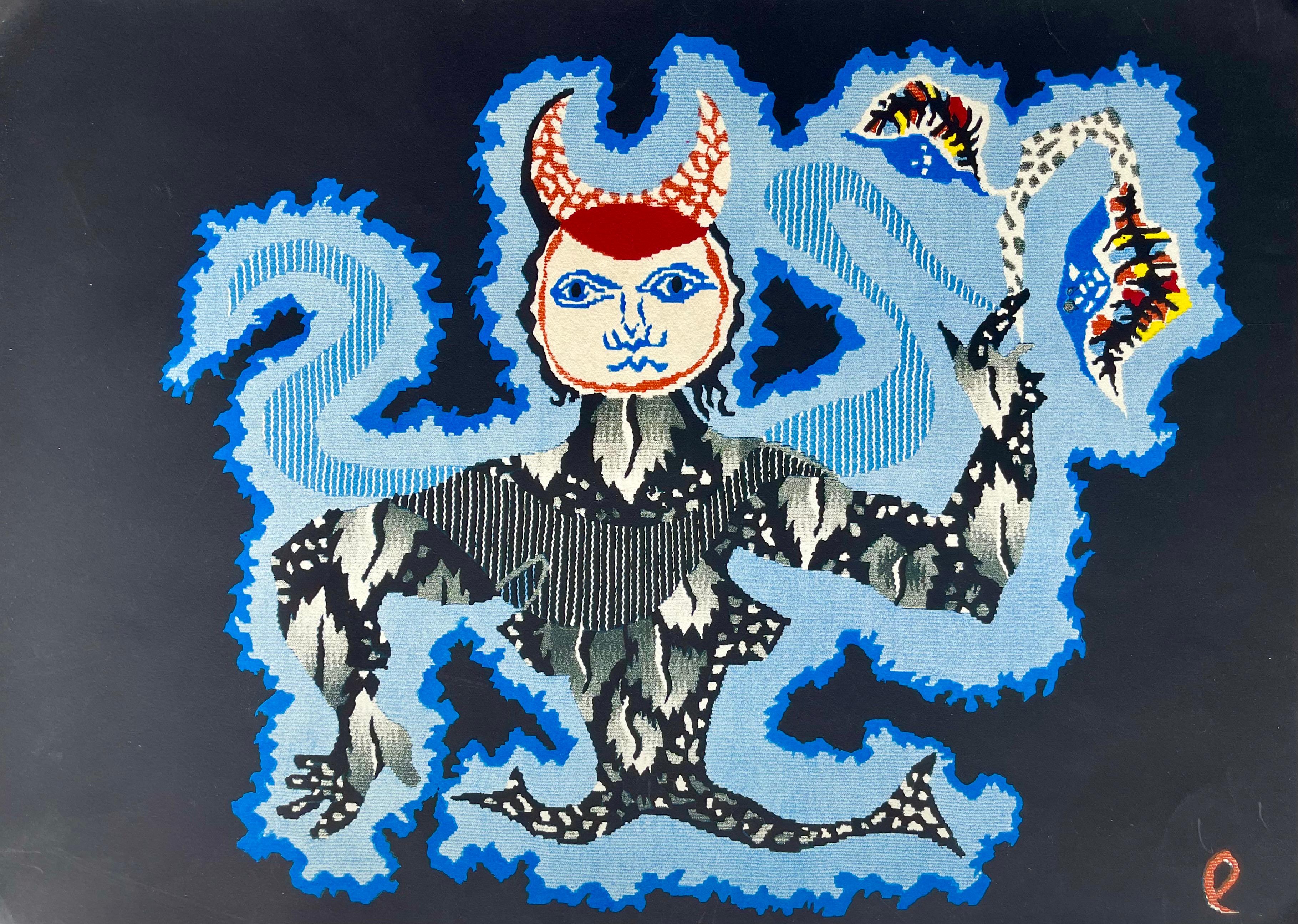
Jean Lurcat, The Libra, from The Signs of the Zodiac, 1959

1959

$716
$1,09534% Off
£547.47
£837.2634% Off
€627.13
€959.0834% Off
CA$1,009.85
CA$1,544.3934% Off
A$1,099.10
A$1,680.8934% Off
CHF 587.32
CHF 898.2134% Off
MX$13,272.98
MX$20,298.7634% Off
NOK 7,381.20
NOK 11,288.2834% Off
SEK 6,865.37
SEK 10,499.4234% Off
DKK 4,684.93
DKK 7,164.8034% Off

About the Item

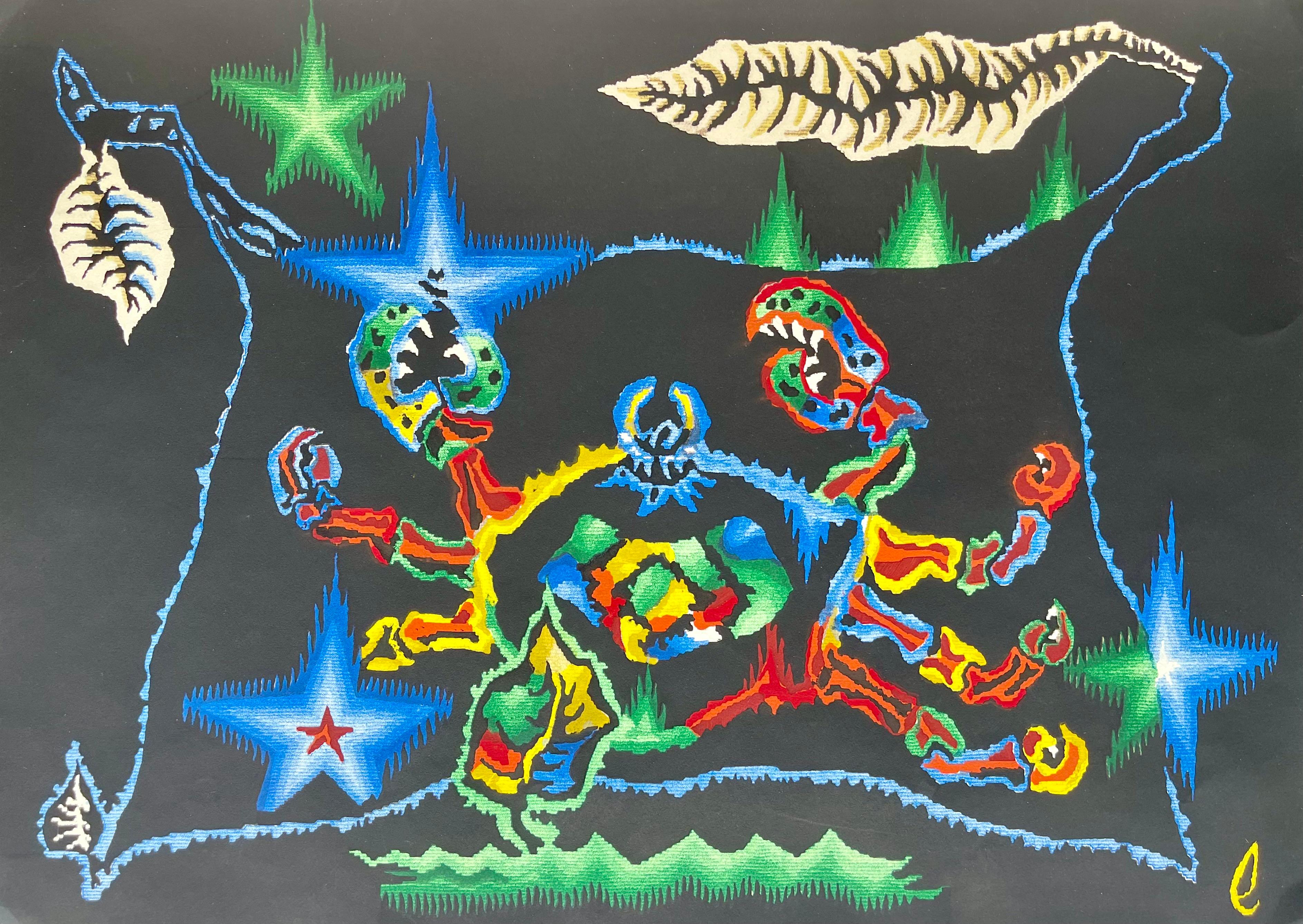
This exquisite lithograph and pochoir by Jean Lurcat (1892–1966), titled La Balance (The Libra), from the folio Les Signes du Zodiaque (The Signs of the Zodiac), originates from the 1959 edition published by Editions d’art du Lion, Paris, and rendered and printed by l’atelier Daniel Jacomet, Paris, November 20, 1959. La Balance reflects Lurcat’s mastery of symbolic design and color harmony, embodying his visionary synthesis of mythology, geometry, and spiritual allegory through modernist abstraction. Executed as a lithograph and pochoir on velin d’Arches paper, this work measures 13 x 18 inches. Signed in the plate and unnumbered as issued. The edition exemplifies the refined craftsmanship of l’atelier Daniel Jacomet, Paris. Artwork Details: Artist: Jean Lurcat (1892–1966) Title: La Balance (The Libra), from the folio Les Signes du Zodiaque (The Signs of the Zodiac) Medium: Lithograph and pochoir on velin d’Arches paper Dimensions: 13 x 18 inches (33.02 x 45.72 cm) Inscription: Signed in the plate and unnumbered as issued Date: 1959 Publisher: Editions d’art du Lion, Paris Printer: l’atelier Daniel Jacomet, Paris Condition: Well preserved, consistent with age and medium Provenance: From the folio Les Signes du Zodiaque (The Signs of the Zodiac), published by Editions d’art du Lion, Paris; rendered and printed by l’atelier Daniel Jacomet, Paris, November 20, 1959 Notes: Excerpted from the folio (translated from French), Finished printing, Friday, November 20, 1959 on the presses of the Union Printing in Paris for typography; and, in Daniel Jacomet's workshops for the illustrations. The original edition of this album, printed on Arches paper, has been limited to CL examples, all including a lithography composed on this occasion by Jean Lurcat and signed by him. CXXXV examples are numbered from I to CXXXV; XII copies, including in addition an artist's gouache, are numbered from A to I; finally III examples, on which the author of the Signs of the Zodiac has kindly reported some of his graphic research, are numbered I, II and III. About the Publication: Les Signes du Zodiaque (The Signs of the Zodiac) was a fine art album published in Paris by Editions d’art du Lion in 1959, featuring a series of lithographs inspired by the twelve astrological signs. Conceived as a meditation on cosmic order and symbolic expression, the publication united some of the foremost artists and craftspeople of mid-century France. The project exemplified the refined tradition of the livre d’artiste, or artist’s book, in which text and image were created in harmony through the collaboration of painters, poets, and master printers. Printed by the renowned atelier of Daniel Jacomet, the edition reflected the Parisian commitment to preserving artisanal excellence in lithography, pochoir, and color reproduction during the postwar period. Each example was produced with meticulous care on fine Arches paper, combining modernist aesthetics with a sense of timeless allegory that characterized the golden age of French art publishing. About the Artist: Jean Lurcat (1892–1966) was a pioneering French painter, ceramicist, and tapestry master who transformed the ancient art of tapestry into a modern, intellectual, and spiritual medium, establishing himself as one of the most original and influential artists of the 20th century. Born in Bruyeres, France, Lurcat studied in Nancy and Paris, where he became part of the avant-garde circle that included Pablo Picasso, Alexander Calder, Alberto Giacometti, Salvador Dali, Joan Miro, Wassily Kandinsky, Marcel Duchamp, and Man Ray. His early paintings reflected the influence of Post-Impressionism, Cubism, and Symbolism, but his true innovation came when he reimagined tapestry as a form of monumental art rather than decorative craft. Profoundly inspired by the medieval Apocalypse of Angers tapestry, he sought to revive the grandeur of weaving by fusing ancient techniques with modernist abstraction and symbolism. In the 1930s, working with the Aubusson and Gobelins workshops, Lurcat revolutionized the process of tapestry-making by introducing a precise color notation system and standardizing thread palettes, allowing artists to maintain creative control from conception to completion. His bold compositions—radiant with color, geometric rhythm, and allegorical imagery—embodied a philosophy of cosmic balance and human resilience. After World War II, Lurcat’s work deepened in moral and spiritual scope, culminating in his monumental cycle Le Chant du Monde (“The Song of the World,” 1957–1965), a humanist response to the destruction of war and one of the greatest artistic achievements of the postwar era. His art, characterized by suns, moons, mythic creatures, and symbolic geometry, reflected his belief that art should harmonize intellect, craft, and emotion while reconnecting humanity to the natural and divine order. A contemporary and peer of Pablo Picasso, Alexander Calder, Alberto Giacometti, Salvador Dali, Joan Miro, Wassily Kandinsky, Marcel Duchamp, and Man Ray, Lurcat shared their passion for abstraction and innovation while extending it into the tactile, enduring world of textile art. His influence resonated with later artists and designers such as Fernand Leger, Sonia Delaunay, Le Corbusier, and Victor Vasarely, whose integration of color and geometry echoed his ideas. His work is preserved in major collections including the Musee Jean Lurcat et de la Tapisserie Contemporaine in Angers, the Musee d’Art Moderne de Paris, and the Centre Pompidou. The highest auction record for Jean Lurcat was achieved by Apocalypse Tapestry, which sold for $290,500 USD at Sotheby’s, Paris, on May 29, 2014, underscoring his enduring legacy as the visionary who redefined tapestry as a cornerstone of modern art. Jean Lurcat La Balance 1959, Lurcat The Libra, Lurcat Les Signes du Zodiaque, Lurcat Jacomet lithograph, Lurcat Editions d’art du Lion, Lurcat velin d’Arches paper, Lurcat collectible print.
  • Creator:
    Jean Lurçat (1892 - 1966, French)
  • Creation Year:
    1959
  • Dimensions:
    Height: 13 in (33.02 cm)Width: 18 in (45.72 cm)
  • Medium:
  • Movement Style:
  • Period:
  • Condition:
  • Gallery Location:
    Southampton, NY
  • Reference Number:
    1stDibs: LU1465214344672

More From This Seller

View All
Jean Lurcat, The Aquarius, from The Signs of the Zodiac, 1959
By Jean Lurçat
Located in Southampton, NY
This exquisite lithograph and pochoir by Jean Lurcat (1892–1966), titled Le Verseau (The Aquarius), from the folio Les Signes du Zodiaque (The Signs of the Zodiac), originates from t...
Category

1950s Modern Landscape Prints

Materials

Lithograph

Jean Lurcat, The Gemini, from The Signs of the Zodiac, 1959
By Jean Lurçat
Located in Southampton, NY
This exquisite lithograph and pochoir by Jean Lurcat (1892–1966), titled Les Gemeaux (The Gemini), from the folio Les Signes du Zodiaque (The Signs of the Zodiac), originates from th...
Category

1950s Modern Landscape Prints

Materials

Lithograph

Jean Lurcat, The Sagittarius, from The Signs of the Zodiac, 1959
By Jean Lurçat
Located in Southampton, NY
This exquisite lithograph and pochoir by Jean Lurcat (1892–1966), titled Le Sagitaire (The Sagittarius), from the folio Les Signes du Zodiaque (The Signs of the Zodiac), originates f...
Category

1950s Modern Landscape Prints

Materials

Lithograph

Jean Lurcat, The Aries, from The Signs of the Zodiac, 1959
By Jean Lurçat
Located in Southampton, NY
This exquisite lithograph and pochoir by Jean Lurcat (1892–1966), titled Le Belier (The Aries), from the folio Les Signes du Zodiaque (The Signs of the Zodiac), originates from the 1...
Category

1950s Modern Landscape Prints

Materials

Lithograph

Jean Lurcat, The Cancer, from The Signs of the Zodiac, 1959
By Jean Lurçat
Located in Southampton, NY
This exquisite lithograph and pochoir by Jean Lurcat (1892–1966), titled Le Cancer (The Cancer), from the folio Les Signes du Zodiaque (The Signs of the Zodiac), originates from the ...
Category

1950s Modern Landscape Prints

Materials

Lithograph

Jean Lurcat, The Virgo, from The Signs of the Zodiac, 1959
By Jean Lurçat
Located in Southampton, NY
This exquisite lithograph and pochoir by Jean Lurcat (1892–1966), titled La Vierge (The Virgo), from the folio Les Signes du Zodiaque (The Signs of the Zodiac), originates from the 1...
Category

1950s Modern Landscape Prints

Materials

Lithograph

You May Also Like

Jean Lurçat, Balance - Aubusson Tapestry Atelier P. Legourieux - 88x116 -N 1573
By Aubusson Manufacture, Jean Lurçat
Located in Paris, FR
Jean Lurçat, Balance - Aubusson Tapestry Atelier P. Legourieux - 88x116 - No. 1573 Artist: Jean Lurçat Period: 20th century Style: Design 50's and 60's Condition: Perfect condition ...
Category

20th Century French Modern Tapestries

Materials

Wool

Cantique du Singulier
By Aristide Caillaud
Located in San Francisco, CA
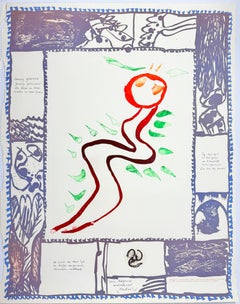
This artwork titled "Cantique du Singulier" 1977, is an original colors lithograph on Japan paper by noted French artist Aristide Caillaud, 1902-1990. It is hand signed and numbered ...
Category

Late 20th Century Surrealist Figurative Prints

Materials

Lithograph

Libra from the Zodiac of Dreams Series, Lithograph by Judith Bledsoe
By Judith Bledsoe
Located in Long Island City, NY
Judith Bledsoe, American (1938 - 2013) - Libra from the Zodiac of Dreams Series. Year: circa 1970, Medium: Lithograph with Embossing, signed in pencil, Edition: EA, Size: 21 x 14.5 ...
Category

1970s Folk Art Prints and Multiples

Materials

Lithograph

Lithographie Originale de Jean Lurçat des années 50 - Le Colibri
By Jean Lurçat
Located in PARIS, FR
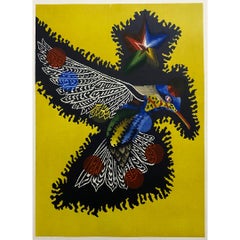
Belle lithographie de Jean Lurçat. Créateur infatigable, Lurçat est un artiste aux multiples facettes : peintre, poète, illustrateur, il se passionne pour les techniques de la céramique et de la tapisserie dont il est le plus illustre représentant du XXe siècle. ​ Engagé dans son époque, et passionnément curieux du monde, Jean Lurçat est né dans les Vosges à Bruyères, où Lucien, receveur des postes, et Charlotte engendrent une descendance de créateurs : Jean le peintre et André l’architecte. Jean Lurçat se forme dans l’atelier de Victor Prouvé, chef de file de l’École de Nancy, puis vient s’immerger dans l’effervescence artistique et intellectuelle de Paris, il a alors vingt ans. Il complète sa formation en marge des circuits officiels, fonde avec des amis la revue Les feuilles de mai, et décide alors d’entamer une carrière de peintre fresquiste, mais le projet tourne court à cause de la guerre. Jean Lurçat, engagé volontaire, subit le sort terrible des fantassins ballottés dans la tourmente : cela le marquera à vie. Un Lurçat, impatient et ne tenant pas en place, s’exprime durant la décennie des années vingt. Il se fait connaître par sa peinture, en France et aux Etats-Unis. Peintre de renommée internationale, il figura parmi les artistes les plus significatifs de son temps, tout en restant en marge des courants esthétiques contemporains. Il collabore avec Pierre Chareau, architecte-décorateur connu par l’intermédiaire de ses amis Jean et Annie Dalsace, les commanditaires de l’iconique maison de verre rue Saint-Guillaume. Il produit aussi de grands canevas brodés par son épouse et donne des projets de tapis. La collectionneuse Marie Cuttoli fait tisser à Aubusson des tapisseries d’après des œuvres de Lurçat et des autres artistes de sa collection, et cette expérience ouvre la voie de la renaissance de la tapisserie par son ambition esthétique. Parallèlement, aux Manufactures nationales, un salon des Illusions d’Icare est tissé ; destiné à l’ambassade de France en URSS, il ne sera jamais mis en place à cause de la guerre. ​ Lurçat, à cette époque, abandonne la peinture de chevalet. L’étape décisive est franchie lorsqu’il s’approprie la technique de la tapisserie de lisse et s’implique dans la technique du langage de la laine. L’Apocalypse d’Angers qu’il découvre en 1938 confirme son intuition. Il perçoit le potentiel immense et l’originalité de cet art. Grosseur du point, gamme limitée et carton chiffré, il n’aura de cesse de prôner les avantages d’une méthode qui revient aux fondamentaux de la technique du Moyen âge, période qu’il estime celle des plus grands chefs...
Category

1950s Prints and Multiples

Materials

Paper, Lithograph

Le Jarre I, from 1958 The Last Works of Henri Matisse
By (after) Henri Matisse
Located in Washington, DC
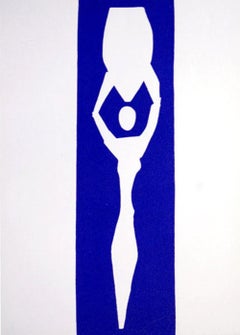
Artist: Henri Matisse (after) Title: Le Jarre I Portfolio: The Last Works of Henri Matisse Medium: Lithograph Date: 1958 Edition: 2000 Frame Size: 20 1/2" x 15 1/4" Sheet Size: 14" x...
Category

1950s Abstract Nude Prints

Materials

Lithograph

Feminist Surrealist French Abstract Colorful Lithograph Print Myriam Bat Yosef
Located in Surfside, FL
Myriam Bat-Yosef Surrealist abstract lithograph print in colorful abstract shapes and shades Hand signed and dated 1971. sheet measures 9.25 X 9.25 inches The envelope and the Peter Buch poster is just for provenance and is not included in this sale. Myriam Bat-Yosef, whose real name is Marion Hellerman, born on January 31, 1931 in Berlin, Germany to a Jewish family from Lithuania, she is an Israeli-Icelandic artist who paints on papers, paintings, fabrics, objects and human beings for performances. Myriam Bat-Yosef currently lives and works in Paris. In 1933, her family fleeing the Nazi Holocaust, Miriam Bat-Yosef emigrates to Palestine and settles in Jaffa. In 1936, she suffers a family tragedy, her father, militant Zionist, is called to fight, still recovering from an operation of appendicitis. The incision will become infected, antibiotics did not exist yet, and her father will die in the hospital after 9 months of suffering. Myriam and her mother leave Palestine to live in Paris for three years. French is Myriam's first school language. In 1939, still fleeing Nazism, she returned to Palestine, leaving France by the last boat from Marseille. She moved to Tel Aviv with her mother, aunt and maternal grandmother. In 1940, she began attending the Academy of Fine Arts in Tel Aviv and took her name as an artist, Bat-Yosef, which means Joseph's daughter in Hebrew, as a tribute to her father. In 1946, Myriam graduated as a kindergarten teacher but wanted to be an artist. Her mother enrolled her in an evening school to prepare a diploma of art teacher. At 19, she performs two years of military service in Israel. In 1952, with a pension of $50 a month that her mother allocated, she went to study at the Beaux-Arts in Paris. To survive, she has several activities while studying. In 1955, she had her first solo exhibition, at the Israeli Club on Wagram Avenue in Paris. Many artists, such as Yaacov Agam, Yehuda Neiman Avigdor Arikha, Raffi Kaiser, Dani Karavan and sculptors Achiam and Shlomo Selinger attended the opening . In 1956, she enrolled at the School of Fine Arts in Florence. This is where she meets the painter Errô. They share an icy studio in winter. Myriam moves to Milan with friends. She organizes a joint exhibition with Erro, one room each, at the Montenapoleone gallery. Her works are admired by the sculptor Marino Marini and the painters Renato Birolli and Enrico Prampolini. Myriam and Erro exhibit in Rome, Milan, Florence and meet many personalities: Alain Jouffroy and his wife, the painter Manina, Roberto Matta and his wife Malitte, textile artist who was one of the founders of the Pompidou Center. Back in Paris, Myriam and Erro get married, which allows Myriam to avoid being called into the Israeli army during the Suez Canal War. In 1957, Myriam and her husband went to Iceland. Myriam works in a chocolate factory. Having enough money, she starts producing art again. She exhibited in Reykjavik's first art gallery. She meets the artist Sigridur Bjornsdottir, married to the Swiss painter Dieter Roth . In 1958, Myriam and her husband leave for Israel. They exhibit in Germany, then in Israel. Back in Paris, the couple became friends with artists of the surrealist movement, such as Victor Brauner, Hans Bellmer, the sculptor Philippe Hiquily, Liliane Lijn, future wife of Takis and photographer Nathalie Waag. Erro and Myriam have a daughter on March 15, 1960, named Tura, after the painter Cosmè Tura, but also close to the Icelandic Thora or the Hebrew Torah. Bat-Yosef’s complex trajectory throughout the 20th century is linked as much to the transnational history of what was for a time called the School of Paris as it is to a certain legacy of Surrealism. Her work features the same idea of resolving antinomies that also defined the spirit of surrealism, and is enhanced with her readings of the Kabbalah and her spiritual grounding in Taoism. However, while there are reasons for her approach to be associated with the process of the ready-made, it is important to consider the immediate intrication of these works with her practice of performance, during which the body itself is also painted – a feminist response to Yves Klein’s Anthropometries (1960) and an echo of the happenings which Jean-Jacques Lebel organised at the time in Paris. In 1963, Erró told Myriam that if she wants to be a painter, she can not be his wife. Myriam chose to be a painter and the couple divorced in 1964. Since that time, Myriam Bat-Yosef has exhibited in many countries: Europe, United States, Japan, etc. Although long in the shadows, the work of Myriam Bat-Yosef has been greeted by many artists and personalities: Anaïs Nin, Nancy Huston, André Pieyre of Mandiargues, José Pierre, René de Solier , Jacques Lacarrière, Alain Bosquet, Pierre Restany, Sarane Alexandrian and Surrealist André Breton who, after a visit to her studio, confided to having been intrigued by its phantasmagorical dimension. She was included in the book Pop Art and Beyond: Gender, Race, and Class in the Global Sixties by Mona Hadler and Kalliopi Minioudaki. Extract "World Citizen, Artist of the Pop Era Sarah Wilson; Why do we know so little of Myriam Bat-Yosef, the most important female Israeli artist of the Pop era? Issues of identity and sexuality feature constantly in her work. She exhibited internationally from Reykjavik to Tokyo; she had two shows at Arturo Schwarz’s famous Dada/surrealist gallery in Milan; she participated in feminist art events in Los Angeles. Above all, in 1971, she conceived Total Art, a Pop Gesamtkunstwerk inside and outside the Israel Museum, Jerusalem. Painter, performer, and installation artist, she was also a lover, wife, and mother. Of Lithuanian-Jewish descent, she was close to the family of philosopher Emmanuel Levinas. An émigré in Paris she would repudiate a national passport, participating in Garry Davis’s short-lived “World Citizens” movement. She continues the lineage of women surrealist artists: Valentine Hugo, Leonor Fini, Dorothea Tanning, Leonora Carrington, Unica Zürn, Jane Graverol, Toyen, Alice Rahon...
Category

1970s Surrealist Abstract Prints

Materials

Lithograph