Items Similar to Authentic Woodblock Print-Two Carps and Water Chestnut-Life time edition
Video Loading
Want more images or videos?
Request additional images or videos from the seller
1 of 10
Ohara KosonAuthentic Woodblock Print-Two Carps and Water Chestnut-Life time edition1930
1930
$1,757.37
£1,280
€1,504.55
CA$2,436.67
A$2,620.43
CHF 1,401.15
MX$31,601.66
NOK 17,718.50
SEK 16,143.83
DKK 11,242.35
About the Item
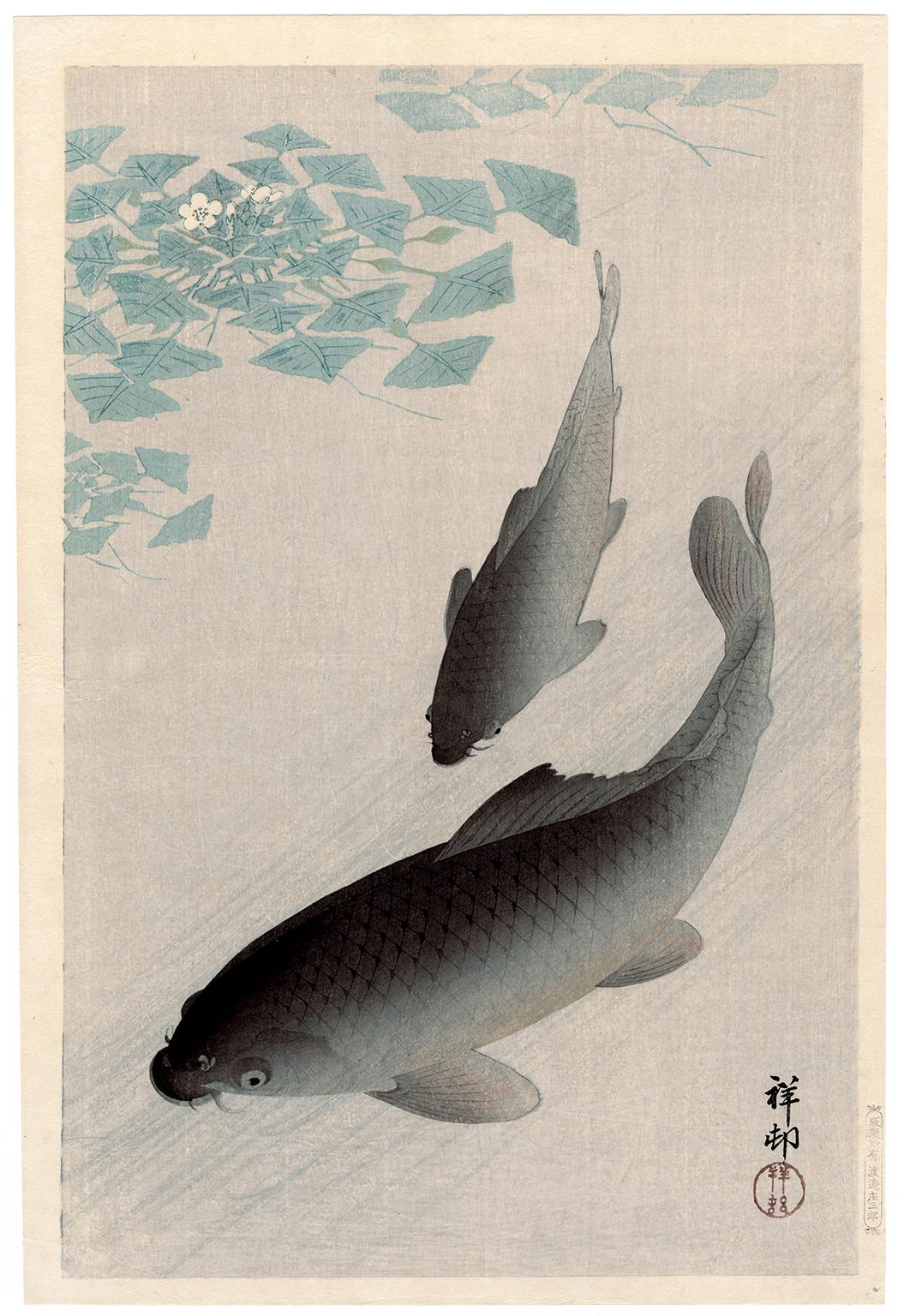
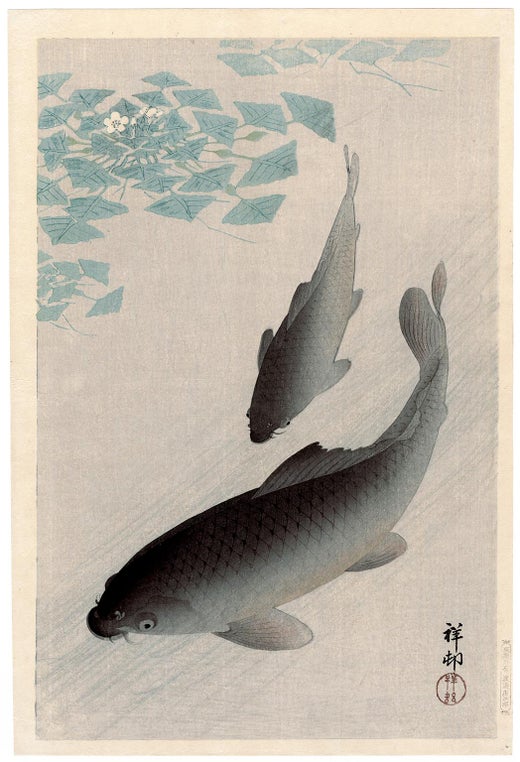
This is a authentic Japanese woodblock print by Ohara Koson (Shoson), titled Two Carp or Carp and Water Chestnut; originally created in the early 20th century, depicts two carp swimming among aquatic plants. This is a Life Time edition, rare and in mint condition.
The print was published by Watanabe Shozaburo, the red seal in the lower right corner helps date the specific impression. It is with great impression, fresh colours on a cream wove Japan washi paper; the full sheet is in excellent condition.
Published by Watanabe Shozaburo. The Watanabe 'C seal' in the lower right margin indicating a lifetime impression printed between 1929-1942.
Ohara Koson (小原古邨, 1877-1945) is considered one of the most important Shin-hanga (新版画) artists of the 20th century.
Carp symbolize courage and persistence in Japanese culture, alluding to a legend where a carp that swims upstream over the "Dragon Gate" transforms into a dragon.
This painting is known for its fluid lines and refined coloration, capturing the dynamic yet balanced scene of the fish in water. Koson Ohara's animal prints evoke a sense reminiscent of watercolours. This is because of his roots as a painter proficient in watercolours and oil.
Koson is known for his depictions of birds and animals, which were often set in naturalistic landscapes. His prints captured the essence of his subjects with delicate lines and intricate details. Koson was influenced by the work of the Kacho-ga artist Imao Keinen, and his prints reflect a similar interest in the beauty and intricacy of the natural world.
Koson’s work was a master of a blend of traditional and modern techniques. He skilled at using traditional woodblock printing techniques also incorporated modern elements such as Western-style perspective and shading.
His work was internationally renewed especially in the United States and Europe, where he participated in several international exhibitions.
After his death (1945), in the 1970s that his prints peaks with its popularity among collectors, and his prints were recognized for their delicate beauty and technical skill.
Today, Koson’s prints are highly sought after and rarely this fine quality as the one we offer here comes up to the market.
His work has been featured in numerous exhibitions, including a major retrospective at the Minneapolis Institute of Art in 2010.
Koson’s prints are held in major museum collections worldwide, including the British Museum, the Brooklyn Museum, the Freer Gallery of Art, the Harvard Art Museums, the Los Angeles County Museum of Art, the Museum of Fine Arts, Boston, and the Metropolitan Museum of Art.
Amsterdam Rijksmuseum, National Museum of Asian Art (Smithsonian), Smart Museum of Chicago (University of Chicago), Toledo Museum of Art.
About the publisher:
This authentic print was published by Watanabe Shozaburo (1885–1962).
The movement Shin-hanga (新版画) was initiated and nurtured by Watanabe Shozaburo and flourished from around 1915 to 1942; it then resuming on a rich scale after the Second World War through the 1950s and 1960s.
Watanabe approached European artists residing in Tokyo, Friedrich Capelari [de] and Charles W. Bartlett to produce woodblock prints inspired by European Impressionism (which itself had drawn from ukiyo-e).
Shin-hanga artists incorporated Western elements such as the impression of light and the expression of individual moods. Watanabe considered shin-hanga to be fine art (geijutsu) and separate from shinsaku-hanga, the souvenir prints such as those by Takahashi Shōtei.
Shin-hanga means "new prints", it was an art movement in early 20th-century in Japan, during the Taishō and Shōwa periods that revitalised the traditional ukiyo-e rooted in the Edo and Meiji periods (17th–19th century).
Following the passing of the renowned collector and dealer Robert O. Muller in 2003, a substantial collection of top-quality Koson prints became available in the market. Rather than adversely affecting prices, this influx heightened the recognition of the artist among collectors, leading to an escalation in prices.
About the Artist
Koson Ohara was born in 1877 in Kanazawa, Ishikawa Prefecture, located in northern Japan, under the name Ohara Matao. He is one of the most important Shin-Hanga artists of the 20th century; He died in 1945.
Renowned for his work as a printmaker in the late Meiji, Taisho, and Showa periods, Koson made some of the greatest paintings/woodblock prints in Japanese history.
Koson began his career as the student of Suzuki Koson where he painted plants and animals between 1895-1902 gradually becoming known as a Nihonga painter (a term meaning traditional Japanese vs popular Western style) in the Kacho-ga (nature print) genre.
His vast majority of early prints (1900 -1912) were nature prints designed for the publishers Kokkeido and Daikokuya. These prints were all signed “Koson”. Between 1912-1926 Koson returned to painting, but using the name Shoson, he continued to design woodblock prints, this time in collaboration with S. Watanabe. Koson also produced prints using the name Hoson which were published by Kawaguchi between 1930-1931.
Koson’s career peaked in the mid 1930’s. His work is realistic, based mainly on his own sketches and watercolors. It is estimated that he produced more than 450 designs of birds.
More details:
-This beautiful oban print is in fine and mint condition with good original colour, intact margins and clean verso, and importantly, with a clear Watanabe 6mm seal.
Reference Koson data base:
-The main reference book is “Crows, Cranes
Camellias: The Natural World of Ohara Koson 1877–1945” by Amy Reigle Newland and Jan Perrée. Amsterdam 2001, ISBN 90-74822-38-x.
It contains a comprehensive catalogue of his bird-and-flower prints with images, publication details, and seal references. This book is essential for collectors and dealers.
-Koson studied Japanese painting under the tutelage of Suzuki Koson, from whom he adopted his artist pseudonym. Over the course of his career, he underwent name changes, being known as Shoson and Hoson. Therefore, encountering references to Ohara Shoson or Ohara Hoson, or vice versa as Shoson Ohara or Hoson Ohara, should not cause confusion, as they are to be the same artist.
- Creator:Ohara Koson (1877 - 1945, Japanese)
- Creation Year:1930
- Dimensions:Height: 15.48 in (39.3 cm)Width: 10.36 in (26.3 cm)Depth: 0.04 in (1 mm)
- Medium:
- Movement Style:
- Period:
- Framing:Framing Options Available
- Condition:
- Gallery Location:London, GB
- Reference Number:1stDibs: LU2500217440442
Ohara Koson
Ohara Koson was a prolific printmaker of the 20th century widely known for his kacho-ga, bird and flower prints. During his study with Kason, he took his artist name Koson, a partial adaptation of his teacher's name. Early in his career, many of Koson’s prints were muted in color and captured a sense of calmness and elegance. Koson’s depiction of birds are very realistic, the details of body and feathers in particular were always depicted with meticulous care.
About the Seller
5.0
Platinum Seller
Premium sellers with a 4.7+ rating and 24-hour response times
Established in 2015
1stDibs seller since 2023
148 sales on 1stDibs
Typical response time: 1 hour
- ShippingRetrieving quote...Shipping from: London, United Kingdom
- Return Policy
More From This Seller
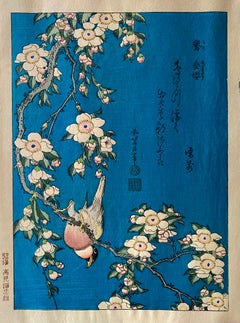
View AllAuthentic "Bullfinch and Weeping Cherry" by master printer 高見澤忠雄 Tadao M.
By Katsushika Hokusai
Located in London, GB
This authentic woodblock print is titled, Uso shidare-zakura 鷽 垂桜 (Bullfinch and weeping cherry-tree) by Hokusai
About Publisher:
Hokusai Anthology of Famous Pictures by Takamizawa -...
Category
1950s Edo Landscape Prints
Materials
Ink, Washi Paper
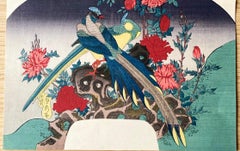
Authentic Japanese Woodblock Print-Birds and Flowers-Edo-Fan Re-carved 1920s
By Utagawa Sadahide
Located in London, GB
This rare Original 1920s authentic print is a Taisho Period Woodblock print published from the Japan 1920's The Nippon Mokuhan Gasui, Masterpieces Series.;
it is authentically hand ...
Category
1920s Landscape Paintings
Materials
Ink, Handmade Paper
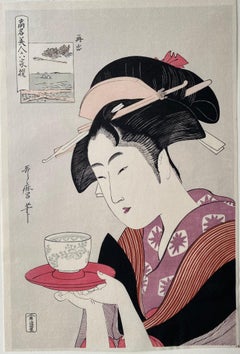
歌麿筆Utamaro Hitsu as Sealed-From Six Houses of Yoshiwara-Publisher Omiya Gonkuro
Located in London, GB
-In light of new tariffs, we’ve applied a 20% discount off the market price of this piece to support our collectors in facing potential added costs. At the gallery, we work closely w...
Category
1990s Edo More Prints
Materials
Ink, Washi Paper, Woodcut
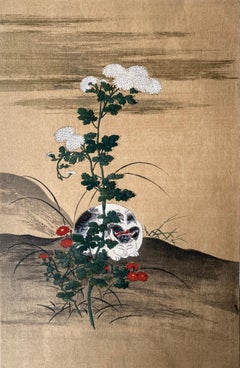
Authentic Japanese Woodblock Print-White Cat-Hanabusa Itchō-Edo-Re-carved 1920s
Located in London, GB
This rare Original 1920s authentic print is a Taisho Period Woodblock print published from the Japan 1920's The Nippon Mokuhan Gasui, Masterpieces Series.;
it is authentically hand ...
Category
1920s Edo Landscape Paintings
Materials
Ink, Handmade Paper
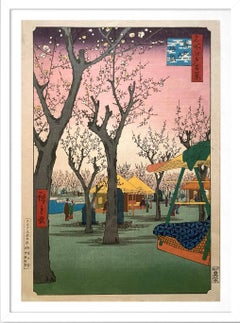
Authentic Plum Garden at Kamata名所江戸百景-publisher大江广木版社版Ōe Hiroki-carver-ItōSusumu
By Utagawa Hiroshige
Located in London, GB
From the series One Hundred Views of Famous Places of Edo (Meisho Edo hyakkei 名所江戸百景), the seals of the artist, publisher, and the carver are shown clear and with the highest quality...
Category
1960s Edo Landscape Prints
Materials
Ink, Handmade Paper
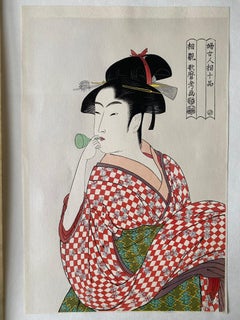
婦女人相十品Fujo Ninso-Authentic Woodblock print-Popen o Fuku Musume-JapanesePublisher
Located in London, GB
This is a Colour Woodcut by Japanese artists Kitagawa Utamaro, published c. 1792–93. A Modern reprint first between 1918 and 1923, this is a later print in the 90s from Japan. This p...
Category
1990s Edo More Prints
Materials
Ink, Washi Paper, Woodcut
You May Also Like
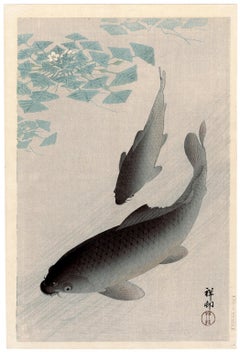
Carp and Water Chestnut
— Showa lifetime impression
By Ohara Koson
Located in Myrtle Beach, SC
Ohara Koson (1877-1945), 'Carp and Water Chestnut', color woodblock print, 1926. A fine impression, with fresh colors, on cream Japan paper; the full sheet, in excellent condition.
Signed 'Koson' with the artist’s red seal 'Koson'. Published by Watanabe Shozaburo. With the Watanabe 'C' seal in the lower right margin, indicating a lifetime impression printed between 1929-1942.
Image size 13 1/2 x 7 1/4 inches (343 x 184 mm); sheet size 14 1/2 x 7 1/2 inches (368 x 191 mm). Archivally sleeved, unmatted.
Literature: 'Crows, Cranes, and Camellias: The Natural World of Ohara Koson', Newland, Amy R.: Jan Perree & Robert Schaap, Leiden: Hotei Publishing, 2001. S39.1, pl 169.
Collections: National Museum of Asian Art (Smithsonian), Smart Museum of Chicago (University of Chicago).
In Japanese art, the carp represents good luck and good fortune.
ABOUT THE ARTIST
Koson Ohara...
Category
1920s Showa Animal Prints
Materials
Woodcut
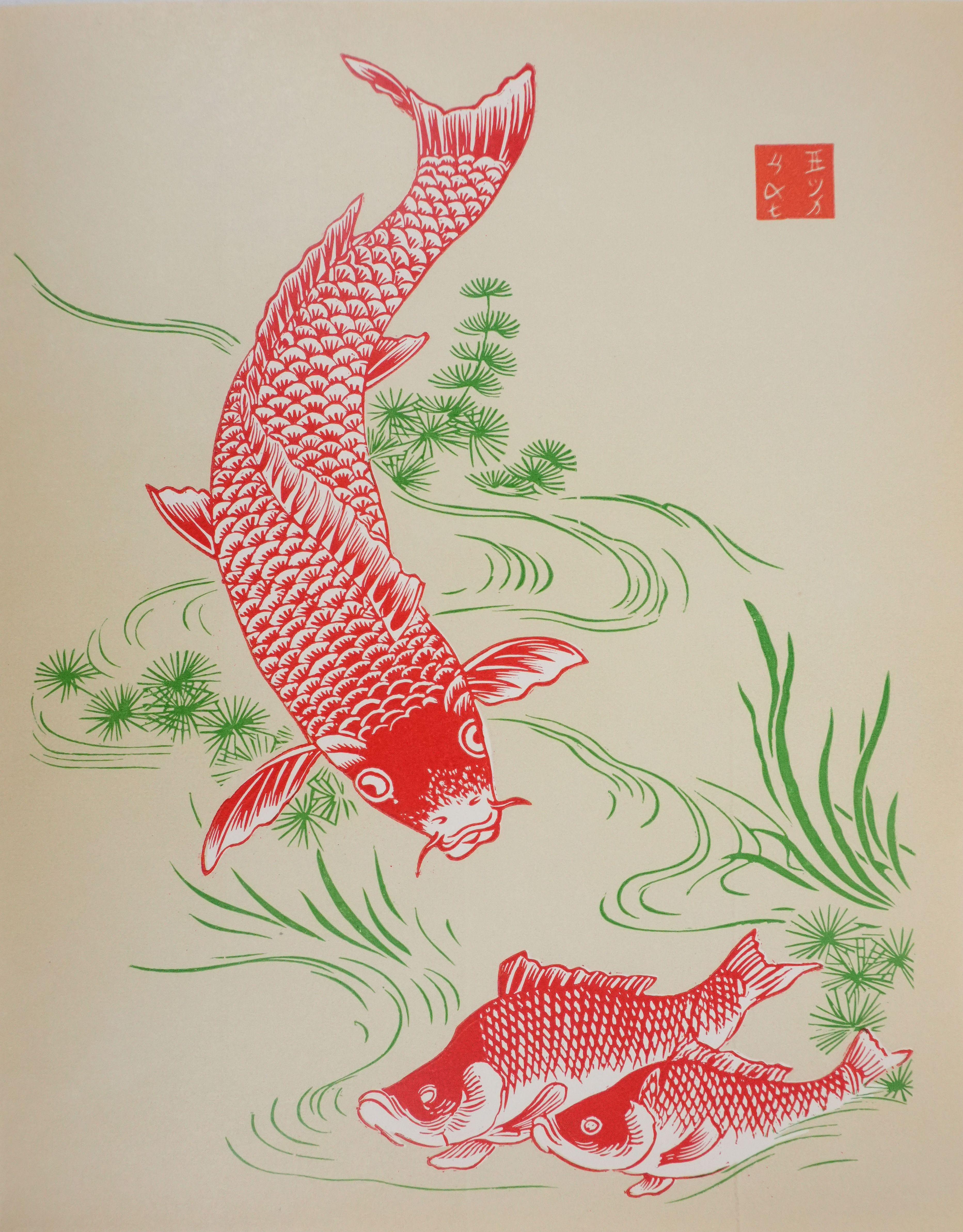
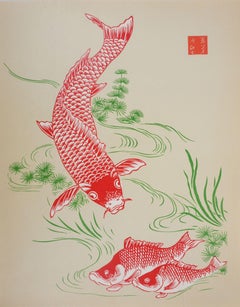
Japanese Print, Koi Carp - Signed Woodcut
Located in Paris, IDF
Mokuchu URUSHIBARA
Koi Carp, c. 1930
Woodcut after on an ink drawing
Signed with the artist's stamp
On paper 30 x 24 cm (c. 11.81 x 9.44 in)
INFORMATION : Engraving published by Mo...
Category
1930s Modern Animal Prints
Materials
Woodcut
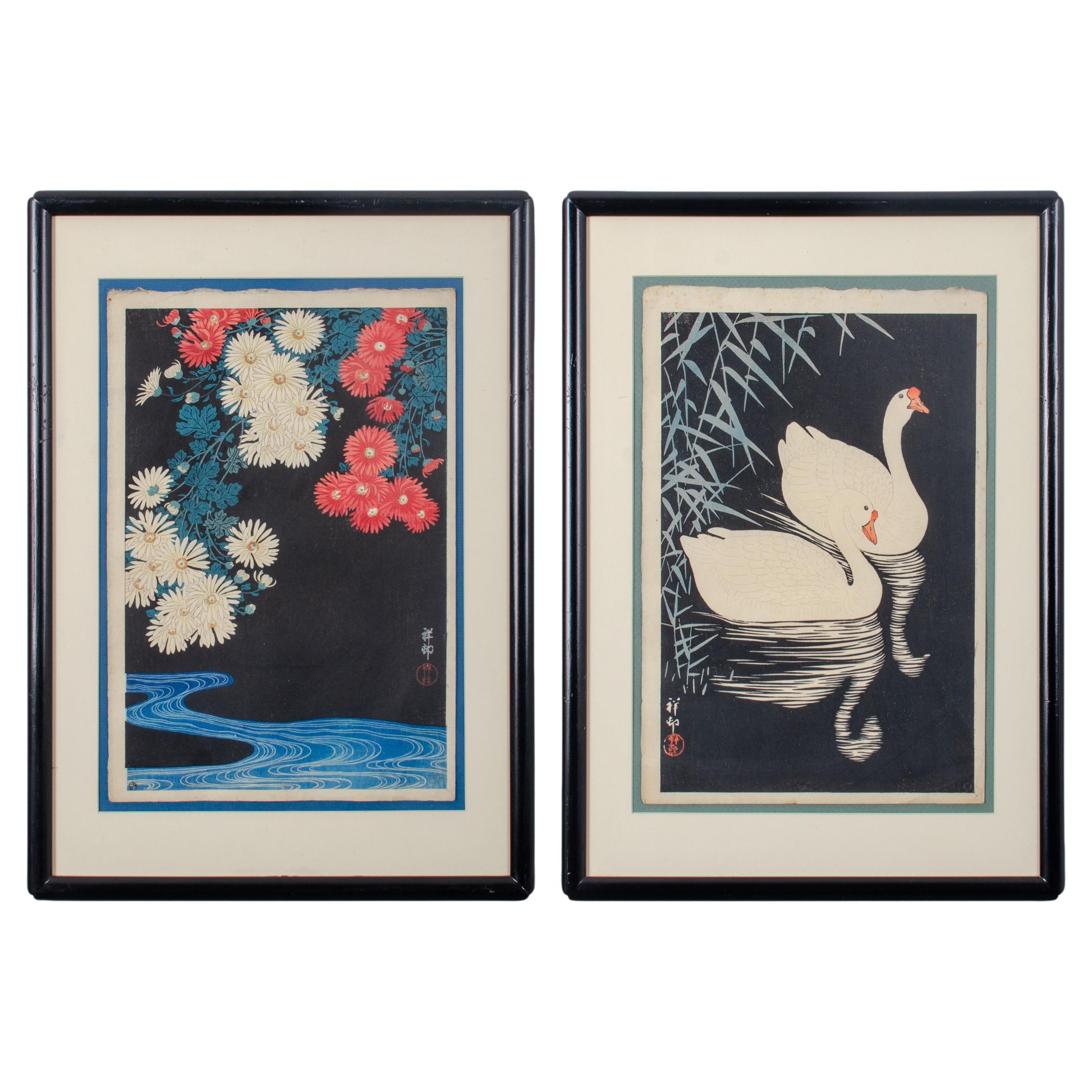
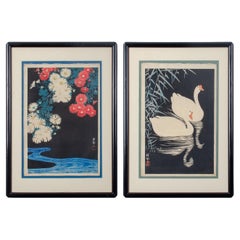
Ohara Koson (Shoson) Japanese Woodblock Prints - A Pair
By Ohara Koson
Located in Savannah, GA
Ohara Koson (Shoson)
(Japanese, 1877-1945)
Pair of woodblock prints
Two white geese and reeds, c.1928
Chrysanthemum and Stream, c. 1931
P...
Category
Vintage 1930s Japanese Prints
Materials
Paper
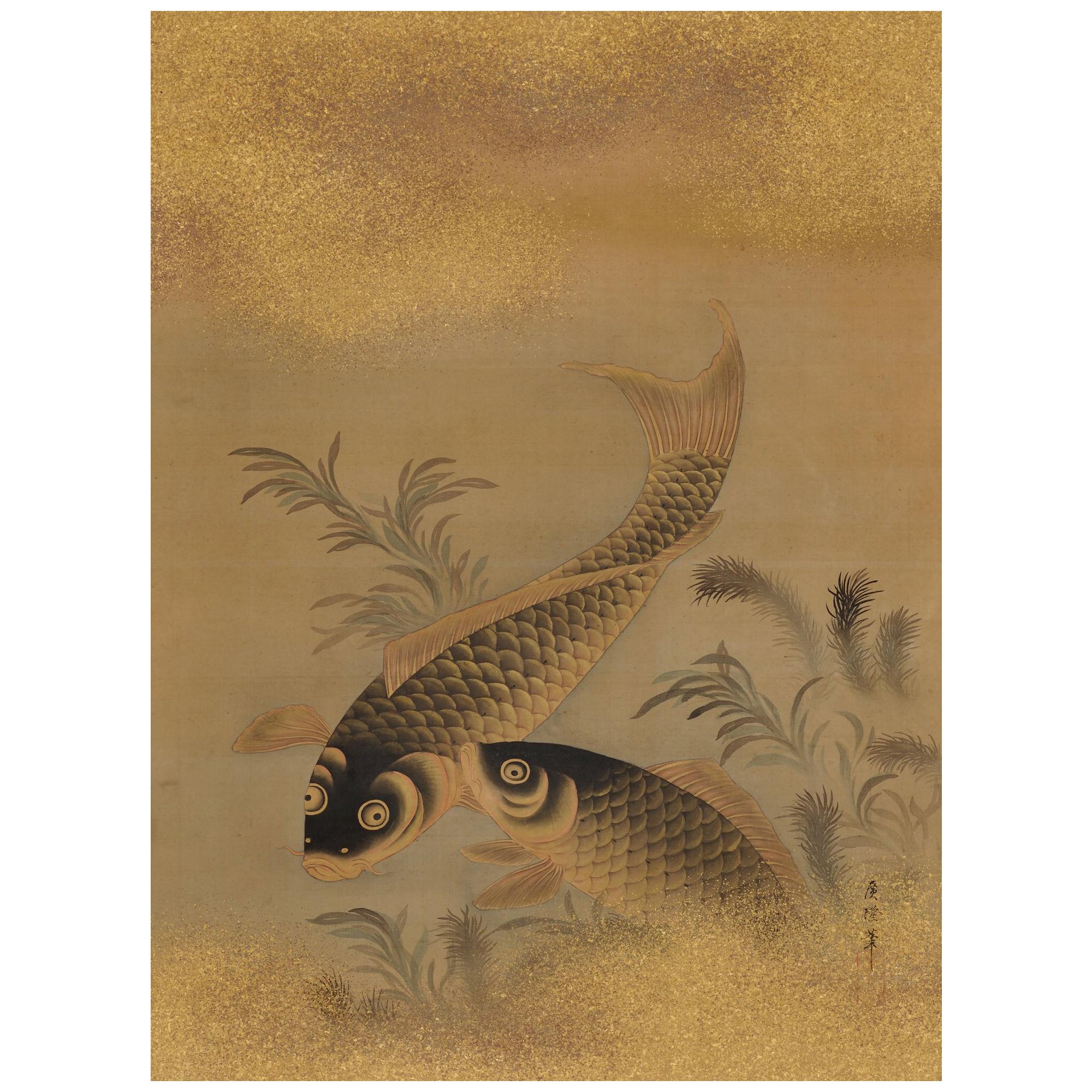
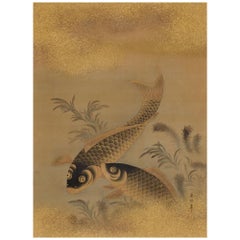
Japanese Painting, Hanging Scroll, Mid 19th Century, Koi and Water Plants
By Iwase Hirotaka
Located in Kyoto, JP
Iwase Hirotaka (1808-1877)
Koi and Water Plants
Hanging scroll, ink, color, gold wash and gold flecks on silk
Inscription: Hirotaka
Seal: Ille...
Category
Antique 1860s Japanese Edo Paintings and Screens
Materials
Silk
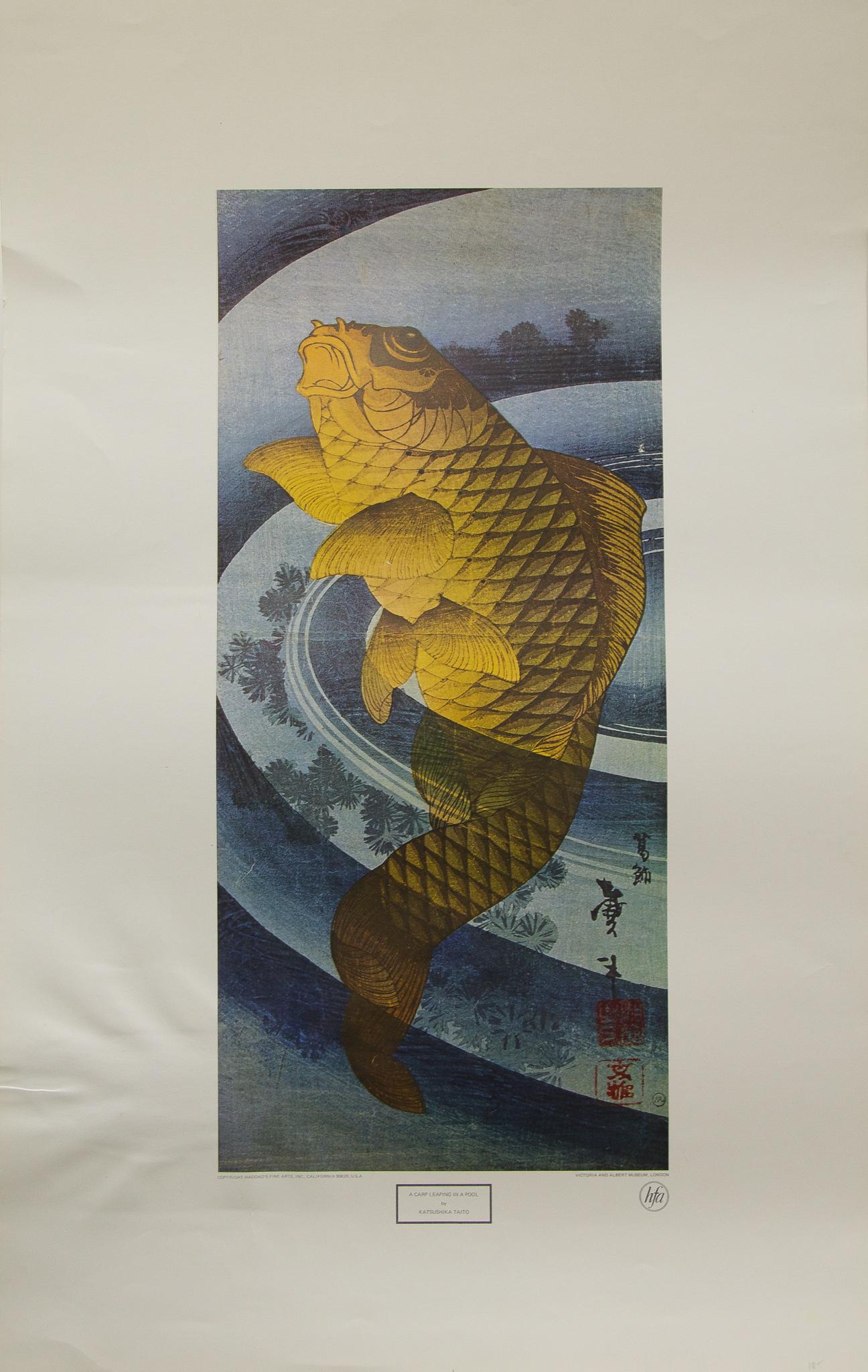
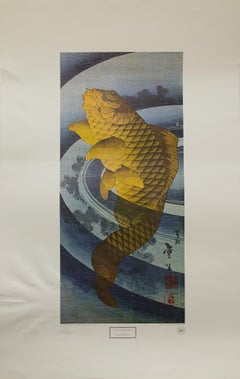
"A Carp Leaping in a Pool" by Katsushika Taito. Haddad
s Fine Arts, Inc.
By Katsushika Taito II
Located in Chesterfield, MI
Published By Haddad's Fine Arts, Inc
Distressed condition, water damage
Measures 35 in x 22.5 in
Category
20th Century Animal Prints
Materials
Lithograph
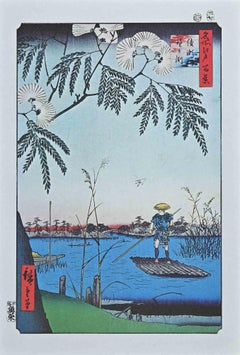
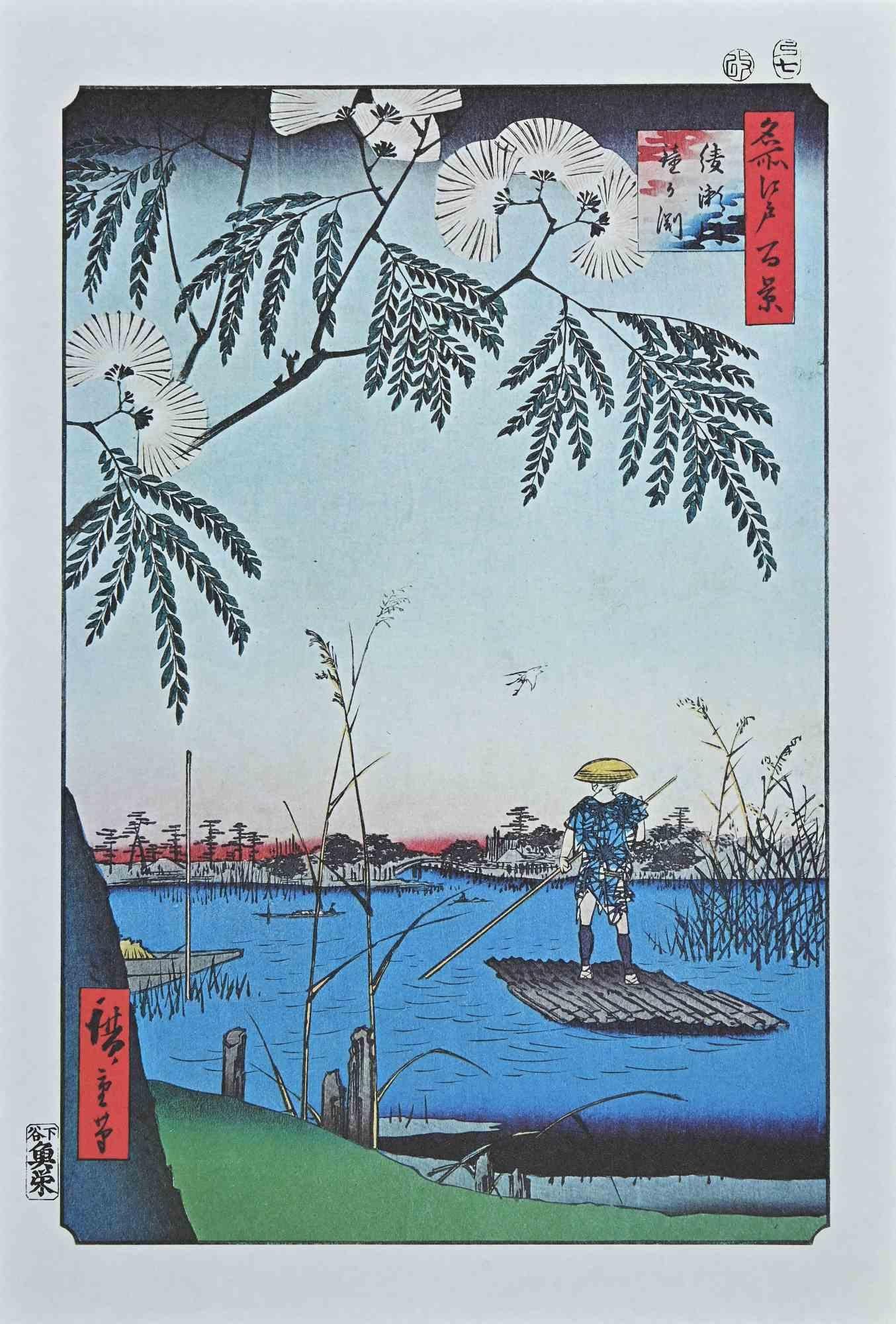
Ayase and Kanegafuchi River - Lithograph after Utagawa Hiroshige -1950s
By Utagawa Hiroshige
Located in Roma, IT
Ayase and Kanegafuchi River is a modern artwork realized in the mid-20th century after Utagawa Hiroshige.
Mixed colored lithograph after a woodcut realized by Utagawa Hiroshige in 1...
Category
Mid-20th Century Modern Figurative Prints
Materials
Lithograph