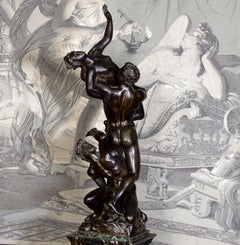
Items Similar to Italian Neoclassical Sculptural Group in Alabaster "The Rape of the Sabine Women" 18th


Video Loading
Want more images or videos?
Request additional images or videos from the seller
1 of 13
Italian Neoclassical Sculptural Group in Alabaster "The Rape of the Sabine Women" 18thcirca 1795
circa 1795
$6,527.29
£4,868.93
€5,500
CA$9,085
A$9,746.58
CHF 5,227.87
MX$117,347.55
NOK 65,903.40
SEK 60,094.76
DKK 41,914.18
About the Item
"The Rape of the Sabine Women," veined alabaster, large sculptural group with classical subject, Volterra manufacture, 18th century.
The so-called Rape of the Sabine Women is a sculptural group by Giambologna that is part of the Grand Ducal decor of the Loggia dei Lanzi in Florence's Piazza della Signoria. The group is 4.10 meters tall (the size of the sculptures grew a lot after Michelangelo sculpted David) and depicts a young man lifting a maiden above his head, while stuck between the young man's legs an old man despairs; this is why the statue is also known as "The Three Ages of Man."
The sculpture, both in terms of its classical subject and the type of material in which it was made, leads back to the Volterra area, where the Officina Inghirami was active between 1791 and 1799. The Tuscan town of Volterra, cradle of the Etruscan Civilization, has always been considered an illustrious point of reference for the mining and working of alabaster: a changeable, delicate, lustrous and elegant material. Recognized as the most valuable in Europe, it is found in the territory in the form of open-pit quarries or tunnels and dates from between 26 and 7 million years ago. Each quarry generates a different type of alabaster in appearance and texture based on the chemical composition of the soil: as a result, varieties that are less rich in inclusions turn out white and transparent, while inclusions of clay and metal oxides produce alabasters that tend to be gray with veins. In contrast, the amber, yellow, and reddish colorations are due to metal oxides and hydroxides, iron primarily.
A specimen quite similar to ours appears in the Catalogue of Italian Cultural Heritage, displayed in the Museum of the Medici Villa in Poggio a Caiano. The record notes that another identical group is preserved in the Pitti Palace.
Measurements
H cm 64
L max cm 27
D max cm 22
Socle cm 22.5 x 18.5
- Attributed to:Officine Inghirami (1791 - 1799, Italian)
- Creation Year:circa 1795
- Dimensions:Height: 25.2 in (64 cm)Width: 10.63 in (27 cm)Depth: 8.67 in (22 cm)
- Medium:
- Movement Style:
- Period:1790-1799
- Condition:Minor wear and minor misses consistent with the era.
- Gallery Location:Pistoia, IT
- Reference Number:1stDibs: LU2746215452262
About the Seller
4.8
Vetted Professional Seller
Every seller passes strict standards for authenticity and reliability
Established in 1997
1stDibs seller since 2024
19 sales on 1stDibs
Typical response time: 1 hour
- ShippingRetrieving quote...Shipping from: PISTOIA, Italy
- Return Policy
More From This Seller
View AllGrande Gruppo in Marmo "L
Innocenza tormentata dall
Amore" Scultura Francese
Located in Pistoia, IT
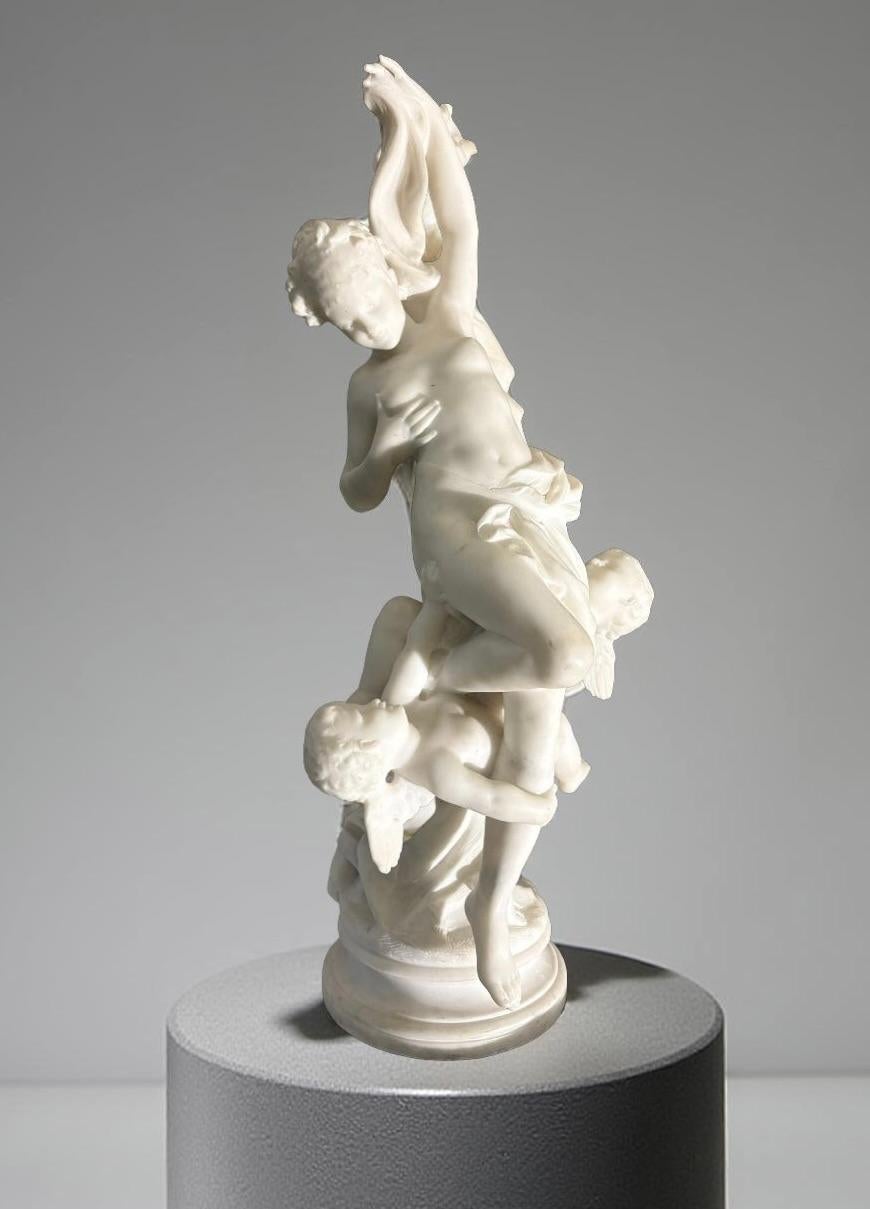
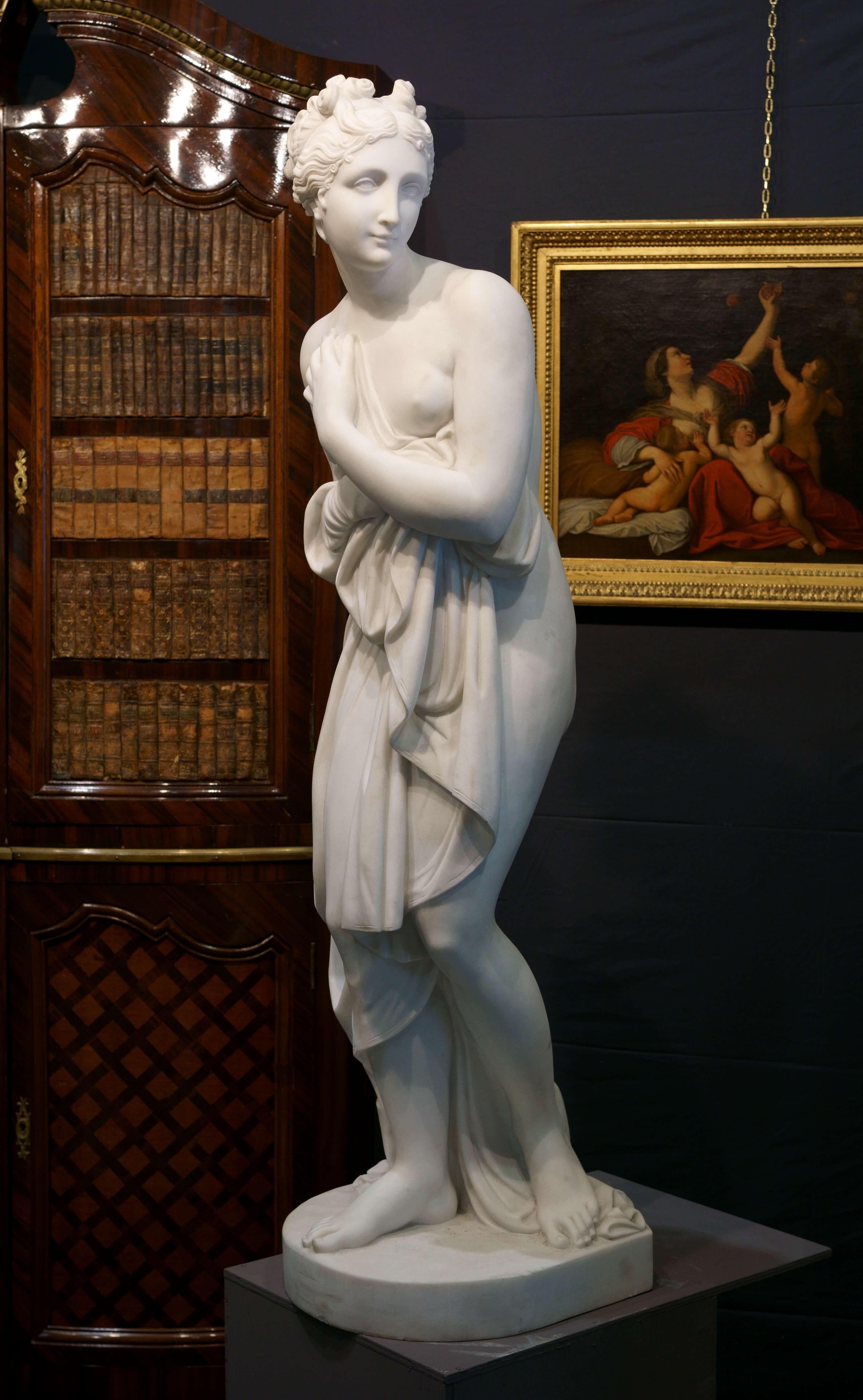
Imponente gruppo in marmo bianco raffigurante "Innocenza tormentata da Amore", firmato Luca Madrassi. Scuola francese, fine XIX secolo, periodo Art Nouveau.
Questo splendido grupp...
Category
Late 19th Century Art Nouveau Figurative Sculptures
Materials
Marble
Imponente Scultura Neoclassica Italiana in Marmo Venere Genitrice XIX secolo
Located in Pistoia, IT
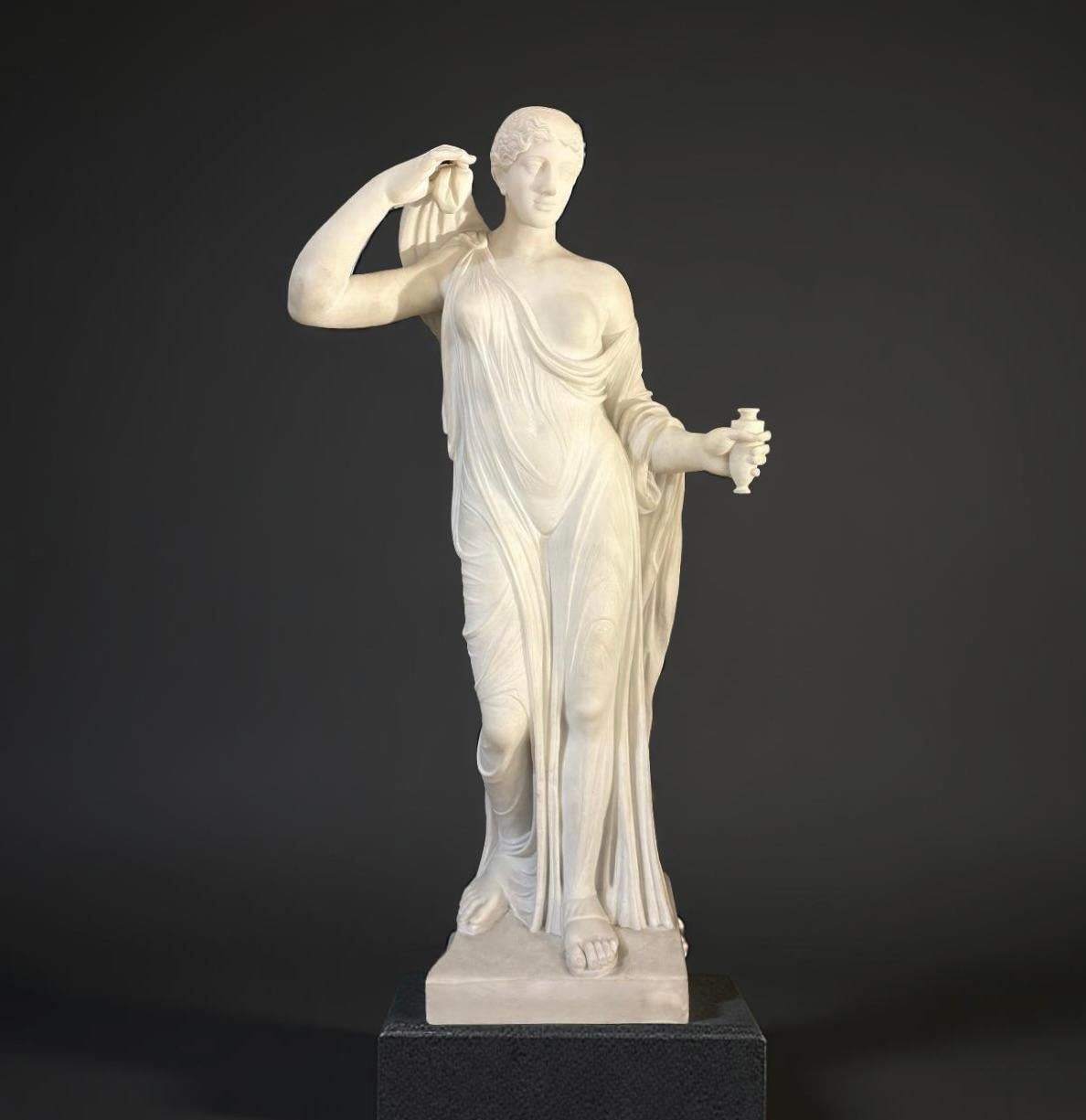
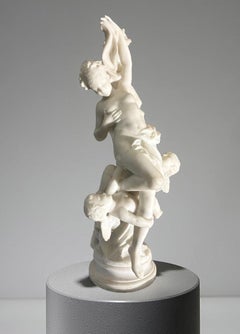
Imponente scultura neoclassica in marmo, modello conosciuto come Afrodite Louvre-Napoli o Venus Genitrix, bottega italiana, 19 secolo.
La dea è raffigurata in piedi, al momento de...
Category
19th Century Academic Figurative Sculptures
Materials
Marble
Large Neoclassical White Marble Sculpture Venus Italica mid-19th century
Located in Pistoia, IT
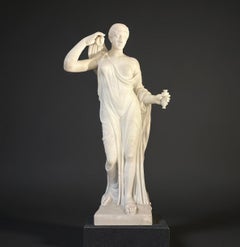
Venus Italica, imposing sculpture in white Carrara marble, mid-nineteenth-century Roman atelier.
Antonio Canova made several sculptures depicting Venus. The first was made as compen...
Category
Mid-19th Century Italian School Figurative Sculptures
Materials
Marble
Large Italian Neoclassical Marble Sculpture Allegory 18th century
Located in Pistoia, IT
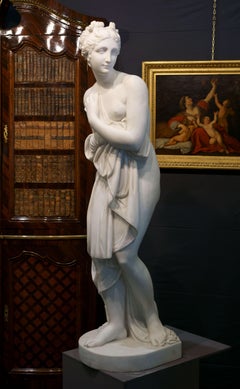
Impressive neoclassical Carrara marble sculpture depicting the Allegory of Friendship and Loyalty, second half of the 18th century.
The sculpture depicts Friendship as a classical ...
Category
Late 18th Century Italian School Figurative Sculptures
Materials
Marble
Atelier di John Gibson Venere in Marmo Scultura Neoclassica
Located in Pistoia, IT
Grande scultura in marmo bianco raffigurante Venere, proveniente dalla bottega di John Gibson, Roma, circa 1850. Nota come Venere Verticordia o Venere Colorata, la sua storia è affas...
Category
Mid-19th Century English School Figurative Sculptures
Materials
Marble
Gruppo in Marmo Allegoria Putti e Leoni Rinascimento Italiano XVI secolo
Located in Pistoia, IT
Piccolo gruppo in marmo raffigurante una scena con putti e leoni che si sussuegono a tutto tondo, Rinascimento italiano, 16 secolo.
Nella scultura rinascimentale del XVI secolo, l'a...
Category
16th Century Renaissance Figurative Sculptures
Materials
Marble
You May Also Like
After Giambologna - Scultura, Grande Gruppo Scultoreo "IL Ratto Delle Sabine" -
Located in Rome, IT
After Giambologna - Scultura, grande gruppo scultoreo "Il ratto delle Sabine" - 120 cm - Bronzo (dorato), Bronzo (patinato) - XX secolo.
Category
Vintage 1910s Busts
Materials
Bronze

$6,645 Sale Price
20% Off
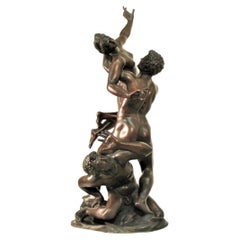
After Giambologna, the Rape of the Sabine Women
Located in Rome, IT
Sculpture, large sculptural group "The rape of the Sabine women".
Category
Vintage 1980s Italian Busts
Materials
Bronze
$11,393 Sale Price
20% Off
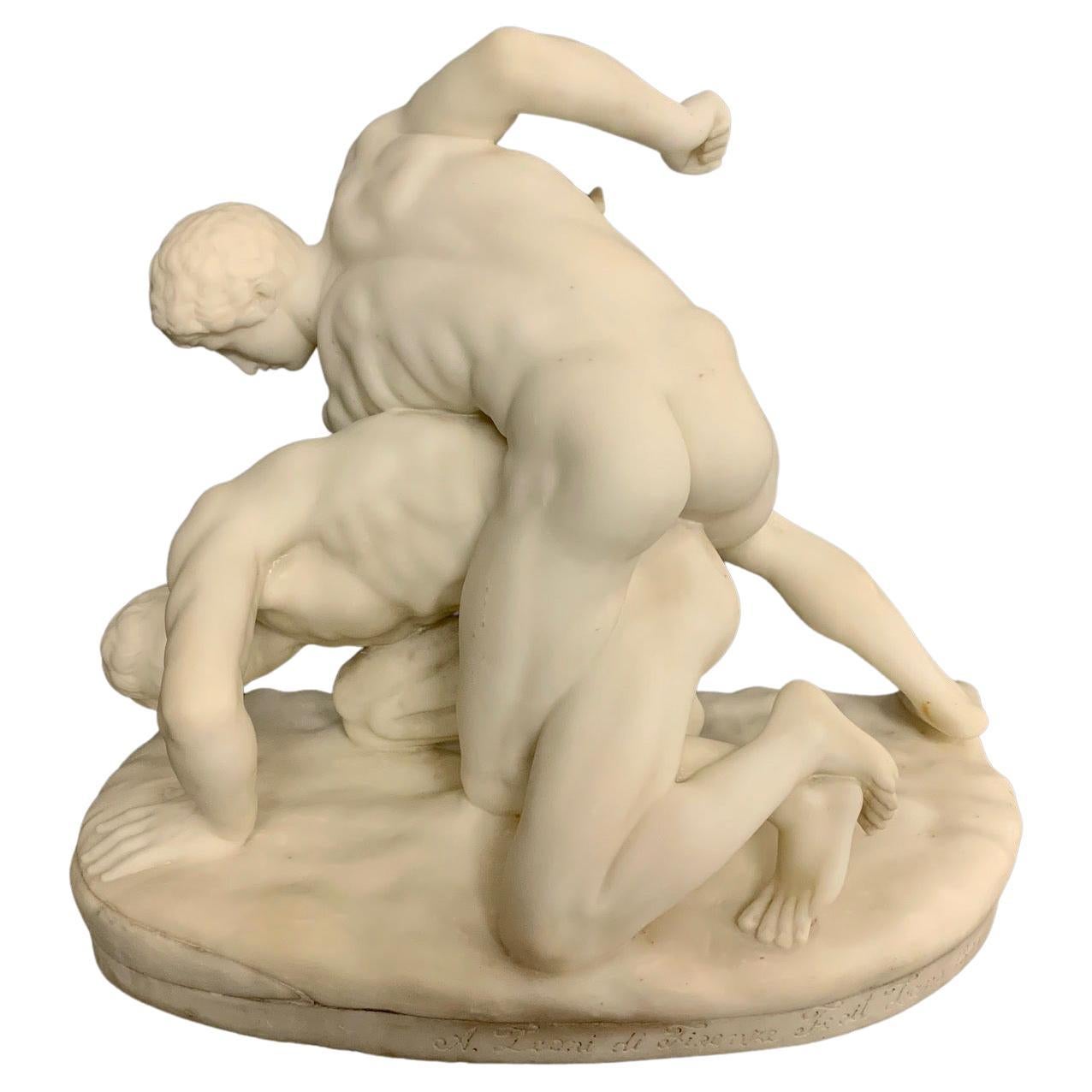
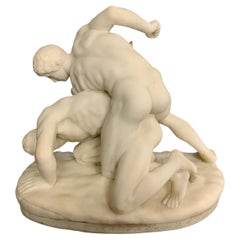
Andrea Leoni The Wrestlers, after the Antique
Located in New York, NY
The wrestlers, after the antique
Statuary Marble
Signed dated Located "A Leoni di Firenze Fecit L'ano 1835".
Category
Antique 19th Century Italian Figurative Sculptures
Materials
Statuary Marble
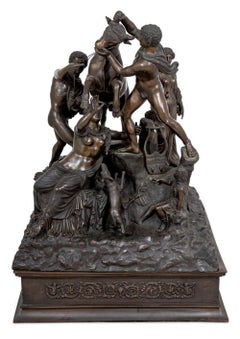
After Pietro da Barga "Farnese Bull" Bronze
Located in Astoria, NY
After Pietro da Barga (Italian, Rome, active c. 1574-1588) "Farnese Bull" Patinated Bronze Sculpture, late 19th century, depicting Antiope directing her sons Amphion and Zethus attac...
Category
Late 19th Century Figurative Sculptures
Materials
Bronze
$6,400 Sale Price
24% Off
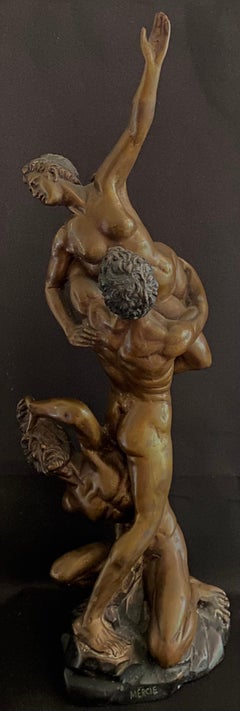
“Enlevement des Sabines”
By Marius Jean Antonin Mercié
Located in Southampton, NY
Here for your consideration is a beautiful highly detailed bronze done in the forth quarter of the nineteen century after the work of Jean Boulogne, known as Giambologna. Boulogne’s sculpture was done in marble and was completed between 1579 and 1583. The sculptor of this bronze is Antonin Mercie, a well known French sculptor born in 1845. The bronze represents the Rape of the Sabine Women (Latin: Sabinae raptae), also known as the Abduction of the Sabine Women or the Kidnapping of the Sabine Women, was an incident in Roman mythology in which the men of Rome committed a mass abduction of young women from the other cities in the region. It has been a frequent subject of artists and sculptors, particularly during the Renaissance and post-Renaissance eras. Signed on base “Mercie” for Antonin Mercie.. In very good condition wirh original brown patina. The base which depicts rocks is bronze and has been painted a matt black. Provenance:: A Sarasota estate.
Mercié, (Marius Jean Antonin Mercie...
Category
1880s Academic Figurative Sculptures
Materials
Bronze
$3,040 Sale Price
20% Off
The Rape of Sabine Iconic Bronze Sculpture 1930
Located in Rome, IT
Fine Group of Sculptures in Bronze after Jean de Boulogne (Giambologna)
The torturously twisting Rape of the Sabine Women is one of the finest and most technically difficult sculpt...
Category
1920s Mannerist Figurative Sculptures
Materials
Bronze