Items Similar to Gruppo in Marmo Allegoria Putti e Leoni Rinascimento Italiano XVI secolo
Video Loading
Want more images or videos?
Request additional images or videos from the seller
1 of 13
UnknownGruppo in Marmo Allegoria Putti e Leoni Rinascimento Italiano XVI secolocirca 1580
circa 1580
$2,874.81
£2,149.71
€2,400
CA$3,960.77
A$4,319.77
CHF 2,288.32
MX$51,787.95
NOK 29,143.08
SEK 26,649.19
DKK 18,288.96
About the Item
Piccolo gruppo in marmo raffigurante una scena con putti e leoni che si sussuegono a tutto tondo, Rinascimento italiano, 16 secolo.
Nella scultura rinascimentale del XVI secolo, l'abbinamento di un putto con un leone simboleggia la potenza della virtù o della grazia che domina la forza bruta. Il putto, simbolo di innocenza, giovinezza e spiritualità, è accostato al leone, che rappresenta forza, coraggio o anche lussuria. Questo accostamento crea un'allegoria che suggerisce la capacità dell'innocenza di controllare o mitigare istinti più primitivi, oppure la vittoria della grazia e dell'ingegno sulla forza fisica.
Nel Rinascimento fiorì una ricca produzione di sculture di piccole dimensioni, destinate principalmente alla devozione privata, all'arredo di prestigiose dimore (come gli studioli medicei) e al collezionismo. Il piccolo gruppo in nostro possesso è la rara testimonianza di un'epoca fortemente legata al simbolismo e in cui ogni opera doveva trasmettere insegnamenti etici e morali legati al contesto culturale del suo tempo.
Misure
H cm 8
D cm 8,5
H con base in plexyglass cm 10
- Creation Year:circa 1580
- Dimensions:Height: 3.15 in (8 cm)Diameter: 3.35 in (8.5 cm)
- Medium:
- Movement Style:
- Period:
- Condition:Stato frammentario, mancanze alle teste dei putti.
- Gallery Location:Pistoia, IT
- Reference Number:1stDibs: LU2746217223652
About the Seller
4.8
Vetted Professional Seller
Every seller passes strict standards for authenticity and reliability
Established in 1997
1stDibs seller since 2024
19 sales on 1stDibs
Typical response time: 1 hour
- ShippingRetrieving quote...Shipping from: PISTOIA, Italy
- Return Policy
More From This Seller
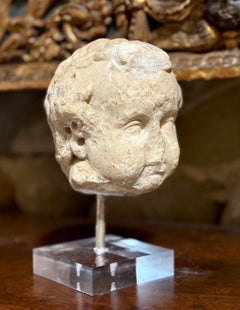
View AllHead of a Putto in Roman Baroque Marble 17th century Italian School
Located in Pistoia, IT
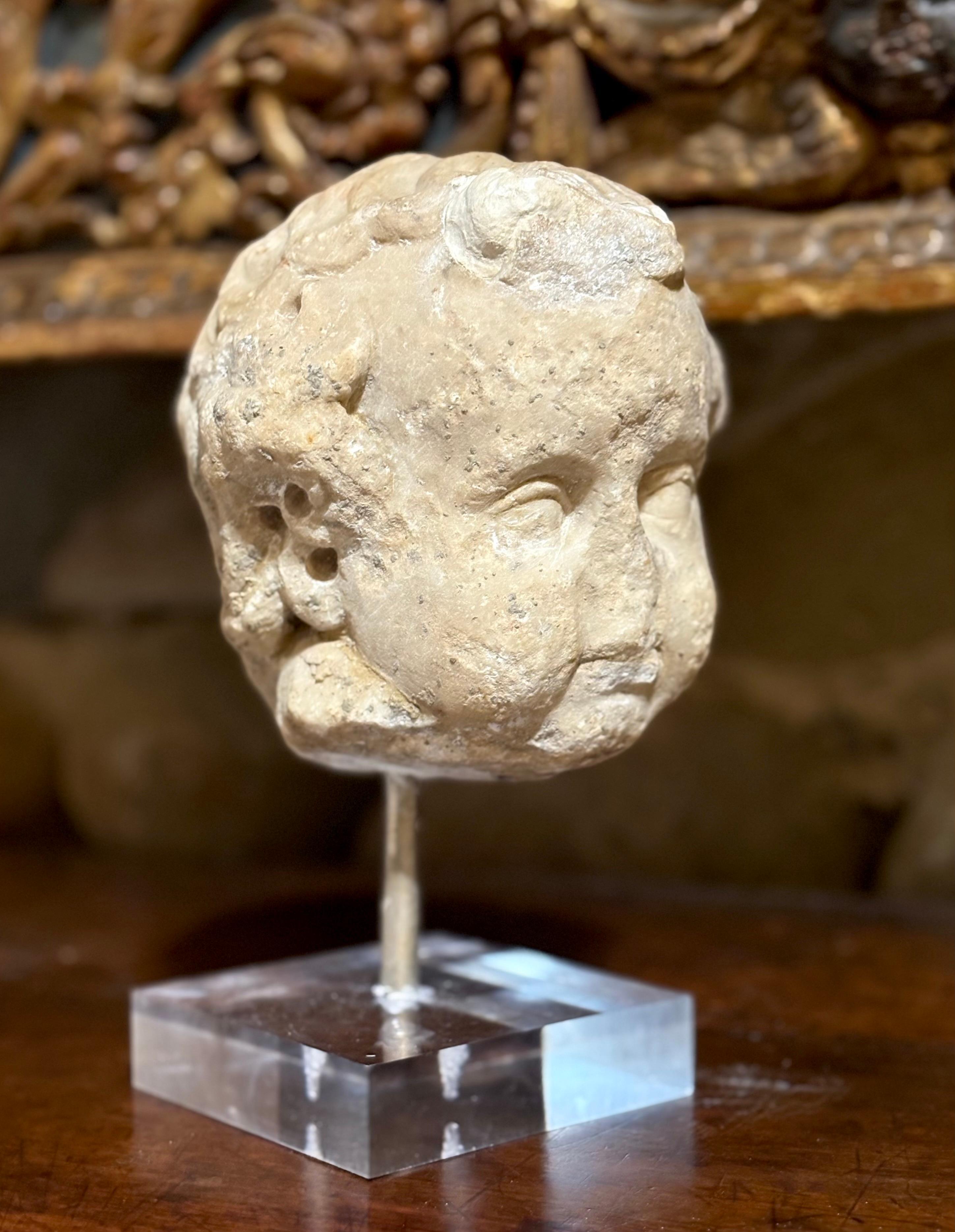
Marble head in the round depicting a putto, Roman Baroque, 17th century.
In the Baroque, the putti became predominant decorative elements, depicted as nude and winged child figure...
Category
17th Century Baroque Figurative Sculptures
Materials
Marble
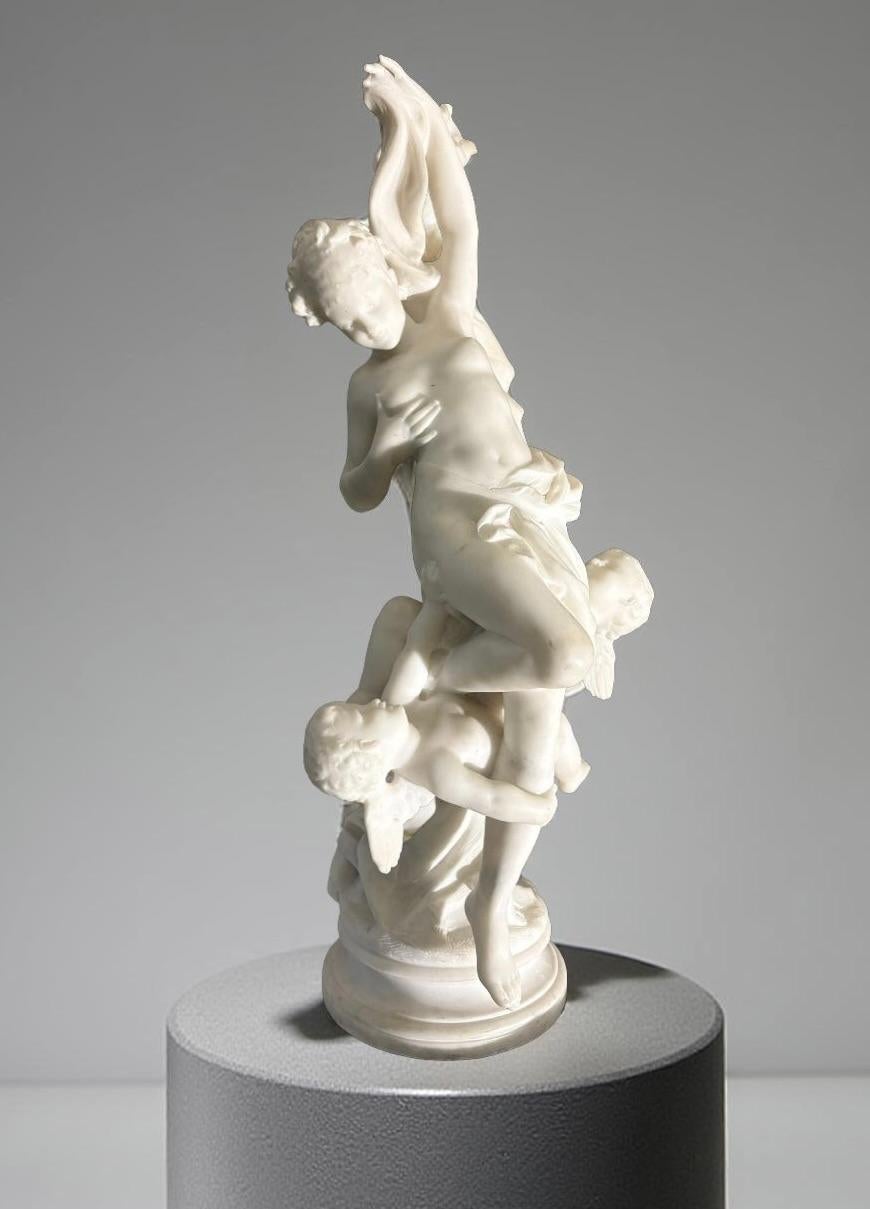
Large Italian Neoclassical Marble Sculpture Allegory 18th century
Located in Pistoia, IT
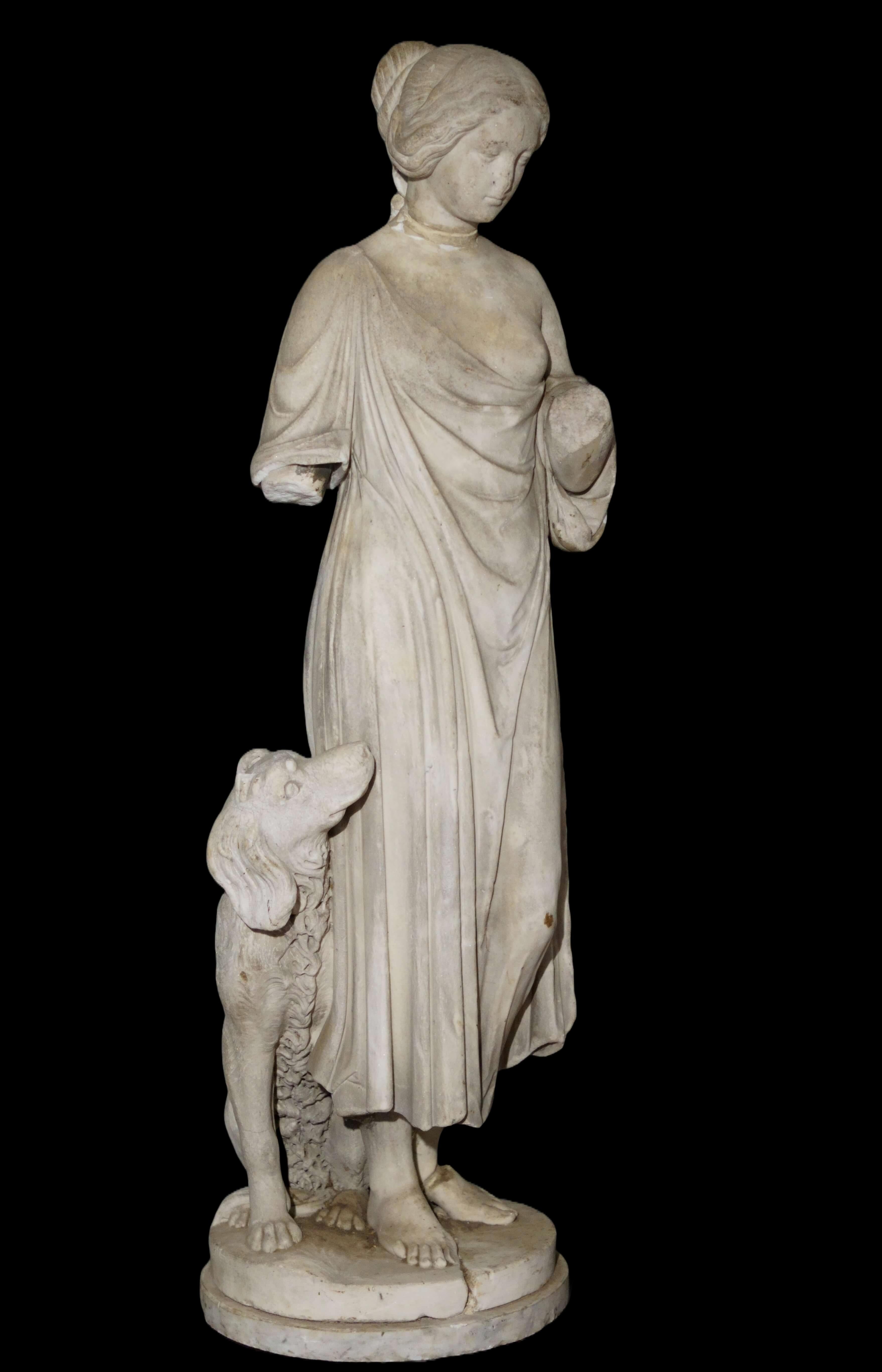
Impressive neoclassical Carrara marble sculpture depicting the Allegory of Friendship and Loyalty, second half of the 18th century.
The sculpture depicts Friendship as a classical ...
Category
Late 18th Century Italian School Figurative Sculptures
Materials
Marble
Scultura Barocca di Angelo in Terracotta Policroma Italia XVIII secolo
Located in Pistoia, IT
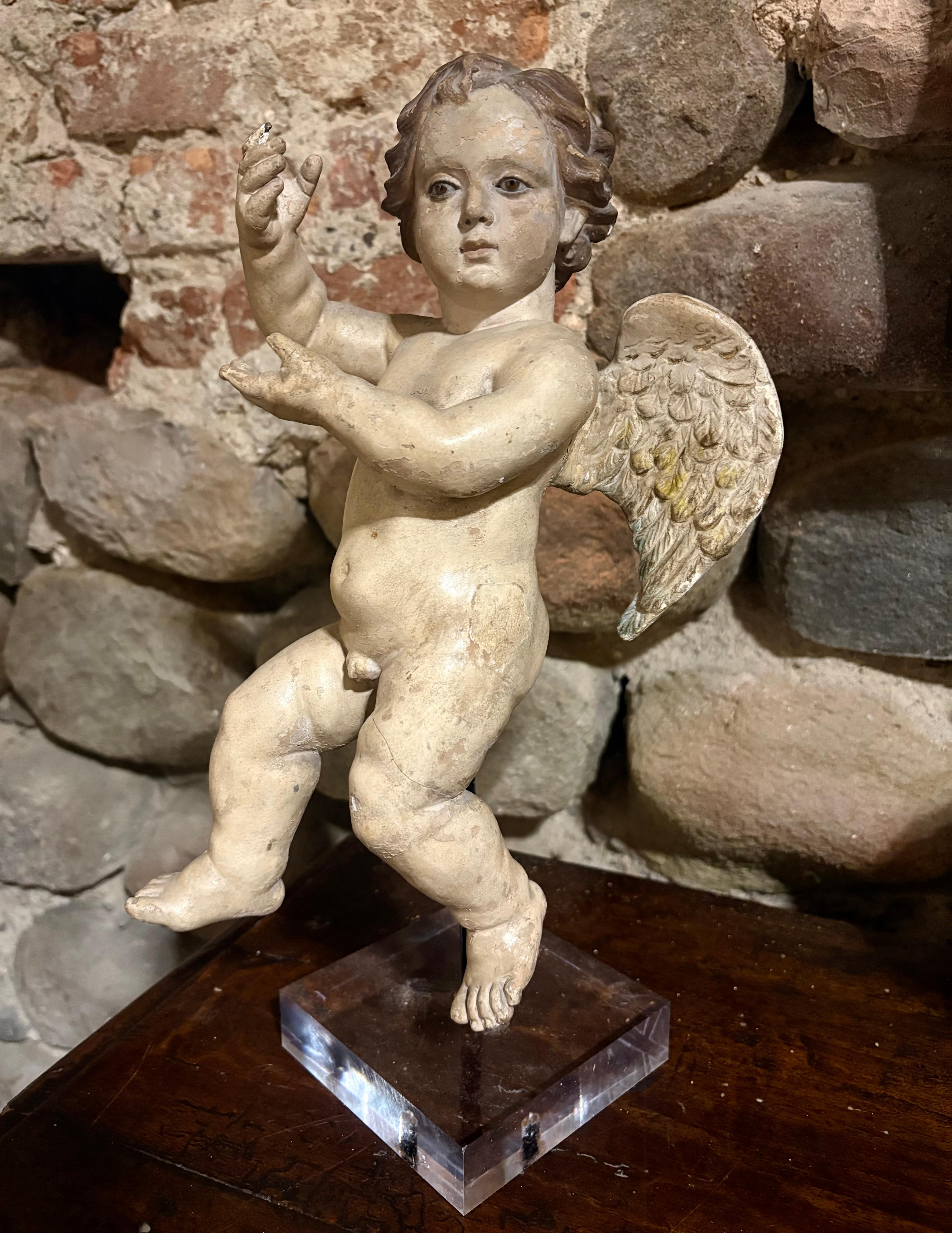
Scultura in terracotta policroma raffigurante un angelo alato, Italia, XVIII secolo.
L'angelo è plasmato con grande maestria, dalle forme rotonde tipiche del Barocco italiano. Gli ...
Category
1730s Baroque Figurative Sculptures
Materials
Terracotta
Grande Gruppo in Marmo "L
Innocenza tormentata dall
Amore" Scultura Francese
Located in Pistoia, IT
Imponente gruppo in marmo bianco raffigurante "Innocenza tormentata da Amore", firmato Luca Madrassi. Scuola francese, fine XIX secolo, periodo Art Nouveau.
Questo splendido grupp...
Category
Late 19th Century Art Nouveau Figurative Sculptures
Materials
Marble
Italian Neoclassical Sculptural Group in Alabaster "The Rape of the Sabine Women" 18th
Located in Pistoia, IT
"The Rape of the Sabine Women," veined alabaster, large sculptural group with classical subject, Volterra manufacture, 18th century.
The so-called Rape of the Sabine Women is a scu...
Category
1790s Italian School Figurative Sculptures
Materials
Alabaster
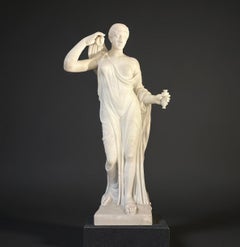
Imponente Scultura Neoclassica Italiana in Marmo Venere Genitrice XIX secolo
Located in Pistoia, IT
Imponente scultura neoclassica in marmo, modello conosciuto come Afrodite Louvre-Napoli o Venus Genitrix, bottega italiana, 19 secolo.
La dea è raffigurata in piedi, al momento de...
Category
19th Century Academic Figurative Sculptures
Materials
Marble
You May Also Like
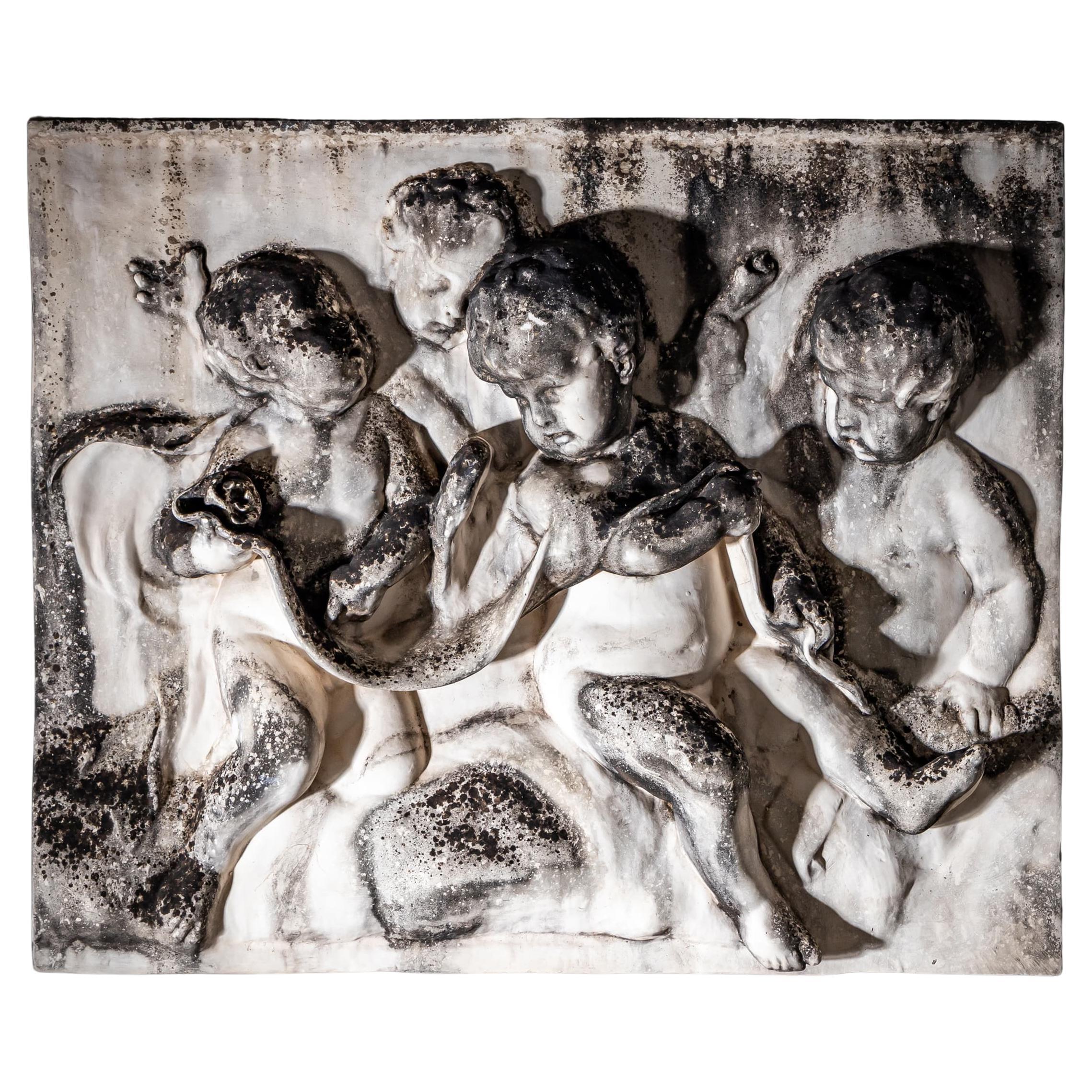
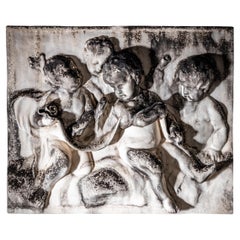
Putti Relief in Biscuit Porcelain, 19th Century
Located in Greding, DE
Rectangular relief crafted from white biscuit porcelain, depicting four playful putti in dynamic poses. A flowing drapery and entwined snake link the figures compositionally. The sur...
Category
Antique 19th Century European Figurative Sculptures
Materials
Porcelain
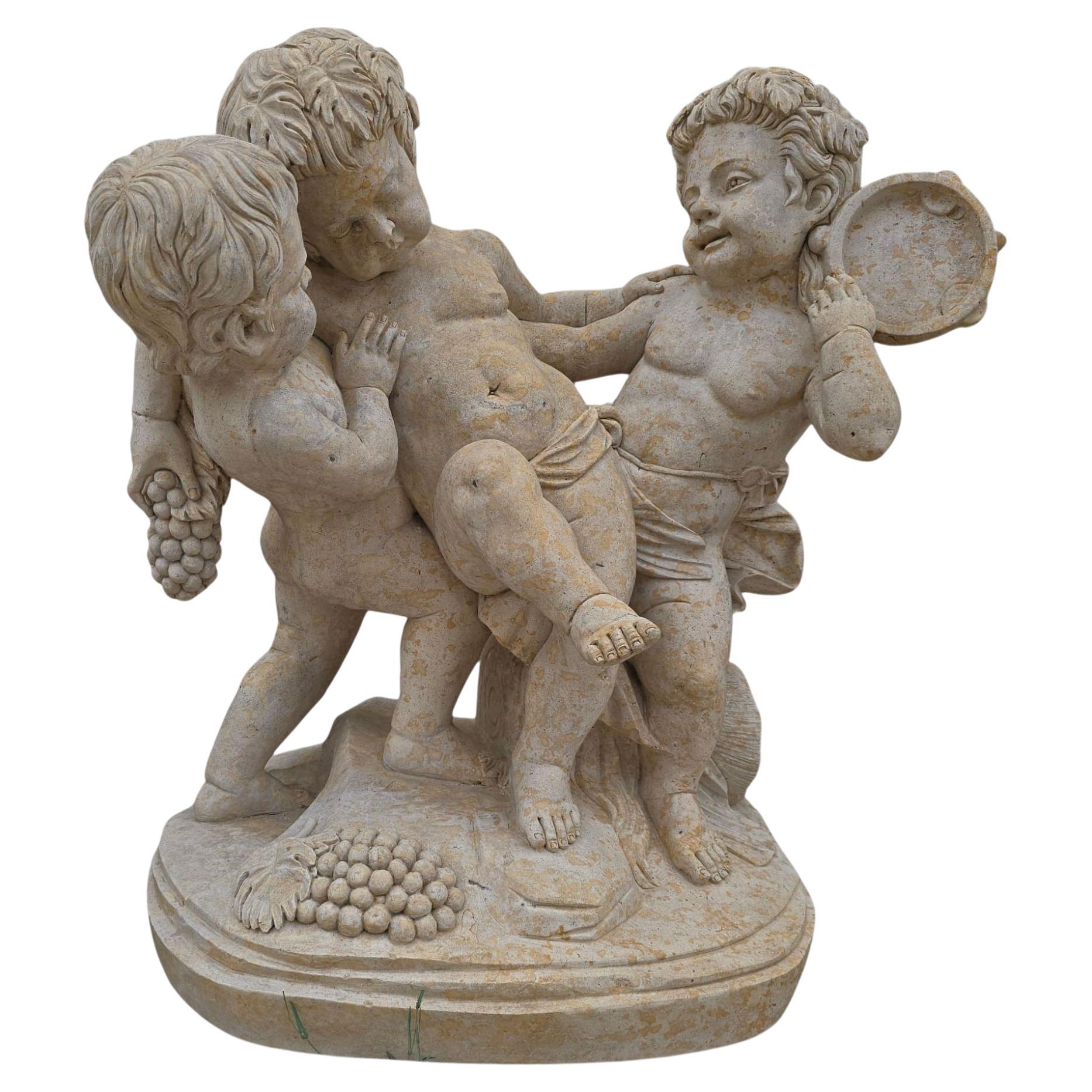
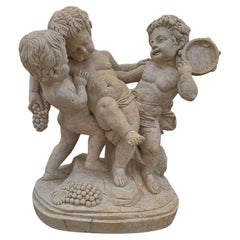
Italian Travertine Marble Sculpture of Three Dancing Cherubs
Located in Madrid, ES
Charming Italian sculpture carved from warm-toned travertine marble, depicting three joyful cherubs dancing in a circular formation. The figures are captured in motion with expressiv...
Category
Vintage 1970s Figurative Sculptures
Materials
Marble
$13,770 Sale Price
20% Off
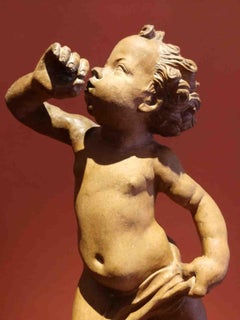
Artista fiorentino del XVII secolo da Verrocchio putto fontana in terracotta
Located in Florence, IT
Questa statua in terracotta in eccellente stato conservativo considerata l'età e la fragilità del materiale, raffigura un putto nell'atto di soffiare, colto in una posa di intenso p...
Category
17th Century Renaissance Nude Sculptures
Materials
Terracotta
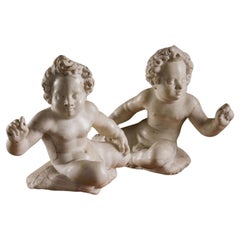
Two Putti, c. 1640-1650. Giovanni Pietro and Carlo Carra (workshop of)
By Non-Standard Furniture and Lighting
Located in Milano, IT
Pair of Carrara marble Putti, depicted in a mirror-image position to each other: softly reclining, the torso advanced and slightly off to the side, one arm resting on the thigh, whil...
Category
Antique Mid-17th Century Italian Other Figurative Sculptures
Materials
Carrara Marble
Large Baroque Statues, Italy Genova 17th century
Located in PARIS, FR
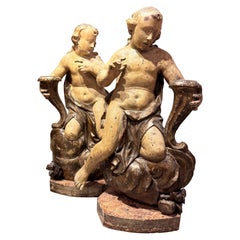
Pair of large statues carved in the round, probably representing cerulean angels (although there is no evidence of wings on the back), or allegories of fortune (in which case we can ...
Category
Antique 17th Century Italian Baroque Figurative Sculptures
Materials
Wood
Carlo Marcellini
Florence 1644 – 1713
, Florentine Baroque Putto
Located in Bruxelles, BE
Carlo Marcellini (Florence 1644 – 1713)
Putto
White and green marble
41.5 x 73.5 cm
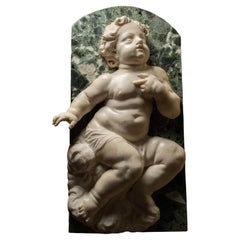
This marble putto carved in high relief, almost a tutto tondo, and set on an elegant green marble background, appears almost naked, sitting on a cloud. His peculiar pose, in adoration, suggests that the work was a part of a larger composition including other figures in devotion.
Published in 2007 by Sandro Bellesi in the monograph dedicated to Gioacchino Fortini (pg.155), this beautiful marble putto was included in the catalog of Carlo Marcellini, a prominent figure in the baroque renewal of Florentine art.
Born in Florence in 1644, Carlo Marcellini received his artistic education in the city of the lily, specializing in stone sculpture and stucco modeling under the guidance of Bartolomeo Cennini before continuing his studies in Rome in the Accademia Medicea founded by the Grand Duke Cosimo III in order to familiarize some more promising artists with the essential “ taste of Rome ”.
Under the guidance of Ercole Ferrata and Ciro Ferri, Giovan Battista Foggini...
Category
Antique 17th Century Italian Baroque Figurative Sculptures
Materials
Marble