Items Similar to Mother Goddess Figurine, Early Indus Valley Civilization (circa 3500 - 2800 BC)

Want more images or videos?
Request additional images or videos from the seller
1 of 8
UnknownMother Goddess Figurine, Early Indus Valley Civilization (circa 3500 - 2800 BC)circa 3500 - 2800 BC
circa 3500 - 2800 BC
$5,262.66
$8,50040% Off
£3,907.82
£6,437.9640% Off
€4,400
€7,393.7840% Off
CA$7,230.11
CA$11,911.2840% Off
A$7,860.59
A$12,949.9640% Off
CHF 4,167.69
CHF 6,866.0940% Off
MX$94,228.53
MX$155,237.2240% Off
NOK 52,969.24
NOK 87,264.4240% Off
SEK 48,527.03
SEK 79,946.0740% Off
DKK 33,542.12
DKK 55,259.1140% Off
About the Item
Mother Goddess Figurine
Early Indus Valley Civilization (circa 3500 - 2800 BC)
Handmade pottery, 140 mm x 45 mm, 60 g
Provenance:
Prince Collection, 1990s-2014;
Pierre Bergé Collection
Private collection, UK
This piece has been cleared against the Art Loss Register database and comes with a historical report by Alessandro Neri, an international Cultural Heritage expert based in Florence, Italy.
The figurine presented here, dating from the early Indus Valley Civilization, is a fascinating example of ancient art from this region. Representing a mother goddess, it illustrates the religious beliefs and practices of the time. The elongated and stylized silhouette, with a dramatically tapered waistline, showcases the craftsmanship of artisans from this period. The slender arms projecting from rounded shoulders, along with the abstract, elongated head featuring annular impressed eyes, a prominent nose, and a tall forehead framed by hair, highlight a distinctive and unique style.
The mother goddess holding a baby in front of her symbolizes fertility and maternal protection, recurring themes in ancient art. The creamy beige pigment that envelops the figurine adds an authentic touch, consistent with similar objects found in this region.
Artifacts from the Indus Valley, such as this figurine, are essential for understanding the social and religious dynamics of the time. They offer valuable insights into the craftsmanship techniques and materials used by the ancient people of this flourishing civilization. The comparison with a similar piece housed at the Metropolitan Museum of Art (Accession Number: 2001.305) reinforces the historical and artistic value of this object.
In summary, this mother goddess figurine is not only an archaeological artifact but also a poignant testament to the ingenuity and spirituality of the ancient inhabitants of the Indus Valley.
- Creation Year:circa 3500 - 2800 BC
- Dimensions:Height: 5.52 in (14 cm)Width: 1.78 in (4.5 cm)Depth: 0.79 in (2 cm)
- Medium:
- Movement Style:
- Period:
- Condition:
- Gallery Location:Paris, FR
- Reference Number:1stDibs: LU2258215376962
About the Seller
5.0
Vetted Professional Seller
Every seller passes strict standards for authenticity and reliability
Established in 2010
1stDibs seller since 2022
7 sales on 1stDibs
- ShippingRetrieving quote...Shipping from: Paris, France
- Return Policy
More From This Seller
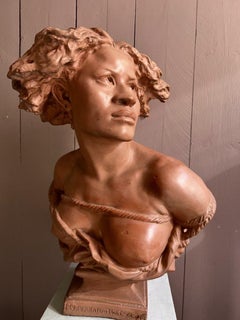
View AllWhy Born a Slave (Replica after the original work)
Located in Paris, Île-de-France
Jean-Baptiste Carpeaux (1827-1875)
Why Born a Slave (Replica after the original work)
Tinted terracotta or plaster, 60 cm in height, base 18 x 20 cm
Provenance:
Private collection
...
Category
Late 19th Century Romantic Nude Sculptures
Materials
Terracotta, Plaster
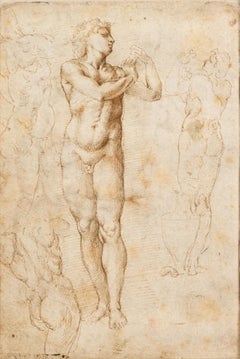
Studies of the Galli Statue and of an Ignudo
Located in Paris, Île-de-France
Florentine School, early 16th century
Studies of the Galli Statue and of an Ignudo
Pen and brown ink on laid paper
19.1 × 13 cm
Executed c. 1510–1520
Unsigned
This remarkable doub...
Category
16th Century Old Masters Nude Drawings and Watercolors
Materials
Ink
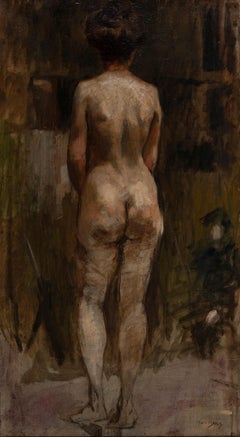
Nude woman, from behind
By Isaac Israëls
Located in Paris, Île-de-France
Attributed to Isaac ISRAELS (1865-1934)
Nude woman, from behind. Circa 1900
Oil on canvas, 81 x 45 cm
Provenance
Private collection, France
The attribut...
Category
Early 20th Century Post-Impressionist Nude Paintings
Materials
Canvas, Oil
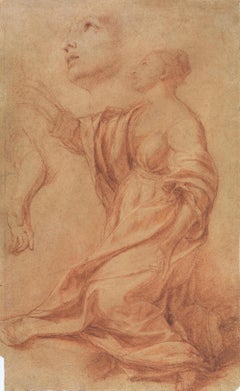
Studies of a kneeling female figure, an arm, a hand, and a head in profile
By Carlo Maratta (Ancona 1625 - Rome 1713)
Located in Paris, Île-de-France
Studio of Carlo Maratti (or Maratta)
Camerano 1625 – Rome 1713
Studies of a kneeling female figure, an arm, a hand, and a head in profile
Red chalk on paper
43.4 x 26.6 cm
Unsigne...
Category
Late 17th Century Old Masters Figurative Drawings and Watercolors
Materials
Chalk
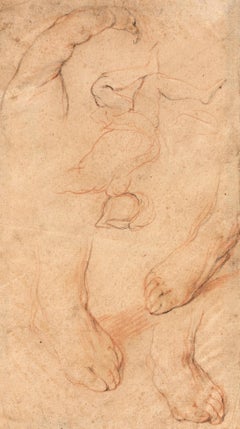
Study of Feet and a Figure Sketch
Located in Paris, Île-de-France
Attributed to Jacob JORDAENS (Antwerp 1593–1678)
Study of Feet and a Figure Sketch
Red and black chalk on laid paper
25.9 × 18.4 cm (10¼ × 7¼ in.)
Unsigned
Minor losses, folds, an...
Category
17th Century Old Masters Nude Drawings and Watercolors
Materials
Chalk
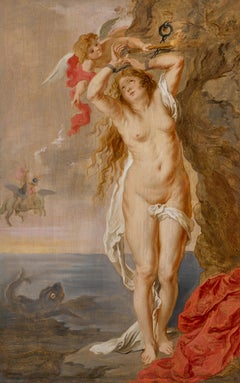
Perseus and Andromeda
By David Teniers the Younger
Located in Paris, Île-de-France
DAVID TENIERS THE YOUNGER (1610–1690)
Perseus and Andromeda
Oil on panel
42.5 × 26.7 cm (16³⁄₄ × 10¹⁄₂ in.)
Unsigned
Provenance
• Possibly Archduke Leopold Wilhelm of Habsburg (16...
Category
1650s Old Masters Nude Paintings
Materials
Oil, Panel, Wood Panel
You May Also Like
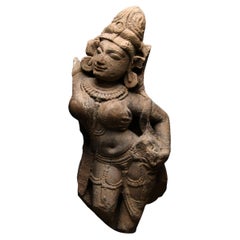
Ancient Indian Sandstone Figure of a Female Deity
Located in Los Angeles, CA
This sublime and sensuous female deity figure was likely part of a divine couple composition. The pairing of God and Goddess, often represented as Vishnu and Lakshmi, could be found...
Category
Antique 15th Century and Earlier Indian Antiquities
Materials
Sandstone
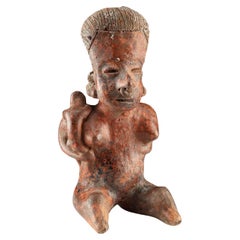
Nayarit Pottery Fertility Female Figure With Child
By Nayarit Culture
Located in Dallas, TX
Nayarit Fertility Female Figure With Child
Pre-Columbian, West Mexico, Nayarit,
Ca. 300 BCE to 300 CE.
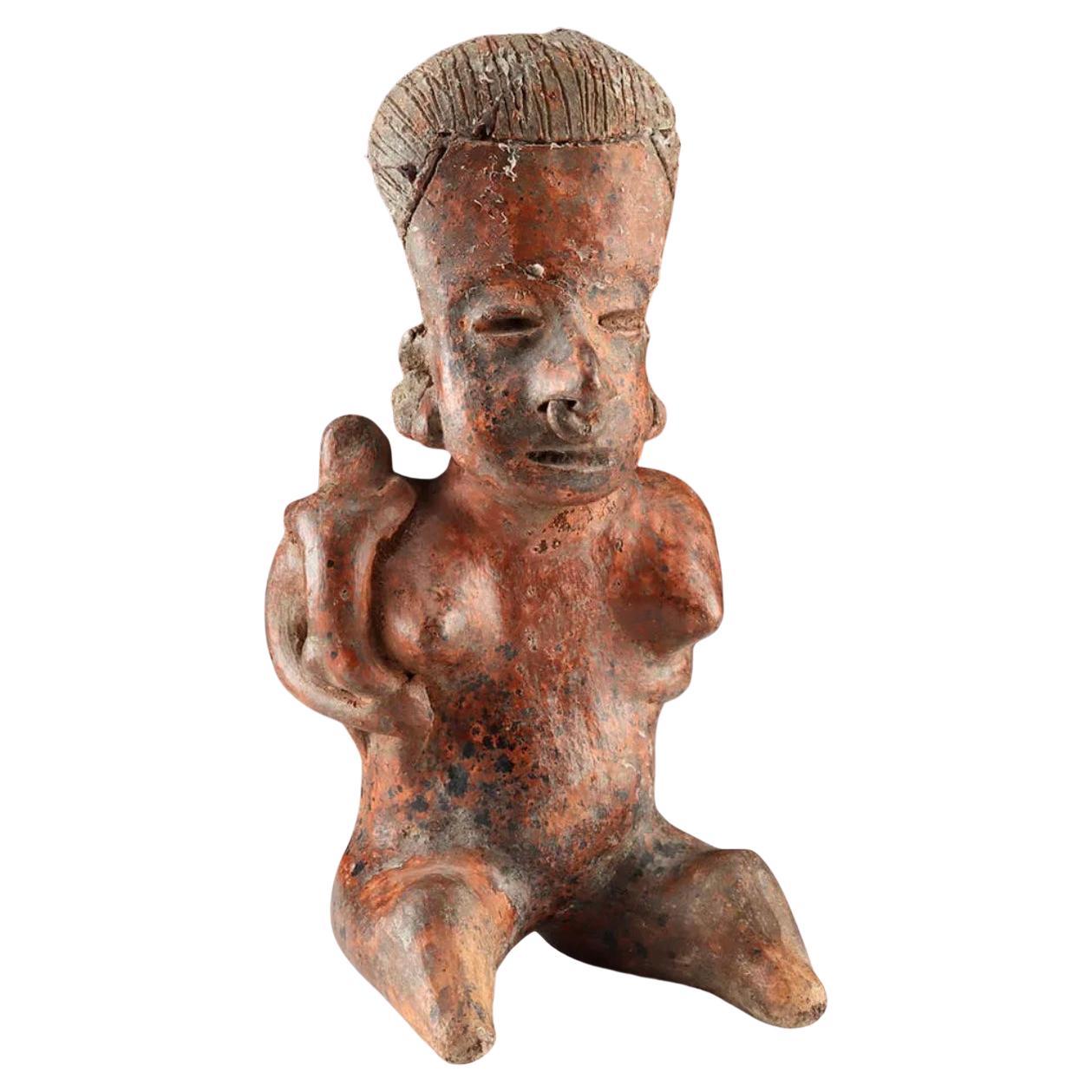
A seated terracotta female figure from the shaft tomb tradition, shown cradling an infant over her right shoulder - likely a symbolic representation of fertility, maternity, and the continuity of life. This expressive red-slipped sculpture is boldly modeled with exaggerated limbs and stylized facial features, impressed eyes, a broad nose adorned with a septum piercing, and ear ornaments. Her elaborate coiffure is incised with vertical striations and rises into a high crest, pierced at the top with a vent hole connecting to the hollow interior. Manganese blooms across the surface attest to its long burial. Such figures were ritually interred in shaft tombs to accompany the dead, offering symbolic protection or ensuring rebirth in the afterlife.
Dimensions: 4 Inches Wide x 8.4 Inches Height (10.2 cm x 21.1 cm)
Condition: Presents beautifully with restorations to the head.
Provenance: Collection of Y. Kayvan, Los Angeles, California, USA, acquired from a Los Angeles, California, USA gallery acquisition dates range from the late 1990s to 2005
Legal to acquire under U.S. Statute covering cultural patrimony Code 2600, CHAPTER 14.
This Nayarit Figure...
Category
Antique 15th Century and Earlier Mexican Pre-Columbian Figurative Sculpt...
Materials
Pottery
Pre-Columbian Earthenware Female Figure, Nayarit, Mexico
Located in Point Richmond, CA
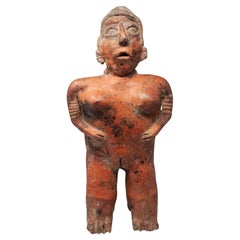
Pre-Columbian Earthenware Female Figure, Nayarit, Mexico
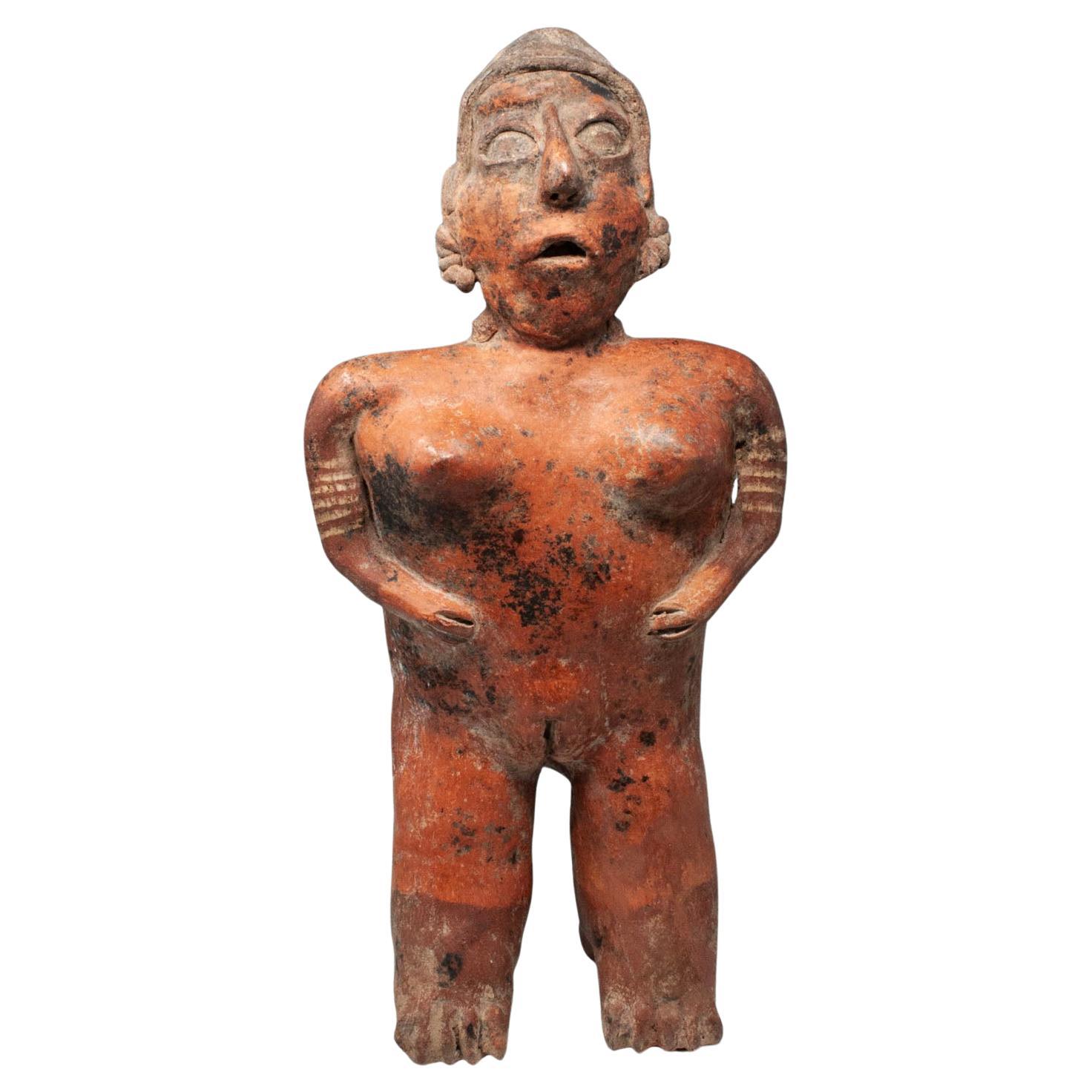
A tall standing nude female figure of the San Sebastian Red type. The expressive face is adorned with ear ornaments and a sh...
Category
Antique 15th Century and Earlier Mexican Pre-Columbian Jars
Materials
Terracotta
Ethnic Design-Authentic Female Fertility figure “Yanda", Zande People, DRC.
Located in Leuven , BE
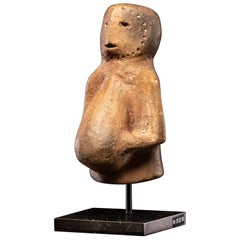
Female Fertility figure “Yanda", Zande People, DRC, Old collection n° 394 Baudouin de Grunne .
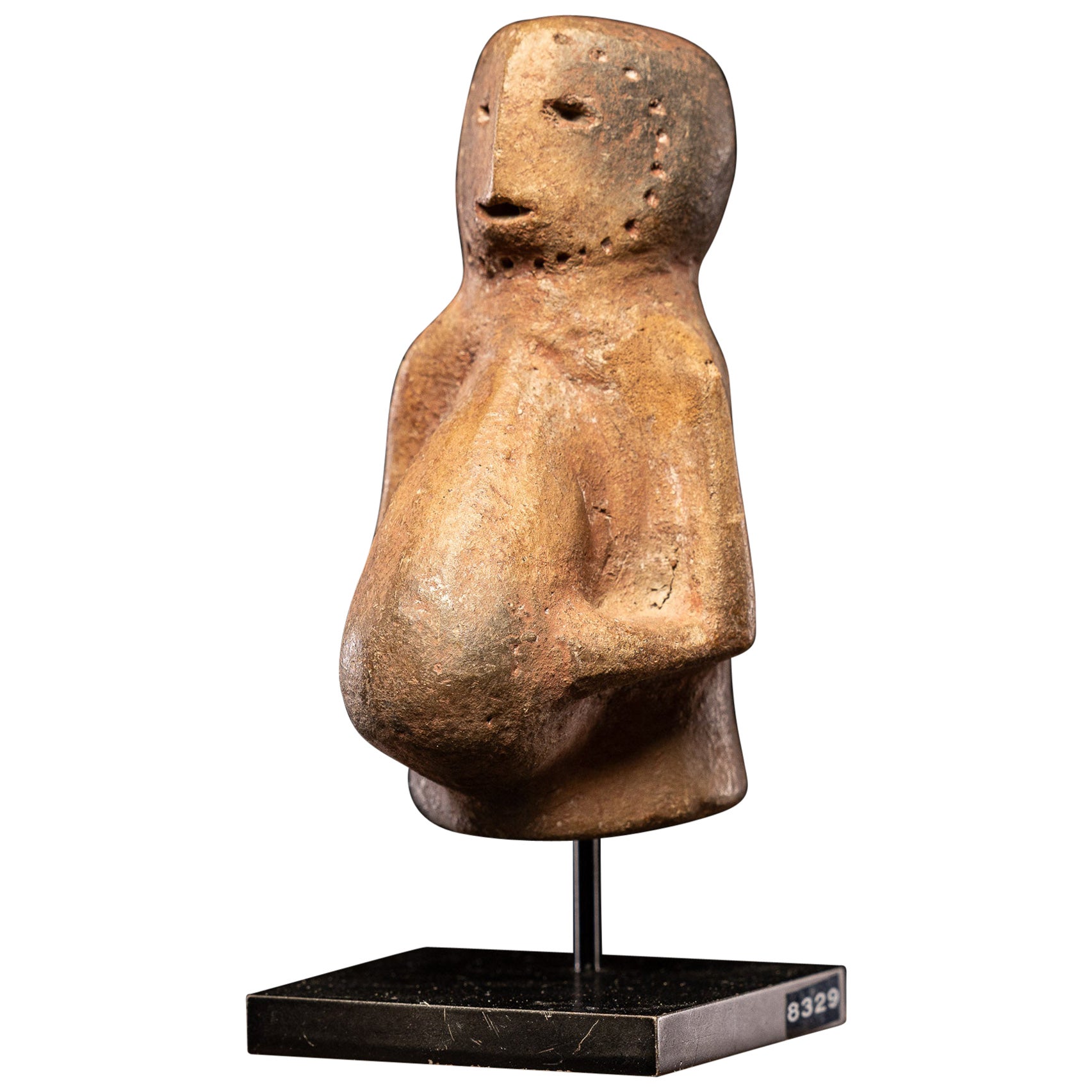
This highly abstract fertility bust, characterized by a prominent belly, is sculpted fr...
Category
Antique 19th Century Congolese Figurative Sculptures
Materials
Terracotta
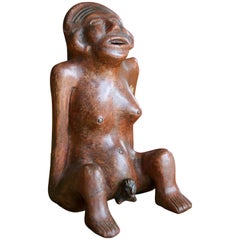
Pre-Columbian Pottery Figure of a Woman Giving Birth
Located in Sofia, BG
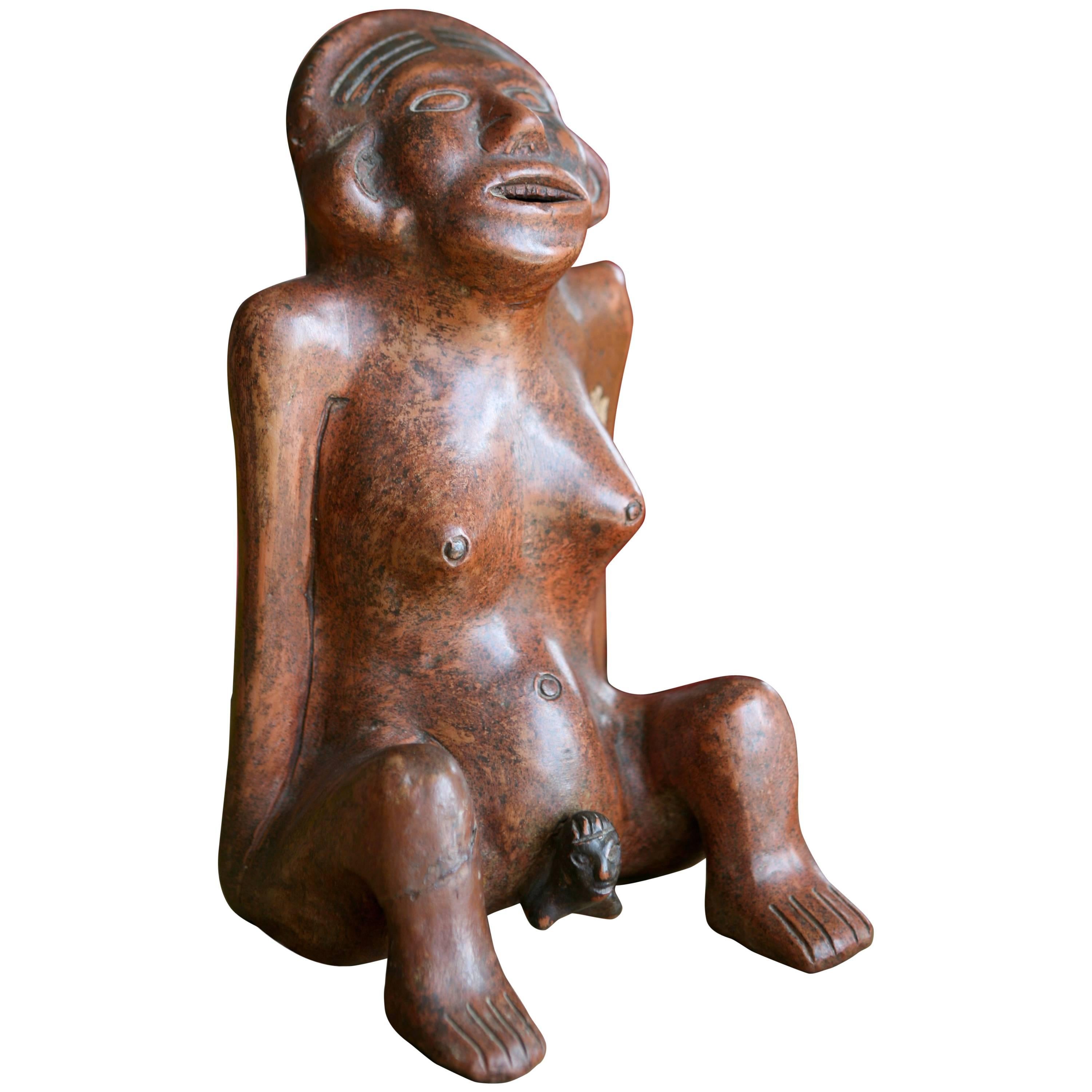
Pre-Columbian pottery figure of a seated woman giving birth, with her hands behind the back. It was most probably used by a shaman to look for the benevol...
Category
Antique 15th Century and Earlier Mexican Pre-Columbian Figurative Sculpt...
Materials
Terracotta
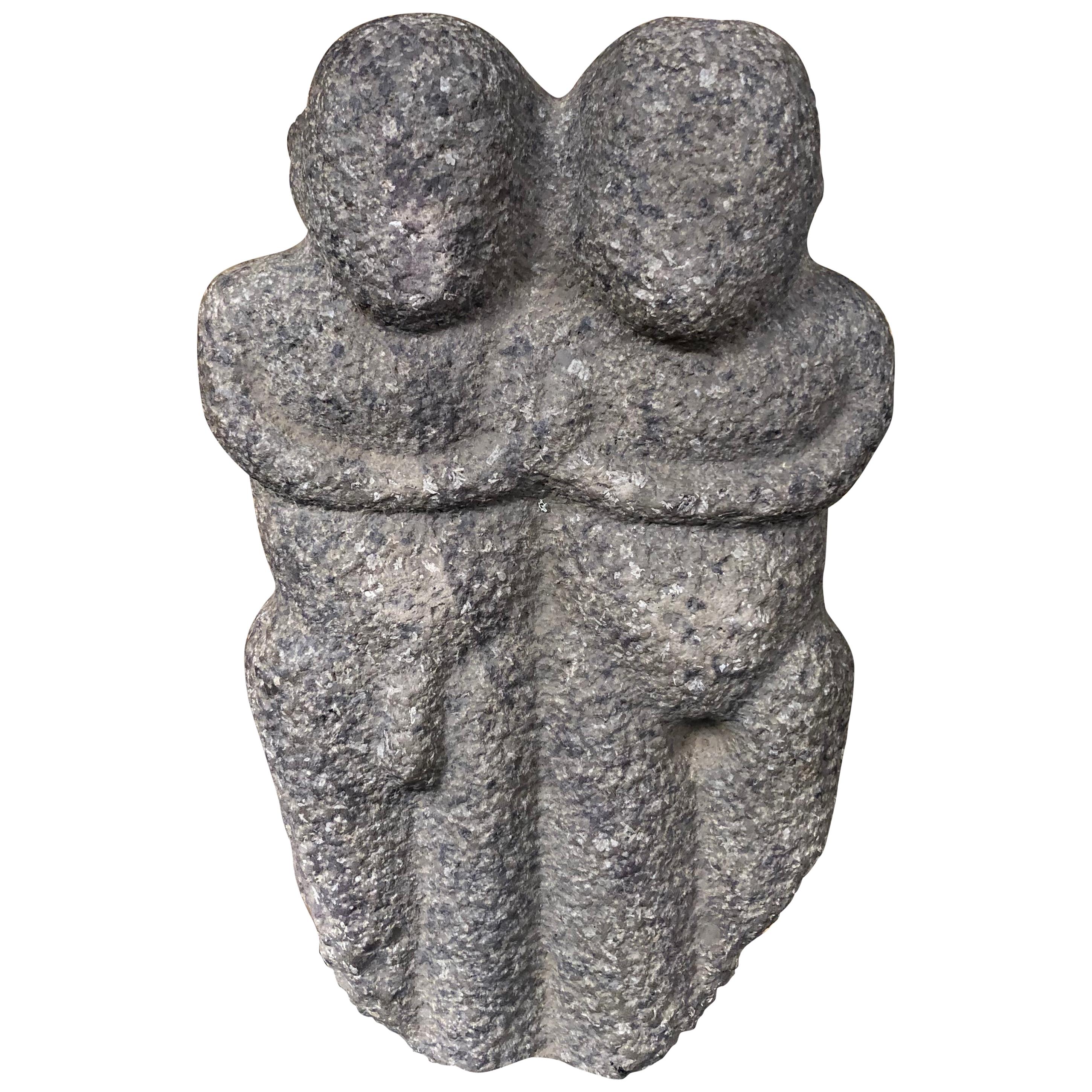
Chinese Ancient Hongshan Culture Pregnant Female Fertility Sculpture 4700-2900BC
Located in South Burlington, VT
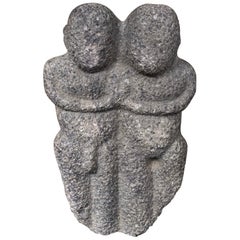
China, a fine archaic conjoined bust sculpture of a male and female hand carved from a granular medium to dark gray stone. Neolithic period, Hongshan culture (circa 4700-2900 BC)
Likely a fertility - progeny sculpture. Please note the pecked surfaces and the stone carved hair line particularly on the back head area.
Quality: Fine original condition, no repairs, as collected. Dark varied patina from appropriate age.
This is likely a unique carving.
Dimensions: 12.25 inches tall and 4.25 inches width.
About Hongshan Culture:
The Hongshan culture was a Neolithic culture in northeastern China. Hongshan sites have been found in an area stretching from Inner Mongolia to Liaoning, and dated from about 4700-2900 BC. The culture is named after Hongshanhou, a site in Hongshan District, Chifeng. The Hongshanhou site was discovered by the Japanese archaeologist Torii Ryuzo in 1908 and extensively excavated in 1935 by Kosaku Hamada and Mizuno Seiichi.
Provenance:
Our private collection and accompanied by our Lifetime Guarantee of Authenticity. Originally collected in the area of Chifeng City, Inner Mongolia.
In addition, our Hongshan stone effigy...
Category
Antique 15th Century and Earlier Chinese Antiquities
Materials
Stone
More Ways To Browse
Ancient Art
Antique Goddess
Antique Clay Art
Nude Sculpture Black
Antique Black Figurines
Antique Italian Figurines
Piano Artwork
Planetary Folklore
Pomeranian Dog
Portrait Of Cows
Portrait Of Dora Maar
Raccoon Painting
Racing Race Painting
Richard Bankes Harraden
Robert Buck
Robert Colquhoun
Robert Rey
Roman Architectural Engraving