Realist Sculptures

REALIST STYLE

Realist art attempts to portray its subject matter without artifice. Similar to naturalism, authentic realist paintings and prints see an integration of true-to-life colors, meticulous detail and linear perspectives for accurate portrayals of the world. 

Work that involves illusionistic techniques of realism dates back to the classical world, such as the deceptive trompe l’oeil used since ancient Greece. Art like this became especially popular in the 17th century when Dutch artists like Evert Collier painted objects that appeared real enough to touch. Realism as an artistic movement, however, usually refers to 19th-century French realist artists such as Honoré Daumier exploring social and political issues in biting lithographic prints, while the likes of Gustave Courbet and Jean-François Millet painting people — particularly the working class — with all their imperfections, navigating everyday urban life. This was a response to the dominant academic art tradition that favored grand paintings of myth and history. 

By the turn of the 20th century, European artists, such as the Pre-Raphaelites, were experimenting with nearly photographic realism in their work, as seen in the attention to every botanical attribute of the flowers surrounding the drowned Ophelia painted by English artist John Everett Millais.

Although abstraction was the guiding style of 20th-century art, the realism trend in American modern art endured in Edward Hopper, Andrew Wyeth and other artists’ depictions of the complexities of the human experience. In the late 1960s, Photorealism emerged with artists like Chuck Close and Richard Estes giving their paintings the precision of a frame of film.

Contemporary artists such as Jordan Casteel, LaToya Ruby Frazier and Aliza Nisenbaum are now using the unvarnished realist approach for honest representations of people and their worlds. Alongside traditional mediums, technology such as virtual reality, artificial intelligence and immersive installations are helping artists create new sensations of realism in art.

​​Find authentic realist paintings, sculptures, prints and more art on 1stDibs.

to
50
327
112
74
30
44
Overall Width
to
Overall Height
to
48
111
427
7
4
4
4
2
1
1
6
18
18
9,734
3,424
1,476
955
465
146
139
120
93
77
62
30
9
5
217
190
187
187
127
123
90
85
55
44
36
30
27
23
22
21
20
19
16
16
465
442
50
29
24
43
21
11
10
8
482
90
Style: Realist
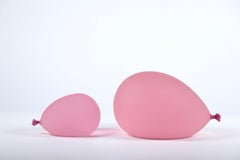
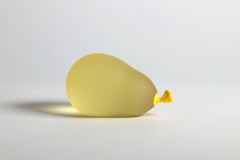
Pair of Large Small Hyperreal Pink Glass Balloon Sculptures
Located in East Quogue, NY
Pair of Small Large Hyperreal Blue Glass Water Balloon Sculptures by Dylan Martinez. Dylan Martinez’s hyperrealistic water balloons are made of solid sculpted glass sandblas...
Category

2010s Realist Sculptures

Materials

Glass, Blown Glass

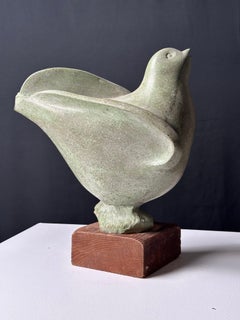
Dove
Located in Wilton Manors, FL
Mark Morrison (1895-1964) Dove, ca. 1960 Carved and polished stone 10" wide, 6.25" deep, height is 12" Tail exhibits a small area of loss. Our conservator can repair this at no ex...
Category

Mid-20th Century Realist Sculptures

Materials

Stone

Dove
Dove
$2,000 Sale Price
60% Off
Hyperreal Colored Glass Balloon Sculptures - Set of 5
Located in East Quogue, NY
Set of 5 hyperreal glass water balloon sculpture installation by Dylan Martinez. Made of 100% hot-sculpted glass. Approx. Size: 3.5 × 3.5 × 4.5 inches (each balloon) Dylan Martine...
Category

2010s Realist Sculptures

Materials

Glass, Blown Glass

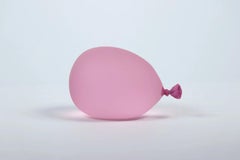
Hyperreal Pink Glass Balloon Sculpture
Located in East Quogue, NY
Pink hyperreal glass water balloon sculpture by Dylan Martinez. These hyperrealistic water balloons are made of solid sculpted glass sandblasted and acid-etched to resemble real wa...
Category

2010s Realist Sculptures

Materials

Glass, Blown Glass

Hyperreal Yellow, Blue, Purple Glass Balloon Sculpture Set (Trio)
Located in East Quogue, NY
Set of 3 hyperreal glass water balloon sculpture installation by Dylan Martinez. Made of 100% hot-sculpted glass. Approx. Size: 3.5 × 3.5 × 4.5 inches (each) Dylan Martinez’s hype...
Category

2010s Realist Sculptures

Materials

Glass, Blown Glass

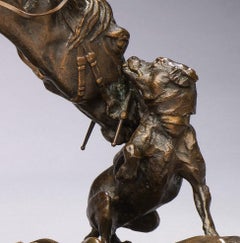
Horse Playing with a Dog (The Good Companions) Pierre-Jules Mene (1810-1879)
Located in SANTA FE, NM
Antique Horse Bronze  "Horse  in the Stable Playing with a Dog (The Good Companions)" Jument à l'écurie jouant avec un chien Pierre-Jules Mene (French, 1810-1879) Bronze 19 x 10 inc...
Category

1860s Realist Sculptures

Materials

Bronze

Mountain Goat
Located in Wilton Manors, FL
Mark Morrison (1895-1964) Mountain Goat, ca. 1940 Carved diorite 3 7/8" wide, 2.5" deep, height is 3" Provenance: Estate of Mrs. Mark Morrison. Born: Kingfisher, OK Educatio...
Category

Mid-20th Century Realist Sculptures

Materials

Stone

Mountain Goat
Mountain Goat
$1,000 Sale Price
50% Off
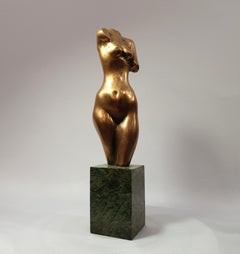
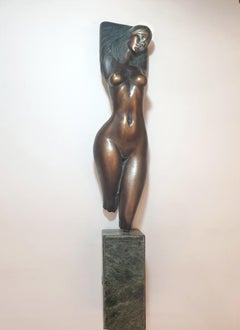
Model Girl Bronze and Stone Sculpture, Realist Style, Vintage, 1980s
Located in Zofingen, AG
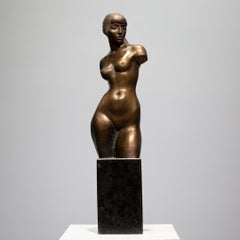
Classic female torso inspired by examples of high Greek sculpture. Sculptor explores the lines and shapes of the female body, embodied the diversity, slightly changed the poses. Thi...
Category

1980s Realist Sculptures

Materials

Stone, Bronze

Hyperreal Lemonade Yellow Glass Balloon Sculpture
Located in East Quogue, NY
Hyperreal lemonade yellow glass water balloon sculpture by Dylan Martinez. Dylan Martinez’s hyperrealistic water balloons are made of solid sculpted glass sandblasted and acid-etc...
Category

2010s Realist Sculptures

Materials

Glass, Blown Glass

Antique Horse Bronze Trotting Stallion Isidore Jules Bonheur (France, 1827-1901)
Located in SANTA FE, NM
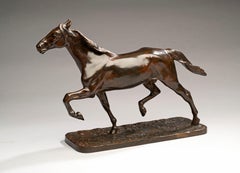
Antique Horse Bronze Portrait of a Trotting Stallion Isidore Jules Bonheur (France, 1827-1901) Cast bronze mounted on a rectangular plinth with dark brown patina, Signed: I. BONHEUR 17 x 11 3/4 A brilliant exploration of a stallion in full trot. The patina is a deep, warm walnut brown with honey-colored tones. Isidore Bonheur was best known and the most distinguished of the 19th century French animalier sculptors. Isidore, the younger brother of Rosa Bonheur and older brother of Auguste, began his studies of painting initially with his father, who was friends with Francisco Goya. By 1848 he debuted at the Paris Salon having discontinued animal and landscape painting to concentrate on creating sculptures and in 1849, Bonheur enrolled at the Ecole des Beaux Arts. He won medals at the Paris Salon in 1859 and did so again in 1865 and in 1869. After entering the Exposition Universelle 1855, he won the Gold Medal in 1889. In the 1870s exhibited in the London at the Royal Academy of Arts where he earned great prestige and won the coveted Medaille d’Or. After winning numerous other medals and prizes, Bonheur was awarded the Legion d' Honneur in 1895 and he was Knighted in Portugal, Spain and France. Bonheur continued exhibiting at the Paris Salon until 1899. Many of his bronzes were fabricated at the foundry owned by Hippolyte Peyrol, Bonheur's brother-in-law by marriage to Isidore’s youngest sister Juliette Bonheur. The Peyrol casts for both Rosa and Isidore are exceptionally well executed which suggests a strong working relationship between the founder and sculptor. There is little doubt that Isidore Bonheur was an acute observer of nature; his animals were not anthropomorphized but modelled to catch movement or posture characteristics of the particular species he was sculpting. He achieved this most successfully with his sculptures of horses which are usually depicted as relaxed rather than spirited. These figures are among his most renowned works and his equestrian models became very popular, particularly among the British aristocracy. An acute observer of nature, his sculptures reflect his commitment to the Realist school - with precise detailing of the movements of animals in their natural habitats. Ultimately, His naturalistic studies of animals are now some of the most highly sought after works by any of the animalier. He was possibly inspired by his many visits to the Buffalo Bill Wild West Show...
Category

1870s Realist Sculptures

Materials

Bronze

Pearfect in Pink
Located in Pasadena, CA
Provenance Acquired by the gallery directly from the artist Exhibitions Exhibited at the Los Angeles Art Show 2014, January 15-19, 2014
Category

Early 2000s Realist Sculptures

Materials

Marble

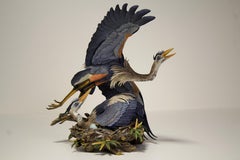
Hutschenreuther Porcelain Figurine "The Challenge" (Blue Heron)
Located in Detroit, MI
The Challenge (Blue Heron) by Gunther Granget Ltd Edition #42/200 for Hutschenreuther Porcelain in Germany. Hand painted in fired. Hutschenreuther is a historic German porcelain man...
Category

1970s Realist Sculptures

Materials

Porcelain

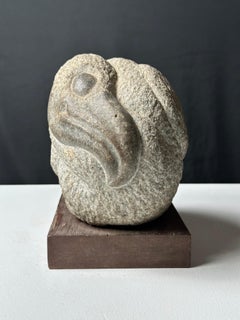
Dodo Bird
Located in Wilton Manors, FL
Mark Morrison (1895-1964) Dodo, ca. 1940 Carved granite 7.75" wide, 5" deep, height is 7" Provenance: Estate of Mrs. Mark Morrison. Born: Kingfisher, OK Education: Univers...
Category

Mid-20th Century Realist Sculptures

Materials

Granite

Dodo Bird
Dodo Bird
$1,600 Sale Price
60% Off
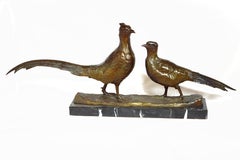
Else FÜRST (1873-1943), Fasane Foundry stamp of the Berlin foundry Kraas
Located in Berlin, DE
Else Fürst was a German sculptor and medalist who was murdered by the Nazis. Biographical data: Bronze signed Foundry stamp of the Berlin foundry Kraas. 25 x 73 cm Born: June 25,...
Category

1930s Realist Sculptures

Materials

Bronze

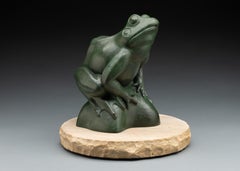
"Seated Frog Fountain" (2024) By Tony Hochstetler, Original Bronze Sculpture
Located in Denver, CO
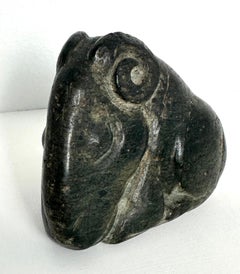
Tony Hochstetler's "Seated Frog Fountain" (2015) is an original handmade bronze sculpture that depicts a frog sitting on a rock. TONY HOCHSTETLER is a sculptor of unusual animals an...
Category

2010s Realist Sculptures

Materials

Bronze

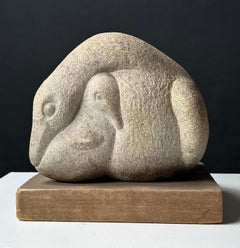
Gosling (Geese Sculpture)
Located in Wilton Manors, FL
Mark Morrison (1895-1964) Gosling , ca. 1960 New Hampshire granite 9.5" by 9 5/8", height is 8 7/8" Awards: Honorable Mention, Henry O. Avery Prize of 1958. Sculpture is sold wi...
Category

Mid-20th Century Realist Sculptures

Materials

Granite

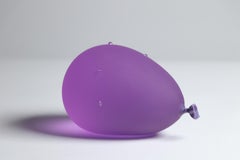
Hyperreal Dark Purple Glass Balloon Sculpture with Droplets
Located in East Quogue, NY
Dark purple hyperreal glass water balloon sculpture with glass droplets by Dylan Martinez. Dylan Martinez’s hyperrealistic water balloons are made of solid sculpted glass sandblas...
Category

2010s Realist Sculptures

Materials

Glass, Blown Glass

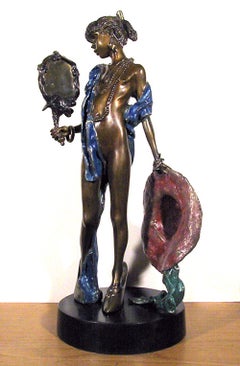
Girl holding a Mirror, Painted Bronze Sculpture by Richard Shiloh
Located in Long Island City, NY
Artist: Richard Shiloh, Polish/Israeli (1949 - ) Title: Girl holding a Mirror Year: Circa 1975 Medium: Bronze with Painted patina, signature inscribed ...
Category

1970s Realist Sculptures

Materials

Bronze

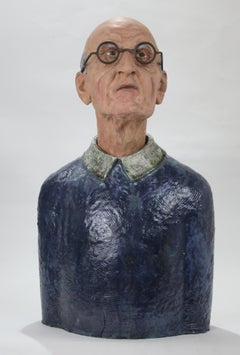
Expressive High Fire Glazed Ceramic Painted Old Man Bust and Forged Iron Glasses
Located in FISTERRA, ES
Expressive ceramic bust with high-fire glazes, oil-painted head and forged iron glasses exploring identity, learning and the aging body. This expressive ceramic bust belongs to Os A...
Category

2010s Realist Sculptures

Materials

Iron

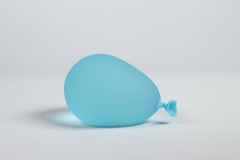
Hyperreal Light Blue Glass Balloon Sculpture
Located in East Quogue, NY
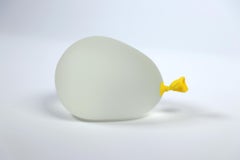
Light blue hyperreal glass water balloon sculpture by Dylan Martinez. These hyperrealistic water balloons are made of solid sculpted glass sandblasted and acid-etched to resemble r...
Category

2010s Realist Sculptures

Materials

Glass, Blown Glass

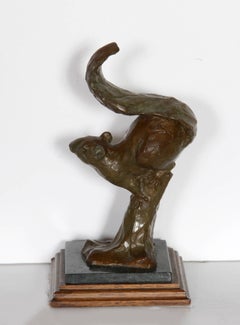
Squirrel II, Bronze Sculpture by T. Galbreath
By T. Galbreath
Located in Long Island City, NY
Artist: T. Galbreath Title: Squirrel I Year: 1997 Medium: Bronze Sculpture, Signature and number inscribed Edition: 71/100 Size: 7 in. x 3 in. x 3 in. (17.78 cm x 7.62 cm x 7.62 cm)
Category

1990s Realist Sculptures

Materials

Bronze

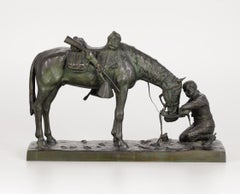
" THE LAST DROP " Charles Schreyvogel (1861-1912) BRONZE SCULPTURE 1903 WESTERN
Located in San Antonio, TX
Charles Schreyvogel (1861-1912) New York / New Jersey Artist Image Size: 12" x 18.50" x 5" Medium: Bronze Sculpture 1903 "The Last Drop" Charles Schreyvogel (1861-1912) New York / Ne...
Category

Early 1900s Realist Sculptures

Materials

Bronze

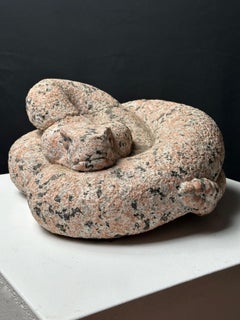
Rattlesnake
Located in Wilton Manors, FL
Mark Morrison (1895-1964) Rattlesnake , ca. 1950 Carved pink Texas granite 13.5" wide, 13" deep, height is 7" Repair and conservation to uppermost part of snake's body. Provena...
Category

Mid-20th Century Realist Sculptures

Materials

Granite

Rattlesnake
Rattlesnake
$3,000 Sale Price
70% Off
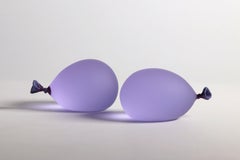
Pair of Hyperreal Purple Glass Balloon Sculptures
Located in East Quogue, NY
Pair of Hyperreal purple glass water balloon sculptures by Dylan Martinez. Dylan Martinez’s hyperrealistic water balloons are made of solid sculpted glass sandblasted and acid-etched to resemble real water balloons. The sculptures are made in small batches, and each color is hand-mixed. Each piece is unique and is signed on the base by the artist. Material: Hot sculpted, sandblasted, acid-etched solid glass Approx. Size: 3 1/2 × 3 1/2 × 4 1/2 inches (each) hyperrealism, glass sculpture, glass balloon...
Category

2010s Realist Sculptures

Materials

Glass, Blown Glass

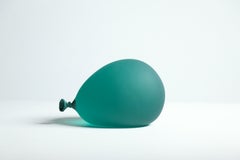
Hyperreal Forest Green Glass Balloon Sculpture
Located in East Quogue, NY
Dark forest green glass water balloon sculpture by Dylan Martinez. 100% hot sculpted glass. Dylan Martinez’s hyperrealistic water balloons are made of solid sculpted glass sandblas...
Category

2010s Realist Sculptures

Materials

Glass, Blown Glass

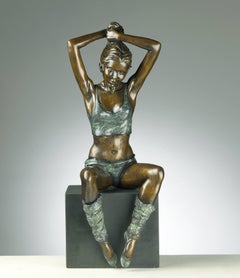
20th Century Solid Bronze Nude Ballet Dancer Preparation by Benson Landes
Located in Shrewsbury, Shropshire
'Preparation' is a 20th Century Solid Bronze ballet Dancer by Benson Landes. For Benson Landes, sculpture was most definitely a passion. His oeuvre of cast bronzes is populated wit...
Category

Late 20th Century Realist Sculptures

Materials

Bronze

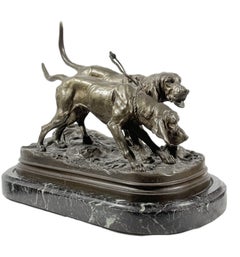
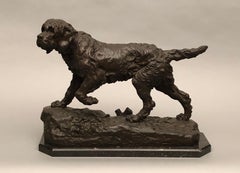
Alfred Dubucand (1828-1894): Two hunting dogs
Located in Berlin, DE
Dubucand Alfred 1828-1894 Two Hunting Dogs, Bronze on a Marble Base The Bronze with the monogram 'E.V.' and the number '2958' Two Hunting Dogs, Group Signed Alfred Dubucand, Fren...
Category

Late 19th Century Realist Sculptures

Materials

Bronze

Unique iron wrought Magnolia tree - big size monumental outdoor indoor sculpture
Located in Milan, IT
Majestic Wrought Iron Magnolia Tree Sculpture by Zanoni - Unique Handcrafted Masterpiece Description: A breathtaking fusion of art, symbolism, and masterful Italian craftsmanship, this one-of-a-kind monumental magnolia tree sculpture is a tribute to nature's enduring grace. Created by the celebrated Italian artist Zanoni, known for his exceptional work in wrought iron, this piece stands as a singular work of art, both sculptural and soulful. Forged entirely by hand, each petal and leaf of the magnolia is shaped with remarkable detail, imbuing the iron with an organic softness that belies its strength. Towering in presence yet delicate in expression, this magnolia tree becomes not just a decorative element but a powerful symbol in any space. In the language of flowers, the magnolia represents candour, fidelity, purity, perseverance, and dignity-qualities beautifully embodied in this sculpture. Its timeless message, coupled with its commanding form, makes it ideal for grand interiors, gardens, cultural spaces, or luxury hospitality environments seeking a poetic and bold statement. Details: Artist: Zanoni Origin: Italy Material: Hand-forged wrought iron Dimensions: Monumental scale (exact measurements upon request) Unique Piece: One-of-a-kind, signed by the artist Symbolism: Magnolia - candour, fidelity, purity, perseverance, and dignity Finish: Weather-resistant patina for outdoor placement (optional custom finishes available) Placement: Suitable for both indoor and outdoor settings Style: Sculptural, botanical, timeless elegance Despite its size, the work is easily transportable thanks to an ingenious system developed over decades by the artists. The branches can be dismantled and reassembled very easily (please see the video). This piece is more than a sculpture-it's a living legacy in iron, carrying both the strength of the material and the poetry of nature. For collectors and admirers of extraordinary craftsmanship, the Zanoni Magnolia is a rare and meaningful acquisition. Flowers and turtles are not included in the price. Zanoni's biography Based in Caldes (Trentino, Italy), Zanoni is heir to a family tradition of blacksmithing passed down from his father, Luciano Zanoni, who famously forged a monumental four-meter olive tree sculpture...
Category

2010s Realist Sculptures

Materials

Iron

Venus Bronze Sculpture, Realist Style, Vintage, 1980s
Located in Zofingen, AG
In this work, the author turned to classical mythology and created the image of the goddess Venus. Goddesses of youth, beauty and love. He created the classical female torso on a marble basement. Кeferring to the classical works of antiquity, the sculptor created his own version of the Venus statue...
Category

1980s Realist Sculptures

Materials

Bronze

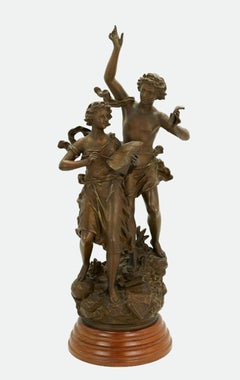
Allegory of Progress / - The Driving Force of Inspiration -
Located in Berlin, DE
Ernest Rancoulet (1842-1918), Allegory of Progress, around 1890. Bronze-plated metal cast with cast terrain plinth mounted on a wooden base (6 cm high). 64.5 cm (total height) x 28 c...
Category

1890s Realist Sculptures

Materials

Metal

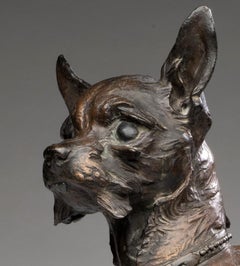
Rare, Antique, Life-Size Dog Bronze of a Chihuahua "Lydie" Charles Valton. 1890s
Located in SANTA FE, NM
Antique Bronze Dog Sculpture Chihuahua "La Petite Belle Lydie" Charles Valton (French, 1851-1918) Circa 15 1/2 x 10 1/4 x 7 Lydie is a Chihuahua making her a very rare image from ...
Category

Late 19th Century Realist Sculptures

Materials

Bronze

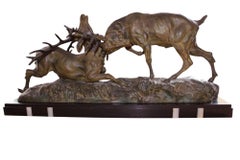
Deer battle
By Thomas Francois-Cartier
Located in Riga, LV
Deer battle France, bronze, marble, h 29.5 x 66.5 x 18 cm base size 64x20 cm
Category

1940s Realist Sculptures

Materials

Marble, Bronze

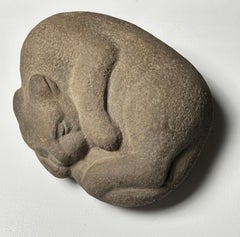
Sleeping Bobcat
Located in Wilton Manors, FL
Mark Morrison (1895-1964) Sleeping Bobcat, 1943. Carved stone 9.5" by 8", height is 4.25" Signed and dated 1943. Provenance: Estate of Mrs. Mark Morrison. Born: Kingfisher,...
Category

Mid-20th Century Realist Sculptures

Materials

Stone

Sleeping Bobcat
Sleeping Bobcat
$3,900 Sale Price
35% Off
VALTON Charles. The Griffin Marco. Patinated bronze. Marble base. Signed.
Located in Paris, FR
The Griffin Marco. Patinated bronze. Marble base. Signed and titled. Charles Valton was a French sculptor known for his works created in the animalier style, a 19th-century movement ...
Category

Late 19th Century Realist Sculptures

Materials

Bronze

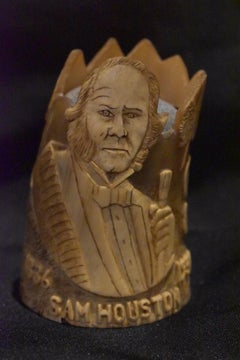
"SAM HOUSTON" HORN CARVING 1936 TEXAS CENTENNIAL AMAZING WORK
Located in San Antonio, TX
Dan Super "SAM HOUSTON" (1873-1953) Houston Artist Image Size: 3 3/4 inches tall Medium: Carved Horn of Sam Houston to celebrate the Texas Centennial. Texas Centennial 1936 "Sam Houston Pin Cushion Holder" Biography Dan Super (1873-1953) Dan E. Super, Jr. (1873 – 1953) Dan Super had the eye of a sculptor, envisioning and then creating hundreds of objects from the elongated form of a Texas Longhorn’s tusk. At the age of six, Dan Super carved his first drawing into a piece of the horn of a Texas Longhorn. Over the next 56 years, he made utilitarian pieces like pencil cups, pin cushions, and backscratchers, realistic replicas of animals and birds, and imaginative carvings of elegant nudes. While these carvings resemble the traditional art of scrimshaw, carvings from whale bone, we’ve not been able to identify another carver who used the Texas Longhorn as his material. “My work is done with an ordinary pocketknife, hacksaw file and rasp,” Super wrote in 1937. He used the horn in every way conceivable; whole, allowing the shape to define the object he was making, flattened to make mosaic or inlay work. He incised and pierced it and carved in the round. His own hands polished the horn to a sheen. Daniel Super, Jr. was born in Houston on August 22, 1873. His father owned stock years, D. Super and Brothers Co., providing the young Super with ready access to his raw material. Throughout his life, he worked in the businesses key to the identity and success of young, booming Houston, cattle, oil, real estate and rail. In 1896 he married Lula, and took over the family business, expanding it to include a grocery. He closed the company in 1912 and got into the oil business...
Category

1930s Realist Sculptures

Materials

Other Medium

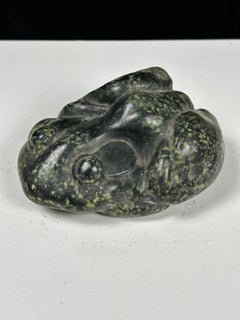
Green Frog
Located in Wilton Manors, FL
Mark Morrison (1895-1964) Green Frog, ca. 1940 Carved green soapstone 6.5" wide, 5" deep, height is 3.25" Provenance: Estate of Mrs. Mark Morrison. Born: Kingfisher, OK Educ...
Category

Mid-20th Century Realist Sculptures

Materials

Stone

Green Frog
Green Frog
$1,750 Sale Price
30% Off
Morning
Located in Zofingen, AG
The author admires the beauty of the female body. Her movement - smooth, graceful and beautiful. The moment of awakening is very sensual. The girl stretches, revealing the beauty of her young body. Realistic manner shows her original beauty. Sculpture shapes create a play of light and shadow, curves, polished and brushed metal. The work is made of bronze- polish and patina. This sculpture was created in the early period of Alex Radionov...
Category

1990s Realist Sculptures

Materials

Bronze

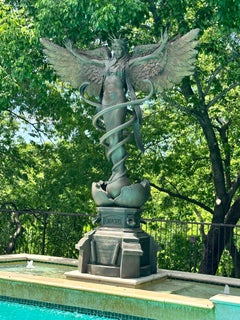
"Caduceus", James Muir, Monumental Bronze Fountain Sculpture Allegory, Medical
Located in Dallas, TX
"Caduceus", recognized as a universal medical symbol, in this bronze representation by James N. Muir has become an Angel of Healing bringing love and peace to the earth and all of it...
Category

Early 2000s Realist Sculptures

Materials

Bronze

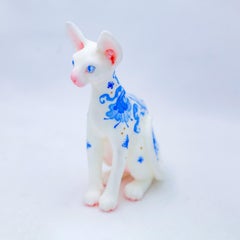
"Porcelain Pattern Sphynx 2" - Hand-Painted Resin Cat Sculpture, 2024
Located in Denver, CO
Nana Williams’ "Porcelain Pattern Sphynx 2" is a captivating resin sculpture that merges delicate craftsmanship with intricate surface decoration. This 2024 original work is a resin cast, hand-painted with acrylic gouache, standing at 5.50 x 2 x 3.50 inches (13.97 x 5.08 x 8.89 cm). Inspired by the elegance of fine porcelain, the piece mimics the timeless beauty of blue-and-white ceramic motifs...
Category

2010s Realist Sculptures

Materials

Resin, Acrylic, Gouache

Hyperreal Bright Yellow Glass Balloon Sculpture
Located in East Quogue, NY
Hyperreal bright yellow glass water balloon sculpture by Dylan Martinez. Dylan Martinez’s hyperrealistic water balloons are made of solid sculpted glass sandblasted and acid-etche...
Category

2010s Realist Sculptures

Materials

Glass, Blown Glass

Dancer, bronze, 40x46x12 cm
Located in Riga, LV
Ferdinand Preiss(1882-1943)
Category

Early 19th Century Realist Sculptures

Materials

Marble, Bronze

Marathon
Located in Dallas, TX
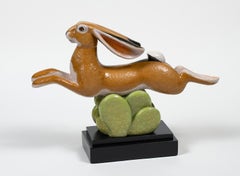
"Marathon" by artist David Everett is polychromed mahogany, and measures 17 1/4 x 23 1/2 x 6 1/2 inches. It is signed "© D EVERETT 2023". A jackrabbit and cactus are depicted. David...
Category

2010s Realist Sculptures

Materials

Mahogany, Paint

Ballerina on a Cube Sculpture, Bronze and Stone, Realist, 1990s
Located in Zofingen, AG
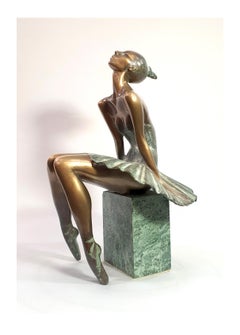
"Classical ballet was my main source of inspiration. Grace and beauty of ballerinas combining with extremely hard work they do. This combination is shocking and inspiring in the same...
Category

1990s Realist Sculptures

Materials

Stone, Bronze

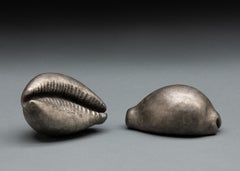
"Cowrie Shell" (2024) By Tony Hochstetler, Original Bronze Sculpture
Located in Denver, CO
Tony Hochstetler's "Cowrie Shell" (2015) is an original handmade bronze sculpture that depicts the shell of a cowrie. TONY HOCHSTETLER is a sculptor of unusual animals and botanical...
Category

2010s Realist Sculptures

Materials

Bronze

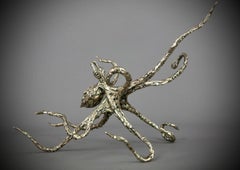
Octopus-original bronze marine sculpture- contemporary art - figurative artwork
Located in London, Chelsea
We offer complimentary worldwide shipping and cover all tariffs and import taxes for this artwork. This exceptional artwork is currently on display and available for sale at Signet C...
Category

21st Century and Contemporary Realist Sculptures

Materials

Bronze

Deer, Large Patinated Bronze Sculpture
Located in Long Island City, NY
This bronze sculpture of a deer is a realistic rendering of the majestic animal. Deer have been the center of literature and art for many cultures across the world. They have also ...
Category

20th Century Realist Sculptures

Materials

Bronze

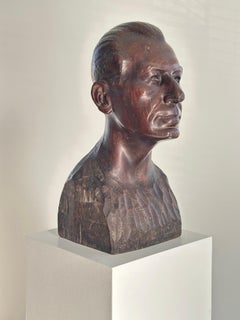
Portrait of a Man
Located in Wilton Manors, FL
Francisco Vazquez Diaz, known as Compostela (1898-1988). Portrait of a Man, 1949. Carved mahogany, measuring 18.75 inches h, 8.5 inches w, 11 in...
Category

Mid-20th Century Realist Sculptures

Materials

Mahogany

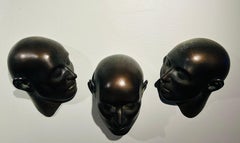
"Faces (1/1)" (2023), Bronze Wall Installation by Bill Starke
Located in Denver, CO
"Faces" is a single edition bronze wall sculpture created by Bill Starke, depicting three finely carved human heads from differing perspectives. "Faces" is a single edition install...
Category

2010s Realist Sculptures

Materials

Bronze

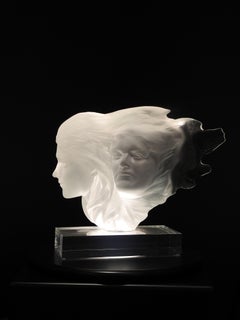
"Herself", Frederick Hart, Acrylic Female Sculpture, 17x16x6 in., 176/350, white
Located in Dallas, TX
"Herself" by Frederick Hart is an acrylic figurative sculpture of a woman's face numbered 176/350. Hart began to equate light and spirit, the medium itself conveying the meaning, bey...
Category

1980s Realist Sculptures

Materials

Resin, Acrylic Polymer

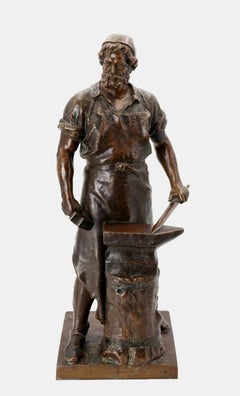
The Blacksmith of Solingen / - The Double-edged Sword -
Located in Berlin, DE
Wilhelm Albermann (1835 Werden an der Ruhr - 1913 Cologne), The Blacksmith of Solingen, after 1895. Bronze-color patinated zinc cast on plinth, 47 cm (height) x 20 cm (width) x 16 cm (depth), weight 5.5 kg. Signed “Albermann.” on the plinth and identified as a cast by “AKT.[TIEN] GES.[ELLSCHAFT] GLADENBECK BERLIN”. Dedication on the front: “Mr. Ing. F. Kuhlmann to the wedding. Management and officials of the Hannoversche Waggonfabrik. Aircraft construction department". - The zinc showing through in spots, the patina somewhat stained, the right upper arm under the sleeve retouched in black. - The Double-edged Sword - The figure is a reduction of Wilhelm Albermann's 1895 fountain figure of the armourer of Solingen, who has always been identified with the historical blacksmith Peter Hahn. In 1839, Karl Simrock wrote the poem “The Blacksmith of Solingen" and thus coined the legendary figure. The first and penultimate verses read: A blacksmith spoke to Solingen With every bayonet, That came to his diligence: "Oh, that Fritz had it!" The war took its course, Many battles were fought, Which often made him fearful and anxious In his soul. The blacksmith had given up his trade to fight for Frederick the Great. Not least because of his strength and will to fight, the battles were won. With his fountain sculpture, Albermann has given the legendary blacksmith a figurative form and at the same time created a landmark for the city of Solingen, which was once famous for the art of sword forging and today still stands for the production of high-quality knives. During the bombing raid in November 1944, the fountain was destroyed along with the entire old town of Solingen. Only the head remained. The broad-shouldered blacksmith stands securely behind his anvil, his leather apron tied around him, and has just finished a sword blade with his own "weapon" - the blacksmith's hammer. His entire body shows the strength with which he wields the hammer, but also the strain of this activity, as evidenced by the wide open shirt, the somewhat 'untidy' apron, and especially the furrowed face. However, the blacksmith does not look at the finished work, but resolutely and at the same time thoughtfully into the distance, in line with the quoted verse from Simrock's poem that the battles "often made him fearful and anxious in his soul". There is certainly something melancholy in his gaze, fed by the knowledge of the necessity of forging swords and taking up arms and their deadly use - experiences Albermann had to make during his own war missions. The flowing full beard gives his gaze into the distance an almost prophetic character. In keeping with the craft of the perfectly formed art of blacksmithing, the detailed casting reproduces the respective materials depicted in perfect form: the leather apron convincingly conveys the impression of leather and lies - also in the back view - like a second formed layer over the body, while the shirt and trousers illustrate their own textile qualities. Due to its masterful execution and profound content, the “Blacksmith of Solingen”, which has survived in its cast reproductions, remains Albermann's most famous work to this day. About the artist The son of a carpenter, Wilhelm Albermann began an apprenticeship as a joiner, but then followed his artistic calling and trained as a sculptor in Elberfeld. In 1855, at the age of twenty, he was drafted into the army in Berlin, where he served until 1857. Albermann attended the Berlin Art Academy on the side and began regular studies after his service. While still a student, he completed commissioned works for his teachers August Fischer and Hugo Hagen. His first independent commissions followed, enabling him to establish a flourishing sculpture studio in Cologne in 1865. His artistic activities were repeatedly interrupted by military service, and he took part in the German-Danish War in 1864, the war against Austria in 1866, and the Franco-Prussian War in 1870/71. After his last war service, Albermann, already a respected artist, founded a commercial drawing school at the request of the city government, where he taught the modeling class and served as director until 1896. In 1890 he also worked for the "Society for the Promotion of Sculpture in the Rhineland and Westphalia". Albermann was one of the most prolific sculptors in Cologne in the second half of the 19th century. He created numerous monuments, fountains, tomb sculptures, architectural ornaments, and domestic statues. At its peak, his workshop employed up to thirty sculptors and stonemasons at a time. GERMAN VERSION Wilhelm Albermann (1835 Werden an der Ruhr - 1913 Köln), Der Schmied von Solingen, nach 1895. Bronzefarben patinierter Zinkguss auf gegossener Plinthe, 47 cm (Höhe) x 20 cm (Breite) x 16 cm (Tiefe), Gewicht 5,5 kg. Auf der Plinthe mit „Albermann.“ signiert und als Guss der „AKT.[TIEN] GES.[ELLSCHAFT] GLADENBECK BERLIN“ ausgewiesen. Schauseitige Widmung: „Herrn Ing. F. Kuhlmann zur Vermählung. Direktion und Beamte der Hannoverschen Waggonfabrik. Abt. Flugzeugbau“. - Punktuelles Durchscheinen des Zinks, Patina etwas fleckig, der rechte Oberarm unter dem Ärmel schwarz retuschiert. - Die Zweischneidigkeit des Schwertes - Die Figur ist eine Reduktion von Wilhelm Albermanns 1895 geschaffener Brunnenfigur des Waffenschmieds von Solingen, der seit jeher mit dem historischen Schmied Peter Hahn identifiziert wurde. 1839 hatte Karl Simrock das Gedicht „Der Schmied von Solingen“ verfasst und damit die legendäre Figur geprägt. Die erste und die vorletzte Strophe lauten: Zu Solingen sprach ein Schmied Bei jedem Bajonette, Das seinem Fleiß geriet: »Ach, daß der Fritz es hätte!« Der Krieg ging seinen Gang, Man schlug noch viele Schlachten, Die oft ihm angst und bang' In seiner Seele machten. Der Schmied hatte sein Handwerk ruhen lassen, um selbst für Friedrich den Großen zu kämpfen. Nicht zuletzt durch seine Kraft und seinen Kampfeswillen verliefen die Schlachten siegreich. Dem legendären Schmied verlieht Albermann mit seiner Brunnenskulptur eine bildliche Gestalt und schuf damit zugleich ein Wahrzeichen der Stadt Solingen, die einst für die Kunst des Schwerterschmiedens berühmt war und bis heute für die Herstellung qualitätvoller Messer einsteht. Beim Bombenangriff im November 1944 wurde mit der gesamten Solinger Altstadt auch der Brunnen zerstört. Einzig der Kopf blieb erhalten. Mit sicherem Stand und umgebundener Lederschürze steht der breitschultrige Schmied hinter seinem Amboss und hat gerade mit seiner eigenen ‚Waffe‘ – dem Schmiedehammer – eine Schwertklinge fertiggestellt. Seinem gesamten Körper ist die Kraft abzulesen, mit der er den Hammer führt, aber auch die Anstrengung dieser Tätigkeit, wovon das weit geöffnete Hemd, die etwas ‚unordentlich‘ arrangierte Schürze und vor allem das zerfurchte Gesicht zeugen. Der Schmied schaut aber nicht auf das vollendete Werk, sondern entschlossen und zugleich sinnierend in die Ferne, entsprechend der zitierten Zeile von Simrocks Gedicht, dass die Schlachten „oft ihm angst und bang‘ in seiner Seele machten“. Der Blick hat durchaus etwas Melancholisches, dass sich aus dem Wissen um die Notwendigkeit, Schwerter zu schmieden und zu den Waffen zu greifen und deren tödlichem Einsatz speist – Erfahrungen, die Albermann bei seinen eigenen Kriegseinsätze machen musste. Der wallende Vollbart verleiht dem in die Ferne schauenden Blick einen beinahe prophetischen Charakter. Dem Handwerk der formvollendenden Schmiedekunst entsprechend, gibt der detaillierte Guss die jeweils dargestellten Materialien in vollendeter Ausformung wieder: Die Lederschürze vermittelt überzeugend den Eindruck des Leders und liegt – auch in der Rückenansicht – wie eine zweite ausgeformte Schicht über dem Körper, während das Hemd und die Hose...
Category

1890s Realist Sculptures

Materials

Metal

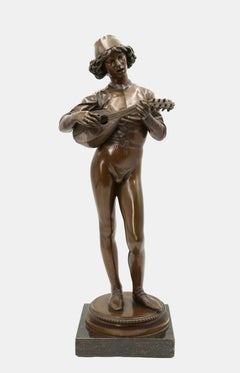
Florentine singer / - The Renaissance of the Renaissance -
By Paul Dubois
Located in Berlin, DE
Paul Dubois (1829 Nogent-sur-Seine - 1905 Paris), Florentine singer, 1865. Light brown patinated bronze with cast round plinth mounted on a square marble base (3.5 cm high). Total height 53 cm. Bronze dimensions: 49.5 cm (height) x 20 cm (length) x 10 cm (width), weight 5.6 kg. Inscribed on the plinth "P.[aul] DUBOIS", dated "1865", with the foundry's mark "F. BARBEDIENNE FONDEUR" and the signet "REDUCTION MECANIQUE A. COLLAS". - Patina very occasionally darkened, lute with loss of one tuning peg, otherwise in excellent condition. - The renaissance of the Renaissance - The bronze is a precisely executed and masterfully cast contemporary reduction of Paul Dubois 155 cm tall masterpiece "Florentine Singer", which is exhibited in the Musée d'Orsay and for which the artist was awarded the Medal of Honor at the Paris Salon in 1865. The work acted as a beacon, and was followed by a plethora of depictions of juveniles. Inspired by Donatello and Luca della Robbia, but also by painters such as Piero della Francesca, Benozzo Gozzoli, and Pinturicchio, the "Florentine Singer" is not an epigonal work that pays homage to a vanished era, but a successful attempt to draw vitality from the art of the past and thus give it new life. The effect of vitality is the core of Italian Renaissance art theory. In order to fulfill itself as art, art had to appear like nature. This naturalism also characterizes the "Florentine Singer". The young man appears to have been taken from life, which is reinforced by the momentary nature of his action. He has just struck a now fading chord. In addition, the natural appearance is enhanced by the detailed shaping of the figurative details, such as the laces with the slightly curved leather of the shoes, the belt buckle, or the ornamentation on the body of the lute. Even the fingernails are clearly defined. Unlike the Renaissance, however, the effect of liveliness here is not based on the "discovery" of nature and the human body, but primarily on the rediscovery of the art of the Quattrocento. The liveliness of the artwork is therefore at the same time a revitalization of this art, so that we can speak of a Renaissance of the Renaissance, just as the Pre-Raphaelites in England at the same time transferred the Quattrocento to contemporary art. Dubois takes on the most difficult of all subjects, the depiction of singing through silent sculpture. He was preceded in this by Luca della Robbia and Donatello with their pulpits of singers created in the 1430s in the Museo dell'Opera del Duomo in Florence. Compared to these works, the physiognomy of Dubois singer is far less animated, yet he also depicts singing in a convincing manner. He uses the whole body. He takes the ancient contrapposto, which was essential to Renaissance sculpture, and transforms the standing leg-playing posture into a late medieval S-swing, giving the body an elegant beauty and at the same time setting it in melodic motion. In the equally elegant finger position, the music is expressed in a much more literal way with the beating of the lute. Finally, the musicality of the sculpture culminates in the face with the mouth open to sing. Through the act of singing, which is a great challenge to the artistic will to depict perfect beauty, the gracefulness of the classical face is not diminished, but enhanced. Starting from the face with the singing mouth and the gaze absorbed by the sounds, the inner vitality spreads, giving the bronze sculpture an intense aura, enhanced by the music. Dubois transfers the beauty of the Renaissance to the musical, sublimating the visible sculpture to the invisible of music. He took up the challenge of transcending the Renaissance with the Renaissance, thus responding to the Querelle des Anciens et des Modernes, which arose at the end of the 17th century around the French Academy and remained virulent into the 19th century, in which antiquity was regarded either as an unattainable ideal or as a standard to be surpassed. With his work, Dubois proved that the Renaissance, which had championed the art of the ancients, could lead to a new renaissance of art. About the artist Paul Dubois' great-uncle was the famous French Baroque sculptor Jean-Baptiste Pigalle, in whose footsteps the talented great-nephew followed. When he debuted at the Paris Salon in 1858, he signed his work "Dubois-Pigalle". At his father's request, however, he first studied law before devoting himself to sculpture under the tutelage of François Christophe Armand Toussaint in 1856 and entering the École des Beaux-Arts in 1858. From 1859 to 1863, he lived in Rome and traveled to Naples and Florence. Inspired by Florentine art of the quattrocento, Dubois initiated a school-forming neo-Florentine style that combined the elegantly simple forms of youthful grace with a precise wealth of detail.Two purchases by the French state (“envois de Rome”) were made during his stay in Rome, which brought him recognition in Paris. After his return there, he quickly became an internationally sought-after artist. Dubois was also active as a creator of monuments. His most famous work is the equestrian statue of Joan of Arc (1896) on the forecourt of Reims Cathedral. He was also a sought-after portraitist who produced around 50 busts and - Dubois was also a passionate painter - around 100 portraits in oil. From 1873 to 1878 he was curator of the Museum du Luxembourg, in 1876 he became a member of the Institut de France and from 1878 to 1905 he was director of the École des Beaux-Arts. In 1865, Dubois was awarded the Paris Salon Medal of Honor for his “Florentine Singer”. In 1867 he became Chevalier, in 1874 Officier, in 1886 Commandeur of the Légion d'honneur, which awarded Dubois the Grande Croix in 1896. Selected Bibliography Stole, Elmar: Paul Dubois. In: Saur. Allgemeines Künstlerlexikon, vol. 30, Munich - Leipzig 2001, pp. 677-678. GERMAN VERSION Paul Dubois (1829 Nogent-sur-Seine - 1905 Paris), Florentinischer Sänger, 1865. Hellbraun patinierte Bronze mit gegossener runder Plinthe auf quadratischem Marmorsockel montiert (3,5 cm Höhe). Gesamthöhe 53 cm. Maße der Bronze: 49,5 cm (Höhe) x 20 cm (Länge) x 10 cm (Breite), Gewicht 5,6 kg. Auf der Plinthe mit „P.[aul] DUBOIS“ bezeichnet, auf „1865“ datiert, mit dem Gießereistempel „F. BARBEDIENNE FONDEUR“ und dem Signet „REDUCTION MECANIQUE A. COLLAS“ versehen. - Patina sehr vereinzelt nachgedunkelt, Laute mit Verlust eines Stimmwirbels, ansonsten ausgezeichnet erhalten. - Die Renaissance...
Category

1860s Realist Sculptures

Materials

Bronze

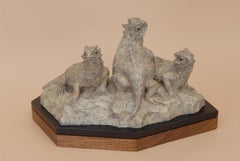
Bit of Sun
Located in Colorado Springs, CO
Bronze sculpture engraved with the Artist's signature and edition number. 25/45
Category

21st Century and Contemporary Realist Sculptures

Materials

Bronze

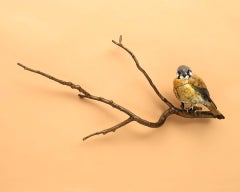
Kestrel
Located in Colorado Springs, CO
Artist has inscribed their signature and edition number into the bronze base of the piece. 4/35
Category

21st Century and Contemporary Realist Sculptures

Materials

Bronze

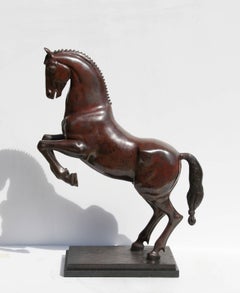
Horse
By Aga Ousseinov
Located in Long Island City, NY
This bronze sculpture, from 1996, is a powerful rendering of a horse rearing. It is not uncommon to see stallions rearing; it is a tactic that can be used to dislodge a predator, to...
Category

1990s Realist Sculptures

Materials

Bronze

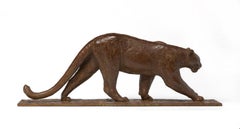
Walking Leopard
Located in Pasadena, CA
Acquired by the gallery directly from the artist Artist Statement “By exploring the forms in this piece, and given the simplicity of the gesture, I can directly address the concept ...
Category

2010s Realist Sculptures

Materials

Bronze

[Bruce Sargeant (1898-1938)] Statue of an Athlete
Located in New York, NY
This artwork is offered by ClampArt, located in New York City. “Bruce Sargeant is a mythic figure in the modern art movement. He embodies a world that is in many ways lost to us; he...
Category

21st Century and Contemporary Realist Sculptures

Materials

Bronze

Golf Bug
Located in Colorado Springs, CO
Original bronze sculpture by Andrea Wilkinson. Edition #6/30. Signed on bronze sculpture
Category

21st Century and Contemporary Realist Sculptures

Materials

Bronze

The Victorious David / - The melancholy of the radiant hero -
Located in Berlin, DE
Henri Honoré Plé (1853 Paris - 1922 Paris), The Victorious David, around1890. Red-brown and brown patinated bronze with terrain plinth mounted on a round base. 42 cm (total height) x...
Category

1890s Realist Sculptures

Materials

Bronze

Girl at Waterfall Bronze Sculpture, Realist Style, Vintage, 1980s
Located in Zofingen, AG
"This is one of my earliest sculptures. I depicted a naked girl at the waterfall. She bathes under jets of water. The fabric of clothing hugs her body and lies down to her feet. The ...
Category

1980s Realist Sculptures

Materials

Bronze

Zebra Shark -original modern bronze wildlife marine sculpture - contemporary Art
Located in London, Chelsea
We offer complimentary worldwide shipping and cover all tariffs and import taxes for this artwork. This exceptional artwork is currently on display and available for sale at Signet C...
Category

21st Century and Contemporary Realist Sculptures

Materials

Bronze

Realist sculptures for sale on 1stDibs.

Find a wide variety of authentic Realist sculptures available for sale on 1stDibs. Works in this style were very popular during the 21st Century and Contemporary, but contemporary artists have continued to produce works inspired by this movement. If you’re looking to add sculptures created in this style to introduce contrast in an otherwise neutral space in your home, the works available on 1stDibs include elements of blue, orange, pink and other colors. Many Pop art paintings were created by popular artists on 1stDibs, including Frederick Hart, Gary Alsum, SOPHIE MARTIN, and Peter Brooke. Frequently made by artists working with Metal, and Bronze and other materials, all of these pieces for sale are unique and have attracted attention over the years. Not every interior allows for large Realist sculptures, so small editions measuring 1 inches across are also available. Prices for sculptures made by famous or emerging artists can differ depending on medium, time period and other attributes. On 1stDibs, the price for these items starts at $550 and tops out at $935,000, while the average work sells for $7,200.