10 X 14 Heriz
Early 20th Century Persian Serapi Persian Rugs
Wool
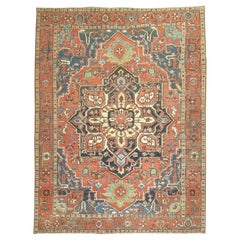

20th Century Persian Heriz Serapi Persian Rugs
Wool
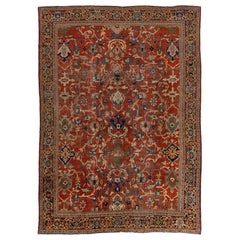
Antique 19th Century Persian Heriz Serapi Persian Rugs
Wool
Recent Sales
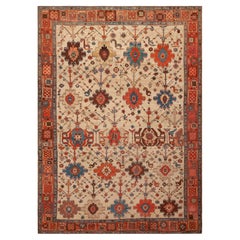
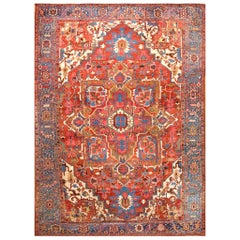
Antique Early 1900s Persian Heriz Serapi Persian Rugs
Wool
People Also Browsed
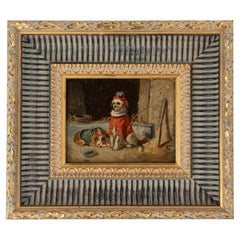
Antique Early 1900s Belgian Other Paintings
Wood, Paint
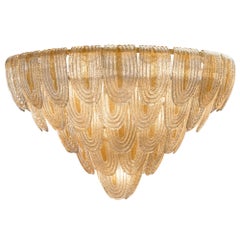
2010s Italian Art Deco Chandeliers and Pendants
Murano Glass
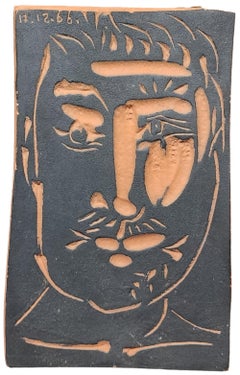
Mid-20th Century More Art
Ceramic
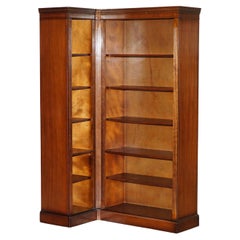
20th Century English Victorian Bookcases
Hardwood
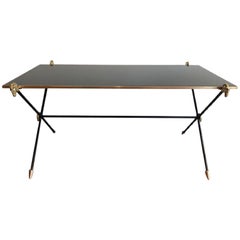
20th Century French Neoclassical Coffee and Cocktail Tables
Metal, Brass
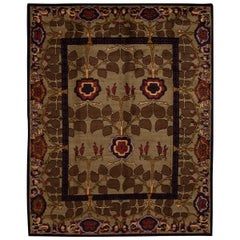
21st Century and Contemporary Persian Persian Rugs
Wool
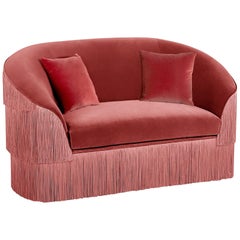
21st Century and Contemporary Portuguese Modern Sofas
Velvet, Wood, Silk, Trimming
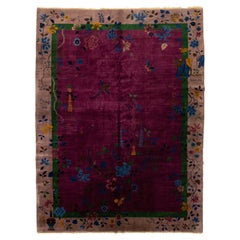
Early 20th Century Chinese Art Deco Chinese and East Asian Rugs
Wool
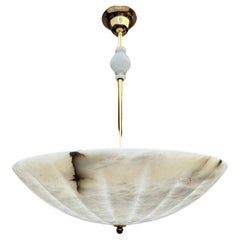
20th Century European Art Deco Chandeliers and Pendants
Alabaster, Metal, Brass
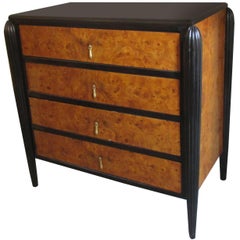
Vintage 1930s French Art Deco Commodes and Chests of Drawers
Ebony, Amboyna
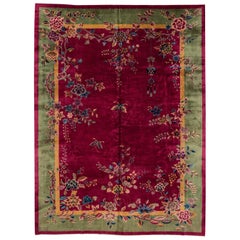
Vintage 1920s Chinese Chinese Export Chinese and East Asian Rugs
Wool
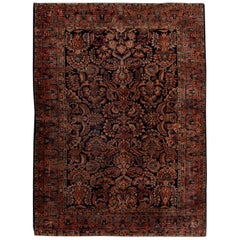
Early 20th Century Persian Sarouk Farahan Persian Rugs
Wool
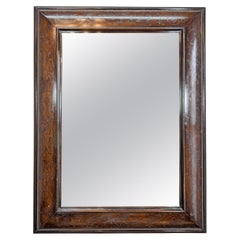
Antique 1720s English William and Mary Wall Mirrors
Canvas, Wood
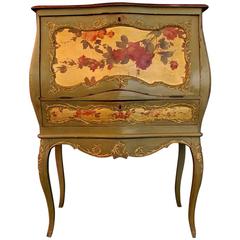
Antique 1880s French Desks
Wood
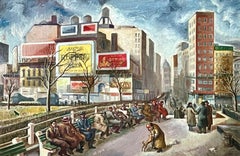
1940s American Realist Figurative Paintings
Canvas, Oil
Antique Late 18th Century Asian Oushak Indian Rugs
Wool
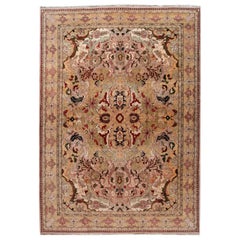
10 X 14 Heriz For Sale on 1stDibs
How Much is a 10 X 14 Heriz?
Finding the Right Persian-rugs for You
Make a bold statement in a living room or bedroom by incorporating vintage Persian rugs in your home decor.
A Persian carpet lends an aura of prestige to any room, even today. The fascination with Persian rugs dates at least as far back as the 4th century B.C., when historian Xenophon referred to the “soft rugs on which the Persians sit.” For centuries, Iran (modern-day Persia) has been known for the craftsmanship, intricate patterns and artistry of its carpets, which have found their way into households and museums around the world.
Although they have many imitators, real Persian rugs are made only in Iran and are easily recognized by their vibrant colors and elegant patterns.
Traditional, or antique, Persian rugs are what most people identify as “authentic.” Hand-made, they are very durable and, if properly cared for, can be passed down from generation to generation. Modern Persians, on the other hand, are often machine-made. Today’s carpets, Iranian or otherwise, can’t possibly match the level of craftsmanship that prevailed centuries ago, so historical Persian carpets will always be admired and highly valued.
Although the machine-aided production process is much faster and cheaper, the resulting rugs typically do not have the same quality or lifespan as handwoven ones, so traditional options are considered better investments.
To distinguish between the two, look for imperfections. Because traditional Persian rugs are handwoven, you will likely see small flaws on the front and back. With a machine-made imitation, on the other hand, you will probably not find stitching glitches, and the back will have a mesh or plastic covering.
Antique rugs are handmade from the finest materials, including wool, silk or cotton — never synthetic fibers. The fibers used in antique rugs are colored using natural dyes derived from insects and plants and woven into bold designs that reflect Iran’s culture and history. Since Persian tribes traditionally raised and herded sheep, wool was the most common material. The fiber has many advantages: It is fire-resistant and dries much more quickly than cotton. Also, because of its natural elasticity, it is more durable than cotton or silk. Regarded as works of art, Persian rugs can take months or years to complete.
The different types of Persian rugs are named for the cities, villages and regions where they’re made. Kashan rugs, for example, woven in the north-central Iranian city of Kashan, are considered among the finest city rugs, distinguished by curvilinear motifs like palmettos, leaves and arabesques. Nains have high knot counts, an indication of high quality, and generally employ pink, blue and ivory hues, while Tabriz rugs — created by weavers in the northwestern Iranian city of Tabrīz (or Tabriz) — mostly have floral and garden patterns.
When shopping for vintage Persian rugs, you'll want to consider color, size and more — for a history of these rugs and tips on how to style yours, visit our guide to these woven creations today.
Find Tabriz rugs, handmade silk Persian rugs, Persian tribal rugs and other antique and vintage rugs from the world's best furniture dealers on 1stDibs.