120 Inch Dining Table
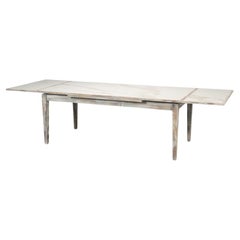
21st Century and Contemporary European Neoclassical Dining Room Tables
Porcelain, Wood

People Also Browsed
2010s Swedish Scandinavian Modern Commodes and Chests of Drawers
Birch, Oak
2010s American Modern Stools
Wood, Oak
2010s Canadian Modern Dining Room Tables
Ash, Wood
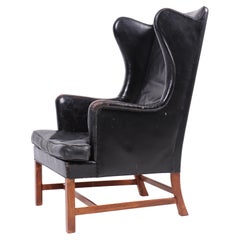
Vintage 1940s Danish Scandinavian Modern Wingback Chairs
Leather, Rosewood
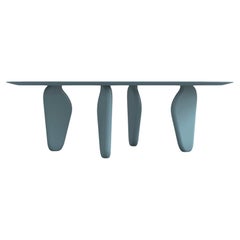
2010s Greek Modern Dining Room Tables
Wood, Lacquer
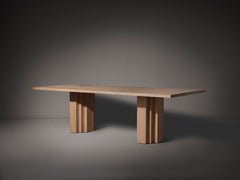
21st Century and Contemporary Dutch Brutalist Dining Room Tables
Oak, Walnut
2010s American Flush Mount
Brass
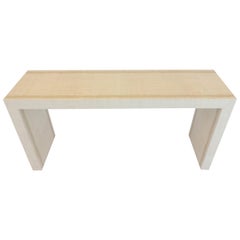
2010s American Modern Console Tables
Grasscloth, Wood
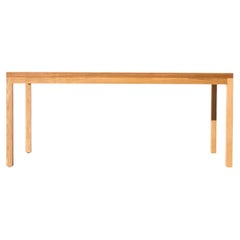
2010s American Modern Dining Room Tables
Oak
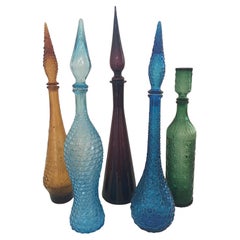
Vintage 1940s Italian Bottles
Glass, Blown Glass
Early 20th Century French Country Dining Room Tables
Oak
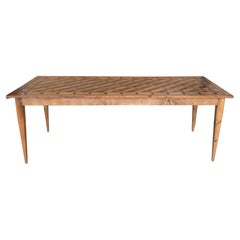
21st Century and Contemporary Vietnamese Rustic Dining Room Tables
Wood
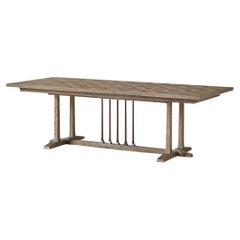
21st Century and Contemporary Italian Mid-Century Modern Wall Mirrors
Wood
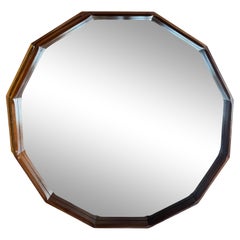
20th Century American Mid-Century Modern Dining Room Tables
Walnut
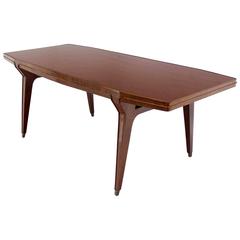
2010s Italian Modern Wall Mirrors
Mirror
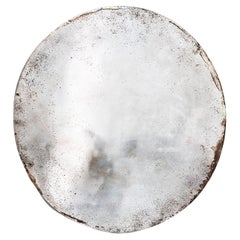
21st Century and Contemporary Stools
Steel
120 Inch Dining Table For Sale on 1stDibs
How Much is a 120 Inch Dining Table?
A Close Look at Neoclassical Furniture
Neoclassical design emerged in Europe in the 1750s, as the Age of Enlightenment reached full flower. Neoclassical furniture took its cues from the styles of ancient Rome and Athens: symmetrical, ordered, dignified forms with such details as tapered and fluted chair and table legs, backrest finials and scrolled arms.
Over a period of some 20 years, first in France and later in Britain, neoclassical design — also known as Louis XVI, or Louis Seize — would supersede the lithe and curvaceous Rococo or Louis XV style.
The first half of the 18th century had seen a rebirth of interest in classical antiquity. The "Grand Tour" of Europe, codified as a part of the proper education of a patrician gentleman, included an extended visit to Rome. Some ventured further, to sketch the ruins of ancient Greece. These drawings and others — particularly those derived from the surprising and rich archaeological discoveries in the 1730s and ’40s at the sites of the Roman cities of Pompeii and Herculaneum — caused great excitement among intellectuals and aesthetes alike.
Neoclassical furniture is meant to reflect both grace and power. The overall appearance of neoclassical chairs, tables and cabinetry is strong and rectilinear. These pieces are, in effect, classical architecture in miniature: chair and table legs are shaped like columns; cabinets are constructed with elements that mirror friezes and pediments.
Yet neoclassicism is enlivened by gilt and silver leaf, marquetry, and carved and applied ornamental motifs based on Greek and Roman sculpture: acanthus leaves, garlands, laurel wreaths, sheaves of arrow, medallions and chair splats are carved in the shapes of lyres and urns. Ormolu — or elaborate bronze gilding — was essential to French design in the 18th and 19th centuries as a cornerstone of the neoclassical and Empire styles.
As you can see from the furniture on these pages, there is a bit of whimsy in such stately pieces — a touch of lightness that will always keep neoclassicism fresh.
Find antique neoclassical furniture today on 1stDibs.
Finding the Right Dining-room-tables for You
No matter your furniture style of choice, a shared meal is one of life’s true rewards. Why not treat your family and friends to a luxurious dining experience? Browse our top picks to find the perfect antique, new or vintage dining room table for this important occasion.
Modern furniture design borrows significantly from the trends of yore, and this is especially apparent in dining tables. Ancient Egyptians made practical use of the earliest four-legged tables of wood and rock — their models bear striking similarity to the dining tables of today — while common large medieval dining room tables in England were made of oak or elm. Romans and Greeks, renowned for big banquets that involved entertainment as well as good food, used early dining room tables made of marble or wood and metals such as bronze for meals.
On 1stDibs, find a range of dining room tables that offers no shortage of options to accommodate modest interiors, midsize family homes and even lavish banquets (entertainment not included).
Beginning in the mid-19th century, more American homes featured dining rooms, where families could gather specifically for a meal together. In the States, upper-class families were the first to enjoy dining room tables, which were the centerpiece of the dining room.
Dining room tables of the Victorian era were created in a range of revivalist styles inspired by neoclassical, Renaissance, Gothic and other traditions. Furnishings of the period were made of various woods, including oak, rosewood and mahogany, and referenced a variety of decorative arts and architectural motifs. Some dining room tables finished in the Rococo style feature gorgeous inlaid marble tabletops or other ornamental flourishes handcrafted by Parisian furniture makers of the 18th century.
In many modern spaces, there often isn’t a dining room separate from the kitchen — instead, they frequently share real estate in a single area. Mid-century modern dining room tables, specifically those created by designers such as Osvaldo Borsani, Edward Wormley and Alvar Aalto, are typically clean and uncomplicated designs for a dining area that’s adjacent to where the cooking is done. Furniture of this era hasn’t lost its allure for those who opt for a casual and contemporary aesthetic.
If you’re of the modern mindset that making and sharing meals should be one in the same — and perhaps large antique dining tables don’t mesh well with your style — consider a popular alternative. Working with a tighter space may mean that a round or oval dining room table, a design that references the festive meals of the medieval era, may be a better fit. Round dining room tables, particularly those that originated in the Art Deco period, still endure as a popular contemporary substitute for traditional rectangular dining tables. Giovanni Offredi’s Paracarro table for Saporiti Italia is a striking round table option that showcases the magnificent Italian industrial design of the 1970s.
Find a collection of antique, new and vintage dining tables on 1stDibs.
- 1stDibs ExpertMarch 13, 2024Whether 32 inches is too high for a dining table depends largely on what chairs you place around it. Dining chairs with seat heights between 20 and 22 inches will typically be able to provide comfortable seating around a 32-inch-tall table. However, 32 inches is slightly taller than the average dining table height, which is 28 to 30 inches. Shop a wide range of dining tables on 1stDibs.