16th Century Chinese Ceramics
Antique 16th Century Chinese Ceramics
Ceramic
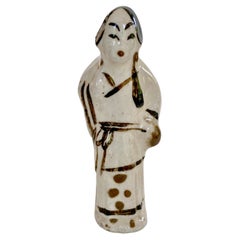
Antique 16th Century Chinese Ceramics
Porcelain
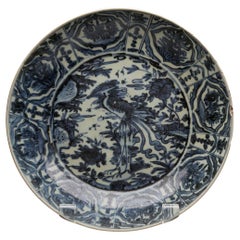
Antique 16th Century Pottery
Pottery
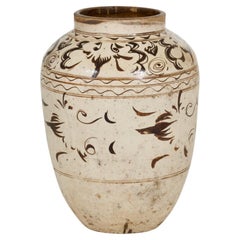
Antique 16th Century Chinese Ming Ceramics
Ceramic, Porcelain
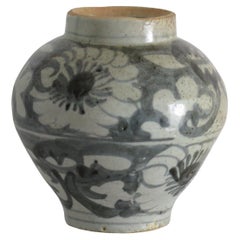
Antique 16th Century Chinese Ming Ceramics
Stoneware
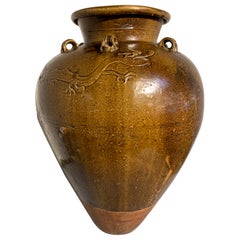
Antique 16th Century Chinese Ming Ceramics
Porcelain
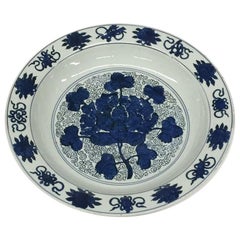
Antique 16th Century Chinese Ming Ceramics
Porcelain
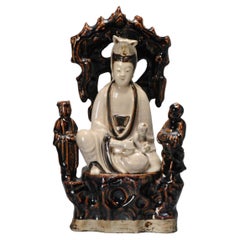

Antique 16th Century Chinese Ming Ceramics
Porcelain
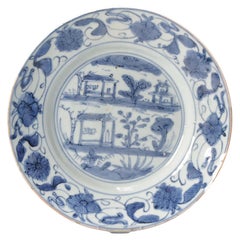
Antique 16th Century Chinese Ming Ceramics
Terracotta
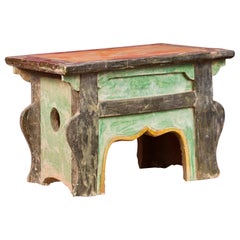
Antique 16th Century Chinese Ming Ceramics
Porcelain
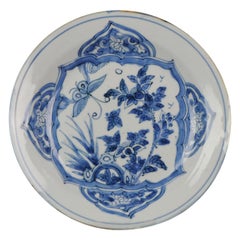
Antique 16th Century Chinese Ming Ceramics
Porcelain
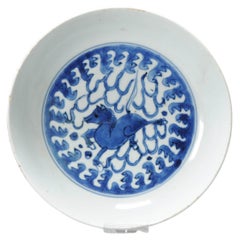
Antique 16th Century Chinese Ming Ceramics
Stoneware
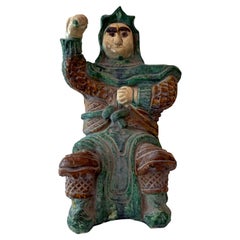
Antique 16th Century Chinese Ming Ceramics
Earthenware
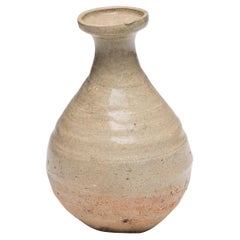
Antique 16th Century Chinese Ming Ceramics
Earthenware
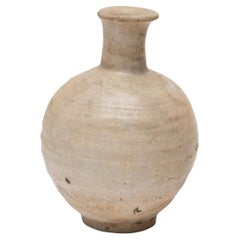
Antique 16th Century Chinese Ming Ceramics
Earthenware
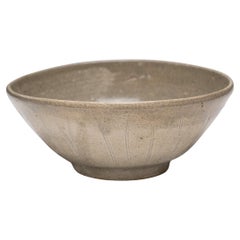
Antique 16th Century Chinese Ming Ceramics
Earthenware
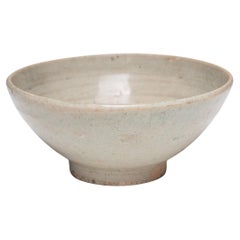
Antique 16th Century Chinese Ming Ceramics
Earthenware
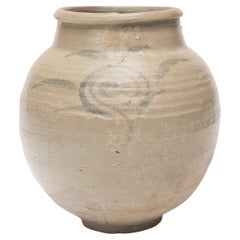
Antique 16th Century Chinese Ming Ceramics
Earthenware
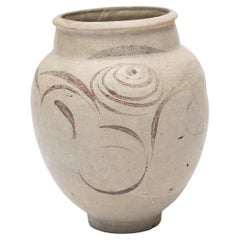
Antique 16th Century Chinese Ming Ceramics
Earthenware
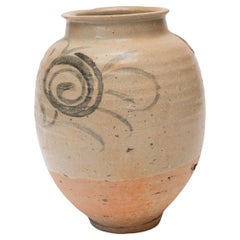
Antique 16th Century Chinese Ming Ceramics
Earthenware
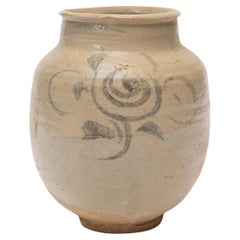
Antique 16th Century Chinese Ming Ceramics
Earthenware
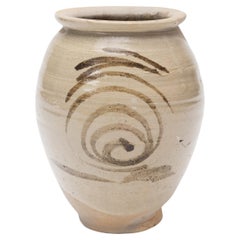
Antique 16th Century Chinese Ming Ceramics
Ceramic
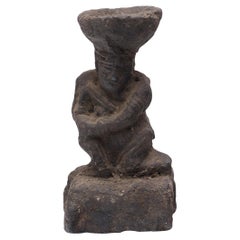
Antique 16th Century Chinese Ming Ceramics
Earthenware
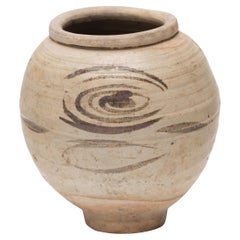
Antique 16th Century Chinese Ming Ceramics
Earthenware
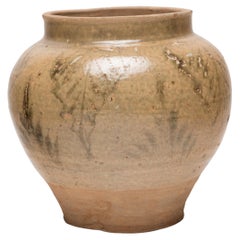
Antique 16th Century Chinese Ming Ceramics
Earthenware
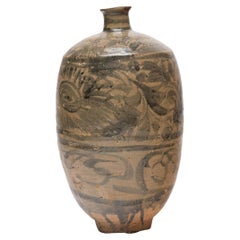
Antique 16th Century Chinese Ming Ceramics
Earthenware
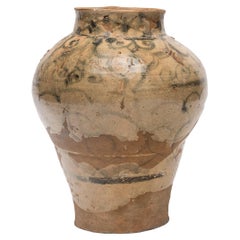
Antique 16th Century Chinese Ming Ceramics
Earthenware
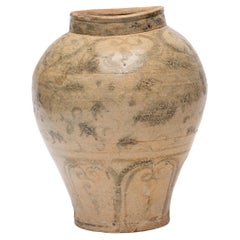
Antique 16th Century Chinese Ming Ceramics
Earthenware
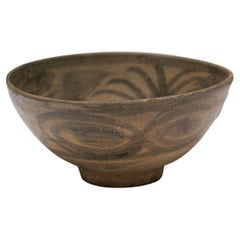
Antique 16th Century Chinese Ming Ceramics
Earthenware
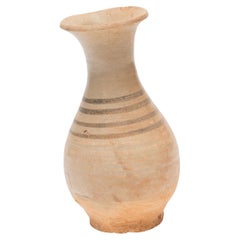
Antique 16th Century Chinese Ming Ceramics
Earthenware
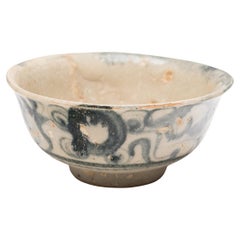
Antique 16th Century Chinese Ming Ceramics
Earthenware
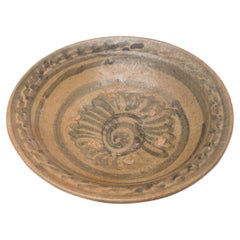
Antique 16th Century Chinese Ming Ceramics
Earthenware
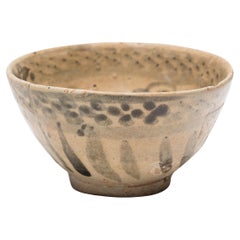
Antique 16th Century Chinese Ming Ceramics
Stoneware
Antique 16th Century Chinese Ming Ceramics
Earthenware
Antique 16th Century Chinese Ming Ceramics
Stoneware
Antique 16th Century Chinese Ming Ceramics
Earthenware
Antique 16th Century Chinese Ming Ceramics
Earthenware
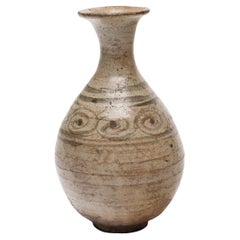
Antique 16th Century Chinese Ming Ceramics
Earthenware
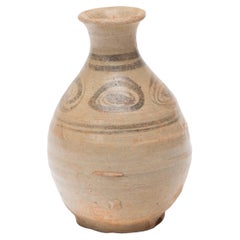
Antique 16th Century Chinese Ming Ceramics
Earthenware
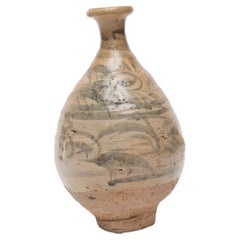
Antique 16th Century Chinese Ming Ceramics
Earthenware
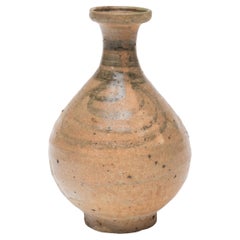
Antique 16th Century Chinese Ming Ceramics
Stoneware
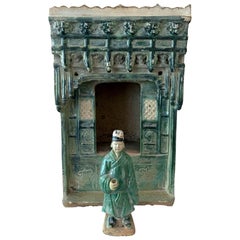
Antique 16th Century Chinese Ming Ceramics
Stoneware
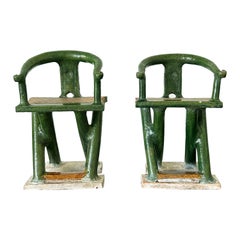
Antique 16th Century Chinese Ceramics
Porcelain
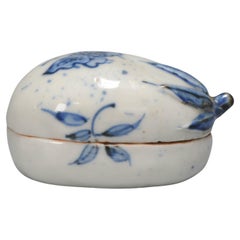
Antique 16th Century Chinese Ming Ceramics
Porcelain
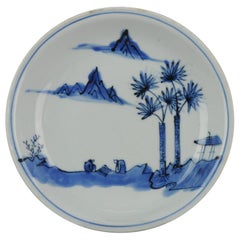
Antique 16th Century Chinese Ming Ceramics
Porcelain
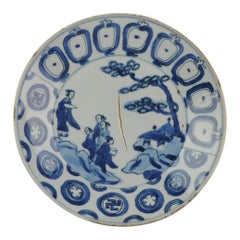
Antique 16th Century Chinese Chinese Export Ceramics
Pottery
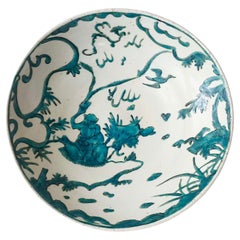
Antique 16th Century Chinese Ming Ceramics
Porcelain
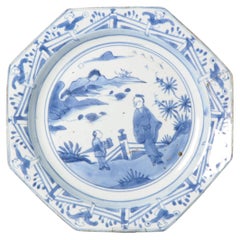
Antique 16th Century Chinese Ming Ceramics
Porcelain
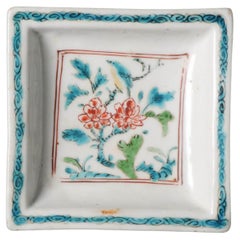
Antique 16th Century Chinese Ceramics
Pottery
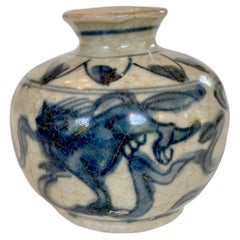
Antique 16th Century Chinese Ceramics
Pottery
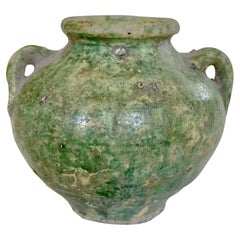
Antique 16th Century Chinese Ceramics
Pottery
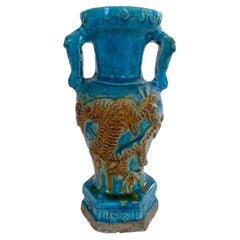
Antique 16th Century Chinese Ming Ceramics
Rock Crystal
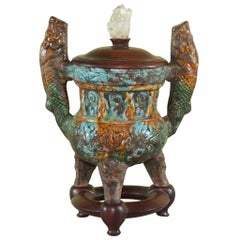
Antique 16th Century Chinese Dinner Plates
Porcelain
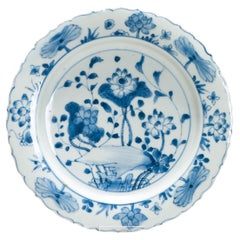
Antique 16th Century Chinese Ming Ceramics
Porcelain
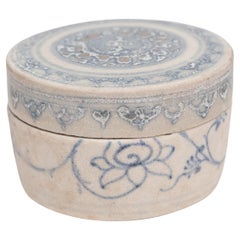
Antique 16th Century Chinese Ming Ceramics
Porcelain
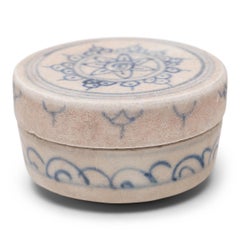
Antique 16th Century Chinese Ming Ceramics
Porcelain
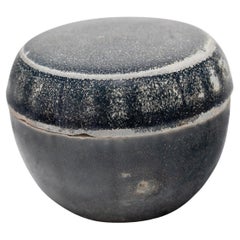
Antique 16th Century Chinese Ming Ceramics
Porcelain
- 1
16th Century Chinese Ceramics For Sale on 1stDibs
How Much are 16th Century Chinese Ceramics?
Finding the Right Ceramics for You
With their rich and diverse history, antique, new and vintage Asian ceramics offer colorful and sophisticated ways to add flair to any space.
Japanese pottery dates back at least 13,000 years to the Jōmon period. Pieces from the Late Jōmon era display a rope-cord pattern encircling a pot or jug. During the Muromachi period, potters created simple bowls and utensils frequently used in tea ceremonies and were made as both functional and aesthetic objects.
Ceramics made during Japan’s Meiji period, from 1868 to 1912, reflected an explosion of artistic expression propelled by new access to international trade. Details became more intricate and refined, and colors were enhanced with new glazing practices.
Chinese porcelain, meanwhile, is often identified by its shape. Each reign and dynasty had specific shapes and styles that were encouraged by the imperial ruler. During the Song dynasty, for instance, there were four dominant types of ceramic vase shapes: plum-shaped, pear-shaped, cong-shaped (tall and square) and double-gourd.
Chinese ceramics that were made during the Qing dynasty were demonstrative of an expanded artistic expression, with more delicate shapes and a focus on intricate detailing. The shapes of ceramics from this era are thinner, taller and have subtle features like a gentle flare, such as on the mallet-shaped vase.
Later, the 17th- and 18th-century interior design trend of chinoiserie brought Asian paintings and screens, textiles and other art and furniture from the continent into many European homes.
Explore an extensive range of antique, new and vintage Asian ceramics on 1stDibs to find the perfect piece for your home.
- 1stDibs ExpertMarch 22, 2022Yes, there were cannons in the 16th century. The history of the weapon dates back to 12th-century China. Historical records suggest that the first cannons appeared in Europe during the Islamic wars in Iberia in the 13th century. Find a range of antique cannons on 1stDibs.
- 1stDibs ExpertApril 5, 2022Yes, the history of glass-making goes back much further than the 1600s. It’s believed that they were making glass in different parts of the world at least 3,600 years ago, maybe even longer. During the late Bronze Age in Egypt and in Western Asia, glassmarking advanced significantly and was manipulated extensively to produce vessels, jewelry, and works of art. Shop a range of antique and vintage glass on 1stDibs.
- 1stDibs ExpertApril 5, 2022A variety of furniture was used during the 16th century. Items commonly found in homes include high-backed armchairs, chests, stools, benches and cupboards. Most European artisans active during the time period produced pieces out of oak wood. Find a large collection of antique furniture on 1stDibs.