16th Century Italian Majolica
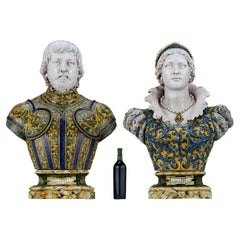
Antique 19th Century Italian Renaissance Busts
Enamel

Recent Sales
Antique 16th Century Italian Renaissance Ceramics
Faience, Majolica
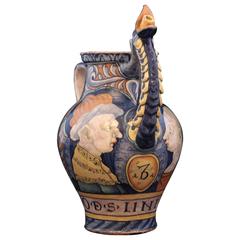
Antique 16th Century Italian Renaissance Delft and Faience
Faience, Majolica
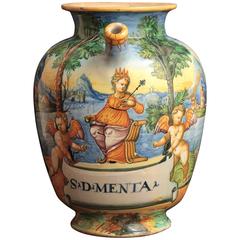
Antique 16th Century Italian Renaissance Vases
Faience
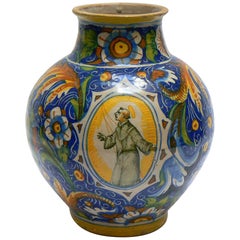
Antique 1610s Italian Renaissance Vases
Ceramic, Luster, Majolica
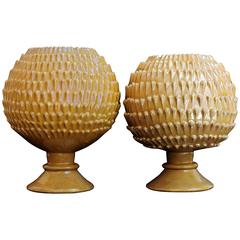
Antique 16th Century Italian Renaissance Pottery
Majolica
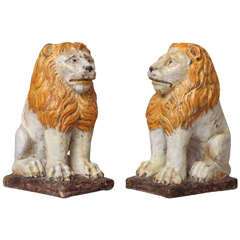
Antique 16th Century Italian Renaissance Ceramics
Ceramic
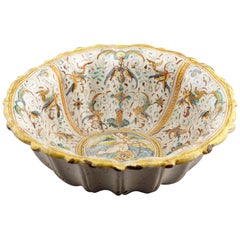
Antique 16th Century Italian Renaissance Vases
Faience
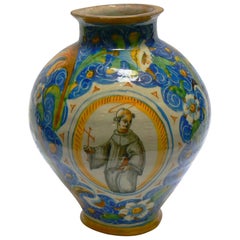
Antique 16th Century Italian Renaissance Architectural Elements
Majolica
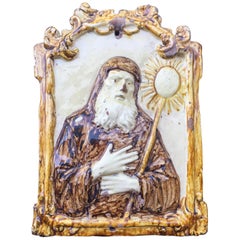
Antique 16th Century Italian Renaissance Ceramics
Ceramic
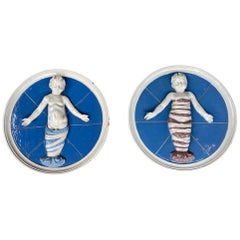
Antique 17th Century Italian Baroque Bottles
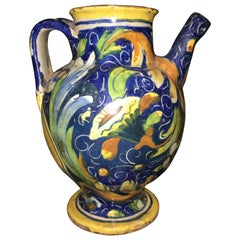
Antique 16th Century Italian Renaissance Ceramics
Ceramic
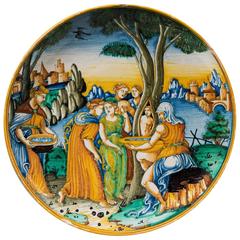
Antique 16th Century Italian Renaissance Ceramics
Faience, Majolica

Antique 16th Century Italian Renaissance Apothecary Cabinets
Faience, Majolica
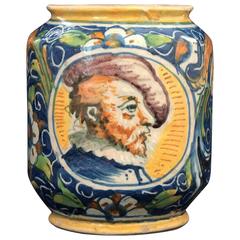
Antique 16th Century Italian Other Ceramics
Majolica, Ceramic
People Also Browsed
Antique 17th Century Belgian Tapestries
Wool
Antique Late 19th Century American Musical Instruments
Mahogany
21st Century and Contemporary French Planters and Jardinieres
Bronze
Antique Early 1900s American Sterling Silver
Sterling Silver

Antique 19th Century French Belle Époque Paintings
Enamel, Ormolu, Bronze
Antique 19th Century English Georgian Cabinets
Brass
20th Century Books
Paper
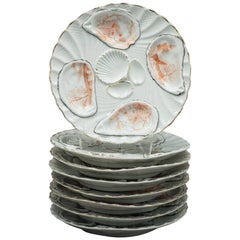
Early 20th Century Dinner Plates
Porcelain
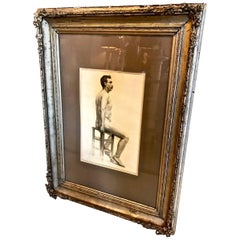
Early 20th Century French Beaux Arts Drawings
Paper
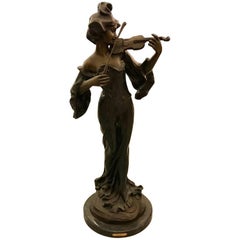
Antique Late 19th Century Art Nouveau Figurative Sculptures
Marble, Bronze
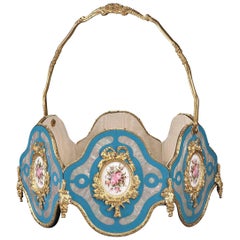
Antique 19th Century French Napoleon III Decorative Baskets
Bronze
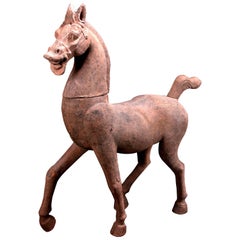
Antique 15th Century and Earlier Chinese Han Antiquities
Terracotta
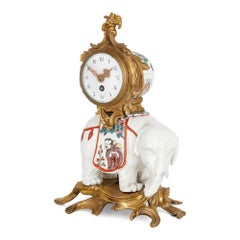
Antique Late 19th Century French Chinoiserie Mantel Clocks
Ormolu
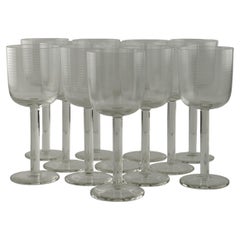
Late 20th Century Italian Modern Barware
Crystal
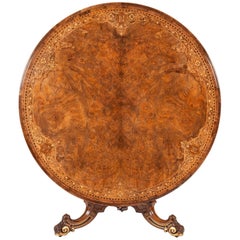
Antique 19th Century British Victorian Center Tables
Walnut
Antique 1860s Chairs
Fruitwood
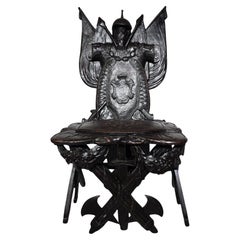
16th Century Italian Majolica For Sale on 1stDibs
How Much is a 16th Century Italian Majolica?
A Close Look at Renaissance Furniture
Spanning an era of cultural rebirth in Europe that harkened back to antiquity, the Renaissance was a time of change in design. From the late 1400s to the early 1600s, Rome, Venice and Florence emerged as artistic centers through the expansion of global trade and a humanist belief in the arts being central to society. Antique Renaissance furniture was ornately carved from sturdy woods like walnut, its details standing out against the tapestries and stained glass adorning the walls.
Renaissance chests, which were frequently commissioned for marriages, were often decorated with gilding or painted elements. Those that were known as cassoni were crafted in shapes based on classical sarcophagi. As opposed to the medieval era, when furniture was pared down to the necessities, a wide range of Renaissance chairs, tables and cabinets were created for the home, and the designs regularly referenced ancient Rome.
Large torchères of the Renaissance era that were used as floor lamps were inspired by classical candelabras, while marble surfaces evoked frescoes. The inlaid boxes being imported from the Middle East informed the intarsia technique, which involved varying hues of wood in mosaic-like patterns, such as those by architect Giuliano da Maiano in the Florence Cathedral.
Tapestry-woven cushion covers accented the variety of Renaissance seating — from conversation to study chairs — while bookcases for secular use reflected the migration of culture and knowledge from the church into the home. The aesthetics of the Italian Renaissance later spread to France through the publishing of work by renowned designers, including Hugues Sambin and Jacques Androuet du Cerceau. Centuries later, the 19th-century Renaissance Revival would see a return to this influential style.
Find a collection of antique Renaissance case pieces, decorative objects and other furniture on 1stDibs.
- 1stDibs ExpertMarch 22, 2022Yes, there were cannons in the 16th century. The history of the weapon dates back to 12th-century China. Historical records suggest that the first cannons appeared in Europe during the Islamic wars in Iberia in the 13th century. Find a range of antique cannons on 1stDibs.
- 1stDibs ExpertApril 5, 2022Yes, the history of glass-making goes back much further than the 1600s. It’s believed that they were making glass in different parts of the world at least 3,600 years ago, maybe even longer. During the late Bronze Age in Egypt and in Western Asia, glassmarking advanced significantly and was manipulated extensively to produce vessels, jewelry, and works of art. Shop a range of antique and vintage glass on 1stDibs.
- 1stDibs ExpertApril 5, 2022A variety of furniture was used during the 16th century. Items commonly found in homes include high-backed armchairs, chests, stools, benches and cupboards. Most European artisans active during the time period produced pieces out of oak wood. Find a large collection of antique furniture on 1stDibs.